

Content
Midway through an aseptic batch, the quality department needs a sample from the reactor. The vessel is sterile, the product is potent, and the surrounding cleanroom must stay within its class limit. Opening a conventional sampling point creates three risks at once: airborne contamination of the batch, exposure of the operator to the process fluid, and a sample that does not truly represent the vessel contents. A sealed sampling valve is designed to avoid all three by keeping the barrier intact from the moment the sample line opens to the moment the sample is safely enclosed.
In practical terms, a sealed sampling valve is not a component you choose last. It is a process safety device, a contamination control measure, and a quality assurance tool at the same time. Understanding its construction, its limitations, and its position within the wider aseptic transfer system is the basis for buying the right valve instead of the cheapest one.
What Makes a Sampling Valve "Sealed"
Most valves can be closed. A sealed sampling valve, by contrast, is defined by what happens before, during, and after the sample is drawn:
- The valve body has its own secondary containment, so leakage to the atmosphere is prevented even if the primary seal wears.
- The flow passage opens only when the operator introduces the sampling device, so the product never sees the room air.
- After the sample is taken, the valve returns to a position that can be cleaned and sterilized in place without disassembly.
This distinguishes it from a simple ball valve or globe valve mounted on a reactor nozzle. Those designs rely on transferring product into an open container, which creates an open path between the batch and the environment. A sealed sampling valve closes that path with a mechanical interlock or a sleeve that remains around the sample stream.
For GMP-regulated processes, the practical consequence is straightforward: the valve design determines whether you can demonstrate control over the sampling operation. A closed sampling system makes it easier to justify that the sample is representative, uncontaminated, and obtained without exposing personnel.
Where Sealed Sampling Valves Fit in an Aseptic Process
Sealed sampling valves appear in more places than most engineers assume. Typical installations include:
- Bioreactors and fermenters, where frequent sampling tracks cell density, metabolite concentration, and contamination status.
- Buffer and media preparation tanks, where samples are checked for pH, conductivity, and bioburden before use.
- API and finished dosage production lines, where product samples are tested for potency and impurities.
- Containment systems for highly potent or toxic substances, where operator exposure limits are measured in micrograms per cubic meter.
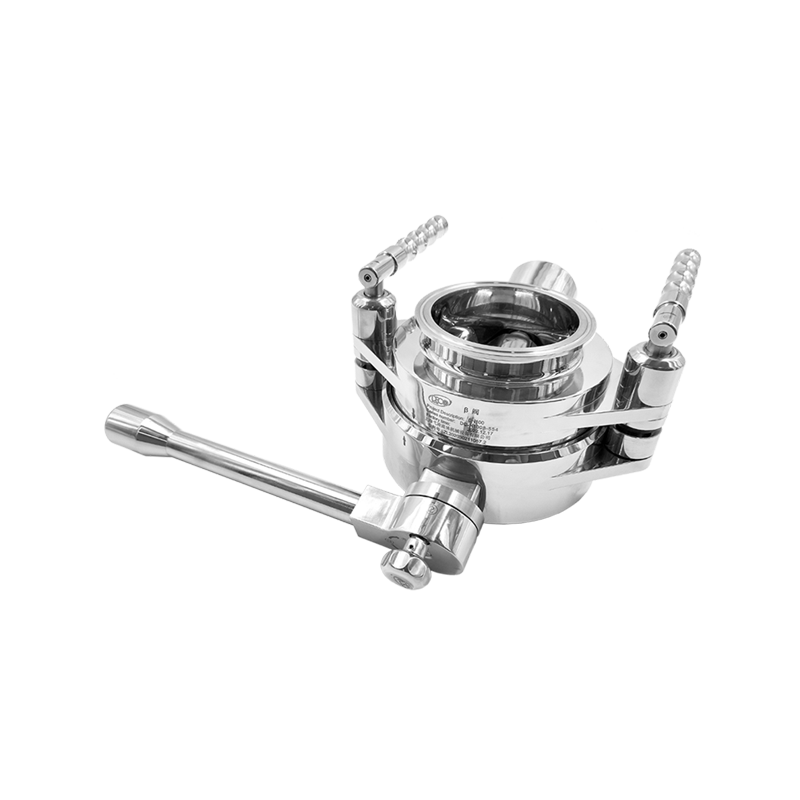
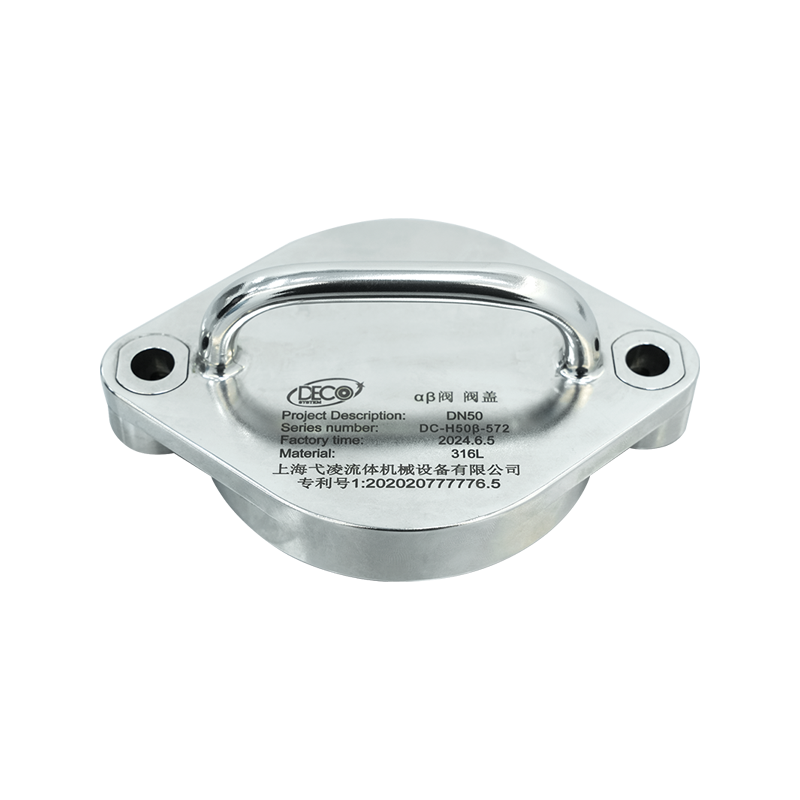
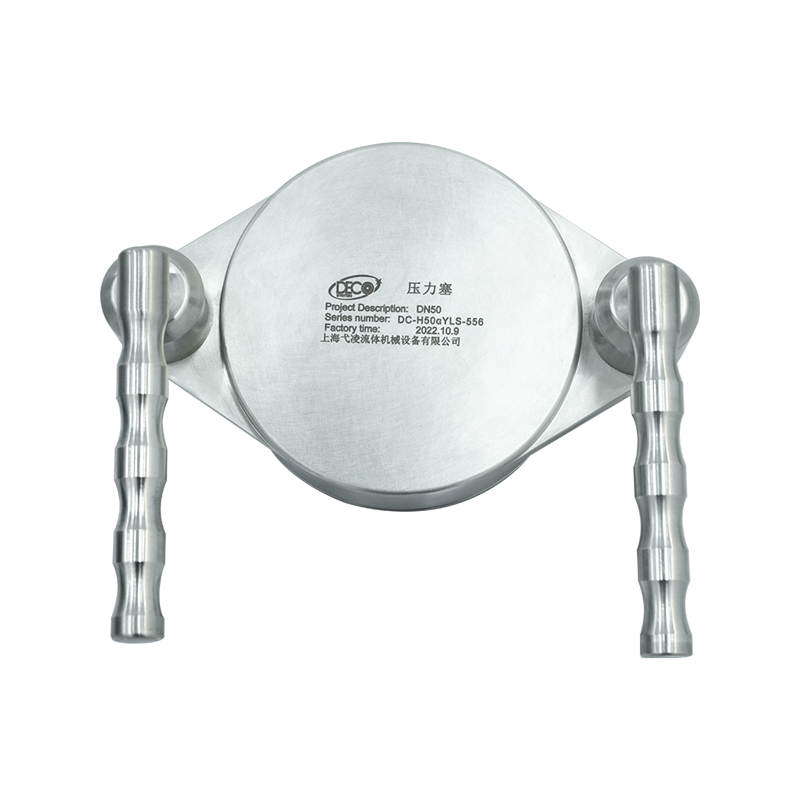
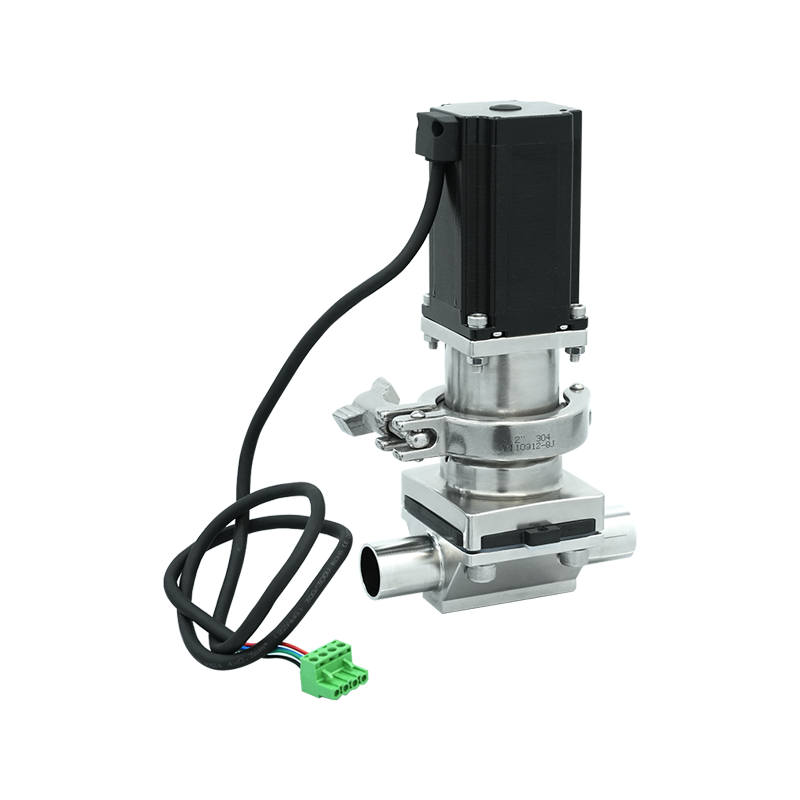
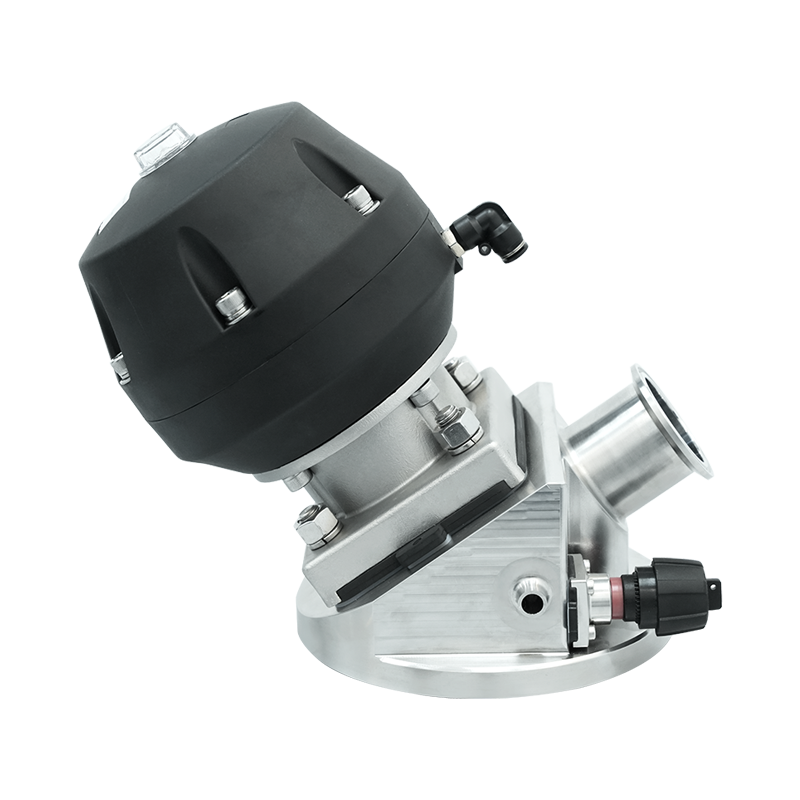
Because the valve is the only device between the vessel and the environment, its design must match the contamination control level of the main process. In the ELING product system, this is why the sealed sampling valve used in our split butterfly valve range shares the same surface finish, seal material, and sterilization compatibility as the transfer valve itself. The sample port is not a weak point where the containment philosophy stops.
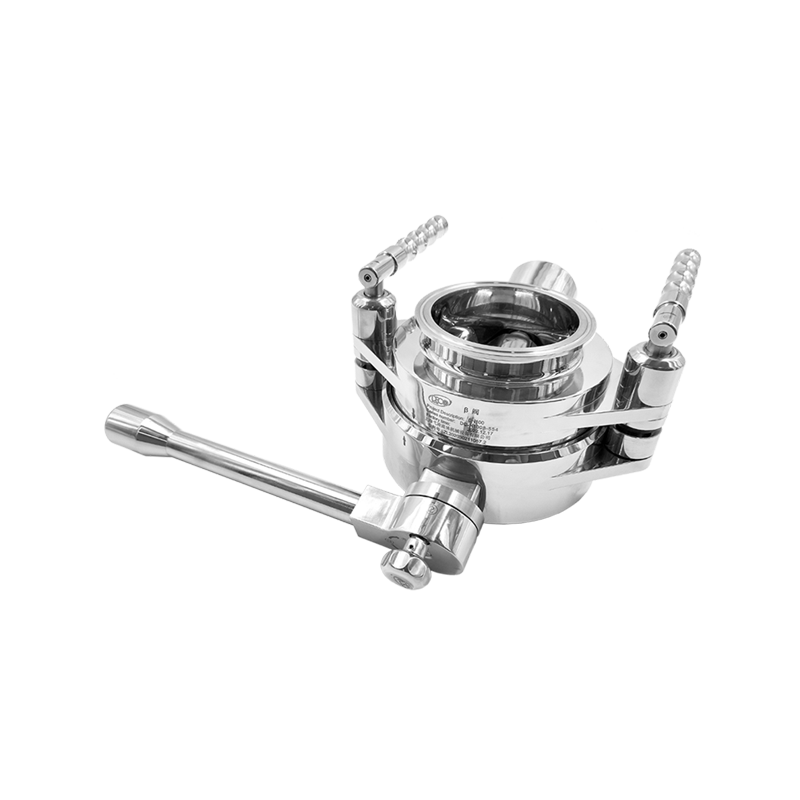
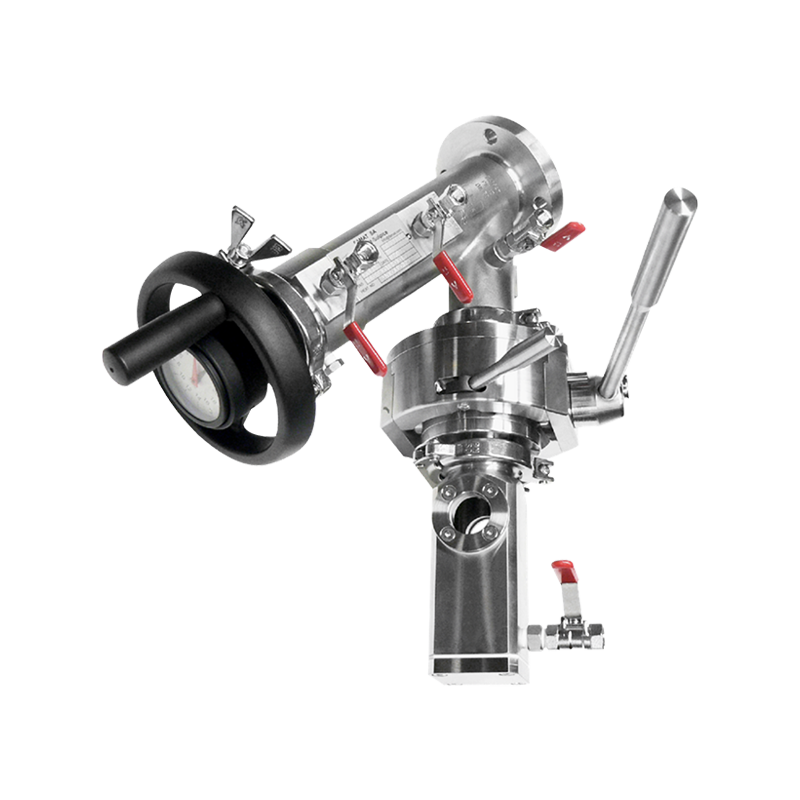
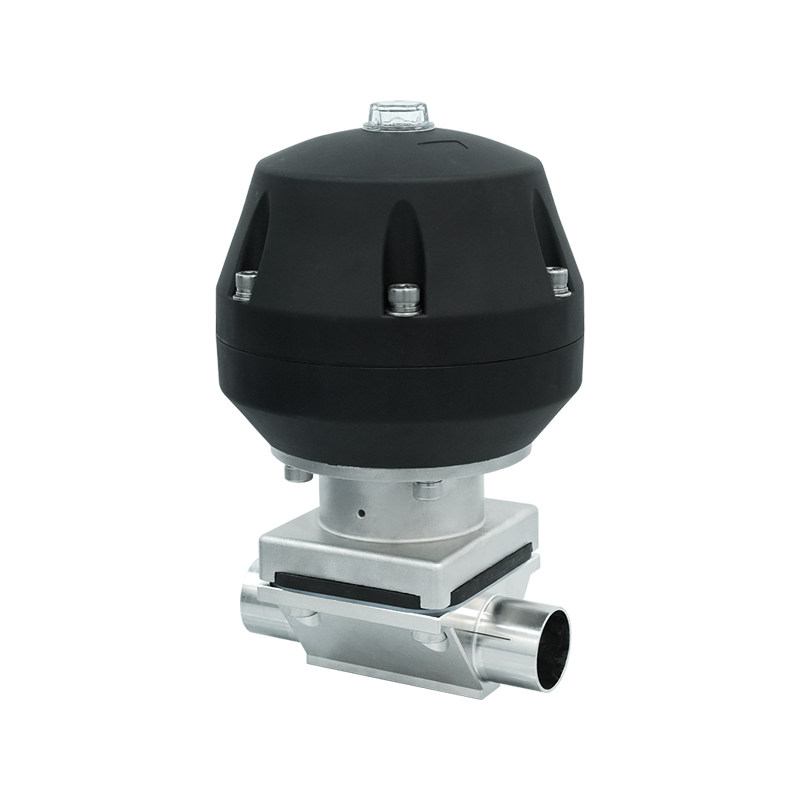
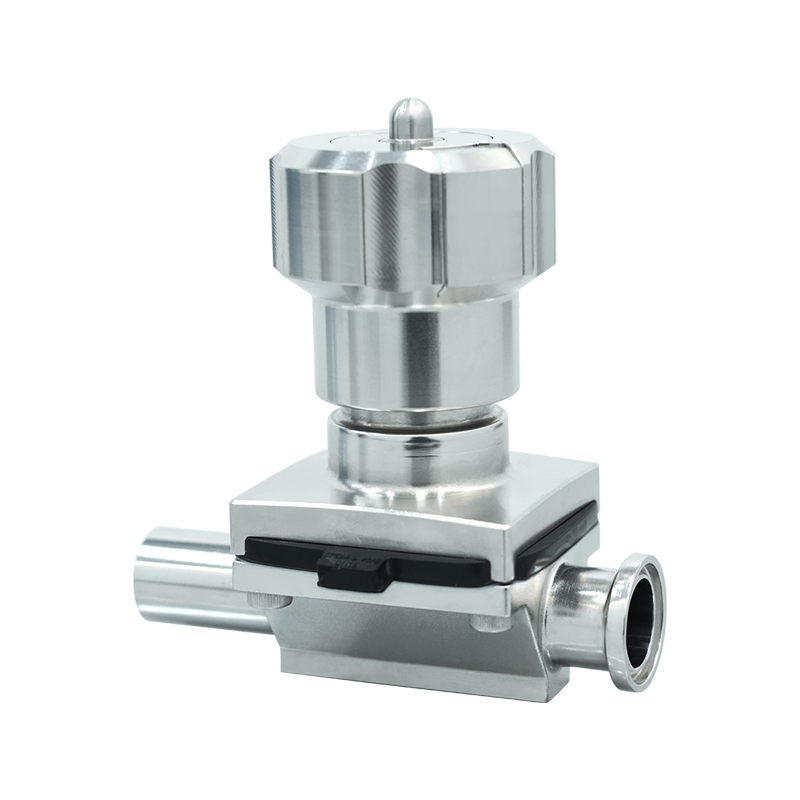
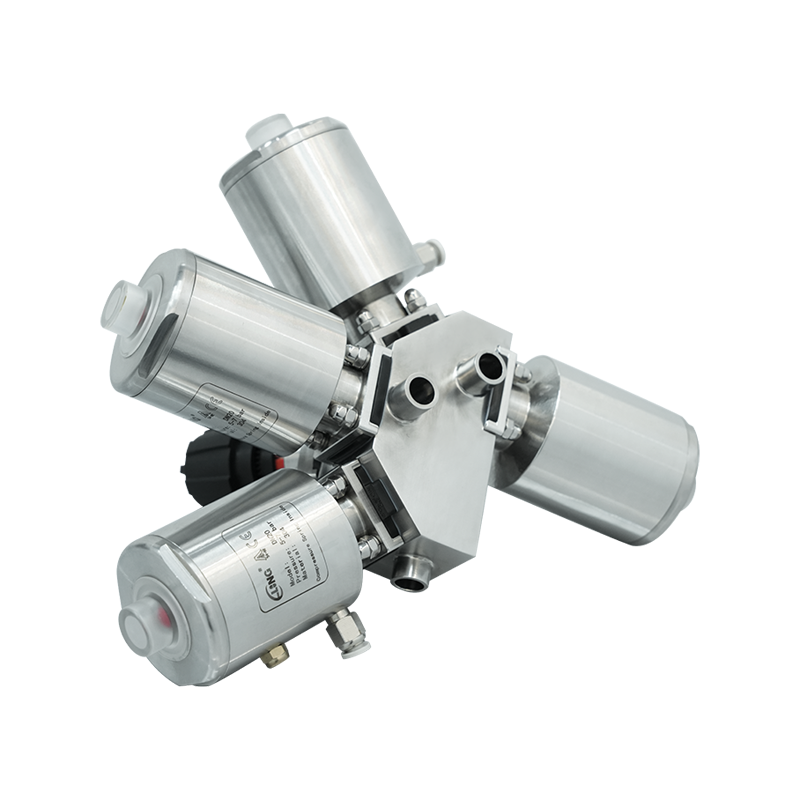
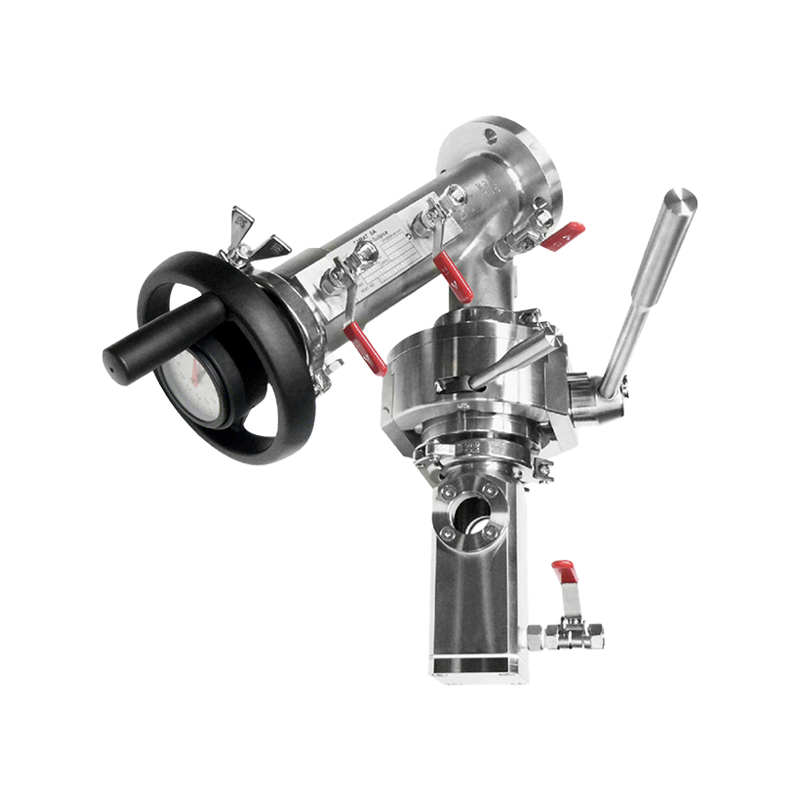 Sealed Sampling Valve Suppliers, CompanyShanghai Yiling Fluid Machinery Equipment Co., Ltd is China Custom Sealed Sampling Valve Suppliers and Sealed Sampling Valve Company, The...View Product →
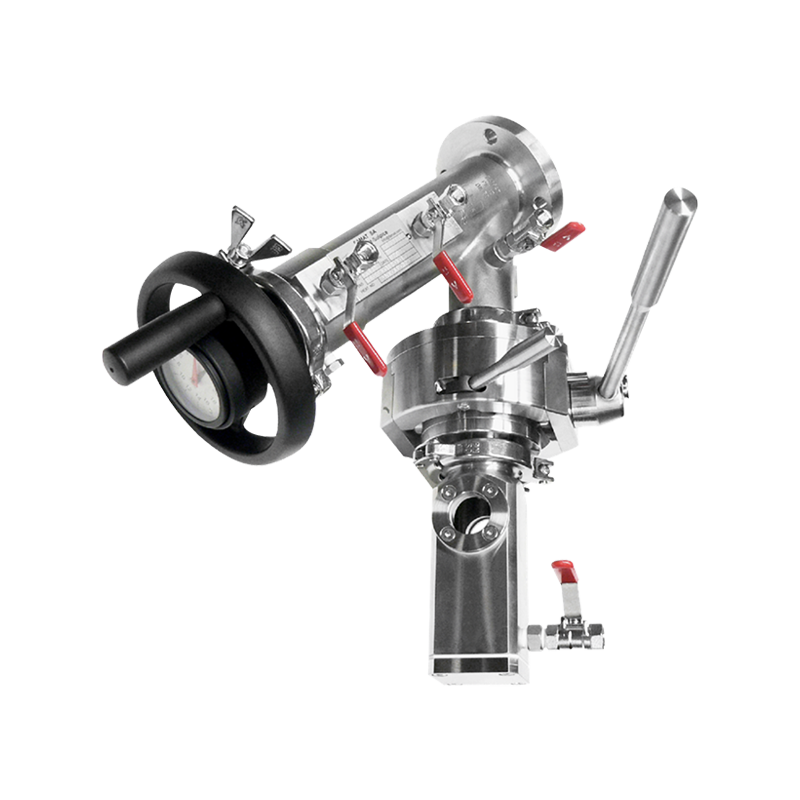
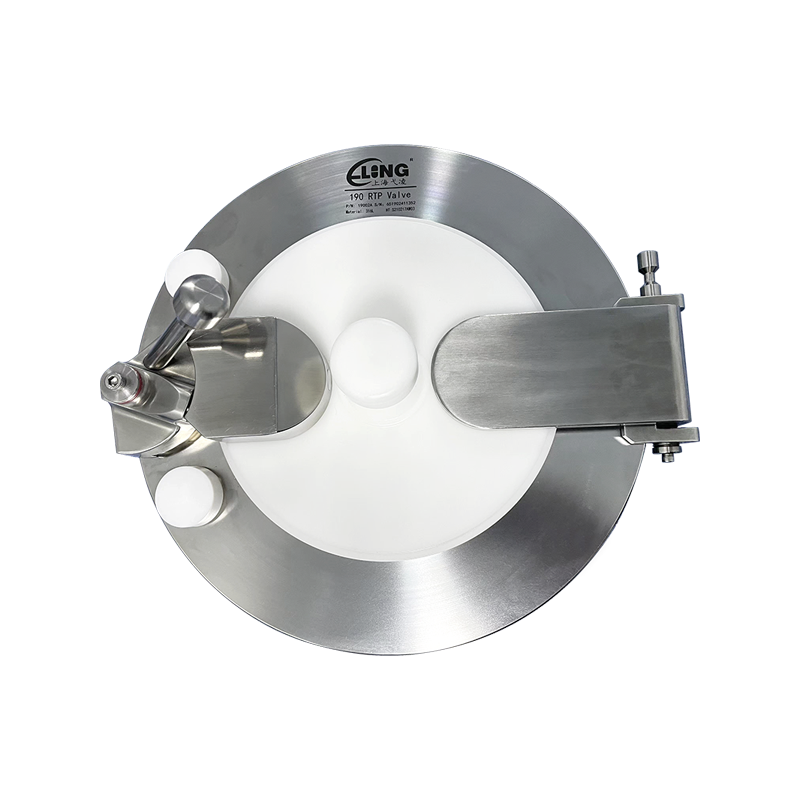
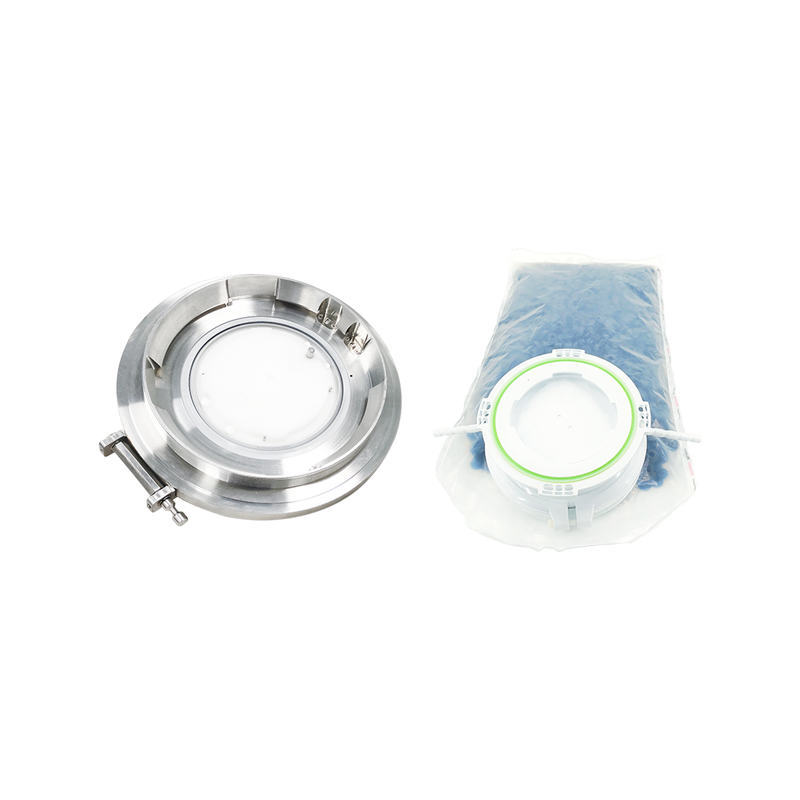
For highly potent compounds, the valve can be mounted directly on a vessel wall or integrated into a sterile split butterfly valve connection, allowing the sample to be drawn without breaking the Alpha/Beta interface. In this arrangement, the operator never handles the product directly, and the sample container is sealed before it leaves the controlled zone.
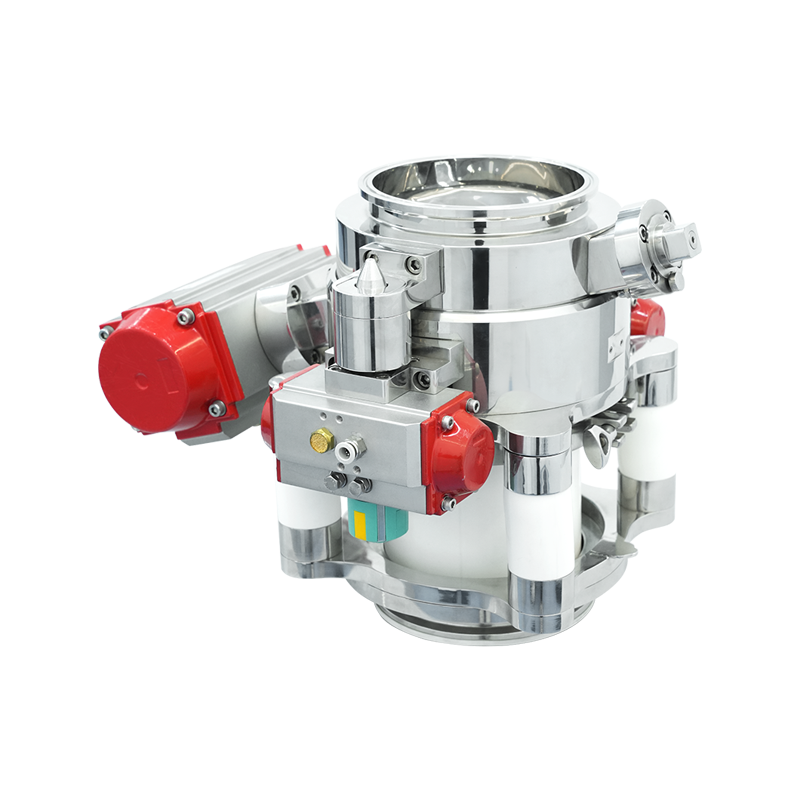
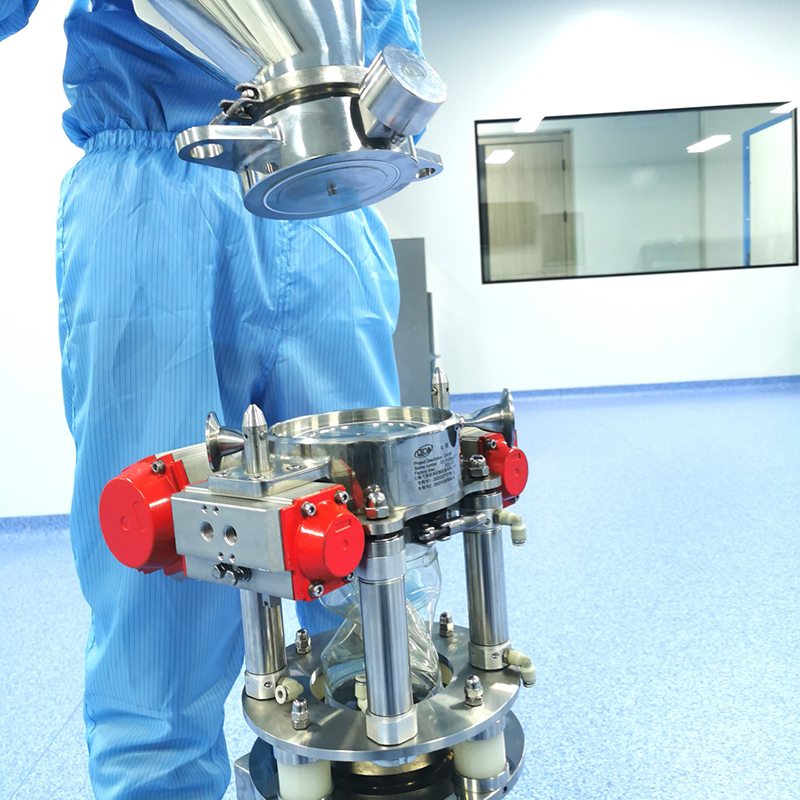 Powder Containment Transfer Aseptic Split Butterfly Valve Suppliers, CompanyShanghai Yiling Fluid Machinery Equipment Co., Ltd is China Custom Powder Containment Transfer Aseptic Split Butterfly Valve Suppliers an...View Product →
Design Details That Decide Sample Quality
Not every sealed sampling valve delivers the same result in production. The differences that matter are dead space in the flow path, material condition on wetted surfaces, and the ability of the design to survive repeated cleaning and sterilization cycles.
Dead Space Control
The simplest geometry traps product in the cavity around the valve stem. Over time, that stagnant material degrades, dries out, or supports microbial growth. When the next sample is drawn, the residue is flushed into the sample container and the analytical result no longer represents the batch. The key requirement is a flow path with no dead leg, or one as short as possible, so the sampled fluid sweeps the entire wetted area and leaves nothing behind.
Surface Condition
Surface roughness has a direct influence on how easily the valve is cleaned and how thoroughly it can be sterilized. For pharmaceutical service, wetted parts are normally 316L stainless steel with an electropolished interior of Ra 0.4 µm or better. Irregularities hide product residue and complicate cleaning validation. When the valve is used in product contact, surface finish is a quality attribute, not a cosmetic option.
Cleaning and Sterilization Compatibility
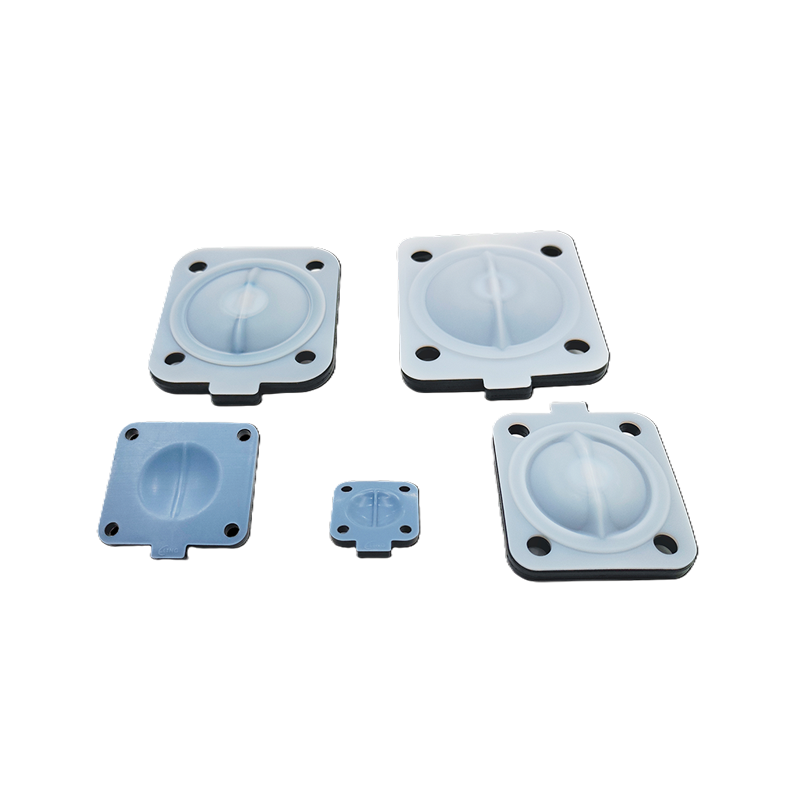
If a sampling valve cannot be cleaned and sterilized in place, it must be opened for manual cleaning, and that is exactly the moment contamination enters. The design should allow SIP at typical pharmaceutical sterilization temperatures and CIP at the flow rates and chemical concentrations used elsewhere in the line. Elastomer selection matters here as well; how diaphragm and body materials affect performance and safety applies directly to the seals in a sampling valve. PTFE and EPDM compounds must tolerate repeated steam exposure without losing dimensional stability.
What to Verify Before You Buy
Most procurement problems with sampling valves are not about the valve itself but about missing or incomplete supporting evidence. The table below lists the checks that prevent the most common issues in GMP projects.
| Check | Why It Matters | Typical Acceptance |
|---|---|---|
| Wetted material | Corrosion resistance and extractables profile | 316L stainless steel with material certificates |
| Surface finish | Cleanability and sterilization resistance | Ra 0.4 µm or better, electropolished |
| Dead leg | Sample representativeness | Minimized or zero dead leg design |
| CIP and SIP rating | Barrier integrity over repeated cycles | Seals validated for steam and cleaning chemicals |
| Documentation | Validation and audit readiness | Conformity certificate, surface finish report, material traceability |
Watch for valves that look similar but differ in seal material, surface treatment, or the quality of welded connections. If the sampling valve will be used in a closed transfer system, also confirm that its connection geometry is compatible with the split butterfly valve or RTP port you already use.
Installation and Operation Tips from the Field
- Mount the sample port pointing downward so residual liquid drains completely after each operation.
- Flush the valve before drawing the official sample to remove cleaning fluid, sterilization condensate, or stale product left in the outlet.
- Rinse immediately after sampling with water for injection or process fluid, then return the valve to its normal position for the next CIP or SIP cycle.
- Inspect elastomers on a fixed schedule. Repeated steam cycles harden seals and change their dimensional fit.
When the sampling valve is installed as part of a split butterfly valve system, how the aseptic split butterfly valve maintains sterility during transfer explains the relationship between the sample point and the Alpha/Beta docking sequence. The operating rule is identical: both sides of the barrier must remain protected at every step.
The Bigger Picture
Viewed properly, a sealed sampling valve is a small component with an outsized responsibility. It determines whether the sample you analyze is the product you actually made, whether operators stay safe during routine monitoring, and whether the process remains validated after hundreds of sampling cycles.
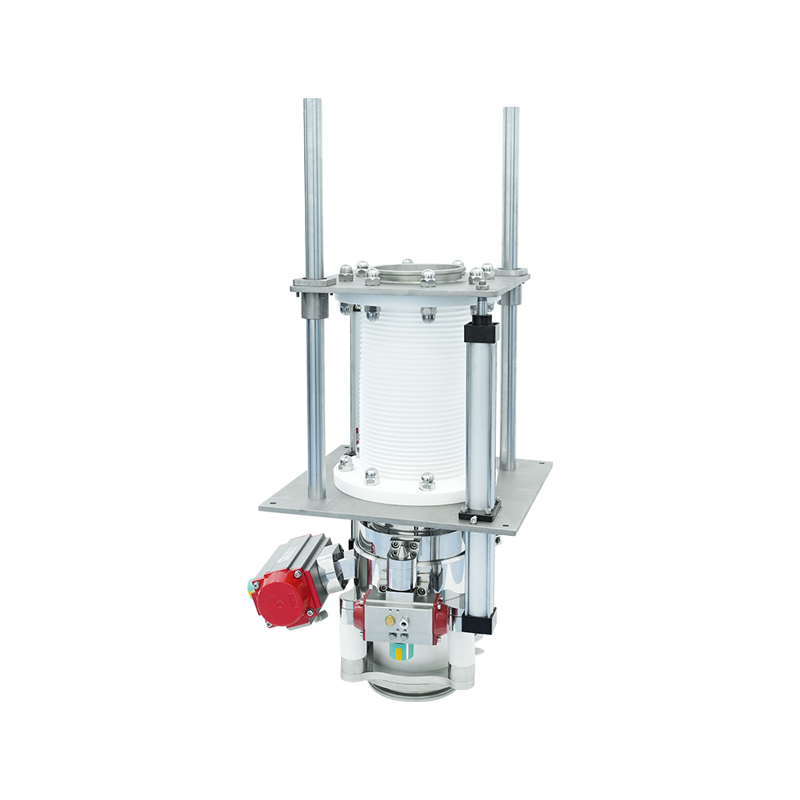
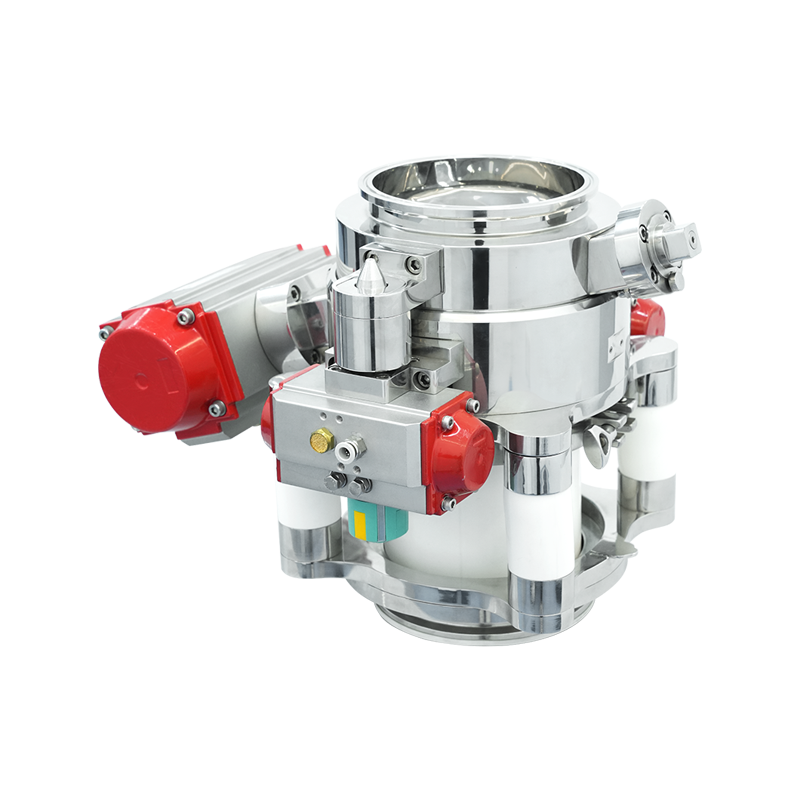
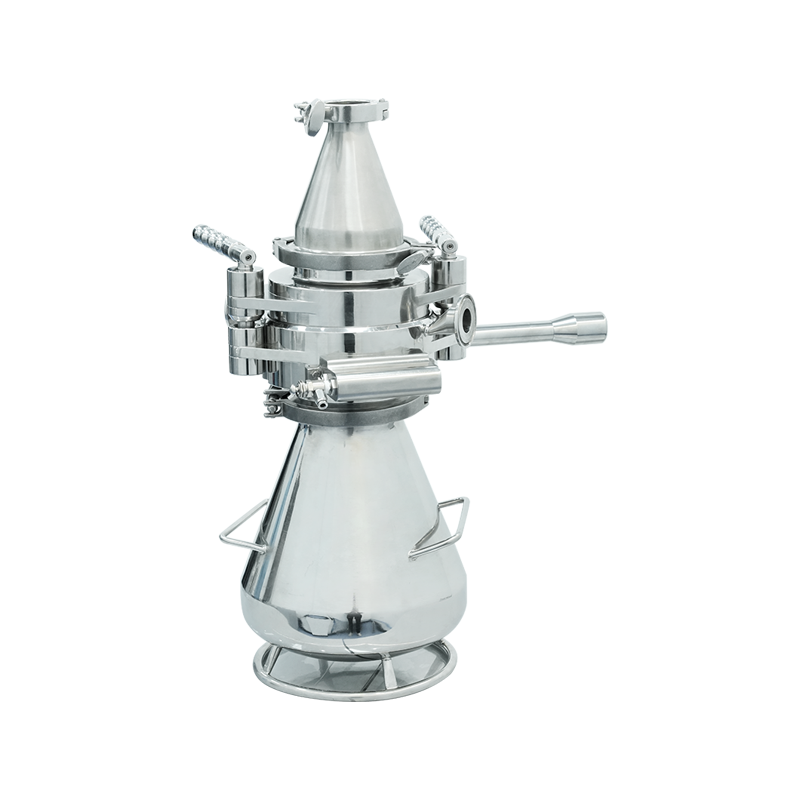
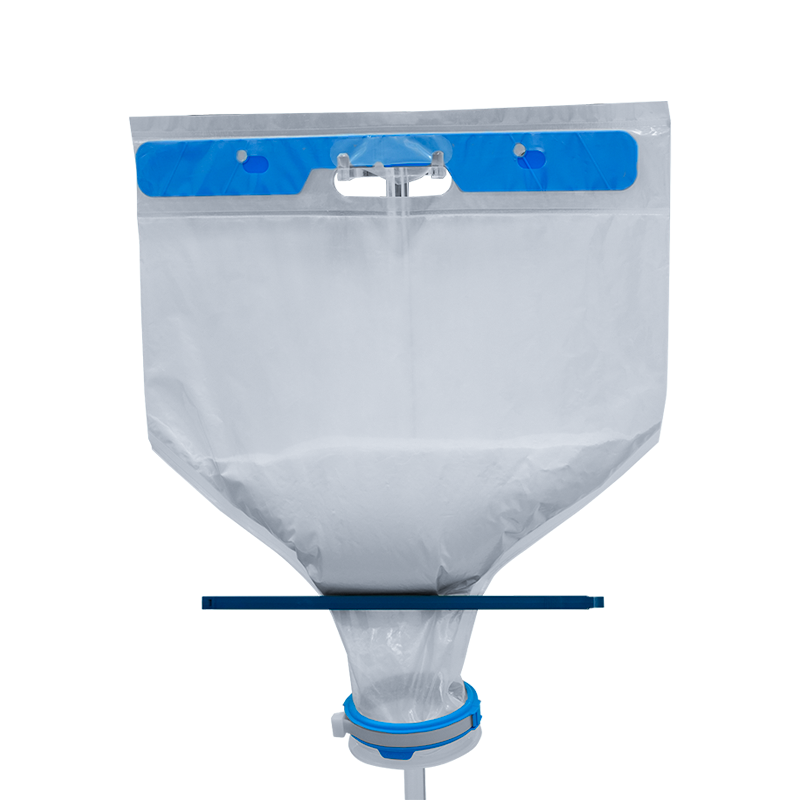
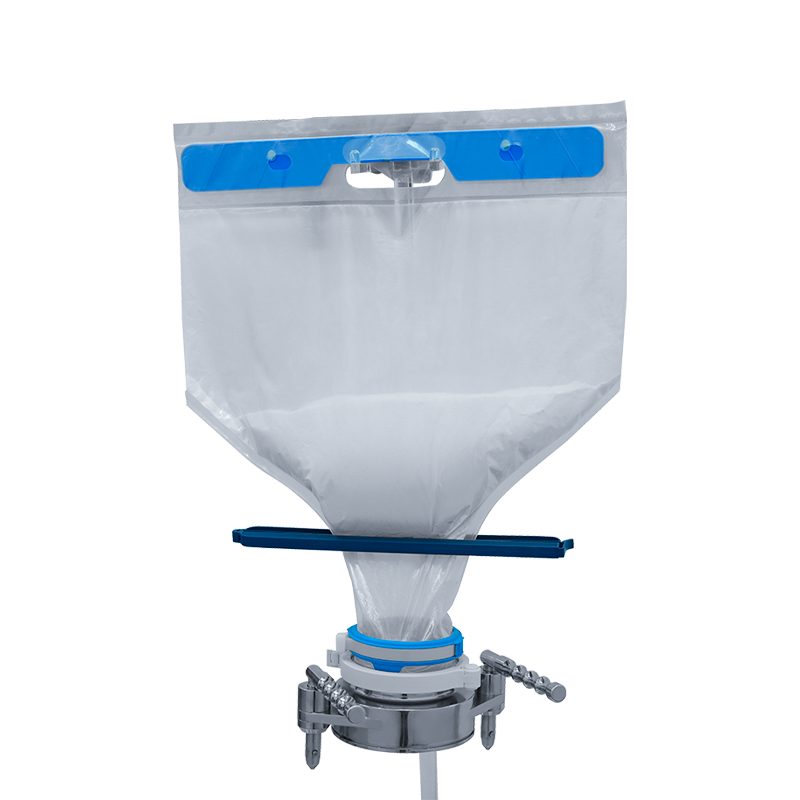
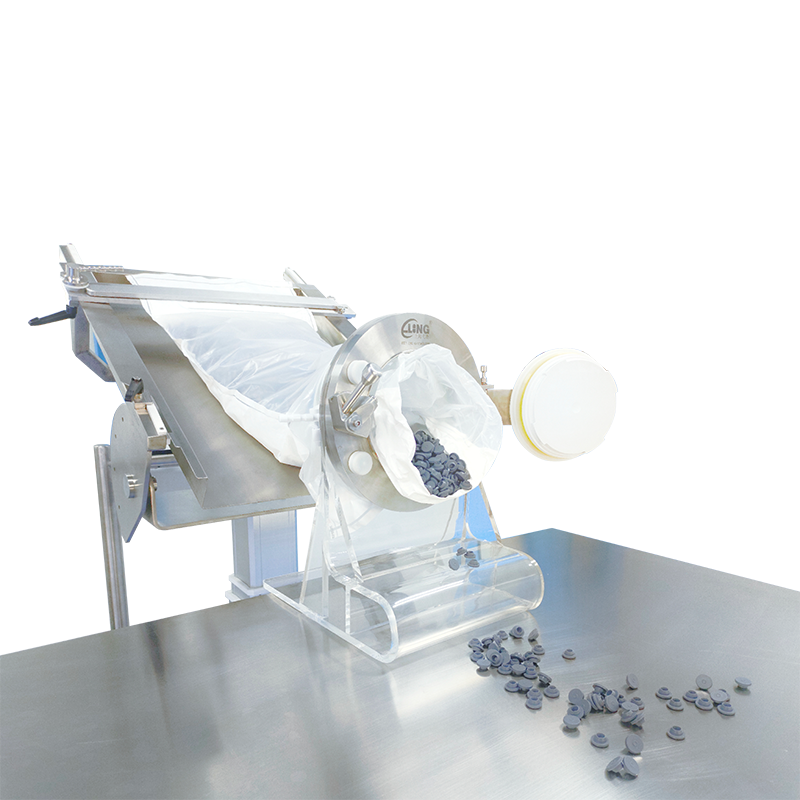
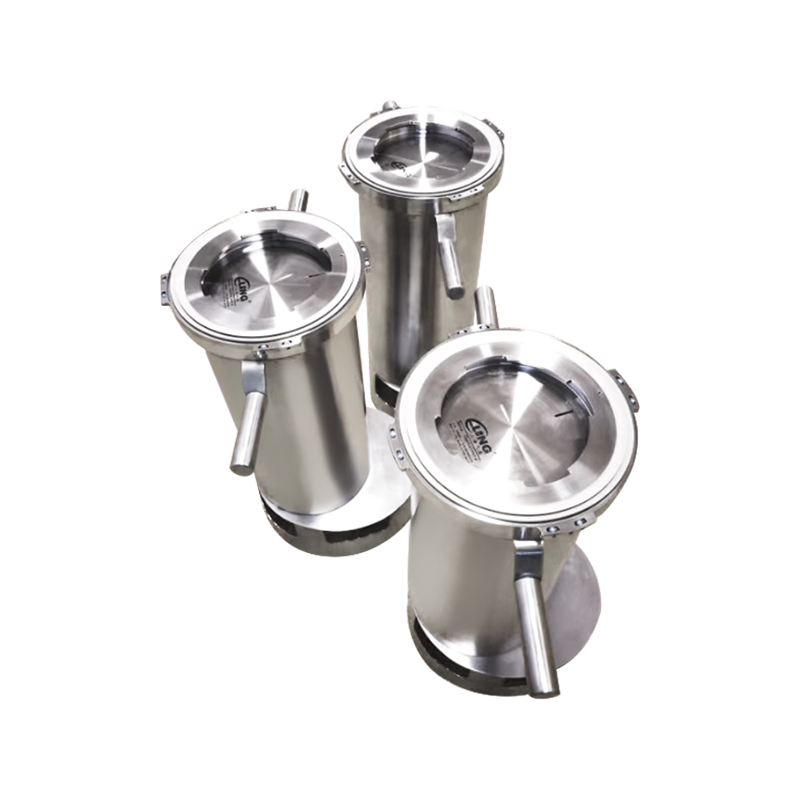
As part of a larger system, our containment systems and aseptic transfer processes combine split butterfly valves, RTP ports, transfer bags, and sampling valves into one continuous passage of controlled material flow. Each element reduces manual intervention, lowers contamination risk, and improves operator protection.
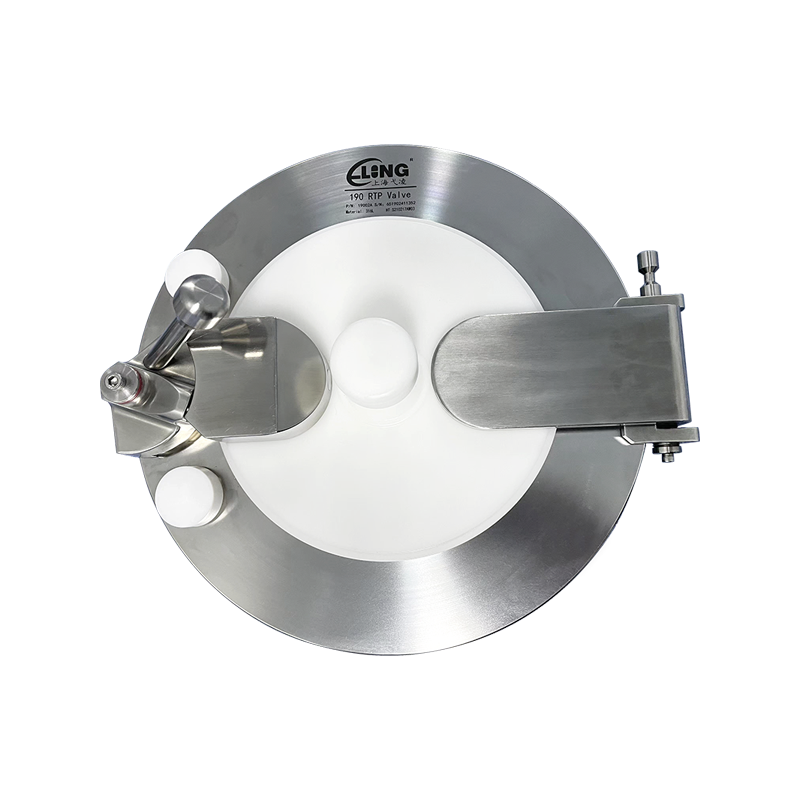
 Containment Systems and Aseptic Transfer Processes Manufacturers, FactoryAs a China wholesale Containment Systems and Aseptic Transfer Processes Manufacturers and Containment Systems and Aseptic Transfer Proces...View Product →
For pharmaceutical producers, the sampling valve represents a small share of total equipment investment, but it directly affects process validation, product release decisions, and daily operator exposure. Taking the strain out of sterile pharmaceutical and biotech production describes this system-level approach: choose components not in isolation, but as parts of a controlled aseptic chain.