

Content
- 1 What Is an Aseptic Split Butterfly Valve for Powder Containment Transfer?
- 2 Why Powder Transfer Needs a Dedicated Containment Solution
- 3 Key Design Features That Decide Performance
- 4 Typical Applications in Pharmaceutical Production
- 5 Cleaning, Sterilization, and Documentation
- 6 Selection Checklist from a Buyer’s Perspective
- 7 Conclusion
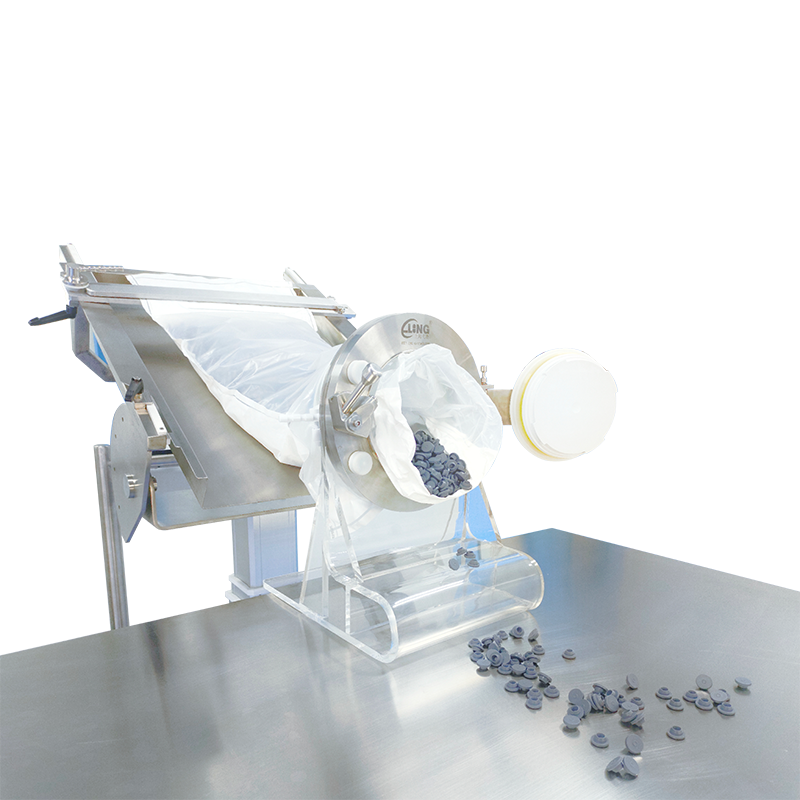
Powder handling in pharmaceutical production tests every boundary of a containment strategy. The product is dry, dusty, often potent, and in sterile applications it must never meet the room environment. The aseptic split butterfly valve (SBV) exists to remove that risk: it transfers powder from one closed vessel to another while keeping both sides sealed before, during, and after the operation. The concept is simple—two independent discs mate, open, transfer, close, and split—but the engineering standards behind it are demanding.
That compact description already points to why SBVs have replaced open-discharge butterfly valves and manual docking stations in sterile and high-potency processes. Instead of breaking the process line to move powder, operators use a valve that becomes a sterile connection point. For anyone evaluating powder containment transfer equipment, the conclusion is straightforward: the aseptic split butterfly valve is the most reliable way to combine dust containment with sterility assurance in a single mechanism.
What Is an Aseptic Split Butterfly Valve for Powder Containment Transfer?
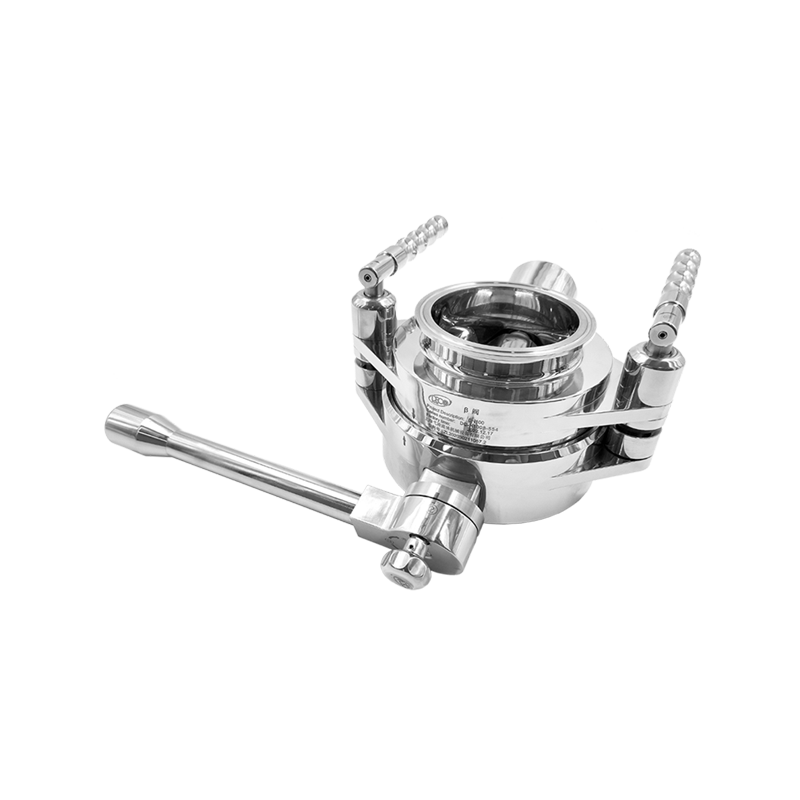
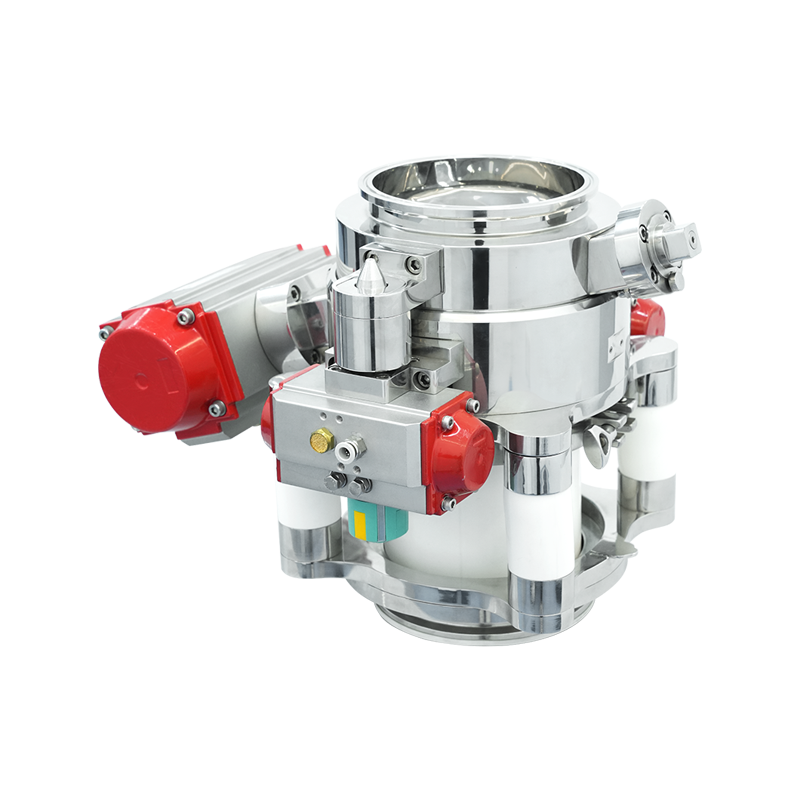
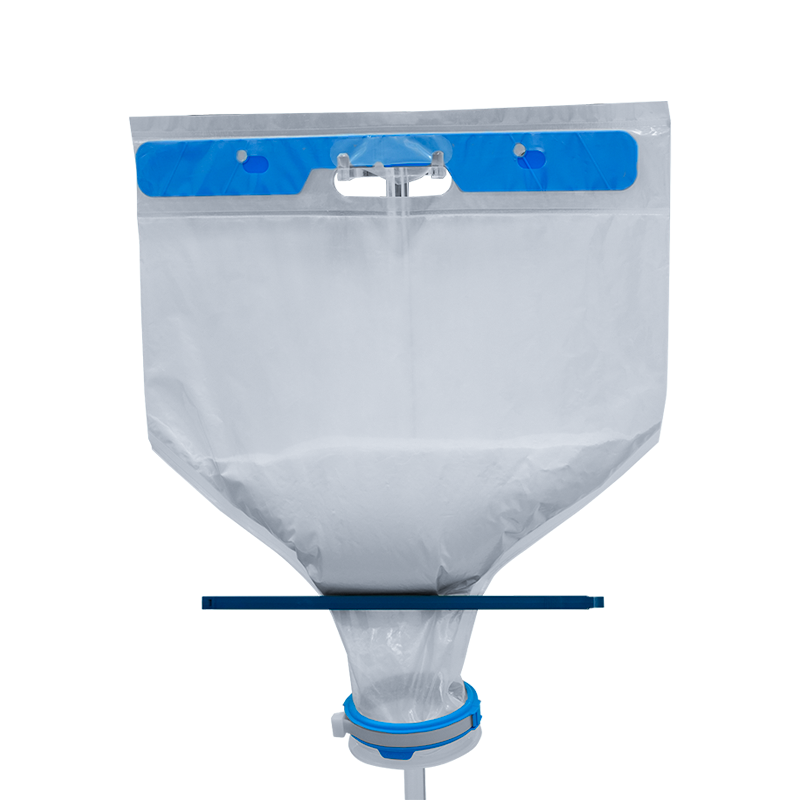
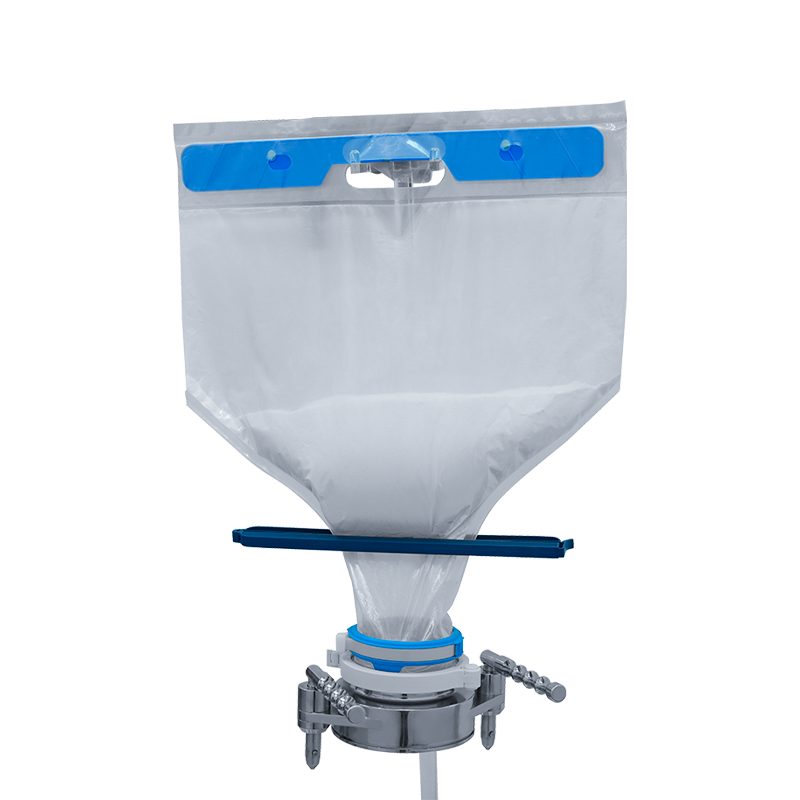
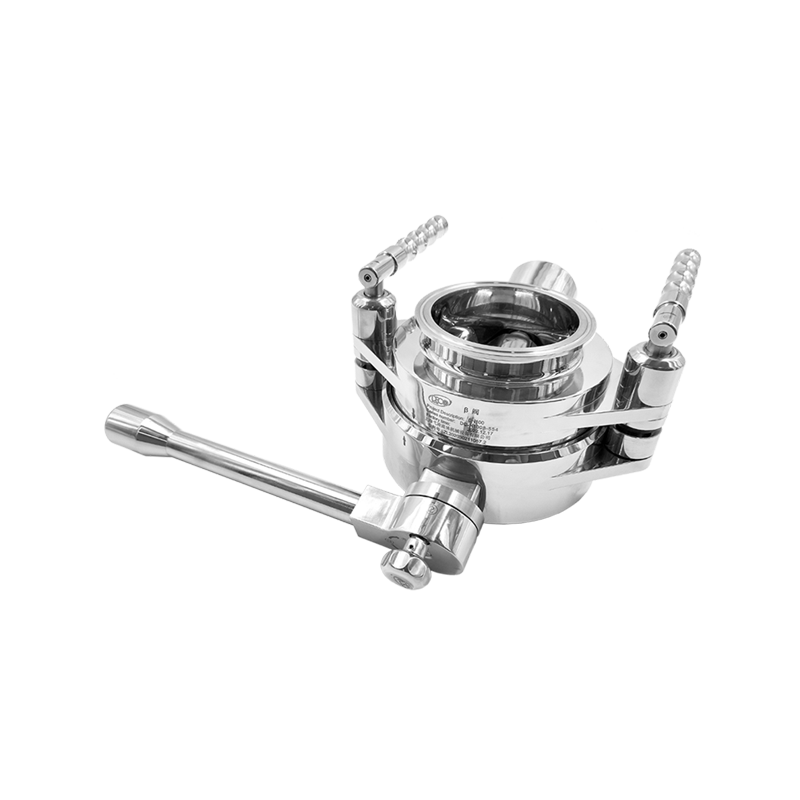
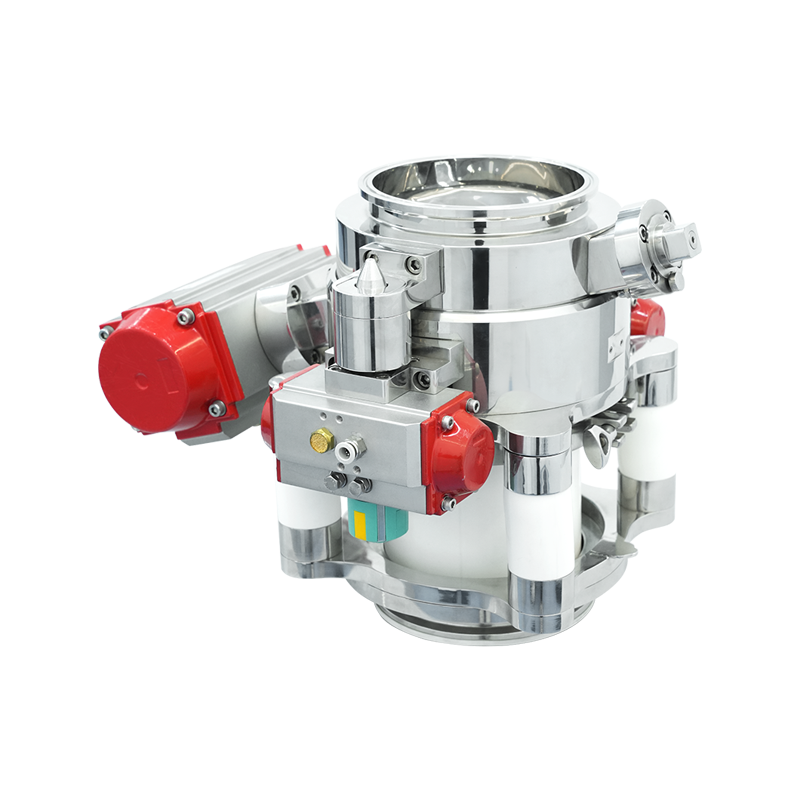
An aseptic SBV is a two-piece valve assembly. One half is mounted on the fixed side—a vessel port, isolator wall, or process line. The other half is mounted on the movable side—an IBC, a powder transfer bag, or a receiving container. Both halves contain a sealed disc. When the two halves dock, the discs interlock inside the valve body, rotate together to open the flow path, and close again before separation. The result is a transfer sequence in which the powder never contacts the surrounding atmosphere.
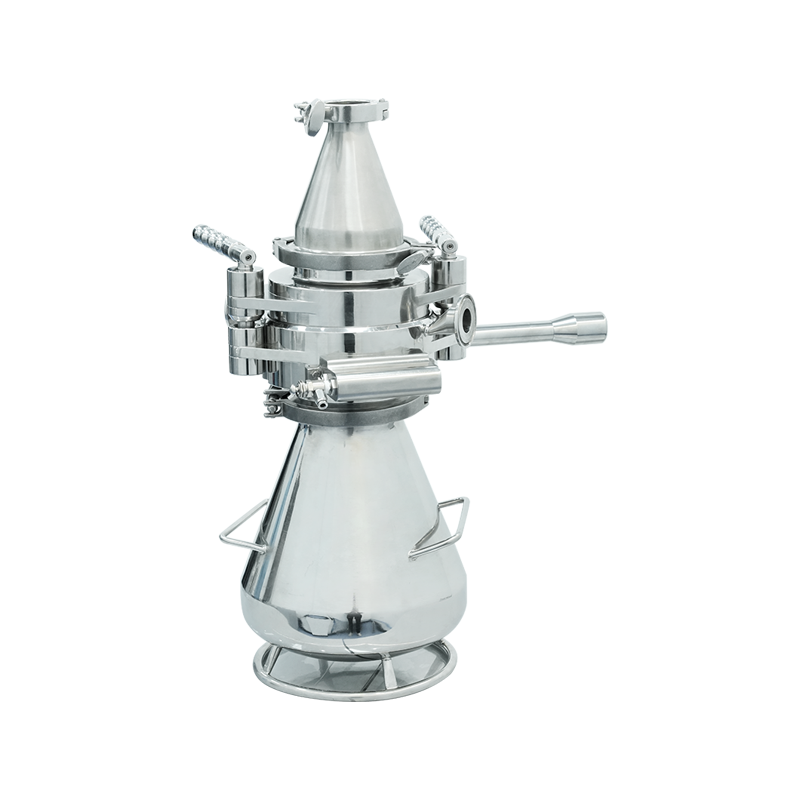
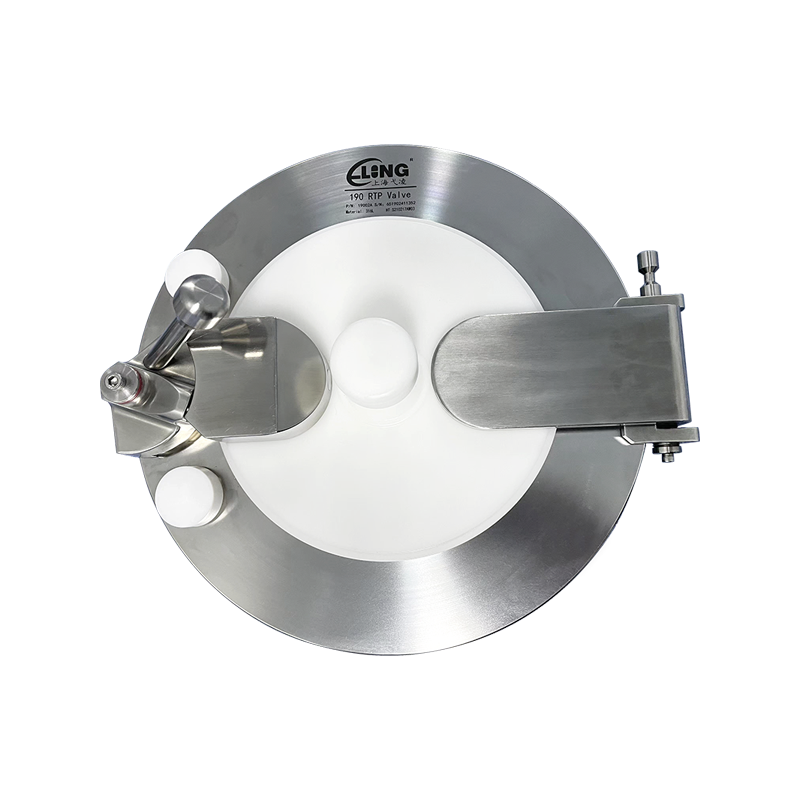
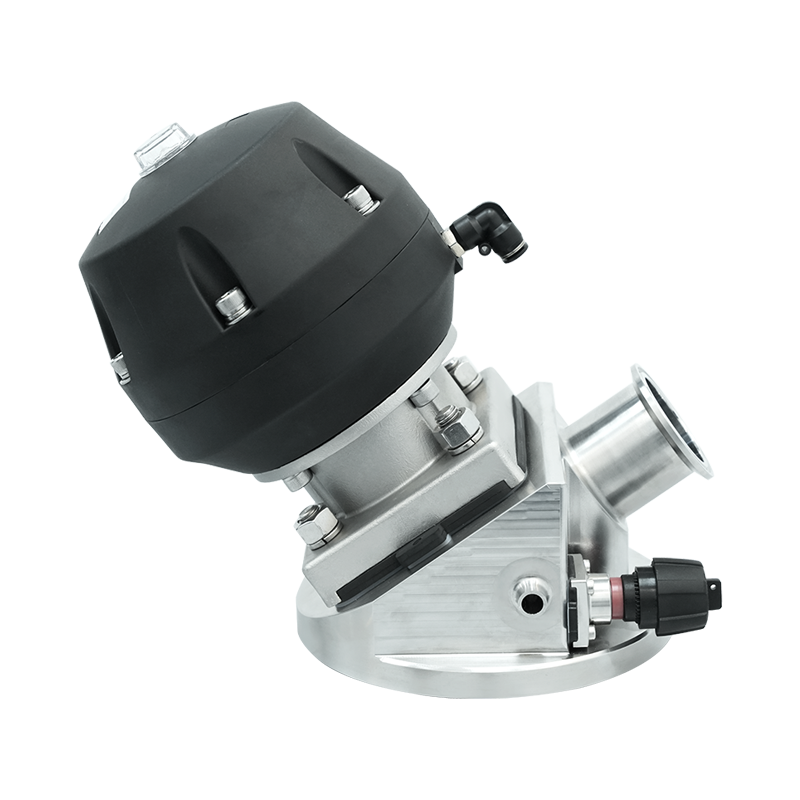
In ELING’s aseptic split butterfly valve assembly, the two discs are machined and lapped as a matched set, which is exactly what the sealing performance depends on.
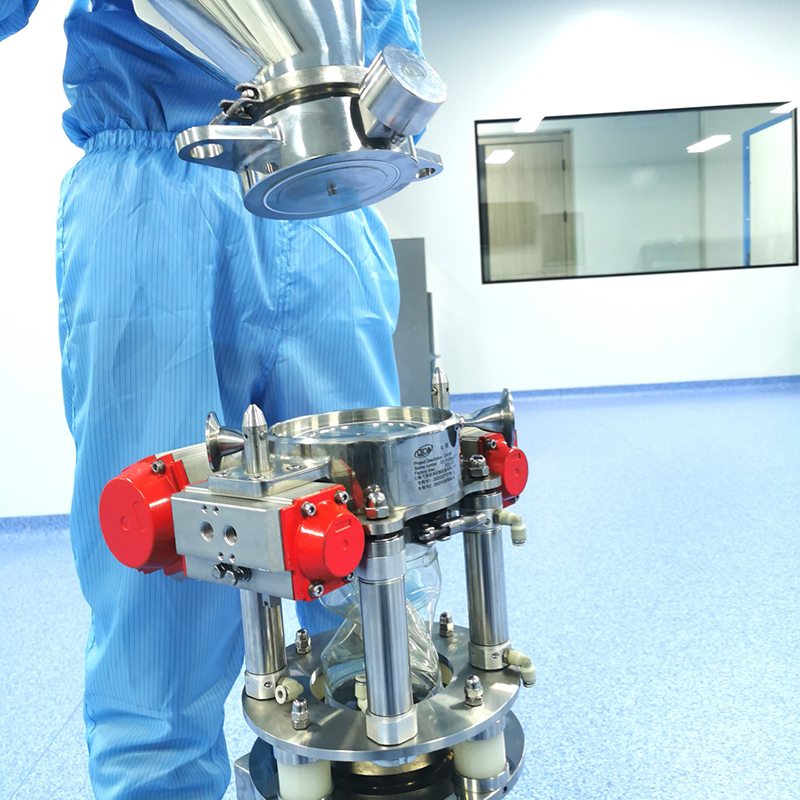 Powder Containment Transfer Aseptic Split Butterfly Valve Suppliers, CompanyShanghai Yiling Fluid Machinery Equipment Co., Ltd is China Custom Powder Containment Transfer Aseptic Split Butterfly Valve Suppliers an...View Product →
The Alpha-Beta Principle
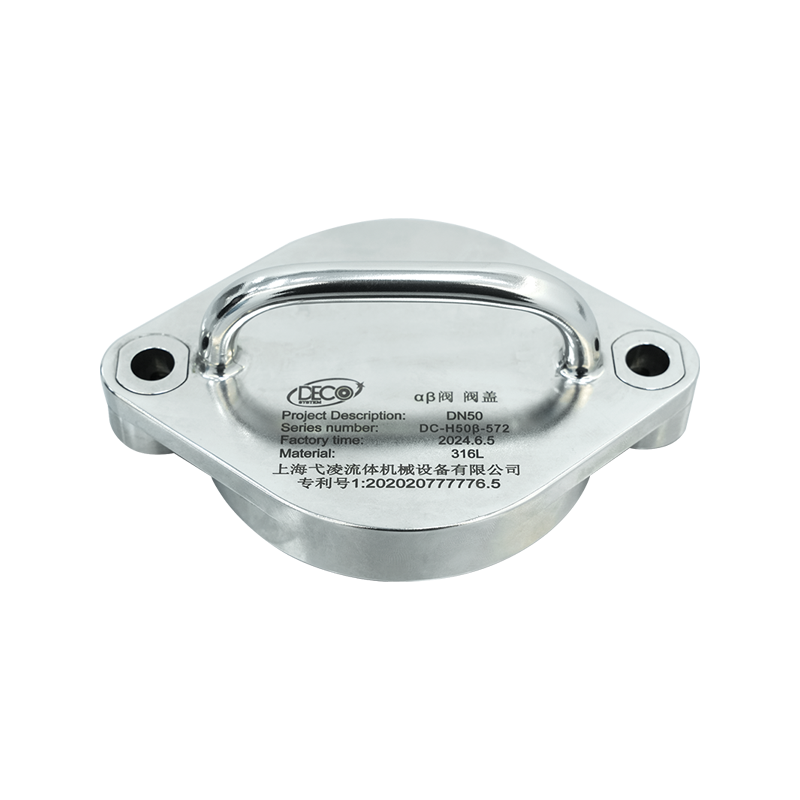
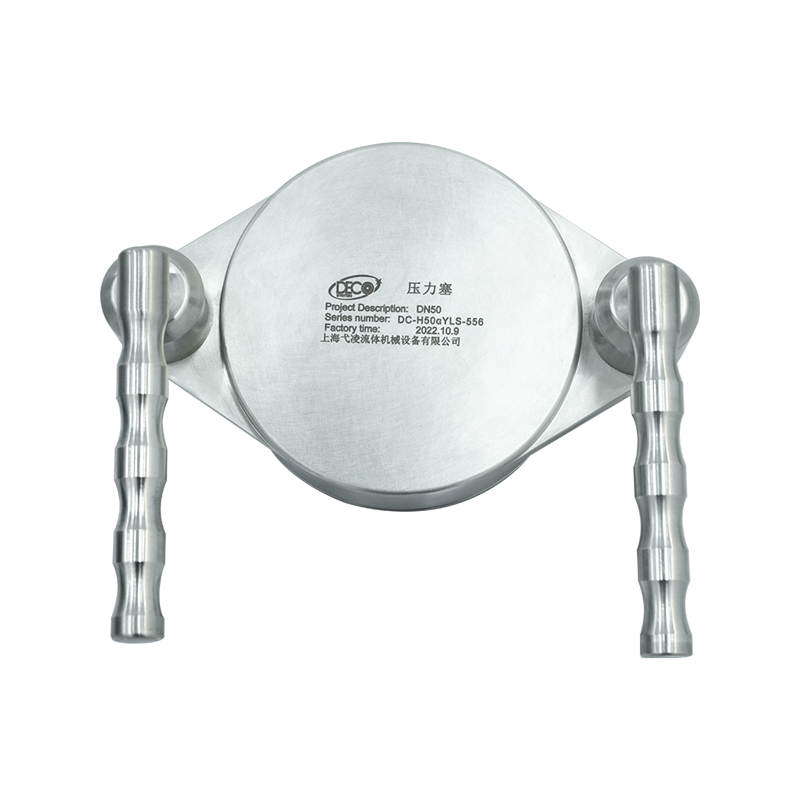
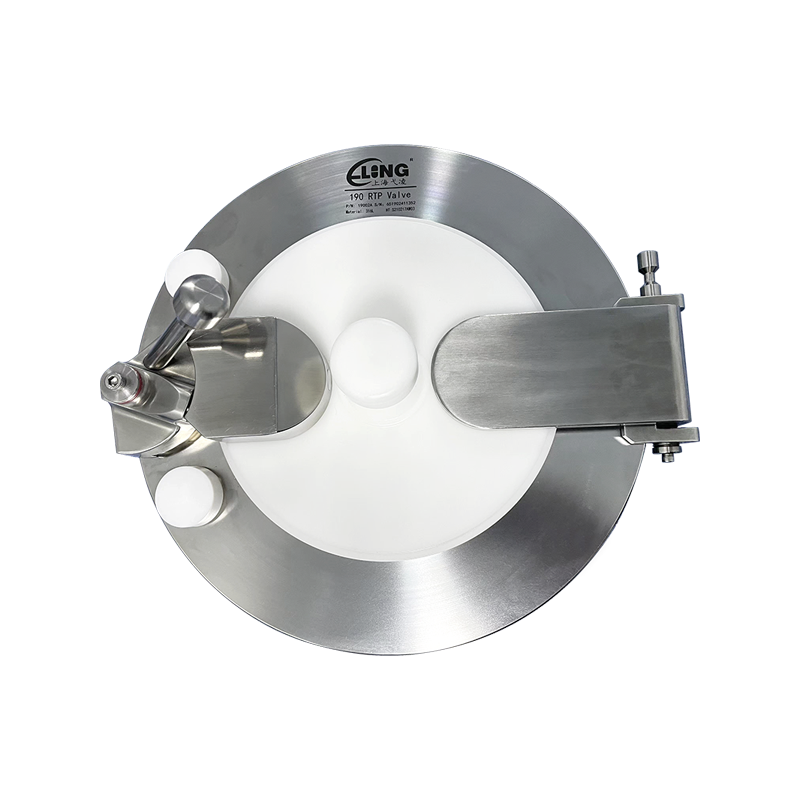
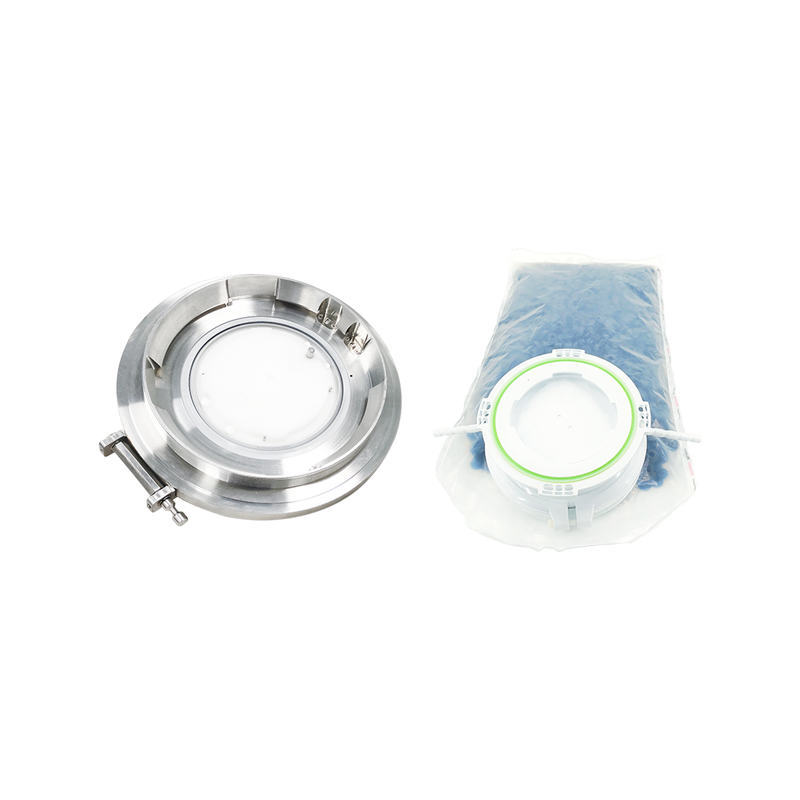
The two halves are referred to as Alpha and Beta. The Alpha side is the active half, usually connected to the fixed equipment. The Beta side is the passive half, installed on the mobile vessel or disposable transfer system. During docking, the Alpha port presents a protected opening, and the Beta port closes against it. A protective element keeps each side clean when it is not in use. An Alpha protective plug is a small but critical accessory: it is fitted over the exposed side until docking, preventing dust ingress. The Beta protective cover performs the same role for the movable side, which in many plants is the side that travels between rooms.
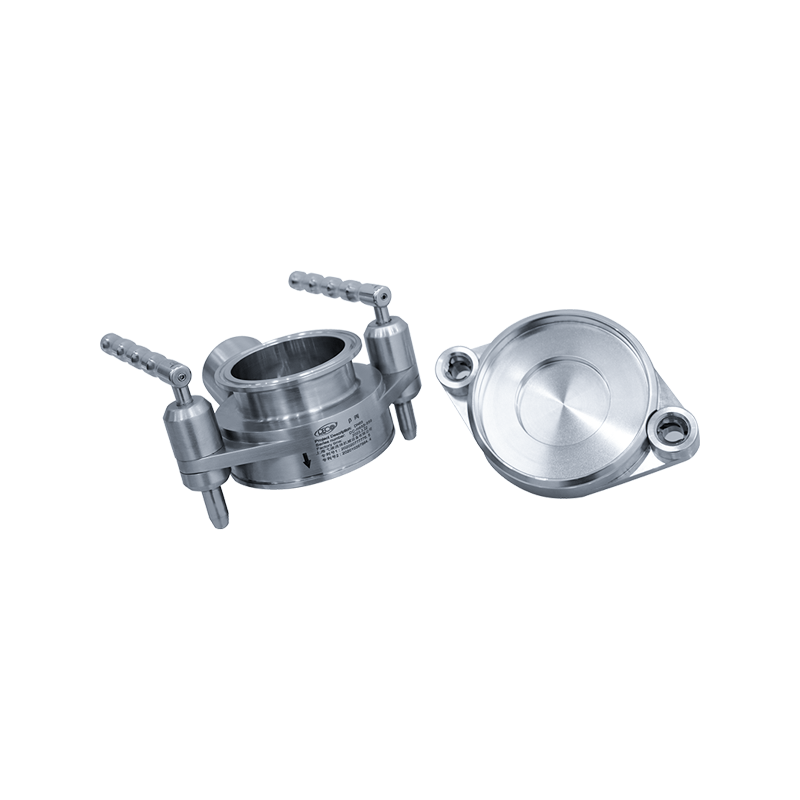 Split Butterfly Valve Beta Protective Cover Suppliers, CompanyShanghai Yiling Fluid Machinery Equipment Co., Ltd is China Custom Split Butterfly Valve Beta Protective Cover Suppliers and Split Butter...View Product →
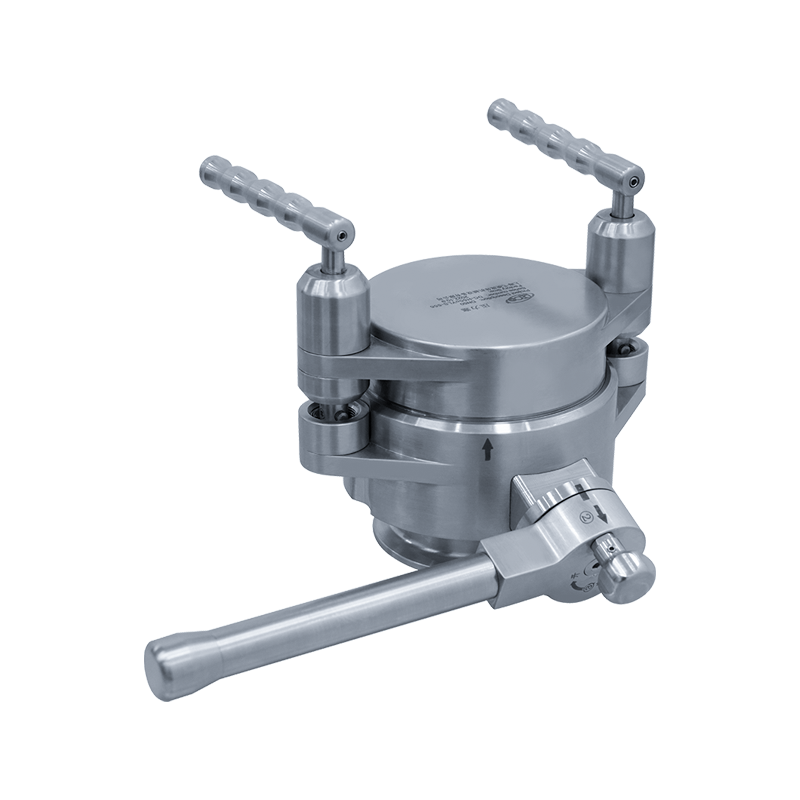 Alpha Beta Valve Protective Plug Suppliers, CompanyShanghai Yiling Fluid Machinery Equipment Co., Ltd is China Custom Alpha Beta Valve Protective Plug Suppliers and Alpha Beta Valve Protec...View Product →
How the Two Split Discs Maintain Sealing
The sealing logic separates SBVs from ordinary butterfly valves. A standard butterfly valve has one disc in one housing; when the body is disconnected, the port is exposed to the environment. A split valve, by contrast, has a disc in each half. The connection between the two discs happens in a sealed chamber between the two units. Once the product has passed, the discs rotate back, sealing before the halves separate. Each side then retains its own barrier, so neither the vessel contents nor the receiving container is ever open to the room.
Why Powder Transfer Needs a Dedicated Containment Solution
Dry powders behave worse than liquids in almost every transfer scenario. They generate airborne dust, leave residue on internal surfaces, and carry electrostatic charge. In a GMP environment, those properties become safety problems. When the powder is potent—an OEB 4 or OEB 5 compound, for example—even trace leakage is enough to exceed occupational exposure limits. When the powder is sterile, exposure is equally unacceptable because it breaks the sterility of the drug product.
Traditional solutions rely on enclosures, curtain booths, or operator intervention. These methods add cost and slow down the process. An aseptic split butterfly valve solves the problem at the source: the powder has no opportunity to escape because the transfer pathway is a closed channel. That single design decision reduces containment complexity, simplifies cleaning validation, and brings the operator exposure risk down to a measurable and predictable level.
| Comparison point | Traditional butterfly valve | Aseptic split butterfly valve |
|---|---|---|
| Sealing after disconnect | Single disc leaves one port open to environment | Each side seals independently after splitting |
| Operator protection | Powder exposure during handling and opening | Closed transfer path keeps dust contained |
| Sterility maintenance | Difficult to keep contact surfaces sterile | Alpha/Beta interfaces protect sterile surfaces |
| Cleaning and sterilization | Requires disassembly for thorough cleaning | Designed for CIP/SIP and gas sterilization |
| Typical powder application | Non-critical or low-potency materials | Sterile, potent, or high-risk powders |
These differences matter most in sterile and potent powder lines, where even small improvements in sealing and cleanability translate into fewer failed batches and lower risk during changeover.
Key Design Features That Decide Performance
Not all SBVs perform to the same standard. The practical differences appear in materials, surface finish, sealing elements, and the mechanical interlock system. A unit intended for pharmaceutical powder transfer is normally made of 316L stainless steel with electropolished contact surfaces. The surface roughness of contact parts is typically kept at 0.4 micron Ra or lower, because roughness directly affects both powder release and cleaning efficiency.
Sealing Elements and Leak Tightness
The seal around each disc is normally an elastomeric O-ring or profile seal. EPDM and fluorinated rubber are common choices, but the right material depends on the sterilizing agent, the chemical environment, and the product temperature. The leak tightness of the assembled valve is verified by pressure-decay or helium leak testing, often with acceptance thresholds at or below 0.001 Pa·m³/s. Buyers should ask for the actual test report rather than a generic certificate.
Mechanical Interlock and Misuse Protection
A well-designed SBV will not allow the halves to open before full docking. The interlock prevents the operator from breaking the seal at the wrong moment, which is the most frequent source of contamination in manual systems. Orientation features also prevent the wrong size or type of Beta half from being connected. These details become critical during operator training and batch documentation, which is why pharmaceutical plants should evaluate the mechanical logic of the valve as carefully as its pressure rating.
Typical Applications in Pharmaceutical Production
Aseptic split butterfly valves appear in several distinct production stages. In solid dosage form manufacturing, they transfer dried granules from fluid bed dryers to intermediate hoppers, and from hoppers to tablet presses. The closed path keeps high-potency APIs from becoming airborne during these steps. This point is covered in more depth in the article on how an aseptic split butterfly valve maintains sterility during material transfer.
In sterile API processing, SBVs move dried sterile powder from a dryer to a mill, and from the mill into final containers. The valve can be sterilized with steam or with chlorine dioxide gas, depending on the installation. In biopharmaceutical plants, the same concept transfers powdered media, buffers, and excipients into isolators or bioreactor support areas without breaking the barrier. The common thread is the same: the transfer must happen without exposing either the product or the operator.
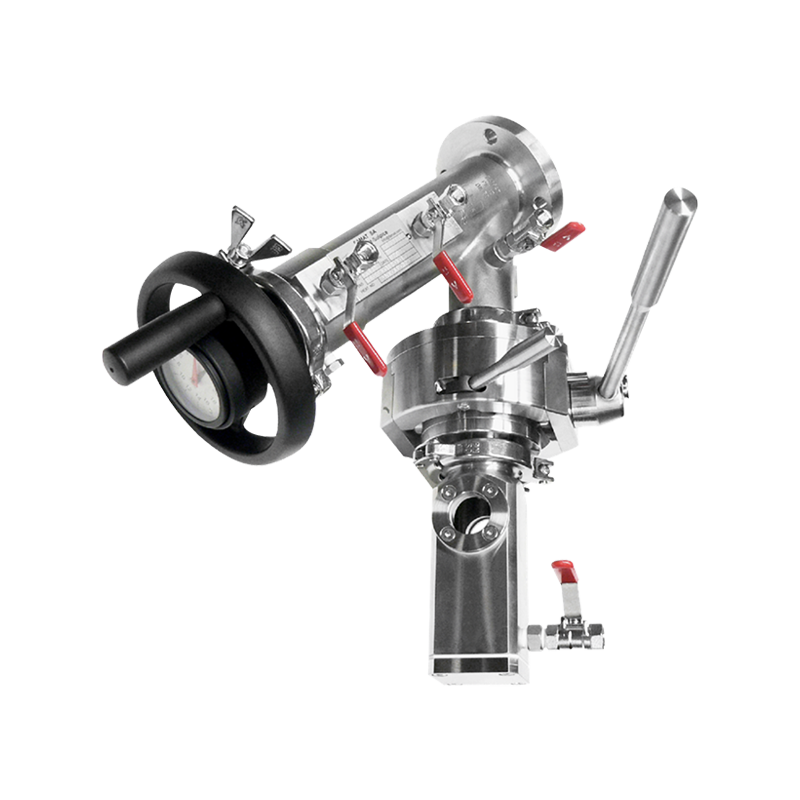
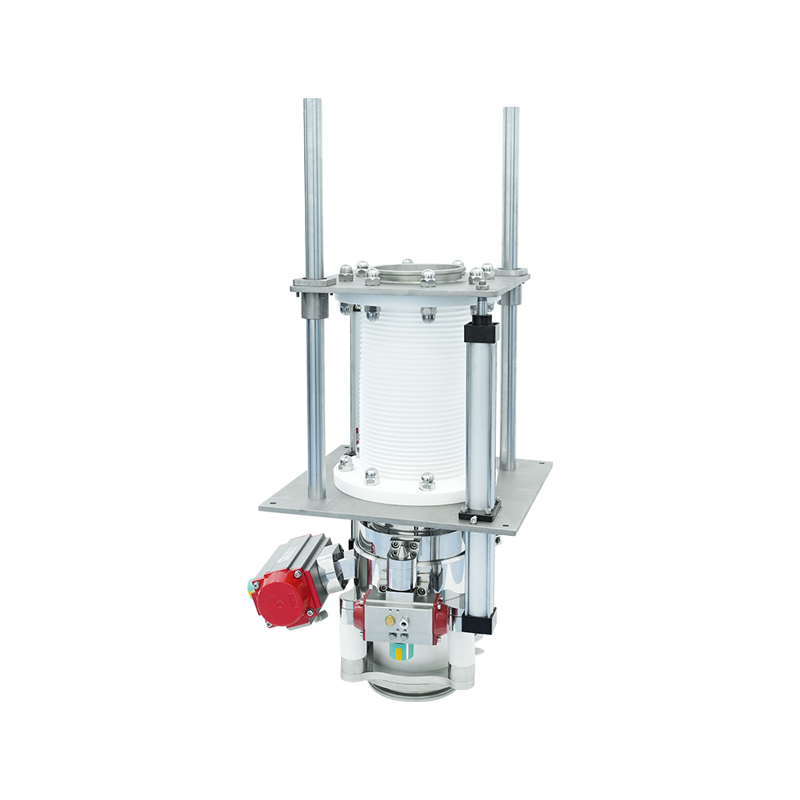
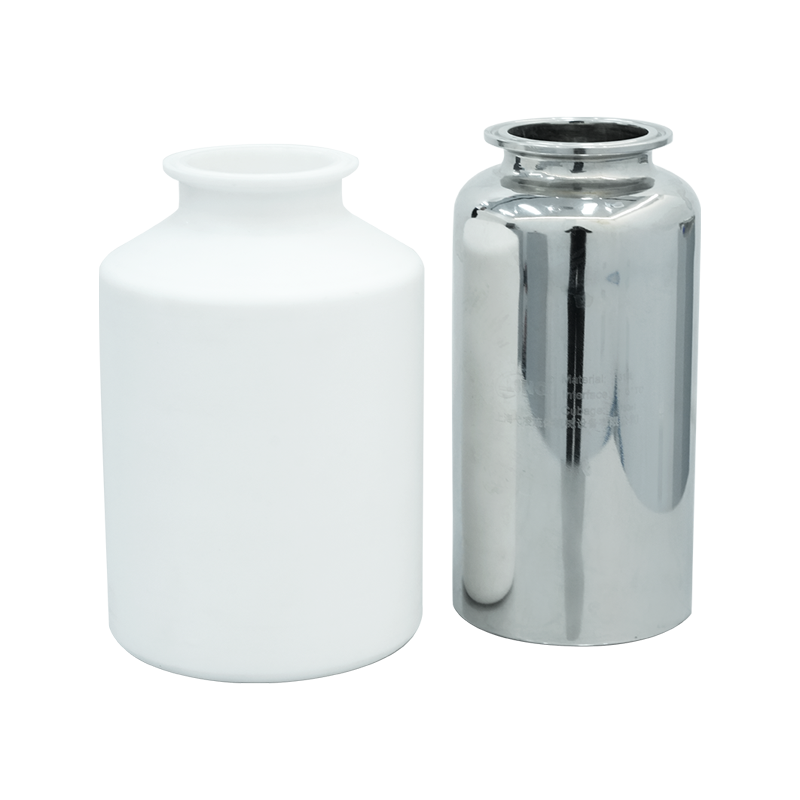
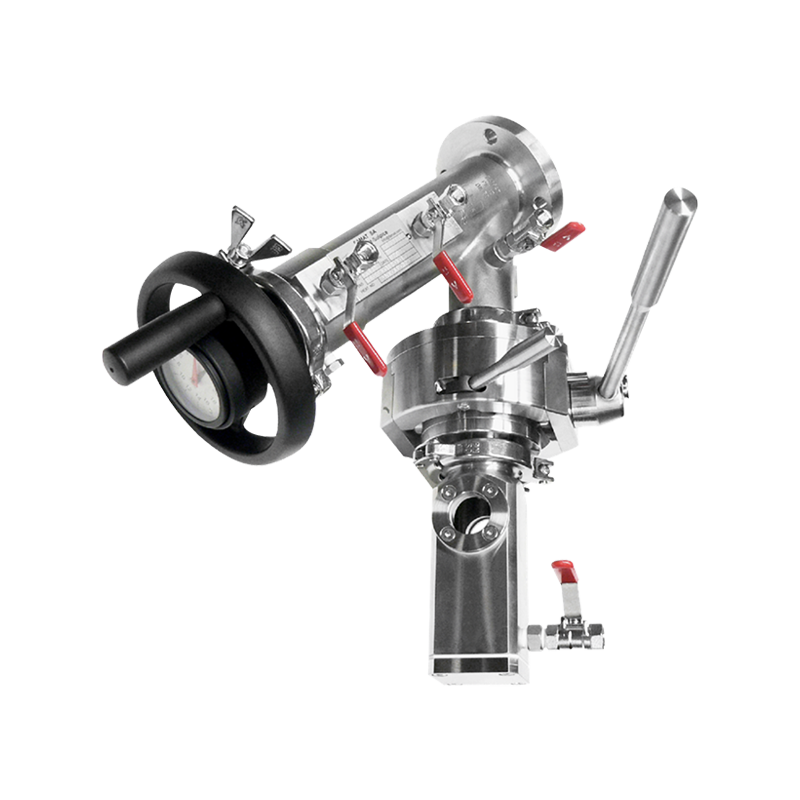
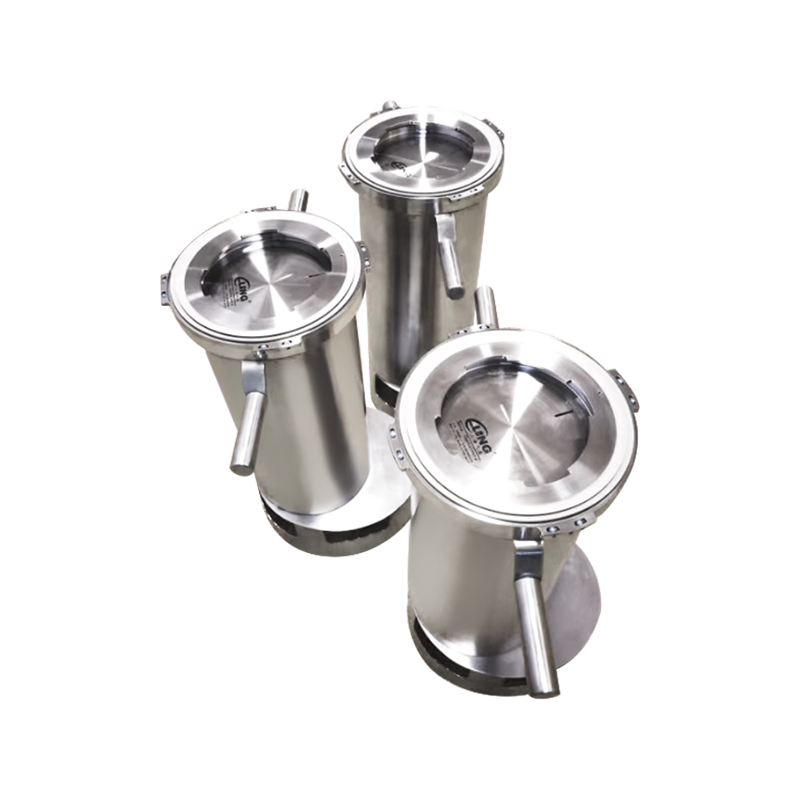
ELING supplies SBVs both as standalone valves and as part of a complete transfer package, including protective plugs, covers, cleaning devices, lifting chassis, and stainless steel containers. For plants that currently assemble containment lines from different vendors, this integrated approach reduces interface problems and shortens the commissioning phase. The ELING product overview shows the full range of containment transfer components available for a single transfer process.
Cleaning, Sterilization, and Documentation
Cleaning is where powder containment valves either prove themselves or fail quietly. Powder residue trapped behind a disc is difficult to wash, and if it reaches the next product, the batch is lost. The design of an SBV should therefore be evaluated for drainability, dead-legs, and the accessibility of all product-contact surfaces. Most modern SBVs are engineered for CIP and SIP: cleaning solution and steam enter through integrated ports, so the valve can be washed without disassembly.
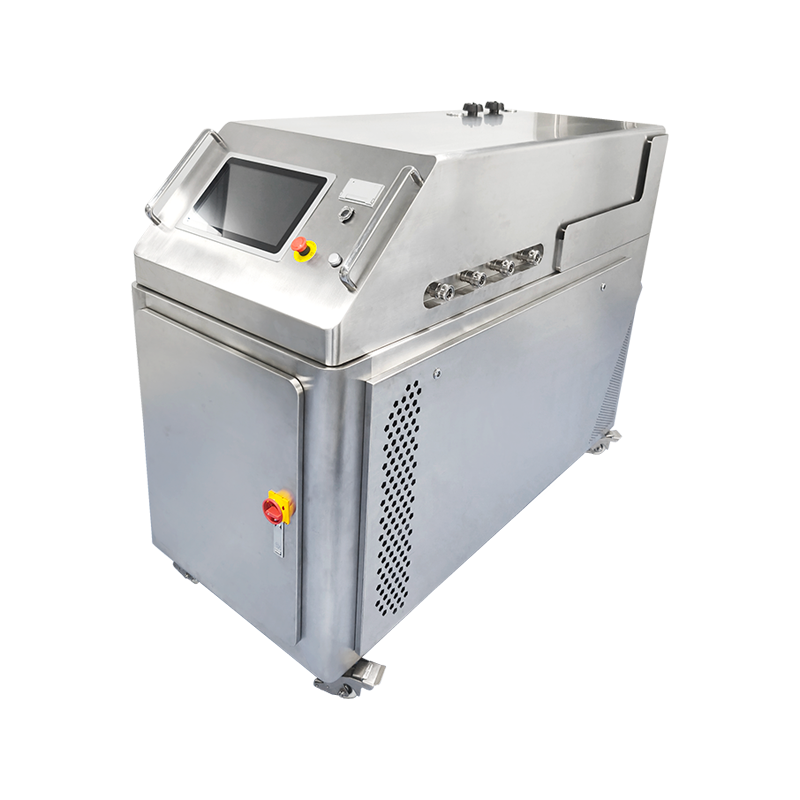
For cases where steam is not suitable, chlorine dioxide gas sterilization has become a practical option, particularly when the valve is installed on an isolator or a docking station. The surrounding equipment must tolerate the gas, and the valve must be dry before the cycle starts. Beyond sterilization, drying is part of the sequence; damp corners in a valve body create exactly the conditions that microbial contamination needs. High-pressure washing of SBV components and their supporting containers is described in the GMP mobile pressure washer specification sheet, which is a useful reference when planning a cleaning area.
Documentation should accompany the valve from the first enquiry: material certificates, surface roughness reports, pressure test records, and traceability of the elastomer compounds. In a GMP audit, the manufacturer’s willingness to provide these documents is often as important as the valve itself.
Selection Checklist from a Buyer’s Perspective
When comparing aseptic SBVs, the differences that matter appear in practical conditions:
- Confirm the OEL/OEB class of the powder and match the valve’s leak-tightness specification to that exposure limit.
- Check the connection size against the vessel port and the transfer bag or IBC flange; dimensions must match across the whole line.
- Ask for the surface roughness of internal parts and the material grade; 316L with 0.4 micron Ra or lower is the common benchmark.
- Verify that the sealing elastomer is compatible with the cleaning agents, sterilization gases, and solvent vapours used on the line.
- Review the mechanical interlock; the valve must be unable to open before proper docking.
- Request the pressure-decay or helium leak test reports for the supplied batch, not just a type-test certificate.
- Confirm that the valve can be cleaned in place without removing the discs.
Each item on the list corresponds to a real failure mode seen in production: leakage past a poorly matched disc, seals that degrade after the first steam cycle, or residue left behind an unfinished surface. A slightly lower price on the valve body becomes expensive when it causes a product rejection or an operator exposure incident.
Conclusion
The aseptic split butterfly valve is not a complicated answer to powder containment; it is the direct one. Two sealed halves meet, open, transfer, and close without exposing the product or the environment. For sterile powders, high-potency APIs, and any operation where dust is a risk, that simple sequence removes the most dangerous step in the process. The specification work, by contrast, is where the discipline lies: surface finish, sealing materials, leak testing, interlock behaviour, and cleaning evidence all need to be checked against actual production conditions.
A supplier that understands the whole transfer system—the valve, the protective components, the cleaning device, and the container—makes the specification easier to execute. That is the reason ELING sells the aseptic split butterfly valve as part of a broader containment toolkit rather than as a single component. Start from the powder itself, define the containment target, and let the valve design prove itself through test reports and cleaning trials.