

Content
- 1 The Daily Challenge of Powder Charging in GMP Production
- 2 What a Disposable Powder Charging Bag Actually Does
- 3 How Powder Charging Bags Fit Into a Closed Transfer Workflow
- 4 Single-Use Bag vs. Reusable Transfer Equipment
- 5 Selection Criteria That Decide Whether a Bag Works in Practice
- 6 A Practical First-Use Checklist
The Daily Challenge of Powder Charging in GMP Production
An operator in a sterile pharmaceutical plant must charge 25 kg of active powder through a four-inch reactor port, and the same line is due for a different product two hours later. This sequence repeats every day in facilities that make powders, granules, and sterile drug products. The practical question is not whether the powder will move, but how to move it without contaminating the product, exposing the operator, or creating a cleaning burden that stalls the shift.
The most direct answer is a disposable powder charging bag. A single-use bag creates a closed, product-contact path from a drum, bin, or hopper to the receiving vessel. You use it once and dispose of it: no cleaning between batches, no shared stainless steel surfaces, and no open powder transfer at the charging point. That is why many GMP facilities are replacing reusable transfer vessels and manual scooping with this approach. The sections below explain what these bags are, how they behave in a real production workflow, and what to check before standardising on them.
What a Disposable Powder Charging Bag Actually Does
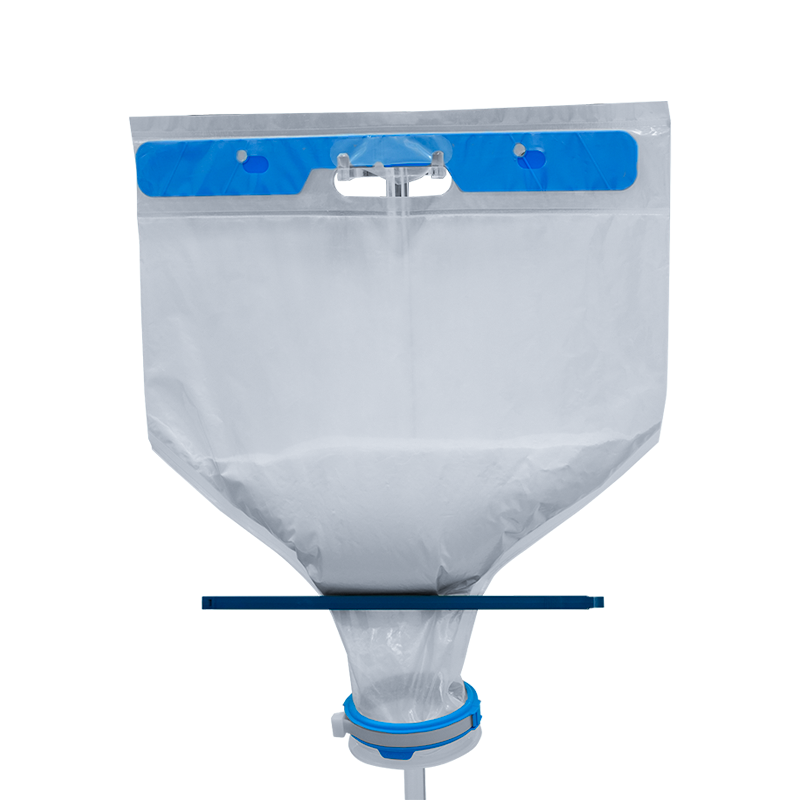
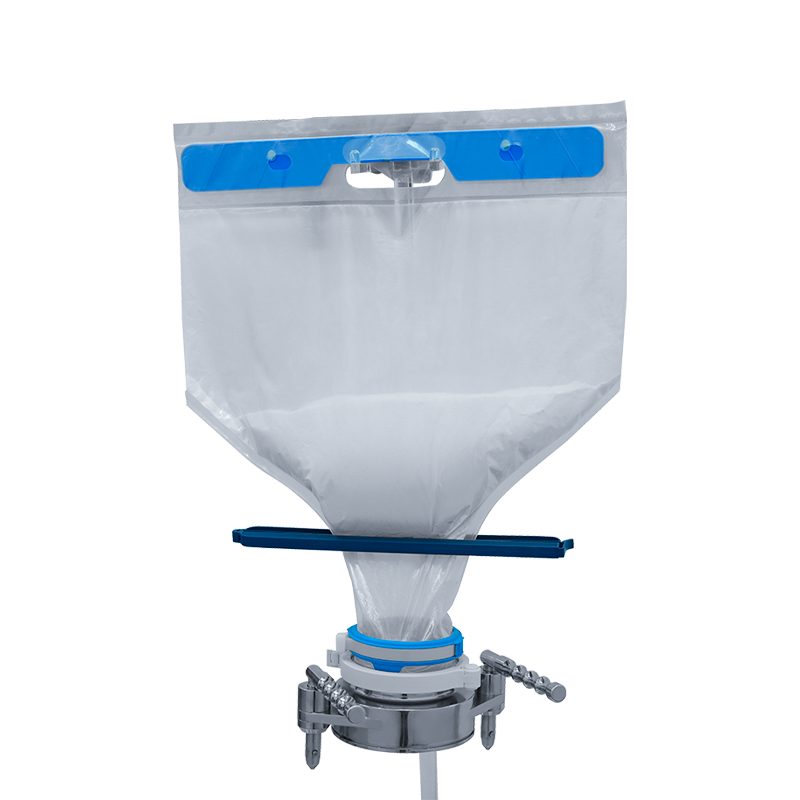
A disposable powder charging bag is a single-use, film-based transfer line used to move pharmaceutical powders from one containment zone to another. It typically consists of a multilayer polymer body, an inlet that docks with a source container, an outlet that connects to a receiving vessel or equipment port, and closure mechanisms that keep the powder inside until the connection is complete. Bags can be supplied in different dimensions and port configurations, either alone or as part of a transfer set that includes clamps, hoses, and fittings.
These bags are often described by their main function: transport, storage, or charging. In practice most are multi-functional. The same bag can hold powder during weighing, keep it contained during movement, and feed it into a reactor or isolator without breaking the sterile barrier or the containment envelope.
ELING manufactures a dedicated disposable sterile powder transport, storage, and feeding bag that covers all three roles in one design. For simpler duties, such as holding a powder batch during a short hold time before charging, a PE bag offers a lower-cost option. The right choice depends on how long the powder stays in the bag, how sensitive the product is, and whether the bag must survive multiple handling steps.
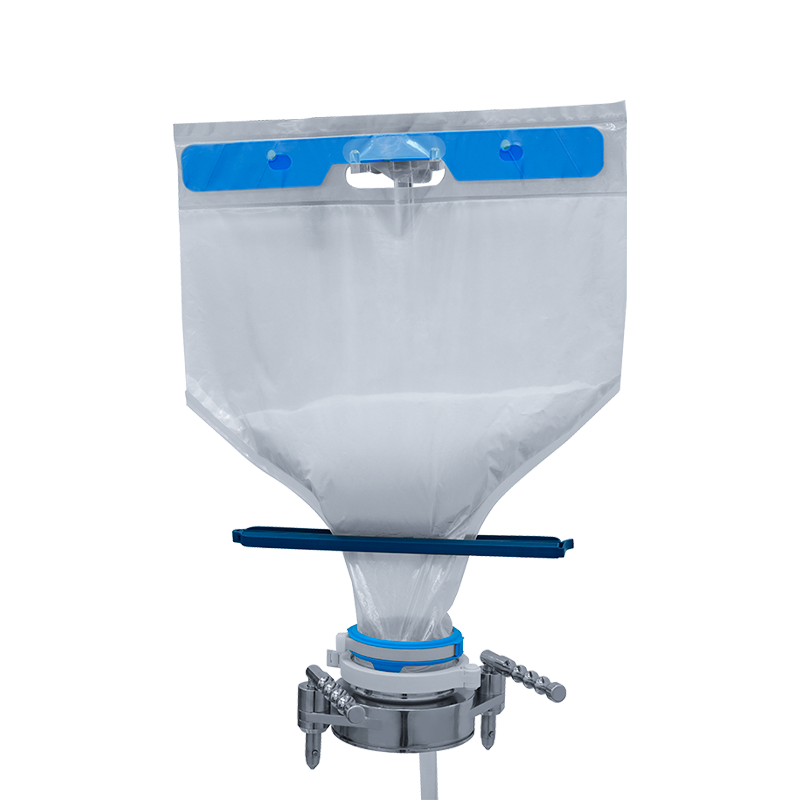 Biopharmaceutical PE Powder Transfer Bag Suppliers, CompanyShanghai Yiling Fluid Machinery Equipment Co., Ltd is China Custom Biopharmaceutical PE Powder Transfer Bag Suppliers and Biopharmaceutic...View Product →
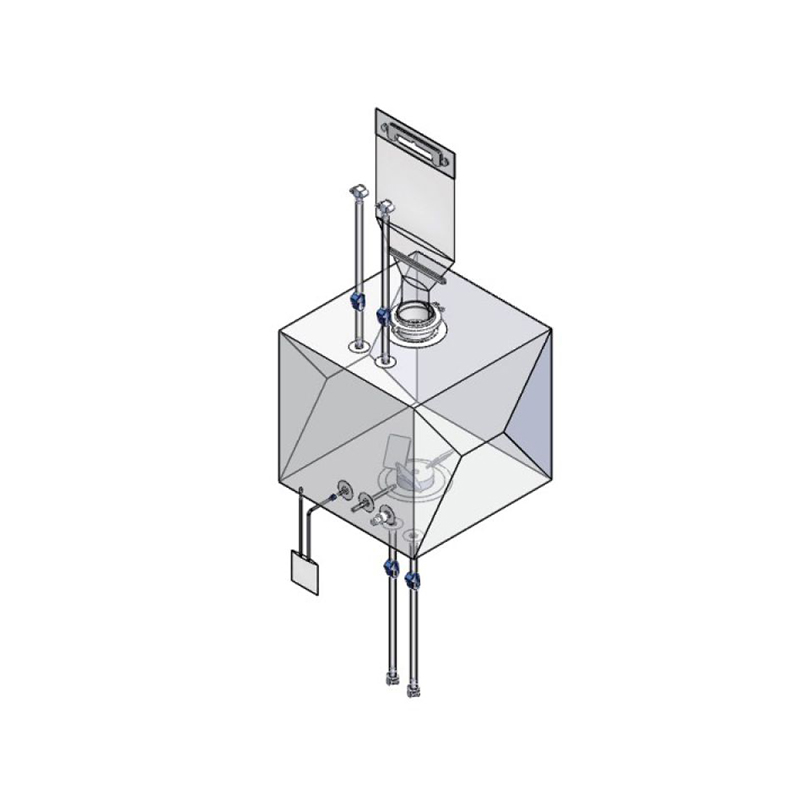 Disposable Sterile Powder Transport/Storage/Feeding Bag Suppliers, CompanyShanghai Yiling Fluid Machinery Equipment Co., Ltd is China Custom Disposable Sterile Powder Transport/Storage/Feeding Bag Suppliers and ...View Product →
How Powder Charging Bags Fit Into a Closed Transfer Workflow
A powder charging bag makes sense only as part of a transfer system, not as a standalone pouch. The bag is the disposable element; the surrounding ports, valves, and containment devices decide how cleanly the powder moves from source to vessel.
Weighing and Dispensing
In the most common workflow, powder is weighed and dispensed into the bag inside a containment booth or isolator. The filled bag is sealed, labelled, and moved to the production vessel. Because the bag is the primary product-contact surface, the booth does not need the same level of cleaning between dispensing operations as open powder handling. This is usually the first measurable benefit: less cleaning validation, faster changeover, and more reproducible dispensing.
Charging Through an Aseptic Connection
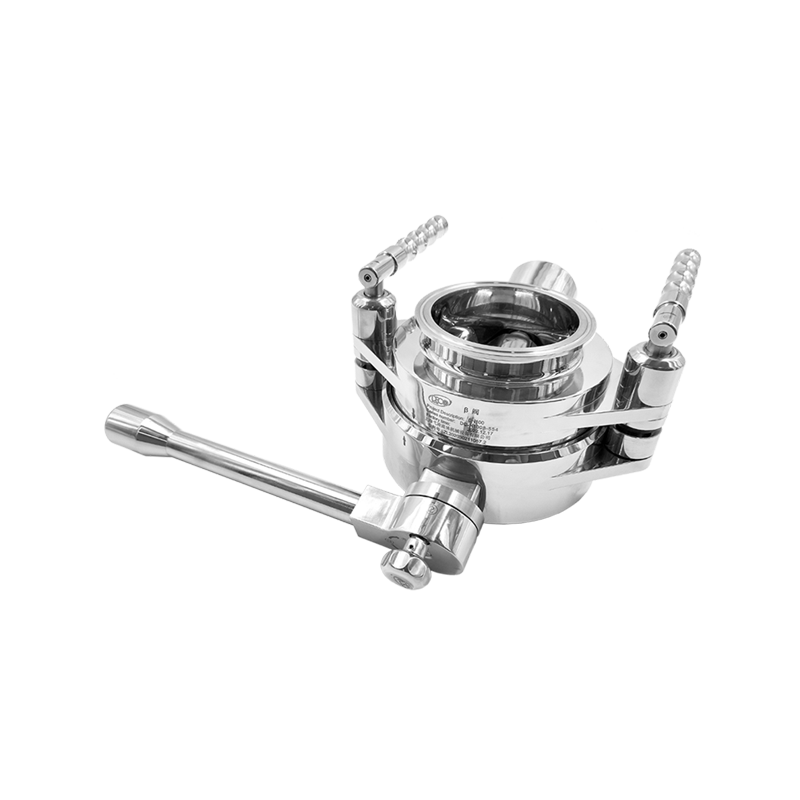
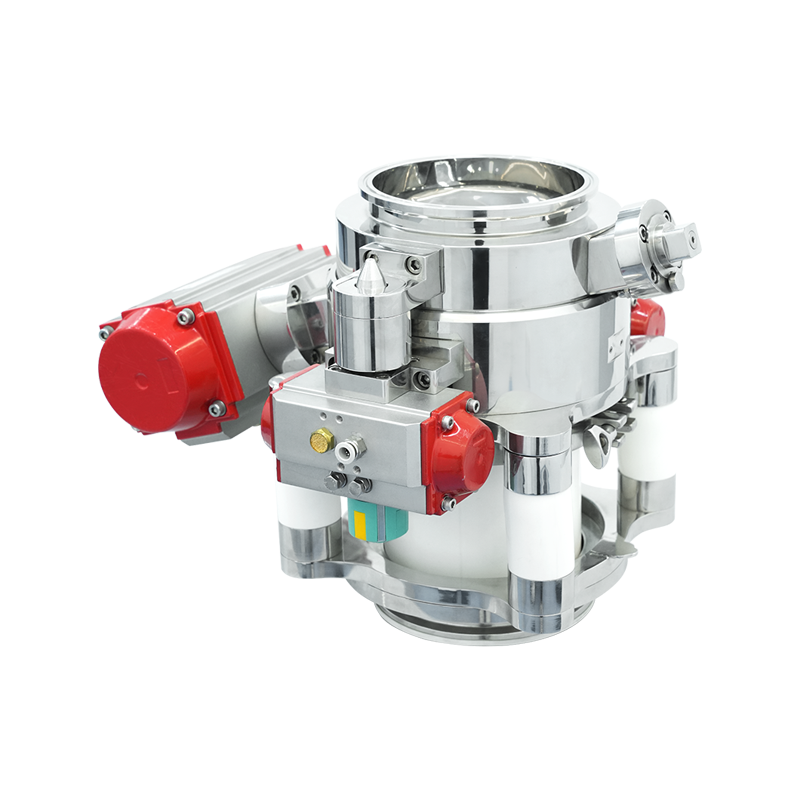
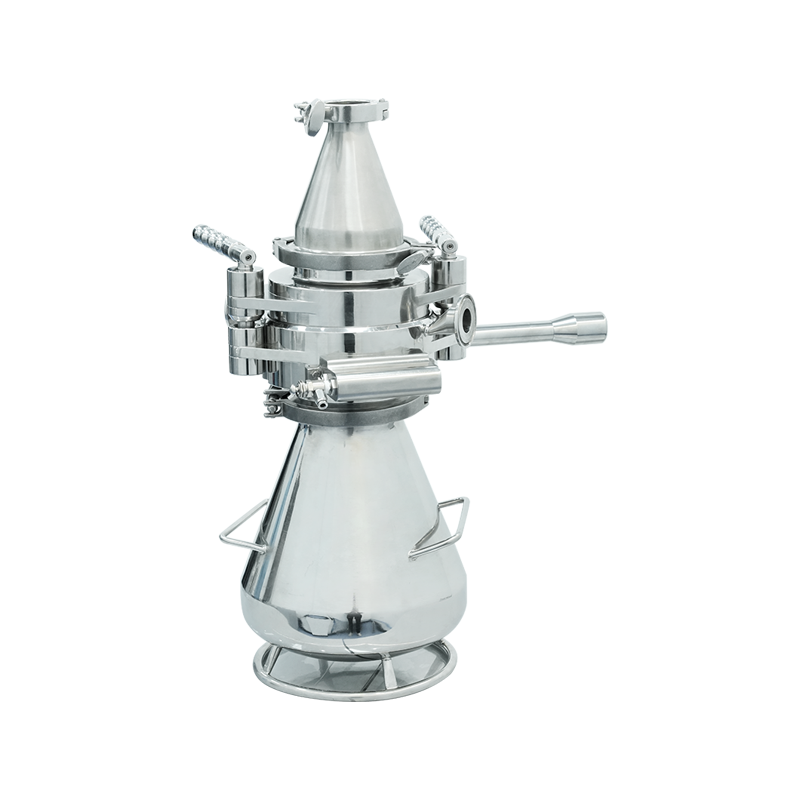
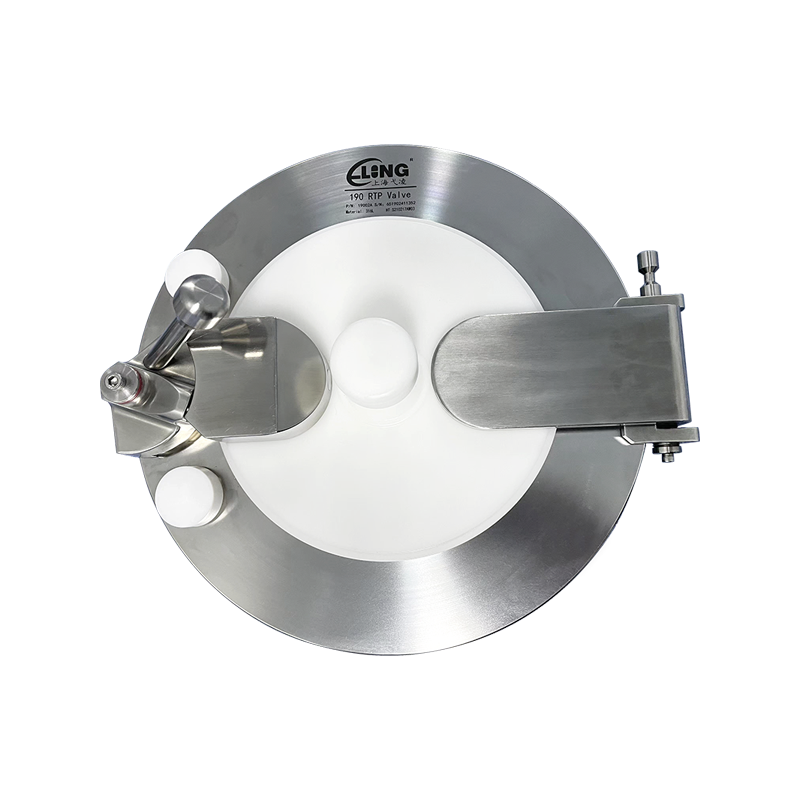
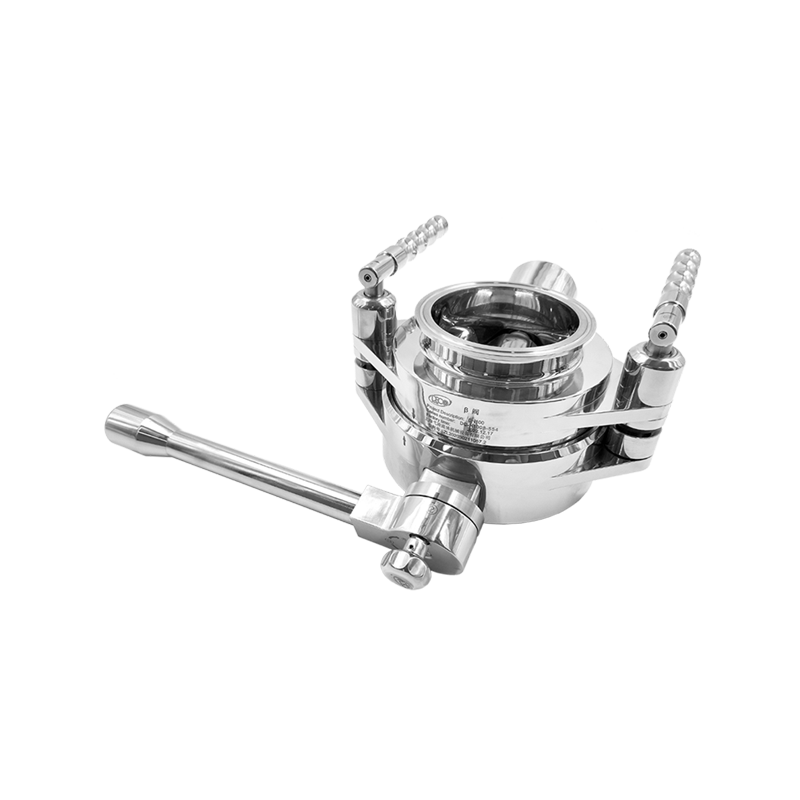
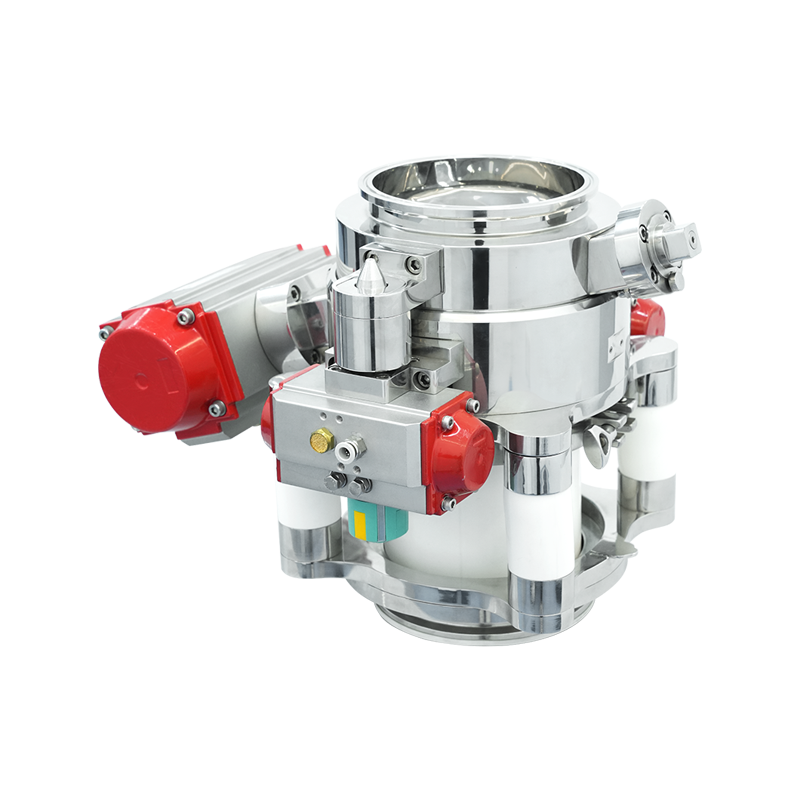
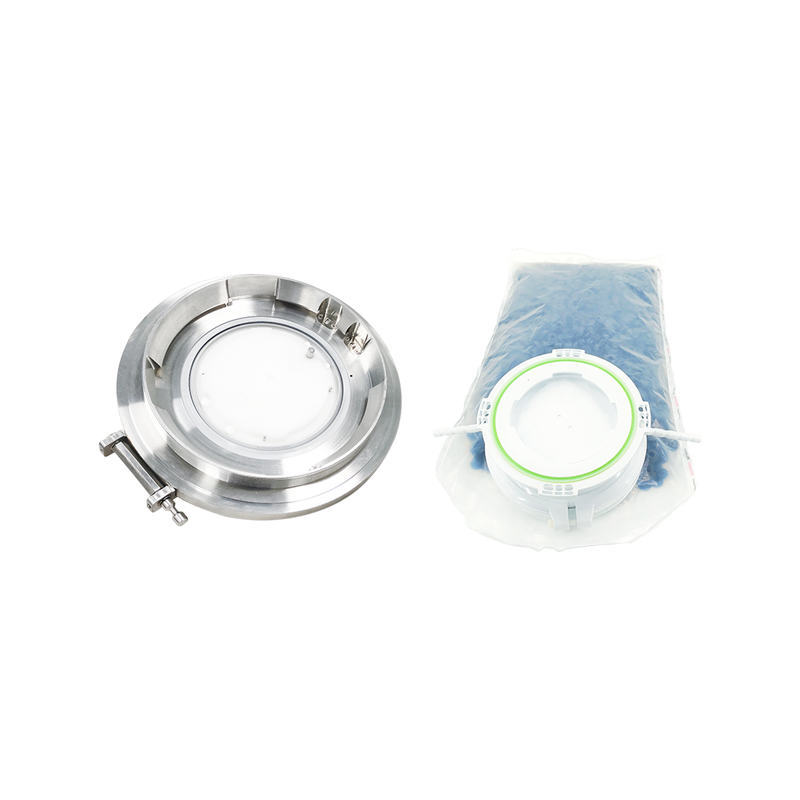
At the receiving vessel, the bag outlet is connected to the equipment port. The connection must do two things at once: carry the mechanical load of the bag and preserve sterility or containment at the interface. A common solution is to integrate the bag with an aseptic split butterfly valve. The passive half sits on the bag or the source container; the active half is mounted on the reactor or isolator. When the two halves dock, the butterfly discs open together, creating a powder path without exposing the internal surfaces. ELING supplies the aseptic split butterfly valve designed for this docking operation. The technical detail worth understanding is how sealing is maintained while the discs open, and this is explained in the article on how an aseptic split butterfly valve maintains sterility during material transfer.
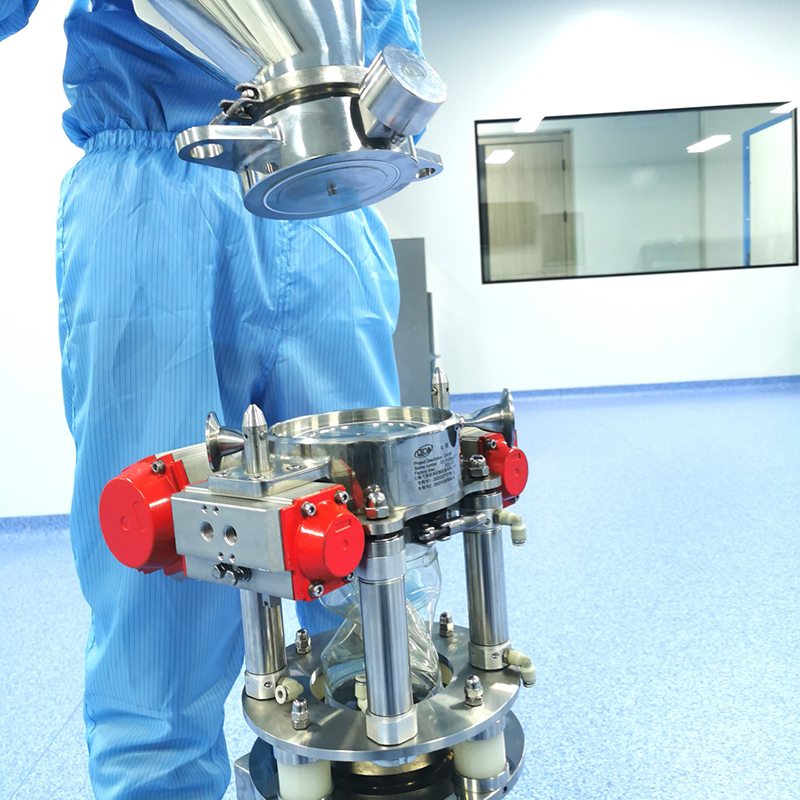 Powder Containment Transfer Aseptic Split Butterfly Valve Suppliers, CompanyShanghai Yiling Fluid Machinery Equipment Co., Ltd is China Custom Powder Containment Transfer Aseptic Split Butterfly Valve Suppliers an...View Product →
Charging Through an RTP Port
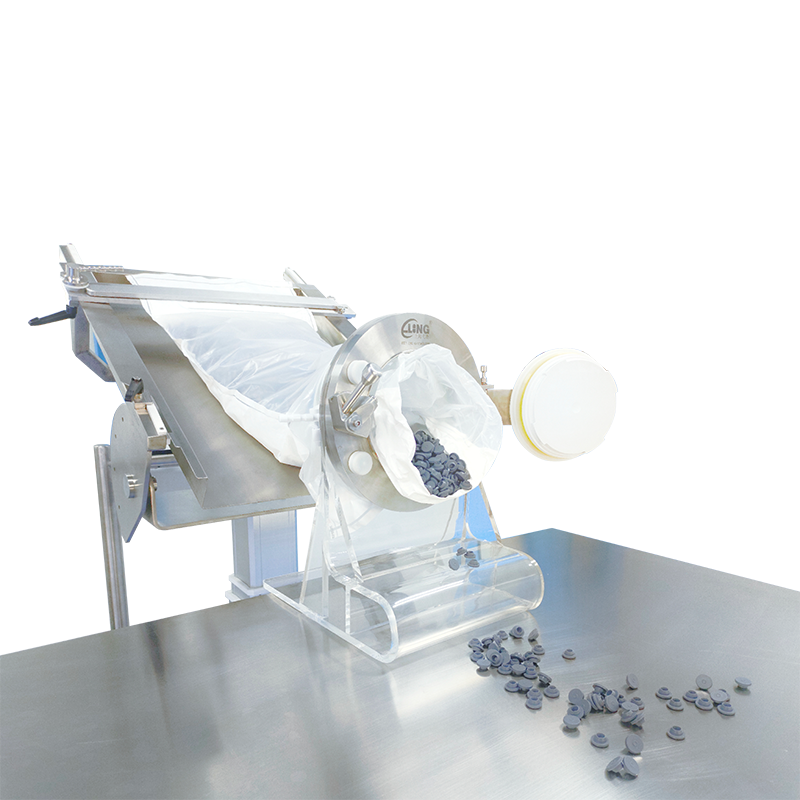
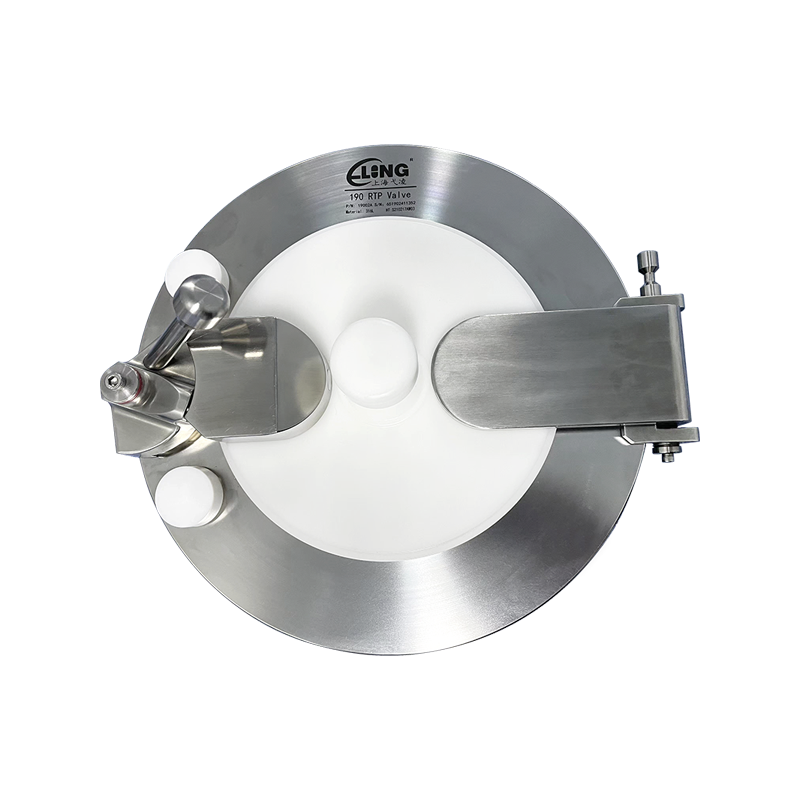
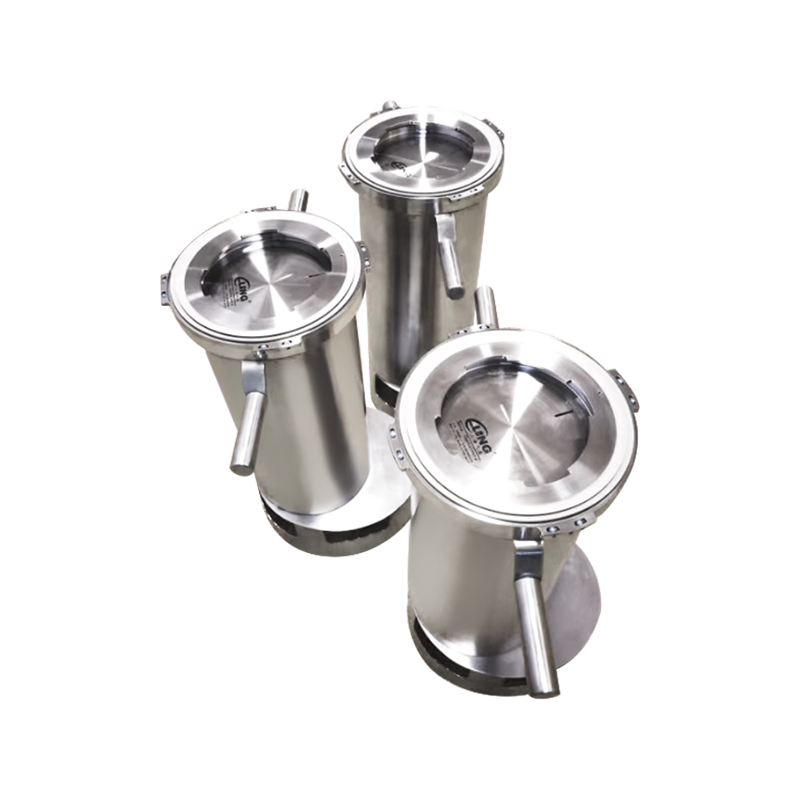
Some lines charge powder through a rapid transfer port instead. In that configuration, the bag is fitted with a beta flange that docks with the alpha port mounted on the isolator or vessel wall. The bag is placed inside an RTP beta bag or a sterilization container, sterilised, and then docked with the port. A lifting trolley helps position heavy containers, but the bag performs the same job: containing the powder until the port is opened and the path is complete. Facilities that already use RTP systems for sterile component transfer can apply the same logic to powder charging, which keeps the number of transfer methods in the facility low.
Single-Use Bag vs. Reusable Transfer Equipment
Reusable stainless steel vessels and transfer lines are still common in older facilities, but they carry a hidden cost that is easy to underestimate: cleaning validation. Every batch change requires CIP or manual cleaning, and the cleaning process itself becomes a contamination risk when it is not perfectly executed. A single-use bag removes that step because the product-contact layer is discarded after use. The trade-off is a recurring consumable cost, but the total cost per batch is often lower once cleaning labour, cleaning media, downtime, and validation effort are included.
| Consideration | Single-use charging bag | Reusable stainless vessel | Manual scooping |
|---|---|---|---|
| Cleaning validation between batches | Not required; bag is discarded | Required; CIP plus periodic validation | Required; surface contact is hard to control |
| Changeover time | Short; replace bag and connector | Long; clean, dry, inspect | Short, but exposure risk is high |
| Operator exposure to active powder | Low when used with a closed port | Moderate; open connection at charge point | High |
| Capital investment | Low; consumable-based | High; vessels, lifters, washers | Minimal |
| Cost per batch | Predictable consumable cost | Cleaning labour, media, downtime | Hidden in labour, exposure risk, and rejects |
| Suitability for potent compounds | Good with containment interface | Limited unless integrated with isolator | Not appropriate |
For highly active or toxic powders, the difference is even larger. A closed single-use system keeps the operator outside the powder path, which directly supports occupational exposure limits. Multi-product facilities benefit in the same way: the bag approach removes the need to prove that the transfer equipment is clean before every changeover.
Selection Criteria That Decide Whether a Bag Works in Practice
A powder charging bag performs well only when it is specified correctly. The following points matter more than the brand printed on the carton.
Film Compatibility and Sterilization
The film must be compatible with the powder it contacts. For sterile applications, the bag must tolerate gamma irradiation or another validated sterilization method without degrading, and it must meet extractables and leachables requirements for the intended product. If you are charging a reactive or hygroscopic powder, the film's moisture barrier and chemical resistance become critical. Ask the supplier for the film specification, not just the finished bag specification; small changes in additive packages can alter how a film behaves under irradiation or in contact with a specific solvent system.
Dimensions, Port Configuration, and Interface
The bag must physically fit the process. Check the usable volume against the batch size, the inlet diameter against your dispensing equipment, and the outlet against the vessel port. The most common field failure is a mismatch between the bag outlet and the connection valve. If the bag is designed to dock with a split butterfly valve, verify the flange dimensions and the passive/active compatibility. If it must work with an RTP port, verify the beta flange type and the sterilization container. A bag that is structurally sound but incompatible with your ports will not produce a smooth powder flow and may tear at the connection during charging.
Documentation and Vendor Qualification
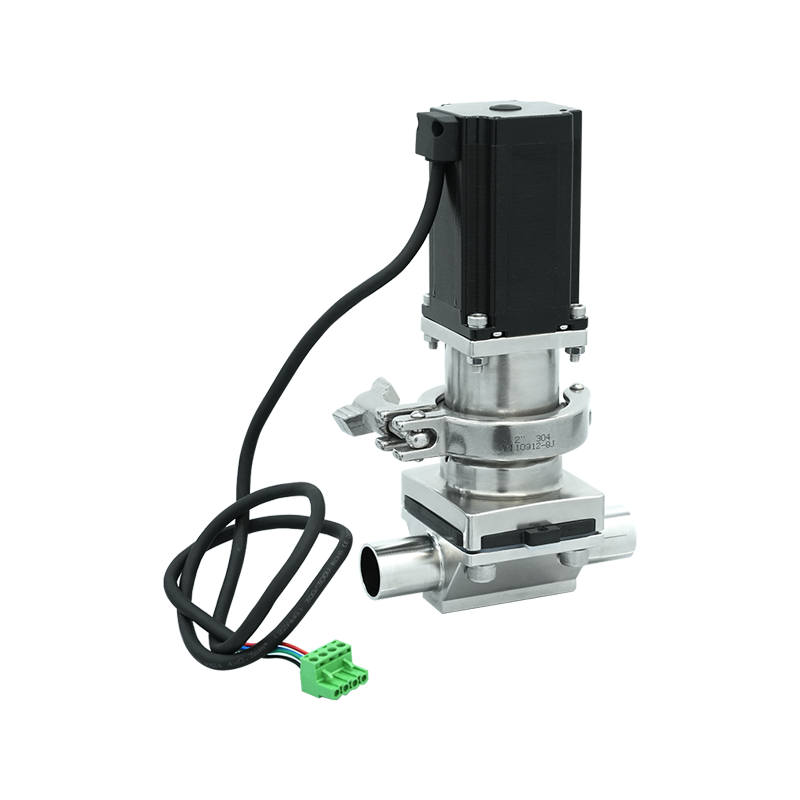
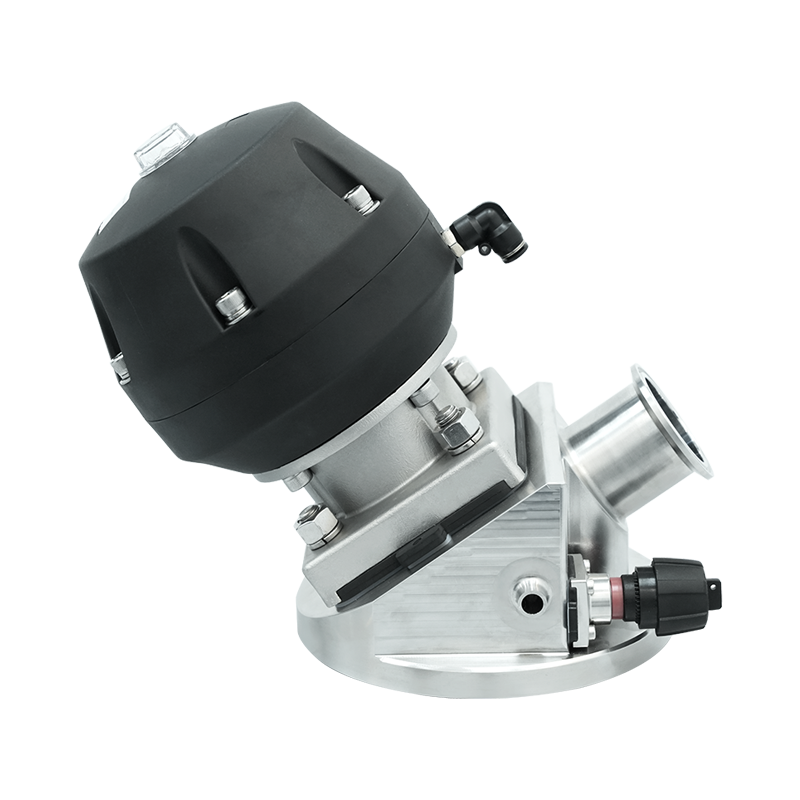
In a GMP environment, documentation is part of the product. Ask for material certificates, sterilization validation data, and available biocompatibility or extractables data. The supplier should be able to explain how the bag is manufactured, how welds and seals are inspected, and what batch release testing is performed. Suppliers with pharmaceutical process experience are easier to qualify because they already know what a QA department will request. This is where buying from a manufacturer makes a practical difference: the manufacturer can answer technical questions at the production level. The same logic applies to other components in the transfer line. For example, the selection rules for pharmaceutical diaphragm valves used in surrounding process lines follow a similar pattern: understand the fluid contact, define the operating range, and verify the documentation.
A Practical First-Use Checklist
If you are introducing disposable powder charging bags into a production line for the first time, use this checklist during the trial phase. It keeps the evaluation focused on what actually affects batch quality and operator safety.
- Confirm that the bag film and sterilization method match the product's chemical compatibility and leachables requirements.
- Verify the bag outlet and connection valve dimensions against the actual vessel port before ordering full quantities.
- Run a placebo or wet trial to confirm flow behaviour, fill level, and the absence of static or bridging problems.
- Inspect every bag batch for weld integrity, visible defects, and correct labelling of batch number and expiry date.
- Define the changeover procedure: sealing the used bag, removing it, and disposing of it without exposing the operator.
- Record average setup and charging time to build a reliable cost-per-batch comparison against your current method.
Facilities that follow this pattern usually find that the bag itself is rarely the weak point. The larger gains come from simplifying the transfer workflow, reducing cleaning steps, and protecting operators from direct powder contact. Once the single-use concept is established, it can extend to other parts of the process, including sterile filtration, sampling, and vessel charging. A broader overview of the same benefits appears in the article on taking the strain out of sterile pharmaceutical and biotech production. The direction is consistent: closed, single-use connections reduce variability, shorten changeover, and make GMP powder handling easier to defend in an audit.