

Content
In sterile pharmaceutical manufacturing, most contamination events are decided in the seconds a powder leaves one closed boundary and enters the next. For drug substances, intermediates, and excipients, that crossing typically happens inside an aseptic single use powder transfer bag, a disposable container fabricated from high-purity polyethylene (PE) film and engineered to carry powder between an isolator, a bin, a blender, or a bioreactor without exposing the material to the surrounding room. The conclusion up front is simple: what separates a purposeful transfer bag from an ordinary plastic sack is film chemistry, closure integrity, sterilized supply, and the way the bag docks with the transfer hardware around it.
Aseptic single use powder transfer bags exist because reusable containers cannot handle this step economically. Stainless steel vessels and rigid plastic bins must be washed, dried, sterilized, and protected until use, and every wash cycle introduces risk of residual detergent, moisture, or particulate. A single use bag removes that cycle from the critical path. It arrives sterile, is used once, and is discarded, which eliminates cleaning validation at the transfer step and sharply reduces cross-contamination risk between lots.
What an Aseptic Single Use Powder Transfer Bag Actually Does
At its core, the bag is a mobile sterile boundary. Rather than connecting two fixed pieces of equipment and pushing powder between them, the bag travels with the powder. It is filled inside a containment boundary, sealed and disconnected, then docked to the receiving equipment on the other side. That mobility makes it useful in several recurring workflows:
- Transferring active pharmaceutical ingredients (APIs) or intermediates out of containment isolators, where the bag must preserve product sterility while also protecting operators from potent compounds.
- Feeding bioreactors and media preparation vessels, where pre-weighed powder in a single use bag connects directly to a vessel port instead of being dumped manually through a hatch.
- Moving granules and powders between milling, blending, and compression stages in solid oral dose manufacturing, keeping the material enclosed from start to finish.
Because the bag is the only single use element in the chain, its integrity determines the outcome of the entire transfer. A pinhole, an incompatible port, or a poorly documented film can convert a well-designed aseptic line into a contamination event that is expensive to trace and even more expensive to repeat.
Film Construction: Why PE Is the Standard Material
Polyethylene is the dominant film material for these bags for a simple reason: high-purity PE offers an excellent balance of strength, flexibility, weldability, and a low extractables profile at a cost that makes single use economics viable. Pharma-grade PE film is produced without the plasticizers, heavy-metal stabilizers, and tackifiers found in commodity films, and it can be certified against pharmacopeial requirements for biological reactivity and extractables.
High-Purity PE and Contamination Control
The film's extractables and leachables profile matters more than its tensile strength in this application. Over a long storage period, powder in contact with the film can pick up trace organics or ions, and those impurities can affect formulation stability or analytical results. Bags intended for aseptic pharmaceutical use are therefore manufactured from virgin, additive-controlled PE in a controlled environment, and each lot should be accompanied by material certificates and extractables data that your quality unit can review before release.
Bag Formats: Storage and Feeding versus Simple PE Bags
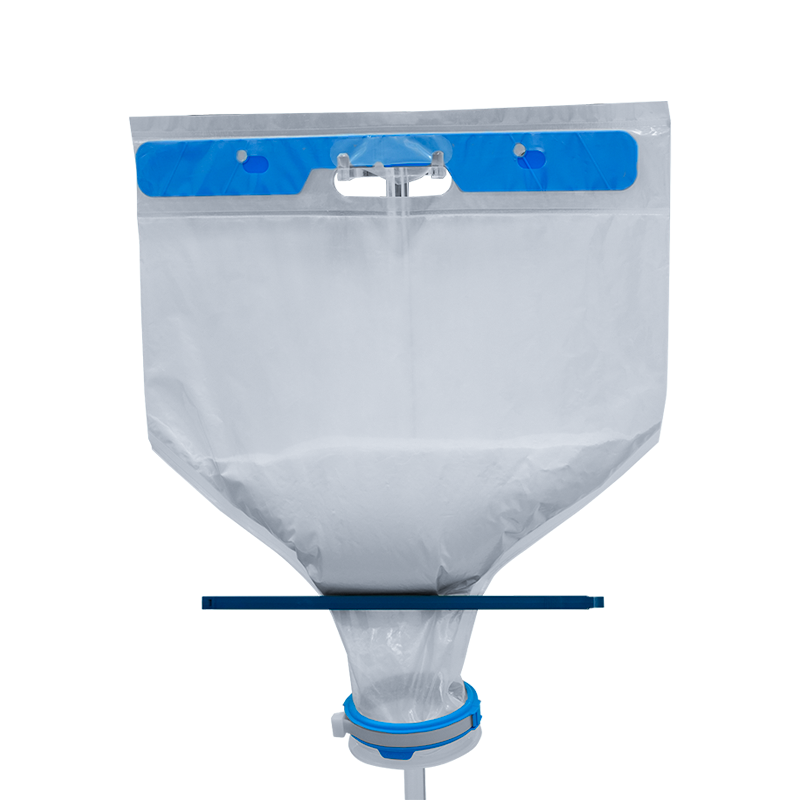
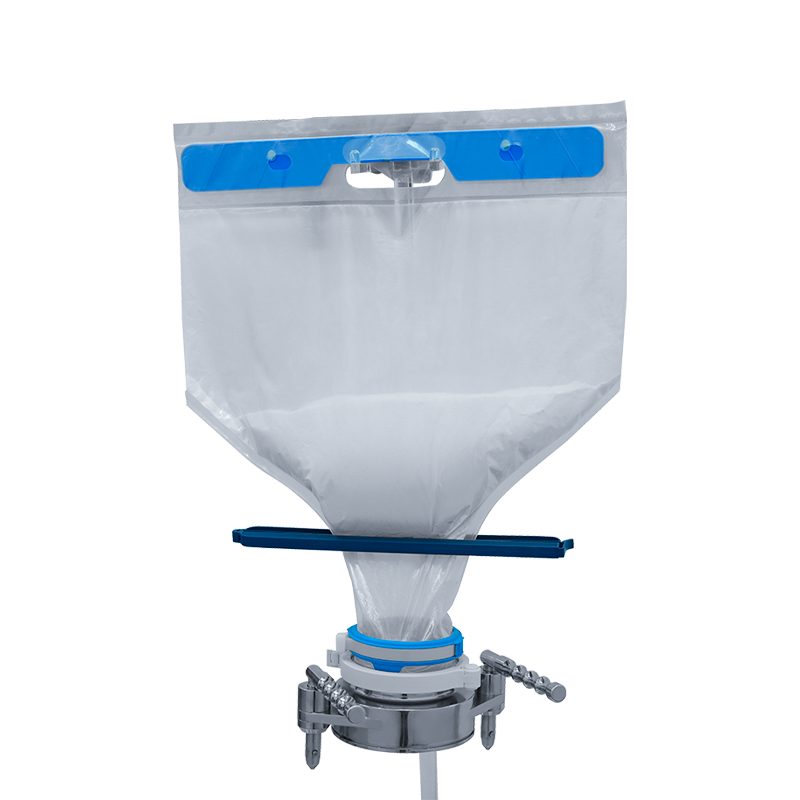
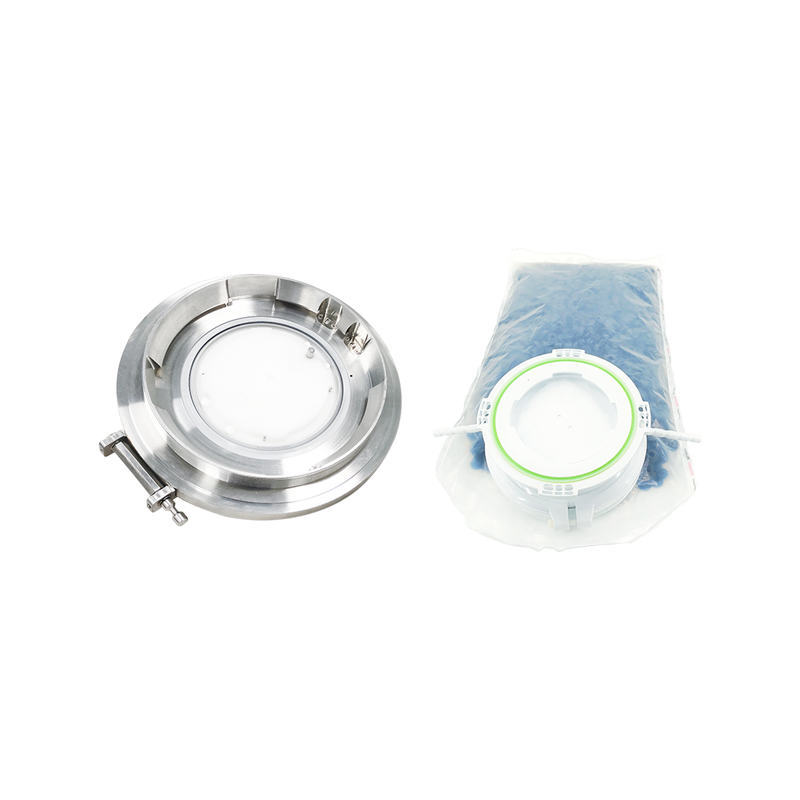
The two formats you will see most often are a purpose-built sterile powder transport, storage, and feeding bag and a simpler PE bag for less demanding transfers. The transport, storage, and feeding design typically adds a sturdier wall structure, reinforced handling points, and a dockable port that mates with a split butterfly valve or rapid transfer port. The simpler PE bag is a lighter-duty option for situations where the powder is already contained and the main goal is dust control or short-distance movement.
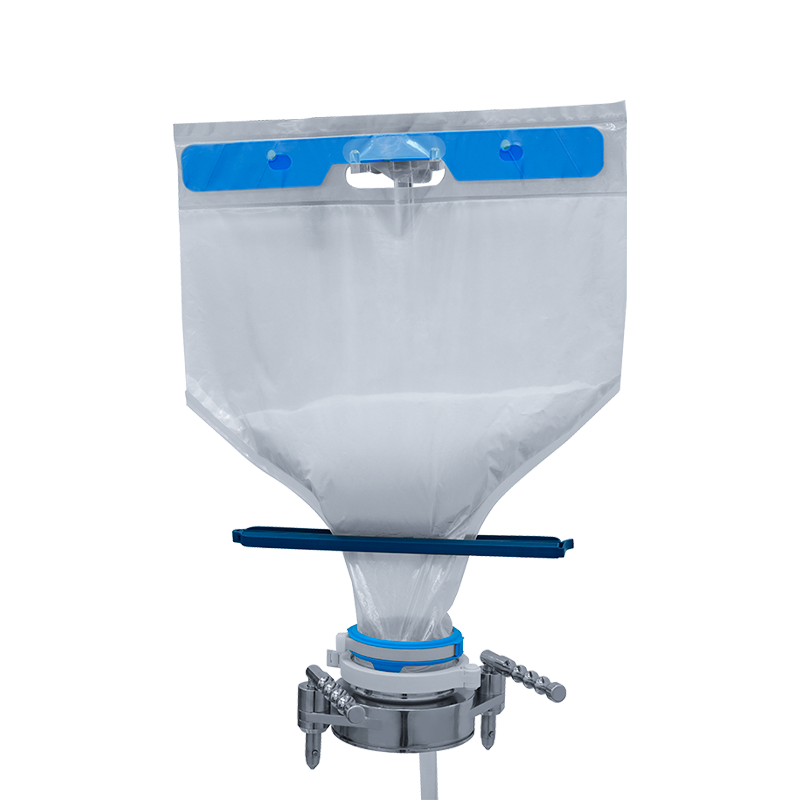 Biopharmaceutical PE Powder Transfer Bag Suppliers, CompanyShanghai Yiling Fluid Machinery Equipment Co., Ltd is China Custom Biopharmaceutical PE Powder Transfer Bag Suppliers and Biopharmaceutic...View Product →
ELING's offering in this category starts with a disposable sterile powder transport, storage, and feeding bag designed to be filled, moved, stored, and docked repeatedly without breaking the sterile side. Selecting one format over the other should be driven by the interface you need to connect and the amount of mechanical abuse the bag will see during handling, not by price per unit alone.
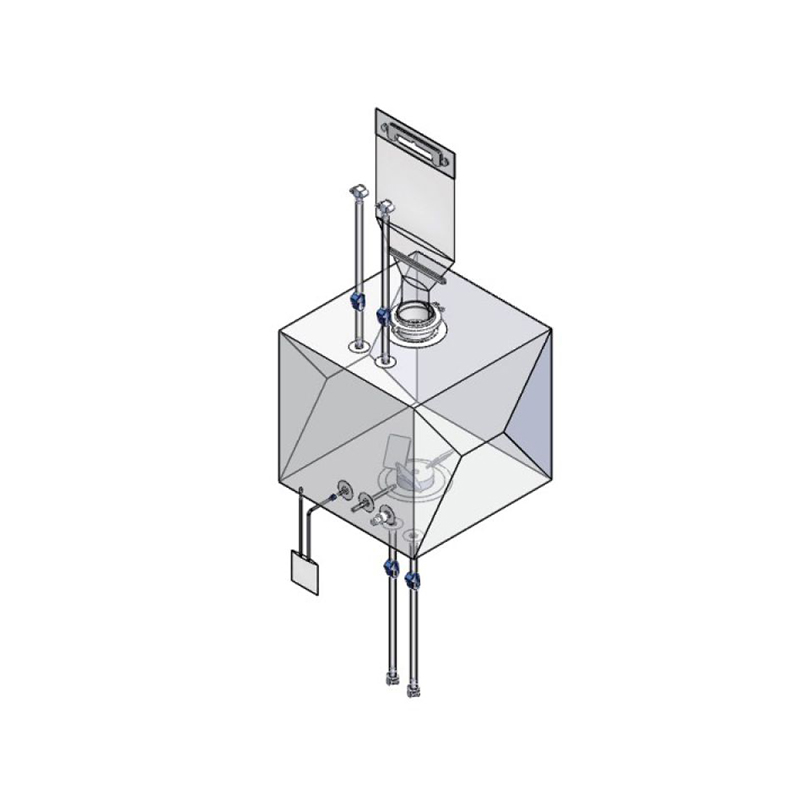 Disposable Sterile Powder Transport/Storage/Feeding Bag Suppliers, CompanyShanghai Yiling Fluid Machinery Equipment Co., Ltd is China Custom Disposable Sterile Powder Transport/Storage/Feeding Bag Suppliers and ...View Product →
How the Bag Maintains a Sterile Barrier
The film keeps the powder clean, but the sterile barrier is completed by two additional elements: sterilization and the closure system. A bag that is manufactured in a cleanroom but not sterilized is not an aseptic product; it is merely a clean bag.
Sterilization and Aseptic Presentation
Most single use powder transfer bags are supplied gamma-irradiated at a dose that achieves a sterility assurance level (SAL) of 10-6 while remaining safe for PE. The bag is usually packed in double or triple overwrap so it can be introduced into a cleanroom or isolator through a pass-through hatch without contaminating the outer surface. Two operational details deserve attention: the sterility expiry date printed on the packaging, and the way the overwrap is removed at the point of use. Both are frequent sources of deviations in practice.
Docking Interfaces: Split Butterfly Valves and Rapid Transfer Ports
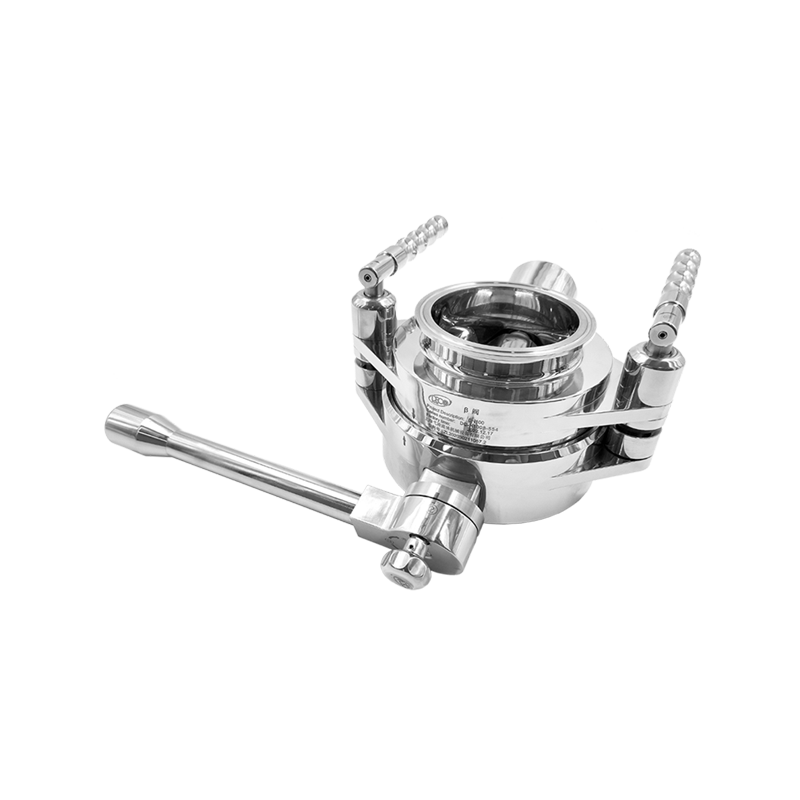
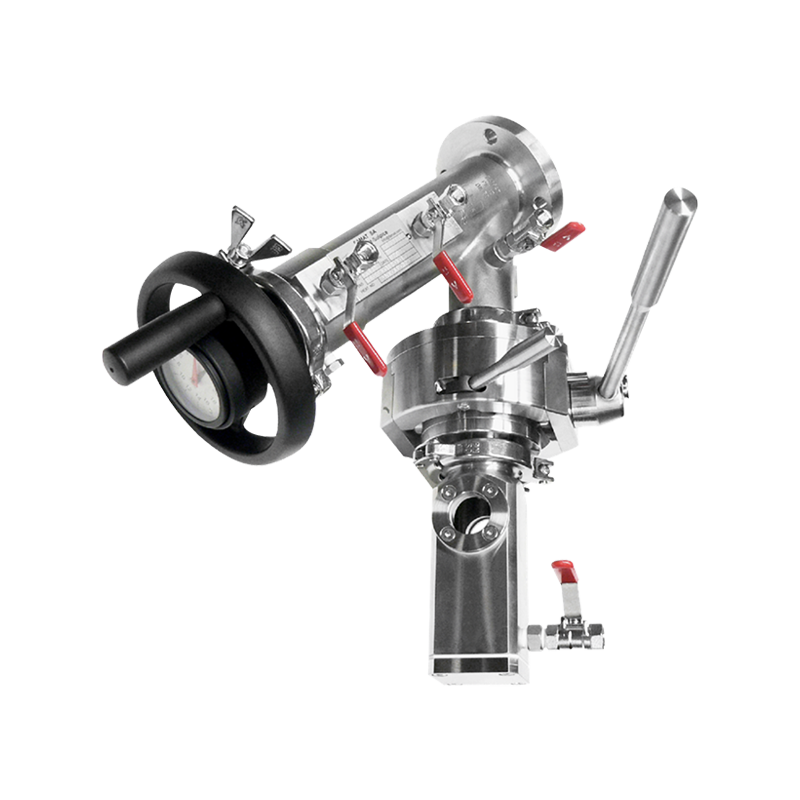
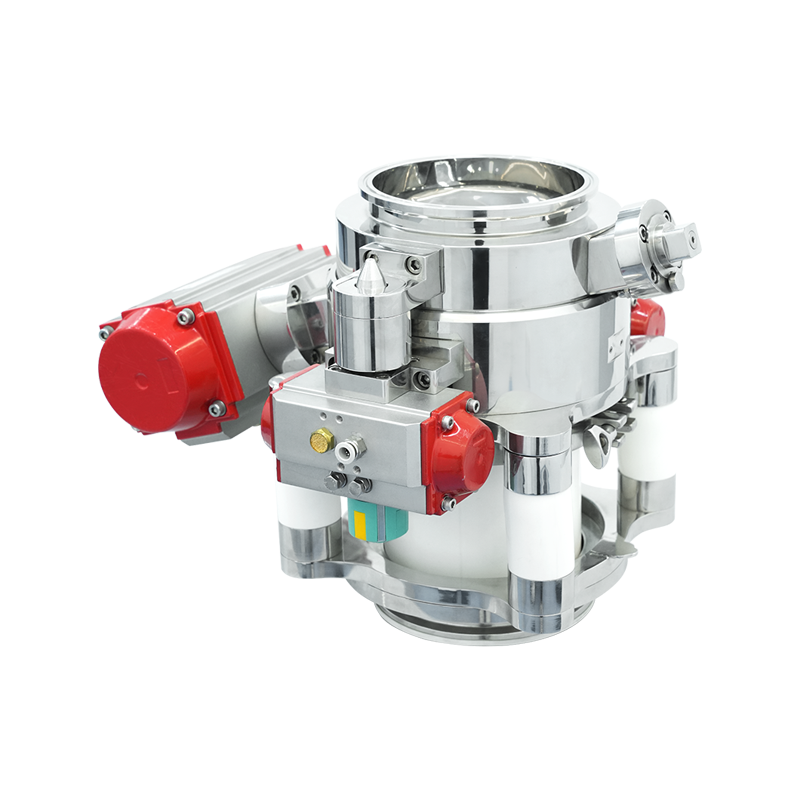
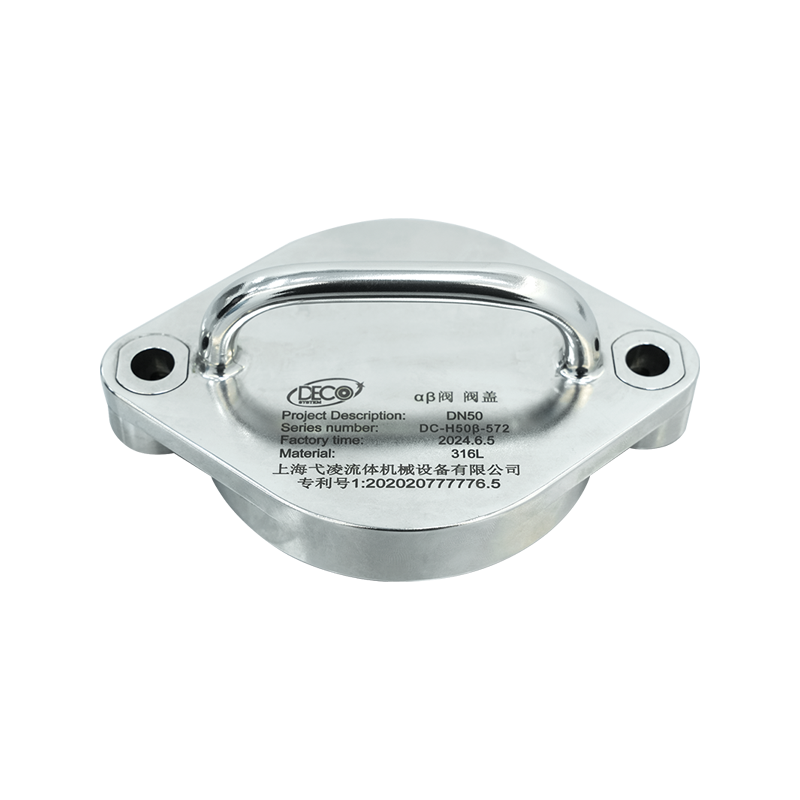
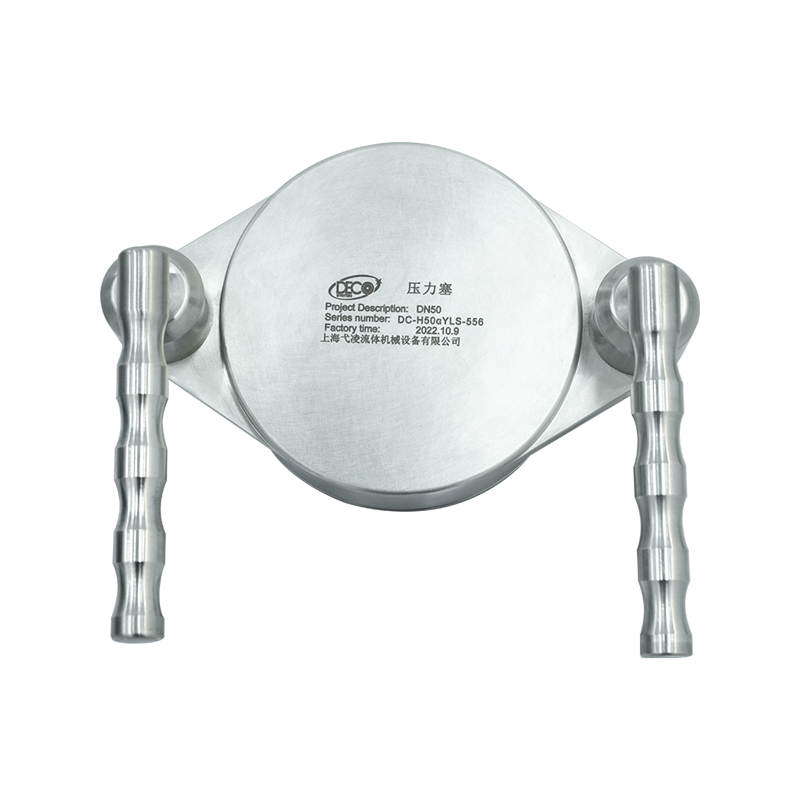
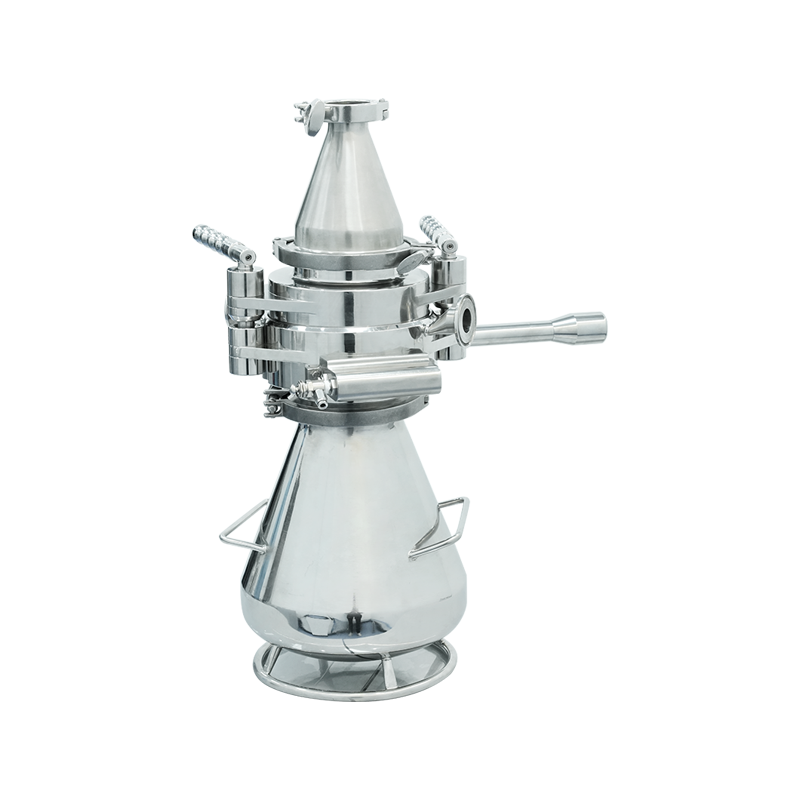
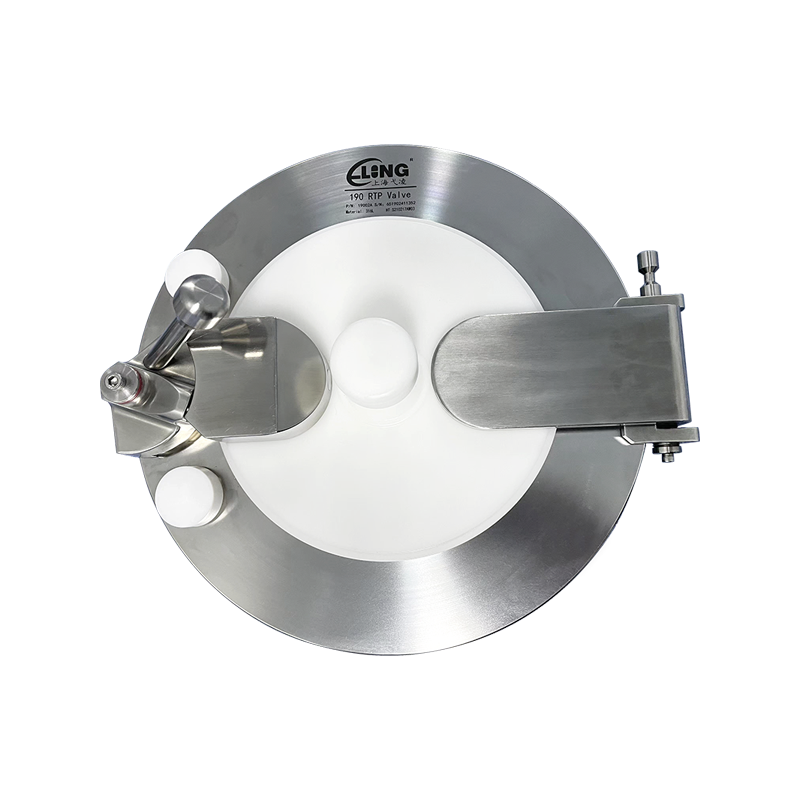
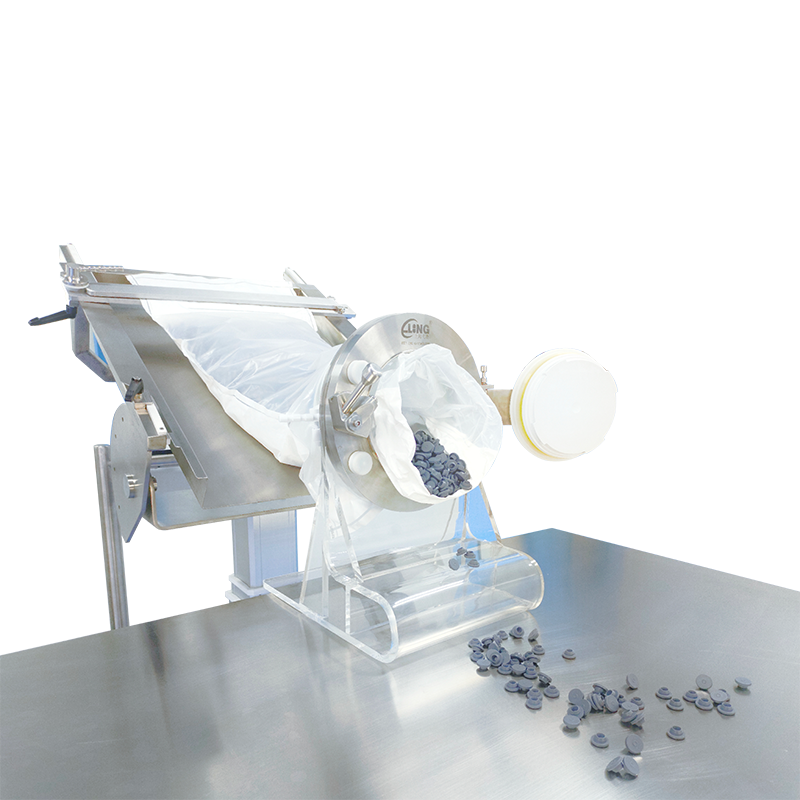
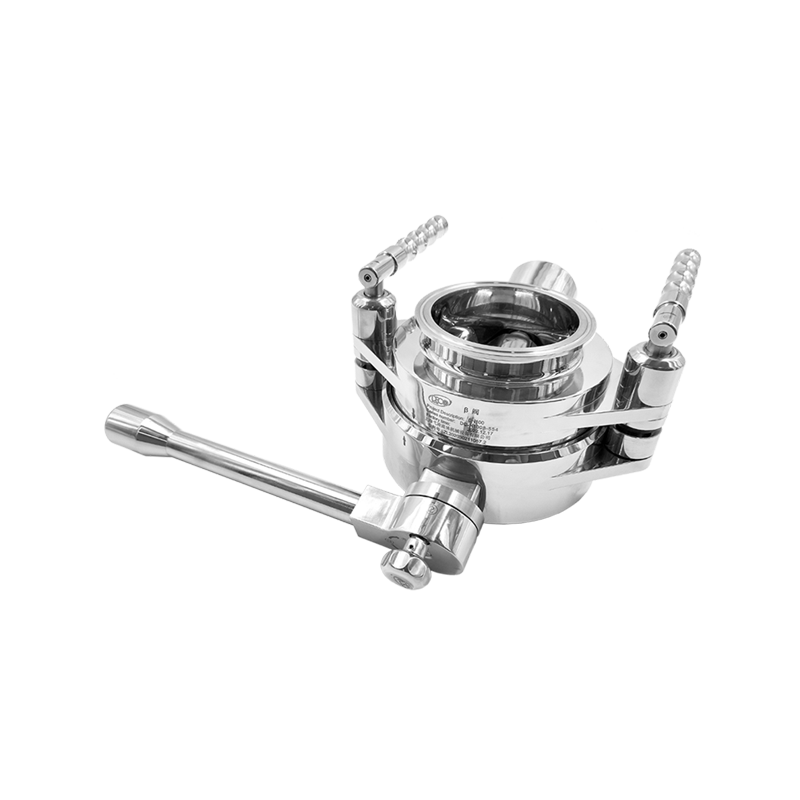
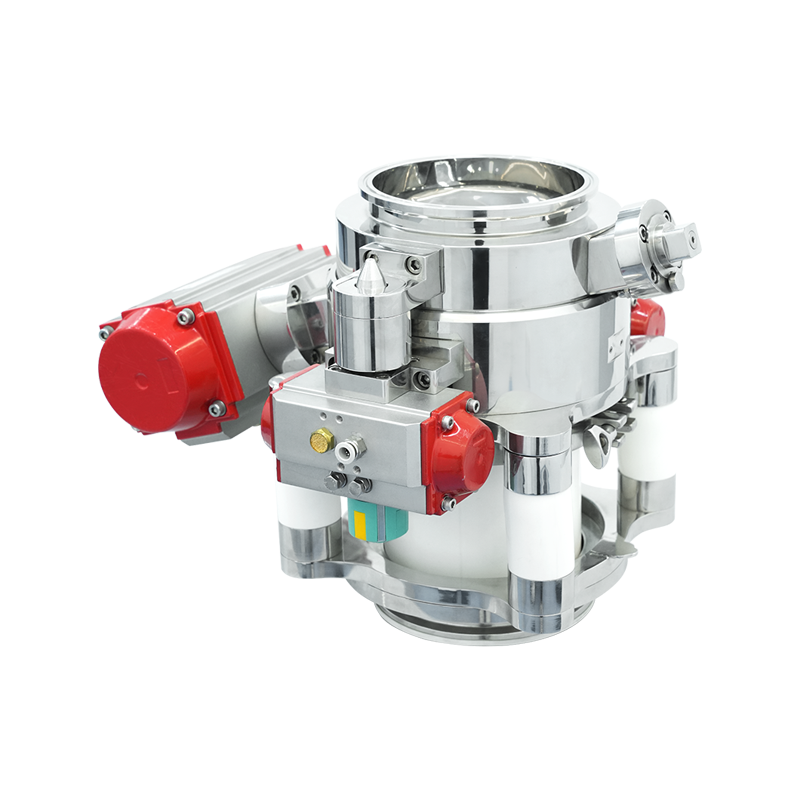
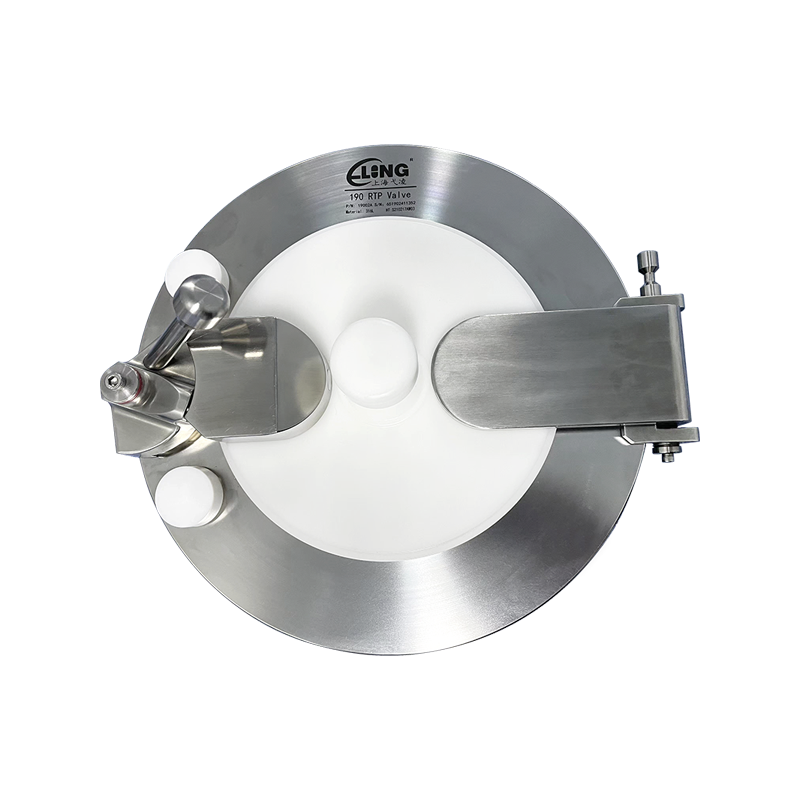
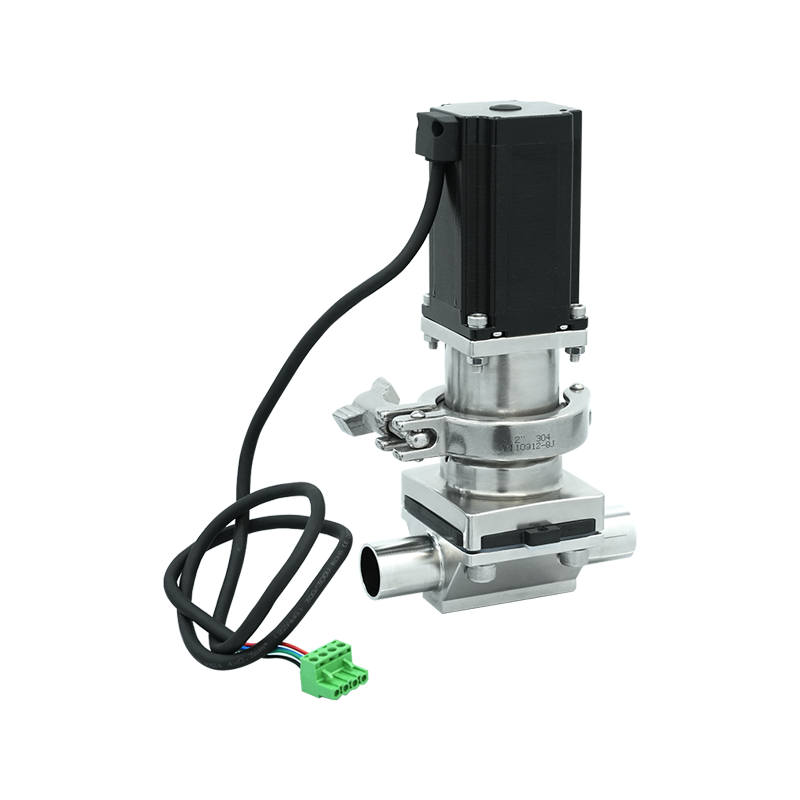
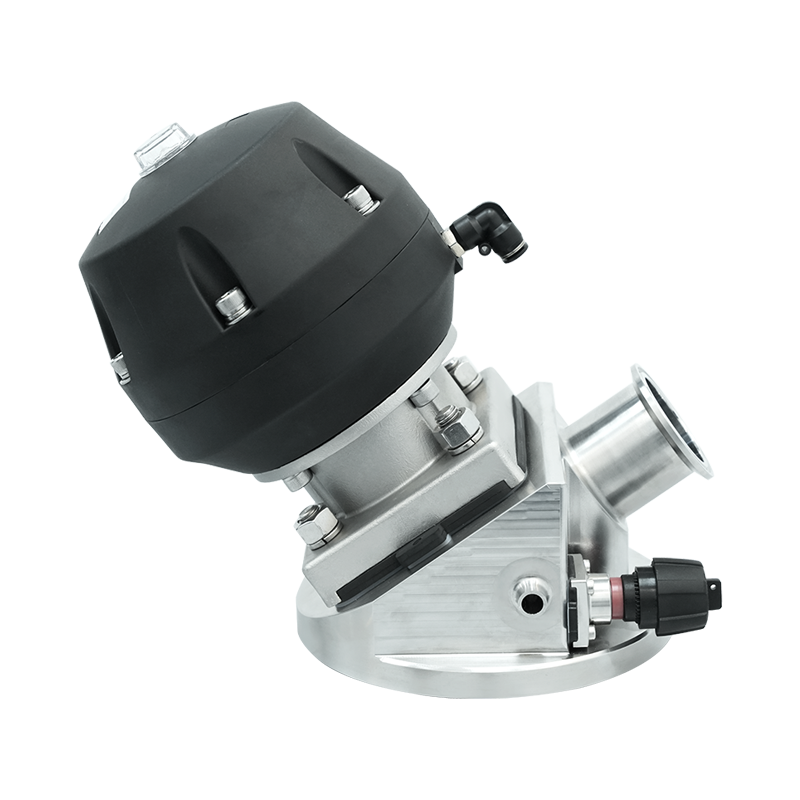
The bag is only as sterile as its connection point. When it docks with a valve or port, the two mating surfaces must never open to the room at the same time. That is why split valve and rapid transfer port designs dominate aseptic powder handling. An aseptic split butterfly valve couples the bag to a fixed equipment flange while both halves remain closed, then opens only after the two halves are fully mated. A rapid transfer port works on the same principle, using a film-to-film seal between the port and the bag's beta part.
| Interface | Sterility principle | Typical application |
|---|---|---|
| Split butterfly valve | Two closed halves couple, then open only after mating | Isolator discharge, bin-to-bin transfer, blender feeding |
| Rapid transfer port (RTP) | Film-to-film seal between the fixed port and the bag's beta part | Isolator loading and unloading, vessel charging |
| Tri-clamp port | Compression gasket over a valve or process line | Media and buffer feeding with local wipe-down |
For a closer look at the coupling sequence, our technical review of how an aseptic split butterfly valve maintains sterility during material transfer explains why the two halves never expose the powder to room air.
What to Check Before You Standardize on a Bag
Standardizing on a single use powder transfer bag is effectively a quality decision. Once the bag is selected and validated, changing suppliers or specifications means repeating compatibility studies and risk assessments. Work through the following checklist before you commit:
| Parameter | What to verify | Why it matters |
|---|---|---|
| Film grade | Virgin PE, additive profile, pharmacopeial extractables data | Directly affects product purity and stability |
| Interface | Port size and type match your split valve or RTP | An undockable bag cannot be used at all |
| Sterilization | Gamma dose range, SAL 10-6, expiry date | Determines whether the bag is truly aseptic at receipt |
| Capacity | Useful volume and working load, including powder bulk density | Prevents overfilling and seam stress |
| Documentation | Certificate of analysis, irradiation certificate, lot traceability | Required for batch records and deviation inquiries |
| Cleanroom state | Manufacturing and packaging conditions at the supplier | Provides confidence in particle and bioburden control |
Procurement risk is concentrated in three places: film changes that alter the extractables profile, port redesigns that no longer match your valve, and undocumented sterility release. Ask each prospective supplier what triggers a change notification and how much notice you will receive before their film or component specification changes. In regulated production, an unannounced material change is worse than a price increase.
Building a Complete Powder Transfer Workflow
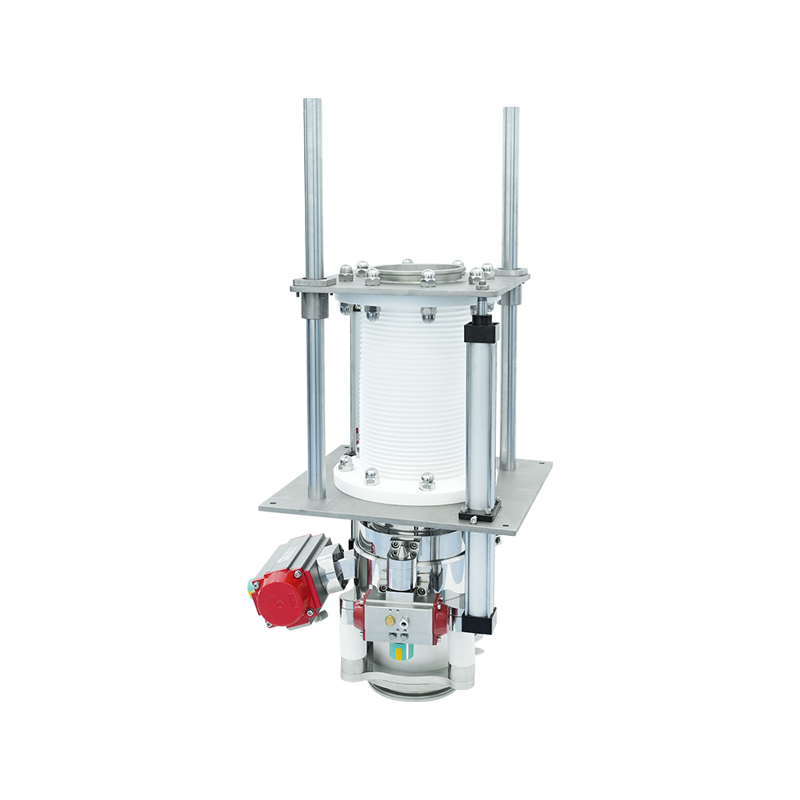
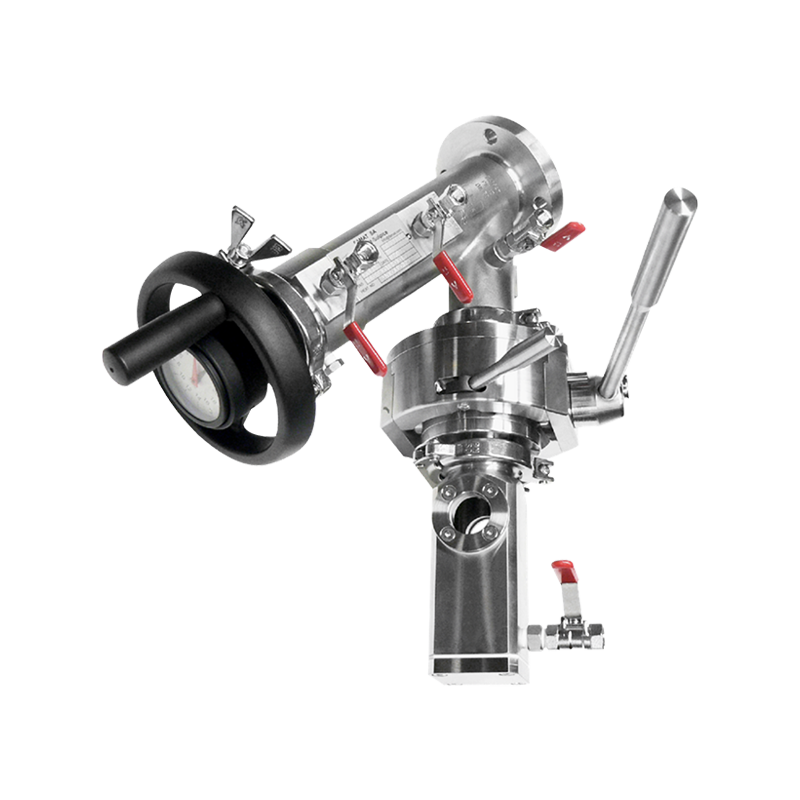
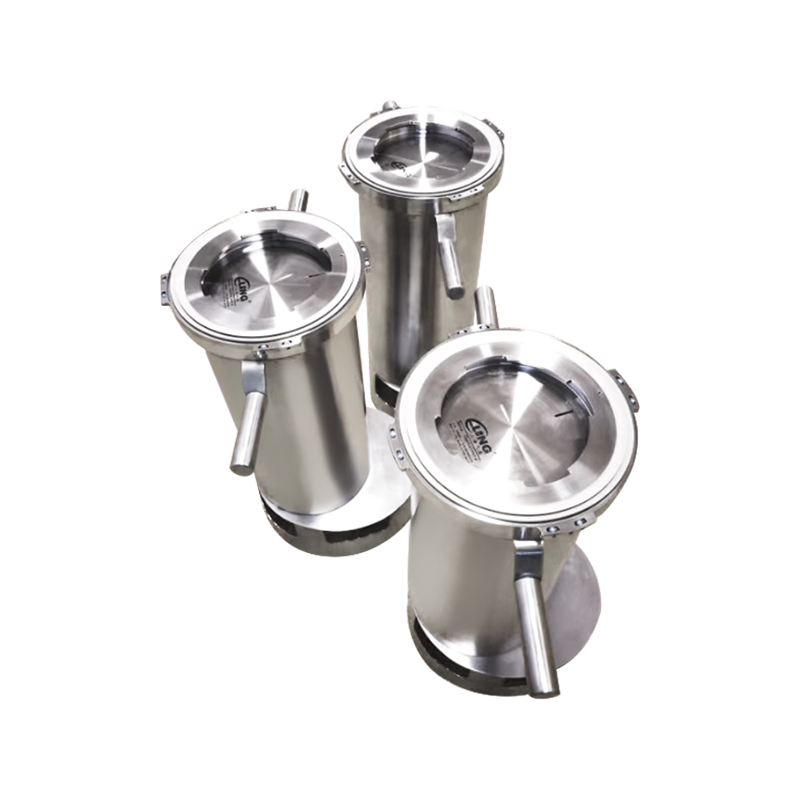
No bag transfers powder on its own. The complete workflow includes the bag, the fixed valve or port on the equipment, and often a lifting or positioning device to bring the two together. This is why suppliers that offer the bag as part of a broader containment catalog are easier to work with: the bag, the valve, and the trolley are designed to fit each other, and the validation documentation arrives as one package rather than a patchwork of three vendors.
A typical discharge sequence looks like this:
- Connect the bag's port to the split butterfly valve under the isolator discharge chute.
- Open the coupled valve halves and fill the bag by weight.
- Close the valve, disconnect the bag, and move it to the receiving equipment.
- Dock the bag port to the receiving port, open the interfaces, and discharge the powder.
In solid oral dose manufacturing, for example, the sequence usually runs from an isolator through a split butterfly valve, with the bag carrying granules to a blender or a tablet press feed hopper. Our summary of the role of aseptic split butterfly valves in solid dosage form production describes why that valve remains the preferred second half of the interface.
ELING approaches this system as a whole. The company manufactures the bag itself, the aseptic split butterfly valve that the bag docks to, the RTP components for wall-mounted transfer, and the lifting aids that position heavy containers while operators keep their hands out of the flow path. If you are planning a new line or upgrading an existing one, compare the cost of coordinating three suppliers against the cost of buying a tested combination from one accountable partner. The second option usually wins in validation time, deviation rate, and long-term support.
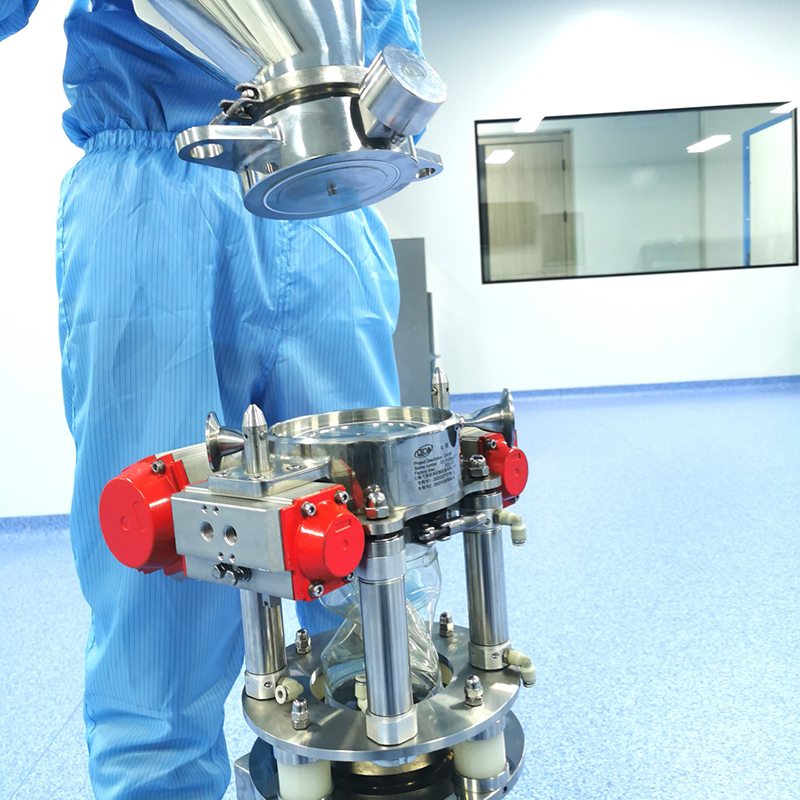 Powder Containment Transfer Aseptic Split Butterfly Valve Suppliers, CompanyShanghai Yiling Fluid Machinery Equipment Co., Ltd is China Custom Powder Containment Transfer Aseptic Split Butterfly Valve Suppliers an...View Product →
For teams already running sterile production, practical refinements can remove more risk than new hardware. A review of practical ways to take the strain out of sterile pharmaceutical and biotech production covers the small, documented improvements that reduce operator error around transfer operations.
The aseptic single use powder transfer bag looks like the simplest component in a sterile powder line, and in a well-designed system it is. Choose it deliberately: match the film to your product, the port to your valve, and the supplier to your documentation expectations. Done correctly, the bag becomes the quiet workhorse that makes every clean transfer look easy, batch after batch.