

Content
- 1 A cGMP Parts Washer Is a Process, Not Just a Cabinet
- 2 Which Parts Need Cleaning, and Why the Job Is Difficult
- 3 Mechanical Design Requirements That Make a Washer cGMP-Ready
- 4 GMP Washers vs GLP Washers: Know the Difference
- 5 The Validation Lifecycle for an Automated Parts Washer
- 6 Automation, Data Integrity, and the Documentation You Should Demand
- 7 Building a Cleaning Station: What to Look for When You Buy
- 8 The Bottom Line
A cGMP Parts Washer Is a Process, Not Just a Cabinet
When a filling line stops for a product changeover, the maintenance team pulls dozens of components off the machine: diaphragms, valve bodies, pump seals, gaskets, nozzles, and change parts. These parts carry dried product residue, and they cannot stay in place long enough for a cleaning-in-place cycle. They go to a parts washer. If that washer cannot clean them to a defensible standard every single time, the next batch starts with a quality risk and a validation headache.
The short answer, before any details: a cGMP parts washer is best understood as a process, not a piece of hardware. Machines that deliver repeatable, documented, verifiable cleaning are straightforward to validate. Machines that only spray hot water and detergent are not. Every buying decision should start from that distinction.
Which Parts Need Cleaning, and Why the Job Is Difficult
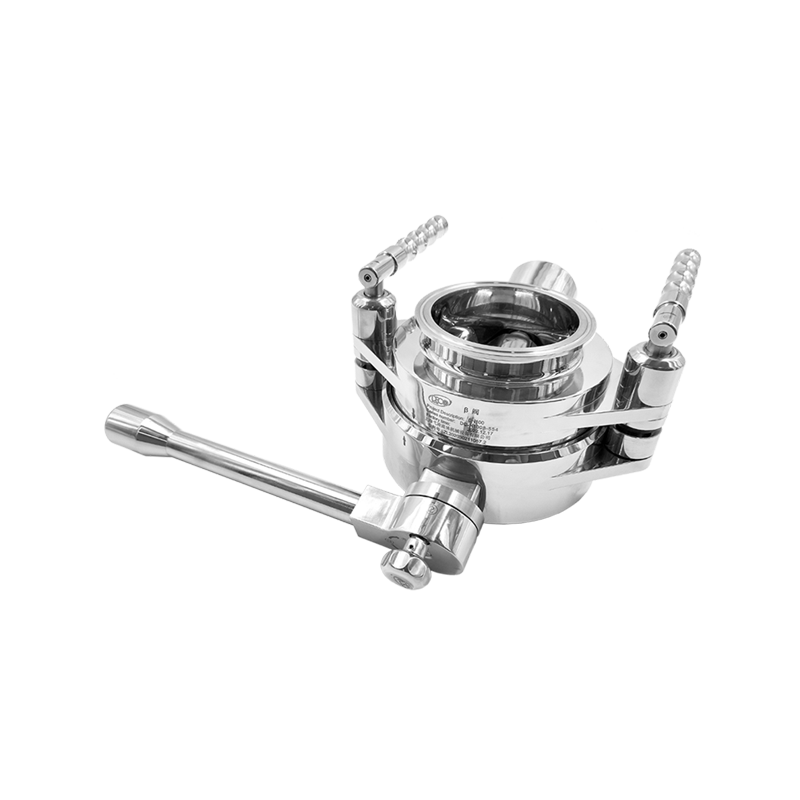
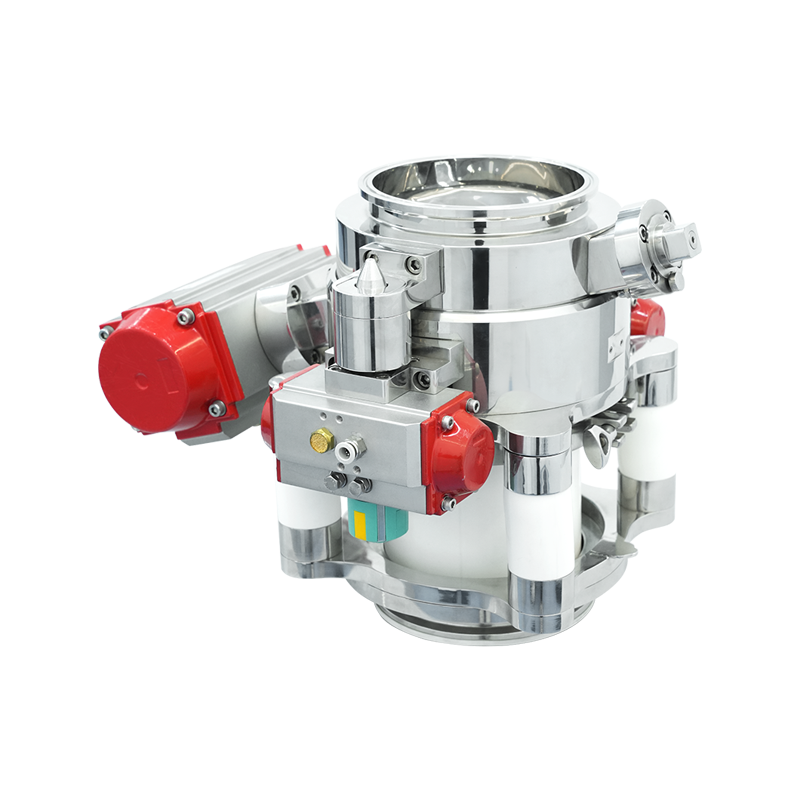
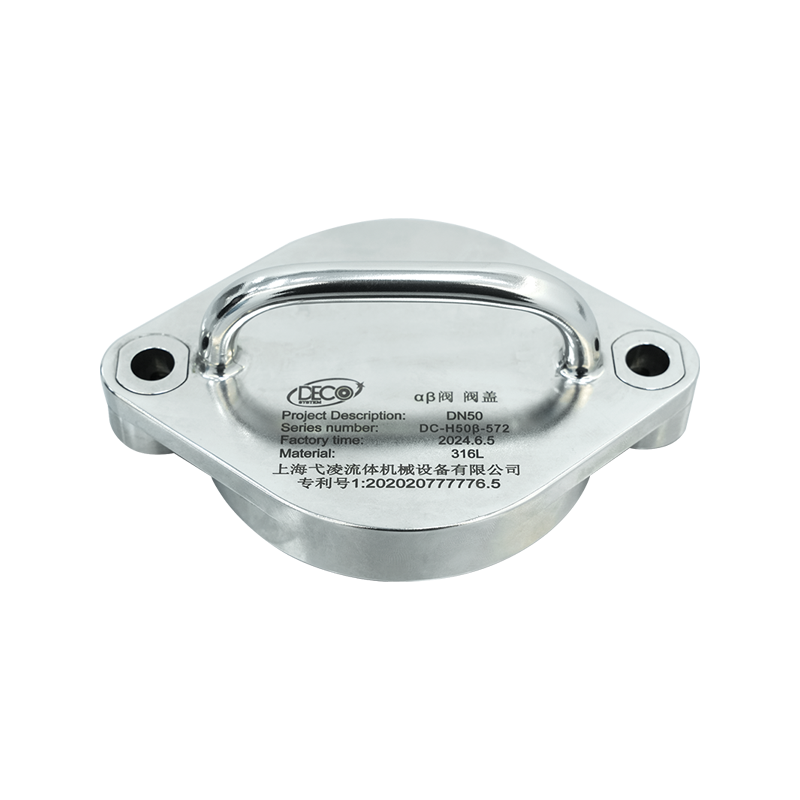
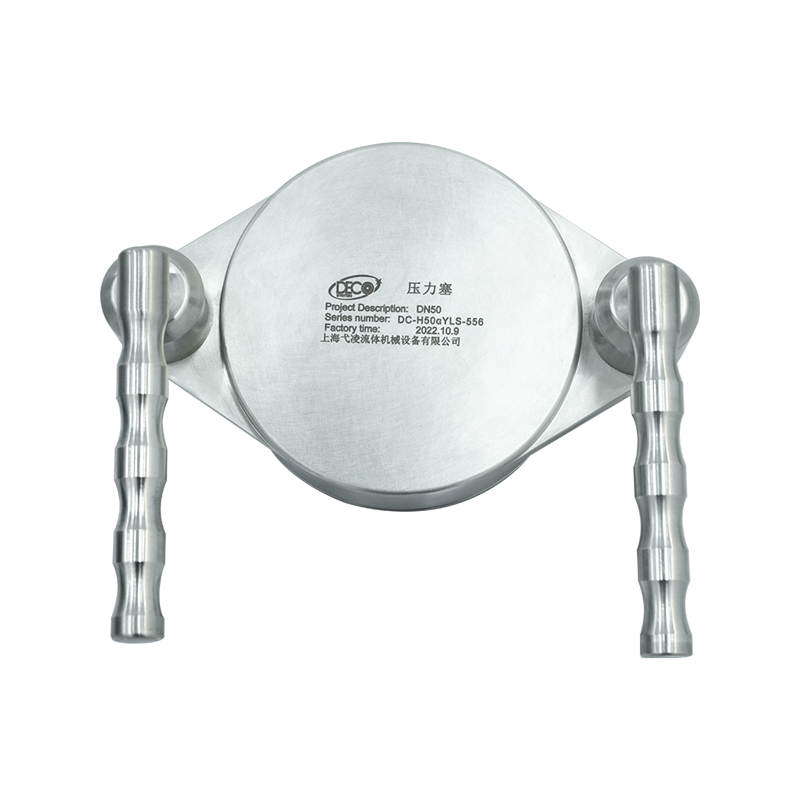
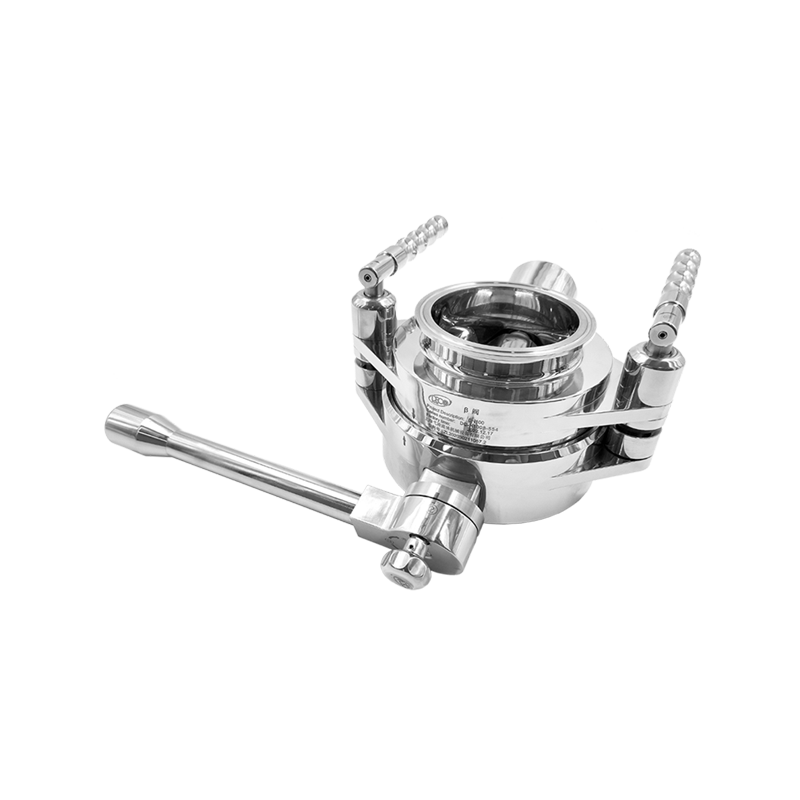
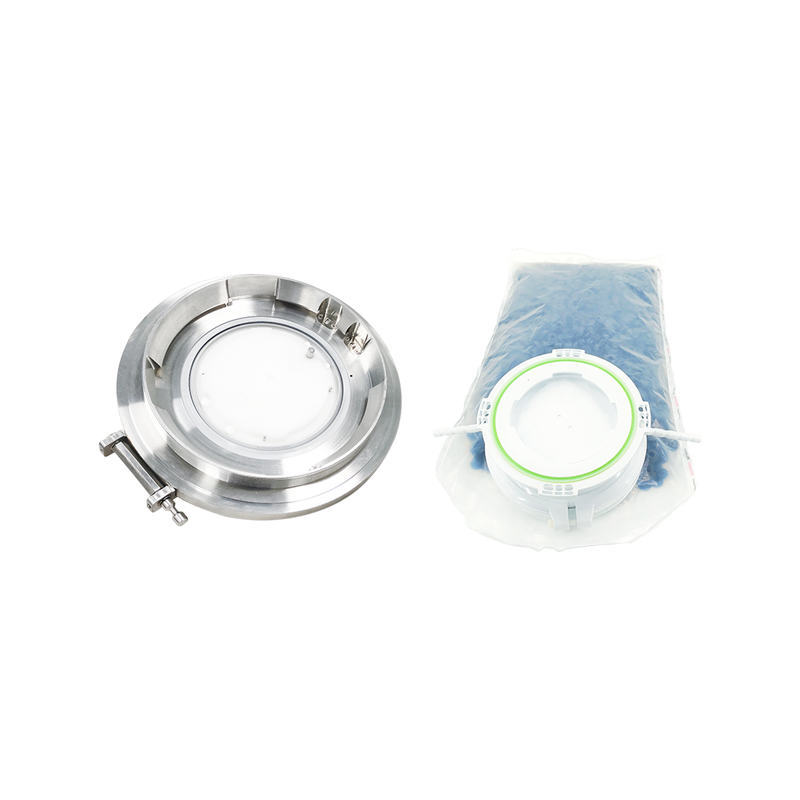
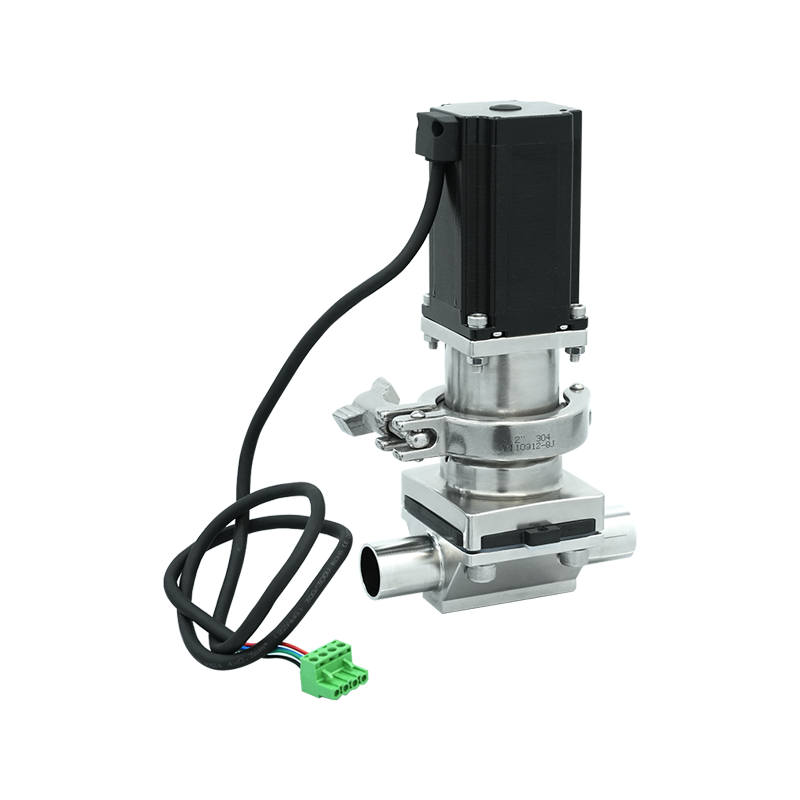
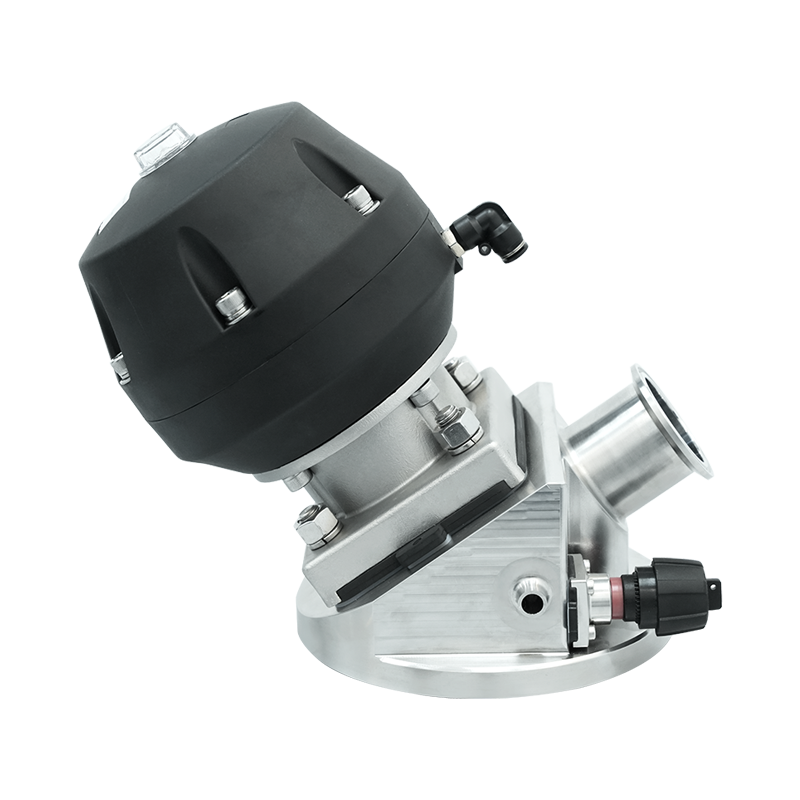
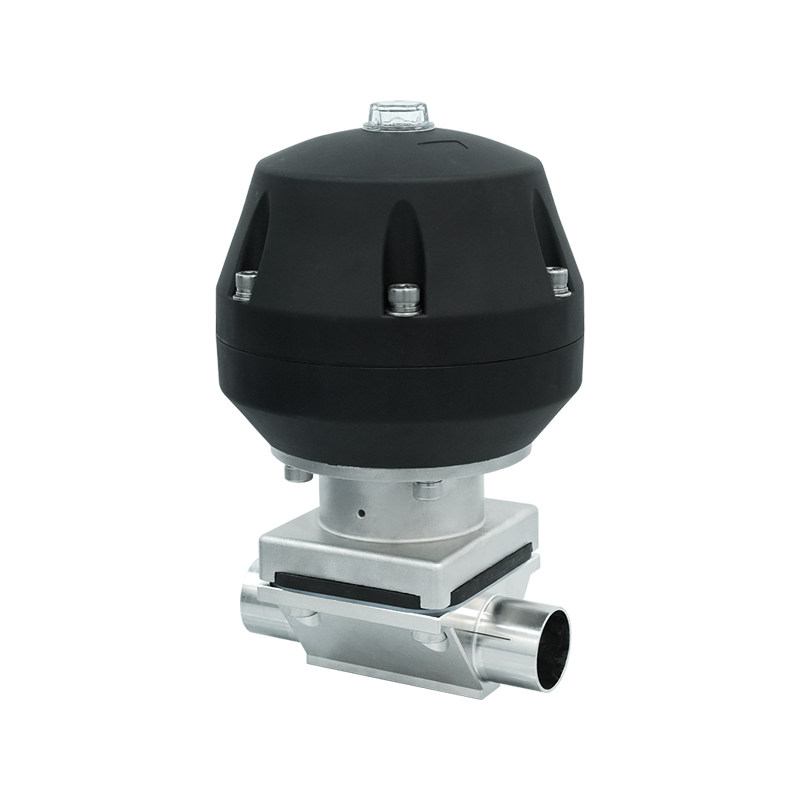
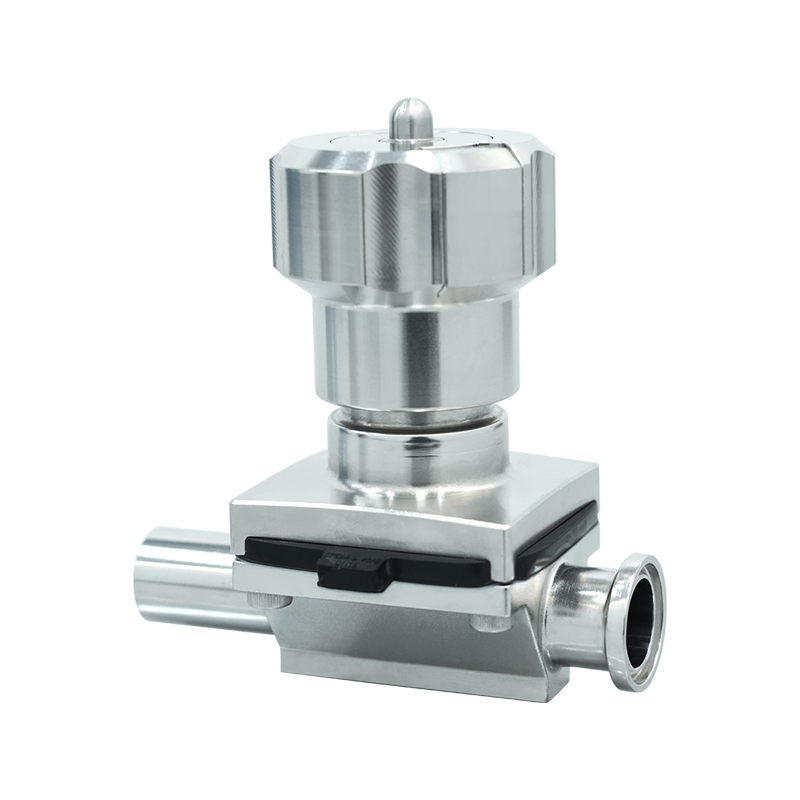
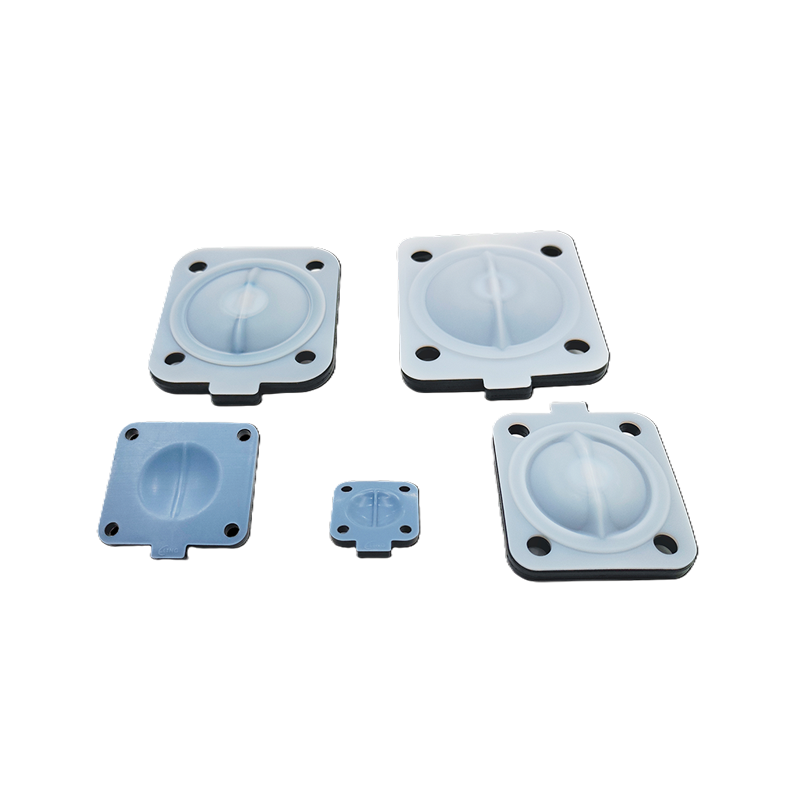
Reusable parts that contact the product or its immediate environment exist in every pharmaceutical plant. Valve internals are the most common load. Disassembled aseptic split butterfly valves contain elastomer and metal components with pockets and sealing surfaces that hand washing cannot reach reliably. Diaphragm valves are equally demanding: a diaphragm that looks clean but still carries a few micrograms of the previous product is a batch contamination risk, which is why selecting the right pharmaceutical diaphragm valve has to be planned together with how its parts will be cleaned.
Pump impellers, mechanical seals, filling nozzles, change parts, sampling scoops, and small process containers complete the typical workload. Some loads are stainless steel; some are polymers and elastomers. Each material reacts differently to temperature, detergent, and mechanical action, which is exactly why the washer must be programmable and repeatable.
Mechanical Design Requirements That Make a Washer cGMP-Ready
The mechanical design of a cGMP parts washer determines how much validation effort you will face later. Inspect these features before purchase:
- Wetted materials and surface finish. 316L stainless steel with a documented surface finish, typically 0.4 to 0.8 µm Ra, reduces corrosion risk and makes the chamber easier to verify as clean.
- Drainability. No dead legs, horizontal ledges, or recesses where water can pool and residues can hide. Every surface must drain naturally.
- Sanitary welding and connections. Wetted welds should be hygienic, with weld logs and material certificates available for review.
- Filtration of wash and rinse media. Recirculating solution should pass through a filter so particles are not redeposited on freshly cleaned parts.
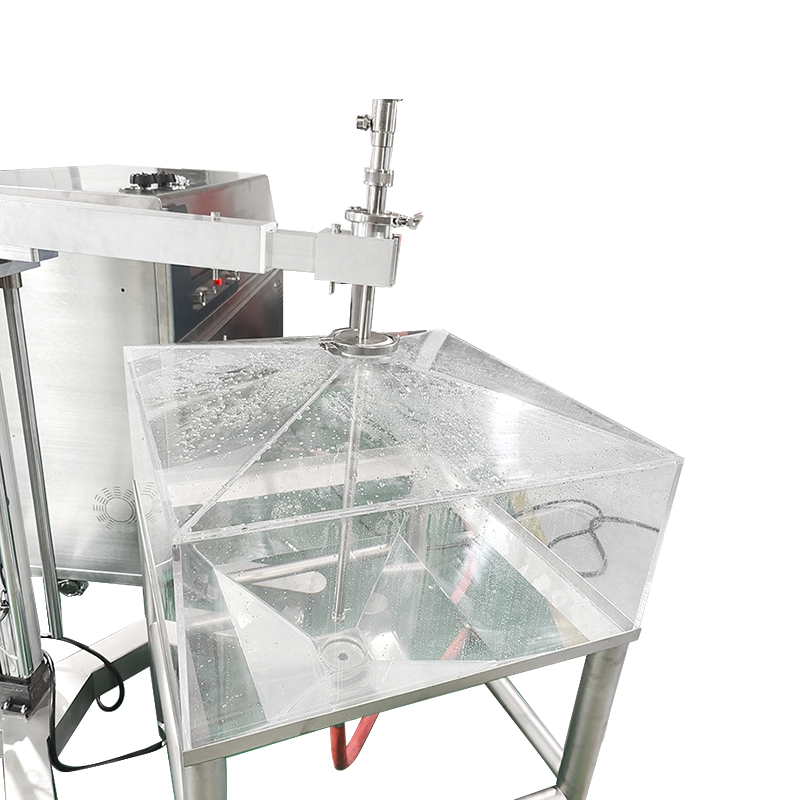
- Spray coverage. Spray arms or nozzles must reach every surface of the load. A chamber built around a single spray bar leaves blind spots that only show up during performance qualification.
- Temperature and detergent control. These parameters need to be measured, recorded, and controllable over the full cycle, not merely switched on and off.
These features are not luxury extras. They separate a washer that documents its own performance from one that leaves you to discover problems during qualification.
GMP Washers vs GLP Washers: Know the Difference
A common question is whether a laboratory washer can be upgraded for GMP production. The short answer is that the two are designed to different assumptions. A GMP washer takes a higher initial investment, but it has a decisive advantage: it is repeatable and built for straightforward validation. The table below summarizes the practical differences.
| Aspect | cGMP parts washer | GLP washer |
|---|---|---|
| Regulatory framework | Grounded in pharmaceutical GMP expectations for product quality and patient safety | Grounded in good laboratory practice, mainly affecting research data quality |
| Mechanical design | Hygienic surfaces, full drainability, sanitary welds, controlled surface finish | Laboratory-grade design that may tolerate hard-to-clean corners and dead zones |
| Documentation | Full traceability: IQ/OQ/PQ, material certificates, weld logs, batch records | Basic standard operating procedures and calibration records usually suffice |
| Software and automation | Validated controls, user access management, audit trails, cycle data logging | Manual or simple programmable operation is often acceptable |
You can operate a GMP washer for laboratory work, but you cannot reliably push a GLP washer into production cleaning.
The Validation Lifecycle for an Automated Parts Washer
Validation of an automated parts washer follows the same lifecycle logic as any cleaning process in pharmaceutical manufacturing. The effort is manageable when the machine is designed and documented for it.
Start with Risk Assessment and Cycle Development
Before installation, define what clean means for each part type: product residues, detergent residues, particulate limits, and bioburden. The risk assessment identifies the hardest-to-clean part and the most potent residue, and those become the worst-case challenge for the washer cycle. This is also the point where final rinse water quality, typically purified water or water for injection, is specified.
IQ, OQ, and PQ Are a Continuous Thread
Installation qualification verifies that the machine is built and installed as specified. Operational qualification verifies that it runs within defined ranges for temperature, pressure, flow, cycle time, and detergent dosing. Performance qualification proves that the cycle cleans actual parts to pre-defined acceptance criteria. The effort shrinks dramatically when the washer has hygienic design, documented materials, and a control system that records everything.
Keep Verifying after Release
Cleaning validation is never finished. Continued process verification, periodic re-qualification, and change control protect the validated state. This approach matches how the wider industry now views sterile pharmaceutical and biotech production: build processes that can be monitored, measured, and defended in an audit instead of relying on end-of-line testing alone.
Automation, Data Integrity, and the Documentation You Should Demand
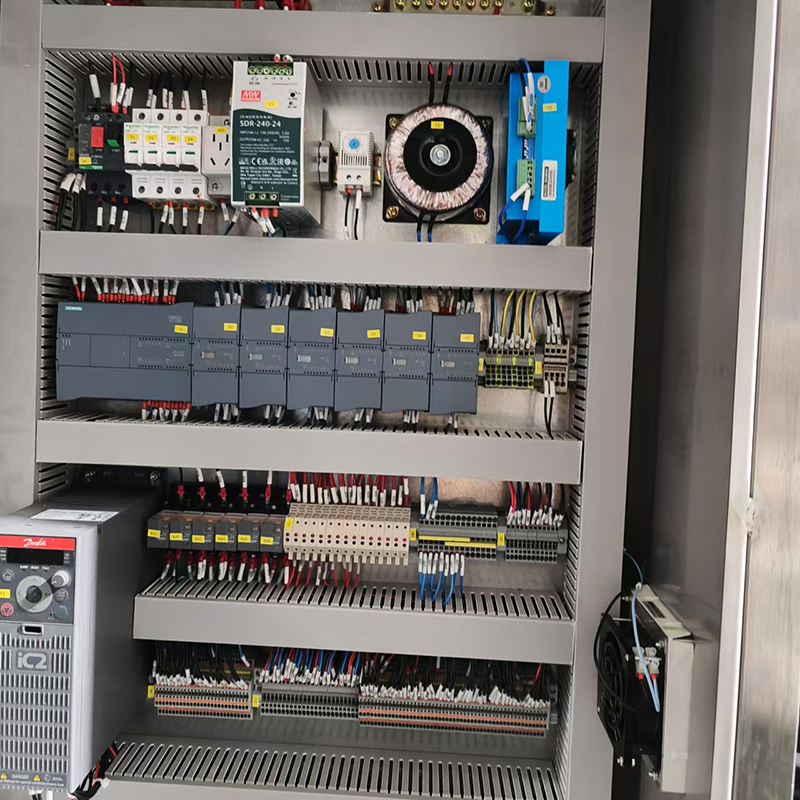
Automation is where cGMP parts washers either help you or hurt you. A control system that manages recipes, restricts operator access, records alarms, and generates a cycle report is the difference between a wash history and a documented history. In regulated markets, the software itself must be validated, and data integrity expectations such as audit trails, user permissions, and reliable time-stamping are now standard audit questions.
Ask the vendor for a factory acceptance test and site acceptance test plan, a software validation package, and a clear statement of what documentation ships with the machine. If the vendor cannot show you their documentation structure, expect the machine to cost more in validation time than it saves in the first year of operation.
Building a Cleaning Station: What to Look for When You Buy
Think of the washing station as a system, not a single cabinet. The washer removes soil, the drying step removes water, and solution management keeps the process consistent. In practice, many pharmaceutical plants assemble a cleaning station from three units.
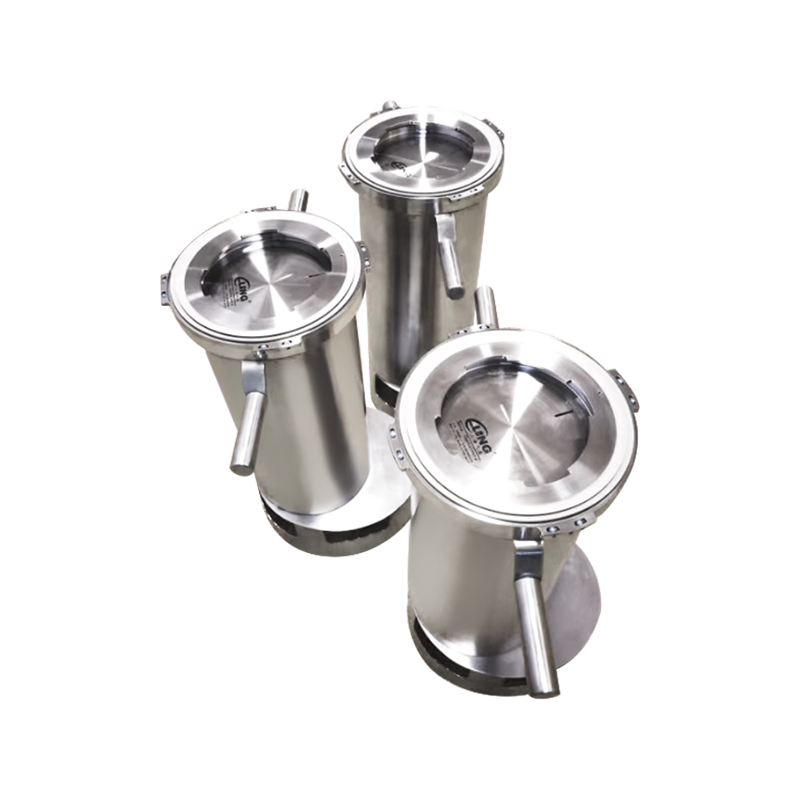
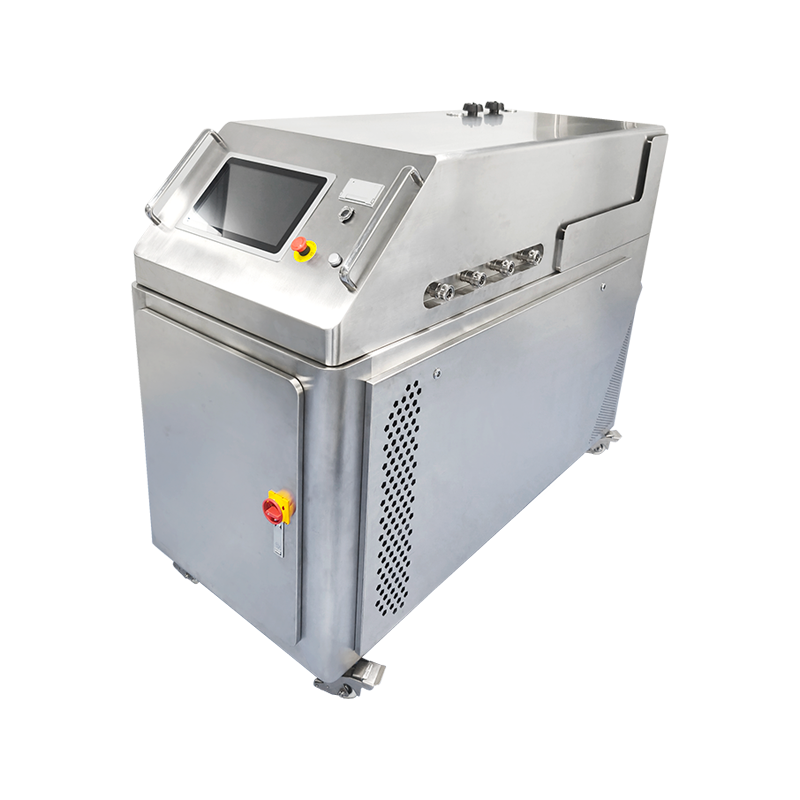
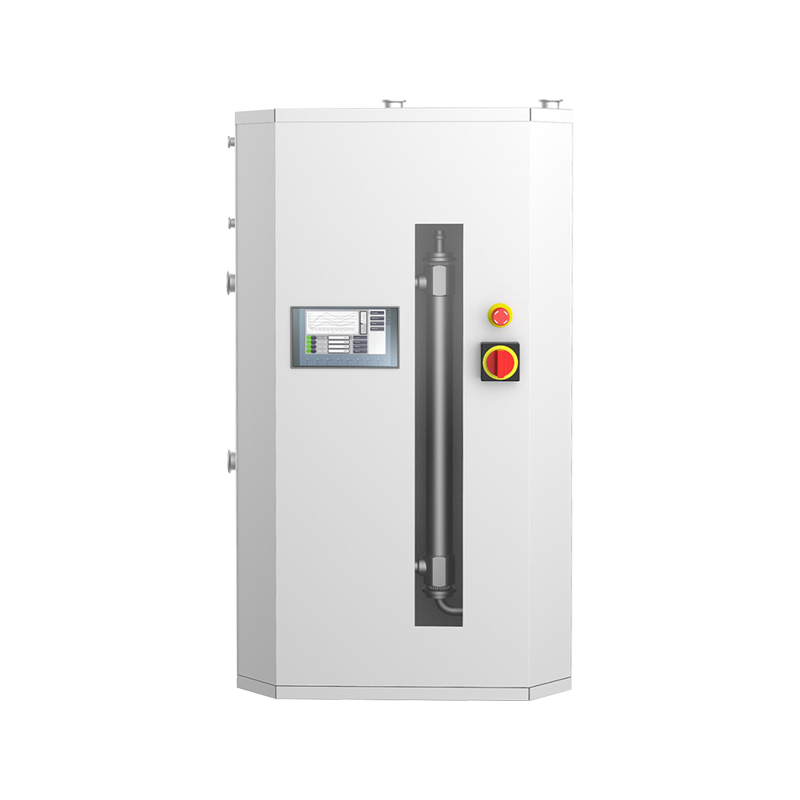
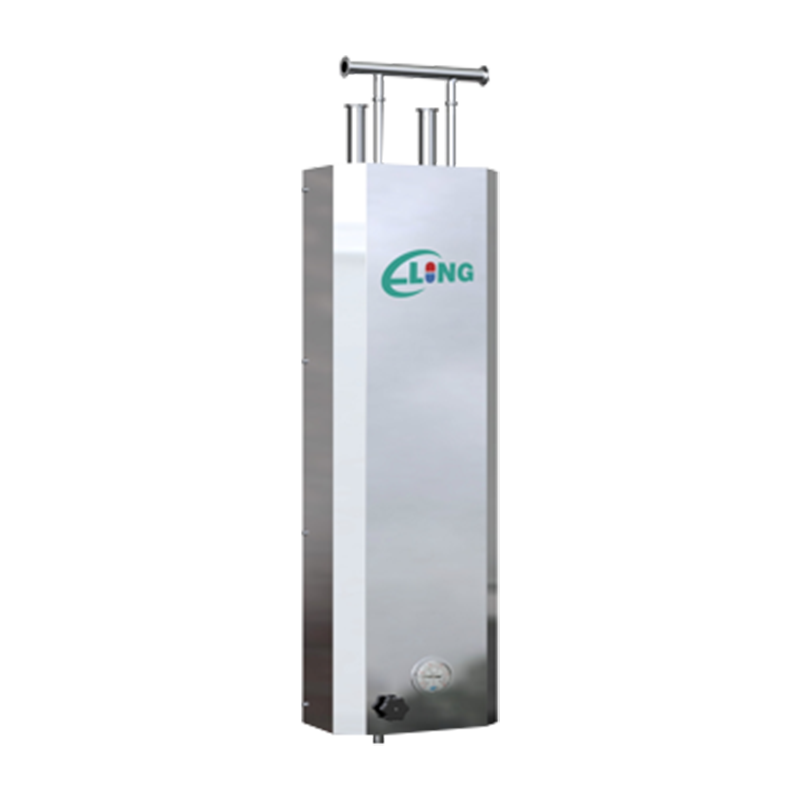
For disassembled parts, a mobile high-pressure GMP cleaning machine such as the ELING mobile high-pressure GMP cleaning machine brings washing capacity directly to the point of use.
 Pharmaceutical Industry GMP Cleaning Machine Suppliers, CompanyShanghai Yiling Fluid Machinery Equipment Co., Ltd is China Custom Pharmaceutical Industry GMP Cleaning Machine Suppliers and Pharmaceuti...View Product →
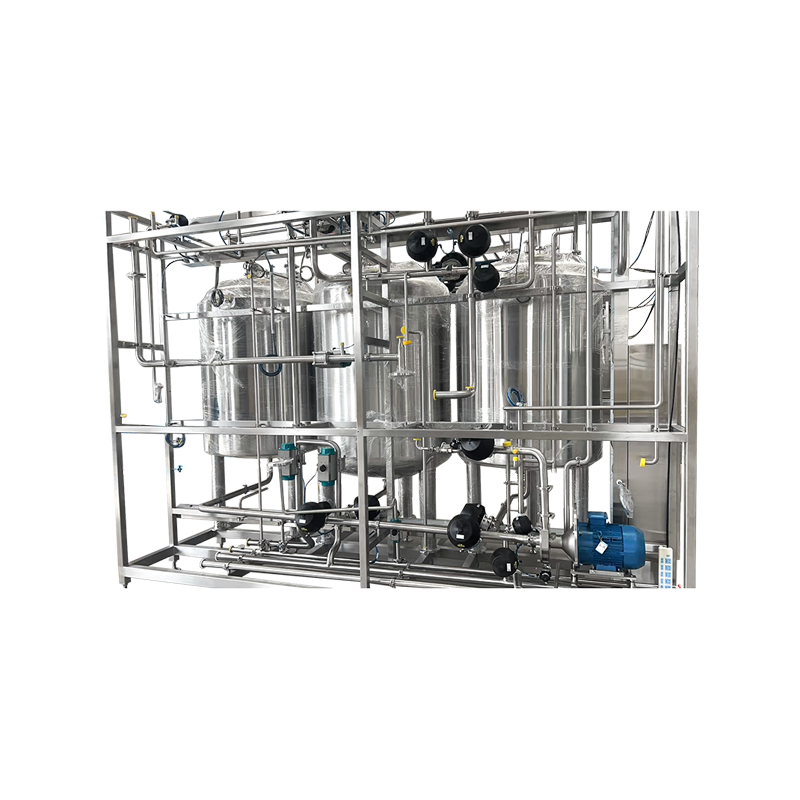
For tanks, vessels, and installed pipework that stay in place, a GMP CIP system is the right tool; trying to clean installed equipment with a parts washer creates blind spots and unreachable drain points.
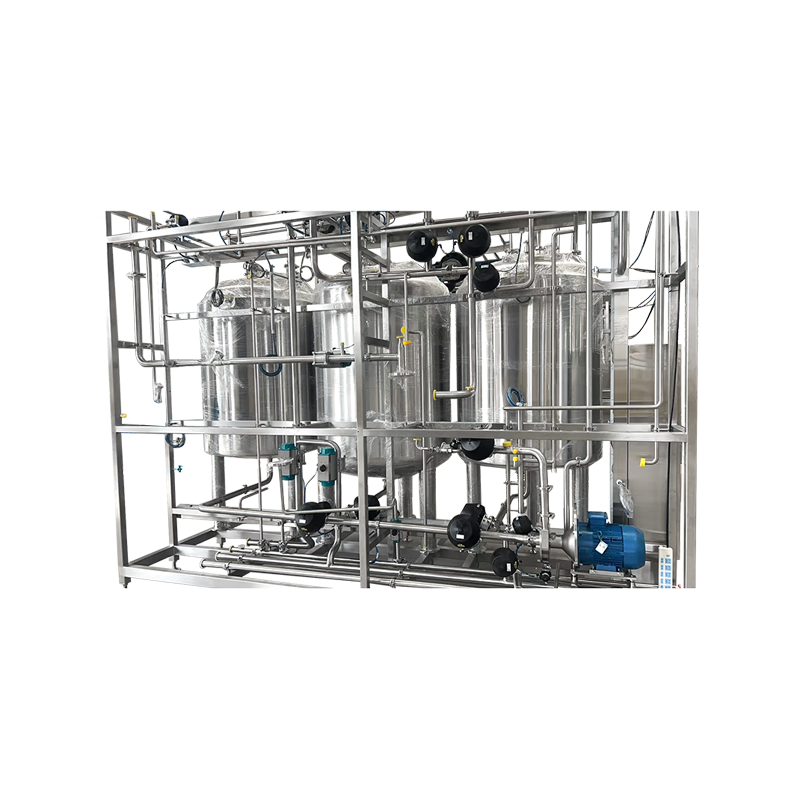 CIP System Cleaning Equipment Suppliers, CompanyShanghai Yiling Fluid Machinery Equipment Co., Ltd is China Custom CIP System Cleaning Equipment Suppliers and CIP System Cleaning Equipm...View Product →
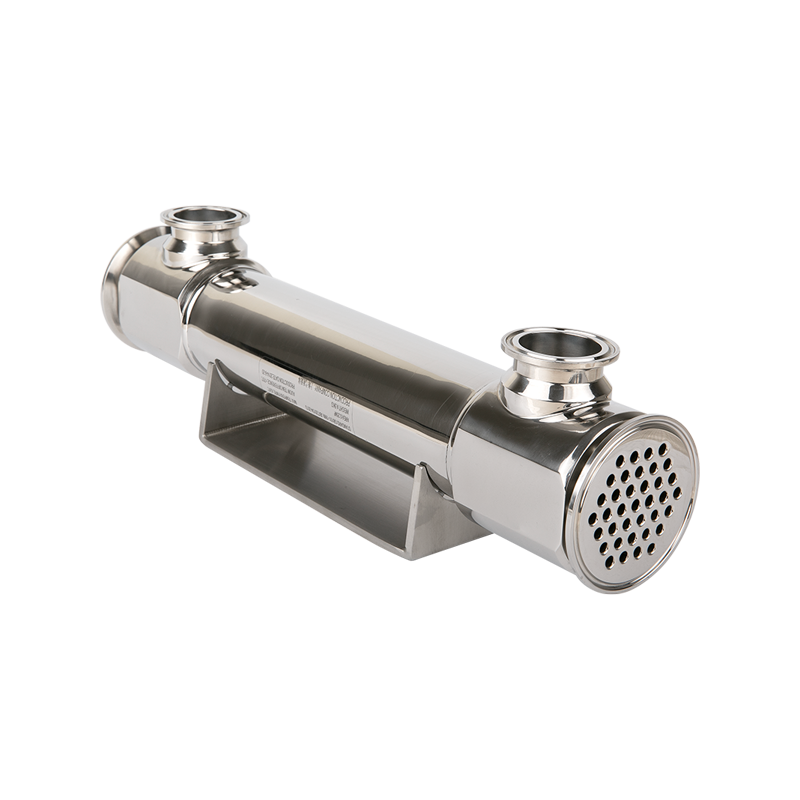
After washing, parts need controlled drying. A mobile drying system completes the cycle without reintroducing moisture or contamination, which matters for elastomeric parts that absorb water and for change parts returning to dry production lines.
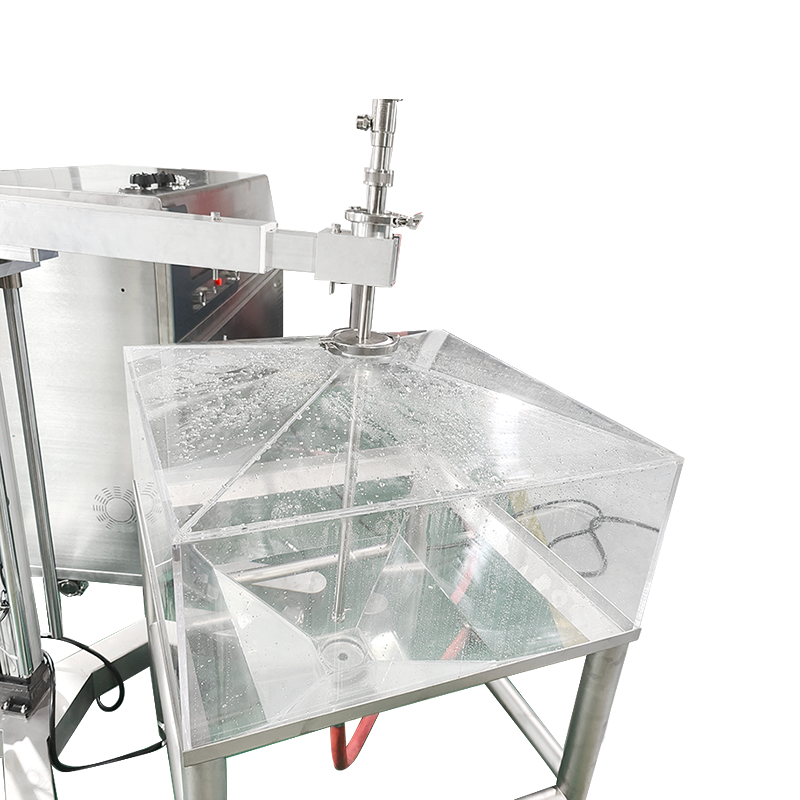 cGMP Washing Mobile Drying System Suppliers, CompanyShanghai Yiling Fluid Machinery Equipment Co., Ltd is China Custom cGMP Washing Mobile Drying System Suppliers and cGMP Washing Mobile Dr...View Product →
When you evaluate any washer, bring a list of your actual parts, residues, and acceptance limits. Ask the vendor to demonstrate spray coverage and to explain how the machine handles complex geometry. Above all, request the documentation you will need for qualification before you commit to a purchase.
The Bottom Line
Choosing a cGMP parts washer is a validation decision before it is a purchasing decision. The right machine is hygienically designed, fully documented, controlled by validated software, and matched to your real parts and residues. The wrong machine leaves you with a cabinet full of spray nozzles and a year of deviations to explain.
Specify the process, inspect the design, and demand the documentation. If a vendor treats validation as an afterthought, that is the most telling detail of all.