

Content
- 1 Understanding the RTP Valve and Its Role in Rapid Transfer System Ports
- 2 Core Design Features That Define RTP Valve Performance
- 3 Valve Body Materials and Pressure-Temperature Ratings
- 4 Actuation Options for RTP Valves in Transfer System Ports
- 5 Modular Design and Maintenance Advantages
- 6 Industry Applications Where RTP Valves Excel in Transfer Port Service
- 7 Key Selection Criteria for RTP Valves in Rapid Transfer System Ports
Understanding the RTP Valve and Its Role in Rapid Transfer System Ports
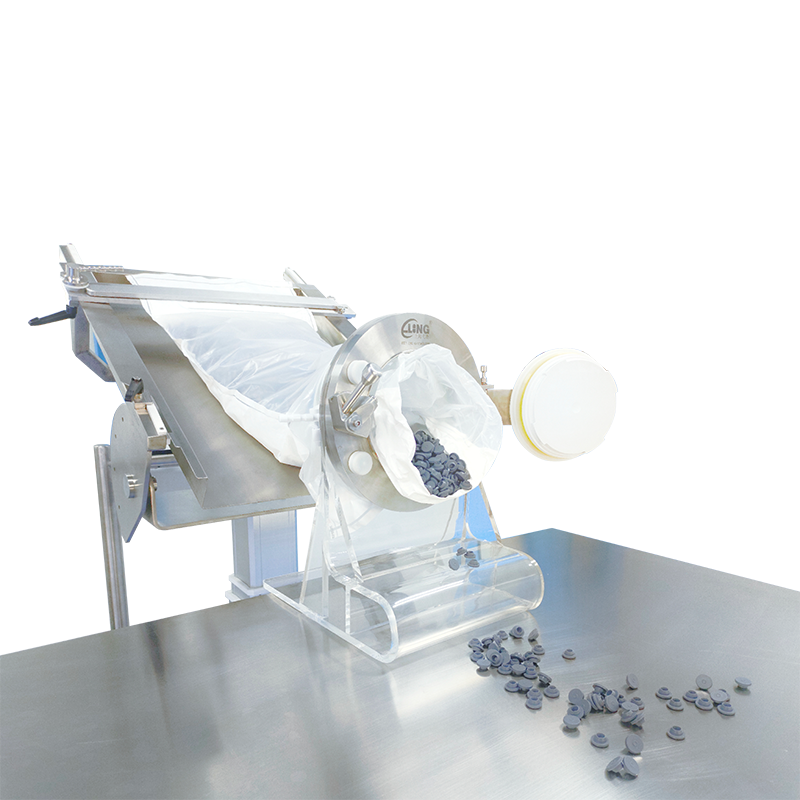
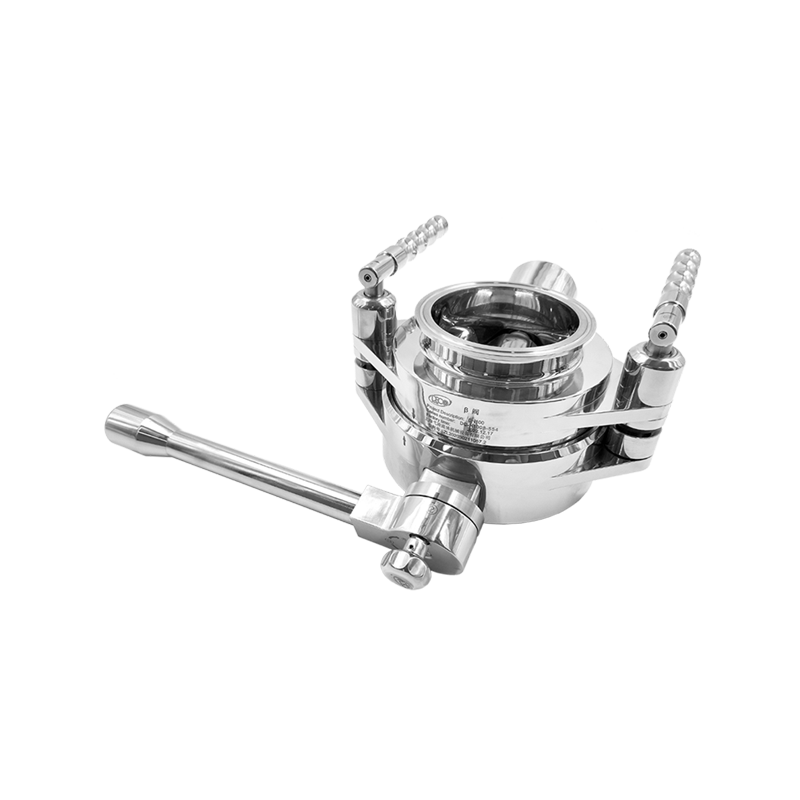
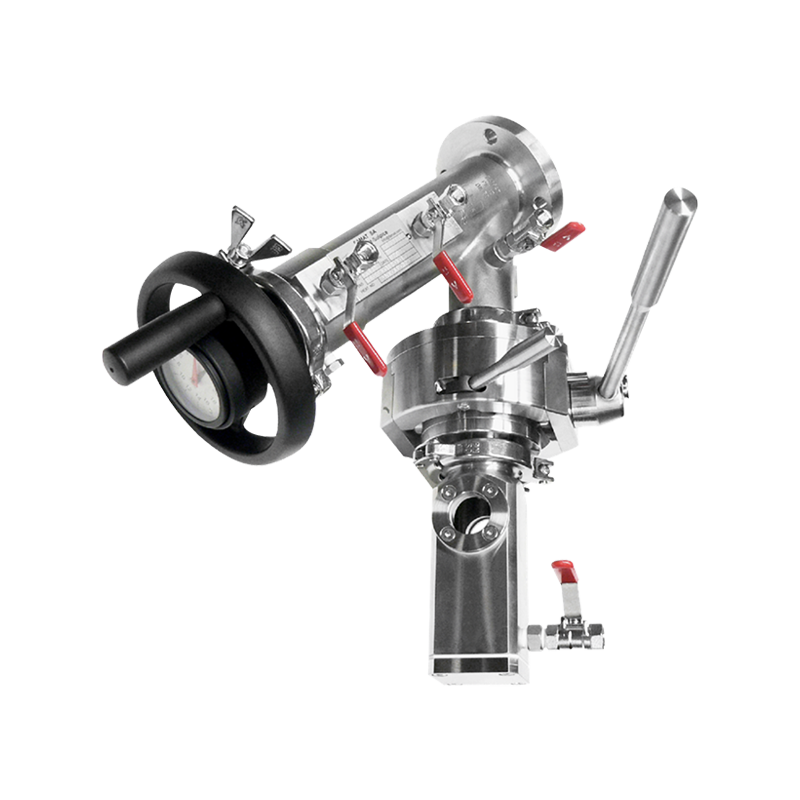
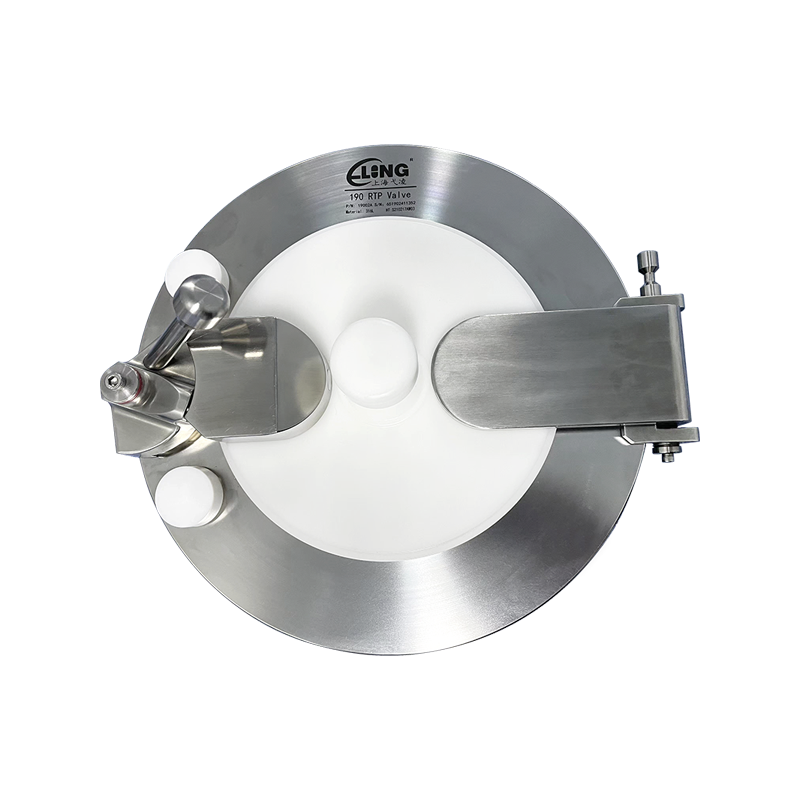
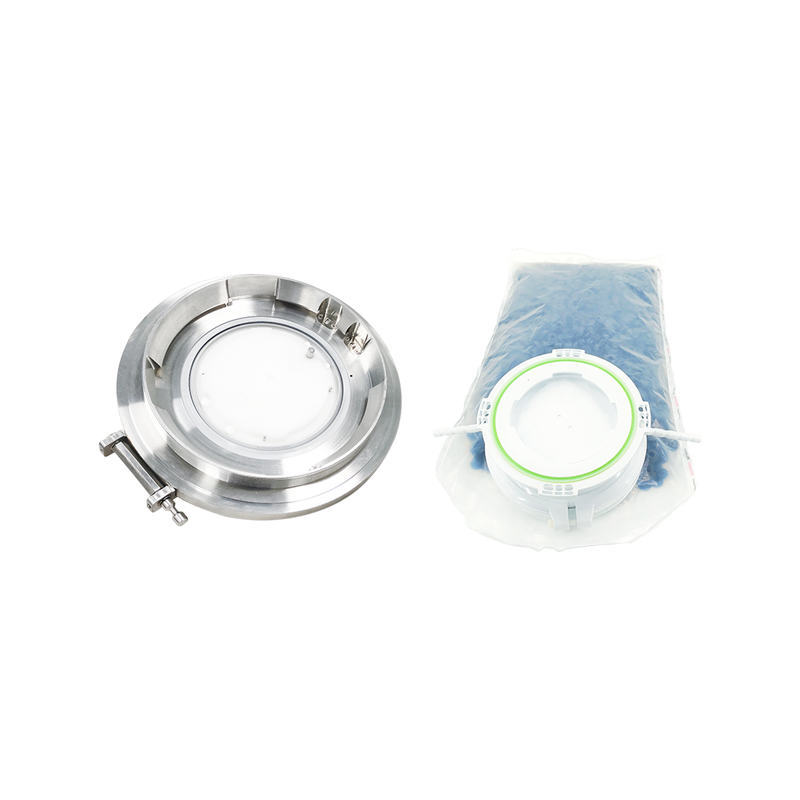
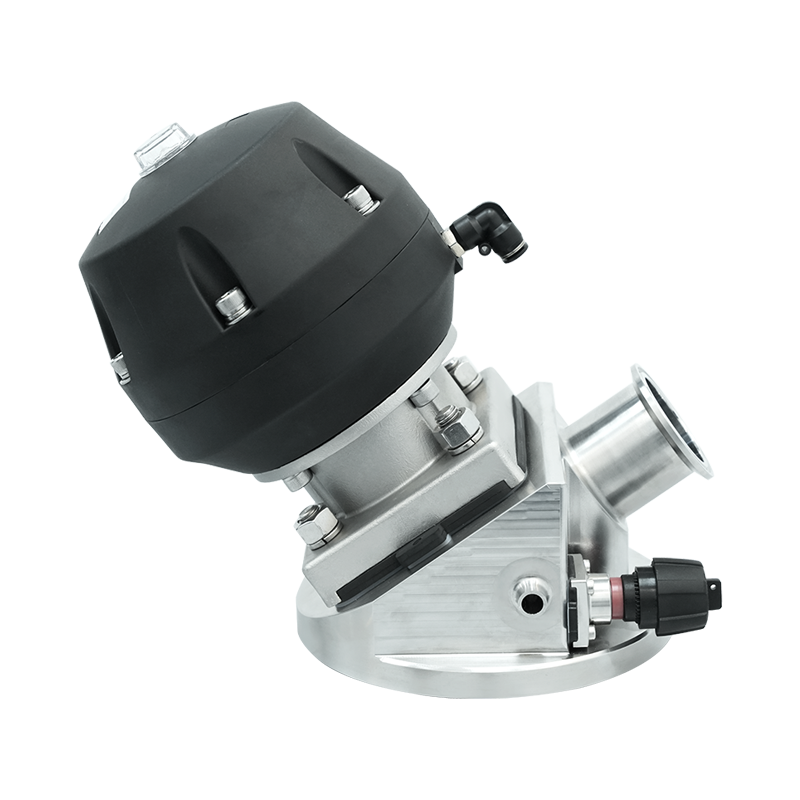
A Rapid Transfer System (RTS) port is a specialized interface point in industrial fluid handling and process systems that enables the fast, controlled transfer of media — liquids, gases, slurries, or powders — between process vessels, pipelines, or containment systems. At the heart of every reliable RTS port is a valve assembly capable of opening and closing with precision under demanding operating conditions while maintaining absolute sealing integrity between transfer cycles. The RTP valve — whether interpreted as a Return-to-Position valve or a Resilient-seated Tight-sealing Pressure valve — has emerged as one of the most capable and versatile valve solutions for this role. Its combination of elastic sealing, automatic position return, chemical resistance, and compact modular design makes it uniquely suited to the performance requirements that rapid transfer system ports impose on their control components.
In practice, an RTS port must perform reliably across thousands of open-close cycles without seal degradation, must prevent cross-contamination between transfer operations, and must fail safely in the event of actuator power loss or control signal interruption. Each of these requirements maps directly onto a core design feature of the RTP valve, which is why system designers across pharmaceutical manufacturing, chemical processing, food and beverage production, and industrial fluid handling increasingly specify RTP valves as the default control element for rapid transfer port applications.
Core Design Features That Define RTP Valve Performance
The technical advantages of the RTP valve in rapid transfer system port applications stem directly from specific design choices that distinguish it from conventional ball valves, gate valves, or butterfly valves used in general fluid control. Understanding these design features is the foundation for evaluating whether an RTP valve is the right solution for a given transfer system port configuration.
Elastic Sealing Structure for Zero-Leakage Performance
The defining characteristic of an RTP valve is its resilient-seated sealing arrangement. Unlike metal-seated valves that rely on machined surface contact and are susceptible to leakage when seating surfaces become worn or contaminated, RTP valves use an elastic seal element — typically molded from PTFE (polytetrafluoroethylene), EPDM (ethylene propylene diene monomer), or similar elastomeric compounds — that deforms slightly under closure force to conform precisely to the valve seat geometry. This elastic deformation creates a positive, zero-leakage seal even when minor particulate contamination or surface wear is present. In rapid transfer system ports handling hazardous chemicals, sterile pharmaceutical intermediates, or high-purity process fluids, this zero-leakage capability is not merely a performance preference — it is a regulatory and safety requirement that the RTP valve's elastic sealing construction consistently delivers.
Automatic Return-to-Position Safety Function
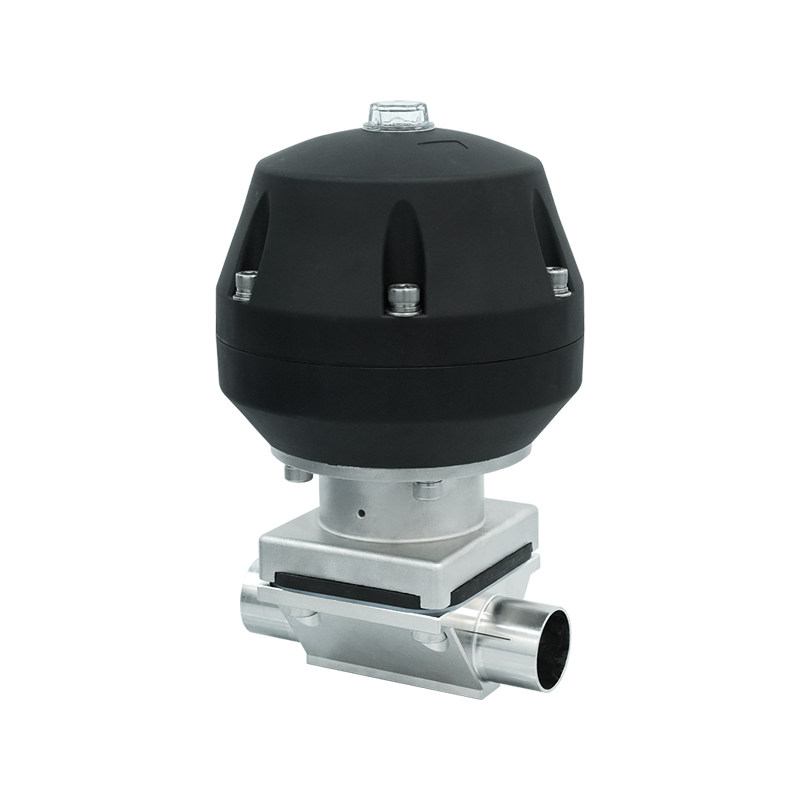
One of the most operationally significant features of the RTP valve is its integrated return-to-position mechanism. In pneumatically actuated RTP valves, a pre-compressed spring within the actuator assembly stores mechanical energy during the active stroke. If the pneumatic supply pressure is lost — due to compressor failure, control system malfunction, or emergency shutdown — the stored spring energy drives the valve back to its preset safe position, either fully open or fully closed, without requiring any external power or control signal. In spring-return-to-close configurations, power loss results in automatic isolation of the transfer port, preventing uncontrolled media release. In spring-return-to-open configurations, the valve defaults to open to prevent pressure buildup in protected systems. This fail-safe behavior is a critical safety attribute for rapid transfer system ports operating in environments where uncontrolled fluid release or pressure entrapment poses personnel or process hazards.
Chemically Resistant Seal Materials
The seal material selection in an RTP valve is matched to the chemical properties of the media being transferred through the port. PTFE seals offer the broadest chemical compatibility of any elastomeric seal material, resisting virtually all acids, bases, solvents, and oxidizing agents across a wide temperature range. EPDM seals provide excellent resistance to water, steam, dilute acids, and many polar solvents, and are particularly well-suited to food-grade and pharmaceutical water system applications. For highly aggressive media such as concentrated solvents, aromatic hydrocarbons, or fluorinated compounds, FFKM (perfluoroelastomer) seal compounds are available as a premium alternative that extends chemical compatibility to the most demanding process environments. This seal material flexibility allows a single RTP valve platform to be configured for a wide range of rapid transfer system port applications by changing only the seal element, without requiring a different valve body or actuator assembly.
Valve Body Materials and Pressure-Temperature Ratings
The valve body is the primary pressure-containing component of an RTP valve and must be selected to match the mechanical and chemical demands of the rapid transfer system port environment. RTP valves are manufactured in a range of body materials, each offering a different combination of strength, corrosion resistance, weight, and cost.
| Body Material | Typical Pressure Range | Temperature Range | Best Application |
| 316L Stainless Steel | Up to 40 bar | -60°C to +200°C | Pharma, food, chemical, high-purity |
| 304 Stainless Steel | Up to 35 bar | -40°C to +180°C | General industrial, water systems |
| Carbon Steel (WCB) | Up to 50 bar | -29°C to +425°C | Oil and gas, steam, high-pressure |
| Ductile Cast Iron | Up to 25 bar | -10°C to +150°C | Water treatment, HVAC, utilities |
| Duplex Stainless Steel | Up to 60 bar | -50°C to +250°C | Offshore, chloride-rich, aggressive media |
For rapid transfer system ports in pharmaceutical manufacturing and food processing, 316L stainless steel is the standard body material due to its combination of corrosion resistance, surface finish capability, and compliance with hygienic design standards such as ASME BPE and EHEDG. In petrochemical and refinery applications where higher pressures and temperatures are encountered, carbon steel or duplex stainless steel bodies provide the mechanical strength and thermal stability required. The availability of multiple body material options within a single valve platform design allows procurement teams to standardize on one valve type across multiple service classifications, simplifying inventory management and maintenance training requirements.
Actuation Options for RTP Valves in Transfer System Ports
The actuator converts a control signal into the mechanical force required to open or close the RTP valve. For rapid transfer system port applications, the choice of actuator type directly affects response speed, control precision, fail-safe behavior, and integration with process automation systems. The following actuation options are available for RTP valves:
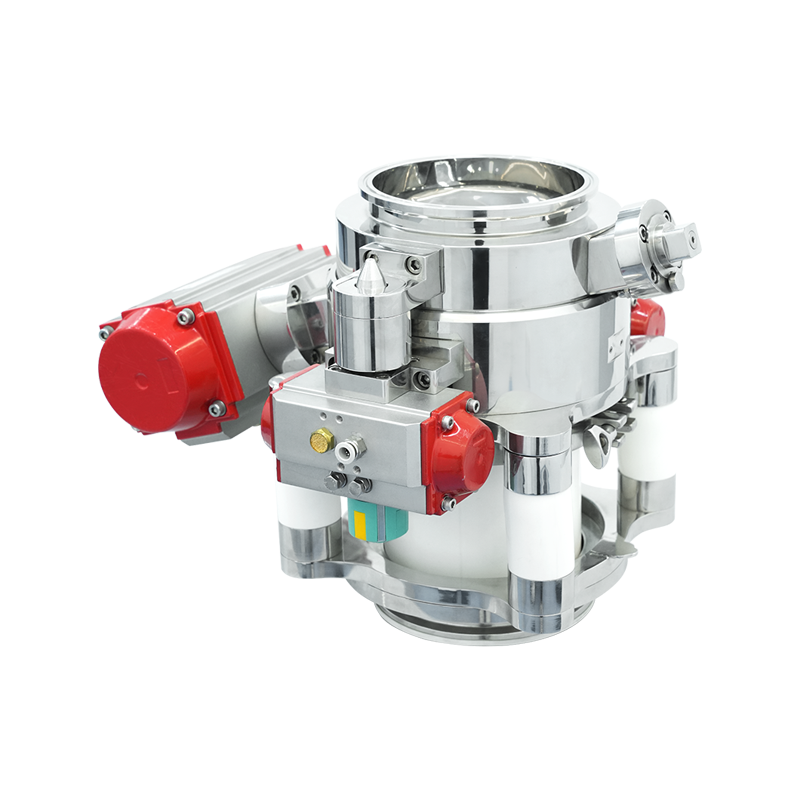
- Pneumatic spring-return actuator: The most widely used actuator type for RTS port applications. Compressed air drives the valve to its active position, while a pre-loaded spring provides the return force. Spring-return pneumatic actuators offer fast cycle times (typically 0.5 to 3 seconds for full stroke), inherent fail-safe positioning, and simple solenoid valve control integration. They are available in spring-to-close (NC) and spring-to-open (NO) configurations.
- Pneumatic double-acting actuator: Both opening and closing strokes are powered by compressed air, with no spring return. Double-acting actuators deliver higher operating forces and faster cycle times than spring-return types, making them suitable for high-pressure or high-flow RTS ports where significant differential pressure must be overcome during valve operation. A separate fail-safe mechanism — such as a lock-up valve or volume tank — is required if fail-safe positioning is needed.
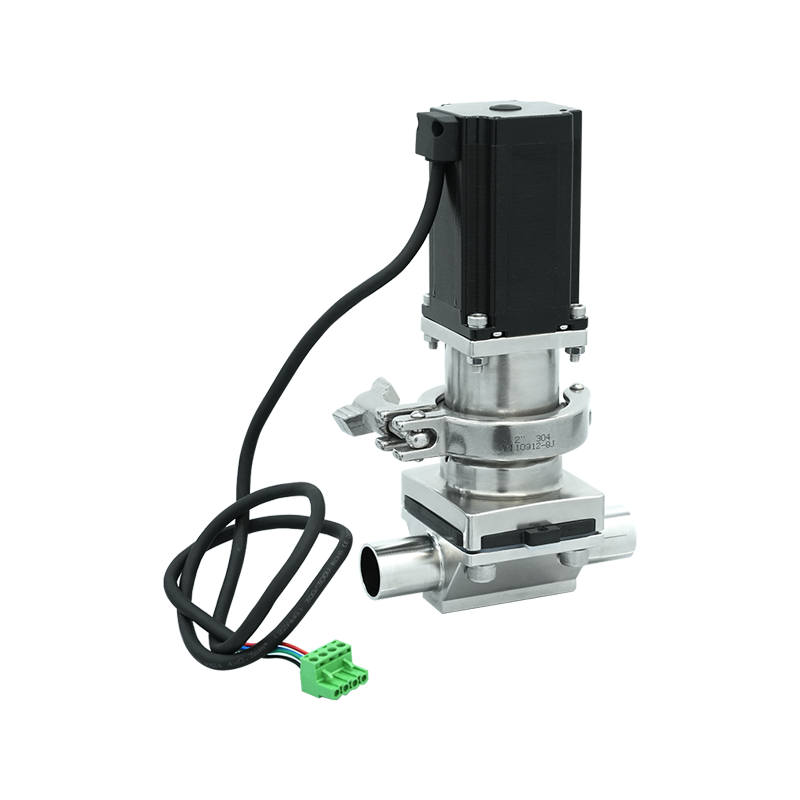
- Electric actuator: Electrically actuated RTP valves use a motor drive to position the valve and are preferred where compressed air infrastructure is unavailable, where precise intermediate positioning is required, or where the valve must be integrated into a 4–20mA or digital fieldbus control loop. Electric actuators offer excellent position repeatability and can provide valve position feedback via integrated positioners or encoders.
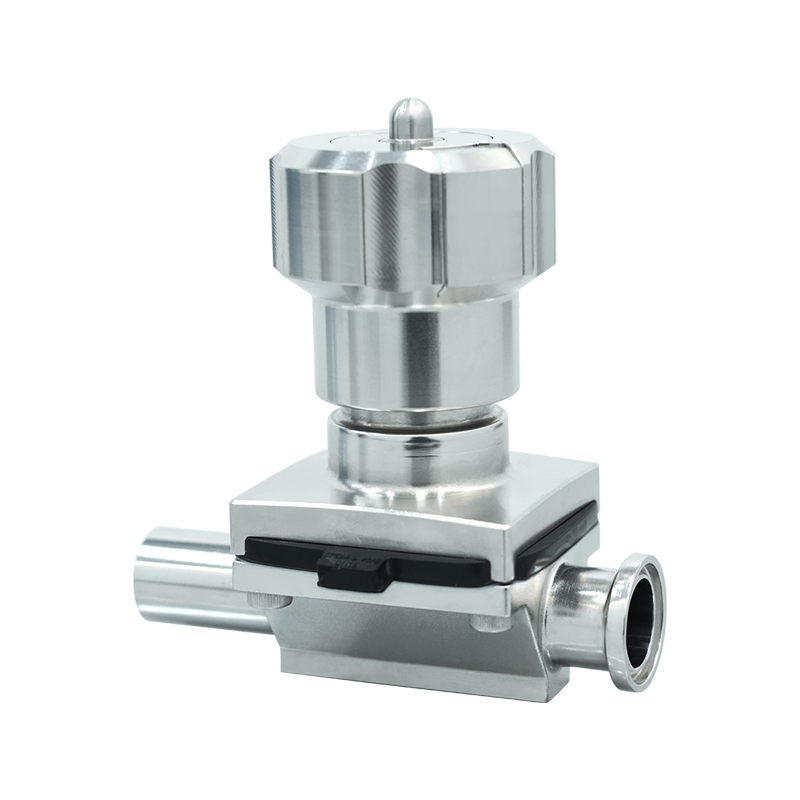
- Manual override: Most pneumatic and electric RTP valve actuators include a manual override capability — typically a handwheel or lever — that allows the valve to be operated manually during actuator maintenance, power outages, or emergency situations without removing the valve from the pipeline.
Modular Design and Maintenance Advantages
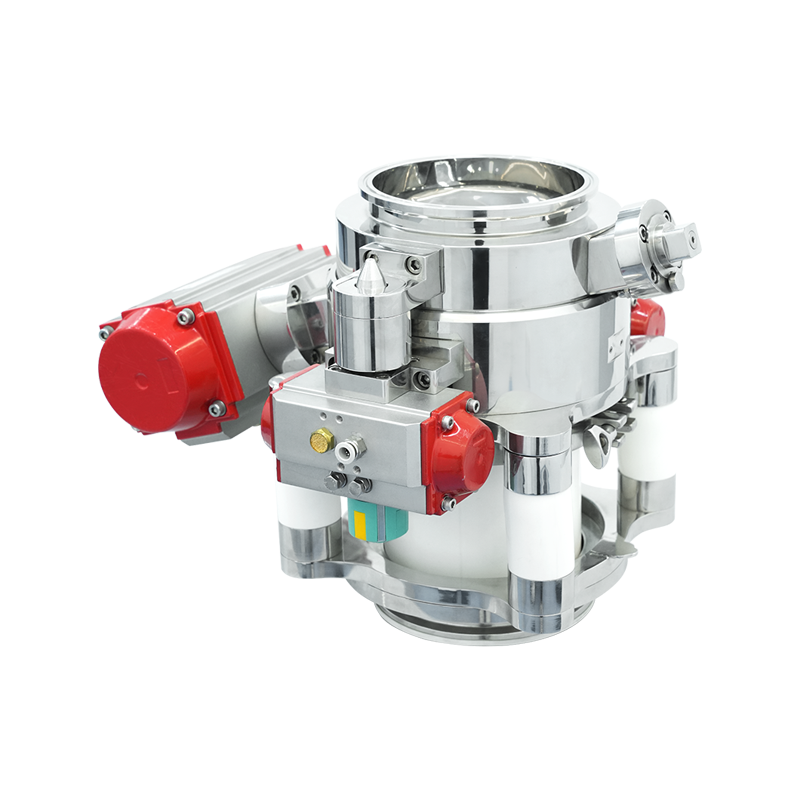
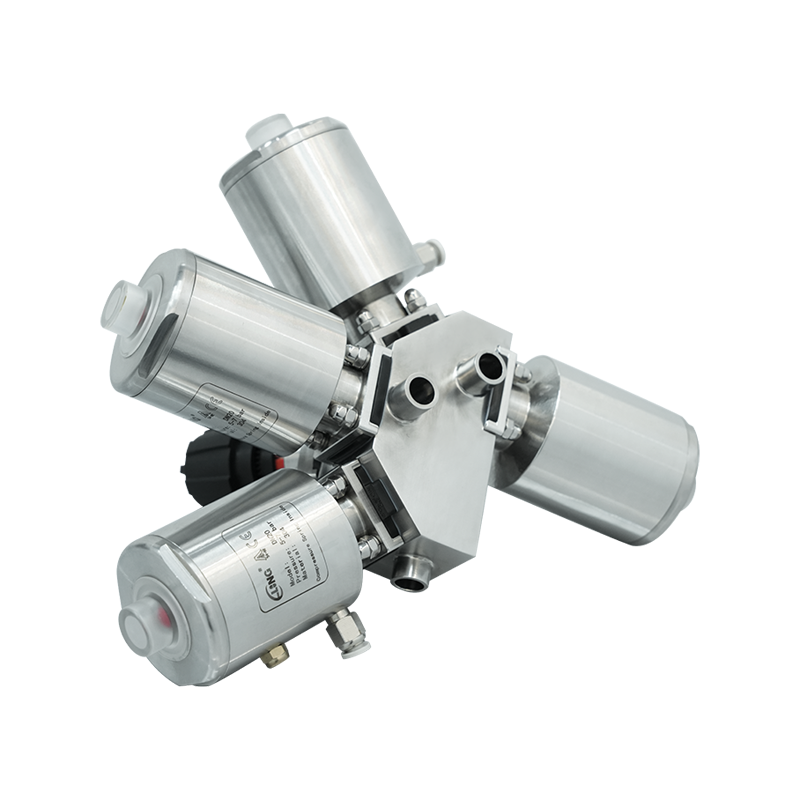
The modular construction of RTP valves provides significant practical advantages in rapid transfer system port installations where maintenance access is constrained and process downtime must be minimized. In a modular RTP valve design, the actuator, positioner, solenoid valve, and limit switch assembly are all mounted as discrete, independently removable modules that connect to the valve body through standardized interfaces. This means that a faulty actuator can be replaced without disturbing the valve body or breaking the pipeline connection, and a positioner can be reconfigured or replaced without removing the valve from service entirely.
Seal replacement — the most frequently required maintenance task on any valve handling process media — is also greatly simplified in modular RTP valve designs. The seal cartridge or seat ring can typically be accessed by removing the actuator and bonnet assembly without requiring the valve body to be removed from the pipeline. This in-line maintainability is particularly valuable in rapid transfer system port installations where valve-to-pipe connections involve complex sanitary or high-integrity fittings that are time-consuming to disassemble and reassemble.
Industry Applications Where RTP Valves Excel in Transfer Port Service
RTP valves serve as the control element of choice in rapid transfer system ports across a broad spectrum of industries. Each application sector places different priorities on the valve's performance attributes, but all benefit from the combination of zero-leakage sealing, fail-safe return, and chemical resistance that defines the RTP valve platform.
- Pharmaceutical manufacturing: RTS ports in pharmaceutical facilities must meet stringent hygienic design requirements to prevent product contamination and facilitate validated cleaning-in-place (CIP) and sterilization-in-place (SIP) procedures. RTP valves in 316L stainless steel with PTFE or EPDM seals, electropolished internal surfaces, and crevice-free seat designs are specified for API transfer, solvent handling, and sterile water distribution systems.
- Chemical processing: In chemical plants, RTS ports on reactor vessels, storage tanks, and transfer pipelines handle a diverse range of corrosive, flammable, and toxic media. RTP valves with chemically compatible seal materials, antistatic construction, and ATEX-certified actuators provide the safety and reliability required for these critical isolation and transfer control points.
- Food and beverage production: Transfer ports in food and beverage processing lines must meet food-contact material regulations (FDA, EU 10/2011) and support frequent CIP cleaning cycles. RTP valves with FDA-compliant EPDM seals, smooth internal bore profiles, and dairy-standard fittings (such as IDF or DIN 11851 connections) are widely used in liquid food transfer, ingredient dosing, and packaging line feed systems.
- Oil, gas, and petrochemical: High-pressure transfer system ports in upstream and downstream hydrocarbon processing demand valves with robust body construction, fire-safe certifications, and reliable fail-safe closure. Carbon steel and duplex stainless steel RTP valves with FFKM or graphite sealing and spring-to-close actuators meet API 6D and API 608 requirements for these demanding service conditions.
- Water and wastewater treatment: Municipal and industrial water treatment facilities use RTS ports for dosing chemical feeds, controlling filter backwash flows, and isolating process streams. Cast iron and stainless steel RTP valves with EPDM seals offer the corrosion resistance, low maintenance requirements, and reliable actuation performance needed for continuous water treatment operations.
Key Selection Criteria for RTP Valves in Rapid Transfer System Ports
Specifying the correct RTP valve for a rapid transfer system port requires a systematic evaluation of the process conditions, operational requirements, and installation constraints that define the application. The following selection criteria should be assessed before finalizing a valve specification:
- Operating pressure and temperature: Confirm the maximum and minimum process pressure and temperature at the RTS port location and select a valve body material and pressure class rated above these values with an appropriate safety margin per the relevant pressure equipment directive (PED, ASME B16.34, or equivalent).
- Media compatibility: Identify all media — including cleaning agents, sterilants, and flushing fluids — that the valve seals will contact, and select seal materials with confirmed chemical compatibility across the full operating temperature range. Consult manufacturer chemical resistance tables and, for critical applications, request material compatibility testing data.
- Cycle frequency: Rapid transfer system ports may cycle thousands of times per day in high-throughput production environments. Confirm that the specified valve actuator and seal assembly is rated for the expected cycle frequency, and review the manufacturer's published cycle life data before specifying for high-cycle applications.
- Fail-safe requirement: Define the required safe position of the valve on loss of actuating power or control signal — fail-closed for hazardous media isolation, fail-open for system depressurization protection — and specify the actuator spring-return configuration accordingly.
- Connection standard: Match the valve end connections to the piping standard used in the system — ASME flanged, DIN flanged, tri-clamp sanitary, NPT or BSP threaded, or weld-end — to ensure dimensional and pressure rating compatibility with the existing pipeline.
- Space envelope: RTP valves are available in compact body configurations that minimize installed length and actuator height, making them well-suited to the constrained installation spaces typical of skid-mounted rapid transfer systems. Confirm the available installation envelope and select a valve model with a confirmed dimensional footprint that fits within it.