

Content
- 1 Why Does Pharmaceutical Manufacturing Demand Closed Transfer Solutions?
- 2 What Is an Aseptic Split Butterfly Valve?
- 3 Core Technical Principles of αβ Valve Operation
- 4 Applications in Pharmaceutical and Sterile Manufacturing
- 5 Comparison with Alternative Powder Transfer Technologies
- 6 Regulatory Compliance and Industry Standards
- 7 Design Considerations for Integration and Scalability
- 8 The Future of Closed Transfer in Pharmaceutical Manufacturing
Why Does Pharmaceutical Manufacturing Demand Closed Transfer Solutions?
In modern pharmaceutical manufacturing, the handling of active pharmaceutical ingredients (APIs) and isolated pharmaceutical intermediates (IPIs) presents one of the most critical operational challenges in the industry. Many of these substances exhibit potent biological activity, significant toxicity, or strong sensitization properties. Their occupational exposure limits (OEL) frequently fall below 1 mg/m³, and in numerous cases, no publicly validated OEL has been established at all. This creates a dual imperative: protecting operators from hazardous exposure while simultaneously preserving the integrity and sterility of the materials themselves. The aseptic split butterfly valve — commonly known in technical literature as the αβ valve — has emerged as a cornerstone technology for meeting both demands within a single, elegant engineering solution.
What Is an Aseptic Split Butterfly Valve?
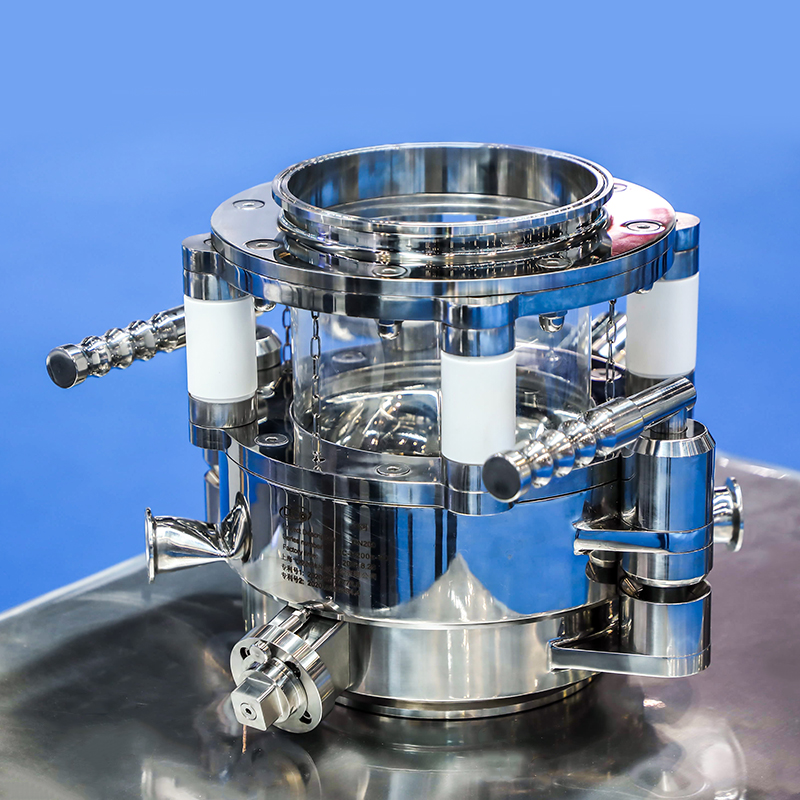
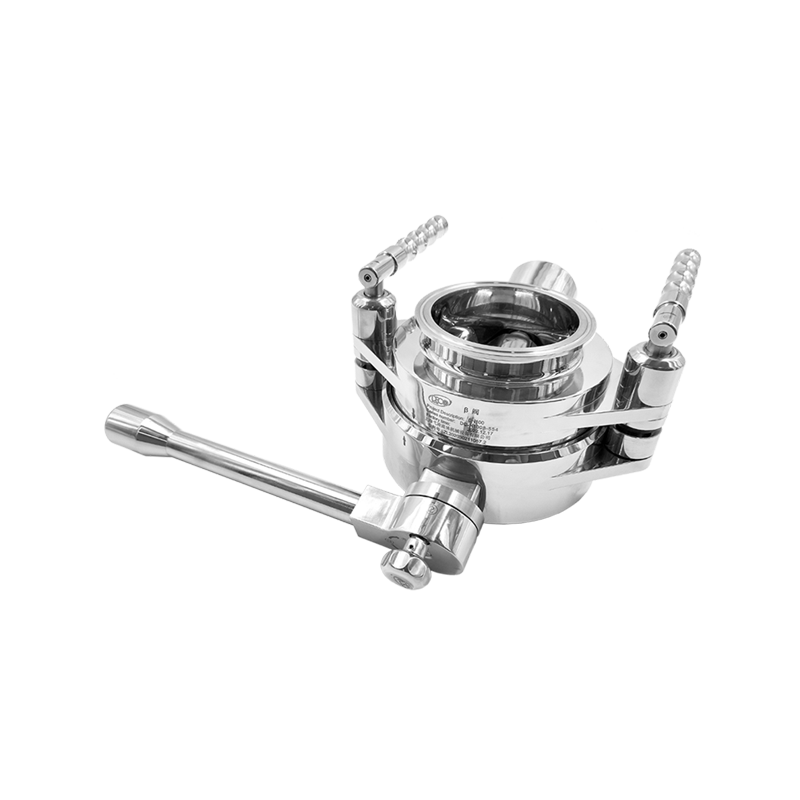
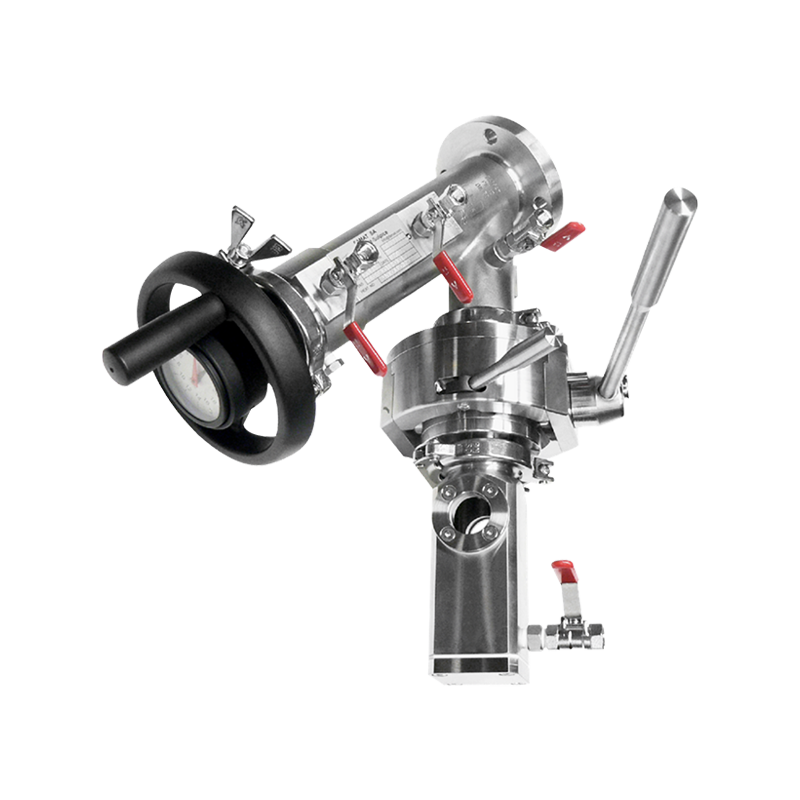
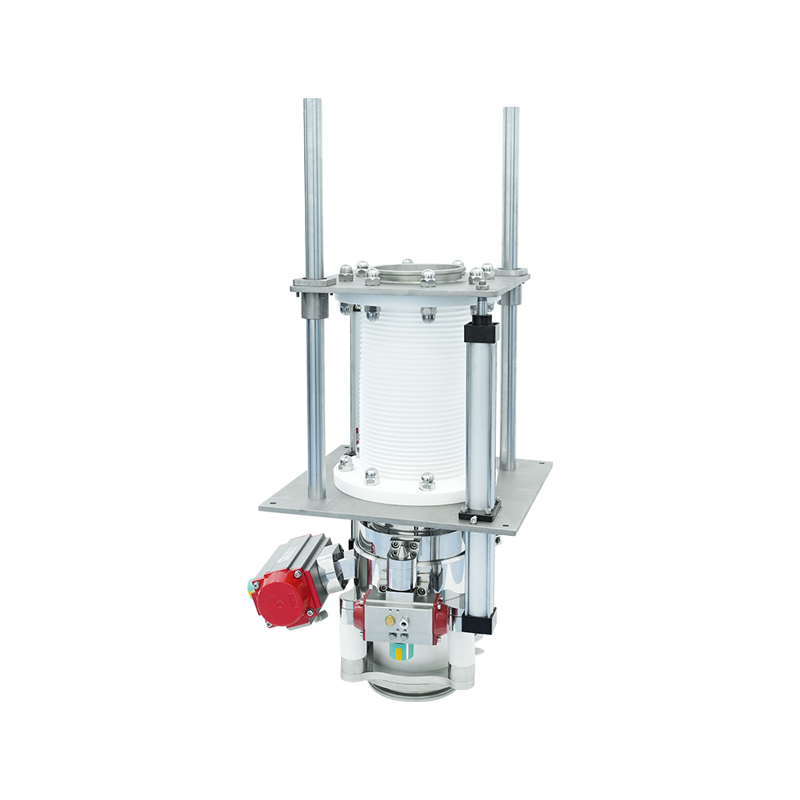
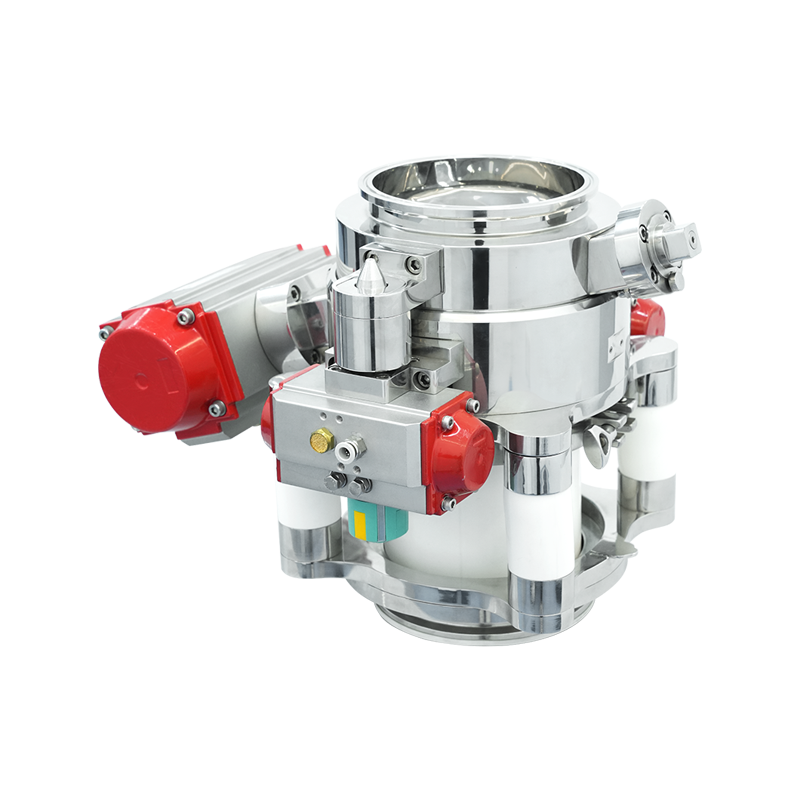
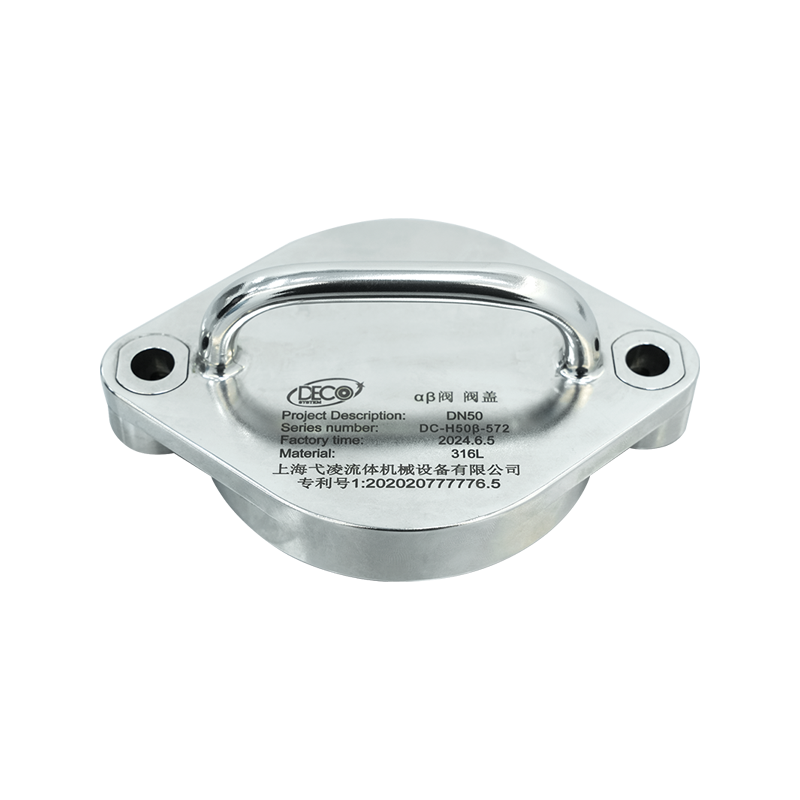
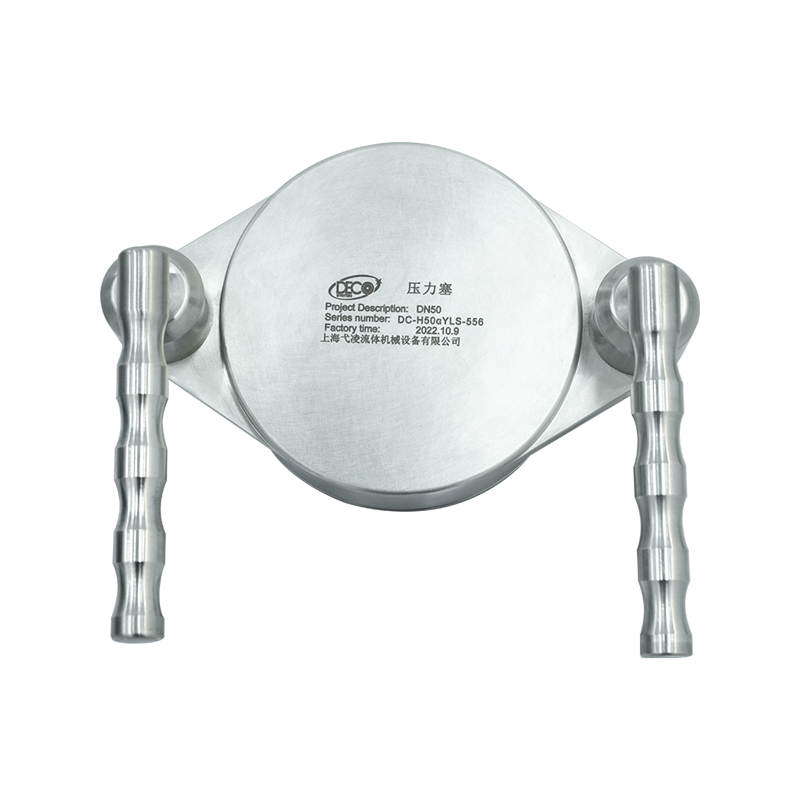
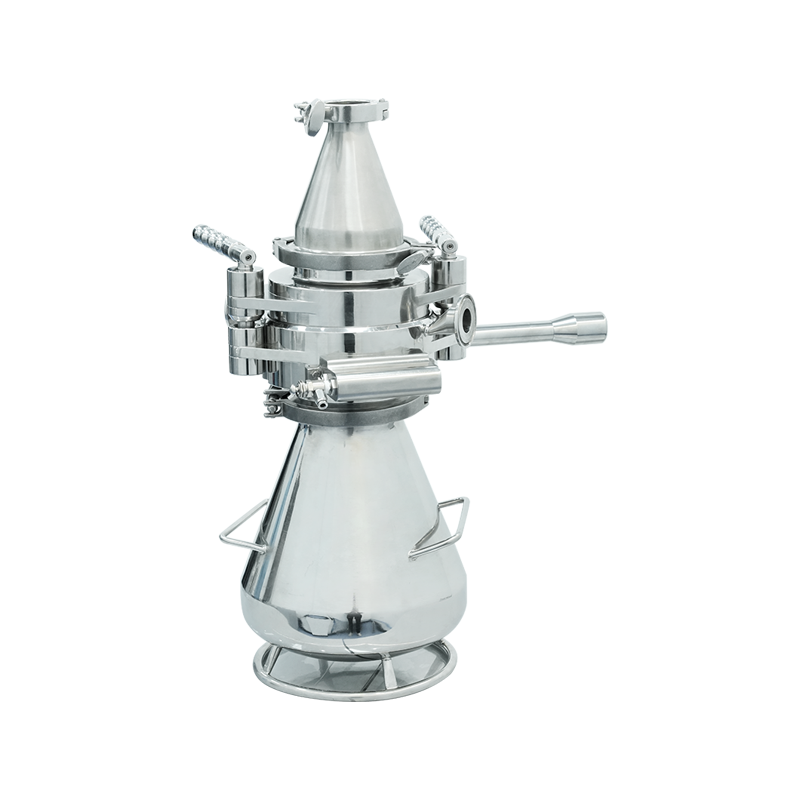
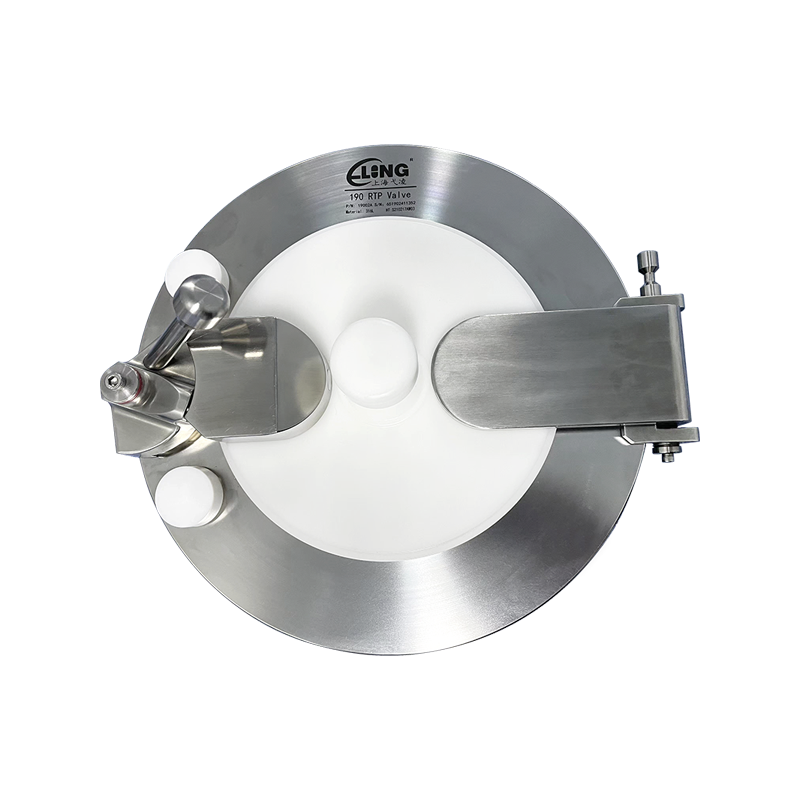
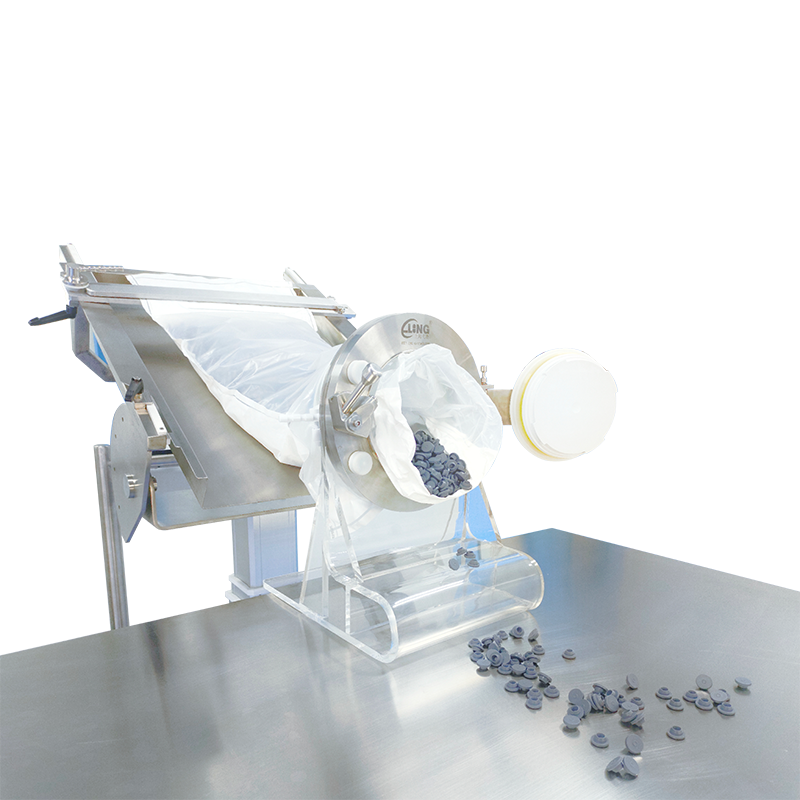
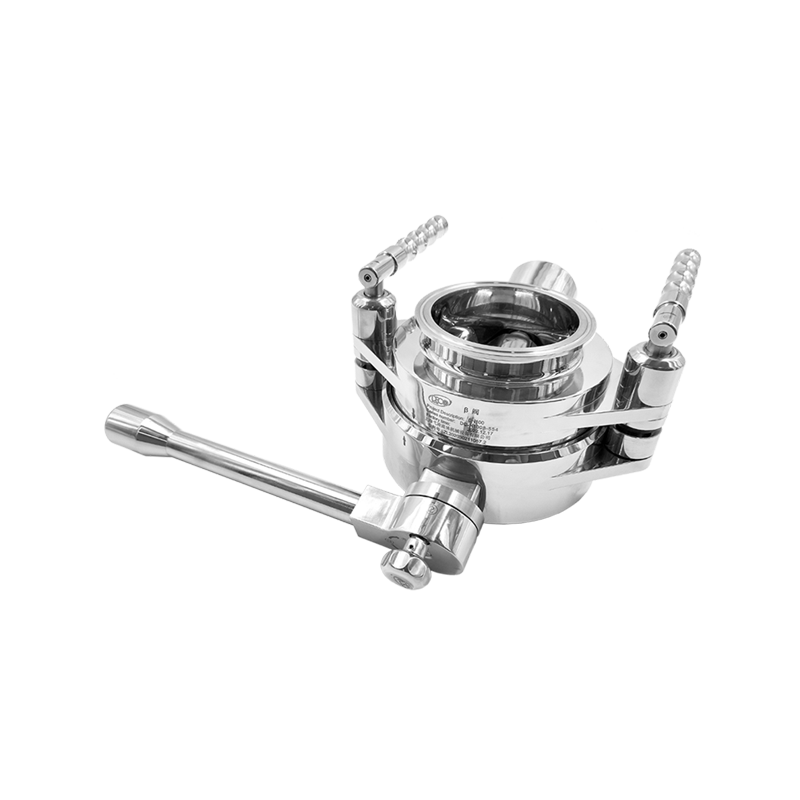
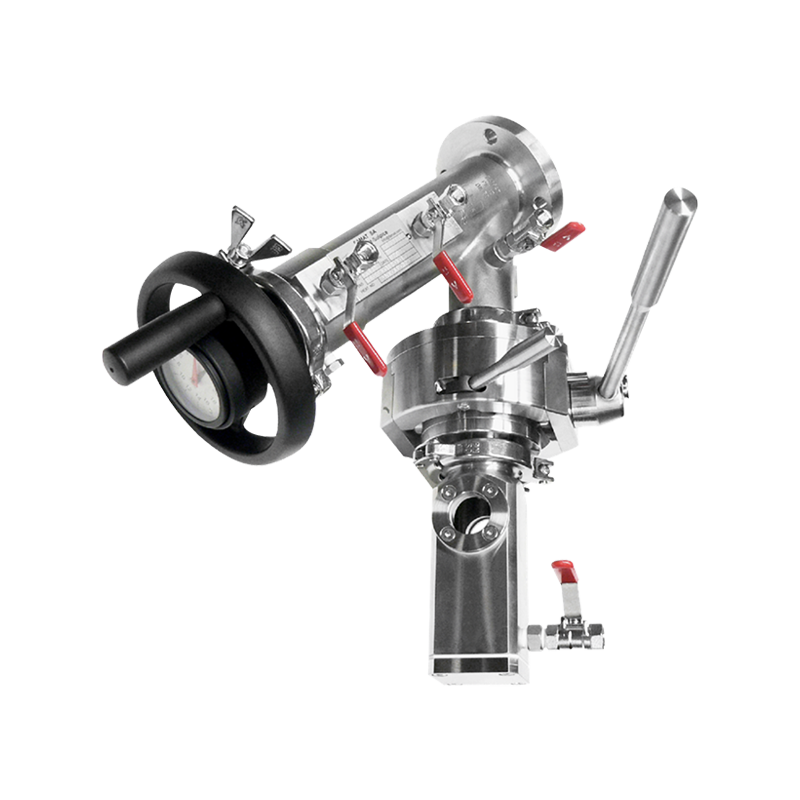
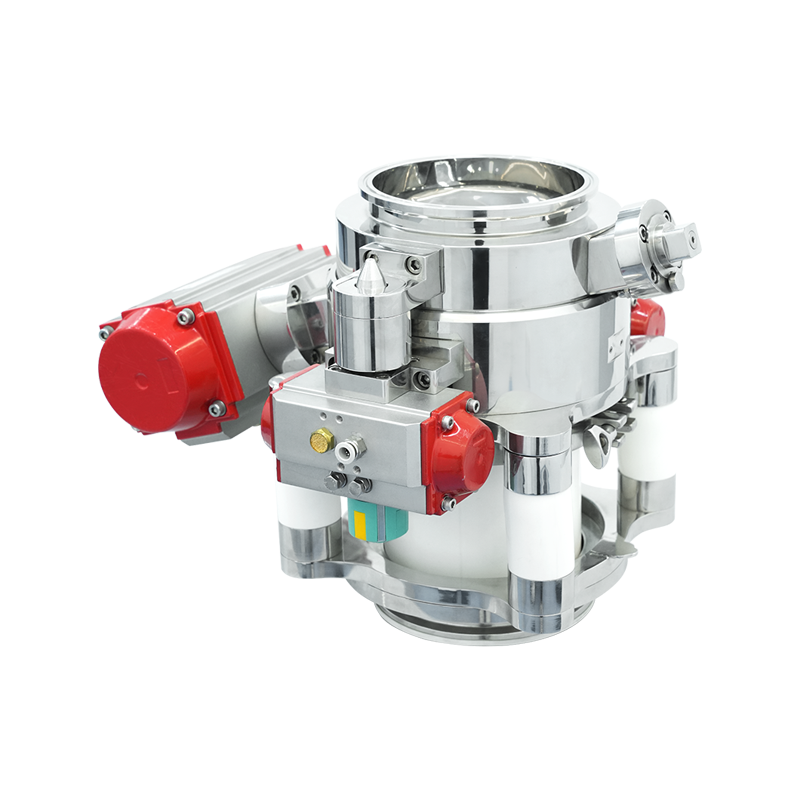
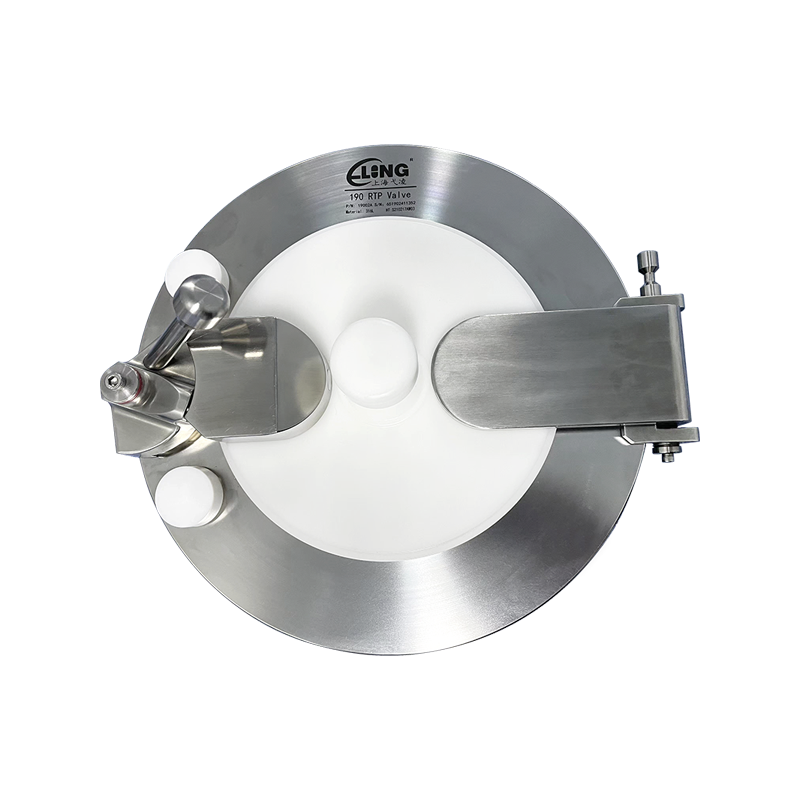
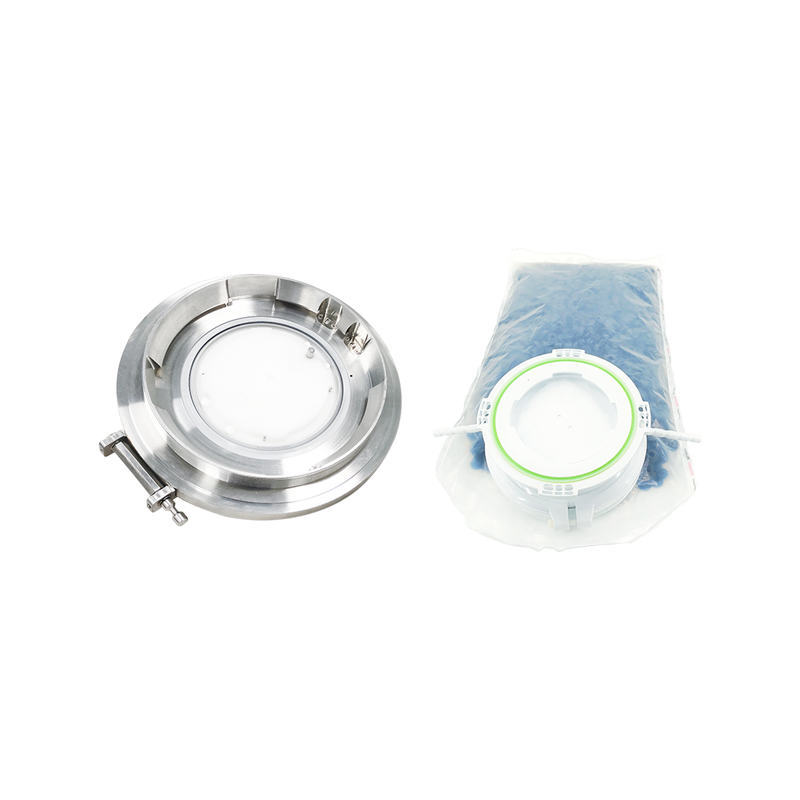
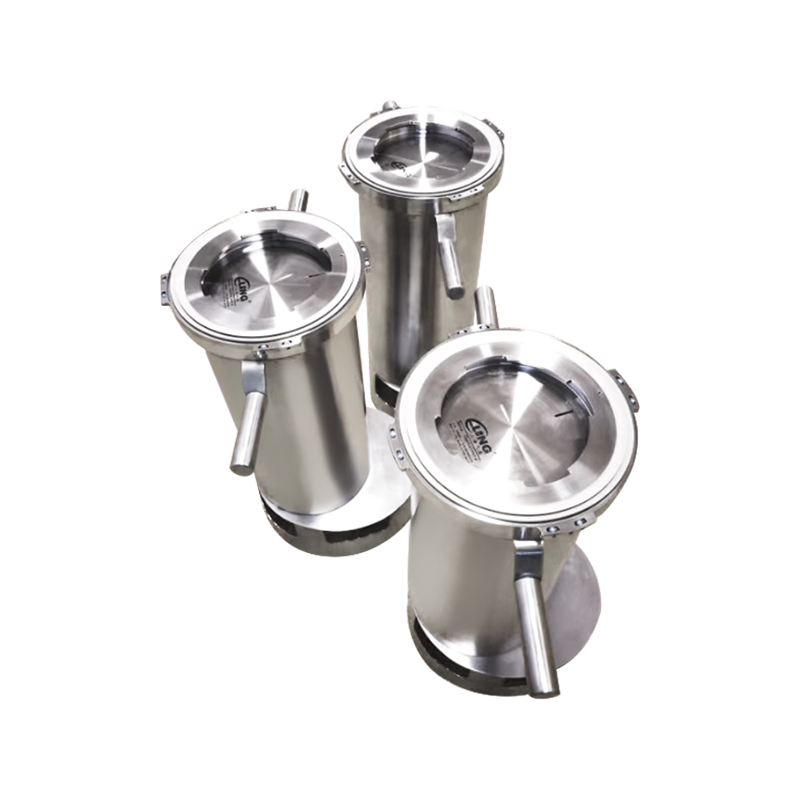
An aseptic split butterfly valve, or αβ valve, is a split-body containment valve system designed to enable the transfer of powders, granules, and other dry materials between equipment or containers in a completely closed environment. The system consists of two halves — the α (alpha) component, which is typically attached to the dispensing or source vessel, and the β (beta) component, which is attached to the receiving vessel or downstream equipment. When the two halves are docked together and engaged, they form a sealed interface that allows material to flow without any exposure to the surrounding environment. When separated, each half is independently sealed, ensuring that neither the material nor the operator is exposed during connection or disconnection.
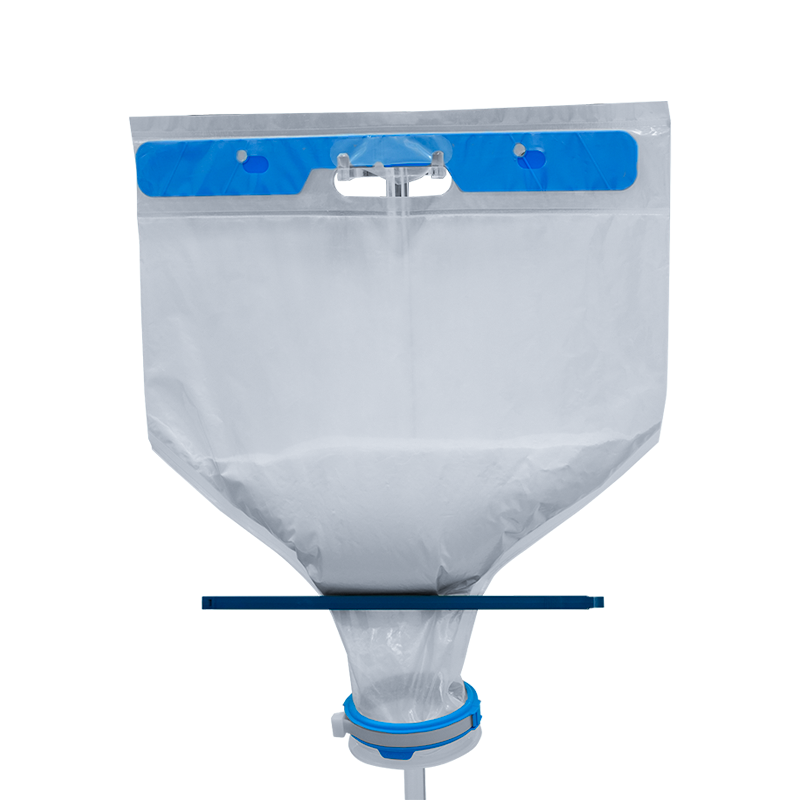
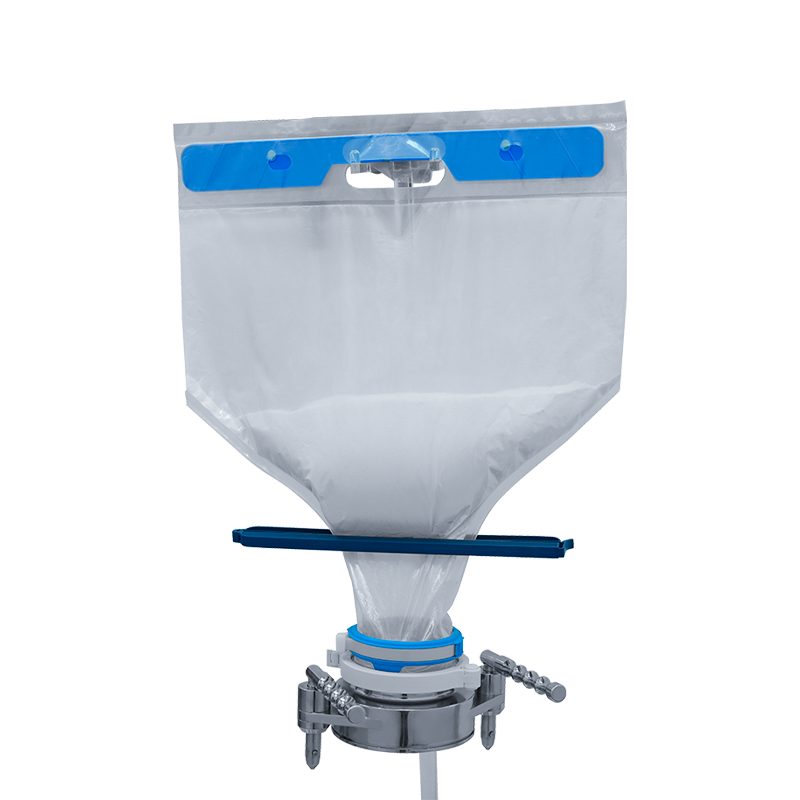
This technology is fundamentally different from traditional powder transfer methods such as open scooping, bag-in/bag-out systems, or gravity chutes. Those conventional approaches carry an inherent risk of airborne particulate generation, cross-contamination, and sterility breaches. The αβ valve eliminates these risks by maintaining a continuous physical barrier throughout every phase of the transfer operation.
Core Technical Principles of αβ Valve Operation
The engineering principle behind the aseptic split butterfly valve centers on a passive containment mechanism. Each disc (the butterfly element) within the α and β halves is spring-loaded to remain in the closed position by default. When the two halves are brought into contact and locked, the discs rotate open simultaneously, creating a continuous bore through which material can pass. At no point during docking or undocking is the material surface exposed to the external atmosphere.
Key technical features of the αβ valve system include:
- Simultaneous dual-disc actuation: both discs open and close in a single, synchronized movement, preventing any gap between the two sealing surfaces.
- Passive self-sealing design: spring tension ensures each half remains sealed without requiring any active operator intervention when disconnected.
- Smooth-bore internal geometry: the valve bore is designed to minimize powder retention and dead zones, supporting complete discharge and easy cleanability.
- Validated containment performance: leading designs are validated to achieve containment levels of 1 µg/m³ or lower in time-weighted average (TWA) measurements, meeting OEB (Occupational Exposure Band) 4 and 5 requirements.
- Aseptic-grade surface finishes: internal surfaces are typically polished to Ra ≤ 0.4 µm and manufactured from 316L stainless steel to comply with GMP requirements.
Applications in Pharmaceutical and Sterile Manufacturing
The aseptic split butterfly valve finds application across a broad range of pharmaceutical manufacturing scenarios where containment, sterility, or both are required simultaneously. Its versatility makes it an indispensable component in multiple unit operations.
Transfer of Highly Potent APIs (HPAPIs)
HPAPIs, including cytotoxic compounds used in oncology drugs, require the highest levels of operator protection. The αβ valve is routinely used for transferring HPAPI powders from synthesis or isolation vessels to weighing stations, blending equipment, or packaging lines. The closed transfer environment ensures that airborne drug concentrations remain well below even the most stringent OEL thresholds.
Sterile Powder Filling and Aseptic Processing
In aseptic manufacturing environments — particularly for injectable products or sterile dry powder inhalation (DPI) formulations — maintaining microbial and particulate control during powder transfer is non-negotiable. The αβ valve supports aseptic transfer by providing a sterile-compatible interface that can be sterilized in place (SIP) or supplied pre-sterilized. This makes it suitable for use within isolators, restricted access barrier systems (RABS), and cleanrooms classified to ISO 5 or higher.
Dispensing and Sub-Division of Controlled Substances
Regulatory frameworks including ICH Q7 and EU GMP Annex 1 require that controlled substances and sterile intermediates be handled under conditions that prevent cross-contamination and unauthorized exposure. The split butterfly valve's fully enclosed transfer mechanism directly addresses these mandates, making it a preferred solution for dispensing suites handling Schedule I/II compounds, narcotics, and hormone-based APIs.
Comparison with Alternative Powder Transfer Technologies
Understanding how the aseptic split butterfly valve compares to other transfer technologies helps engineers and production managers select the right approach for a given application.
| Technology | Containment Level | Sterility Support | Operator Safety | Cleanability |
| αβ Split Butterfly Valve | ≤ 1 µg/m³ | Yes (SIP/pre-sterilized) | Excellent | High (CIP compatible) |
| Bag-in / Bag-out | ~10–100 µg/m³ | Limited | Moderate | Low (disposable) |
| Gravity Chute / Open Transfer | > 1000 µg/m³ | No | Poor | Moderate |
| Glove Box / Isolator Only | ≤ 1 µg/m³ | Yes | Excellent | Moderate (manual) |
Regulatory Compliance and Industry Standards
The pharmaceutical industry operates within a tightly defined regulatory framework, and any equipment used in the production of medicinal products must align with applicable standards. The aseptic split butterfly valve is designed and manufactured to comply with multiple international guidelines and standards, including:
- EU GMP Annex 1 (2023 revision): requires that all powder transfer in aseptic manufacturing minimizes contamination risk through closed systems and validated processes.
- ICH Q7 (Active Pharmaceutical Ingredients): mandates containment and cross-contamination prevention for all API manufacturing steps, particularly for potent and sensitizing compounds.
- ISPE Baseline Guide for Sterile Products Manufacturing: recommends closed transfer technologies as part of contamination control strategies.
- ISO 14644 (Cleanroom Standards): governs the cleanroom classification requirements within which aseptic αβ valve transfers must be performed.
- SMEPAC Testing Protocol: the industry-standard methodology for measuring and validating the containment performance of powder transfer equipment, including split butterfly valves.
Design Considerations for Integration and Scalability
Selecting the right aseptic split butterfly valve for a given manufacturing process involves a careful evaluation of several engineering and operational parameters. Process engineers should assess bore diameter requirements — standard sizes typically range from DN50 to DN200 — to match the desired flow rates and vessel connection geometries. Material compatibility between the valve components and the powder being transferred must also be verified, particularly for highly corrosive or reactive APIs.
Cleanability is another central consideration. In multi-product facilities, the valve must support validated cleaning procedures to prevent cross-contamination between batches. Most GMP-grade αβ valves are engineered for clean-in-place (CIP) compatibility, with smooth internal surfaces, minimized dead legs, and full drainability. Some designs also incorporate integrated sampling ports or inline sensors, enabling real-time process monitoring without compromising containment integrity.
For facilities managing scale-up from pilot to commercial production, modular αβ valve systems offer significant advantages. Standardized flange interfaces allow the same valve technology to be deployed across laboratory, kilo-lab, and full-scale manufacturing environments, ensuring consistent containment performance and simplifying operator training across the production lifecycle.
The Future of Closed Transfer in Pharmaceutical Manufacturing
As the pharmaceutical industry continues its shift toward more complex, high-potency, and biologically active compounds — including antibody-drug conjugates (ADCs), gene therapy vectors, and next-generation small molecule APIs — the demand for validated closed transfer solutions will only intensify. The aseptic split butterfly valve is well-positioned to evolve alongside these trends, with manufacturers increasingly offering single-use (disposable) αβ valve configurations to support flexible, campaign-based manufacturing models that require rapid changeover and reduced cleaning validation burdens.
Digital integration is another emerging frontier. Smart valve systems equipped with RFID tracking, electronic torque monitoring, and automated docking verification are already in development, promising enhanced process traceability and alignment with the data integrity requirements of modern regulatory submissions. In an industry where the margin for error in sterile and high-potency handling is effectively zero, the aseptic split butterfly valve represents not merely a component choice, but a strategic commitment to quality, safety, and operational excellence.