

Content
Fermentation process valves are critical components in brewing, dairy, and beverage production systems. They regulate the flow of liquids, control pressure, and maintain hygienic conditions throughout the fermentation process. Proper maintenance of these valves ensures operational efficiency, safety, and product quality over time.
Types of Fermentation Process Valves
Butterfly Valves
Butterfly valves are commonly used for on/off control and throttling in fermentation tanks. They are favored for their simple design, low pressure drop, and ease of cleaning.
Ball Valves
Ball valves offer tight sealing and precise flow control. They are often employed in high-pressure fermentation systems and for processes requiring frequent operation.
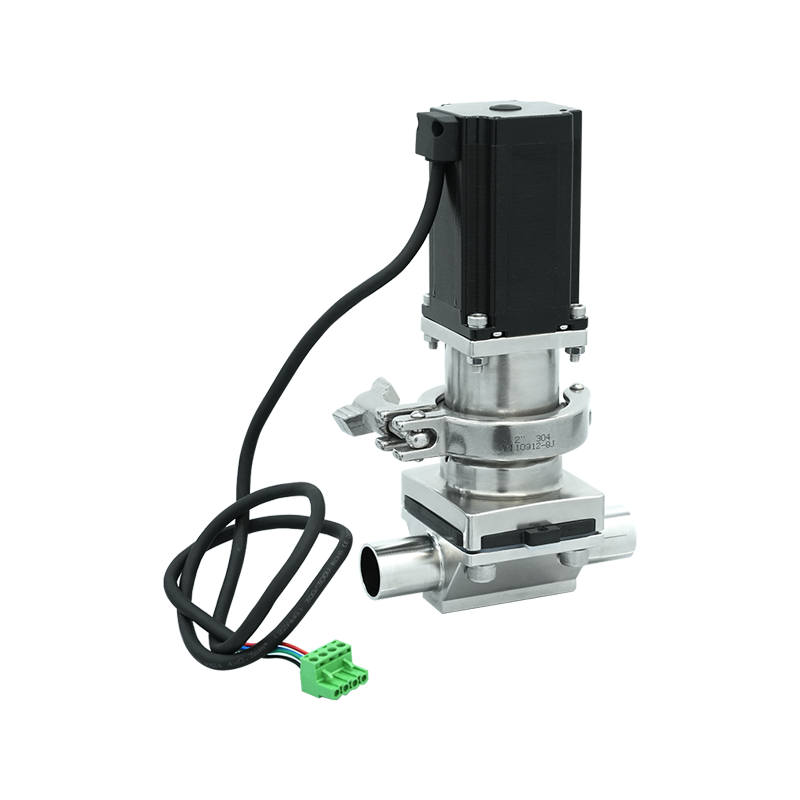
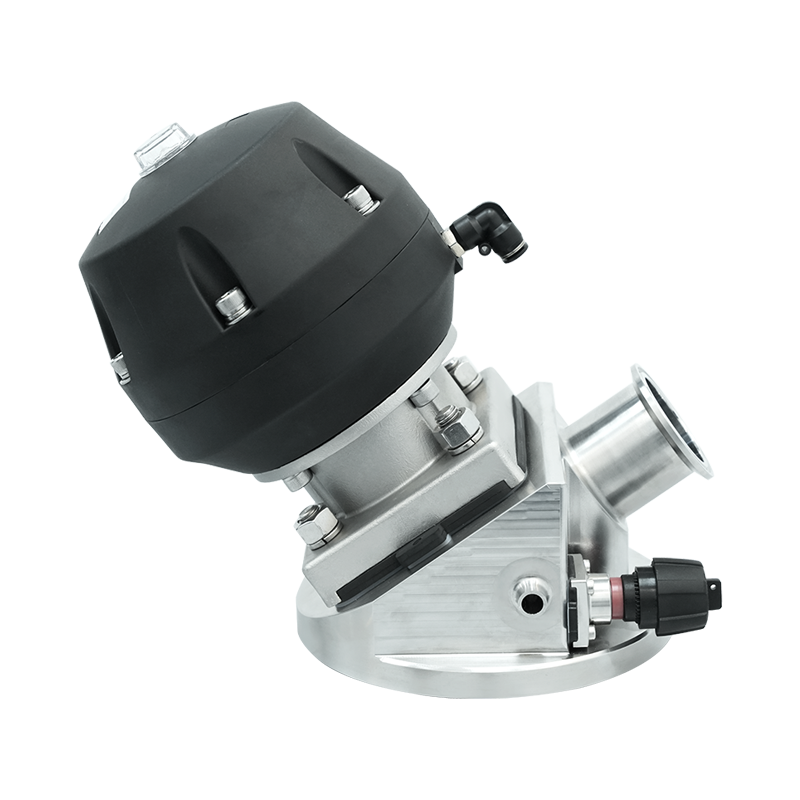
Diaphragm Valves
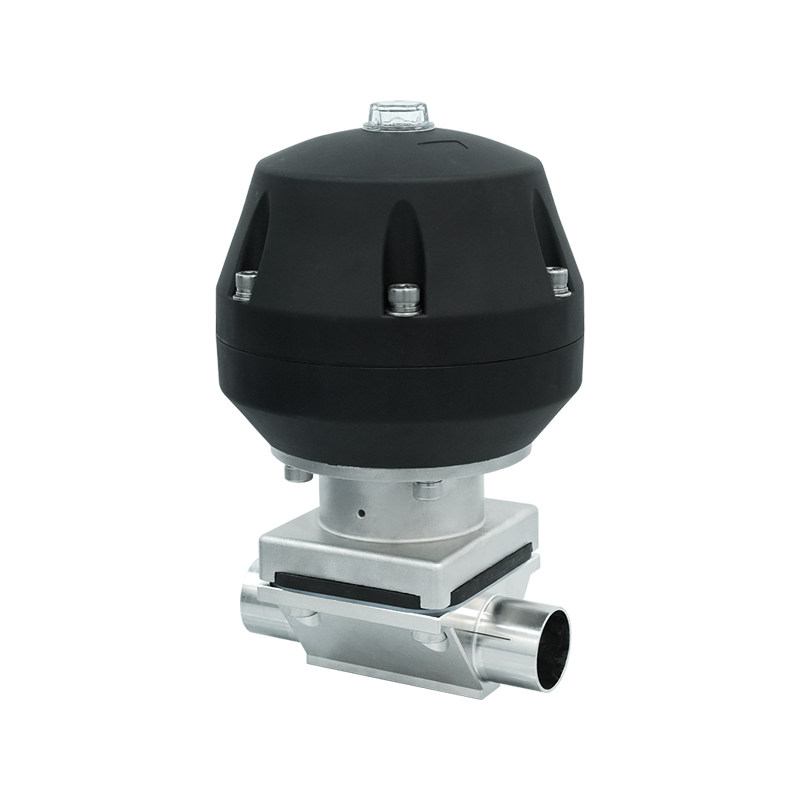
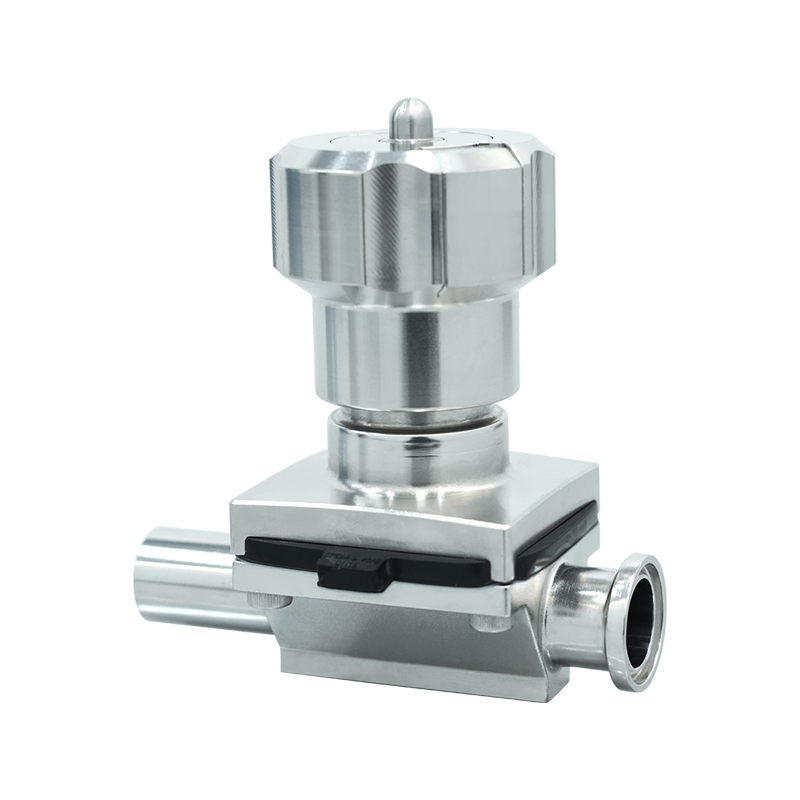
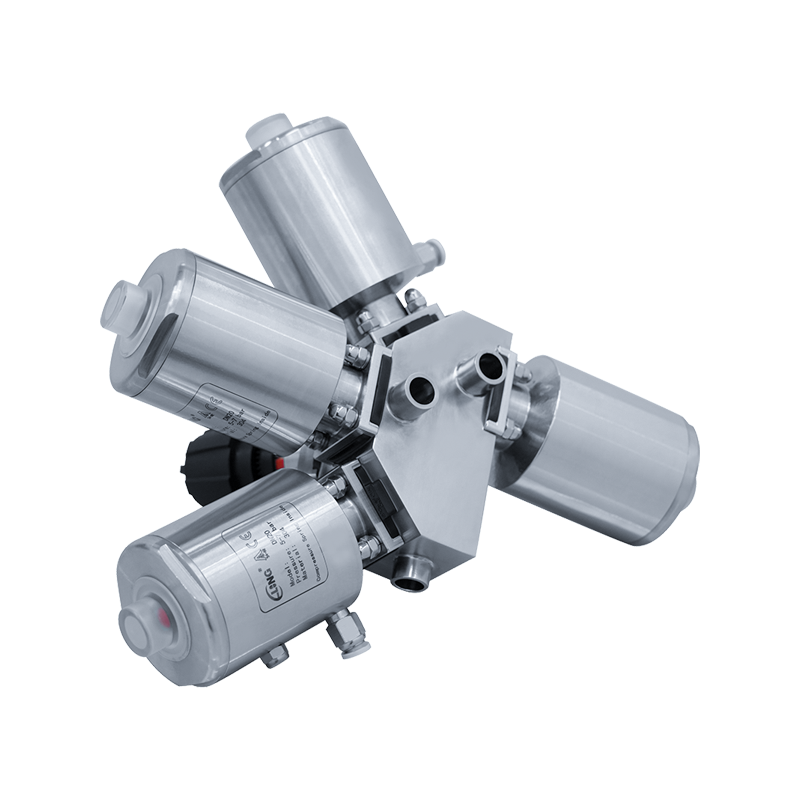
Diaphragm valves are ideal for hygienic applications. Their design prevents contamination by separating the flow media from the valve mechanism, making them widely used in food and beverage fermentation.
Common Maintenance Challenges
Wear and Tear
Frequent operation can cause wear on seals, gaskets, and moving parts. Regular inspection is necessary to detect early signs of damage and prevent leaks or malfunction.
Corrosion and Contamination
Fermentation environments involve acidic liquids, cleaning agents, and residual sugars, which can corrode metal parts and compromise valve integrity. Proper material selection and cleaning routines help mitigate corrosion risks.
Mechanical Failure
Improper lubrication, pressure spikes, or debris can lead to mechanical failure. Routine checks and preventive maintenance ensure consistent performance.
Best Practices for Maintaining Fermentation Valves
Regular Cleaning and Sanitization
Cleaning is critical to prevent microbial growth and product contamination. Valves should be cleaned with appropriate agents compatible with food-grade standards, followed by proper sanitization before use.
Routine Inspection and Lubrication
Inspect seals, gaskets, and moving parts regularly for wear or damage. Apply food-grade lubricants to moving components to reduce friction and prolong service life.
Monitoring Performance
Track valve operation, including flow rates and pressure. Sudden deviations may indicate leaks, blockages, or component degradation requiring immediate attention.
Replacement of Wear Parts
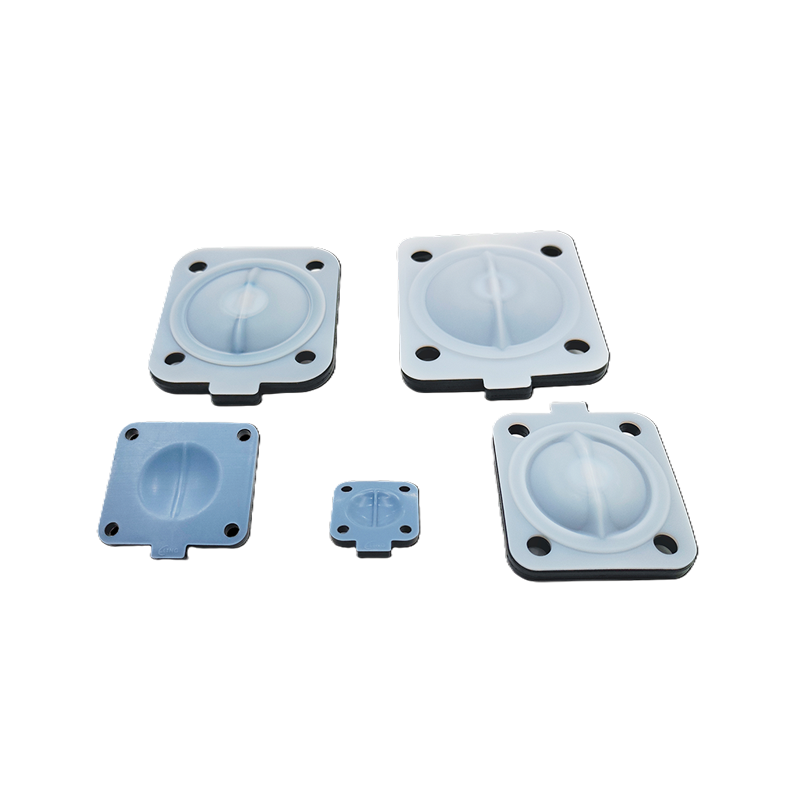
Replace worn seals, diaphragms, and gaskets periodically. Using OEM parts ensures compatibility and maintains hygienic standards.
Maintenance Schedule Recommendations
- Daily: Inspect for visible leaks, clean external surfaces, check valve positions.
- Weekly: Perform operational tests, clean internal parts if accessible, and check for minor corrosion.
- Monthly: Deep clean with appropriate agents, inspect all seals, and lubricate moving components.
- Quarterly: Replace worn gaskets, diaphragms, and other consumable components.
Material Selection for Longevity
Choosing the right material for valves is essential. Stainless steel, food-grade plastics, and corrosion-resistant coatings provide durability against acidic and high-moisture fermentation environments. Material compatibility ensures the valve withstands cleaning chemicals and maintains hygiene.
Automation and Monitoring Systems
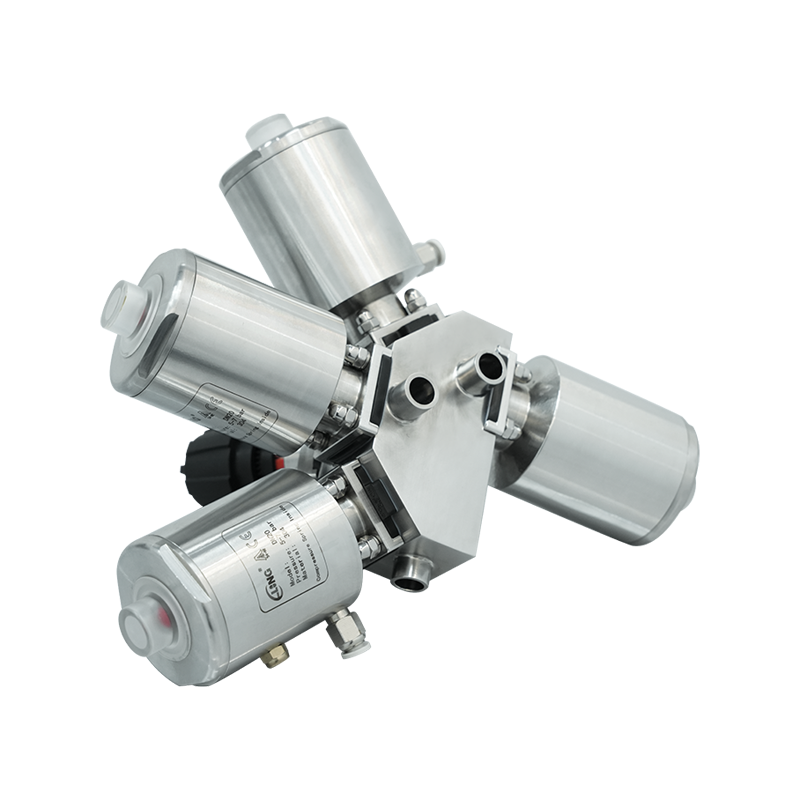
Integrating sensors and automated control systems can alert operators to irregular valve behavior. Pressure sensors, flow meters, and remote monitoring reduce the risk of failures and enhance preventive maintenance efficiency.
Conclusion
Maintaining fermentation process valves is critical to ensuring consistent product quality, operational efficiency, and long-term performance. By following best practices, performing regular inspections, selecting appropriate materials, and implementing monitoring systems, breweries and beverage producers can significantly reduce downtime, prevent contamination, and extend the service life of their valves.