

Content
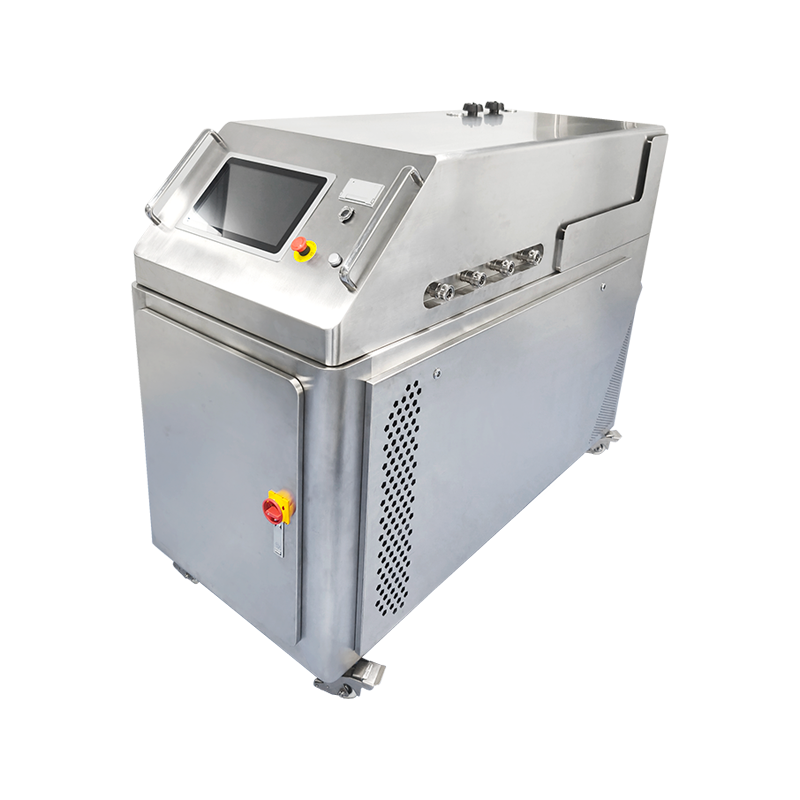
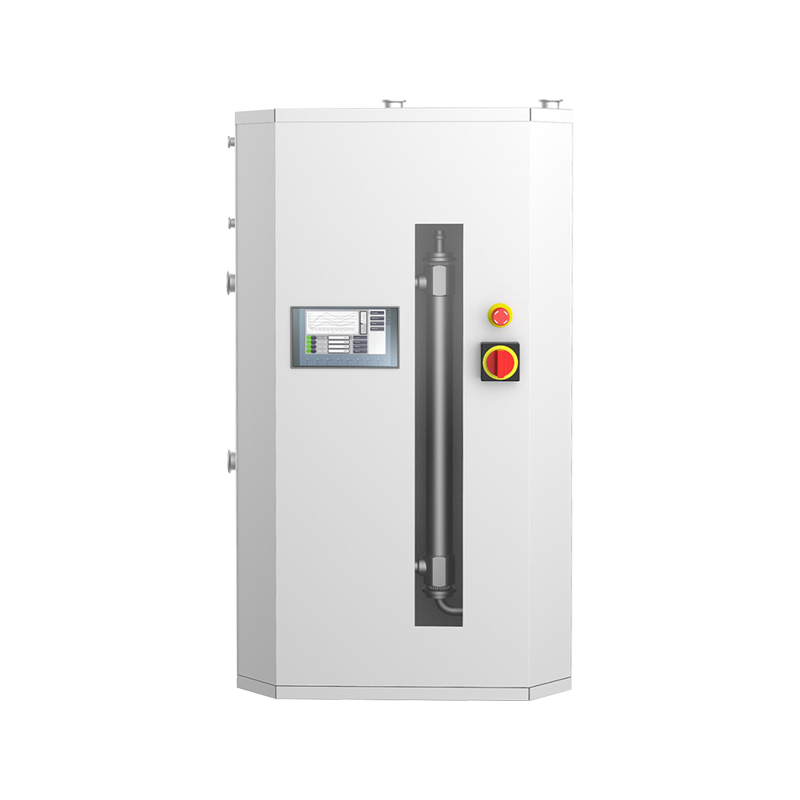
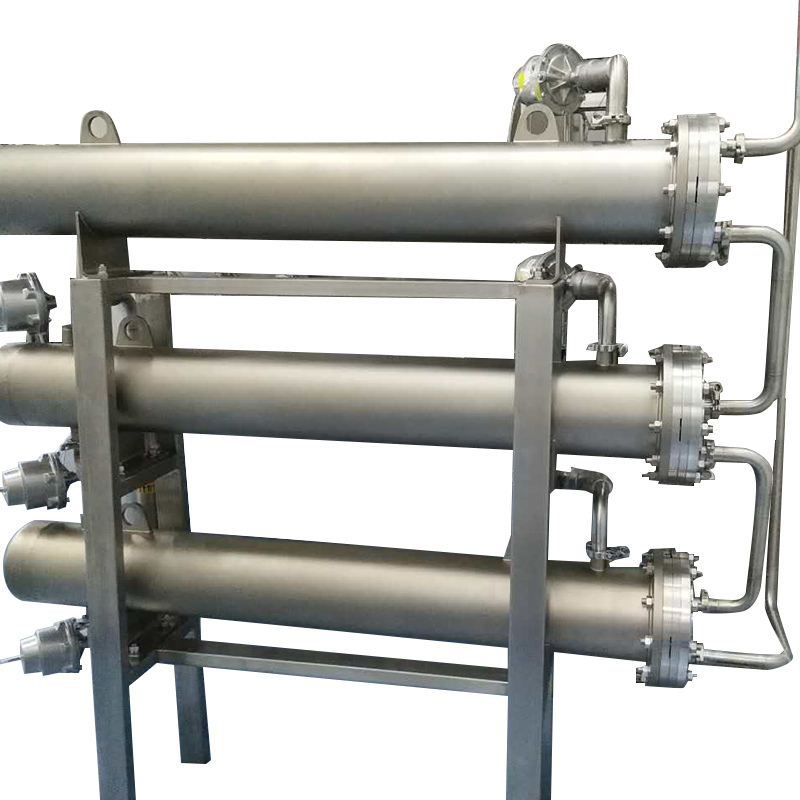
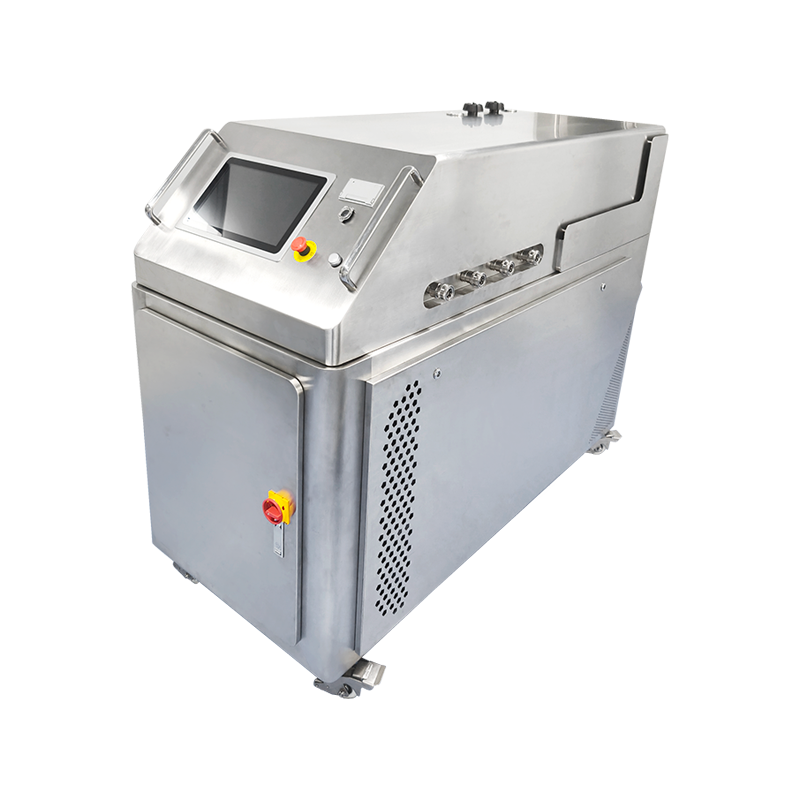
In the pharmaceutical industry, GMP (Good Manufacturing Practice) cleaning machines play a vital role in ensuring the safety, efficacy, and compliance of medicinal products. These machines are designed to clean equipment, containers, and production lines in a highly controlled environment, preventing cross-contamination and maintaining stringent hygiene standards. Understanding the common challenges and implementing best practices is critical for operational efficiency and regulatory compliance.
Common Challenges in Using GMP Cleaning Machines
Despite technological advancements, GMP cleaning machines present several operational challenges. Identifying these challenges allows pharmaceutical companies to proactively address them and avoid production delays or compliance issues.
Complex Validation Requirements
GMP cleaning machines must undergo rigorous validation procedures to confirm they consistently clean equipment to predefined standards. Validation includes installation qualification (IQ), operational qualification (OQ), and performance qualification (PQ). Meeting regulatory documentation requirements can be time-consuming and resource-intensive.
Cross-Contamination Risks
Pharmaceutical products often involve potent or allergenic compounds. Inefficient cleaning cycles or incorrect detergent use can lead to cross-contamination between production batches, posing significant health risks and potential regulatory penalties.
Complex Equipment Design
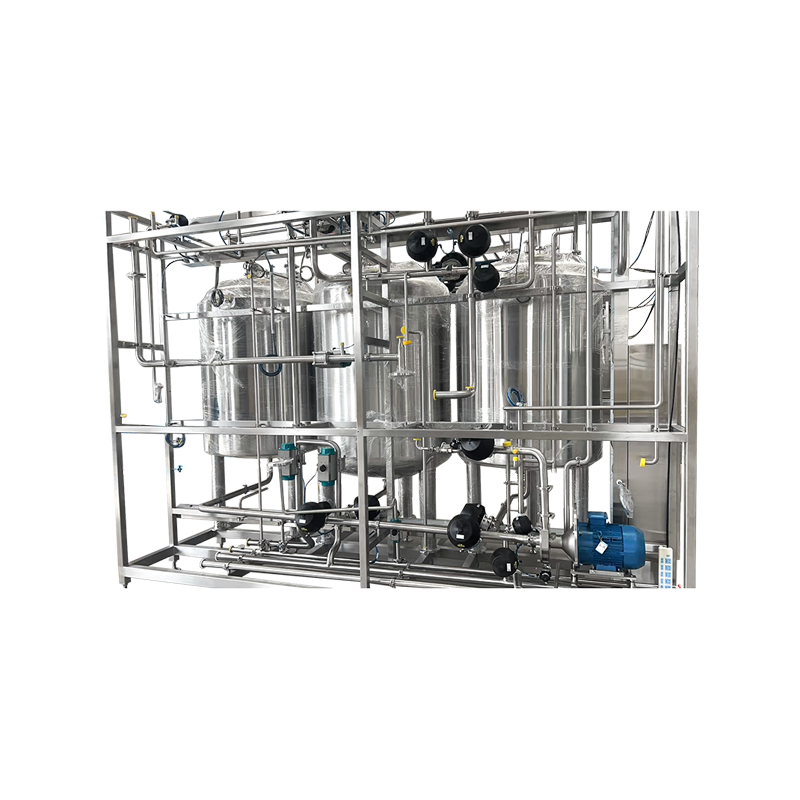
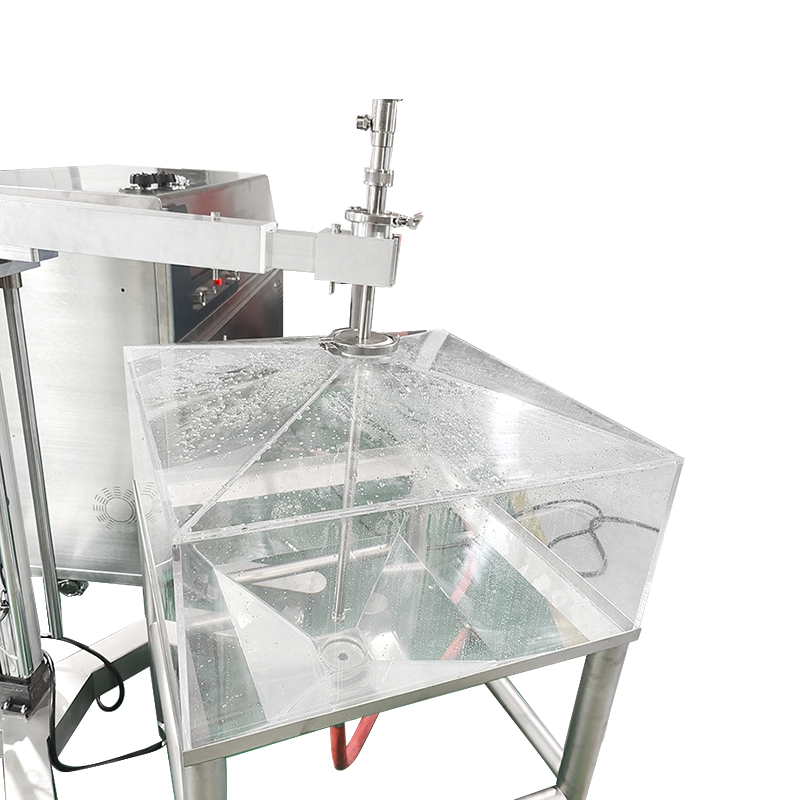
Some cleaning machines are complex, featuring multiple chambers, spray arms, and automated controls. Hard-to-reach areas or blind spots can reduce cleaning efficacy if not properly addressed in machine design or process validation.
Chemical and Material Compatibility
Detergents, solvents, and cleaning agents must be compatible with both the surfaces being cleaned and the materials used in the machine. Incorrect chemical selection can damage equipment, reduce machine life, or leave residues that affect product safety.
Operational Downtime and Maintenance
Cleaning cycles can take significant time, impacting production schedules. Inadequate maintenance or delayed replacement of worn parts can lead to machine downtime, disrupting manufacturing and delaying batch release.
Best Practices for Efficient GMP Cleaning
To overcome challenges and maintain compliance, pharmaceutical companies should implement structured procedures and best practices for operating GMP cleaning machines.
Comprehensive Validation and Documentation
Ensure thorough IQ, OQ, and PQ processes are completed and properly documented. Validation should include all equipment components, detergents, and process parameters. Maintaining updated SOPs (Standard Operating Procedures) ensures regulatory inspections are met efficiently.
Optimized Cleaning Protocols
Develop cleaning protocols specific to product types, contamination risks, and equipment complexity. Protocols should detail detergent selection, cleaning cycles, temperature, and contact time to achieve reproducible results. Regular protocol review ensures alignment with evolving regulations.
Routine Maintenance and Preventive Checks
Schedule preventive maintenance for spray arms, nozzles, pumps, and seals to prevent breakdowns. Inspect for wear, leaks, and corrosion regularly. Maintaining a clean and functional machine ensures consistent performance and reduces the risk of cross-contamination.
Employee Training and Competency
Operators must be trained on proper use, cleaning cycle setup, chemical handling, and troubleshooting. Continuous education on regulatory updates and machine upgrades is crucial. Competent personnel reduce errors and ensure the GMP cleaning machine is used safely and effectively.
Monitoring and Process Control
Use process monitoring tools such as temperature sensors, conductivity meters, and automated data logging to track cleaning cycles. Real-time monitoring allows immediate correction of deviations, ensuring process reliability and regulatory compliance.
Common Cleaning Cycle Strategies
The effectiveness of GMP cleaning machines largely depends on well-designed cleaning cycles. Pharmaceutical facilities often use a combination of the following:
- Pre-rinse: Removes bulk residues before chemical cleaning.
- Detergent wash: Uses specialized detergents to eliminate product residues.
- Rinse and neutralization: Ensures removal of detergent and neutralizes chemicals to prevent corrosion.
- Sanitization or sterilization: Optional step using heat, steam, or chemical sterilants depending on product requirements.
Documentation and Regulatory Compliance
Accurate documentation is essential in GMP environments. Maintain detailed cleaning logs, validation records, and maintenance reports. Proper record-keeping demonstrates compliance with FDA, EMA, and other regulatory authorities, reducing audit risks.
Environmental and Safety Considerations
Pharmaceutical cleaning operations often involve strong chemicals and high temperatures. Implement safety measures including protective gear, proper ventilation, and chemical handling protocols. Environmentally responsible disposal of cleaning agents is also critical to comply with local regulations.
Conclusion: Achieving Efficient and Compliant GMP Cleaning
Using GMP cleaning machines in the pharmaceutical industry requires careful attention to operational challenges, validation requirements, and regulatory compliance. By implementing best practices such as comprehensive validation, optimized cleaning protocols, regular maintenance, employee training, and meticulous documentation, companies can ensure effective cleaning, prevent cross-contamination, and maintain a compliant manufacturing environment.
Investing in proper procedures and continuous improvement not only enhances product quality but also minimizes operational downtime, reduces compliance risks, and supports sustainable pharmaceutical manufacturing.