

Content
- 1 Understanding Aseptic Transfer and RTP Systems
- 2 What Is an RTP Pressure Valve?
- 3 Why Pressure Control Is Critical in Aseptic Transfer
- 4 Key Functions of an Aseptic Transfer RTP Pressure Valve
- 5 How an RTP Pressure Valve Works in Practice
- 6 Design Features That Define a High-Quality RTP Pressure Valve
- 7 Applications of RTP Pressure Valves in Regulated Industries
- 8 Regulatory and Validation Considerations
- 9 Why the RTP Pressure Valve Is Crucial for Aseptic Integrity
- 10 Conclusion: A Small Component with a Major Impact
In pharmaceutical, biotechnology, and sterile manufacturing environments, maintaining absolute containment during material transfer is a non-negotiable requirement. Aseptic transfer systems based on Rapid Transfer Port (RTP) technology have become an industry standard for moving powders, components, and tools into and out of controlled areas. Within these systems, the Aseptic Transfer RTP Pressure Valve plays a critical role in ensuring pressure stability, operator safety, and contamination control. Understanding how this valve functions and why it is crucial helps engineers, quality managers, and procurement teams make informed decisions when designing or upgrading aseptic processes.
Understanding Aseptic Transfer and RTP Systems
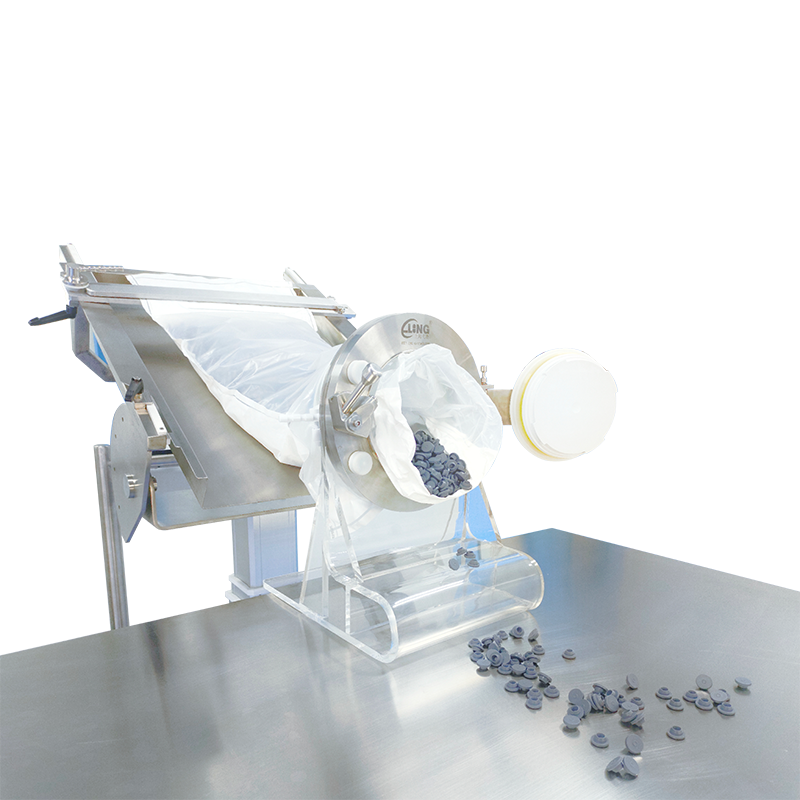
Aseptic transfer refers to the controlled movement of materials between environments of different cleanliness levels without compromising sterility. In regulated industries such as pharmaceutical manufacturing, any breach in containment can result in batch loss, regulatory non-compliance, or serious safety risks. RTP systems were developed to address these challenges by providing a sealed, repeatable, and validated method of transfer.
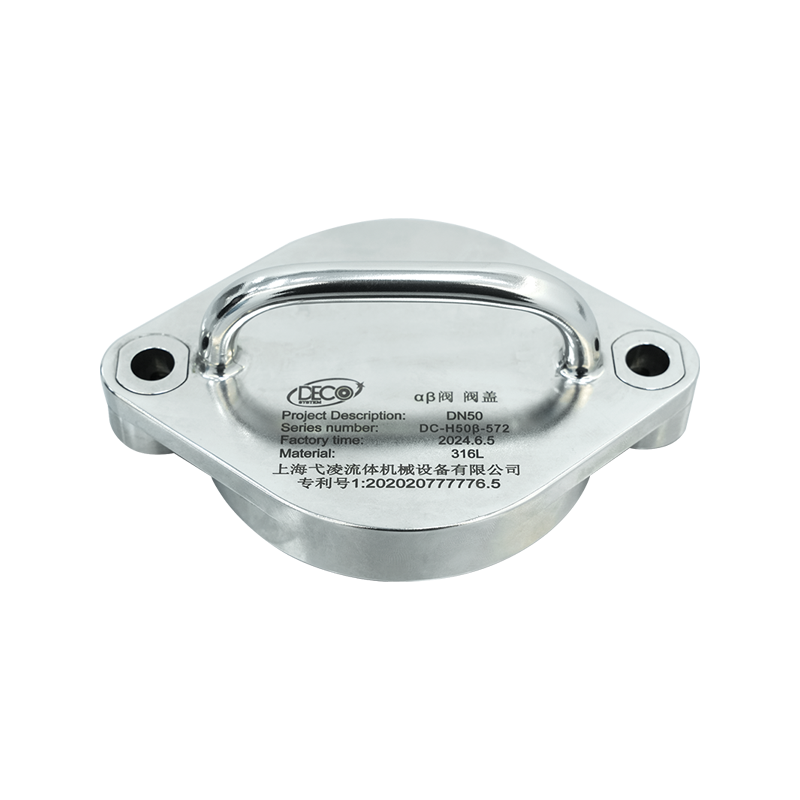
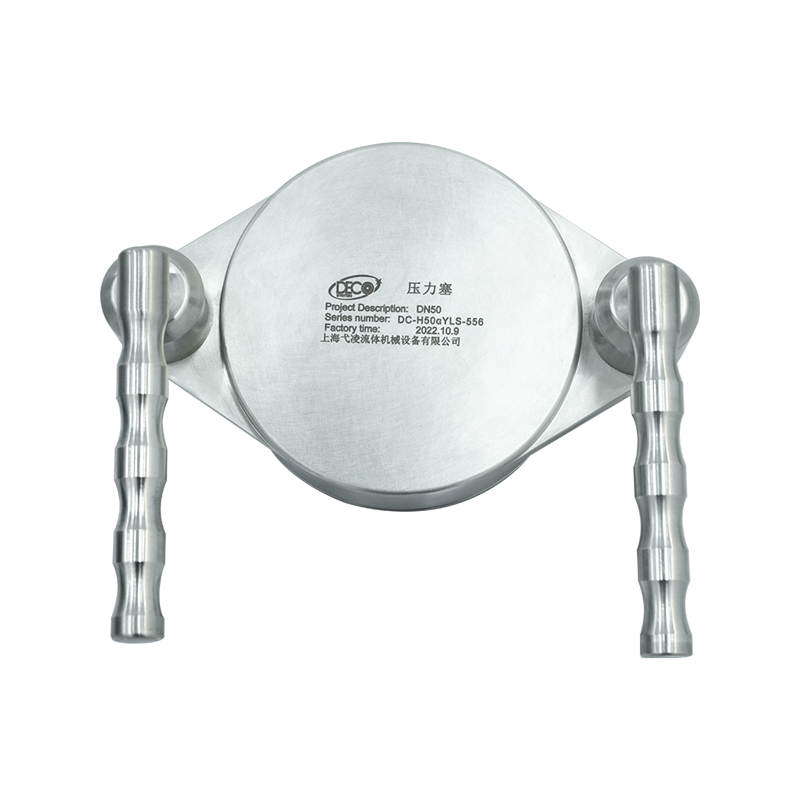
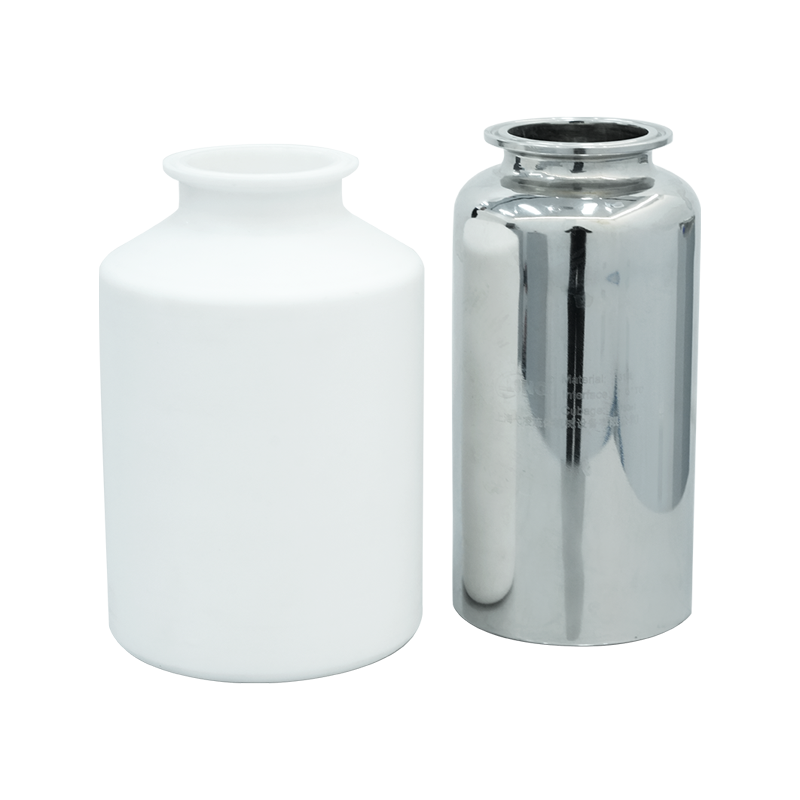
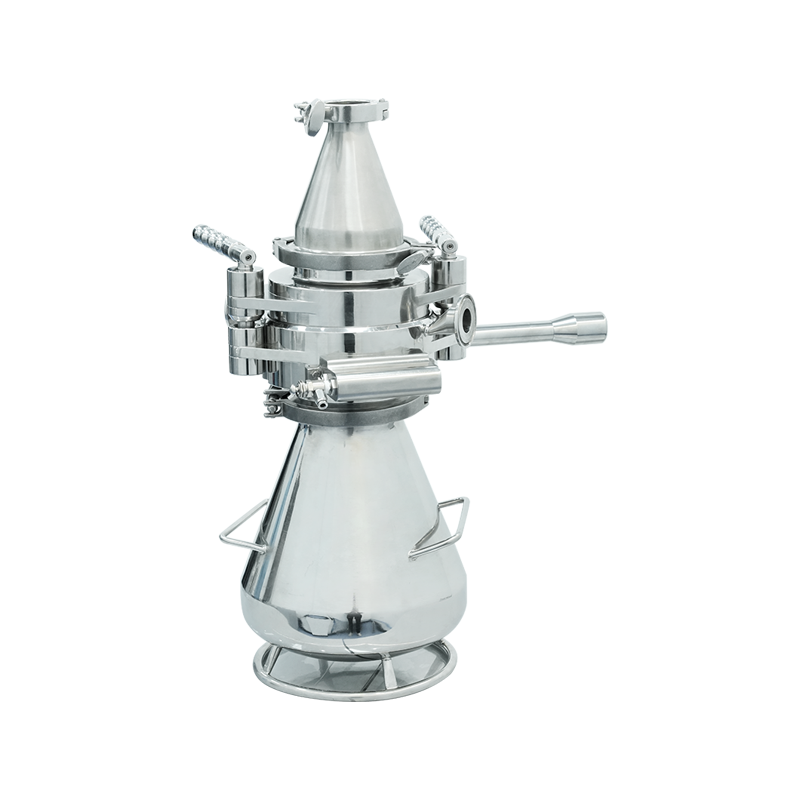
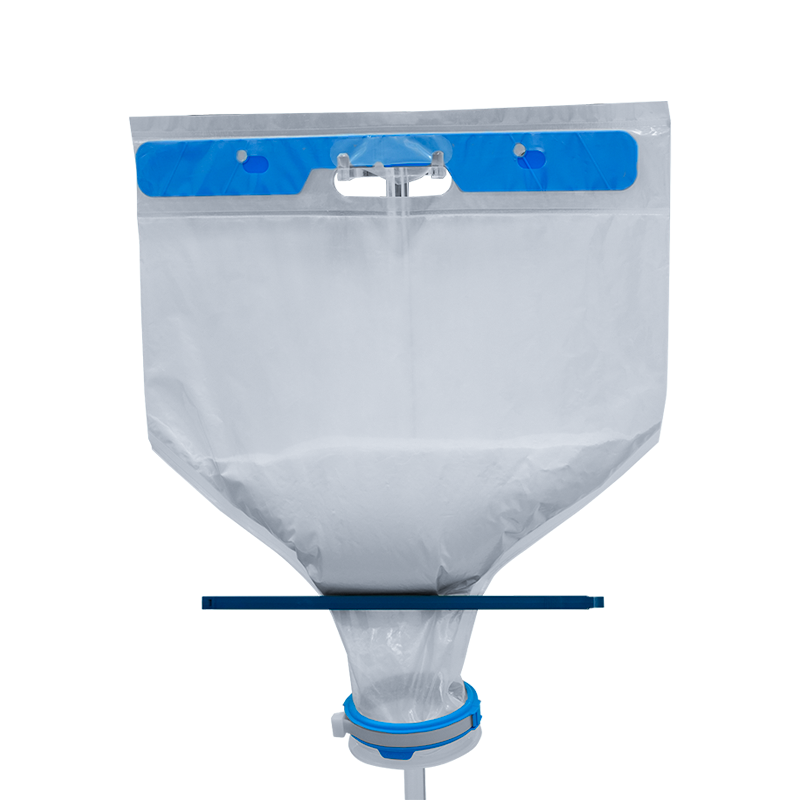
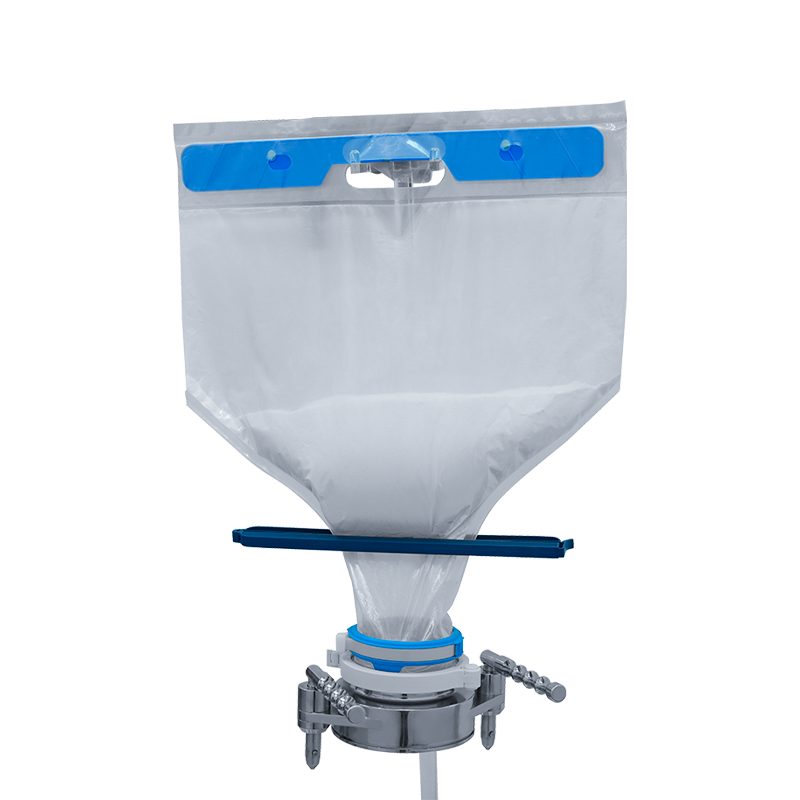
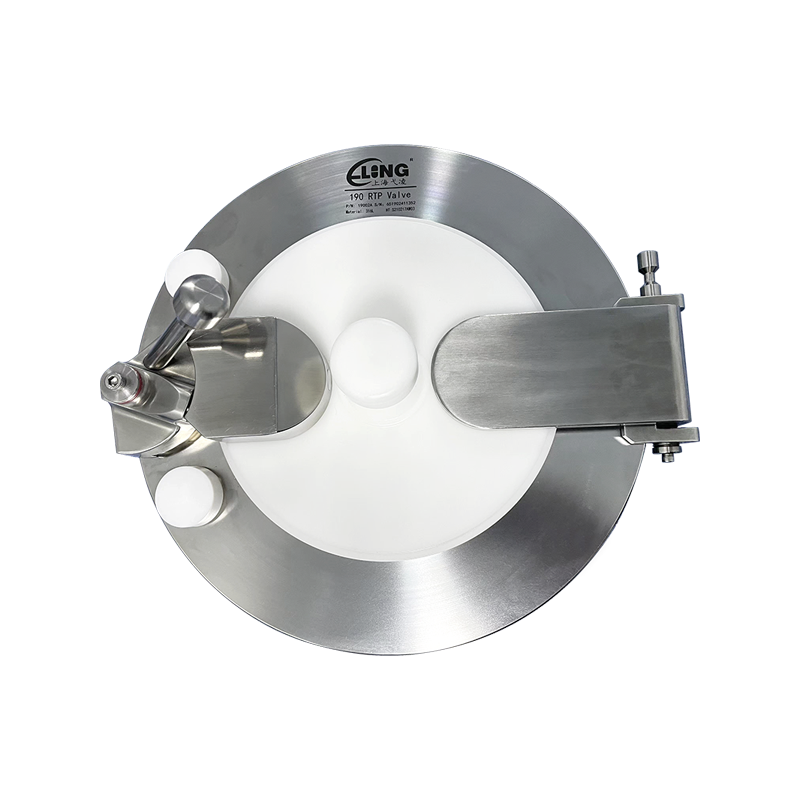
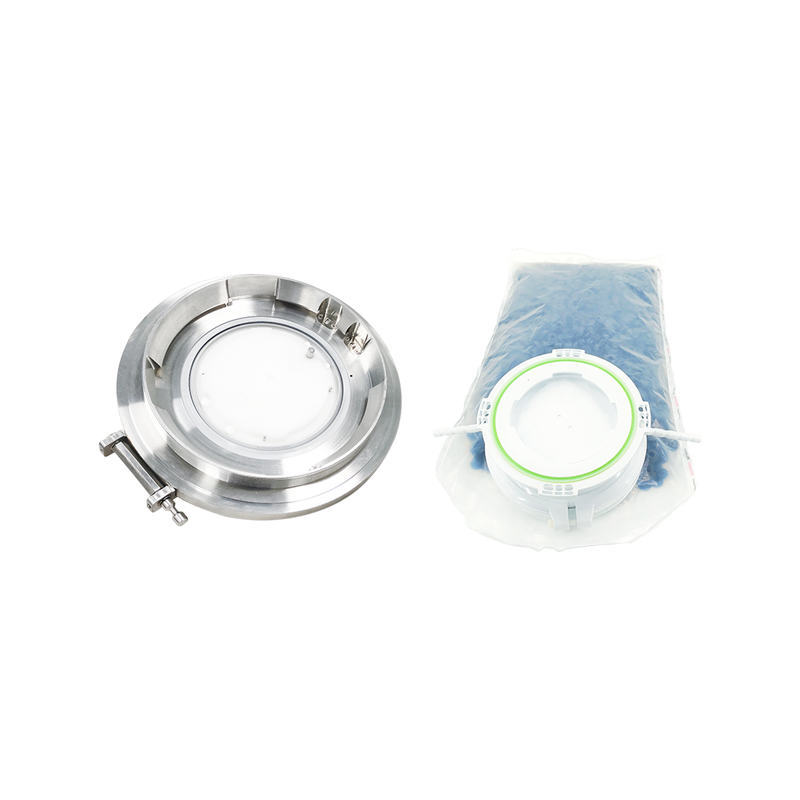
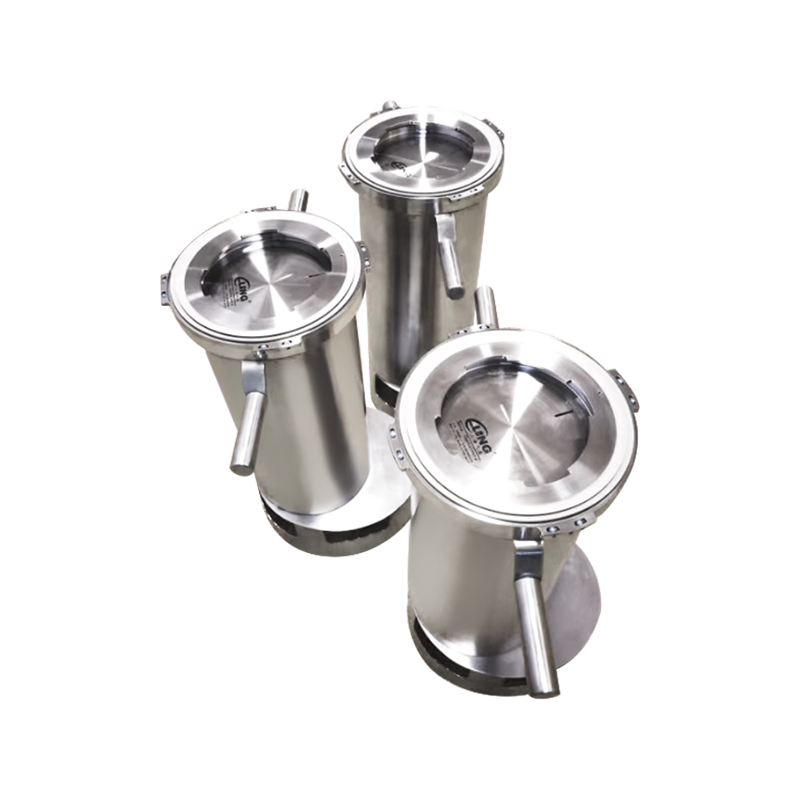
An RTP system typically consists of an alpha port mounted on the containment barrier (isolator, RABS, or cleanroom wall) and a beta container that docks to it. Once connected, the system allows materials to pass through without exposing either environment. Pressure management within this closed interface is essential, which is where the RTP pressure valve becomes indispensable.
What Is an RTP Pressure Valve?
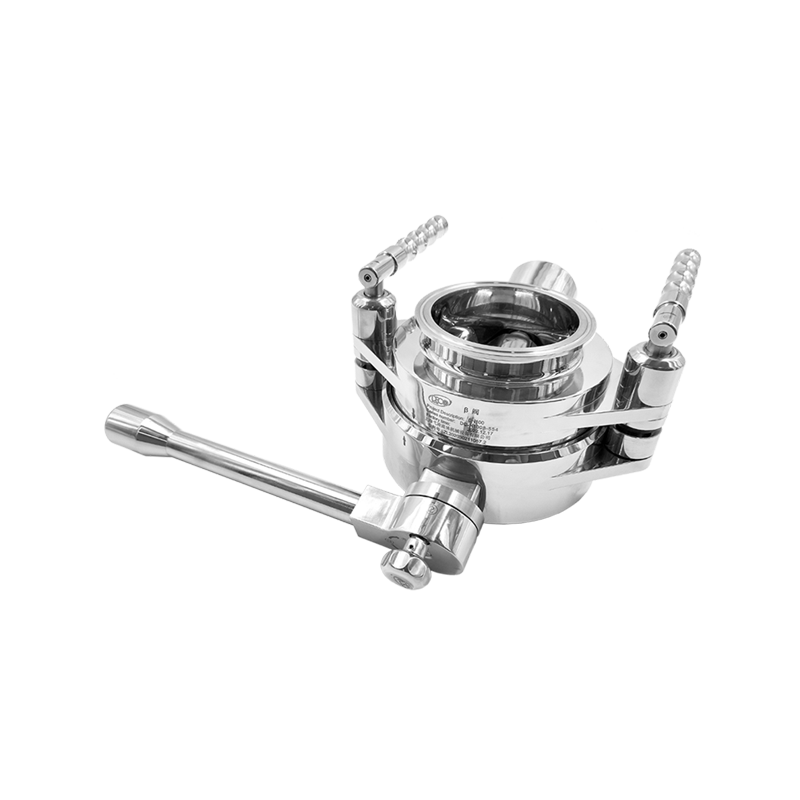
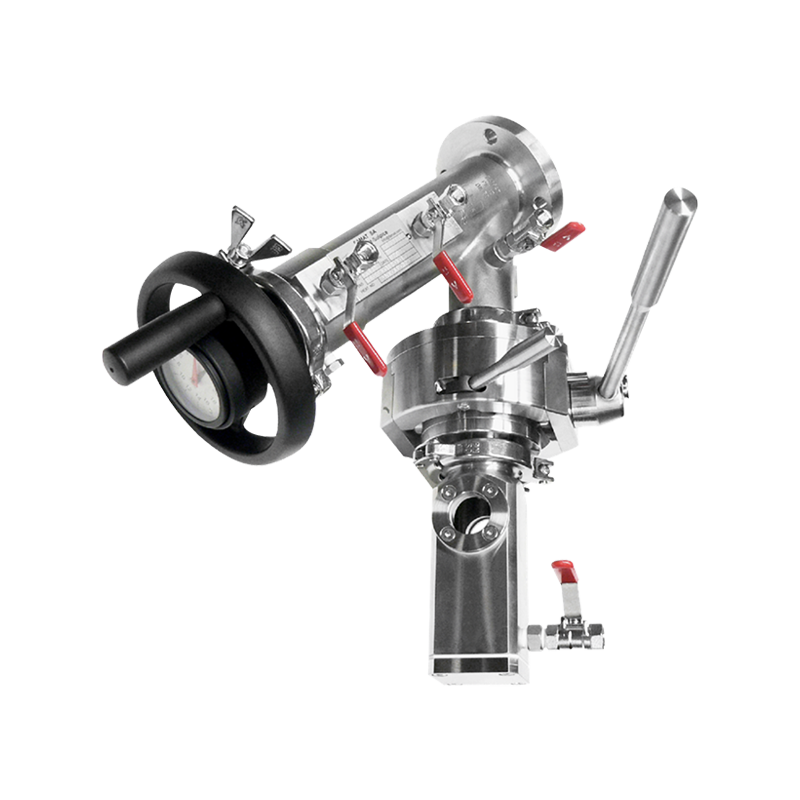
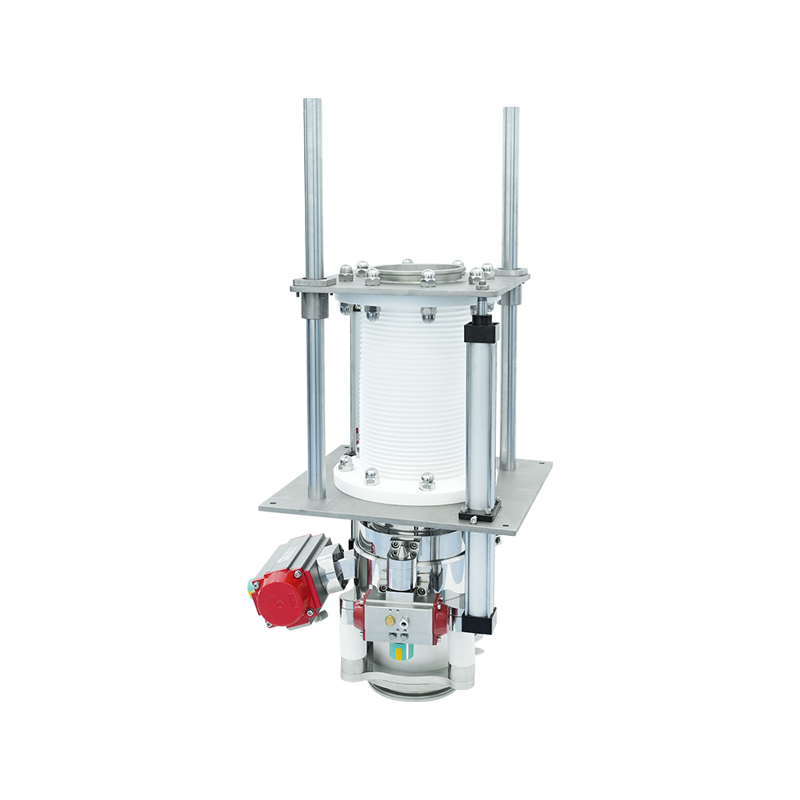
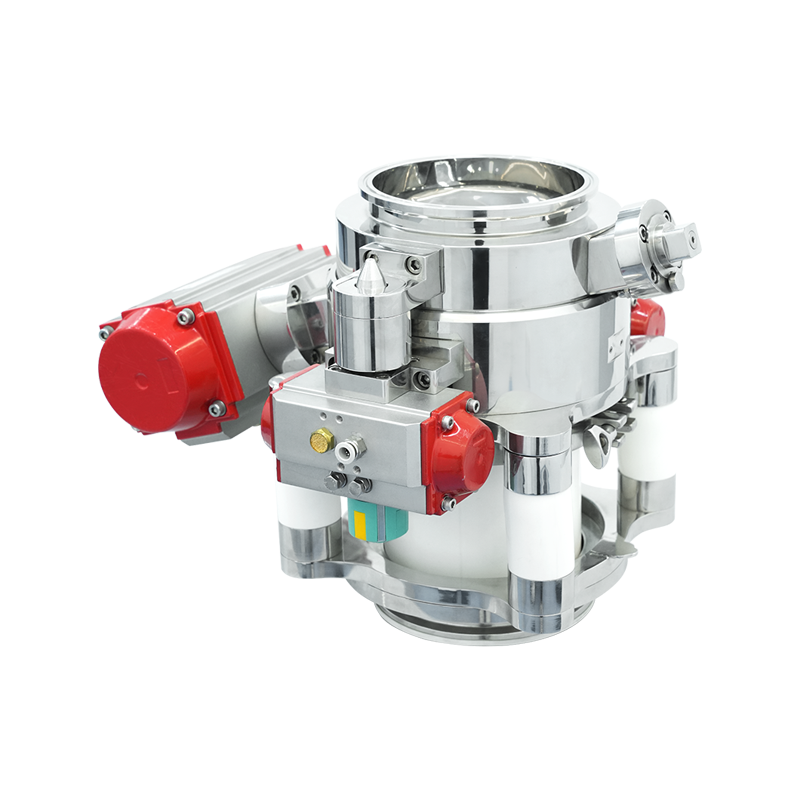
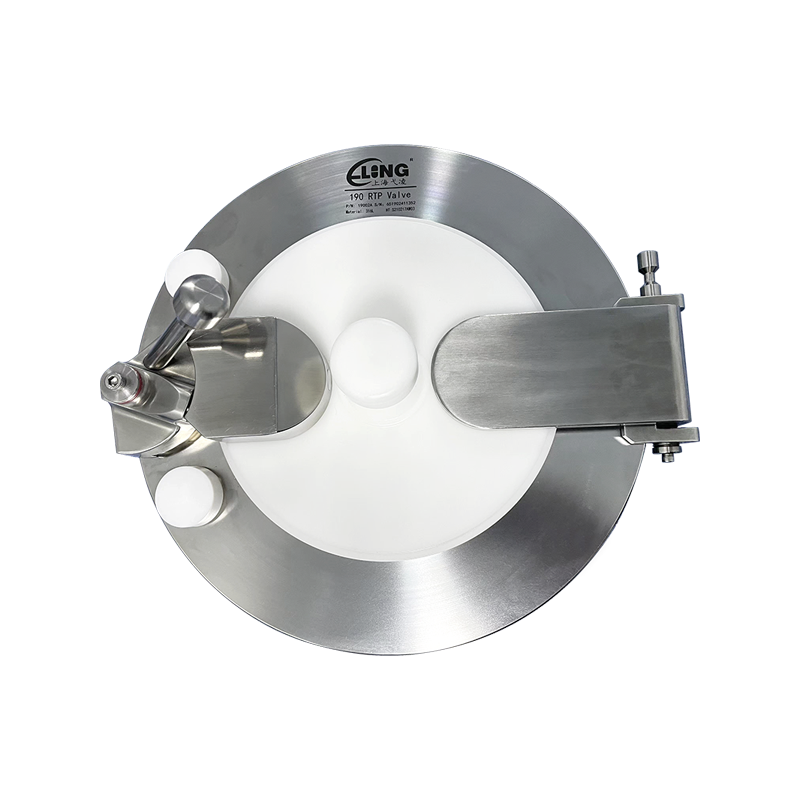
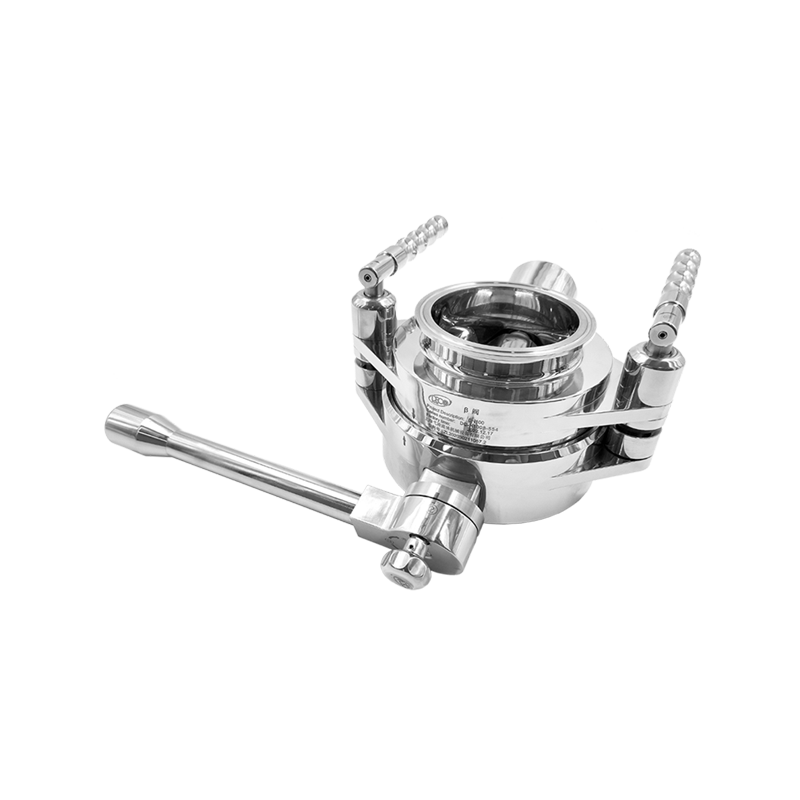
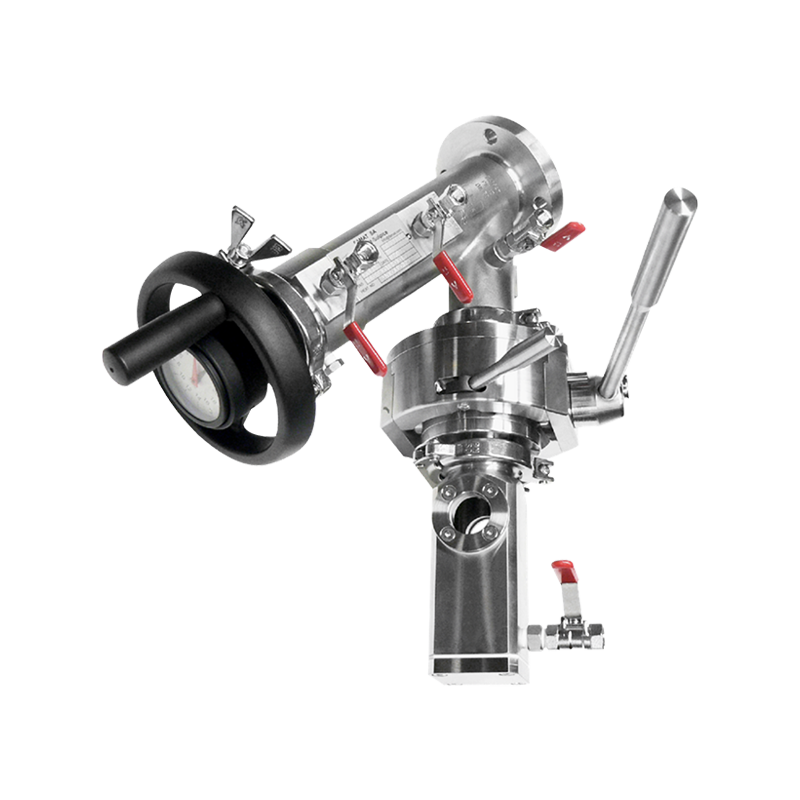
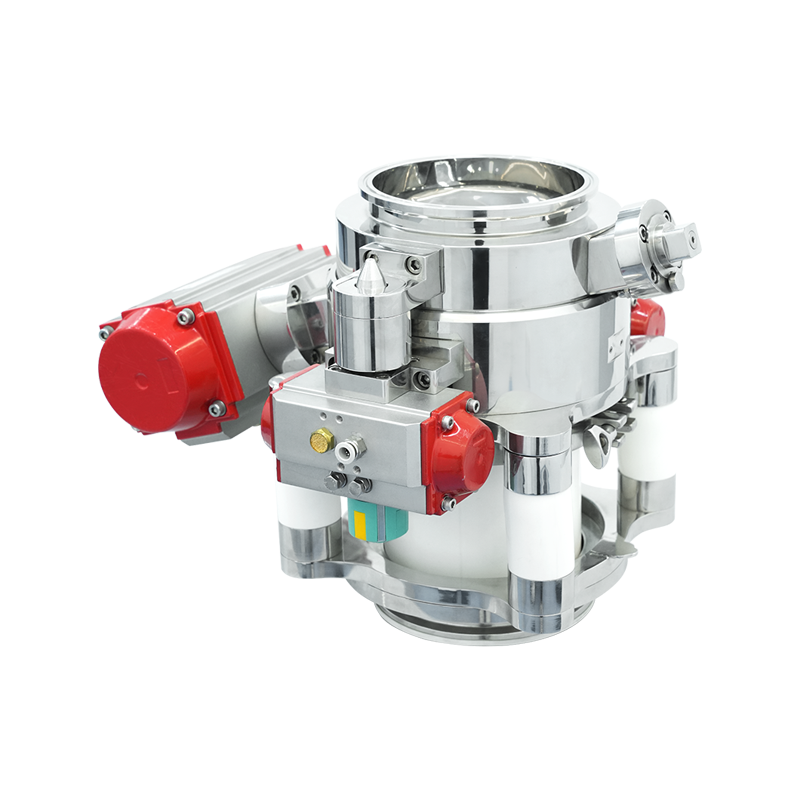
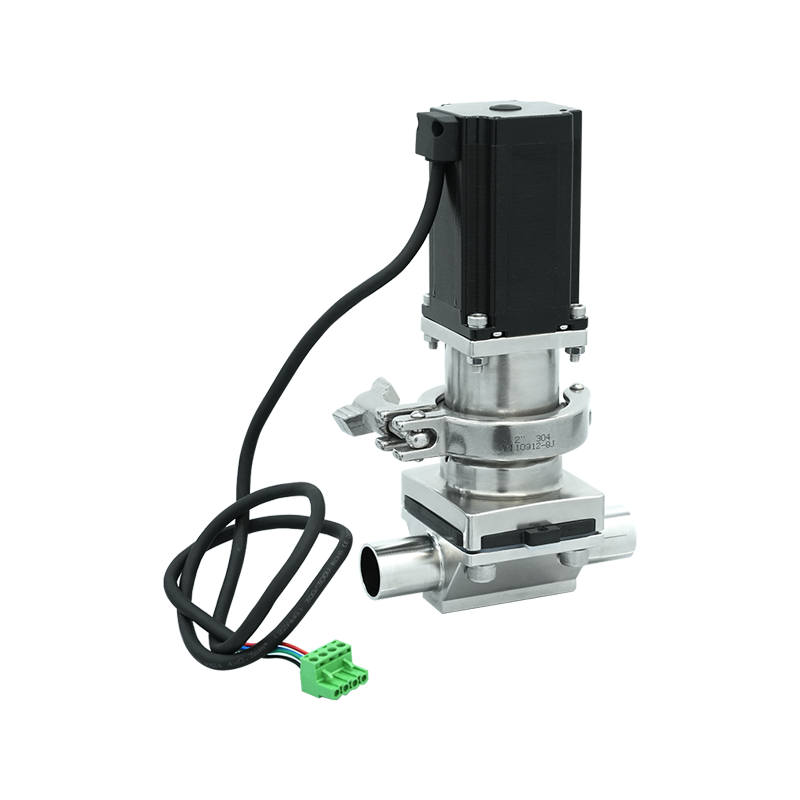
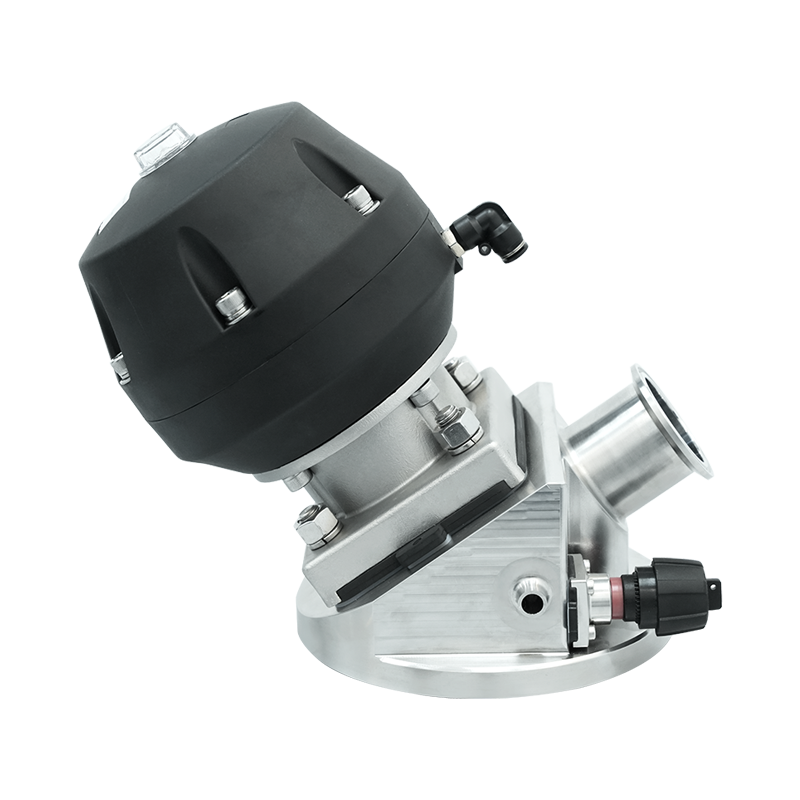
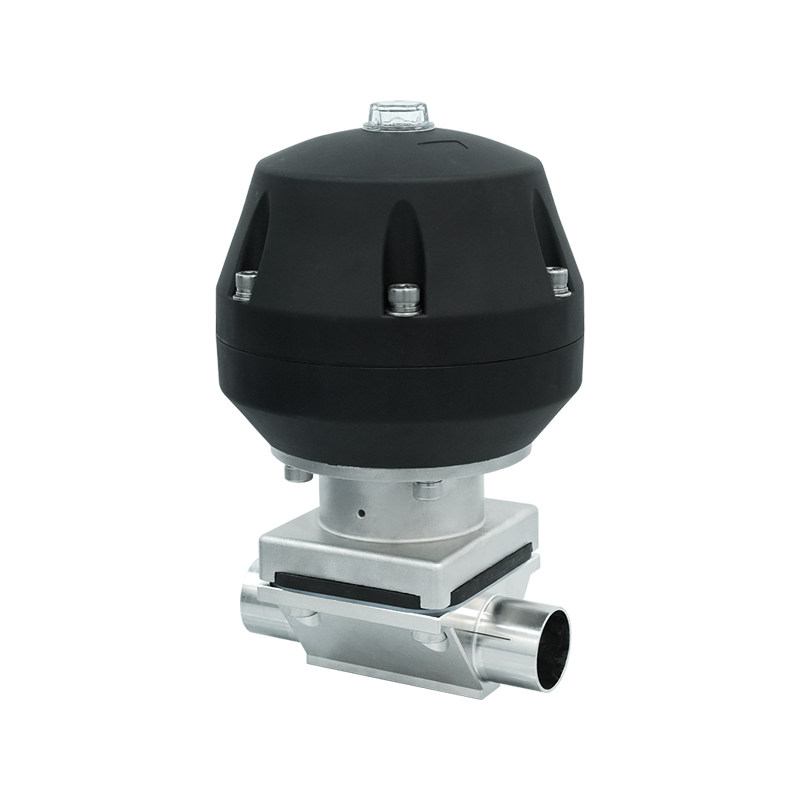
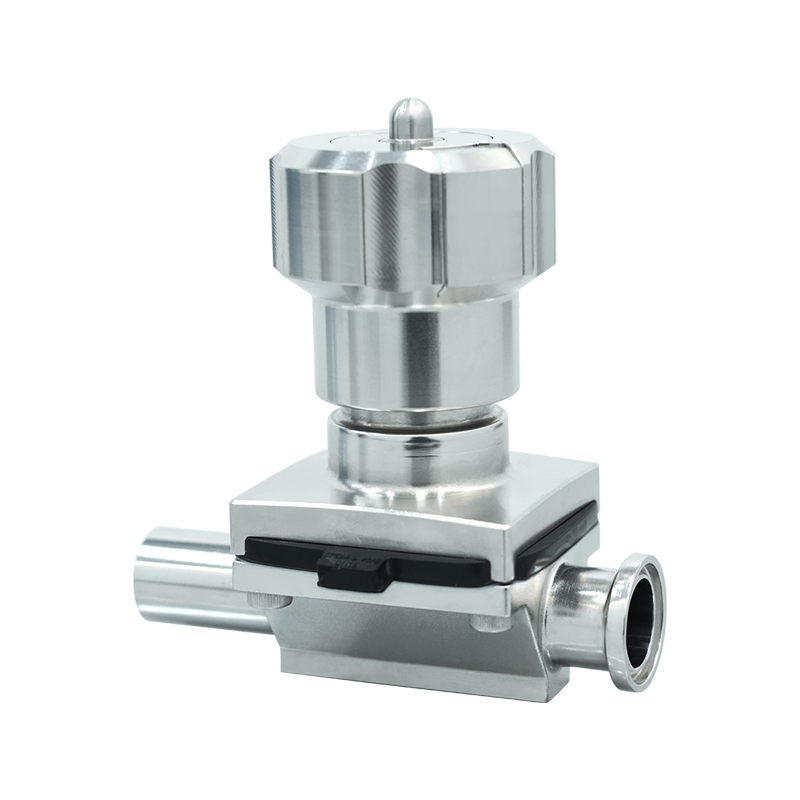
An RTP pressure valve is a specialized valve integrated into an aseptic transfer system to regulate internal pressure during docking, undocking, and material transfer. Its primary function is to balance pressure differentials between the RTP system and the surrounding environment, preventing uncontrolled air movement that could carry contaminants.
Unlike standard industrial valves, RTP pressure valves are designed with hygienic construction, smooth internal surfaces, and materials compatible with cleanroom and pharmaceutical standards. They are often engineered to work seamlessly with isolators and containment enclosures operating under positive or negative pressure.
Why Pressure Control Is Critical in Aseptic Transfer
Pressure differentials are a fundamental aspect of contamination control. Cleanrooms and isolators rely on controlled pressure cascades to ensure airflow moves from cleaner areas to less clean areas, or vice versa in containment scenarios. During RTP operations, sudden pressure changes can disrupt this balance.
Without a pressure valve, docking or opening an RTP system could lead to rapid air exchange. This can introduce viable or non-viable particles into sterile zones or allow hazardous materials to escape into the operator environment. The RTP pressure valve mitigates these risks by enabling controlled pressure equalization.
Key Functions of an Aseptic Transfer RTP Pressure Valve
The RTP pressure valve performs several essential functions that directly support aseptic integrity and operational safety. These functions are not optional enhancements but core requirements in modern containment design.
- Pressure equalization between the RTP system and the isolator or cleanroom to prevent sudden airflow disturbances.
- Protection against contamination ingress by controlling the direction and rate of air movement.
- Operator safety by limiting the release of potent or hazardous materials during transfer.
- Support for validated aseptic processes by maintaining repeatable and measurable pressure conditions.
How an RTP Pressure Valve Works in Practice
In a typical aseptic transfer operation, the pressure valve remains closed while the RTP alpha and beta components are docked. Once a secure mechanical connection is confirmed, the valve allows gradual pressure equalization. This controlled release or intake of air ensures that pressure levels align before any physical opening occurs.
During material transfer, the valve continues to regulate pressure fluctuations caused by movement, volume changes, or operator interaction. When undocking, the valve again manages pressure stabilization, reducing the risk of air turbulence or contamination release.
Design Features That Define a High-Quality RTP Pressure Valve
Not all RTP pressure valves offer the same level of performance. High-quality designs share specific features that align with aseptic and regulatory requirements. These features directly impact cleanability, reliability, and long-term system integrity.
| Feature | Practical Benefit |
| Smooth internal surfaces | Minimizes particle retention and supports effective cleaning |
| Pharma-grade materials | Ensures chemical compatibility and regulatory compliance |
| Reliable sealing mechanism | Prevents leaks during pressure changes |
| Cleanroom-compatible design | Supports aseptic environments without added contamination risk |
Applications of RTP Pressure Valves in Regulated Industries
Aseptic transfer RTP pressure valves are widely used across industries where sterility and containment are critical. Their application extends beyond simple material transfer and into complex manufacturing and research processes.
In pharmaceutical manufacturing, these valves are essential for transferring active pharmaceutical ingredients (APIs), excipients, and finished dosage components. In biotechnology, they support cell culture operations and the movement of sensitive biological materials. They are also increasingly common in vaccine production and high-potency drug manufacturing environments.
Regulatory and Validation Considerations
From a regulatory perspective, RTP pressure valves must support compliance with GMP, FDA, and EU guidelines. Their design and performance are often reviewed during facility qualification and process validation. Consistent pressure control contributes to documented contamination control strategies.
Validation protocols typically include leak testing, pressure decay testing, and cleaning validation. Selecting a valve that integrates smoothly into existing validation frameworks can reduce qualification time and long-term compliance risk.
Why the RTP Pressure Valve Is Crucial for Aseptic Integrity
The importance of the RTP pressure valve lies in its ability to manage one of the most challenging aspects of aseptic transfer: airflow control. Even the most robust mechanical sealing system can fail to protect sterility if pressure differentials are not properly managed.
By ensuring controlled, predictable pressure behavior, the valve safeguards product quality, protects operators, and supports regulatory compliance. In high-value or high-risk manufacturing environments, this function directly translates into reduced batch losses and improved operational confidence.
Conclusion: A Small Component with a Major Impact
Although often overlooked, the Aseptic Transfer RTP Pressure Valve is a cornerstone of effective containment and sterile transfer. Its role extends beyond simple pressure relief, influencing contamination control, safety, and regulatory success. For facilities relying on RTP technology, investing in a well-designed pressure valve is not merely a technical choice but a strategic decision that supports long-term operational excellence.