

Content
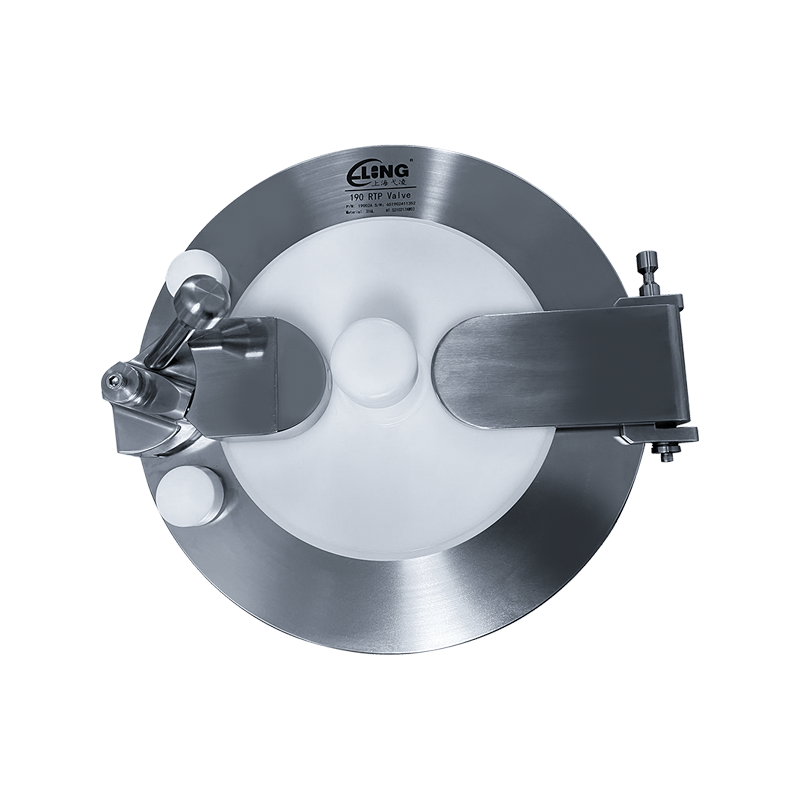
What Is an RTP Valve
An RTP valve refers to a valve specifically designed for use with reinforced thermoplastic pipe systems, commonly abbreviated as RTP, which are widely used in oil and gas gathering lines, water injection systems, and other fluid transport applications where corrosion resistance and lightweight installation are priorities. These valves are engineered with connection interfaces and material compatibility that align with the unique construction of RTP piping, which consists of an inner thermoplastic liner reinforced with high-strength fiber layers and covered by an outer protective jacket.
Because RTP systems differ significantly from traditional steel piping in both material composition and connection methods, valves used within these systems must be specifically rated and configured to maintain a secure, leak-free connection while accommodating the flexibility and thermal expansion characteristics of thermoplastic pipe. This makes RTP valves a specialized category within the broader valve industry, requiring careful attention to compatibility during system design and procurement.
How RTP Valves Fit Into Reinforced Thermoplastic Pipe Systems
Reinforced thermoplastic pipe systems are typically used to transport water, crude oil, and produced fluids in oilfield gathering networks, offering significant weight and corrosion advantages over traditional carbon steel pipelines. RTP valves are installed at connection points, branch lines, and control stations throughout these systems, serving functions such as isolation, flow direction control, and pressure regulation.
Key Functions of RTP Valves in Piping Networks
- Isolation: Allowing sections of the pipeline to be shut off for maintenance or emergency response without disrupting the entire system.
- Flow control: Regulating the rate of fluid movement through branch lines or distribution points.
- Pressure relief: Protecting the pipeline and connected equipment from overpressure conditions that could damage the thermoplastic structure.
- Directional control: Managing fluid flow between multiple gathering lines or storage points within a larger network.
Common Types of RTP Valves
Several valve types are commonly adapted for use with RTP piping systems, each suited to different functional requirements within the network. Selecting the right type depends on the specific operational demands of the pipeline section where the valve will be installed.
| Valve Type | Primary Function | Typical Location |
| Ball Valve | On/off isolation | Mainline shutoff points |
| Check Valve | Prevents backflow | Pump discharge lines |
| Gate Valve | Flow isolation | Distribution manifolds |
| Pressure Relief Valve | Overpressure protection | Near pumps and pressure vessels |
Connection Methods for RTP Valves
Because RTP pipe cannot be welded like traditional steel pipe, RTP valves rely on specialized connection methods designed to create a secure, pressure-tight seal without compromising the integrity of the pipe's thermoplastic liner and reinforcement layers. Flanged connections are among the most common methods, using a metal flange bonded or crimped onto the end of the RTP pipe, which then bolts directly to a matching flange on the valve body.
Common Connection Types
- Flanged connections: Bolted metal flanges provide a strong, reliable seal suited to higher-pressure applications.
- Crimped fittings: Metal sleeves compressed onto the pipe end to create a mechanically secure attachment point.
- Threaded adapters: Used primarily in lower-pressure branch connections where quick assembly is beneficial.
Proper installation of these connection methods is critical, as improperly crimped or torqued fittings are a common source of leaks in RTP systems, making adherence to manufacturer installation guidelines essential during construction.
Material Considerations for RTP Valve Selection
Selecting the appropriate valve body and seat materials is essential for ensuring compatibility with the fluids being transported through the RTP system. Produced water and crude oil gathering lines often contain corrosive compounds, including hydrogen sulfide and dissolved salts, which can degrade improperly selected valve materials over time.
- Carbon steel: Common for standard applications where fluid corrosivity is moderate and cost efficiency is a priority.
- Stainless steel: Preferred for higher corrosion resistance in more aggressive fluid environments.
- Elastomer seals: Must be chemically compatible with the transported fluid to prevent premature seal degradation.
Consulting fluid compatibility charts and working with valve manufacturers familiar with RTP system requirements helps ensure the selected materials will withstand the specific chemical conditions present in the pipeline over its expected service life.
Maintenance and Inspection Best Practices
Routine maintenance of RTP valves helps prevent unexpected failures and extends the operational life of the broader piping system. Regular visual inspections should check for signs of leakage at connection points, corrosion on exposed metal components, and any physical damage to the valve body or actuator mechanism.
Periodic functional testing, particularly for isolation and check valves, ensures that internal components such as seats and seals continue to operate correctly under normal operating pressures. For pressure relief valves, scheduled testing against a certified set point is especially important, since a malfunctioning relief valve could allow pressures to exceed the safe operating limits of the RTP pipe, potentially leading to pipe failure or system downtime.