

Content
- 1 What Is an Aseptic Transfer RTP Pressure Valve?
- 2 How the RTP Connection Mechanism Works
- 3 Key Components of the Valve Assembly
- 4 Comparing Aseptic Connection Technologies
- 5 Applications Across Bioprocessing Workflows
- 6 Key Considerations When Selecting an RTP Pressure Valve
- 7 Best Practices for Handling and Use
- 8 Final Thoughts on Aseptic Transfer RTP Pressure Valves
What Is an Aseptic Transfer RTP Pressure Valve?
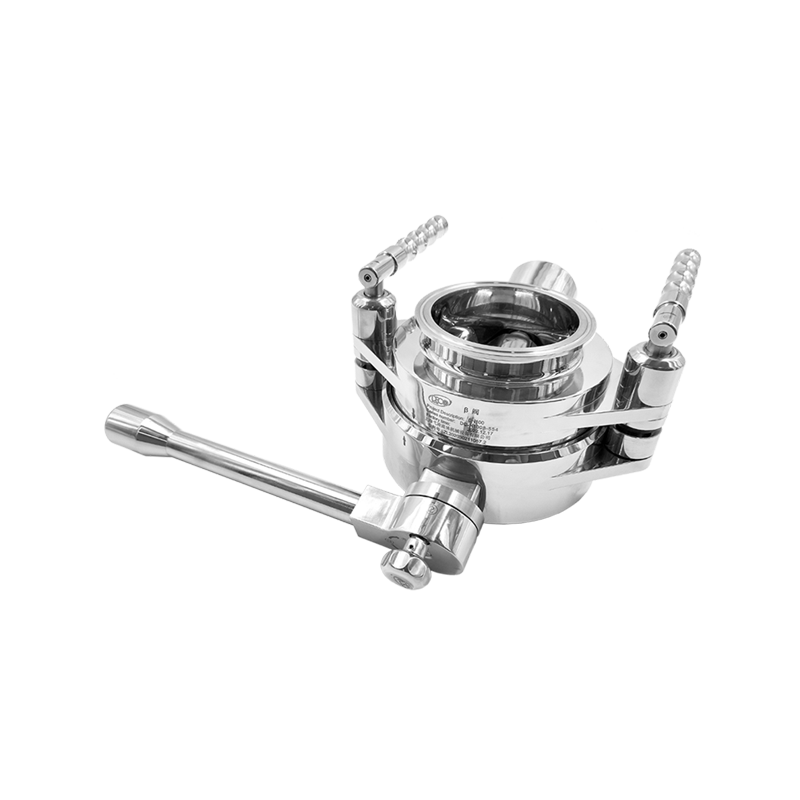
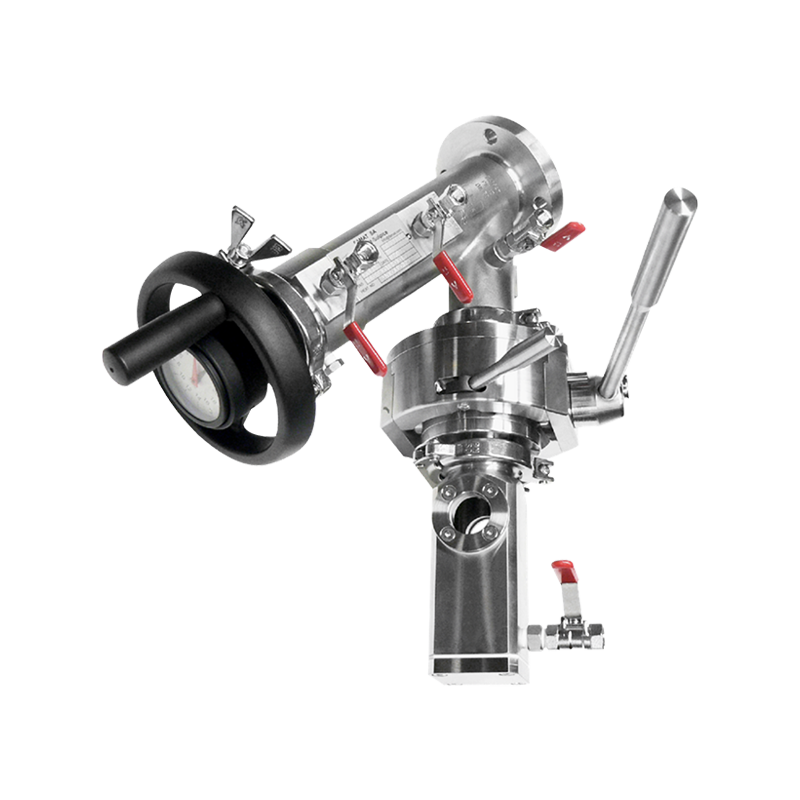
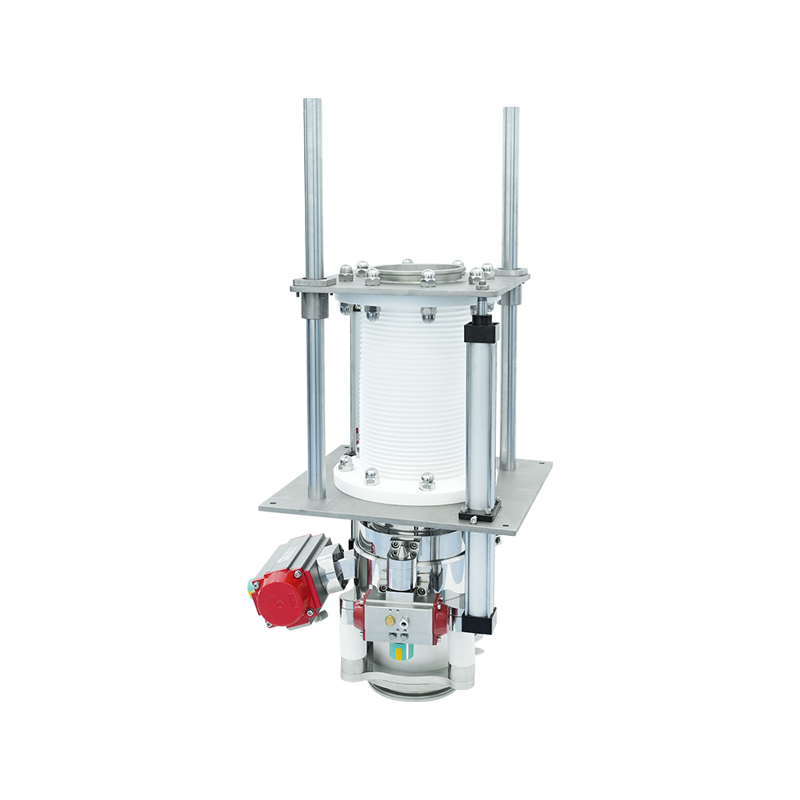
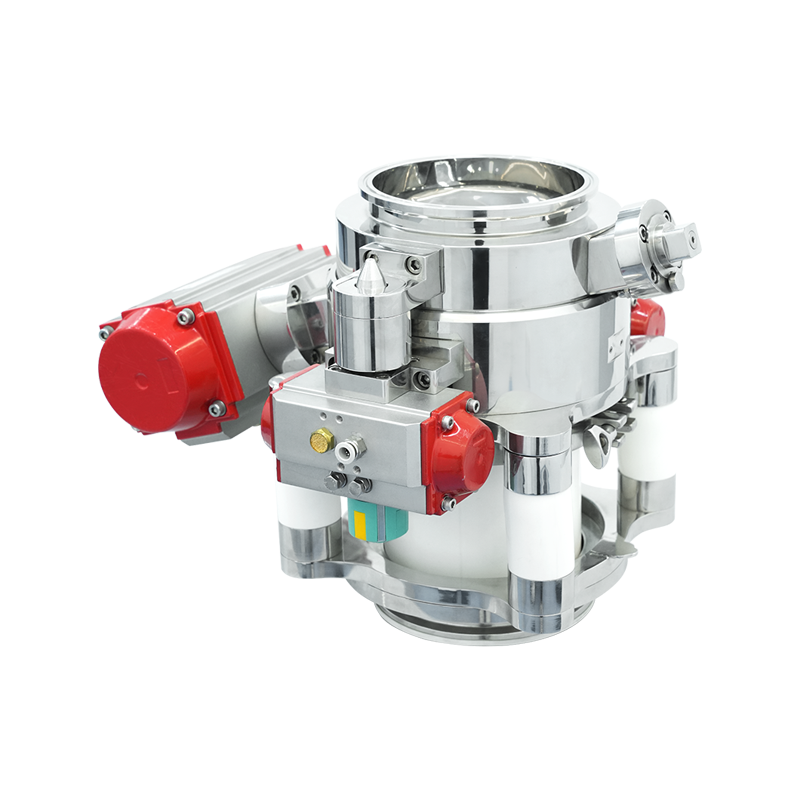
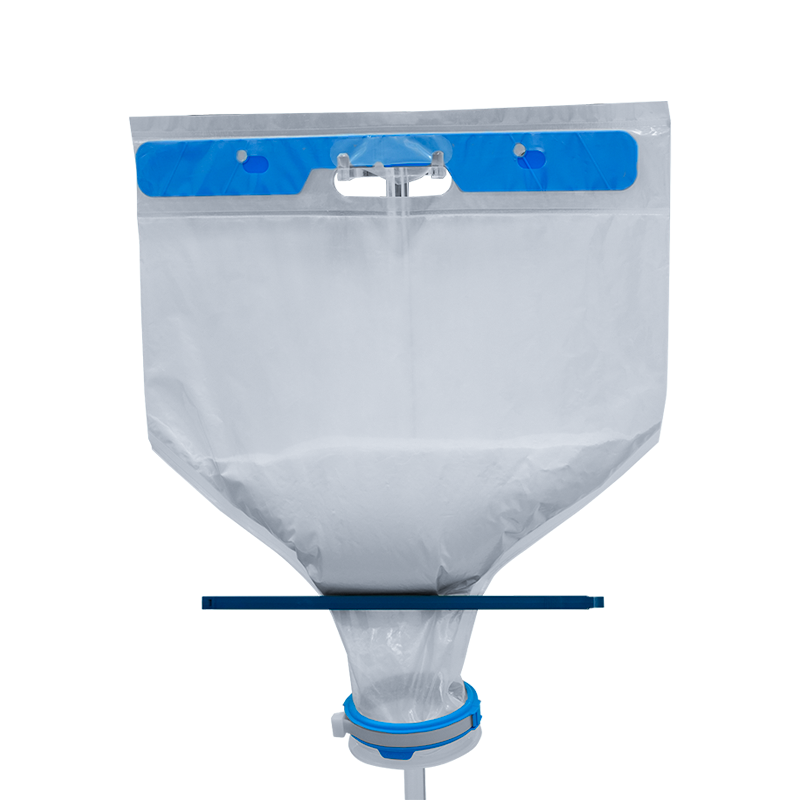
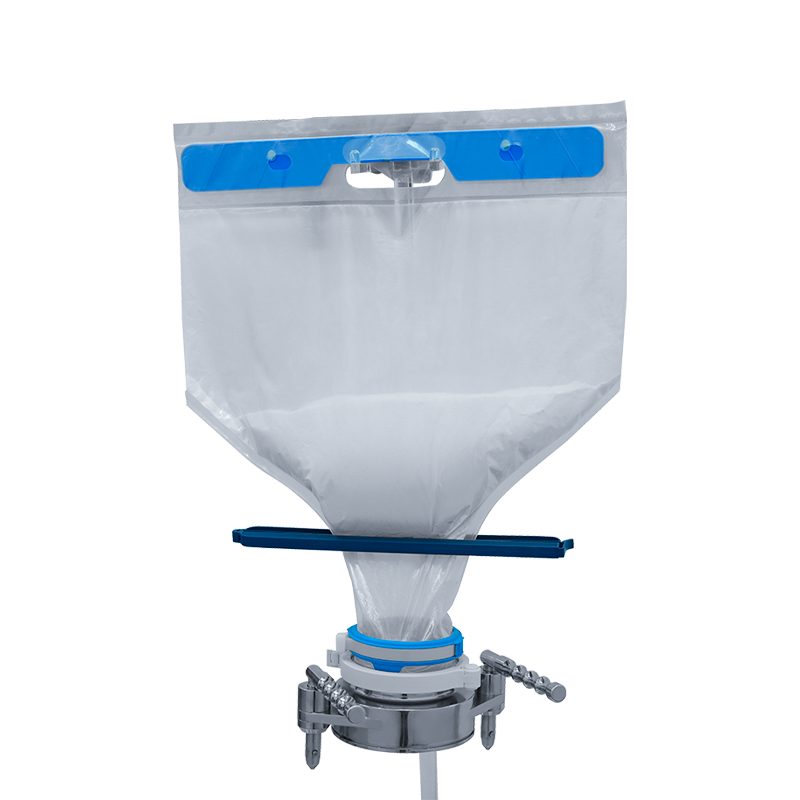
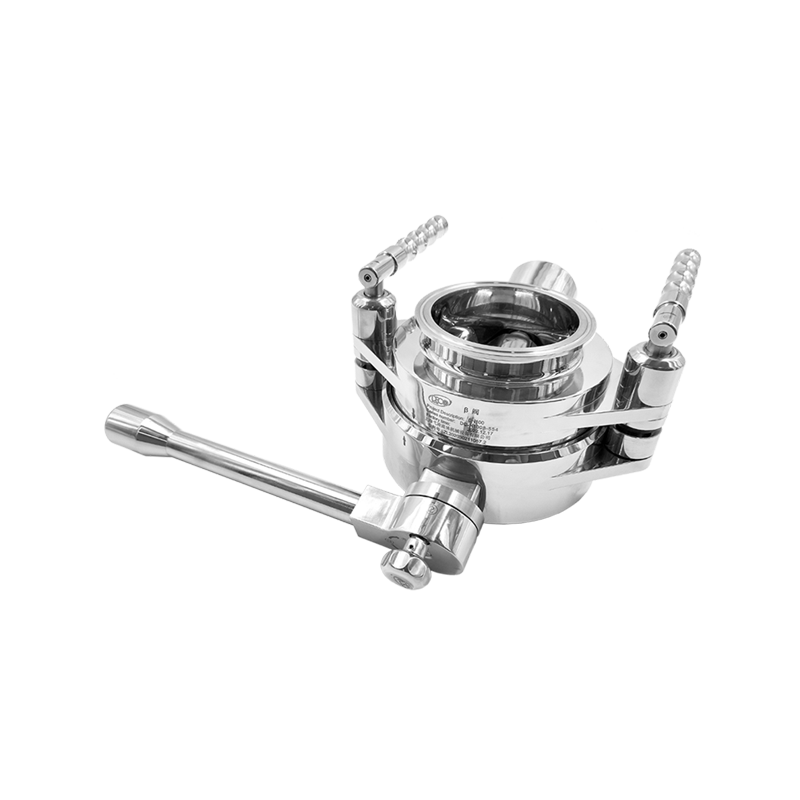
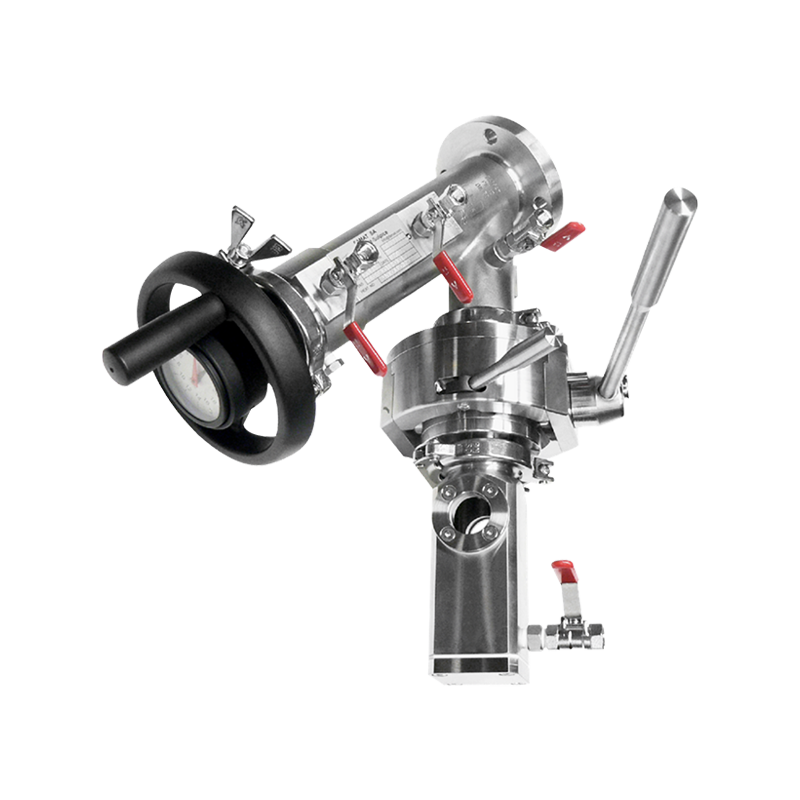
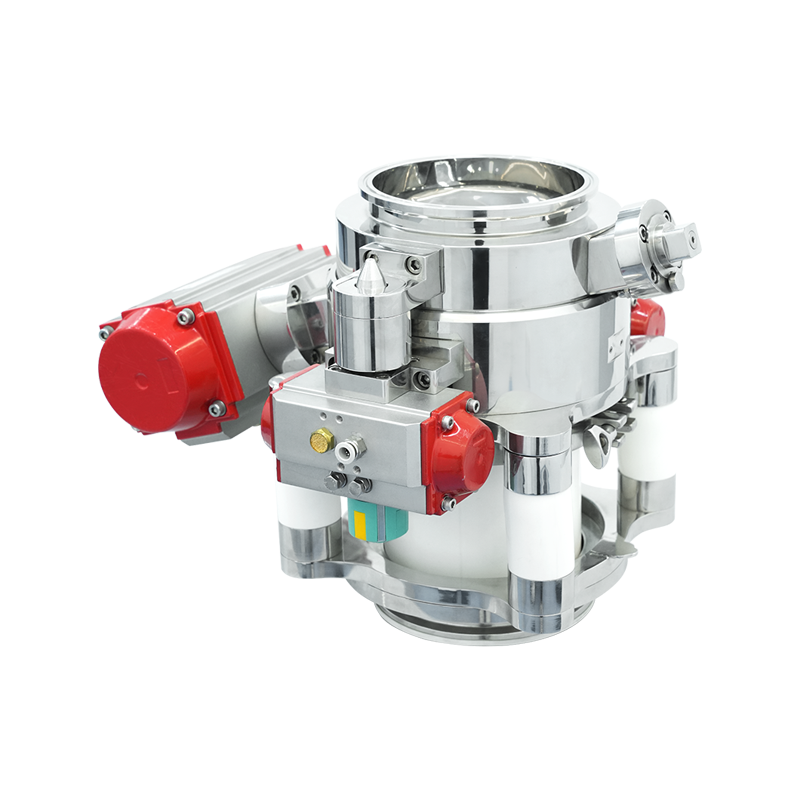
An aseptic transfer RTP pressure valve, where RTP stands for Ready-to-Process or Rapid Transfer Port depending on the manufacturer's terminology, is a specialized connection device used to transfer fluids between two closed systems without exposing the internal contents to the surrounding environment. This technology is central to modern single-use bioprocessing systems, where maintaining sterility during fluid transfer is essential for producing biologics, vaccines, and other sensitive pharmaceutical products.
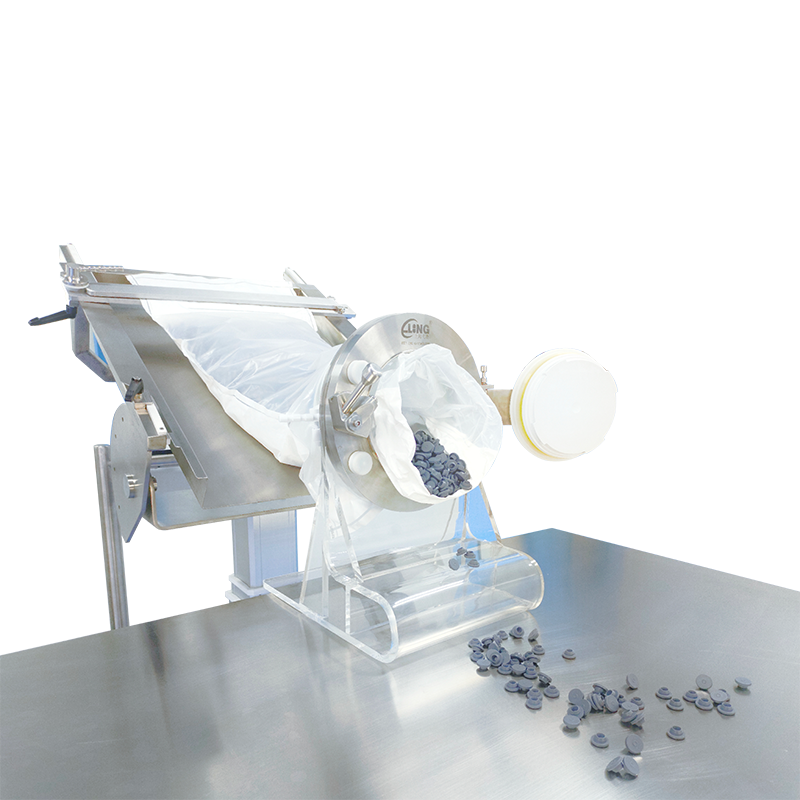
Unlike traditional manual connections that require exposing tubing ends to open air, even briefly, an aseptic RTP valve system allows two containers or process lines to be joined and separated while keeping both internal surfaces continuously isolated from external contamination. This capability has become increasingly important as the biopharmaceutical industry shifts toward single-use, disposable process components that reduce cross-contamination risk between production batches.
How the RTP Connection Mechanism Works
Understanding the mechanical sequence of an aseptic RTP connection clarifies why this technology provides such a high level of contamination control compared to conventional connection methods.
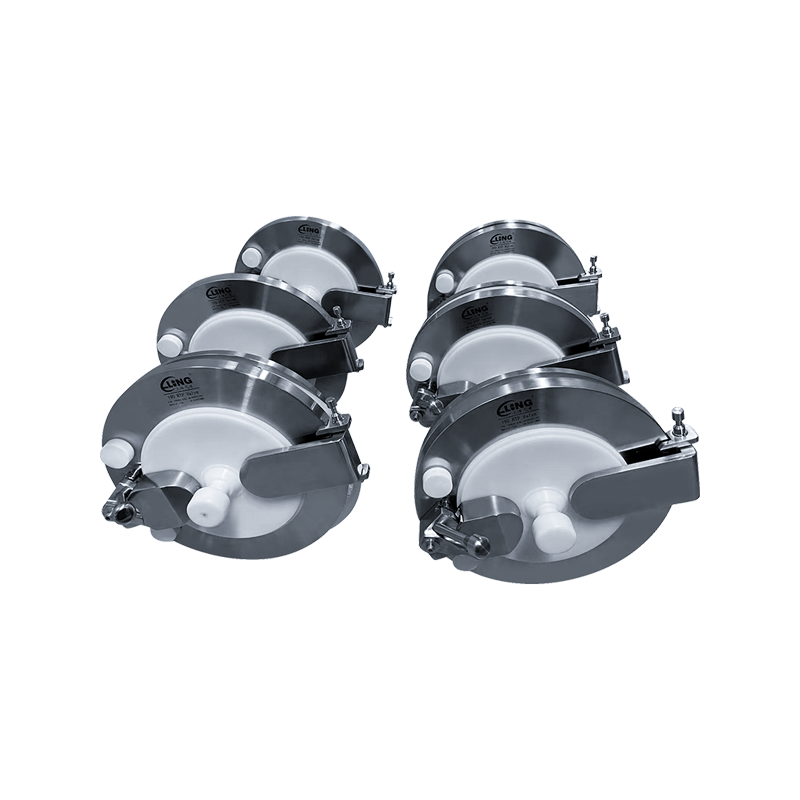
The Alpha and Beta Component System
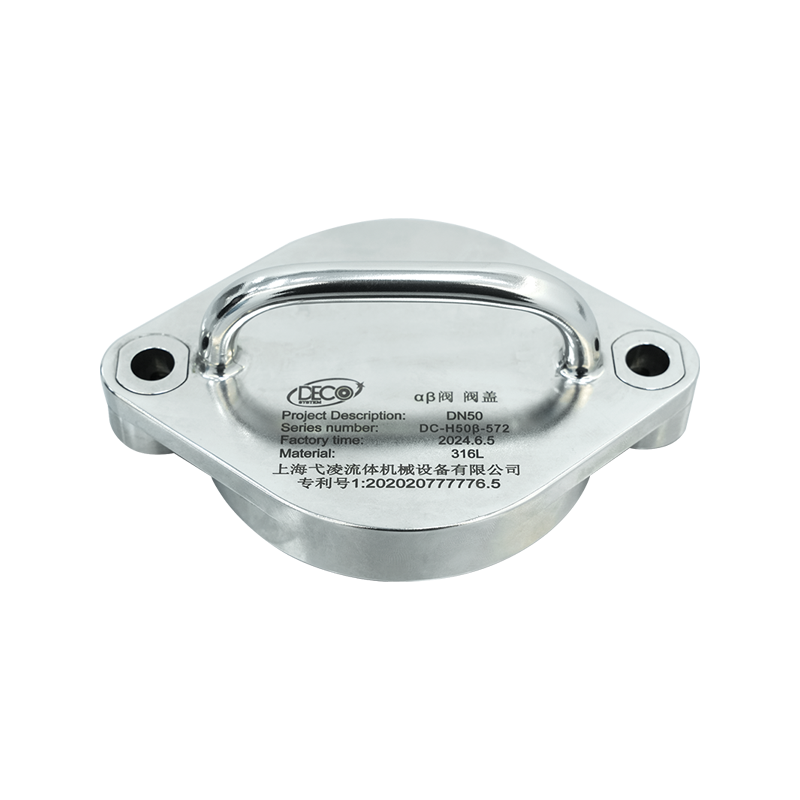
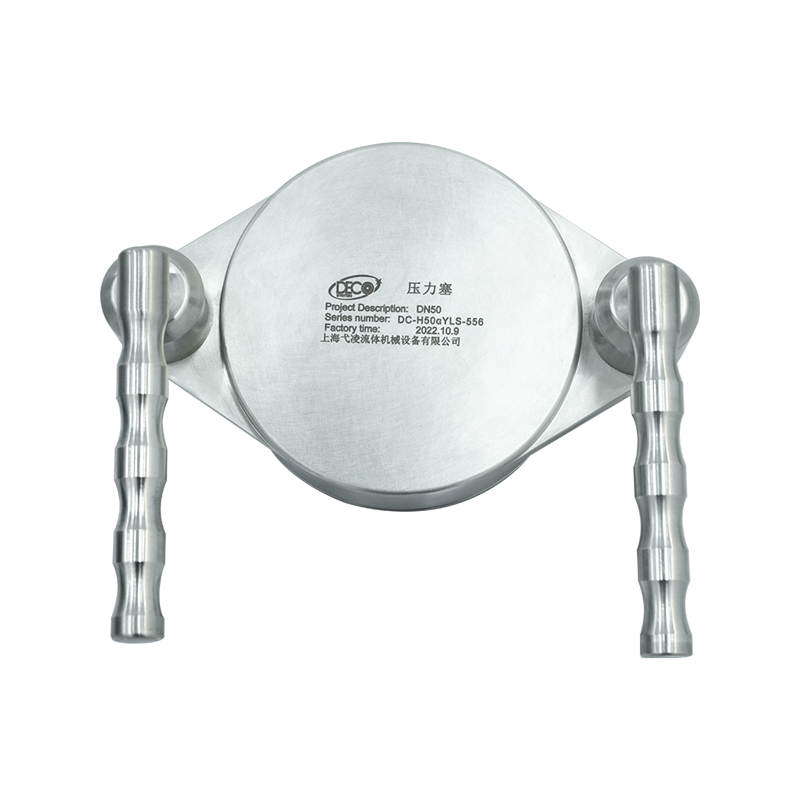
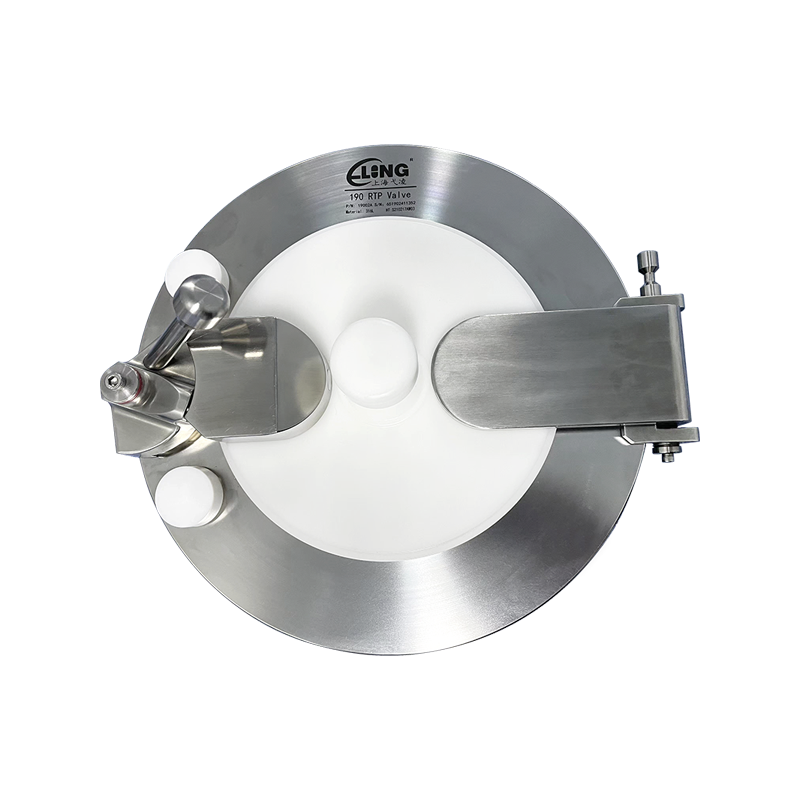
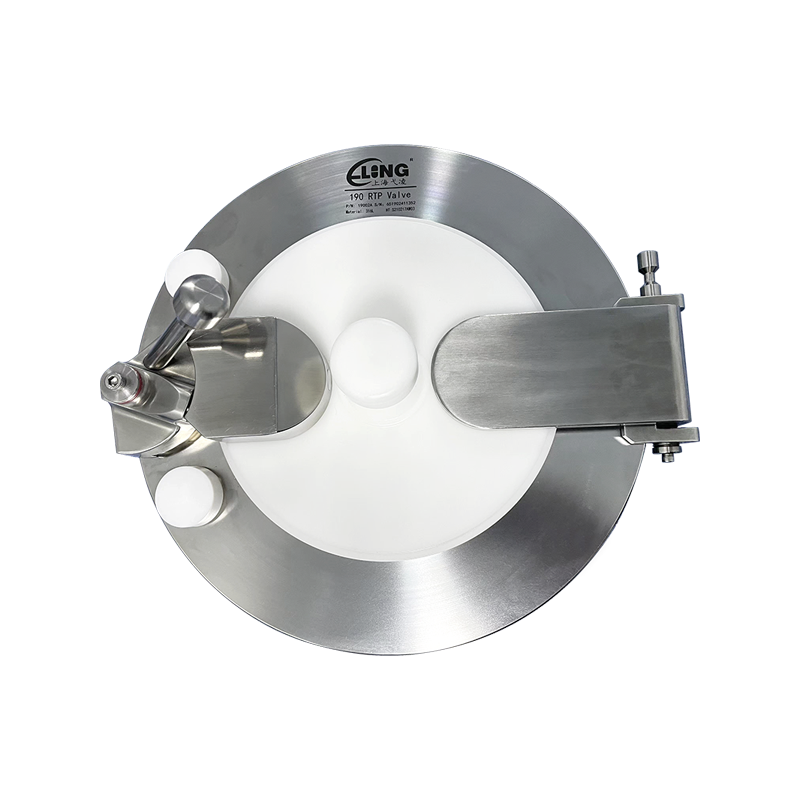
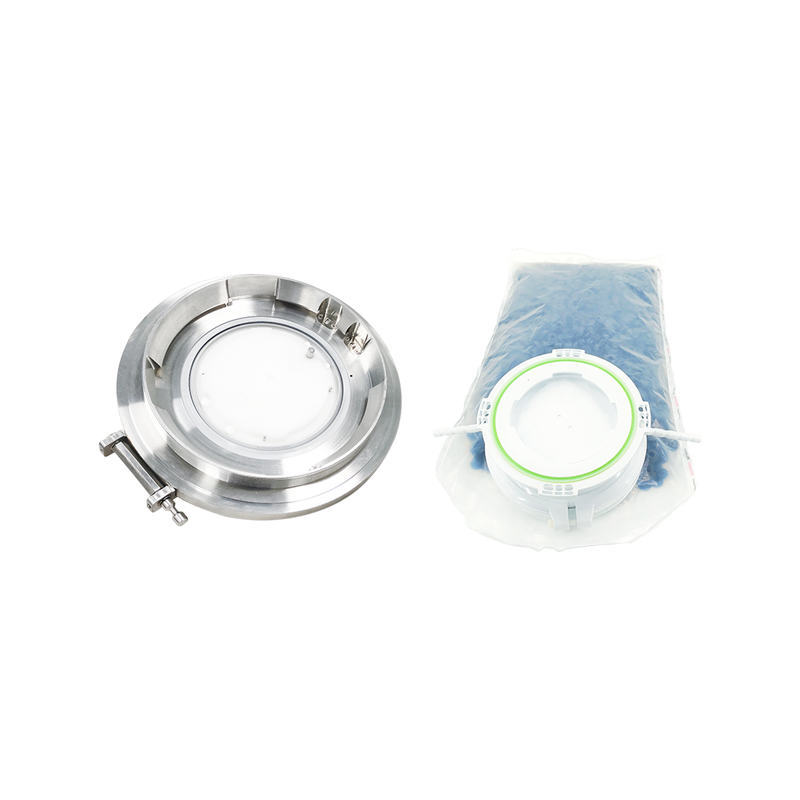
Most RTP systems operate using two mating components, commonly referred to as the alpha and beta halves. Each half is pre-installed on a separate fluid line or container, with a removable protective membrane or door covering the internal opening. When the two halves are brought together and locked, an internal mechanism opens both protective barriers simultaneously within a sealed junction, allowing fluid to pass through without either internal surface ever being exposed to the external environment.
Pressure-Rated Sealing Design
The pressure valve component of this system incorporates reinforced seals and locking mechanisms specifically engineered to maintain integrity under the elevated pressures often present in bioprocessing operations, such as during filtration, chromatography, or bulk fluid transfer steps. This pressure rating distinguishes true pressure-capable RTP valves from simpler gravity-fed aseptic connectors that are only suited to low-pressure applications.
Disconnection and Residual Protection
After fluid transfer is complete, separating the alpha and beta halves automatically re-closes the protective barriers on each side before full disconnection occurs. This ensures that even the residual fluid remaining within each half's internal chamber stays protected from contamination, allowing the disconnected components to be safely handled or discarded without compromising the sterility of the connected process line.
Key Components of the Valve Assembly
An aseptic transfer RTP pressure valve consists of several precisely engineered components that work together to maintain both sterility and pressure integrity throughout its operational cycle.
Membrane or Door Barriers
Each half of the connection includes a physical barrier, either a thin removable membrane or a hinged door mechanism, that seals the internal fluid path until the connection is fully engaged. The material used for this barrier must be compatible with sterilization methods such as gamma irradiation or autoclaving, depending on the intended use case.
Locking Ring or Collar
A locking mechanism, often in the form of a rotating collar or ring, secures the alpha and beta halves together and ensures the internal opening sequence occurs correctly. This locking feature also provides a tactile or audible confirmation that the connection has been fully engaged before fluid transfer begins.
Seal Materials and Gaskets
O-rings and gaskets within the valve assembly, typically constructed from materials such as silicone or EPDM, maintain the pressure-tight seal necessary to prevent leakage during fluid transfer under elevated process pressures. These materials must also meet biocompatibility standards relevant to pharmaceutical and biologic manufacturing applications.
Comparing Aseptic Connection Technologies
Several aseptic connection technologies exist within bioprocessing, each suited to different pressure requirements and operational contexts. The table below compares common approaches to help clarify where RTP pressure valves fit within this broader category.
| Connection Type | Pressure Capability | Typical Use Case |
| RTP Pressure Valve | High | Filtration, chromatography, bulk transfer |
| Standard Aseptic Connector | Low to Moderate | Gravity-fed transfer, sampling |
| Thermal Tube Welding | Not Applicable (permanent seal) | Permanent tubing connections |
Choosing between these technologies depends heavily on whether the process step involves elevated pressure, whether repeated connect-disconnect cycles are needed, and whether a permanent or temporary connection best suits the specific workflow step.
Applications Across Bioprocessing Workflows
Aseptic transfer RTP pressure valves are used throughout numerous stages of biopharmaceutical production, wherever maintaining sterility during fluid movement between closed systems is required.
- Transferring cell culture media into single-use bioreactor bags
- Connecting filtration assemblies during downstream purification steps
- Transferring bulk drug substance between storage containers
- Sampling processes requiring sterile access without full system disconnection
- Connecting chromatography columns within closed processing trains
Each of these applications benefits from the RTP valve's ability to maintain a closed, contamination-free fluid path even as components are connected and disconnected multiple times throughout a production campaign.
Key Considerations When Selecting an RTP Pressure Valve
Choosing the appropriate aseptic transfer RTP pressure valve for a specific bioprocessing application requires evaluating several technical and operational factors beyond basic sterility requirements.
Pressure and Temperature Ratings
Confirming that the valve's rated working pressure exceeds the maximum pressure expected during the specific process step, including any transient pressure spikes, helps prevent seal failure during operation. Temperature compatibility should also be confirmed, particularly for processes involving elevated temperatures during certain purification or formulation steps.
Material Compatibility and Extractables
All wetted materials within the valve assembly should be evaluated for compatibility with the specific process fluid, along with confirmation of low extractables and leachables profiles, since these factors can affect both product quality and regulatory compliance for biopharmaceutical applications.
Sterilization Method Compatibility
Depending on whether the valve components will be sterilized via gamma irradiation prior to use or through other methods, materials must be selected to withstand the intended sterilization process without degradation that could compromise the barrier's integrity.
Ease of Integration with Existing Systems
Compatibility with existing single-use assemblies, tubing sizes, and connector standards already in use within a facility helps streamline procurement and reduces the need for custom adapter components during system integration.
Best Practices for Handling and Use
Proper handling procedures help ensure that aseptic RTP pressure valves perform as intended throughout their operational use. Operators should visually inspect both halves of the connection for any signs of membrane damage or contamination prior to engagement, since a compromised barrier can undermine the sterility guarantee the system is designed to provide.
Following the manufacturer's specified connection and disconnection sequence precisely helps ensure the internal opening and closing mechanisms function correctly, since improper handling can occasionally result in incomplete barrier retraction or premature reseal, both of which could affect fluid transfer or introduce contamination risk. Maintaining detailed records of connection cycles for components rated for a limited number of uses also supports regulatory traceability requirements common in pharmaceutical manufacturing environments.
Final Thoughts on Aseptic Transfer RTP Pressure Valves
Aseptic transfer RTP pressure valves play a critical role in maintaining sterility across modern single-use bioprocessing systems, enabling reliable fluid transfer between closed systems without compromising product safety. By carefully evaluating pressure ratings, material compatibility, and sterilization requirements specific to each application, manufacturers can select the right valve technology to support consistent, contamination-free production throughout their processing workflows.