

Content
- 1 What a Sampling Valve Does and Why It Matters
- 2 Common Types of Sampling Valves
- 3 Comparing Sampling Valve Types by Application
- 4 How Sealed Sampling Valves Protect Operators and Product Integrity
- 5 Materials and Construction Standards for High-Risk Sampling Valves
- 6 Selecting the Right Sampling Valve for Your Process
- 7 Maintenance Practices That Preserve Valve Performance
What a Sampling Valve Does and Why It Matters
A sampling valve is a specialized fitting installed on a process vessel, pipeline, or reactor that allows operators to draw a small quantity of material for testing without shutting down or fully opening the system. In industries like pharmaceuticals, chemical manufacturing, and food processing, sampling valves serve as the bridge between an enclosed production process and the quality control lab. The design of a sampling valve directly affects both the accuracy of the sample and the safety of the person collecting it. A poorly designed valve can allow product contamination, expose workers to hazardous substances, or introduce outside air and moisture into a sensitive process. As regulatory scrutiny around product purity and worker safety has increased, the design of sampling valves has evolved significantly, leading to specialized types built for different risk levels and material properties.
Common Types of Sampling Valves
Sampling valves vary widely depending on the process they serve, the physical state of the material being sampled, and the level of containment required. Understanding the main categories helps engineers and quality teams select equipment that matches their specific operational needs.
Ball Valve Samplers
Ball valve samplers use a rotating ball with a bore to open and close the flow path, offering a straightforward and reliable method for sampling liquids under moderate pressure. These valves are common in general chemical processing where the sampled material poses low to moderate risk, since they are relatively simple to clean and maintain but do not offer the highest level of containment.
Diaphragm Sampling Valves
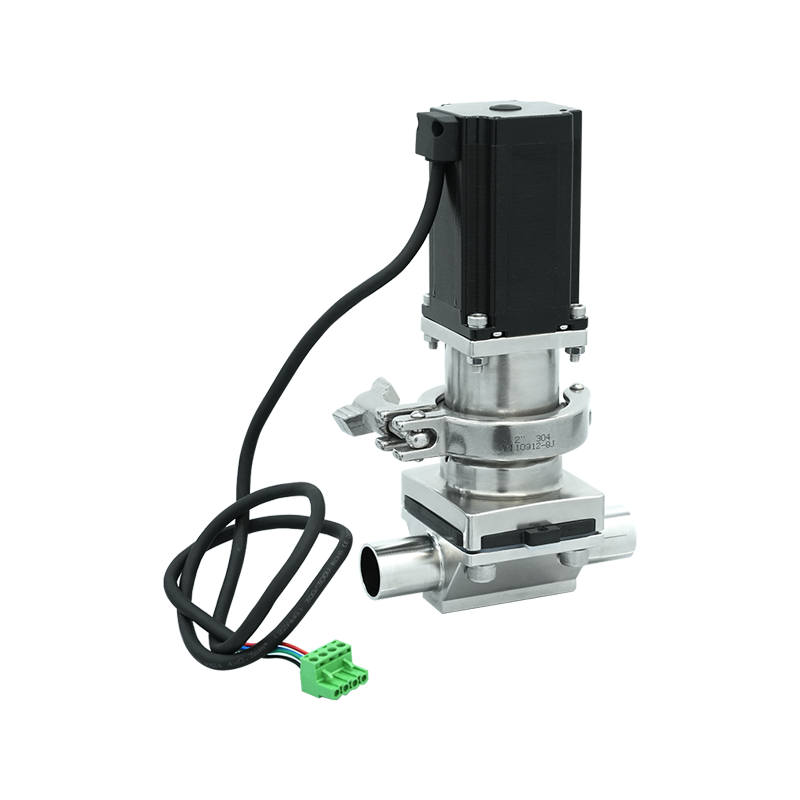
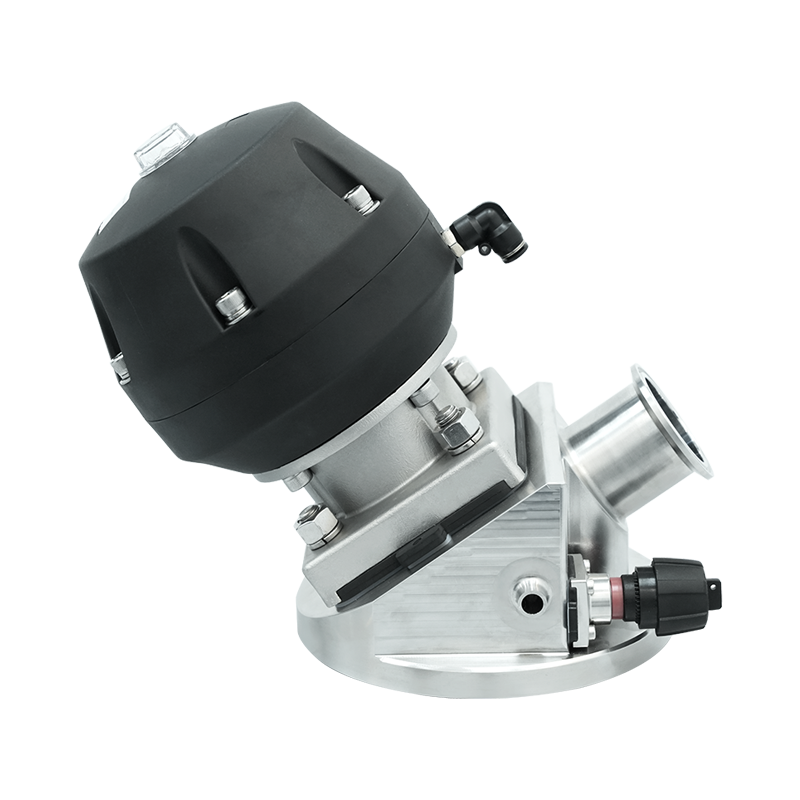
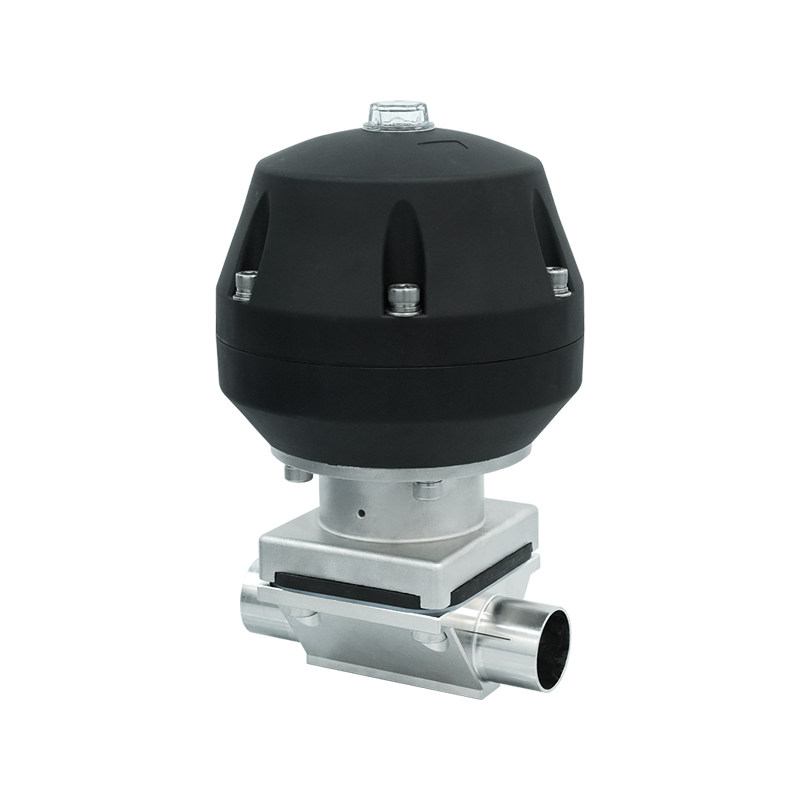
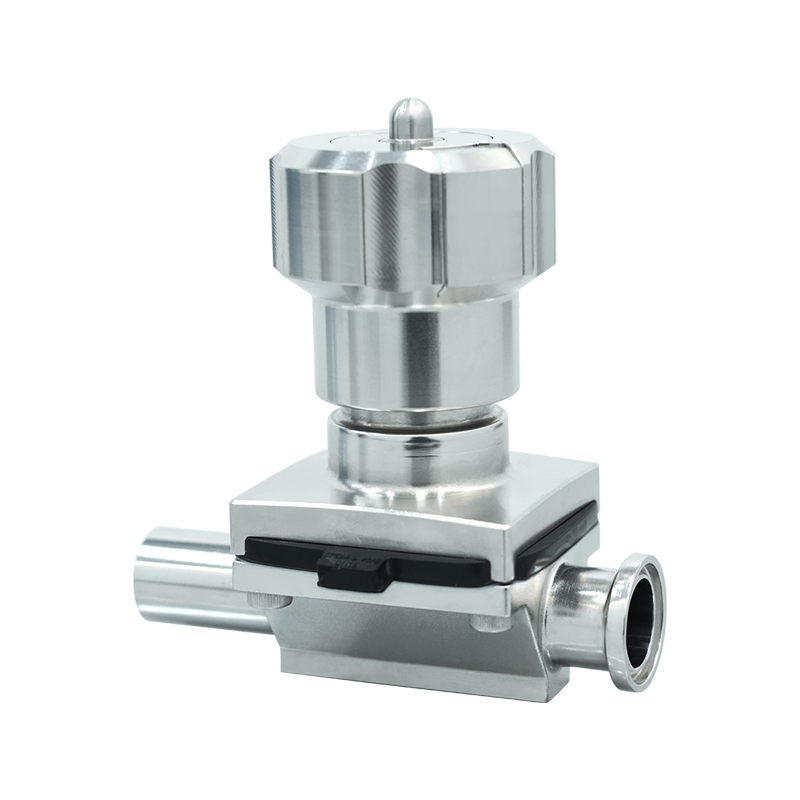
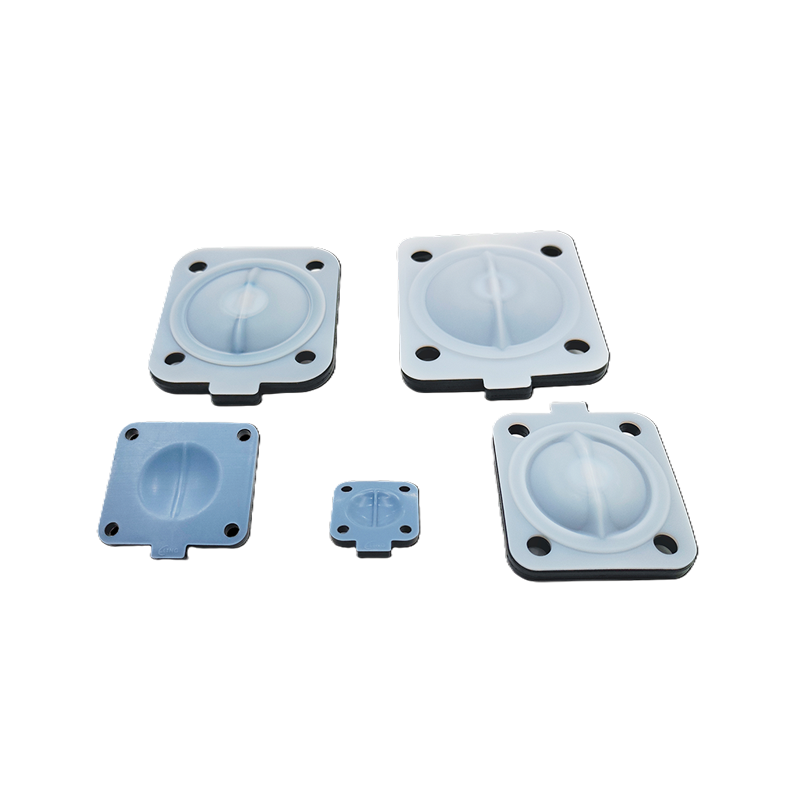
Diaphragm valves use a flexible membrane to isolate the process fluid from the outside environment, reducing the risk of leaks and making them a good choice for sanitary applications such as food and beverage sampling or biotech processes where cleanliness is a priority.
Sealed Sampling Valves
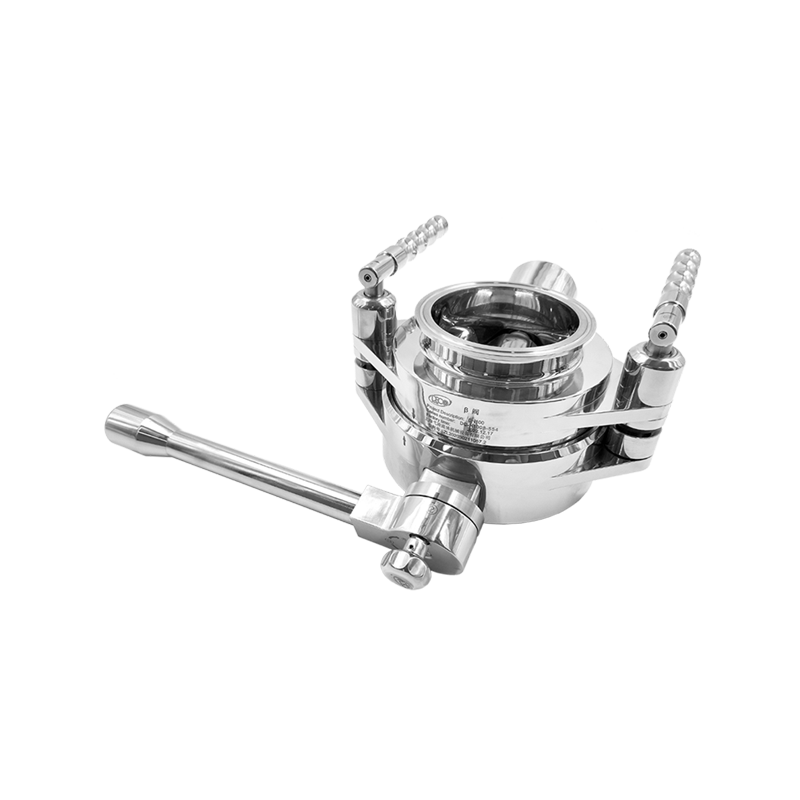
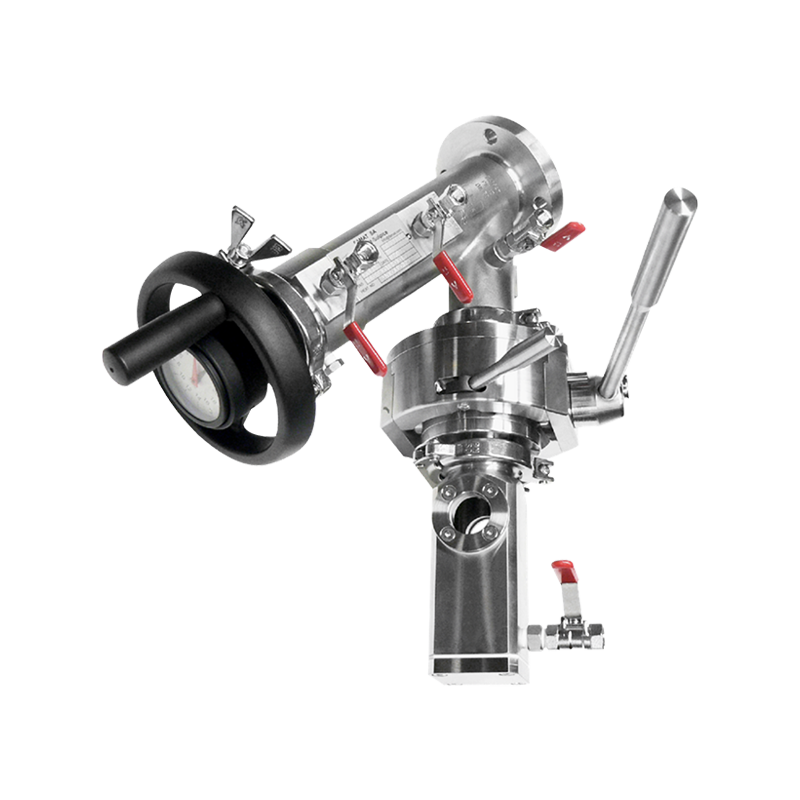
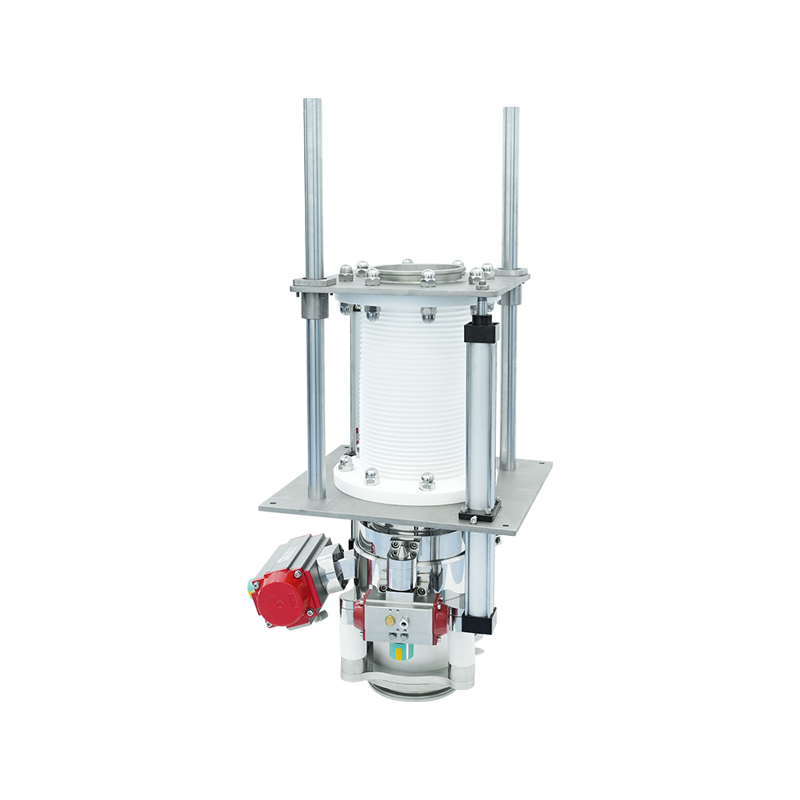
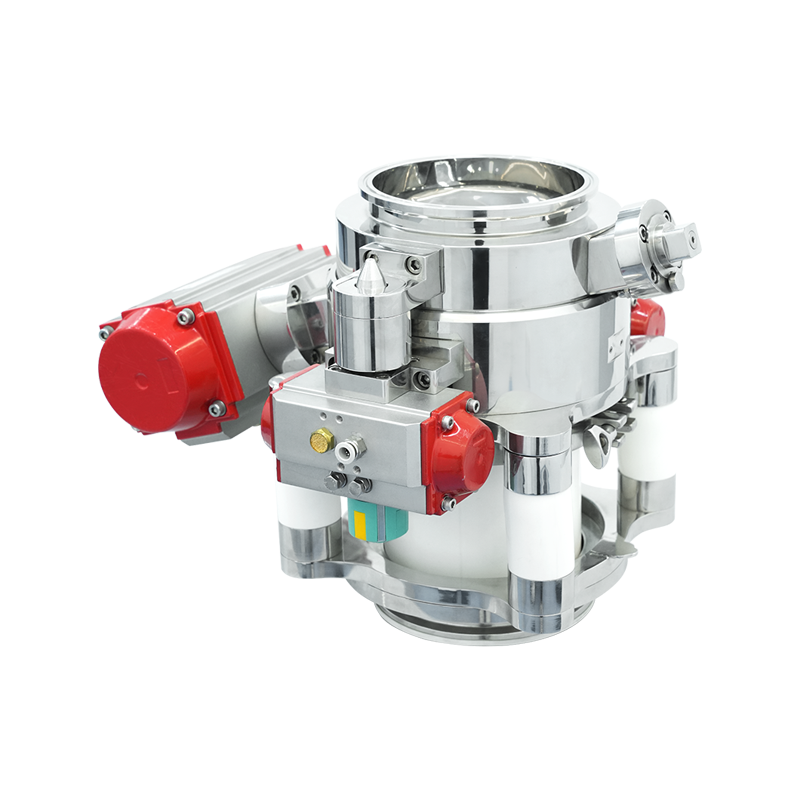
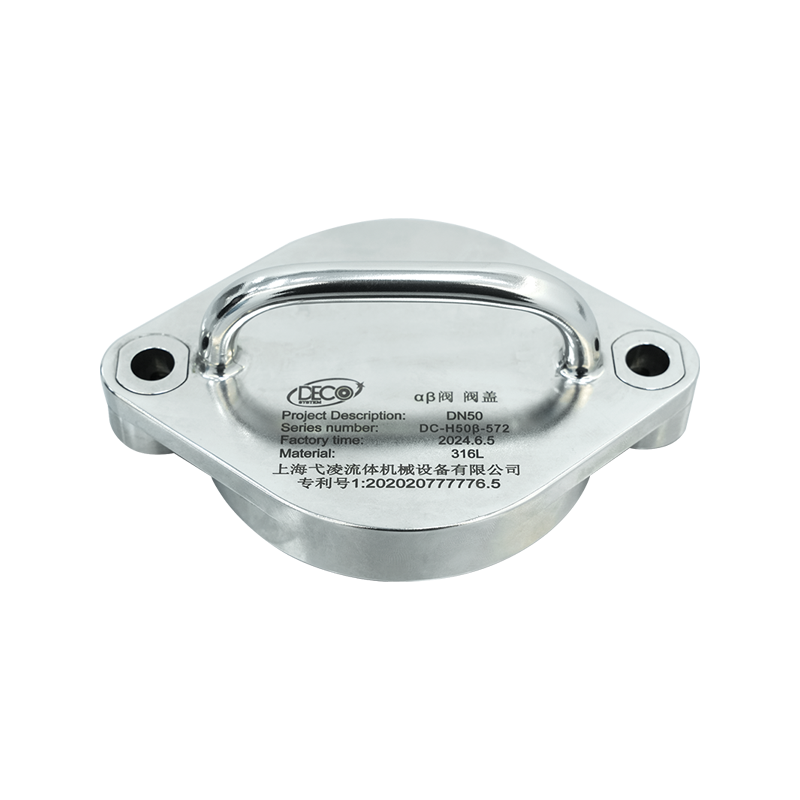
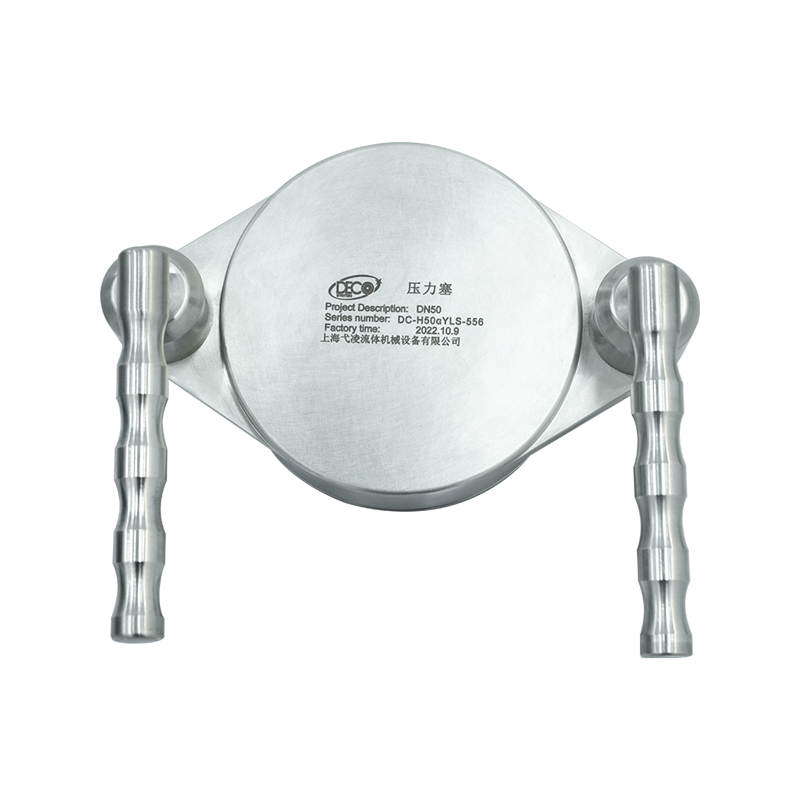
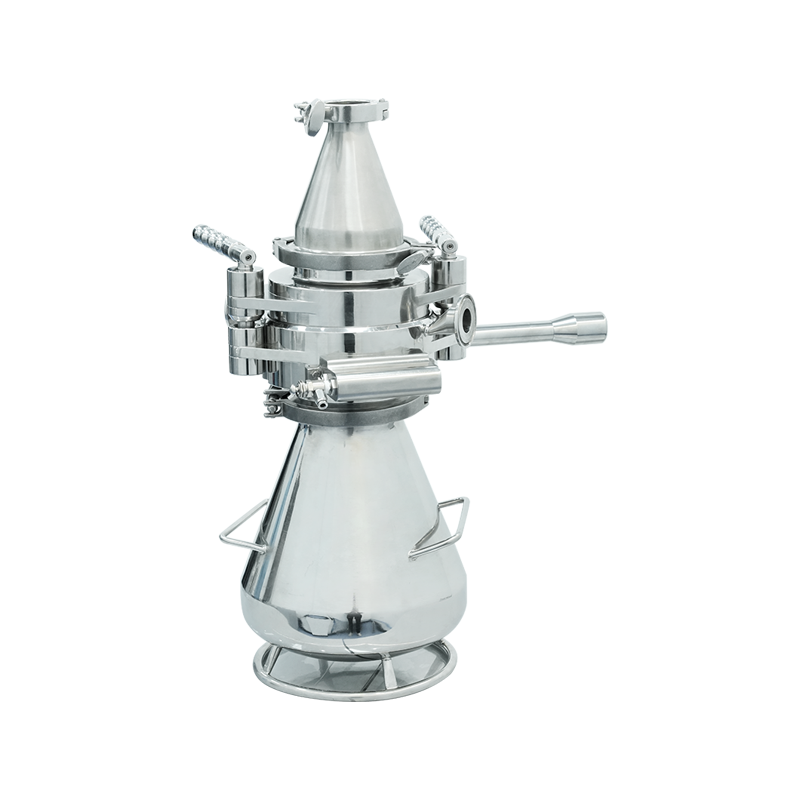
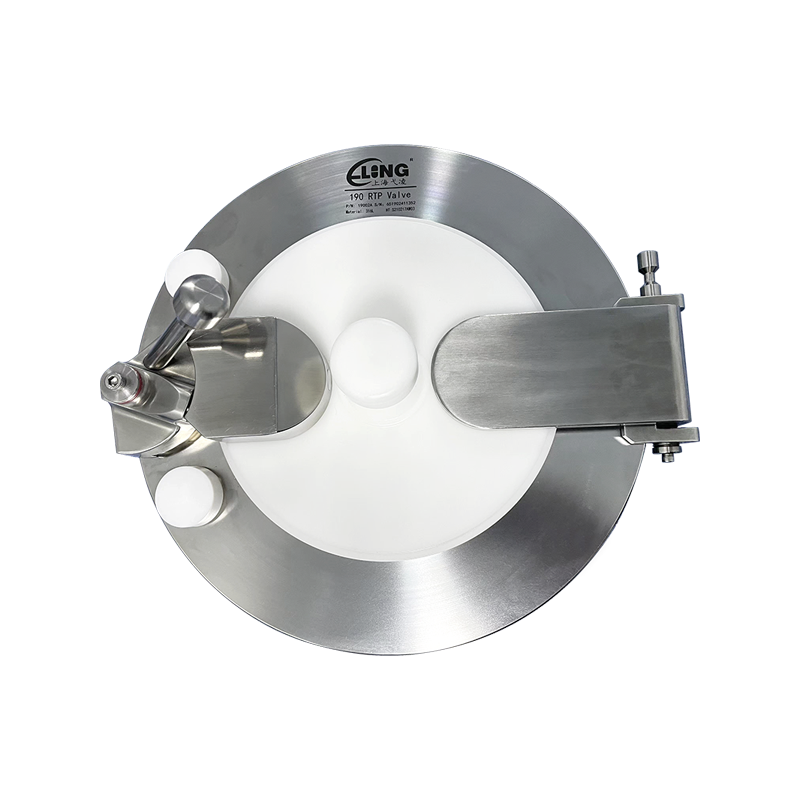
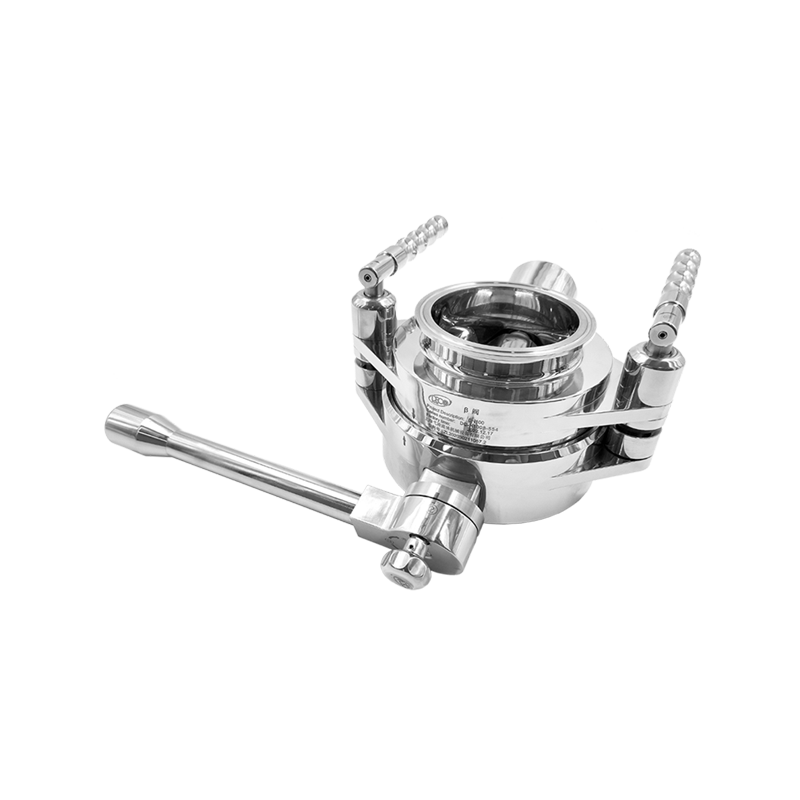
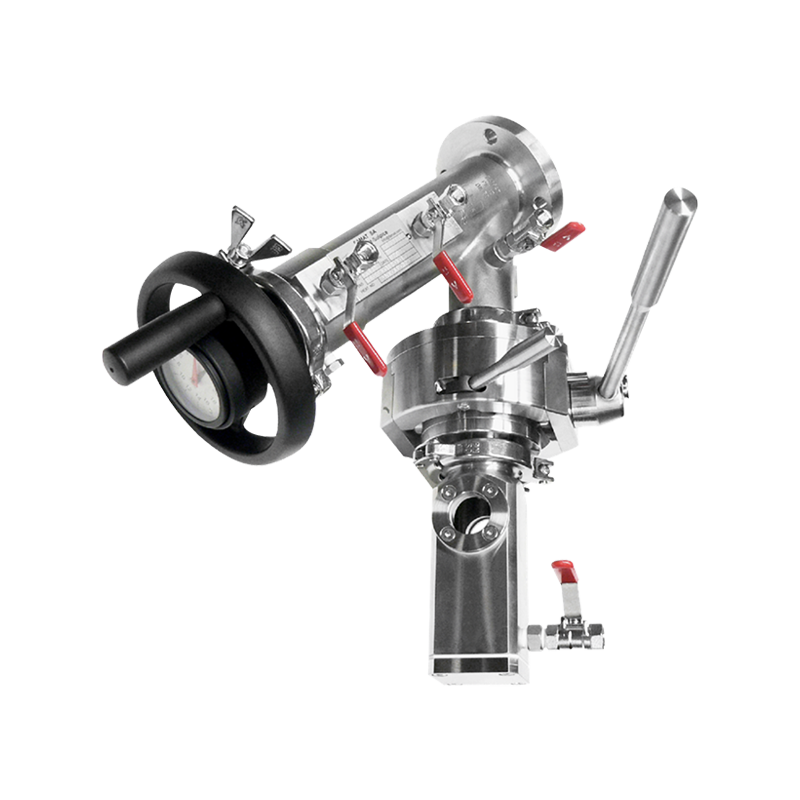
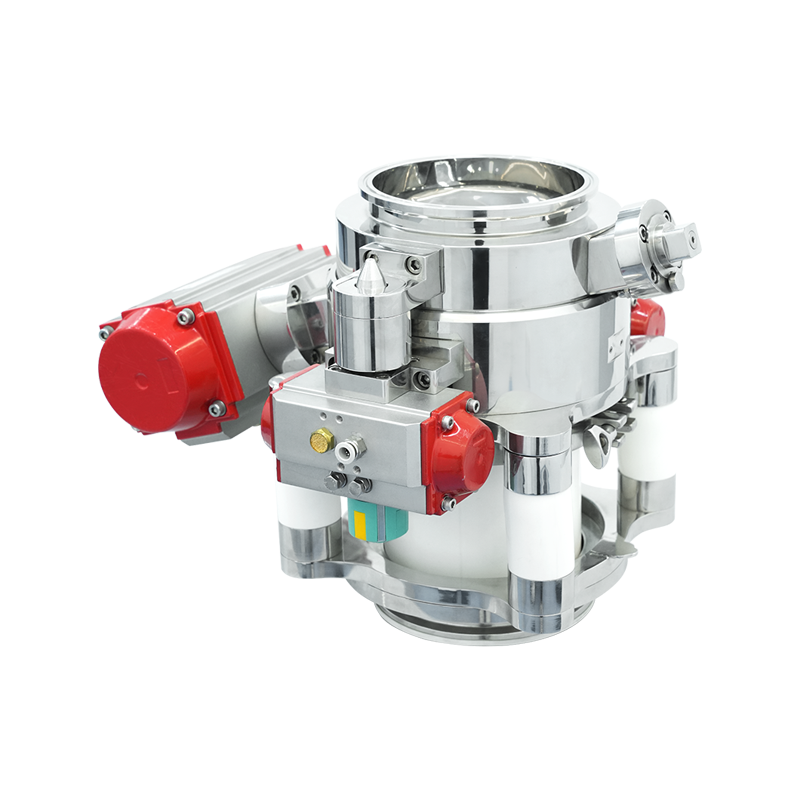
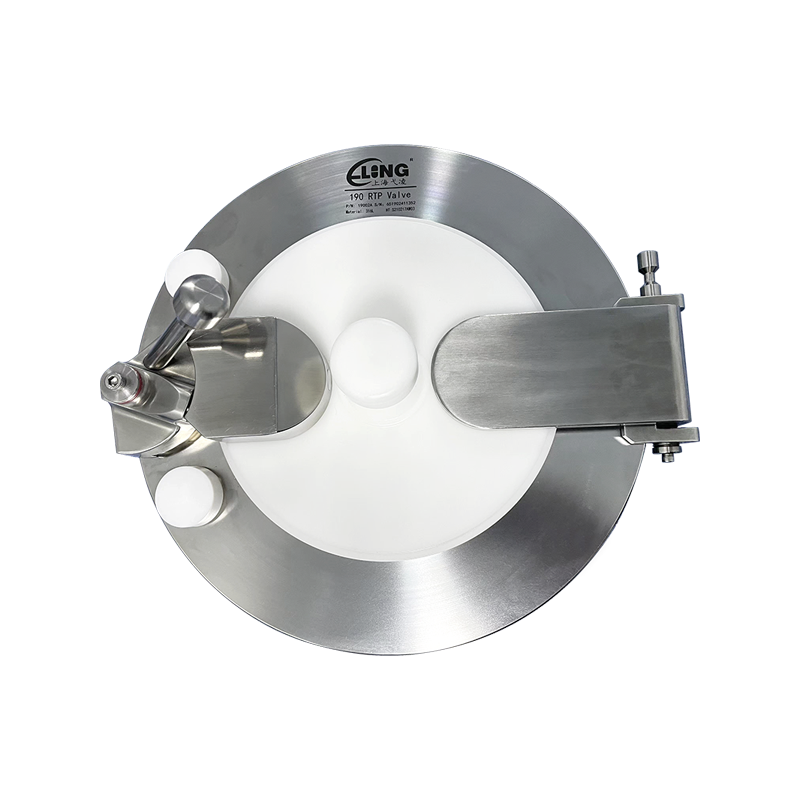
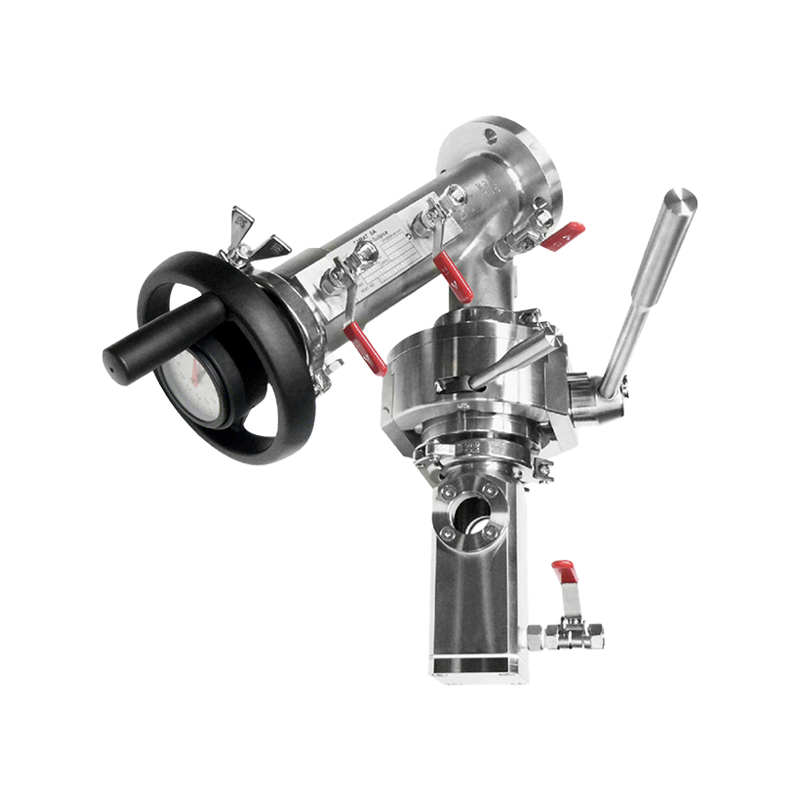
Sealed sampling valves represent the highest tier of containment technology, engineered specifically for environments handling highly potent active pharmaceutical ingredients (HPAPIs), toxic chemicals, or other hazardous materials. Unlike standard valves, a sealed sampling valve is built with advanced sealing mechanisms that prevent any material from escaping into the surrounding environment during the sampling process, protecting both the operator and the surrounding facility from exposure. These valves are typically constructed from corrosion-resistant materials and incorporate double or triple seal barriers to guarantee that even trace amounts of hazardous substances cannot leak out during operation.
Comparing Sampling Valve Types by Application
Choosing the right sampling valve depends heavily on the hazard level of the material and the regulatory environment governing the process. The table below outlines typical applications for each valve type to help guide selection decisions.
| Valve Type | Containment Level | Typical Application |
| Ball Valve Sampler | Low to Moderate | General chemical processing |
| Diaphragm Valve | Moderate | Food, beverage, biotech sampling |
| Sealed Sampling Valve | High | HPAPIs, toxic chemicals, hazardous materials |
How Sealed Sampling Valves Protect Operators and Product Integrity
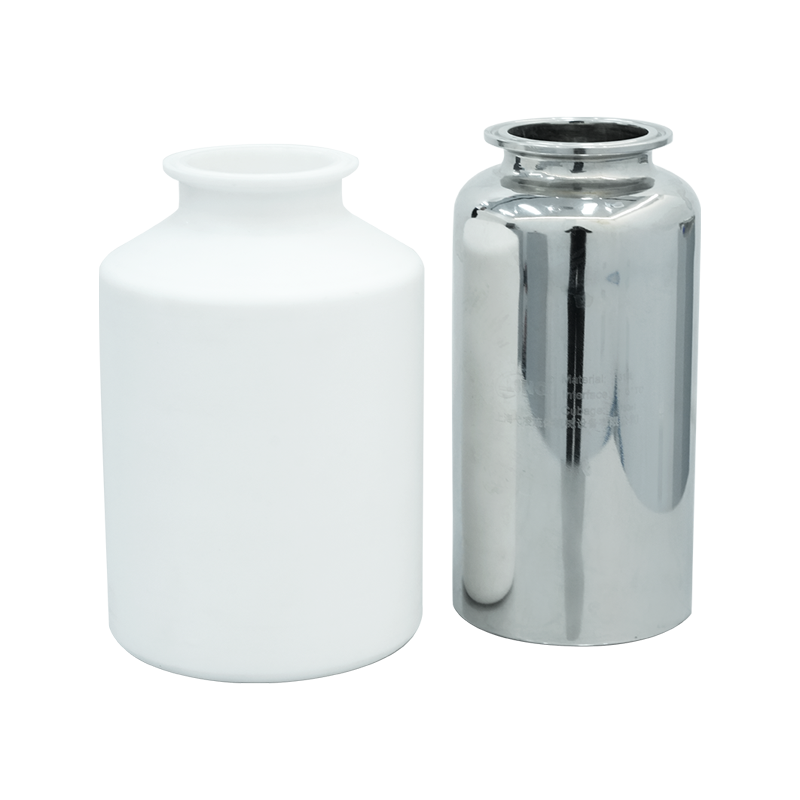
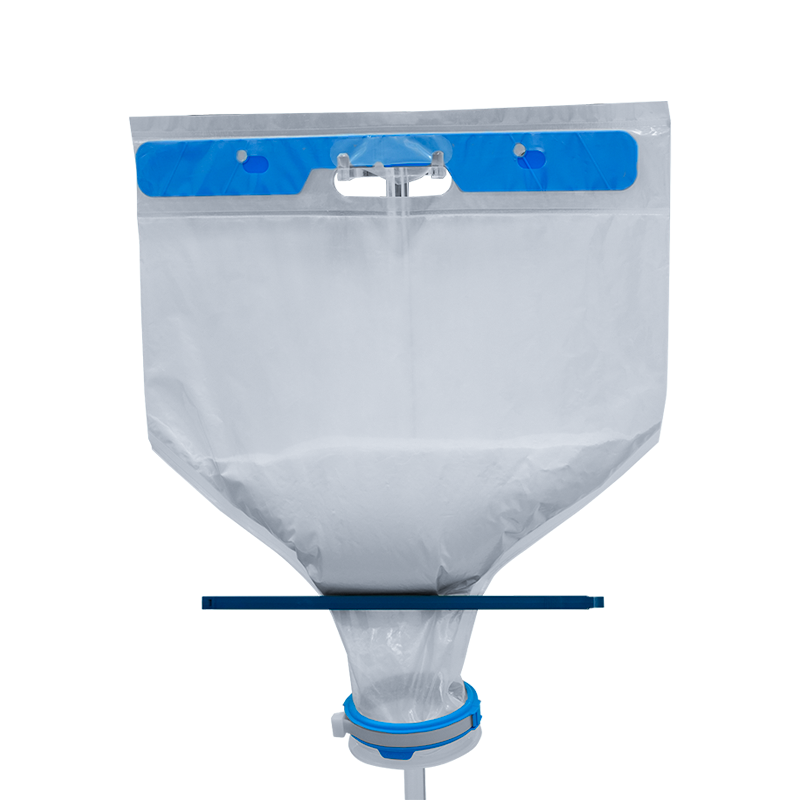
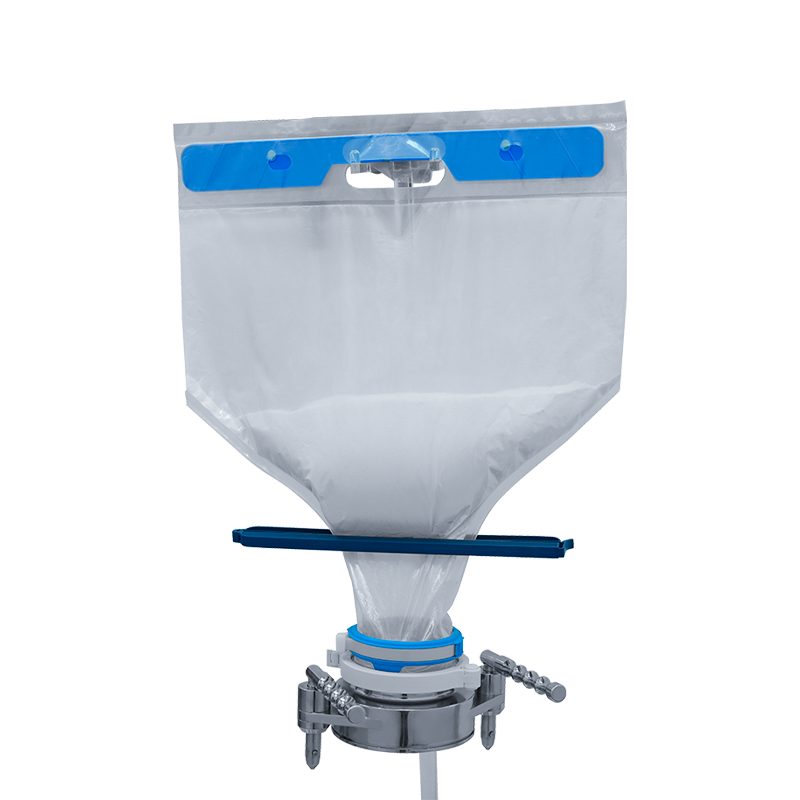
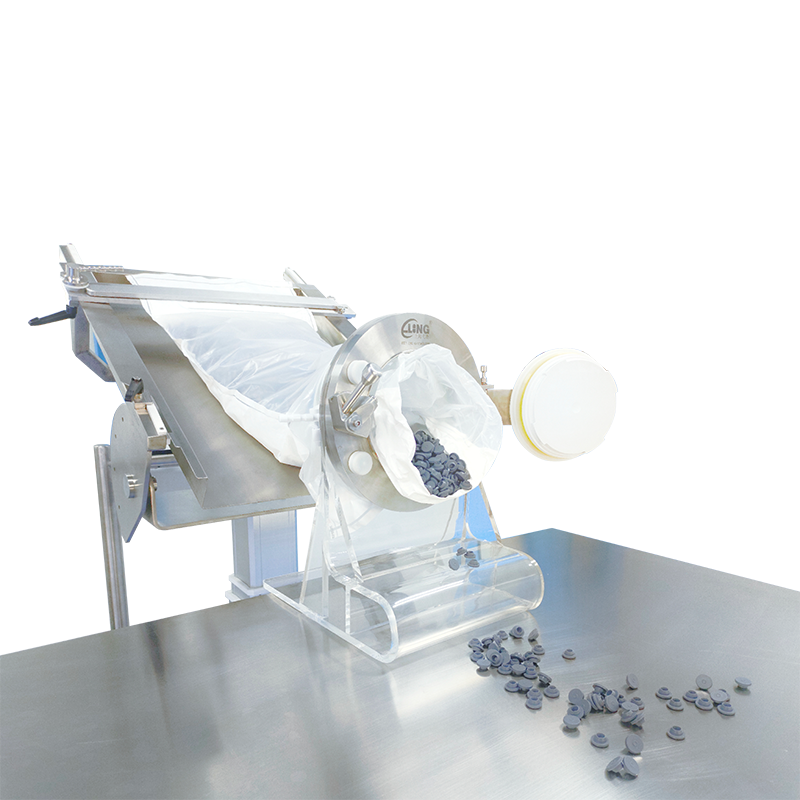
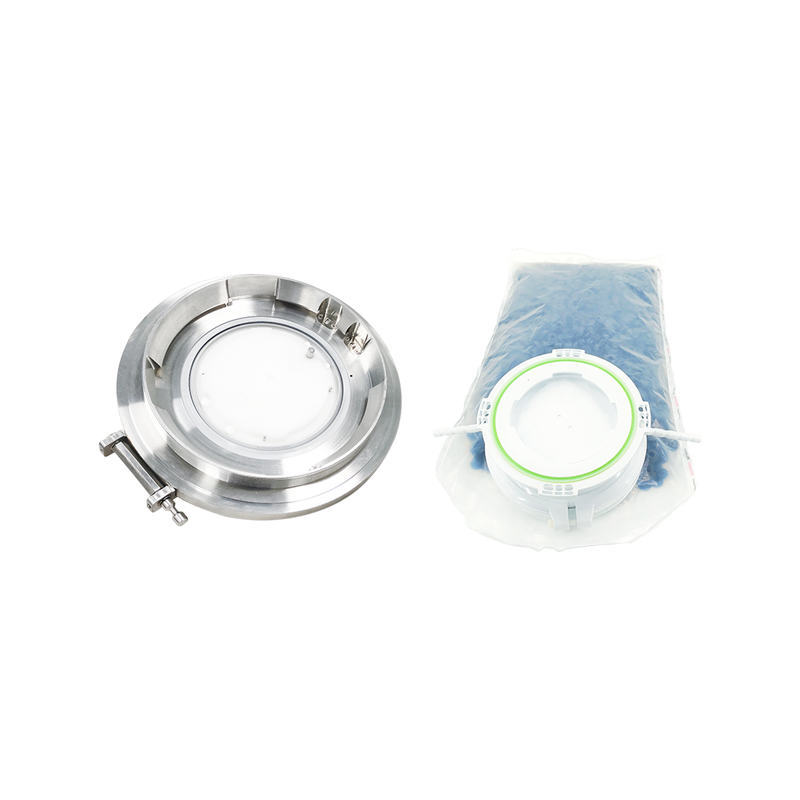
The core advantage of a sealed sampling valve lies in its ability to isolate the sample chamber from both the process environment and the surrounding room air during collection. This is typically achieved through a multi-stage sealing mechanism that opens only enough to draw the required sample volume before resealing immediately, minimizing the window of exposure. Many sealed valve designs also incorporate a containment sleeve or bag system, allowing the sample to be captured directly into a sealed container without ever contacting open air. This approach serves two purposes simultaneously: it protects operators from inhaling or contacting potent or toxic substances, and it prevents environmental contaminants like moisture, oxygen, or airborne particles from compromising the integrity of the sample itself. For industries producing HPAPIs, where even microgram-level exposure can pose health risks to workers, this dual protection is not optional but a regulatory and ethical necessity.
Materials and Construction Standards for High-Risk Sampling Valves
Sealed sampling valves used in pharmaceutical and chemical settings are typically constructed from 316L stainless steel, chosen for its corrosion resistance and compatibility with cleaning and sterilization procedures like autoclaving or chemical washdown. Seals and gaskets are often made from materials such as EPDM, PTFE, or Viton, selected based on their compatibility with the specific chemicals or active ingredients being sampled. Surface finishes on the interior wetted parts are usually polished to a fine microfinish, reducing the chance of material buildup or bacterial growth in sensitive applications. Many valve models also undergo validation testing to confirm they meet containment performance standards, often measured in micrograms per cubic meter of air, giving facilities quantifiable data to support their occupational exposure control programs.
Selecting the Right Sampling Valve for Your Process
Choosing an appropriate sampling valve starts with a clear assessment of the material's hazard classification, including its toxicity, potency, and any regulatory occupational exposure limits that apply. Facilities should also consider the frequency of sampling, since valves used dozens of times per day require different durability and cleaning characteristics than those used only occasionally. Compatibility between the valve's wetted materials and the process fluid is another critical factor, as an incompatible gasket or seal material can degrade over time and introduce contamination risks. Finally, ease of cleaning and validation should factor into the decision, particularly for pharmaceutical operations that must document cleaning procedures for regulatory compliance.
Key Selection Criteria
- Hazard classification and potency of the sampled material
- Required containment performance and occupational exposure limits
- Chemical compatibility of wetted materials and seals
- Frequency of use and cleaning or sterilization requirements
- Validation and documentation needs for regulatory compliance
Maintenance Practices That Preserve Valve Performance
Regular maintenance is essential to keep any sampling valve performing at its rated containment level over time. Operators should inspect seals and gaskets on a scheduled basis for signs of wear, hardening, or chemical degradation, replacing components before they fail rather than waiting for a visible leak. Cleaning procedures should follow documented standard operating procedures, particularly for sealed sampling valves used in pharmaceutical settings where cross-contamination between batches can have serious consequences. Facilities should also periodically verify containment performance through leak testing or particulate monitoring, especially after any maintenance or seal replacement, to confirm the valve continues to meet its original design specifications. Consistent maintenance not only extends the operational life of the valve but also ensures ongoing protection for both workers and the products being sampled.