

Content
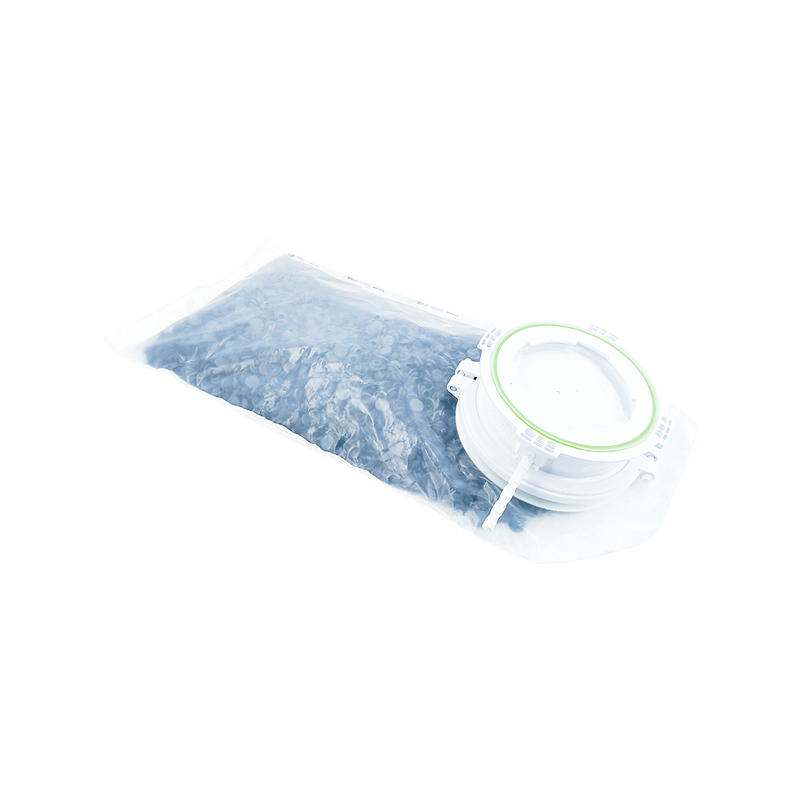
RTP Beta Bags are specialized containment devices used in aseptic transfer processes within pharmaceutical, biotechnology, and sterile manufacturing environments. Designed to maintain sterility during material transfer, they integrate with Rapid Transfer Port (RTP) systems to prevent contamination and streamline operations. Understanding their construction, applications, and operational benefits is essential for industries aiming for high safety and regulatory compliance standards.
Structure and Design of RTP Beta Bags
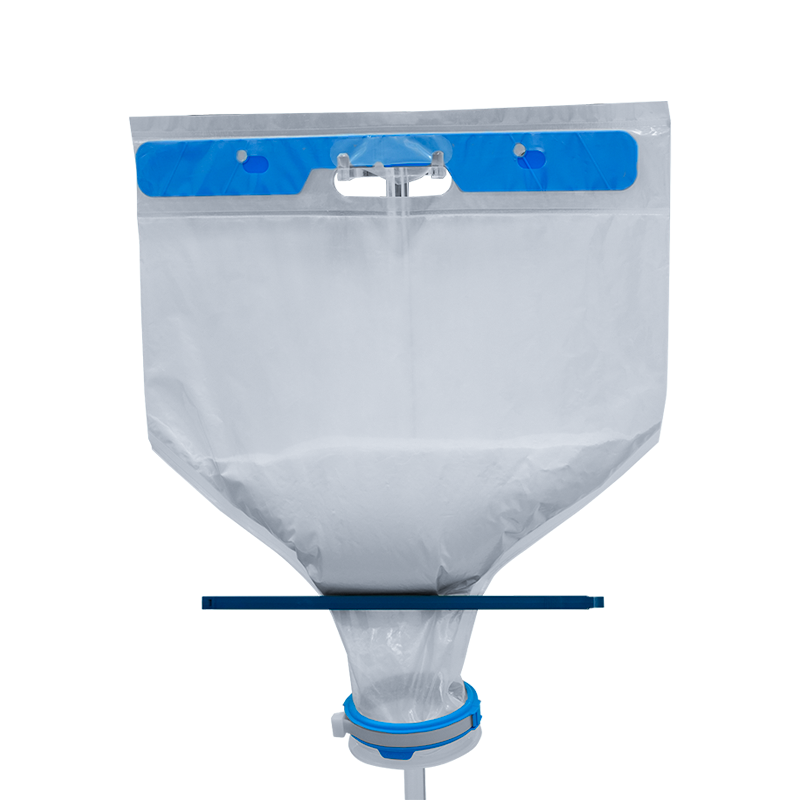
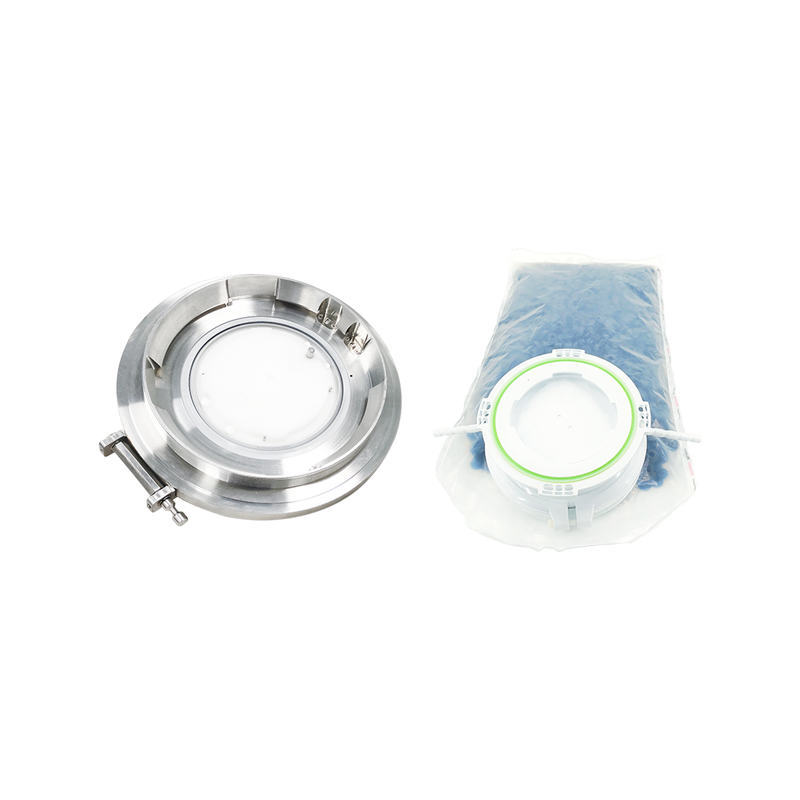
The design of an RTP Beta Bag ensures a sealed, sterile barrier between the contents and the external environment. Typically, these bags are made from high-quality polymer films resistant to punctures, tears, and chemical degradation. Their flexible yet robust structure allows integration with RTP systems and compatibility with various container types.
Materials Used
RTP Beta Bags are usually manufactured from multilayer polymer films, such as polyethylene or polyester blends, that provide mechanical strength, chemical resistance, and sterility maintenance. The material ensures that the bag can withstand the stress of handling, mechanical manipulations, and prolonged storage without compromising sterility.
Key Components
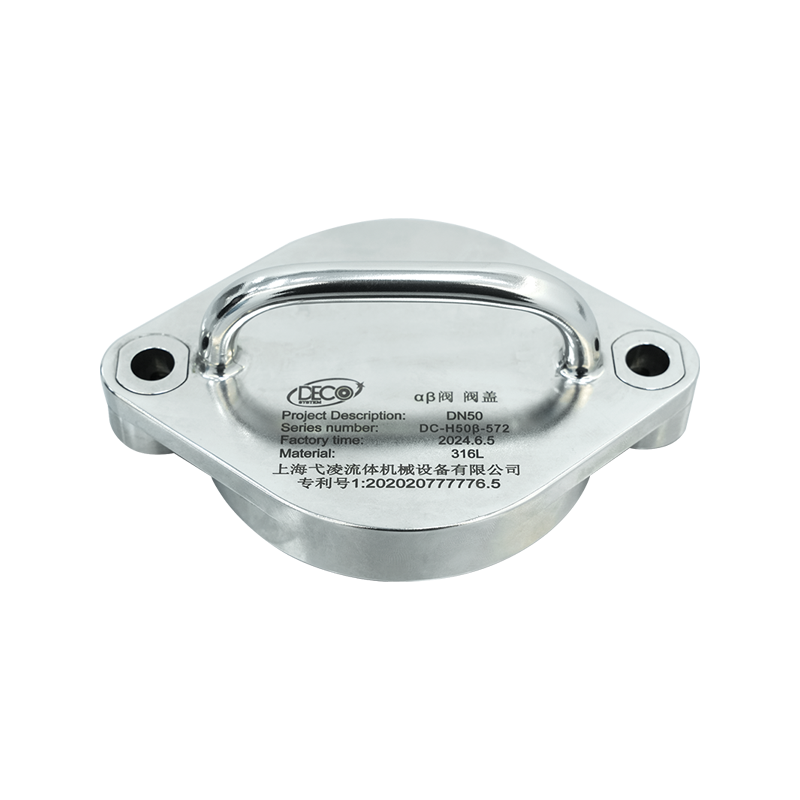
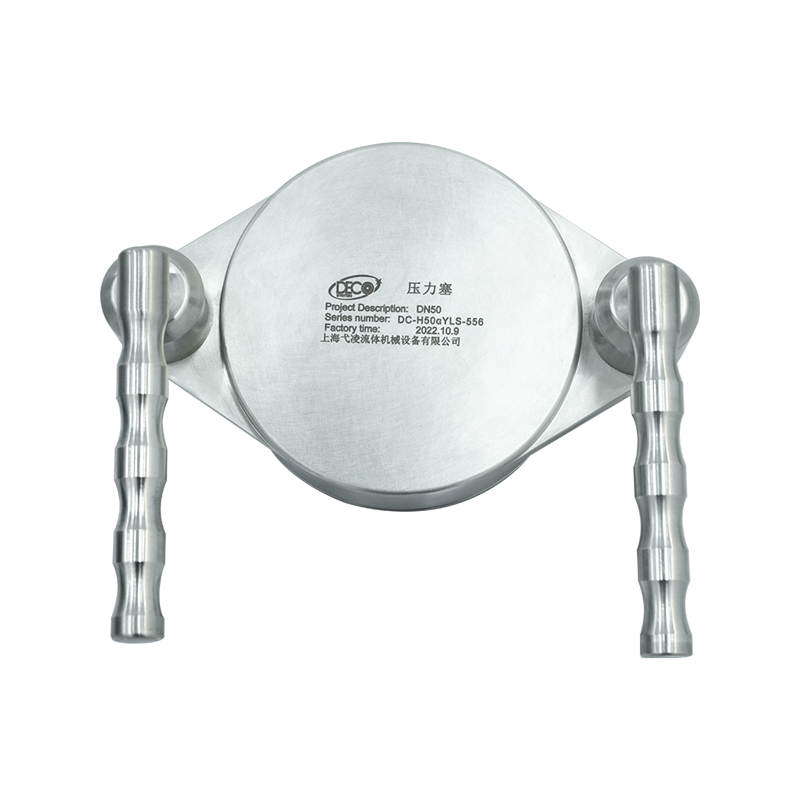
- Sealable openings or ports that interface with RTP Alpha ports.
- Flexible walls that allow easy loading and unloading of materials.
- Transparent sections for visual inspection of contents.
- Reinforced edges to prevent tearing during handling and transfer.
Function of RTP Beta Bags in Aseptic Transfer
RTP Beta Bags serve as a primary barrier in aseptic transfer systems, preventing microbial contamination during the movement of materials between controlled environments. Their use is critical in maintaining product sterility in pharmaceutical manufacturing, biotech research, and cleanroom operations.
Integration with RTP Systems
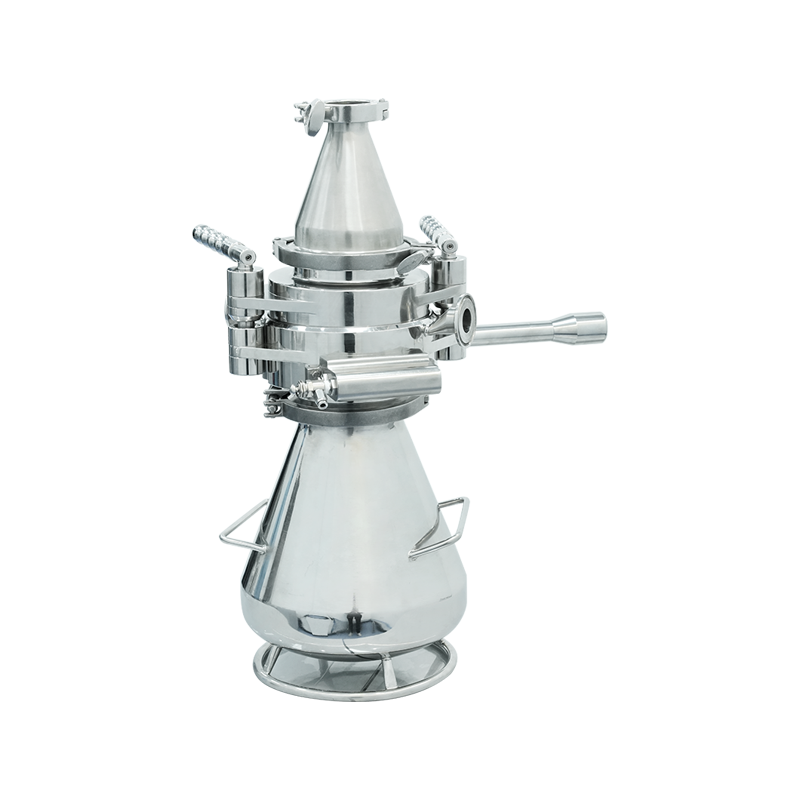
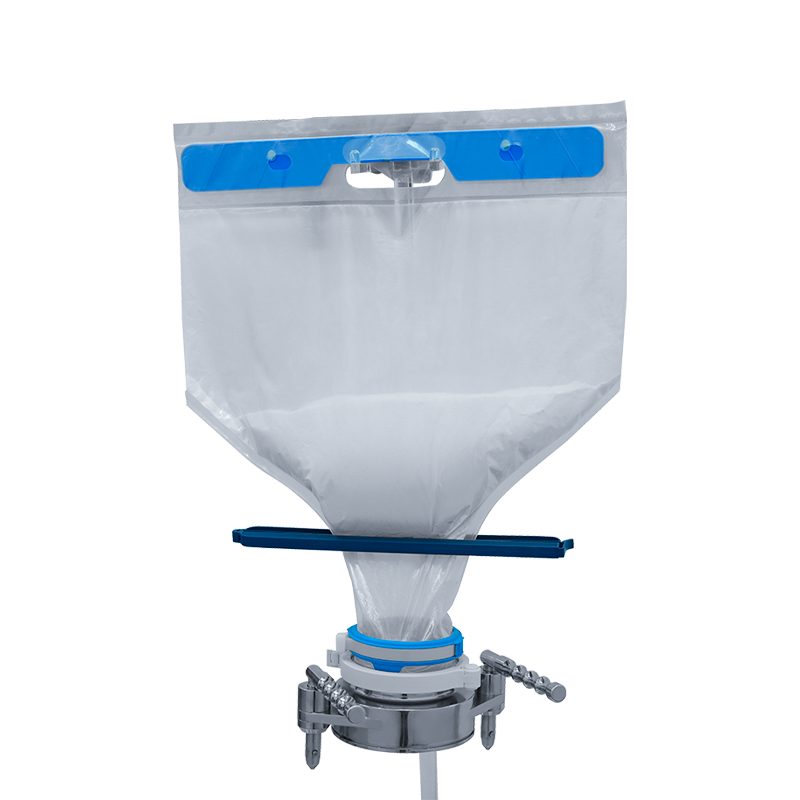
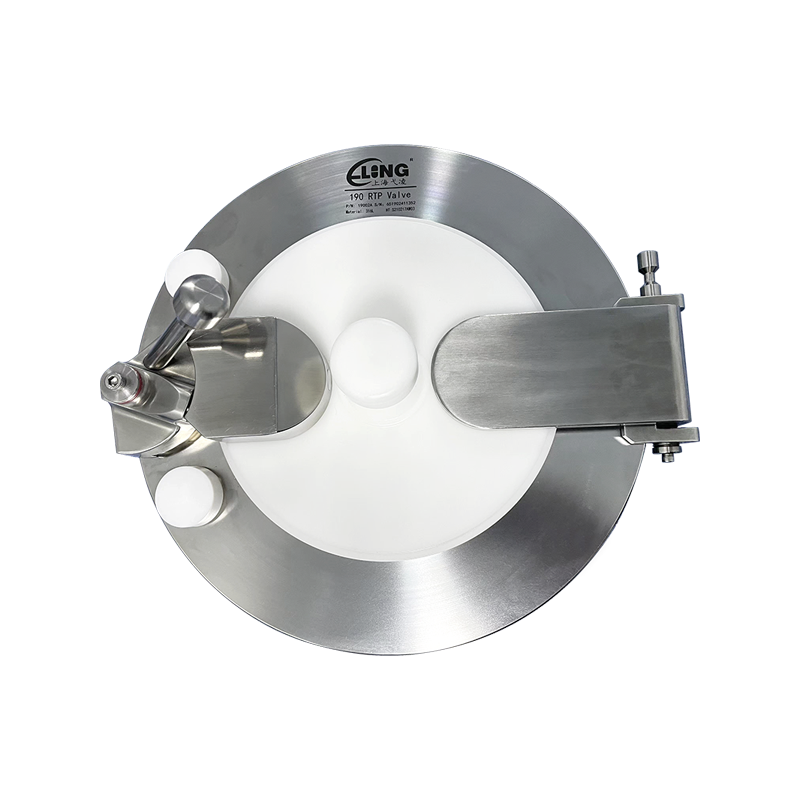
RTP Beta Bags are designed to attach securely to RTP Alpha ports, forming a sealed interface between containers and cleanroom equipment. This interface allows materials to pass through the bag without exposure to external air, dust, or microbial particles. Proper integration ensures operational efficiency and regulatory compliance.
Sterility Maintenance
During transfer operations, the RTP Beta Bag isolates the contents from potential contaminants. The sealed environment prevents microbial ingress, chemical exposure, and particulate contamination. This feature is especially important for aseptic processing of injectable drugs, biologics, and other sterile products.
Applications of RTP Beta Bags
RTP Beta Bags are widely used across pharmaceutical and biotechnology industries, particularly in areas requiring aseptic handling and transfer. Their applications include:
Pharmaceutical Production
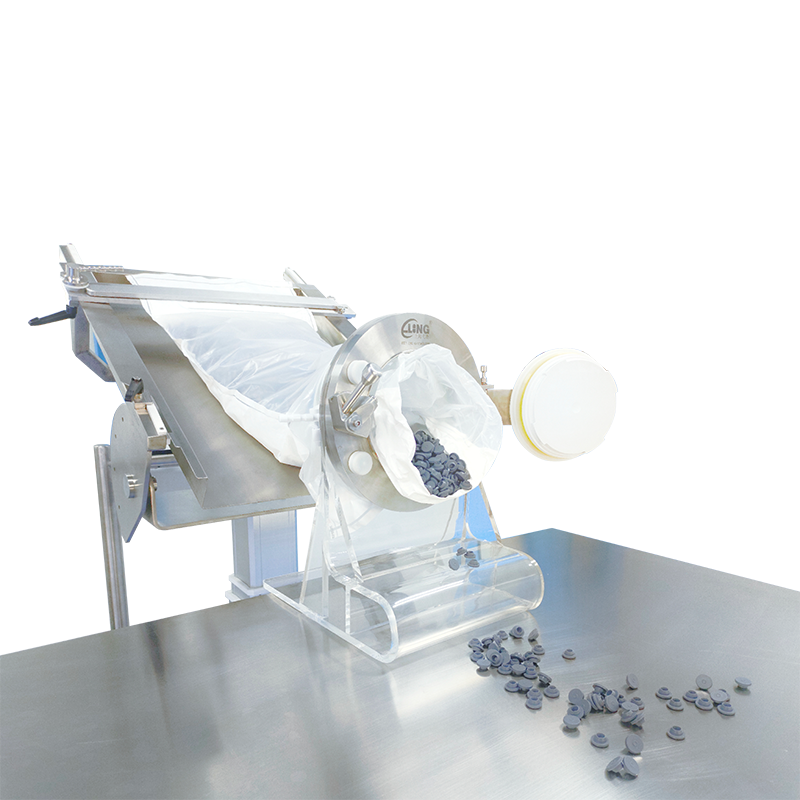
In pharmaceutical production, RTP Beta Bags are used to transfer sterile raw materials, intermediates, and finished products between cleanrooms, isolators, and containment areas. They ensure that products remain free from microbial and particulate contamination throughout the process.
Biotech and Laboratory Applications
Biotech labs employ RTP Beta Bags for aseptic transfers of cell cultures, biological samples, and reagents. The bag maintains a sterile barrier, preventing contamination that could compromise experimental outcomes or product quality.
Cleanroom Material Handling
RTP Beta Bags facilitate safe movement of materials in and out of controlled environments. By attaching to RTP ports, they allow staff to introduce equipment, containers, and consumables without breaching cleanroom sterility standards.
Operational Benefits of RTP Beta Bags
Using RTP Beta Bags in aseptic transfer operations provides multiple operational advantages that enhance efficiency, safety, and compliance.
- Maintains product sterility and prevents microbial contamination.
- Reduces the need for complex sterilization of containers and equipment before transfer.
- Improves operational efficiency by simplifying transfer procedures.
- Minimizes human contact, reducing the risk of contamination.
- Complies with regulatory standards for aseptic processing, including GMP and ISO guidelines.
Comparison With Traditional Transfer Methods
RTP Beta Bags offer significant advantages over traditional transfer methods, such as open transfer, cleanroom pass-throughs, or manually sterilized containers. The table below summarizes key differences:
| Feature | RTP Beta Bag | Traditional Transfer |
| Sterility | Maintained throughout transfer | Dependent on manual sterilization |
| Ease of Use | Quick and simple interface with RTP ports | Labor-intensive and time-consuming |
| Contamination Risk | Minimal | Higher, due to human handling and environmental exposure |
| Regulatory Compliance | Easier to meet GMP/ISO standards | Challenging, requires additional controls |
Best Practices for Using RTP Beta Bags
Proper use of RTP Beta Bags ensures maximum sterility and operational efficiency. Key best practices include:
- Ensure the bag is correctly sealed to the RTP Alpha port before transfer.
- Inspect the bag for punctures, tears, or damage prior to use.
- Follow standard operating procedures (SOPs) for aseptic transfer.
- Train personnel on proper handling to prevent accidental breaches.
- Regularly validate and test the system to maintain compliance with regulatory standards.
Conclusion
RTP Beta Bags are a vital component of modern aseptic transfer systems in pharmaceutical, biotech, and sterile manufacturing industries. Their robust construction, integration with RTP systems, and sterility maintenance capabilities make them indispensable for contamination-free transfer of materials. Adhering to best practices and understanding the operational benefits ensures enhanced safety, regulatory compliance, and efficiency in aseptic processes.