

Content
GMP cleaning machines play a vital role in maintaining hygiene and compliance in pharmaceutical, food, and biotech industries. Choosing the right type of cleaning machine is critical for ensuring operational efficiency and regulatory adherence. This article examines the differences between manual and automatic GMP cleaning machines, analyzing their features, benefits, applications, and maintenance requirements.
Definition and Core Concepts
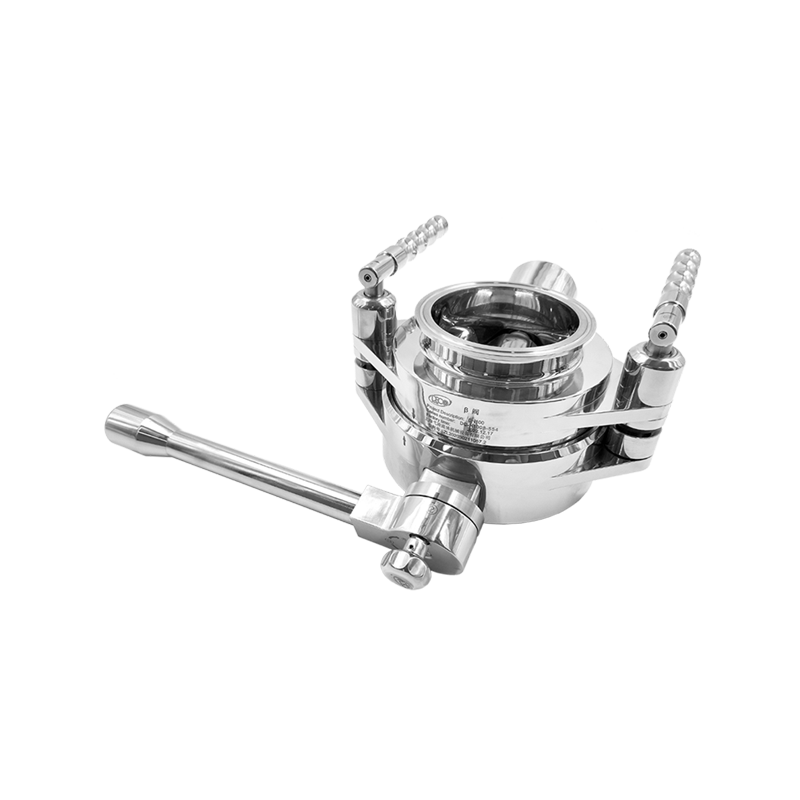
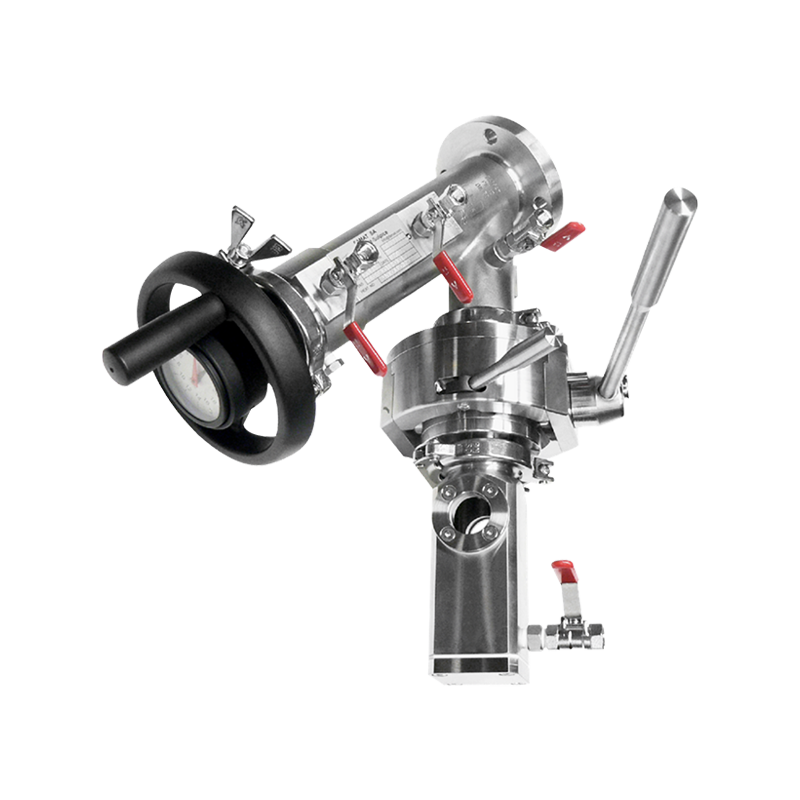
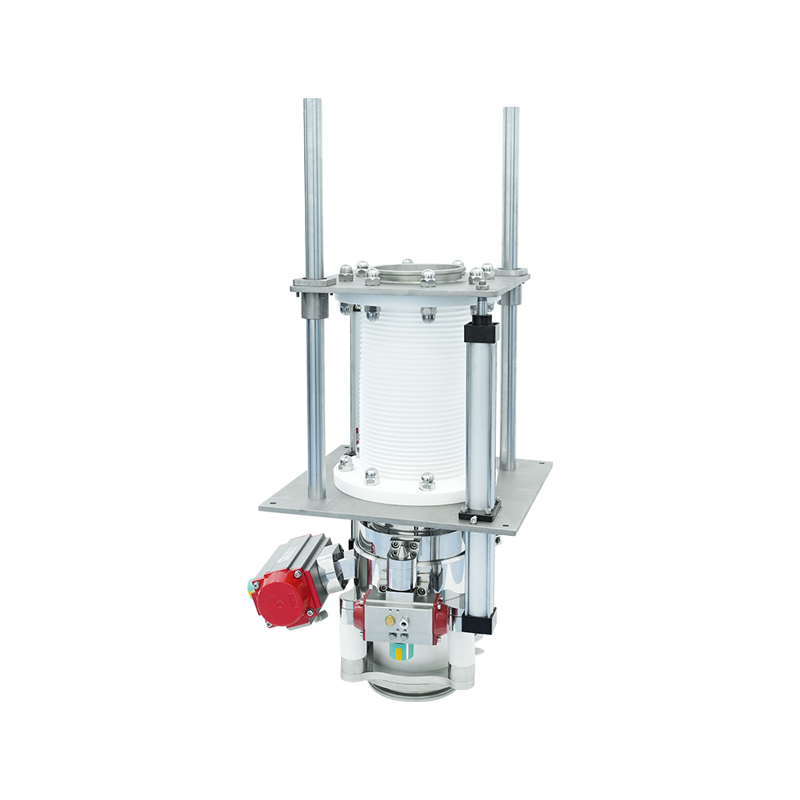
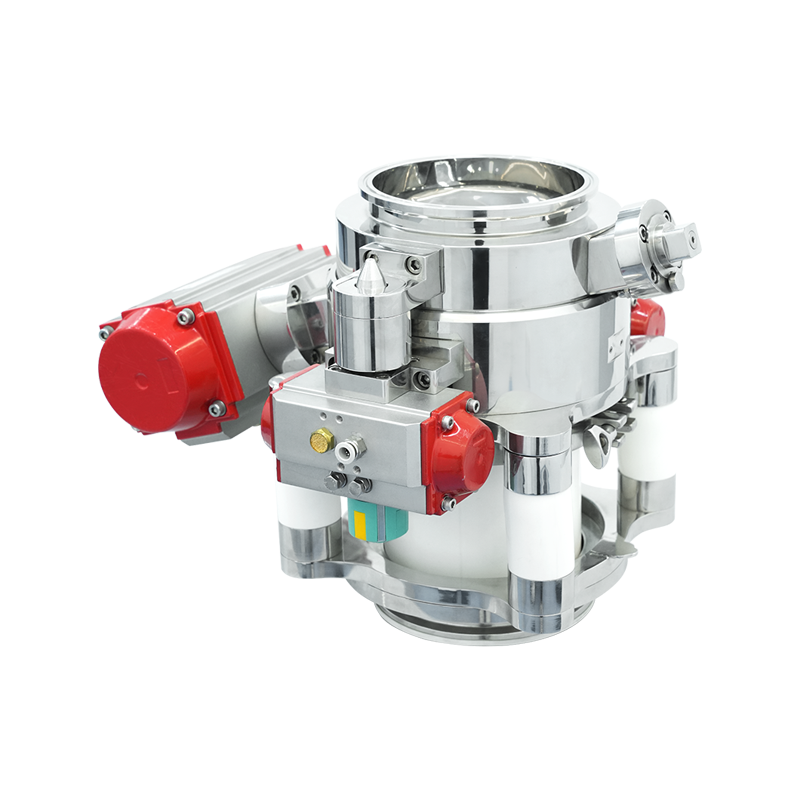
Manual GMP cleaning machines require human intervention for operation, whereas automatic GMP cleaning machines are programmed to perform cleaning cycles with minimal human interaction. Both types are designed to meet Good Manufacturing Practice (GMP) standards, ensuring cleanliness and avoiding cross-contamination in production environments.
Operational Differences
Manual GMP Cleaning Machines
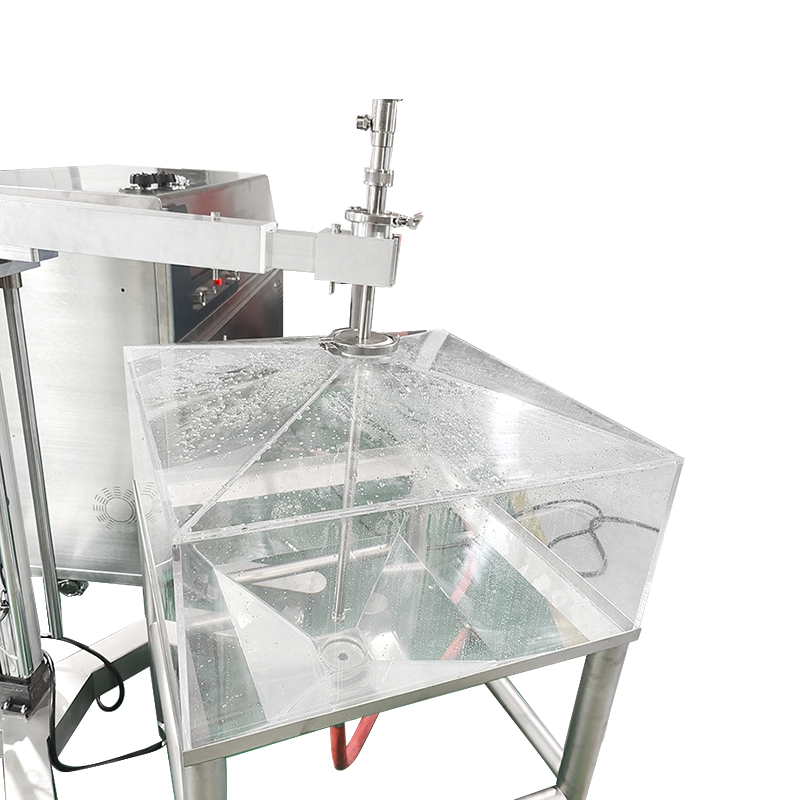
Manual machines rely on operators to execute cleaning procedures, often using brushes, sprays, or manual agitation. This type allows for detailed attention to hard-to-reach areas but is labor-intensive and prone to inconsistencies if operators are not properly trained.
Automatic GMP Cleaning Machines
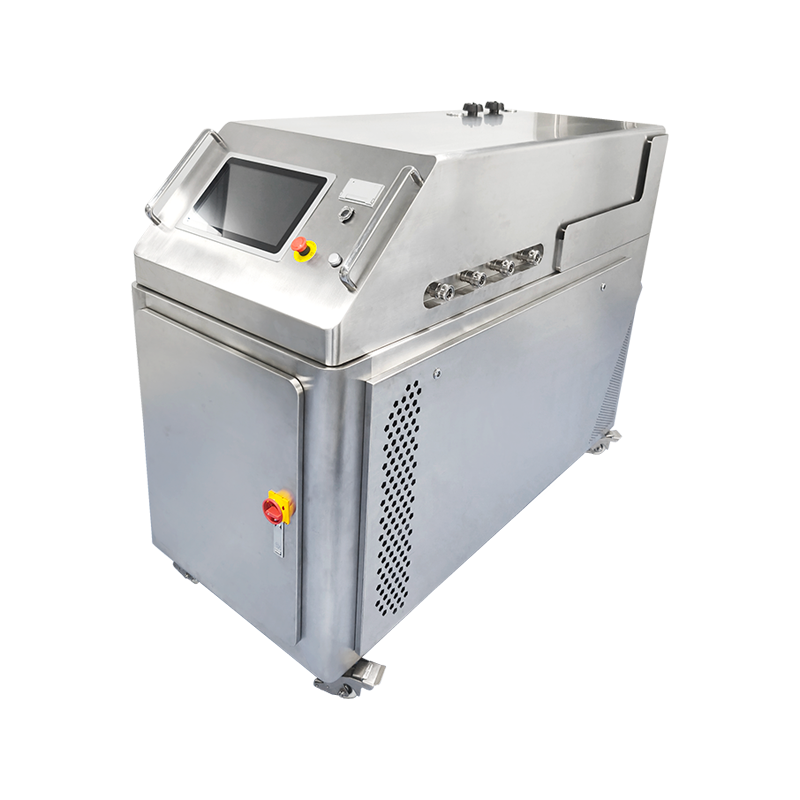
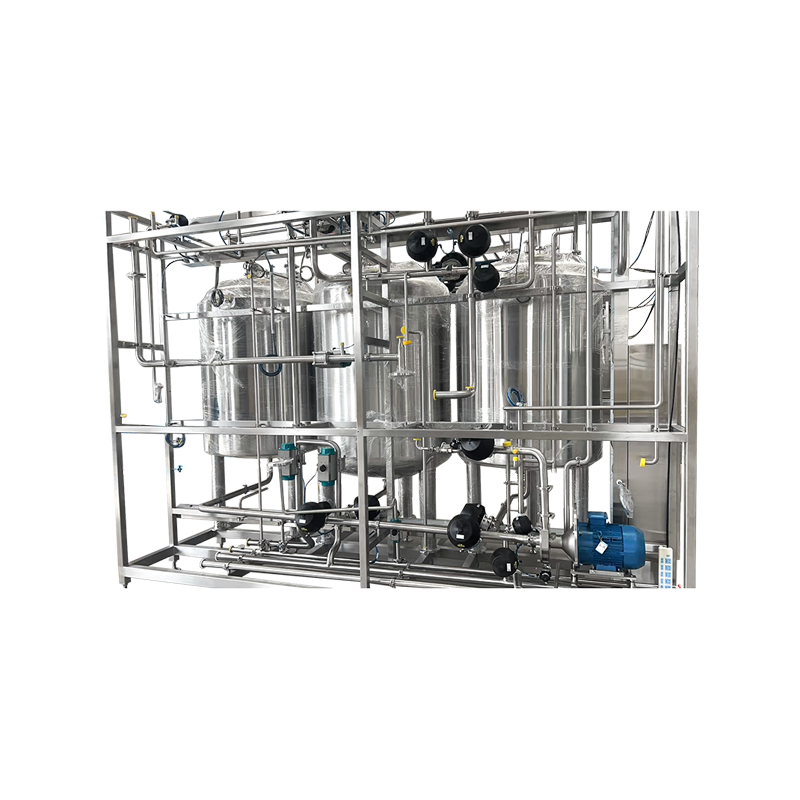
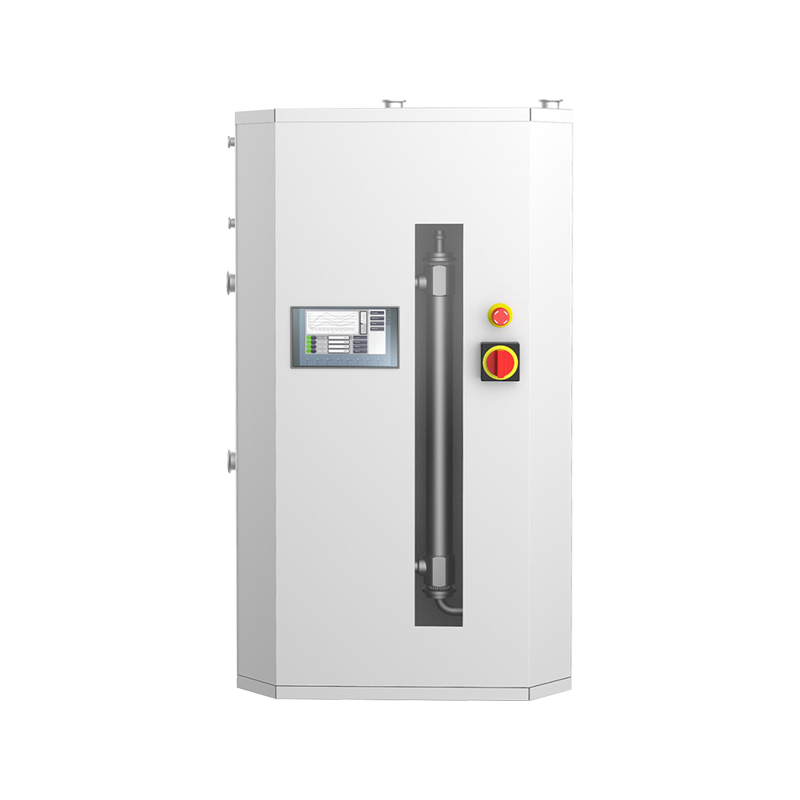
Automatic machines operate using programmable settings that control water flow, detergent concentration, temperature, and cleaning cycles. These machines reduce human error, improve reproducibility, and can clean multiple components simultaneously, making them suitable for high-volume production.
Efficiency and Productivity
Automatic GMP cleaning machines generally offer higher efficiency and productivity. They can complete cleaning cycles faster and with consistent results, reducing downtime between production batches. Manual machines, while flexible, are limited by human speed and endurance.
Batch vs Continuous Cleaning
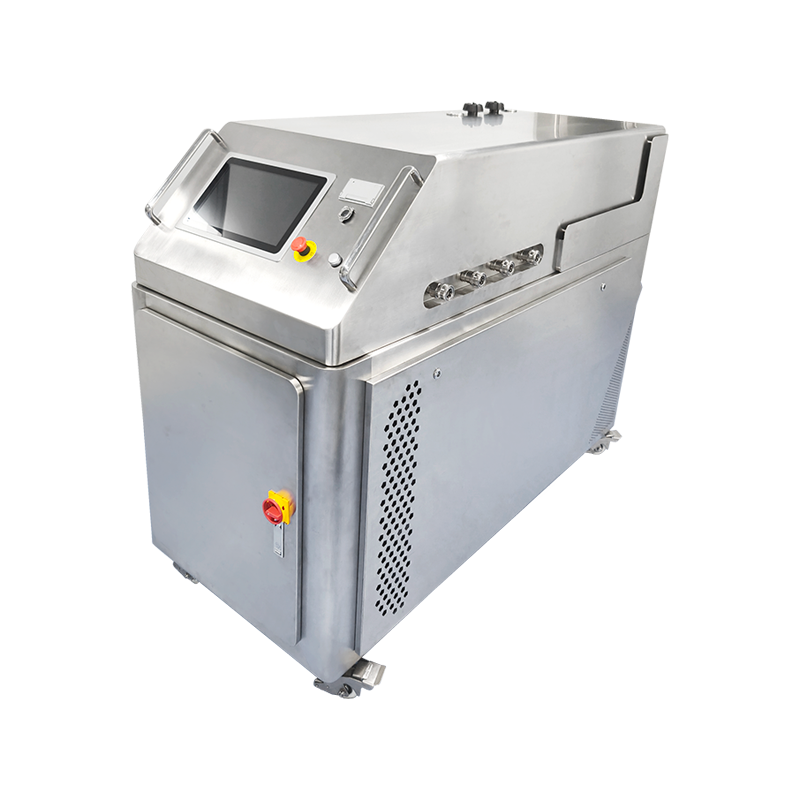
Automatic machines are often designed for batch or continuous cleaning processes, optimizing throughput. Manual machines are better suited for small-scale operations or specialized cleaning tasks where customization is required.
Compliance and Standardization
GMP compliance is critical in industries such as pharmaceuticals. Automatic cleaning machines facilitate standardization of processes, ensuring consistent cleaning parameters like temperature, pressure, and chemical dosage. Manual cleaning machines rely heavily on operator skill and adherence to protocols, making standardization more challenging.
Cost Analysis
Initial costs for automatic GMP cleaning machines are higher due to complex machinery and programming requirements. However, they may reduce labor costs and minimize production downtime over time. Manual machines have lower upfront costs but may incur higher labor expenses and inconsistent cleaning results that could affect product quality.
Maintenance Requirements
Automatic machines require routine technical maintenance, including software updates, calibration, and parts replacement. Manual machines require less technical maintenance but need careful monitoring to ensure brushes, hoses, and other components remain effective and clean.
Flexibility and Adaptability
Manual cleaning machines offer high flexibility for irregular shapes, small-scale batches, and customized cleaning protocols. Automatic machines are less flexible due to predefined programs but excel in repetitive, high-volume cleaning operations.
Safety Considerations
Automatic GMP cleaning machines reduce operator exposure to cleaning chemicals and hot water, enhancing workplace safety. Manual machines increase direct interaction with potentially hazardous substances, requiring strict adherence to personal protective equipment (PPE) protocols.
Comparison Table: Manual vs Automatic GMP Cleaning Machines
| Feature | Manual GMP Machine | Automatic GMP Machine |
| Operation | Requires human intervention | Programmed, minimal human input |
| Consistency | Variable, depends on operator skill | High, repeatable cleaning cycles |
| Throughput | Lower, limited by manual effort | Higher, optimized for volume |
| Cost | Lower initial, higher labor over time | Higher initial, lower long-term labor |
| Maintenance | Simple, operator-based | Technical, requires calibration and software |
| Safety | Higher exposure to chemicals | Reduced operator exposure |
| Flexibility | High for customized cleaning | Limited to programmed cycles |
Conclusion
Both manual and automatic GMP cleaning machines have unique advantages and limitations. Manual machines excel in flexibility, customization, and low initial cost, making them suitable for small-scale or specialized operations. Automatic machines provide superior consistency, efficiency, and compliance assurance, ideal for large-scale production environments. Selecting the appropriate type requires careful consideration of production volume, regulatory requirements, maintenance capacity, and budget constraints. By understanding these differences, facilities can optimize their cleaning processes while maintaining GMP compliance and operational efficiency.