

Content
- 1 What Is an RTP Beta Bag?
- 2 How the RTP System Works with a Beta Bag
- 3 Beta Bag Materials and Construction Options
- 4 Standard RTP Beta Bag Size Ranges and Configurations
- 5 Key Applications of RTP Beta Bags in Industry
- 6 Containment Performance and Validation Requirements
- 7 Best Practices for Using RTP Beta Bags in Production
- 8 Selecting the Right RTP Beta Bag Supplier
- 9 Conclusion
In highly regulated manufacturing environments — particularly pharmaceutical production, biotechnology, and fine chemical processing — the safe transfer of potent, toxic, or sterile materials between containment zones is one of the most operationally critical and risk-laden activities performed on a daily basis. The Rapid Transfer Port (RTP) system, combined with the beta bag, has become one of the most widely adopted engineering solutions for achieving contamination-free material transfer without breaching containment integrity. Understanding what an RTP beta bag is, how it integrates with the broader RTP system, and how to specify and use it correctly is essential for process engineers, containment specialists, and quality assurance professionals working in these demanding industries.
What Is an RTP Beta Bag?
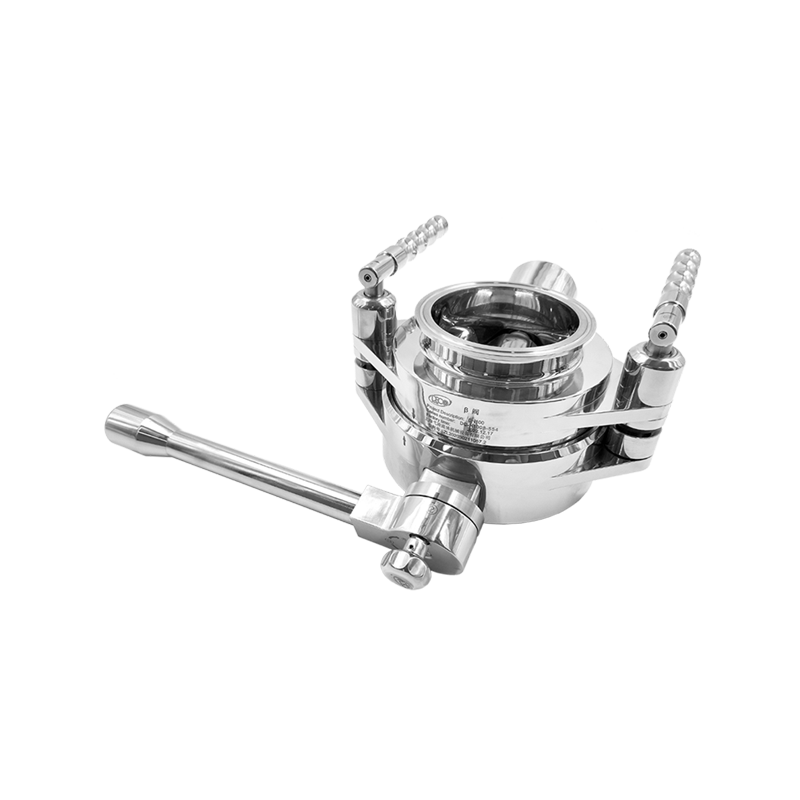
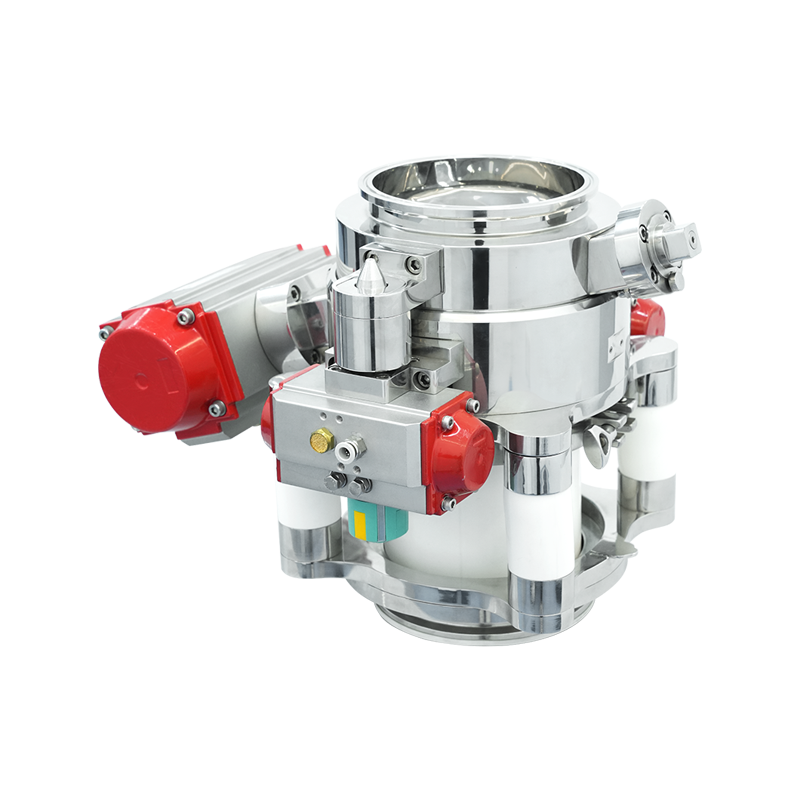
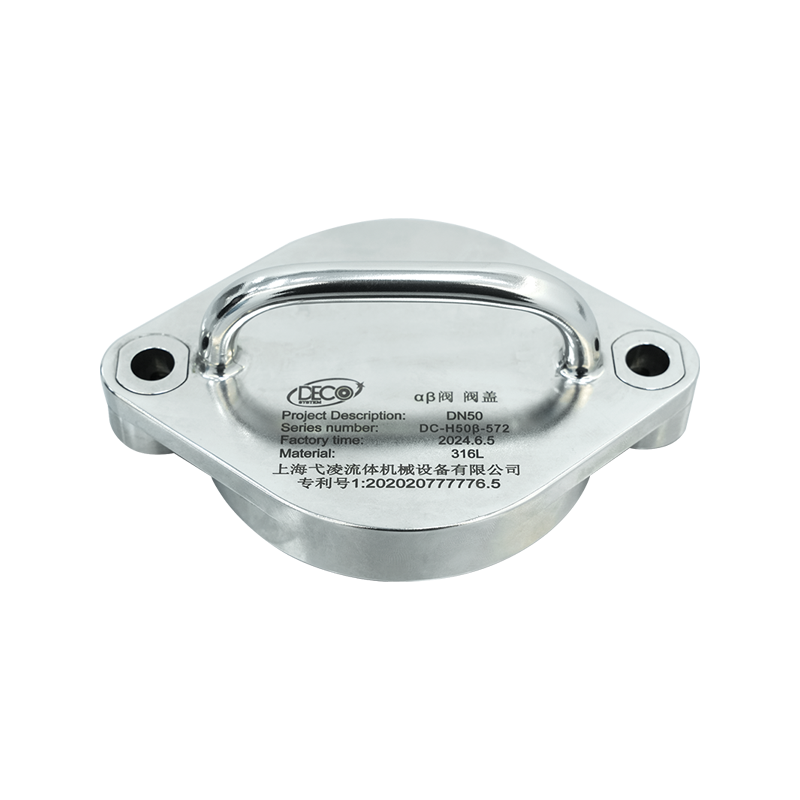
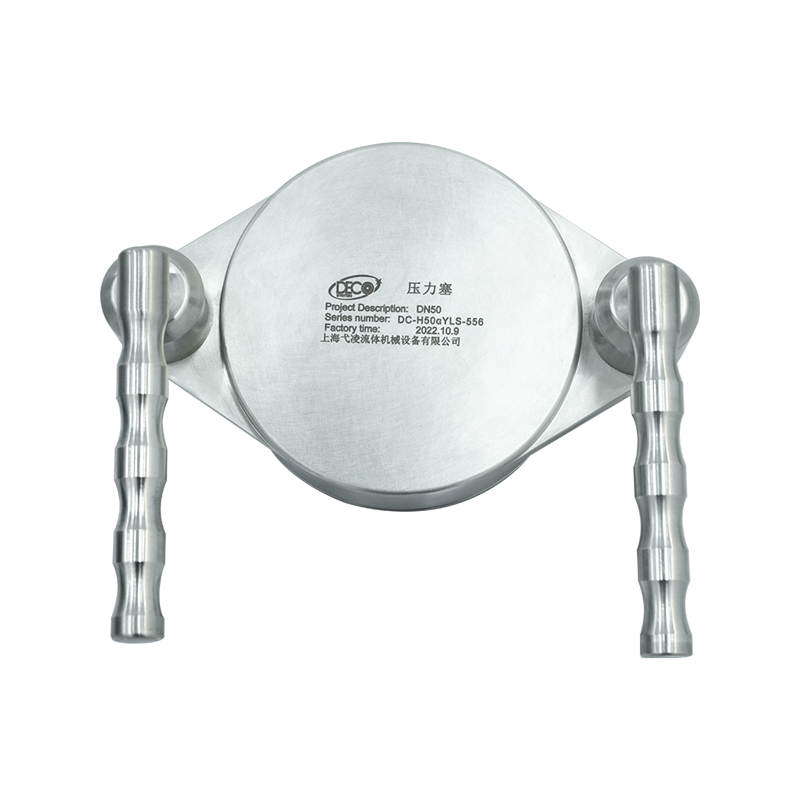
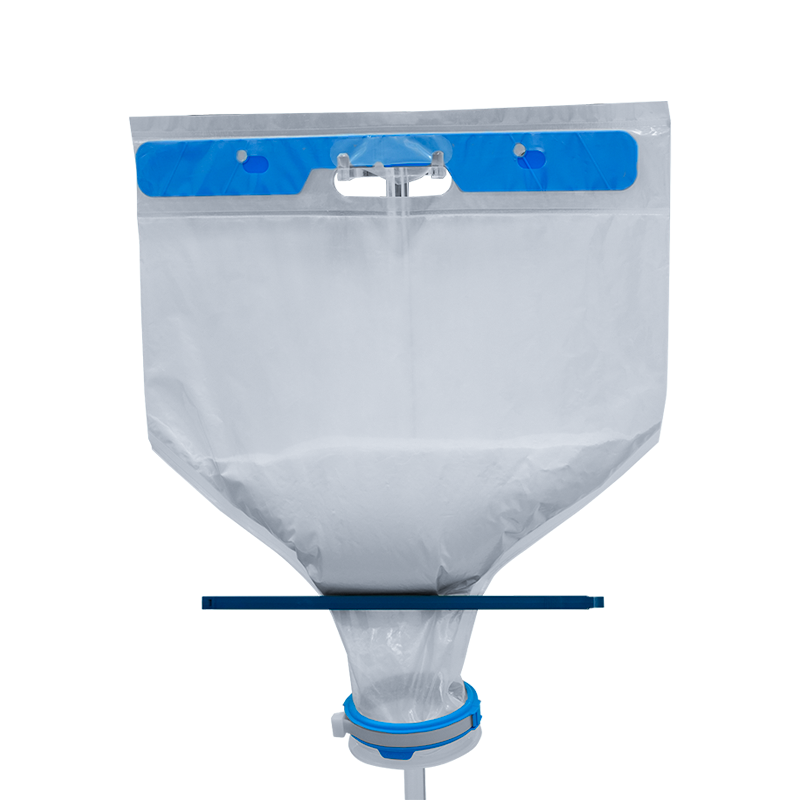
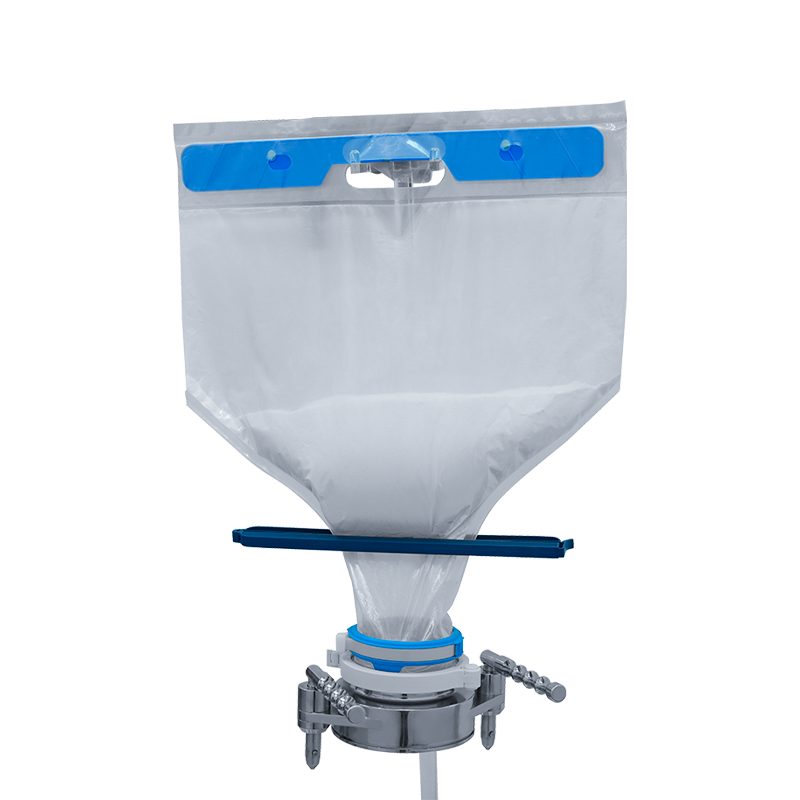
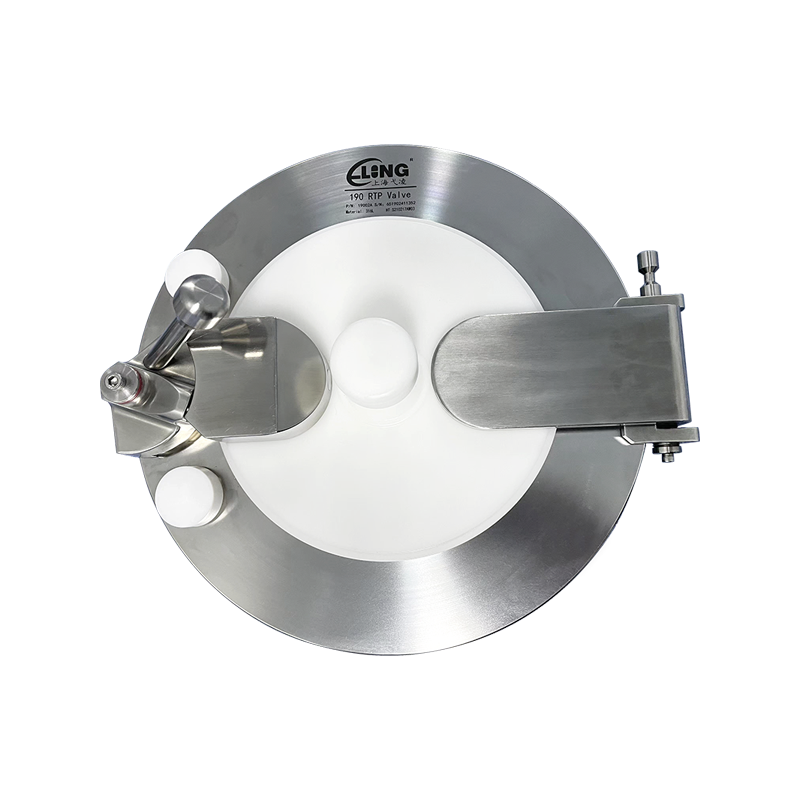
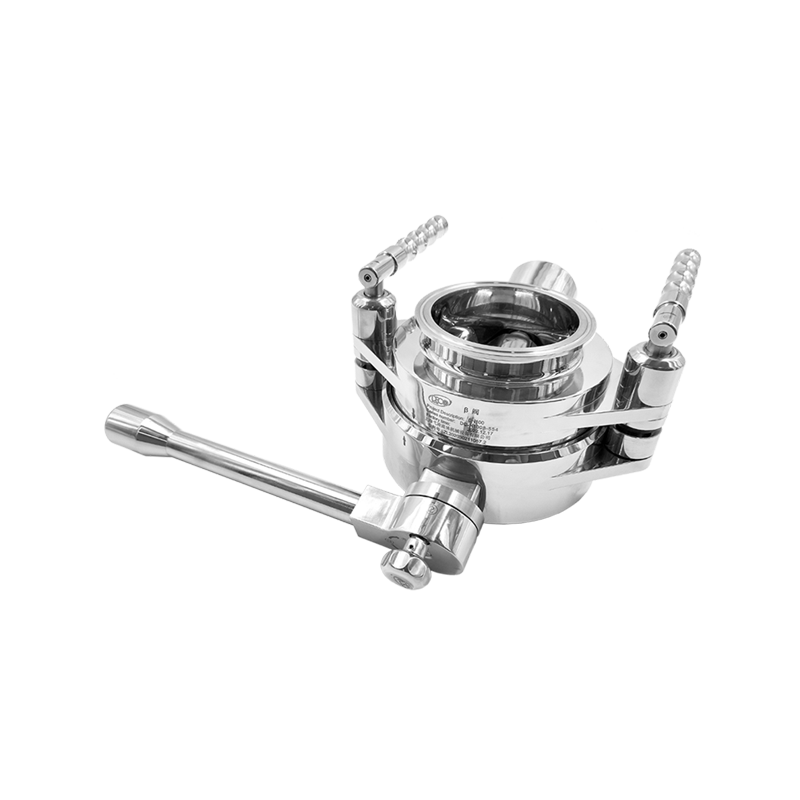
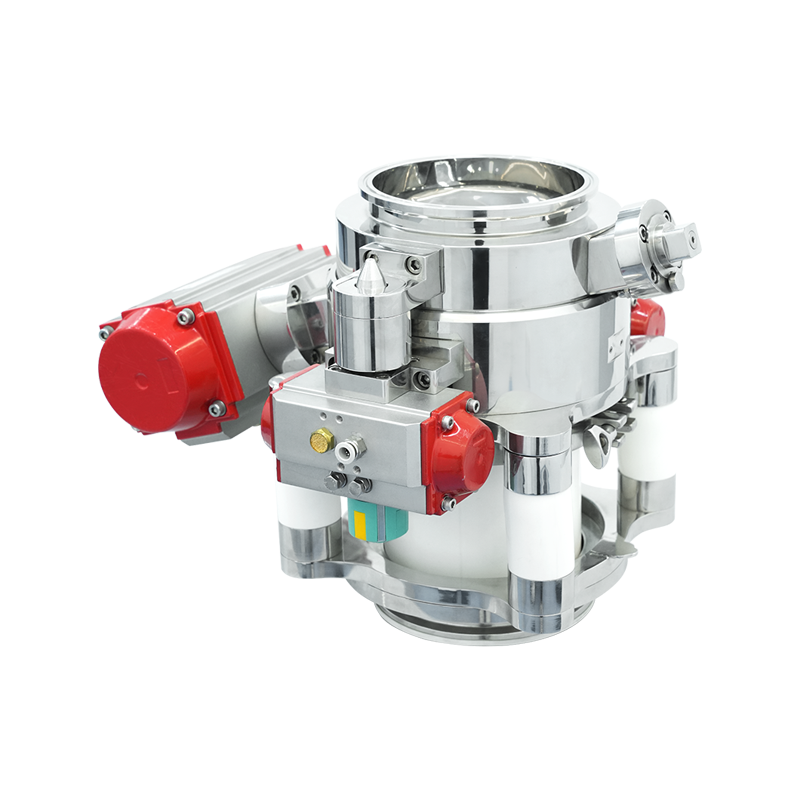
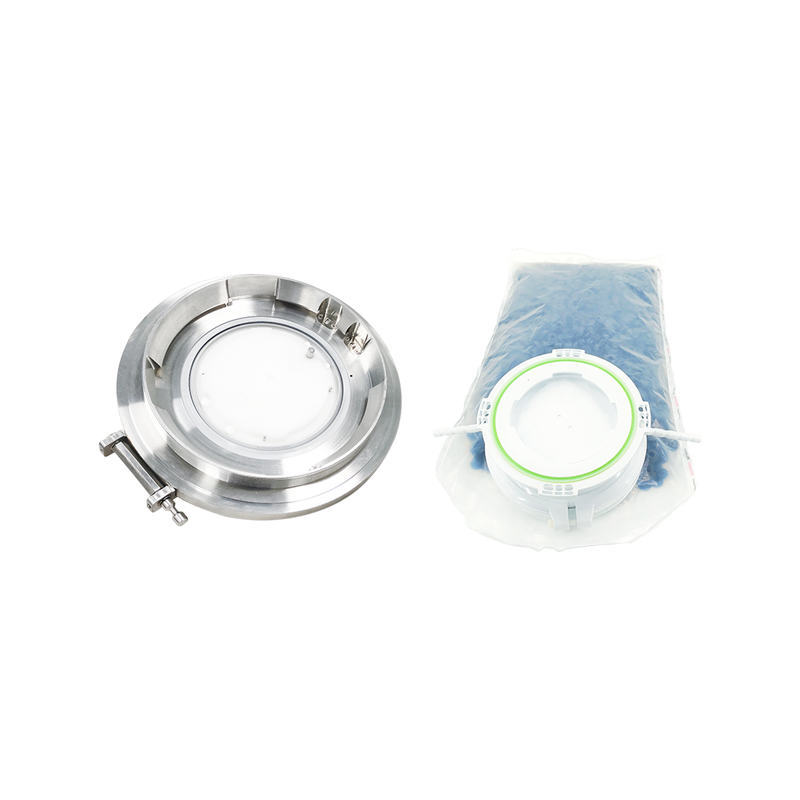
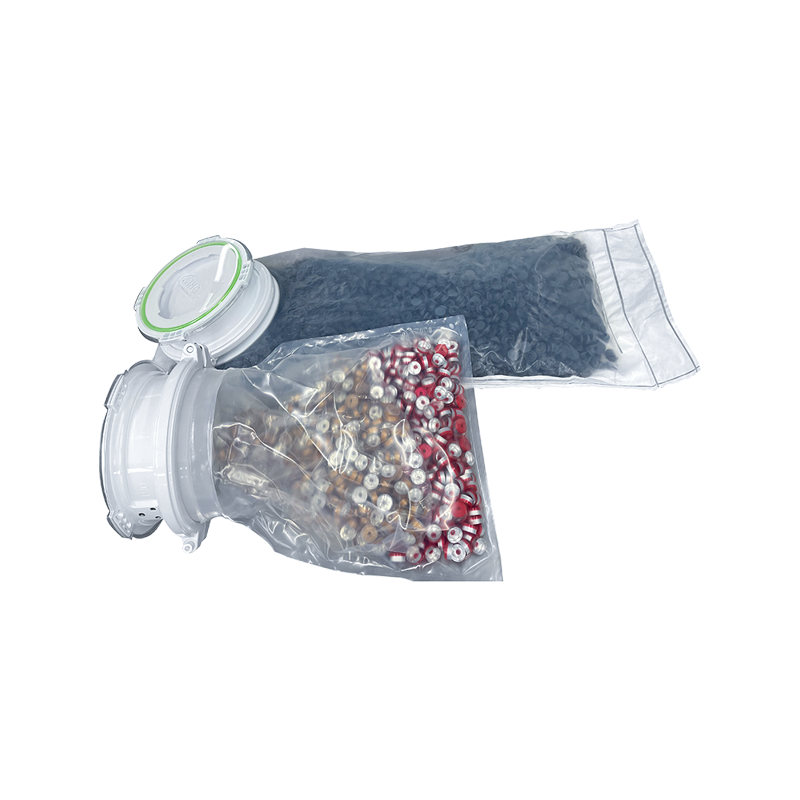
An RTP beta bag is a flexible, single-use or multi-use containment bag fitted with a standardized beta flange that forms one half of a Rapid Transfer Port connection. The RTP system itself is a split-valve technology consisting of two interlocking components: the alpha port, which is permanently installed on a containment enclosure such as an isolator, glove box, or process vessel, and the beta component, which is attached to the item being transferred — in this case, the flexible bag. When the alpha and beta components are mated and locked together, a contamination-free pathway is created through which the bag contents can be transferred into the enclosure without exposing the operator or the surrounding environment to the material inside.
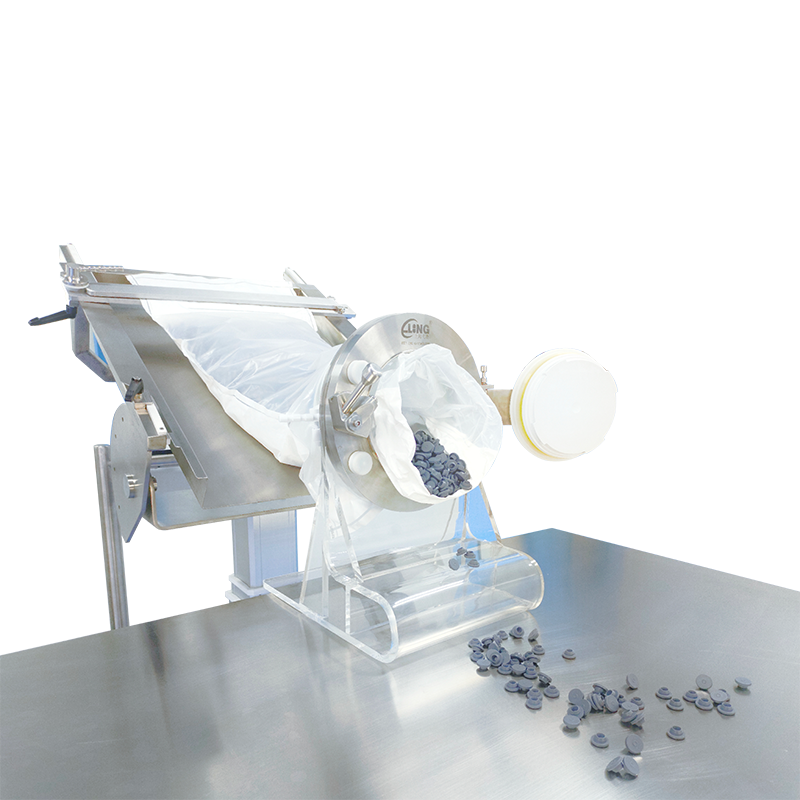
The beta bag is specifically the flexible bag component of this system, and it serves as the primary containment vessel for materials being introduced into or removed from a controlled zone. Beta bags are used to transfer powdered active pharmaceutical ingredients (APIs), granules, pellets, excipients, waste materials, and in some configurations, liquids or semi-solids. They are manufactured to precise dimensional standards so that the beta flange mates reliably with alpha ports from the same system family, ensuring a consistent, leak-tight connection every time regardless of operator technique variability.
How the RTP System Works with a Beta Bag
The operating principle of the RTP system is based on the concept of always-closed transfer: at no point during the connection, transfer, or disconnection sequence is the interior of the containment enclosure exposed to the external environment, nor is the operator exposed to the material being transferred. This is achieved through a carefully engineered sequence of mechanical actions that are simple enough to be performed reliably under routine production conditions.
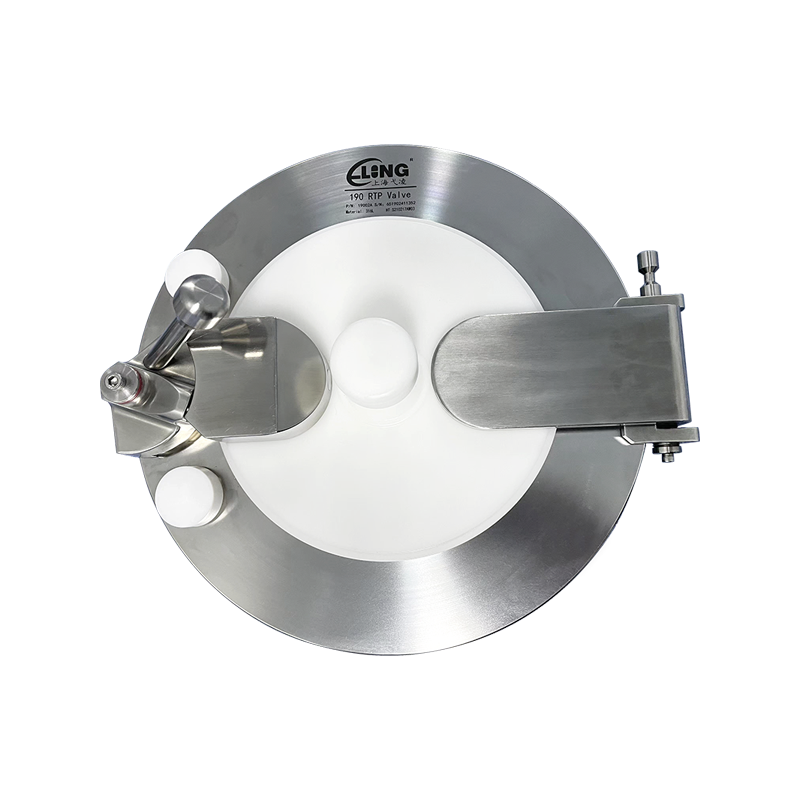
Before connection, both the alpha port on the enclosure and the beta flange on the bag have their respective closure discs in place, sealing each side independently. When the beta bag is presented to the alpha port, the beta flange is aligned and locked onto the alpha port housing using a quarter-turn or bayonet locking mechanism depending on the system design. Once locked, the two closure discs are effectively joined face-to-face, with any contamination that was on the external surfaces of the discs now sandwiched between them and isolated from both the enclosure interior and the operator's environment. The combined disc assembly is then opened inward by rotating or sliding the internal alpha port handle, creating an unobstructed opening through which the bag contents can be emptied or filled. After the transfer is complete, the disc assembly is closed, the beta bag is unlocked and removed, and both sides return to their independently sealed state.
Beta Bag Materials and Construction Options
The selection of beta bag materials is driven by the chemical compatibility of the product being handled, the regulatory requirements of the manufacturing environment, the need for single-use versus reusable deployment, and the physical properties of the material being transferred. Beta bags are available in a range of film constructions and flange materials to accommodate these varying requirements.
Bag Film Materials
Polyethylene (PE) film is the most commonly used material for pharmaceutical beta bags due to its broad chemical compatibility, low extractables and leachables profile, and availability in USP Class VI and FDA-compliant grades. Low-density polyethylene (LDPE) provides high flexibility and good impact resistance at low temperatures, while high-density polyethylene (HDPE) offers greater stiffness and barrier properties for materials requiring more robust physical containment. For applications requiring enhanced chemical resistance or barrier properties against moisture and oxygen, multilayer laminate films combining polyethylene with nylon, EVOH, or aluminum foil layers are available. Antistatic and conductive film variants are used when handling electrostatically sensitive powders that could generate ignition risks or cause powder adhesion to bag walls.
Beta Flange Materials
The beta flange — the rigid ring component that mates with the alpha port — is most commonly manufactured from high-density polyethylene or polypropylene for single-use applications, offering a cost-effective disposable option that eliminates cleaning validation requirements between batches. Stainless steel (316L grade) beta flanges are used in reusable configurations where the bag body is replaced but the flange is cleaned and reused, or where the process requires the higher dimensional stability and temperature resistance that metal provides. Polyphenylene sulfide (PPS) and other high-performance polymer flanges are available for applications involving aggressive solvents or elevated process temperatures where standard polyolefin flanges would be unsuitable.
Standard RTP Beta Bag Size Ranges and Configurations
RTP beta bags are available in a wide range of sizes and configurations to match the volume and geometry requirements of different transfer operations. The flange diameter is standardized within each RTP system family — most commonly in 105 mm, 190 mm, and 330 mm diameters — and the bag volume and geometry are then built around the chosen flange size.
| Flange Diameter | Typical Volume Range | Common Application |
| 105 mm | 0.5 L – 5 L | Small-scale API transfer, sampling |
| 190 mm | 5 L – 50 L | Mid-scale production, granule transfer |
| 330 mm | 50 L – 200 L | Large-scale bulk powder transfer |
| Custom sizes | Application-specific | Waste collection, liquid transfer |
Beyond volume, beta bags can be configured with a range of secondary features including inner liners for additional contamination control, discharge spouts or tie-off closures at the base for gravity emptying, hanging loops or gusseted panels for easier filling and discharge, and label panels for batch identification and traceability. Bags used in cleanroom environments are typically supplied pre-cleaned, double-bagged, and gamma-irradiated for sterility where required.
Key Applications of RTP Beta Bags in Industry
RTP beta bags are deployed across a broad range of high-containment and cleanroom manufacturing applications where the combination of operator protection, product protection, and transfer efficiency is required simultaneously.
- Potent API handling in pharmaceutical manufacturing: Highly potent active pharmaceutical ingredients (HPAPIs) with occupational exposure limits (OELs) below 10 µg/m³ require contained transfer systems to protect operators from inhalation and dermal exposure. RTP beta bags allow HPAPI powders to be weighed, dispensed, and introduced into formulation equipment entirely within an isolator environment, with transfer via RTP eliminating any open-air exposure step.
- Sterile manufacturing and aseptic processing: In sterile drug product manufacturing, beta bags are used to introduce components, excipients, and packaging materials into Grade A/B cleanroom isolators without compromising the sterile field. The RTP transfer sequence eliminates the need for spray disinfection and manual wiping of every item entering the isolator, reducing both contamination risk and transfer time.
- Contained waste removal from isolators: Beta bags configured for waste collection allow spent materials, contaminated disposables, and process waste to be removed from containment isolators without breaking containment. The waste is collected into the beta bag inside the isolator, the bag is sealed, and the filled beta bag is docked to an alpha port on the isolator wall for removal — maintaining full containment throughout the waste removal process.
- Biocontainment in vaccine and biologic manufacturing: In biological manufacturing facilities handling live organisms, viral vectors, or genetically modified materials, RTP beta bags provide a validated containment transfer mechanism that prevents environmental release while allowing materials to be moved between biosafety level zones within the facility.
- Nuclear and radiopharmaceutical applications: Hot cells and radiation containment enclosures used in radiopharmaceutical production use RTP beta bags to transfer radioisotopes and labeled compounds with full containment of radioactive material and protection of personnel from radiation dose.
Containment Performance and Validation Requirements
For RTP beta bags used in pharmaceutical manufacturing, containment performance must be demonstrated through validated testing rather than assumed from design intent alone. Regulatory agencies including the FDA, EMA, and national medicines authorities expect manufacturers to provide documentary evidence that their containment systems — including the RTP transfer step — achieve the required containment performance under actual production conditions.
Surrogate Powder Testing
Containment performance of RTP beta bag transfers is typically quantified using surrogate powder testing, where a non-hazardous powder with similar physical properties to the actual API is transferred through the RTP system under production-representative conditions. Air samples are collected at breathing zone and general area locations throughout the transfer operation and analyzed to determine the airborne concentration of the surrogate. Results are expressed as a time-weighted average (TWA) concentration and compared against the OEL of the actual API to confirm the system delivers adequate containment margin. Reputable RTP and beta bag suppliers can provide published containment performance data from standardized test protocols such as those defined by ISPE (International Society for Pharmaceutical Engineering) and SMEPAC (Standardized Measurement of Equipment Particulate Airborne Concentration).
Integrity Testing of Beta Bags
Before use in production, beta bags should be integrity tested to confirm that the bag film and the flange-to-film weld joint are free from pinholes, leaks, or defects that could compromise containment. Integrity testing methods include vacuum decay testing, positive pressure hold testing, and immersion testing. For sterile applications, manufacturers typically supply bags with certificates of conformity confirming that integrity testing has been performed as part of the manufacturing quality control process. For non-sterile pharmaceutical applications, incoming inspection protocols should define the sampling frequency and acceptance criteria for integrity verification.
Best Practices for Using RTP Beta Bags in Production
Achieving consistent, reliable containment performance from RTP beta bags in production requires attention to procedural discipline, storage conditions, and operator training that goes beyond simply procuring the correct hardware.
- Inspect every bag before use: Even bags supplied in sealed cleanroom packaging should be visually inspected before use for film damage, weld integrity at the flange joint, and correct beta flange orientation. A bag with a compromised weld or film defect will fail during the transfer operation, potentially releasing the contained material to the environment.
- Follow the correct docking sequence without shortcuts: The RTP docking and undocking sequence is a defined procedure that must be followed in the correct order every time. Shortcuts — such as opening the combined disc before confirming the lock is fully engaged, or attempting to undock without first fully closing the disc — can create containment breaches. Operator training should include hands-on demonstration and competency assessment against a written standard operating procedure.
- Store beta bags in controlled conditions: Film-based beta bags should be stored in their original sealed packaging in clean, temperature-controlled areas away from UV exposure, sharp objects, and chemical vapors. Polyethylene films can absorb certain organic vapors over time, which may create extractables concerns for the next API processed in the bag. First-in-first-out (FIFO) stock rotation minimizes the risk of using bags that have been stored beyond their recommended shelf life.
- Manage static charge for electrostatic powders: Electrostatically charged powders can adhere to the inner bag film during emptying, reducing yield and creating cleaning challenges. Use antistatic or conductive beta bags for electrostatically sensitive APIs, and consider grounding the bag assembly during the transfer operation to dissipate charge buildup. In ATEX-classified zones, only appropriately certified conductive bag materials should be used to prevent incendiary discharge.
- Document and trace each bag used in production: Each beta bag used in a pharmaceutical production batch should be identified by lot number, documented in the batch record, and reconciled against the inventory. This traceability is required for regulatory compliance and is essential for effective root cause analysis if a containment event or product quality deviation occurs during or after the transfer step.
Selecting the Right RTP Beta Bag Supplier
The quality and regulatory compliance of RTP beta bags varies significantly across suppliers, and the consequences of using substandard bags in a pharmaceutical or biologic manufacturing context can include product contamination, regulatory findings, and serious safety incidents. When evaluating suppliers, the following criteria should be applied systematically.
- Dimensional compatibility with the installed alpha port: Beta bags must be dimensionally compatible with the specific alpha port system installed at your facility. RTP systems from different manufacturers are not universally interchangeable, even when the nominal flange diameter appears similar. Always confirm dimensional compatibility data with both the alpha port manufacturer and the beta bag supplier before qualifying a new source.
- Material traceability and regulatory documentation: Reputable suppliers provide full material traceability for all bag film and flange components, including resin certificates, extractables and leachables data, USP Class VI or ISO 10993 biocompatibility data where applicable, and certificates of conformance for each production lot. This documentation package is required for Drug Master File submissions and regulatory agency inspections.
- Quality management system certification: Suppliers manufacturing beta bags for pharmaceutical use should operate under an ISO 9001 or ISO 15378 certified quality management system. Facilities supplying sterile bags should additionally hold ISO 13485 certification. Request and review supplier audit reports or conduct a site qualification audit before approving a new beta bag supplier for GMP production use.
Conclusion
The RTP beta bag is a precision-engineered containment component that enables pharmaceutical, biotech, and chemical manufacturers to transfer hazardous, potent, or sterile materials between controlled environments with a level of safety and reliability that older transfer methods cannot match. By understanding the mechanical principles of the RTP system, selecting the appropriate bag material and configuration for the specific application, validating containment performance through recognized test protocols, and training operators to follow standardized docking procedures without deviation, organizations can achieve consistent containment performance that protects both their workforce and their product quality. In an industry where a single containment breach can have consequences ranging from product batch rejection to serious operator health events, the investment in correctly specified and properly managed RTP beta bags is both a regulatory obligation and a fundamental duty of care.