

Content
- 1 What Is an Electric Diaphragm Valve?
- 2 How the Internal Mechanism Works
- 3 Types of Electric Diaphragm Valves
- 4 Key Industries and Applications
- 5 Advantages Over Other Valve Types
- 6 How to Select the Right Electric Diaphragm Valve
- 7 Installation and Maintenance Best Practices
- 8 The Role of Electric Diaphragm Valves in Automation
- 9 Final Thoughts
In modern industrial fluid control systems, precision and reliability are non-negotiable. Among the many valve technologies available today, the electric diaphragm valve stands out for its unique combination of tight shutoff, contamination-free flow paths, and electrically automated control. Whether you're managing corrosive chemicals, pharmaceutical ingredients, or wastewater, understanding this valve type — how it works, where it excels, and how to choose the right one — is essential knowledge for engineers and procurement professionals alike.
What Is an Electric Diaphragm Valve?
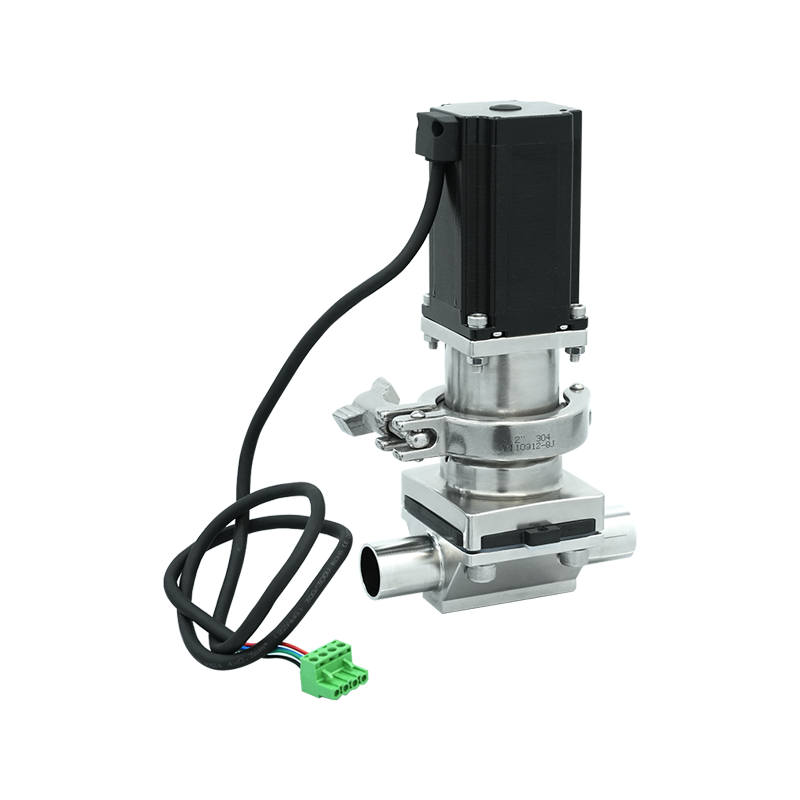
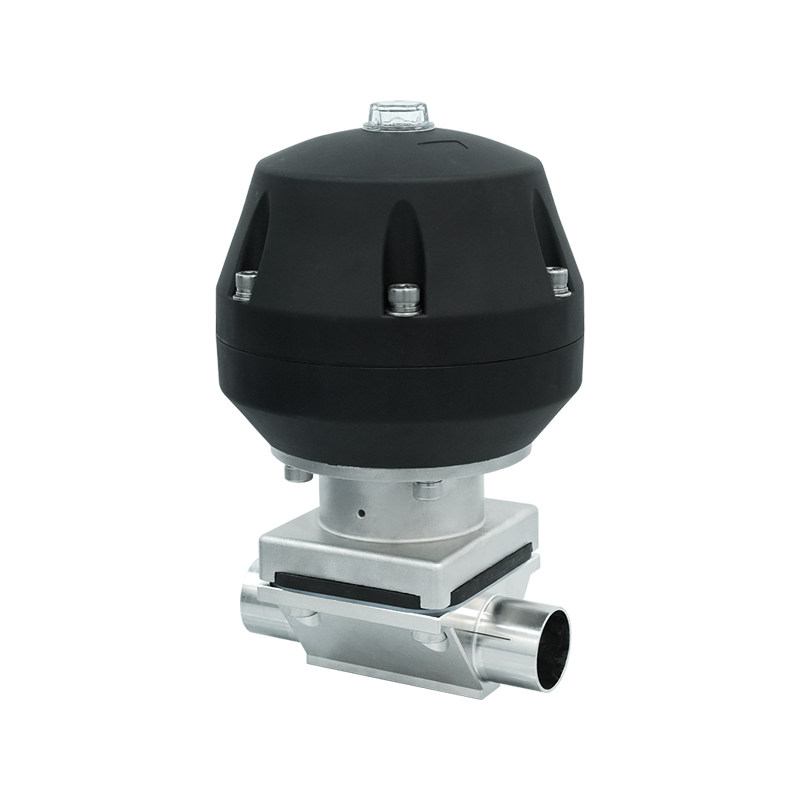
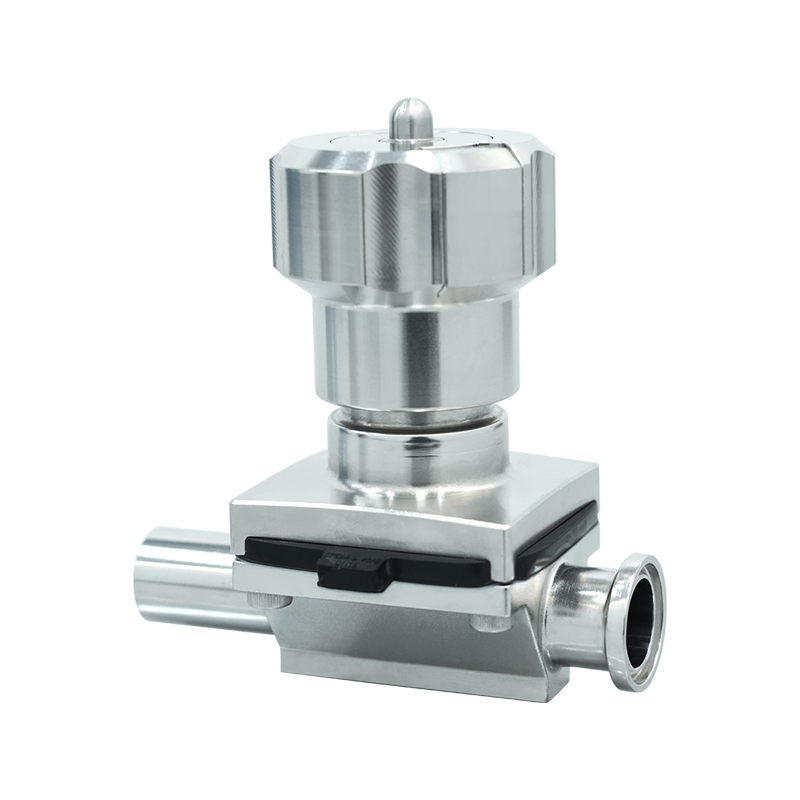
An electric diaphragm valve is a type of control or isolation valve that uses a flexible membrane — called a diaphragm — to regulate or stop fluid flow, powered by an electric actuator rather than manual operation or pneumatic pressure. The diaphragm physically separates the flowing medium from the valve's mechanical components, which prevents contamination and makes these valves ideal for hygienic or chemically aggressive applications.
The electric actuator — typically a motorized unit — drives a compressor or stem downward to press the diaphragm against a weir or seat, blocking flow. When the actuator reverses, the diaphragm lifts and fluid passes through. This straightforward mechanism translates electrical signals into precise, repeatable mechanical action, making electric diaphragm valves highly compatible with automated process control systems including PLCs, SCADA platforms, and Building Management Systems (BMS).
How the Internal Mechanism Works
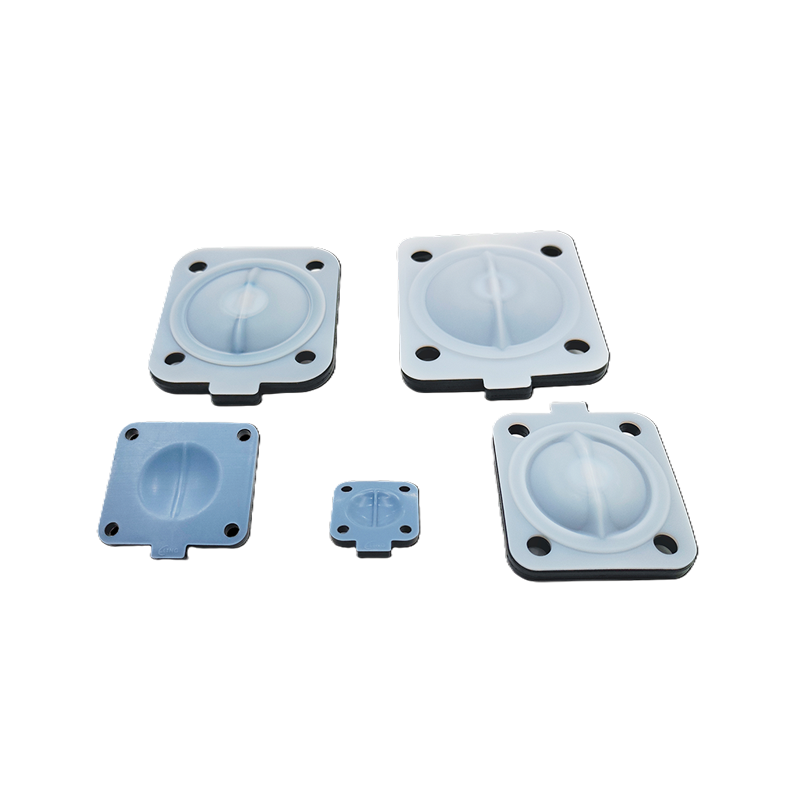
Understanding the internal operation of an electric diaphragm valve helps clarify why it performs so reliably across demanding conditions. The valve body is typically made from materials such as stainless steel, cast iron, CPVC, or polypropylene, depending on the application. The diaphragm itself is fabricated from elastomers including EPDM, PTFE, NBR, or natural rubber, each offering specific chemical compatibility and temperature tolerance.
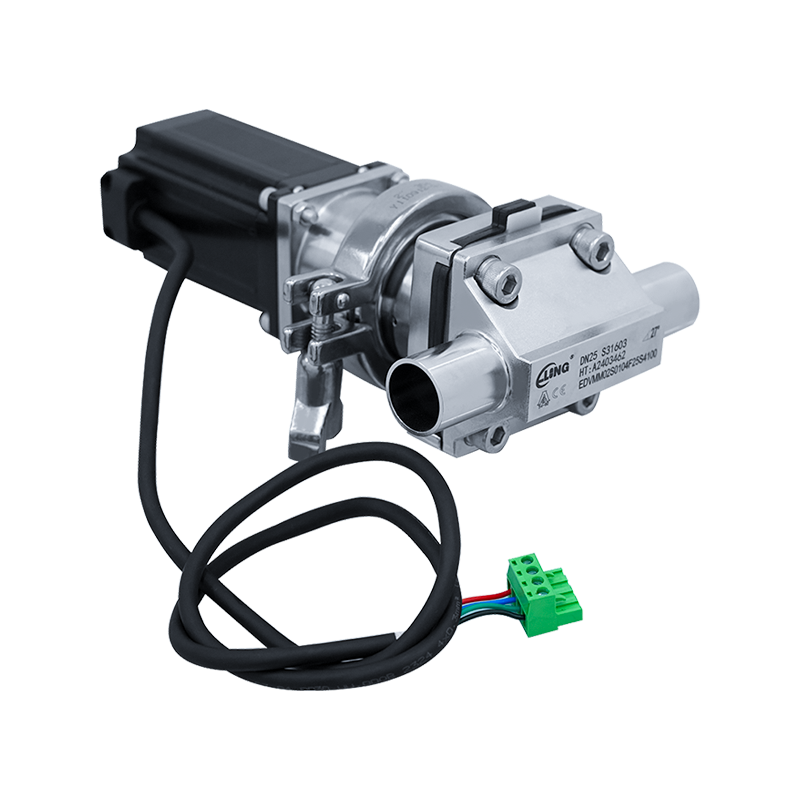
When an electric signal is sent to the actuator — either a simple open/close command (on/off) or a variable 4–20 mA or 0–10V analog signal for modulating control — the actuator's motor drives a spindle connected to the diaphragm compressor. In the closed position, the compressor forces the diaphragm firmly against the valve seat, creating a leak-tight seal without the fluid ever contacting the actuator mechanism. In the open position, the compressor retracts and the diaphragm flexes back, allowing fluid to flow freely through the valve bore.
Some designs incorporate a fail-safe spring return mechanism within the actuator. This means that if electrical power is lost, the valve automatically returns to a predetermined safe position — either fully open or fully closed — depending on the process requirements. This feature is critical in applications where an uncontrolled valve position could lead to dangerous pressure buildup, flooding, or process contamination.
Types of Electric Diaphragm Valves
Not all electric diaphragm valves are built the same way. The two primary body configurations — weir type and straightway (full bore) type — serve different flow and maintenance needs.
Weir-Type Diaphragm Valve
The weir-type valve features a raised saddle or weir across the flow path. The diaphragm presses down onto this weir to stop flow. This design requires less diaphragm travel to achieve shutoff, which reduces stress on the diaphragm and extends its service life. Weir-type valves are best suited for clean fluids, slurries with small particles, and applications requiring frequent cycling.
Straightway (Full Bore) Diaphragm Valve
The straightway design offers a straight-through, full-bore flow path with no internal obstruction. This makes it ideal for viscous fluids, slurries with large solids, or applications where minimal pressure drop is essential. The diaphragm must travel a greater distance to seal, which places more mechanical demand on it, but the unobstructed passage compensates with superior drainage and cleanability.
Key Industries and Applications
Electric diaphragm valves are trusted across a wide range of industries precisely because they offer both mechanical isolation of the actuator from the process fluid and electrically precise control. Here are the primary sectors where they are deployed:
- Pharmaceutical and Biotech: Strict hygienic standards demand that no metal parts contact the process fluid. PTFE-lined or stainless steel-bodied electric diaphragm valves are widely used in CIP (Clean-In-Place) and SIP (Steam-In-Place) systems.
- Water and Wastewater Treatment: Electric diaphragm valves control chemical dosing, sludge lines, and filtration systems, where their resistance to corrosive media and low-maintenance operation are highly valued.
- Chemical Processing: Aggressive acids, alkalis, and solvents require valve bodies and diaphragms with superior chemical resistance. CPVC-bodied valves with PTFE diaphragms are commonly specified in these environments.
- Food and Beverage: Sanitary-grade electric diaphragm valves meet FDA and 3-A standards, ensuring that production lines maintain food safety while enabling automated batch control.
- Semiconductor Manufacturing: Ultra-pure water and aggressive chemical handling during chip fabrication require valves with zero contamination risk — a domain where electric diaphragm valves excel.
- HVAC and Building Automation: In chilled water and heating systems, electric diaphragm valves regulate flow automatically based on temperature sensors and BMS commands.
Advantages Over Other Valve Types
Compared to ball valves, gate valves, or butterfly valves with electric actuators, electric diaphragm valves offer a distinct set of operational advantages that make them the preferred choice in specific scenarios.
| Feature | Electric Diaphragm Valve | Electric Ball Valve | Electric Butterfly Valve |
| Fluid Contamination Risk | Very Low | Medium | Medium |
| Suitability for Slurries | Excellent | Poor | Fair |
| Hygienic Design | Yes | Varies | Varies |
| Pressure Drop | Higher (weir type) | Low | Low |
| Max Operating Pressure | Moderate (~10 bar) | High | Medium–High |
| Chemical Resistance | Excellent (PTFE lined) | Good | Good |
How to Select the Right Electric Diaphragm Valve
Choosing the correct electric diaphragm valve for your application requires evaluating several interdependent parameters. Getting this selection right the first time saves significant costs in downtime, replacement, and process disruption.
Fluid Compatibility
The fluid's chemical composition determines both the body material and the diaphragm elastomer. For strong acids and oxidizing agents, PTFE-lined valves with a CPVC or stainless steel body are typically specified. For general water service, EPDM diaphragms with a cast iron or ductile iron body offer a cost-effective solution. Always cross-reference the fluid's chemical resistance chart against both the diaphragm and body materials before finalizing a selection.
Pressure and Temperature Ratings
Electric diaphragm valves are generally rated for moderate pressures — typically up to 10 bar (145 PSI) — and temperatures ranging from -10°C to 120°C depending on the diaphragm material. PTFE diaphragms can extend temperature tolerance, but the body material must also be rated accordingly. Always confirm that the valve's full pressure-temperature rating meets your system's peak operational conditions, not just the average ones.
Actuator Type and Control Signal
Determine whether your application requires simple on/off control or proportional flow modulation. On/off electric actuators accept 24V DC, 110V AC, or 220V AC signals and drive the valve to fully open or closed. Modulating actuators accept 4–20 mA or 0–10V DC signals and position the valve at any intermediate point, enabling precise flow regulation. Confirm power supply compatibility and whether a position feedback signal or manual override is required for your control system.
Fail-Safe Requirement
Define the safe failure position for your process. A fail-closed valve protects against overflow or contamination events, while a fail-open valve prevents dangerous pressure buildup or process interruption. Spring-return actuators provide this fail-safe function passively, without requiring external power or control signals, making them the preferred choice in safety-critical processes.
Installation and Maintenance Best Practices
Proper installation significantly impacts the service life and performance of an electric diaphragm valve. The valve should be installed with the actuator positioned vertically upward whenever possible, to prevent fluid from pooling in the bonnet area and degrading the diaphragm prematurely. Ensure the pipework is properly supported to avoid mechanical stress on the valve body, and use appropriate flange gaskets or threaded fittings rated for the service conditions.
Routine maintenance centers primarily on diaphragm inspection and replacement. The diaphragm is a consumable component and should be checked periodically for signs of cracking, swelling, or hardening, especially in high-cycling or chemically aggressive applications. Most modern electric diaphragm valves are designed for quick diaphragm replacement without removing the valve body from the pipeline — a significant advantage for minimizing process downtime. The actuator should also be inspected for motor wear, gear integrity, and electrical connection security at regular service intervals.
The Role of Electric Diaphragm Valves in Automation
As industrial processes become increasingly automated and data-driven, the electric diaphragm valve plays a growing role in intelligent fluid management. Modern actuators can be equipped with integrated positioners, limit switches, Bluetooth diagnostics, and fieldbus communication protocols such as PROFIBUS, HART, or Modbus, enabling real-time valve status monitoring and predictive maintenance alerts. This connectivity transforms the valve from a passive mechanical component into an active node within a digital process network.
In water treatment plants, for example, electric diaphragm valves connected to SCADA systems can respond autonomously to flow meter readings, chemical dosing targets, and tank level sensors — adjusting in real time without manual operator intervention. This level of automation not only improves process accuracy but also reduces operational labor costs and the risk of human error in critical dosing or isolation tasks.
Final Thoughts
The electric diaphragm valve represents a powerful convergence of mechanical simplicity and electrical intelligence. Its ability to isolate the process fluid from all moving mechanical parts, combined with precise electric actuation and broad material compatibility, makes it an indispensable component in pharmaceutical, chemical, water treatment, food processing, and industrial automation applications. By understanding how these valves work and what factors govern their selection, engineers and system designers can make informed decisions that improve process reliability, reduce contamination risk, and enable seamless integration into modern automated control environments.