

Content
- 1 What Are Micro Sanitary Shell and Tube Heat Exchangers?
- 2 How Do Micro Sanitary Shell and Tube Heat Exchangers Work?
- 3 What Makes the Micro Sanitary Design Different?
- 4 Where Are Micro Sanitary Shell and Tube Heat Exchangers Used?
- 5 What Are the Key Advantages of Micro Sanitary Shell and Tube Designs?
- 6 What Are the Typical Technical Specifications?
- 7 How to Select the Right Micro Sanitary Heat Exchanger?
- 8 Why Are They Essential in Modern Hygienic Industries?
What Are Micro Sanitary Shell and Tube Heat Exchangers?
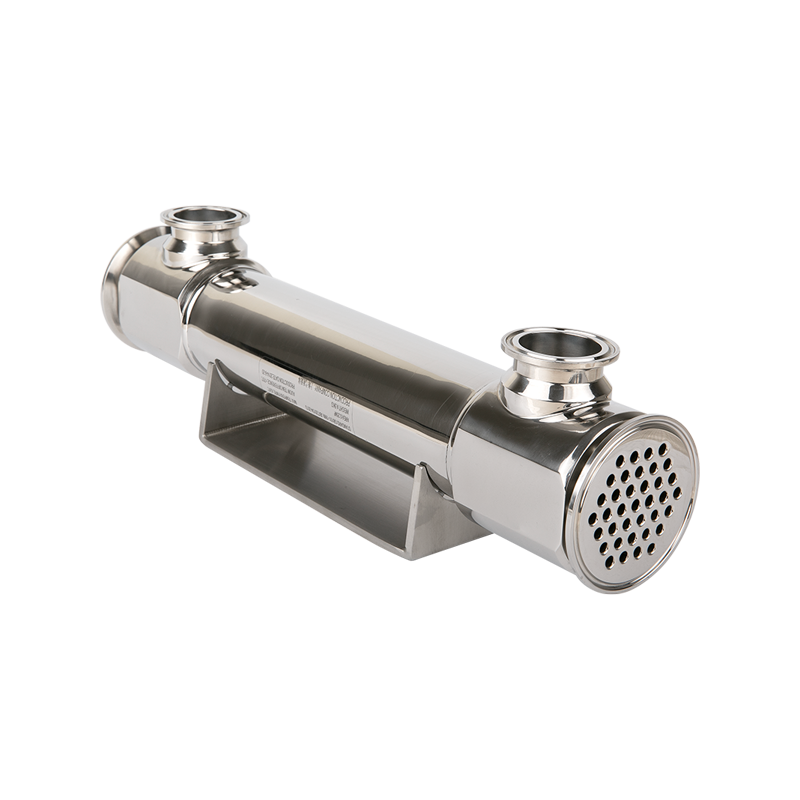
Micro sanitary shell and tube heat exchangers are compact thermal devices designed for efficient heat transfer between two fluids in hygienic and precision-sensitive environments. They are widely used in industries where cleanliness, temperature control, and contamination prevention are critical, such as food processing, pharmaceuticals, biotechnology, and beverage production.
Unlike standard shell and tube heat exchangers, the micro sanitary version is engineered with smaller tube diameters, smoother internal surfaces, and sanitary-grade materials to meet strict hygiene standards. These devices ensure efficient heat transfer while minimizing the risk of bacterial growth or fluid contamination.
Their compact design allows them to be integrated into small-scale production lines or precision systems where space, cleanliness, and thermal accuracy are equally important.
How Do Micro Sanitary Shell and Tube Heat Exchangers Work?
The working principle of a micro sanitary shell and tube heat exchanger is based on indirect heat transfer between two fluids separated by a solid barrier. One fluid flows through a bundle of small tubes, while the other fluid flows around the outside of these tubes within a sealed shell.
Heat is transferred through the tube walls without direct contact between the fluids. This ensures that contamination is completely avoided, making the system highly suitable for hygienic applications.
Tube-Side Flow Process
One fluid, often a product such as milk, juice, or pharmaceutical solution, flows through the micro tubes. These tubes are designed with small diameters to increase surface area and improve heat exchange efficiency.
Shell-Side Flow Process
A secondary fluid, such as hot water, steam, or cooling glycol, flows around the tubes inside the shell. This fluid provides the heating or cooling energy needed for the process.
Heat Transfer Mechanism
Heat passes through the tube walls via conduction. The temperature difference between the two fluids drives the transfer until thermal equilibrium is approached, allowing precise temperature control of the product fluid.
What Makes the Micro Sanitary Design Different?
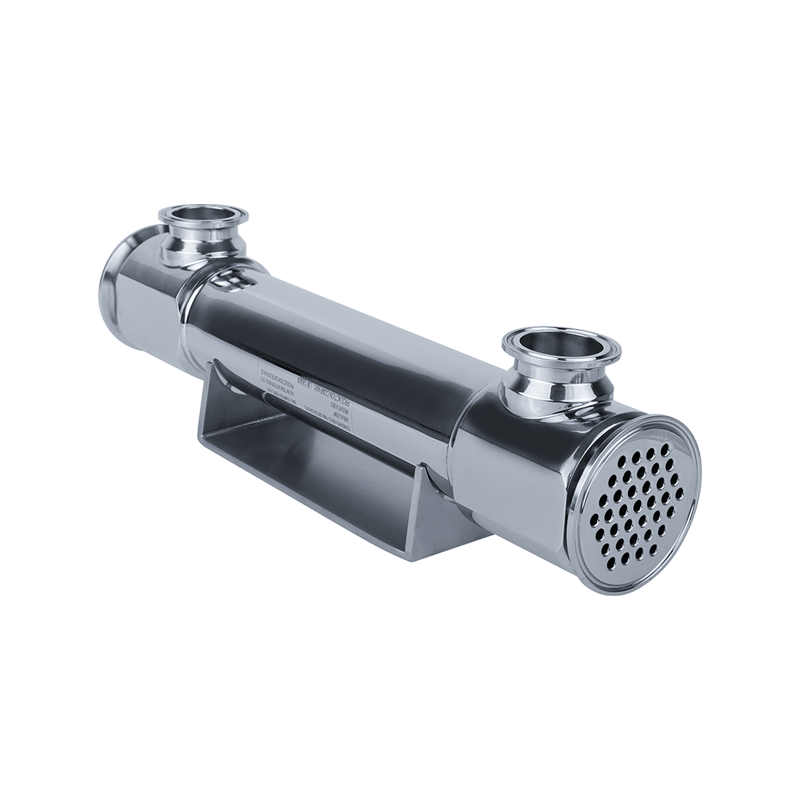
The “sanitary” aspect of these heat exchangers refers to their ability to meet strict hygiene and cleaning standards. Micro sanitary shell and tube heat exchangers are designed with smooth surfaces, polished finishes, and materials that resist corrosion and microbial growth.
Hygienic Surface Finish
Internal surfaces are often mirror-polished to reduce roughness. This prevents residue buildup and makes cleaning easier during CIP (Clean-in-Place) processes.
Food-Grade and Pharmaceutical Materials
Stainless steel grades such as 304 and 316L are commonly used due to their corrosion resistance and compliance with food and pharmaceutical safety standards.
Compact Micro Channel Design
Smaller tube diameters increase surface area-to-volume ratio, enhancing heat transfer efficiency while maintaining a compact footprint suitable for modern production systems.
Where Are Micro Sanitary Shell and Tube Heat Exchangers Used?
These heat exchangers are widely used in industries that require strict hygiene control and precise temperature regulation.
- Dairy processing (milk pasteurization, cream cooling)
- Beverage production (juice, beer, soft drinks)
- Pharmaceutical manufacturing (liquid drug temperature control)
- Biotechnology processes (fermentation temperature regulation)
- Cosmetic production (lotions, emulsions heating/cooling)
Their versatility makes them essential in any production environment where hygiene and thermal precision are equally important.
What Are the Key Advantages of Micro Sanitary Shell and Tube Designs?
Micro sanitary shell and tube heat exchangers offer several advantages compared to other types of heat exchangers such as plate or spiral designs.
High Thermal Efficiency
The small tube diameter increases turbulence, which improves heat transfer rates and ensures rapid temperature adjustment.
Strong Pressure Resistance
Shell and tube structures can withstand high pressure differences, making them suitable for industrial-scale applications.
Excellent Hygiene Compliance
Smooth surfaces and sanitary materials ensure compliance with FDA, EHEDG, and other international hygiene standards.
Easy Maintenance and Cleaning
The design supports CIP systems, allowing automated cleaning without disassembly, reducing downtime and labor costs.
What Are the Typical Technical Specifications?
Although specifications vary by manufacturer, micro sanitary shell and tube heat exchangers generally share common design parameters.
| Parameter | Typical Range | Notes |
| Material | SS304 / SS316L | Food and pharma grade |
| Tube Diameter | 3mm – 12mm | Micro-scale heat transfer |
| Operating Pressure | Up to 10–40 bar | Depends on model |
| Temperature Range | -20°C to 200°C | Wide industrial compatibility |
How to Select the Right Micro Sanitary Heat Exchanger?
Selecting the correct unit requires careful evaluation of process requirements, fluid type, and hygiene standards.
- Required heat load and flow rate
- Viscosity and chemical properties of fluids
- Cleaning method (CIP or manual)
- Operating pressure and temperature conditions
- Regulatory compliance requirements
Why Are They Essential in Modern Hygienic Industries?
Micro sanitary shell and tube heat exchangers play a crucial role in ensuring product safety, process efficiency, and energy optimization in sensitive industries. Their compact design, high efficiency, and strict sanitary compliance make them indispensable for modern manufacturing systems.
As industries continue to demand higher levels of cleanliness and precision, these heat exchangers provide a reliable solution for maintaining consistent product quality while reducing operational risks.