

Content
Residue in a GMP facility rarely stays in the wash bay. It collects on the outside of processing vessels, on the wheels and frames of mobile bins, on isolator workstation surfaces, and along the stainless steel edges of filling lines. Hauling each component to a central washer slows down changeover, and manual wiping is difficult to reproduce. A mobile high-pressure GMP cleaning machine closes that gap by bringing controlled high-pressure water, heat, and detergent directly to the point of soiling, while remaining a documented, cGMP-compliant piece of equipment. It is not a substitute for a parts washer or a CIP system; it is the practical link between the two.
What a Mobile High-Pressure GMP Cleaning Machine Actually Is
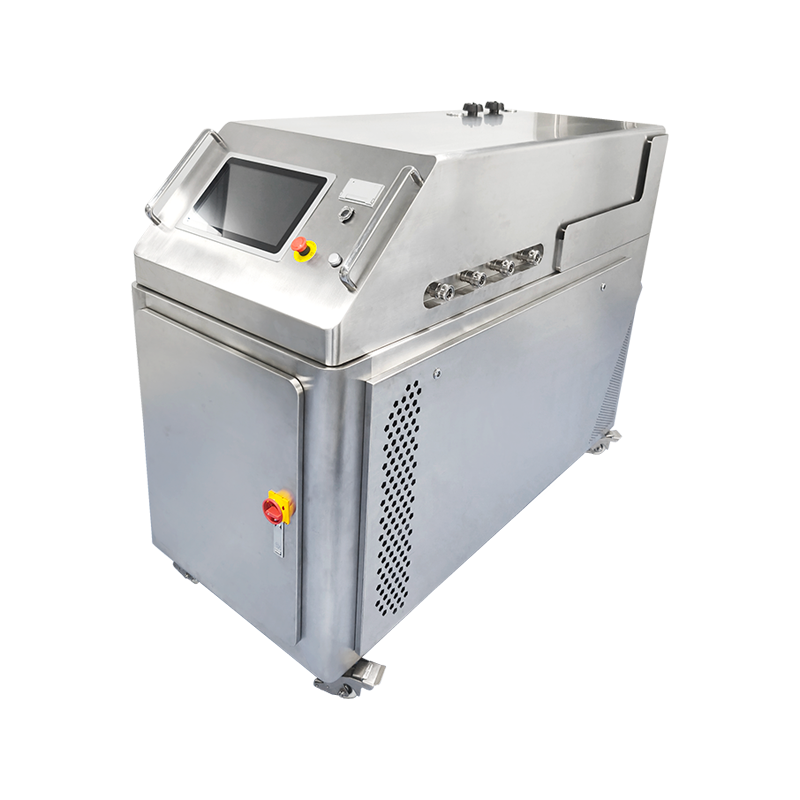
In its most common form, the machine is a self-contained stainless steel cart that carries a high-pressure pump, a process water tank, a heating system, a hose reel, and a spray lance with interchangeable nozzles. The frame is built from 316L stainless steel with a hygienic surface finish, and the design aims for drainability and easy access to internal components, because the machine itself lives in a classified area and must be cleanable too.
The "GMP" designation matters more than the pump rating. A standard industrial pressure washer is built to survive a construction site; a GMP version is built to be validated. That means food-grade or pharmaceutical-compatible wetted materials, calibrated pressure and temperature instrumentation, complete documentation of wetted parts, and a flow path that can be drained and inspected. In practice, this is what separates a GMP cleaning machine from a utility-grade unit repainted in white.
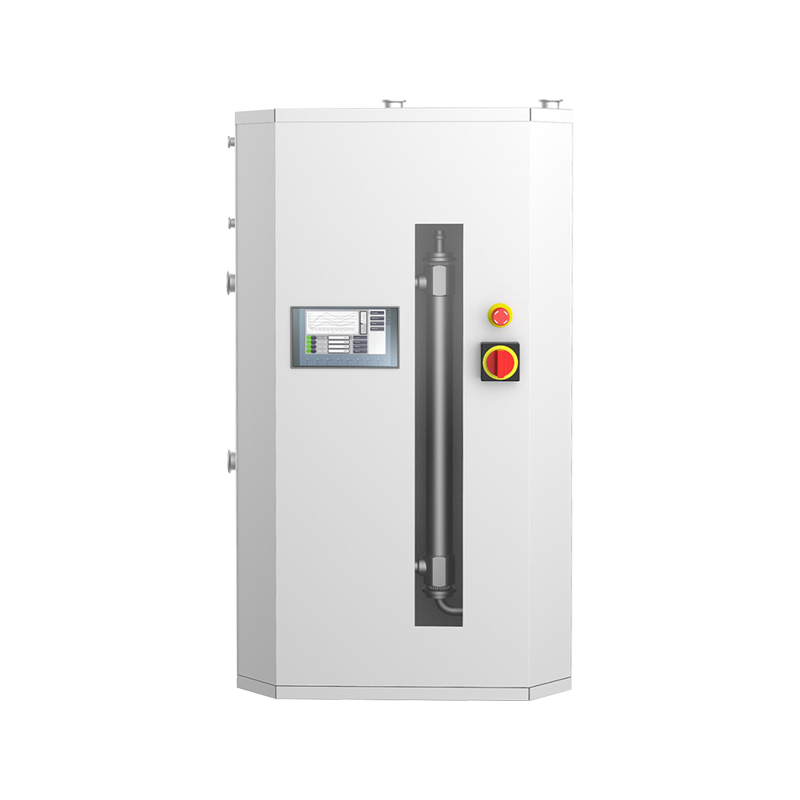
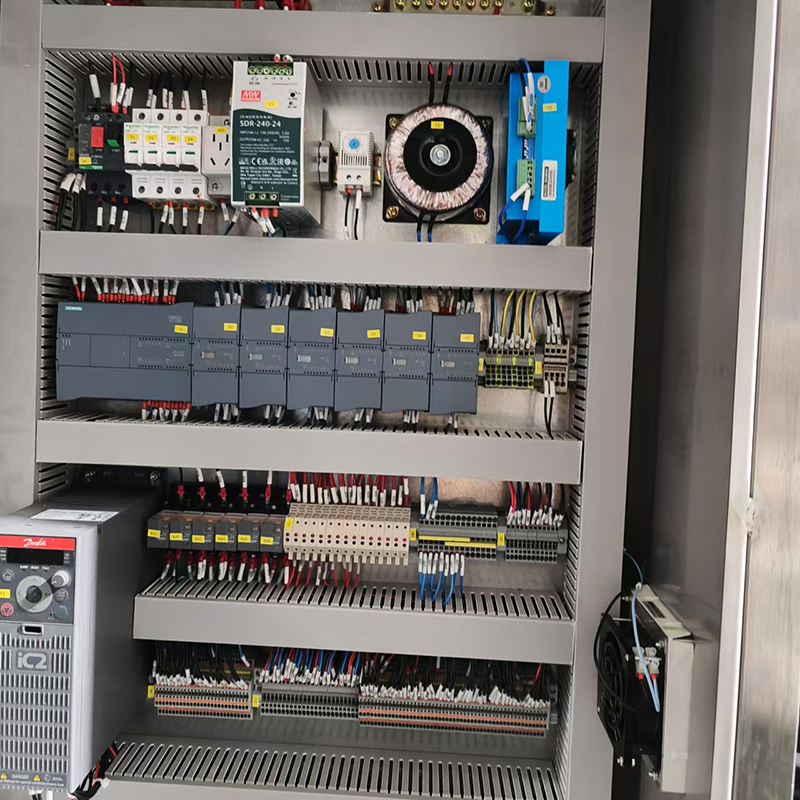 Pharmaceutical Industry GMP Cleaning Machine Suppliers, CompanyShanghai Yiling Fluid Machinery Equipment Co., Ltd is China Custom Pharmaceutical Industry GMP Cleaning Machine Suppliers and Pharmaceuti...View Product →
This distinction shows up in daily operation as well. Operators can set the pressure, water temperature, and detergent dosing to predefined values and record them, which supports cleaning validation and routine monitoring. The result is a reproducible cleaning action, not a "point the lance and hope" process.
Key Specifications to Compare Before Purchase
Selecting a mobile high-pressure GMP cleaning machine starts with matching three core parameters to your actual soiling load: nozzle pressure, water flow rate, and water temperature. The table below summarizes the typical ranges evaluated in pharmaceutical applications and why each one matters.
| Parameter | Typical Range | Why It Matters |
|---|---|---|
| Nozzle pressure | 50 to 200 bar | Determines how firmly the water jet dislodges dried residues from stainless steel and polymer surfaces. |
| Water flow rate | 8 to 20 L/min | Drives how quickly large surface areas are rinsed; low flow extends cleaning time and detergent use. |
| Water tank capacity | 50 to 300 L | Sets how long the machine can run between refills, particularly important when clean water outlets are far away. |
| Heating output | Up to 80°C | Hot water accelerates fat and protein residue removal and improves rinsing efficiency. |
| Detergent dosing | Proportional dosing | Ensures consistent chemical concentration and avoids detergent residue on cleaned surfaces. |
Pressure and Flow: Match the Jet to the Soil
Nozzle pressure is the specification most buyers check first, but it should not be evaluated alone. High pressure at moderate flow removes surface films; high flow at moderate pressure removes bulk product remnants. The right combination depends on whether the machine will clean polished vessel surfaces, where excessive pressure can damage the finish, or rugged change parts, where more force shortens cleaning time. If you are unsure, start from the gentler side of the range and verify with your cleaning validation.
Tank, Heating, and Chemical Dosing
A built-in tank gives the machine independence from a nearby process water connection, which is the whole point of a mobile unit. Heating capacity and detergent dosing should be looked at together: hot water improves the effectiveness of many alkaline and acidic cleaners, but the concentration must remain consistent. A proportional dosing system is preferable to manual dosing because it removes a variable from the cleaning process.
Materials, Finish, and Documentation
Wetted parts in 316L stainless steel, a surface finish that avoids crevices, and welded connections that can be inspected are baseline expectations for a GMP environment. Ask the manufacturer for material certificates, surface finish reports, and a clear statement of which components contact the cleaning medium. A supplier that can deliver this documentation at the quotation stage is usually a supplier that can support qualification later. For a closer look at the construction and output of one such unit, the mobile pressure washer specification sheet provides the technical details in a single document.
Where the Machine Fits in the Cleaning Workflow
The mobile high-pressure GMP cleaning machine is not meant to replace a fully automatic washing machine. It is built for the areas that a fixed washer cannot reach: the outer surfaces of tanks and reactors, the interior of large vessels that cannot move, the frames of process carts, and the floors and walls of a cleanroom when the cleaning procedure requires a controlled spray rather than a mop.
Pre-Cleaning and First-Stage Rinsing
In many changeover procedures, the first step is gross contamination removal. Here the high-pressure machine has an advantage over manual wiping: the jet reaches into corners and around fittings without physical contact, so the operator does not need to touch potentially hazardous residues. Pre-cleaning with cold or warm water reduces the bioburden before the part enters the washer, which protects both the washer and the following process.
Combining the High-Pressure Washer with a CIP System
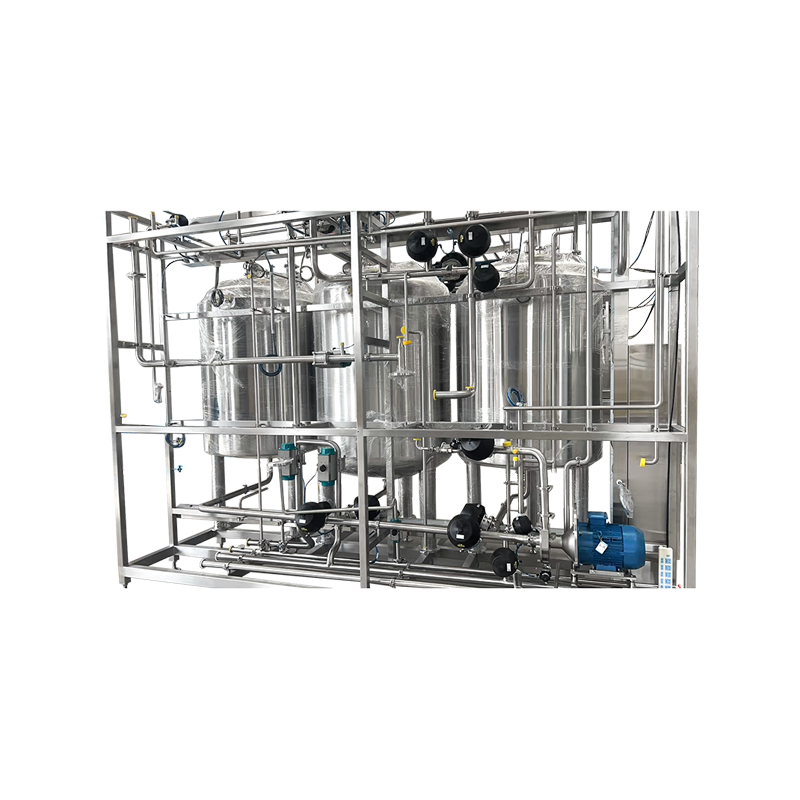
For tanks and closed process lines, internal cleaning belongs to a clean-in-place system that recirculates cleaning solutions through the product-contact surfaces. The mobile high-pressure machine complements the CIP circuit by cleaning the outside of the same vessels and the surrounding area. Operated as a pair, an integrated CIP system handles the internal circuits while the high-pressure unit handles visible surfaces. This pairing is common in multi-product facilities, where the CIP skid is fixed in place but the surfaces needing external cleaning move around.
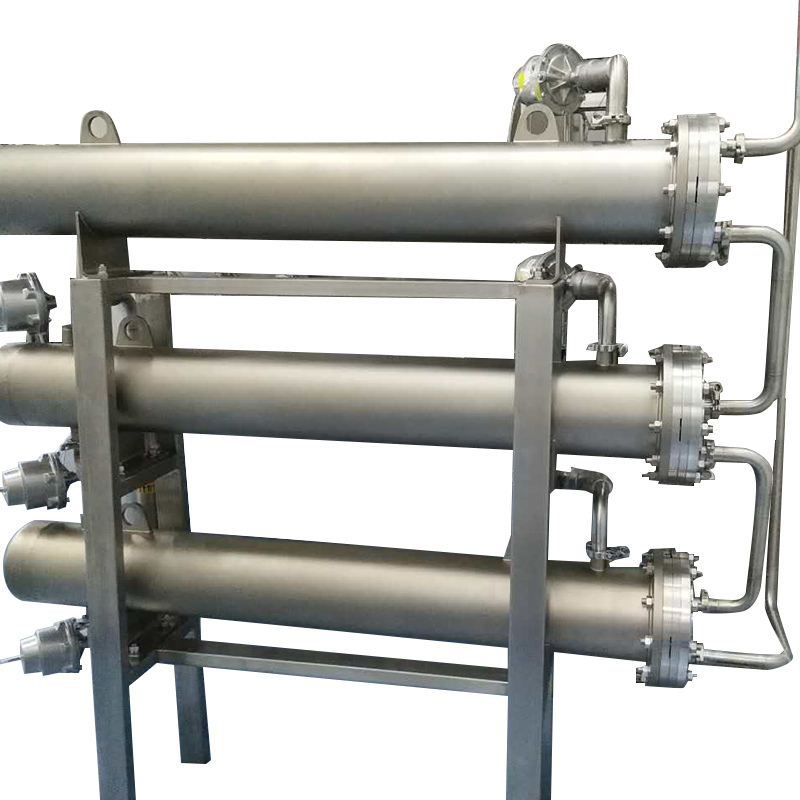
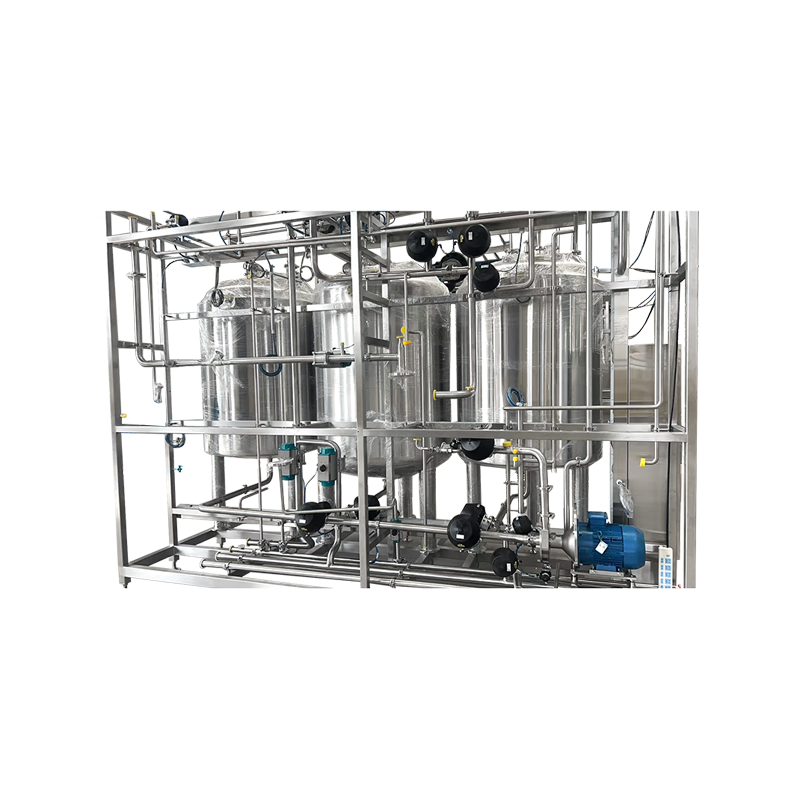 CIP System Cleaning Equipment Suppliers, CompanyShanghai Yiling Fluid Machinery Equipment Co., Ltd is China Custom CIP System Cleaning Equipment Suppliers and CIP System Cleaning Equipm...View Product →
Drying After Washing
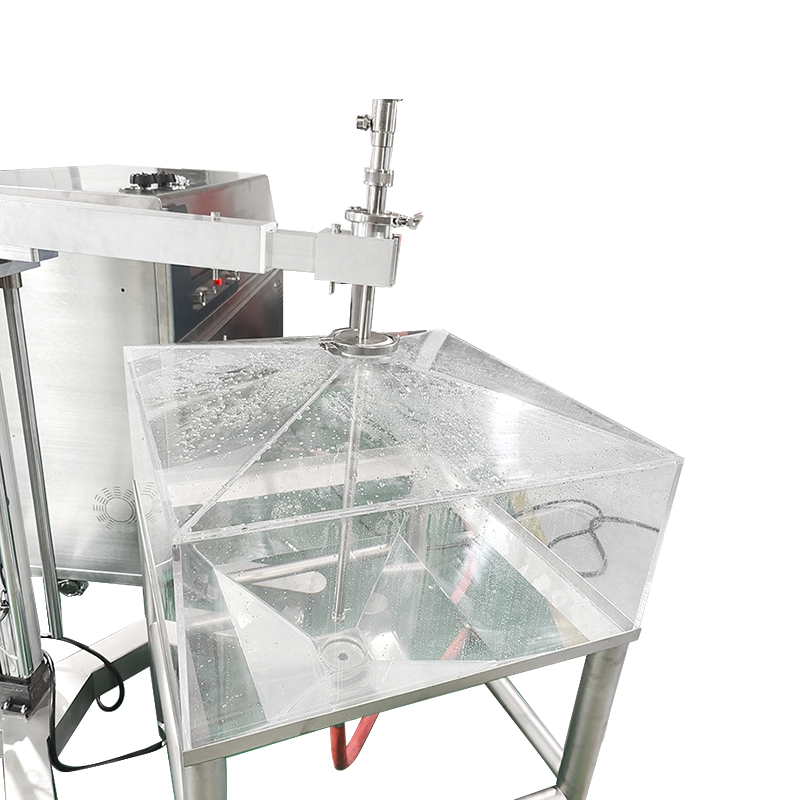
Standing water is a contamination risk in a cleanroom. After high-pressure washing, surfaces should be dried quickly, especially in areas where the next batch is about to run. A mobile drying system is the natural third element of this combination: it moves to the cleaned area, blows filtered air over the surfaces, and shortens the idle time between cleaning and production. Together, the washer, the CIP system, and the dryer form a complete wash-rinse-dry mobile unit that does not require the equipment to be relocated.
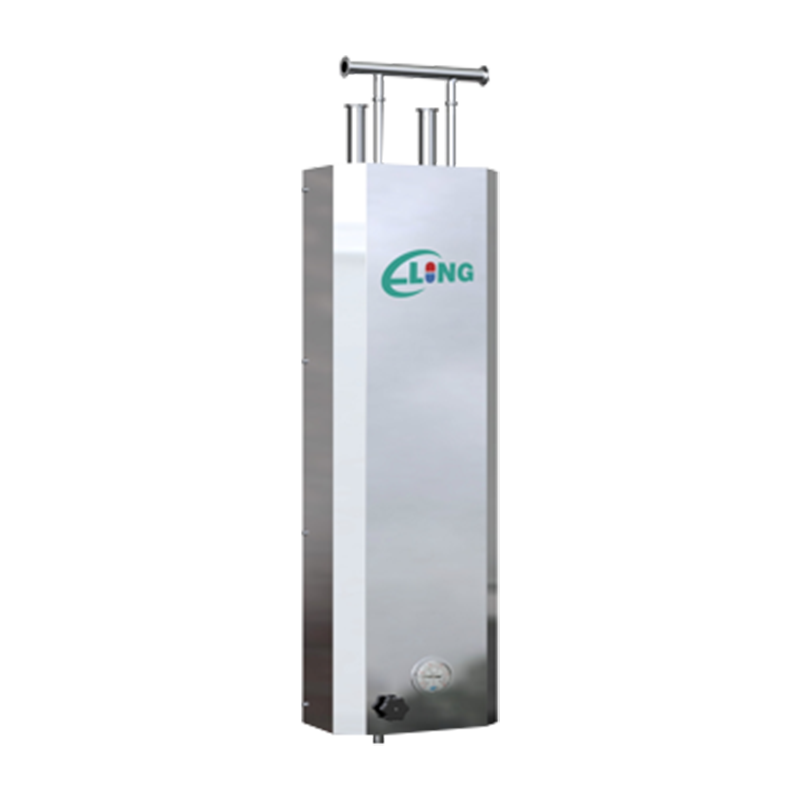
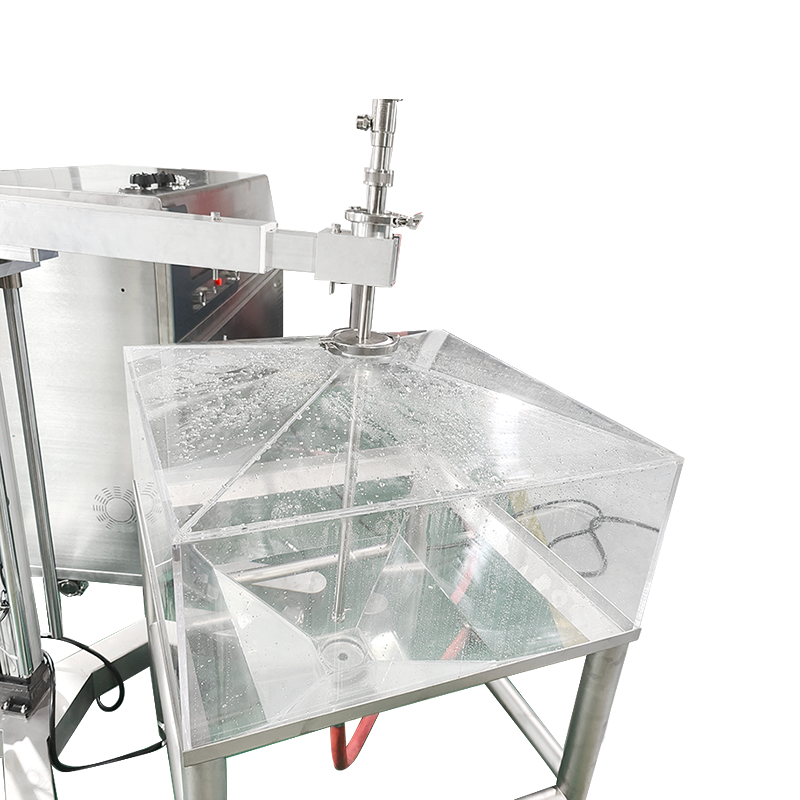 cGMP Washing Mobile Drying System Suppliers, CompanyShanghai Yiling Fluid Machinery Equipment Co., Ltd is China Custom cGMP Washing Mobile Drying System Suppliers and cGMP Washing Mobile Dr...View Product →
GMP Compliance and Validation Considerations
Compliance is the reason this machine exists as a distinct product category. A mobile high-pressure washer used in a GMP area must meet the same standards as other process equipment: it must be cleanable, documentable, and stable in its performance. This becomes concrete in three areas.
Documentation and Material Traceability
You should receive, at delivery, material certificates for wetted parts, a welding report, a surface finish certificate, and calibration certificates for the pressure gauge and temperature sensor. The operation and maintenance manual must describe how to drain the machine, how to clean it, and which spare parts are considered wear parts. Without these documents, a perfectly functional machine becomes an obstacle during an audit.
Qualification and Reproducible Operation
Installation qualification and operational qualification are much simpler when the machine has a fixed set of selectable parameters and a clear control philosophy. Fixed pressure stages, a calibrated temperature limit, and reproducible detergent dosing are design features that support validation. You should also confirm that the machine can be operated by your staff in gowning, meaning controls that are large enough to operate with gloved hands and a layout that is easy to understand.
Cleanrooms are only one part of the larger picture of aseptic manufacturing. Many of the same residue and contamination challenges appear in upstream processing and utility areas, which is one reason the topic keeps coming up in discussions of sterile pharmaceutical and biotech production. A machine that is mobile, documented, and easy to validate contributes to that larger goal by removing the inconsistency of manual cleaning.
Practical Checks Before You Buy
Beyond the specification table, a site visit to your own facility will answer questions that no datasheet can. Bring the checklist below and use it during the supplier discussion:
- Measure the distance from the process water outlets and drains to the areas you intend to clean; this sets the required hose length and tank capacity.
- Confirm the available electrical supply in the cleanroom or utility corridor matches the machine's heating and pump ratings.
- Ask how the detergent dosing system is calibrated and whether the dosing line can be flushed after each daily use.
- Check that the pressure gauge and temperature sensor are accessible for calibration without dismantling the machine.
- Request a list of wear parts, their expected service life, and the availability of spare parts in your region.
- Verify floor compatibility: the castors must withstand cleaning agents and roll smoothly over door thresholds.
Work through these points against the mobile high-pressure GMP cleaning machine range and you will narrow the choice quickly. The machine that fits your facility is the one that matches your drainage, your power supply, and your cleaning validation, not necessarily the one with the highest pressure rating.
In short, a mobile high-pressure GMP cleaning machine earns its place in a pharmaceutical facility when it is selected on workflow fit and documentation completeness, not on pressure alone. Combined with a CIP system for internal circuits and a mobile drying system for fast turnaround, it turns the cleaning bottleneck into a scheduled, reproducible step. That is the difference between buying a pressure washer and implementing a cleaning solution.