

Content
What Is an Aseptic Containment Isolator?
When a formulation suite handles a high-potency active ingredient, the operator at the weighing station faces two opposing demands at the same time: the powder must never be exposed to contamination, and the powder must never escape into the room. An aseptic containment isolator is the equipment class that resolves both requirements inside one sealed enclosure. It protects the product through filtered air and a controlled internal environment, and it protects the operator through physical barrier containment designed for hazardous-material handling.
The industry uses two related terms. A Compounding Aseptic Isolator (CAI) is designed mainly to protect the product, typically by maintaining positive pressure inside the chamber. A Compounding Aseptic Containment Isolator (CACI) also protects the operator and the environment, typically by running under negative pressure while hazardous drugs are compounded. The distinction matters before purchase: CAI and CACI units differ in pressure control, exhaust treatment, transfer devices, and the operations they are allowed to support.
Facilities often ask whether an isolator can replace a biological safety cabinet (BSC). In well-defined workflows the answer can be yes, because an isolator provides a physical barrier with filtered air and glove access instead of an open front. The table below summarises the practical differences.
| Feature | CAI | CACI | Class II BSC |
|---|---|---|---|
| Primary protection target | Product | Product and operator | Operator and environment |
| Typical chamber pressure | Positive | Negative | Negative |
| Hazardous drug compounding | Not suitable | Suitable | Not recommended |
| Typical applications | Aseptic filling, sterility testing | Oncology compounding, potent API handling | Microbiology and non-hazardous work |
Both types share the same core architecture: a rigid or flexible chamber, HEPA or ULPA filtration, glove and sleeve ports, pressure monitoring, and at least one transfer interface. Because the isolator itself is the barrier, the decision is rarely about the cabinet alone. It is about the complete containment isolator system, including the transfer ports, the filtration package, and the cleaning method that will be used between campaigns.
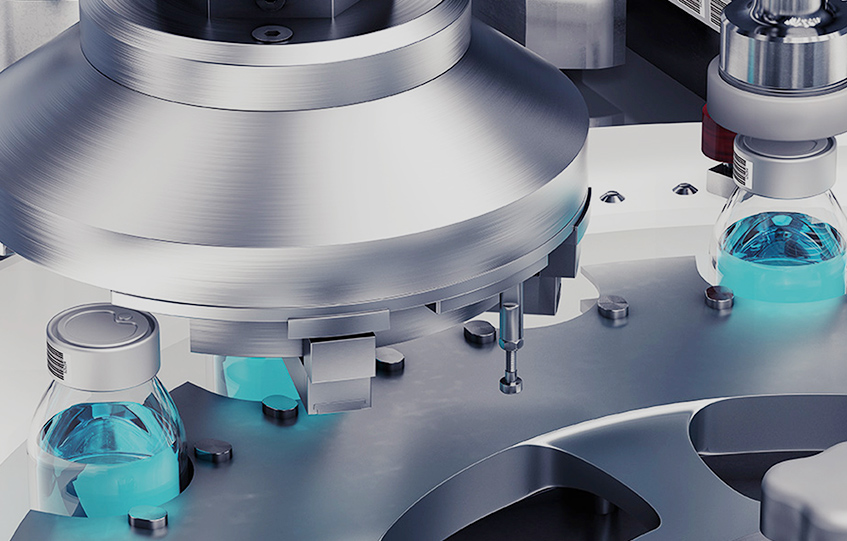 Aseptic Pharmaceutical Containment Isolators Manufacturers, FactoryYiling is China Wholesale Pharmaceutical Containment Isolators Manufacturers, Aseptic Containment Isolators Factory, supply Aseptic Pharm...View Product →
How an Isolator Maintains Both Sterility and Containment
The performance of an isolator is defined by three parameters: pressure differential, airflow pattern, and leak tightness. Each one interacts with the others, and all three must be verified after installation and periodically during operation.
Pressurisation strategies
Positive-pressure isolators push filtered air outward through any small leak, protecting the product from room contamination. Typical operating overpressures range from +15 Pa to +30 Pa relative to the surrounding cleanroom. Negative-pressure isolators draw air inward, ensuring that any leak pulls room air into the chamber rather than releasing hazardous material; these usually run at −30 Pa to −50 Pa. Some CACI designs use a negative-pressure outer shell around a positive-pressure product zone, which gives simultaneous protection for product and operator, although it adds complexity to the HVAC system and to routine monitoring.
Filtration and airflow
Supply air normally passes through HEPA filters with an efficiency of at least 99.95% at the most penetrating particle size (H13 class), and many aseptic isolators use H14 filters with an efficiency of at least 99.995%. Airflow inside the chamber is usually turbulent or gently displaced depending on the process; unidirectional flow is reserved for open-container manipulations. Exhaust air from a CACI handling cytotoxic or genotoxic compounds must pass through additional filters, and in some jurisdictions through activated carbon, before it is released.
Leak tightness and materials
An isolator is only as good as its weakest seal. Glove ports, transfer doors, panel joints, and filter housings all need to be verifiable by pressure-decay or tracer-gas tests. A common acceptance criterion for the empty chamber is a pressure decay rate below a defined limit at the rated test pressure; values in the region of 0.5% of the test pressure per minute are often cited in commissioning protocols, although the exact number should come from the manufacturer's validated specification. Chamber surfaces are typically electropolished stainless steel or rigid polymers chosen so they can withstand repeated exposure to vaporised hydrogen peroxide and cleaning agents without pitting or degrading.
Transfer: The Highest-Risk Step in Isolator Operation
Over a full batch, most contamination events and most containment breaches occur at the transfer step. Every time material enters or leaves the isolator, the barrier must be opened in a controlled way. Three transfer methods dominate: rapid transfer ports, split butterfly valves, and single-use bag systems. They are not interchangeable; the right choice depends on particle size, lot size, and how many transfers each batch requires.
Rapid transfer ports (RTP)
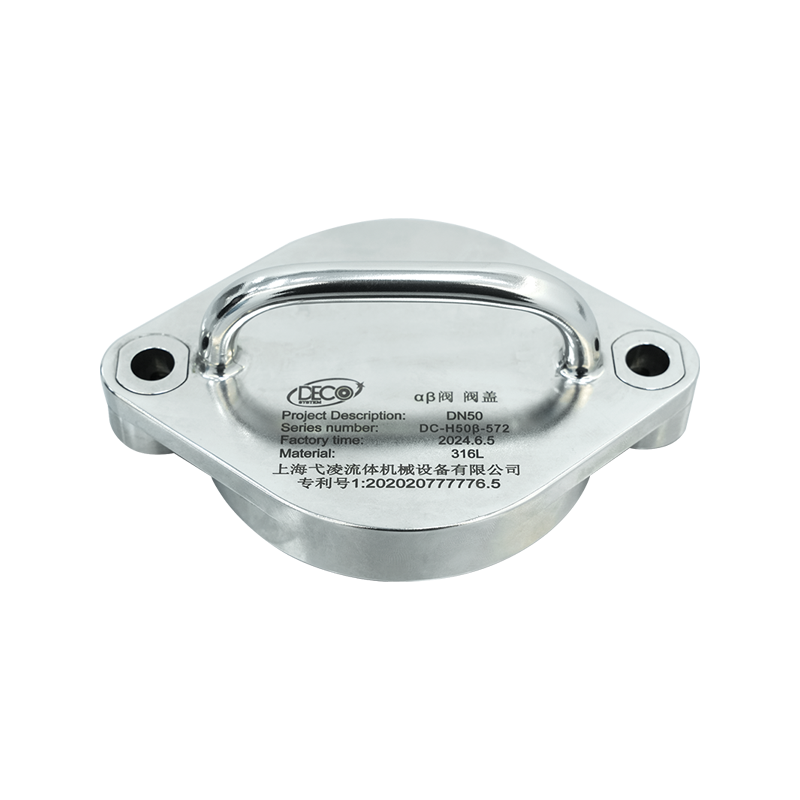
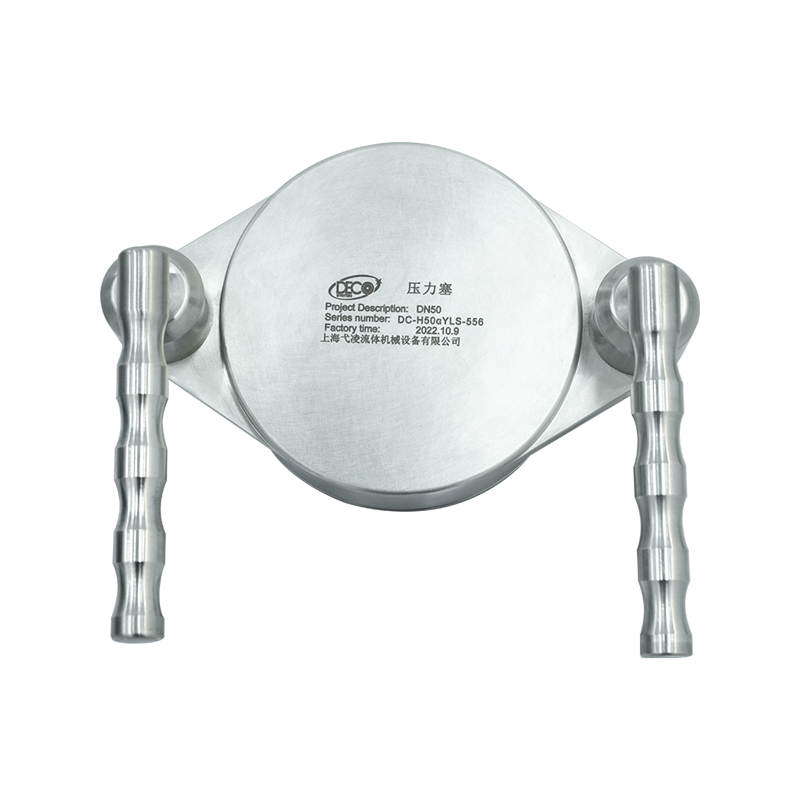
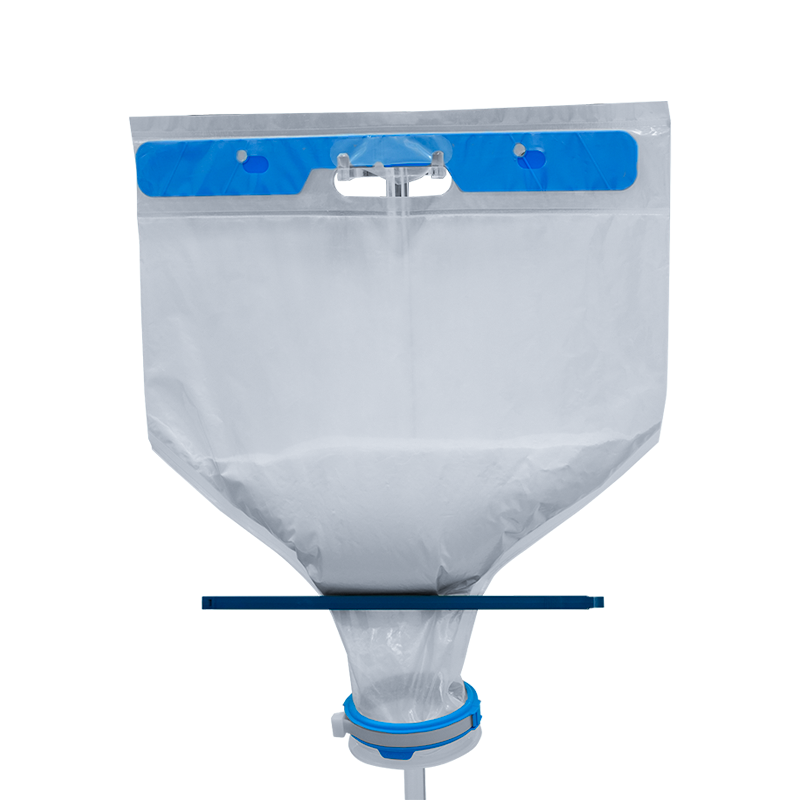
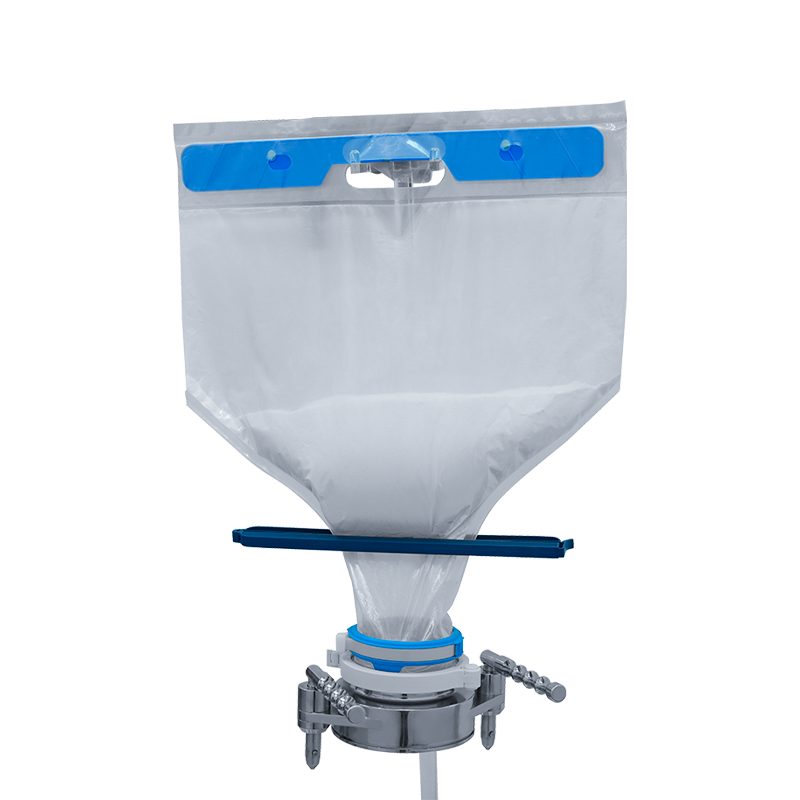
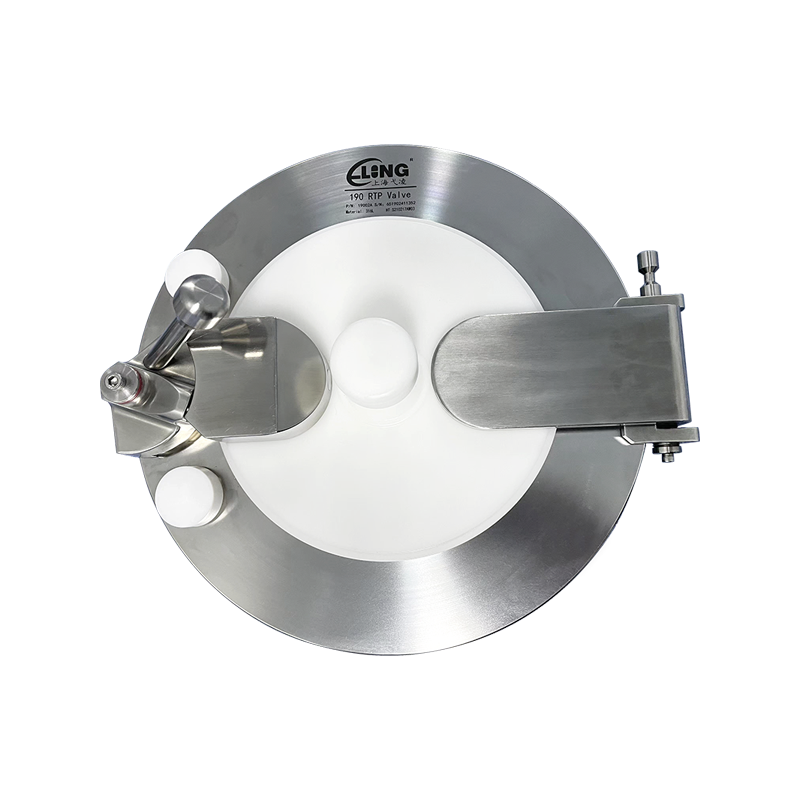
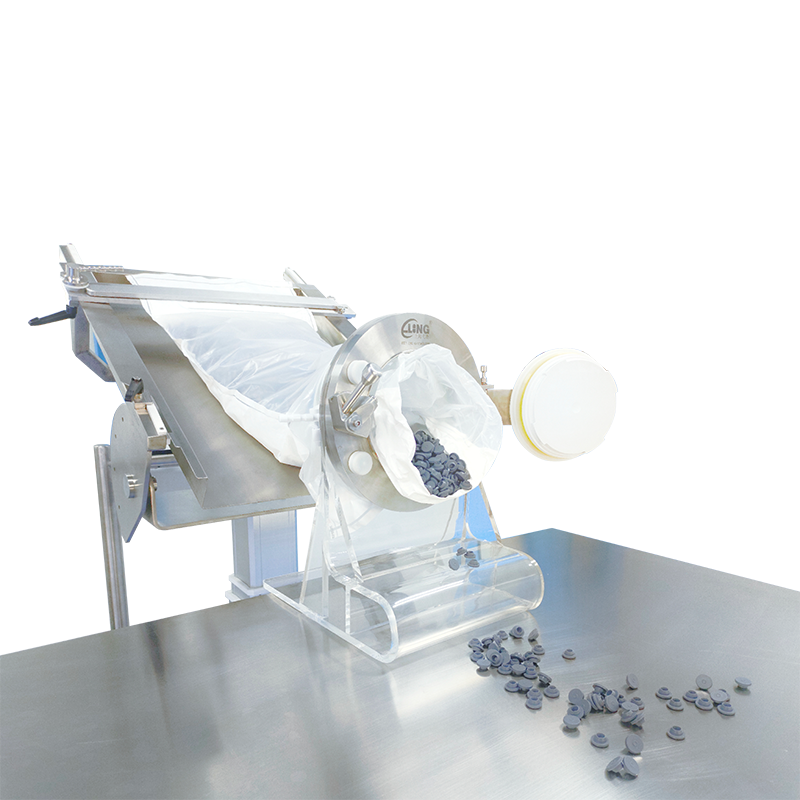
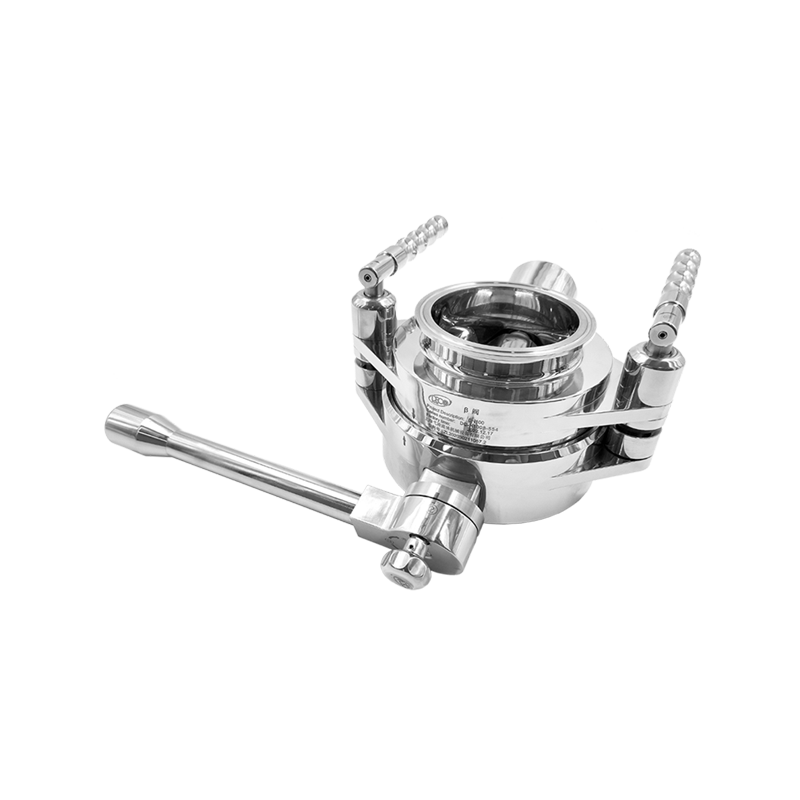
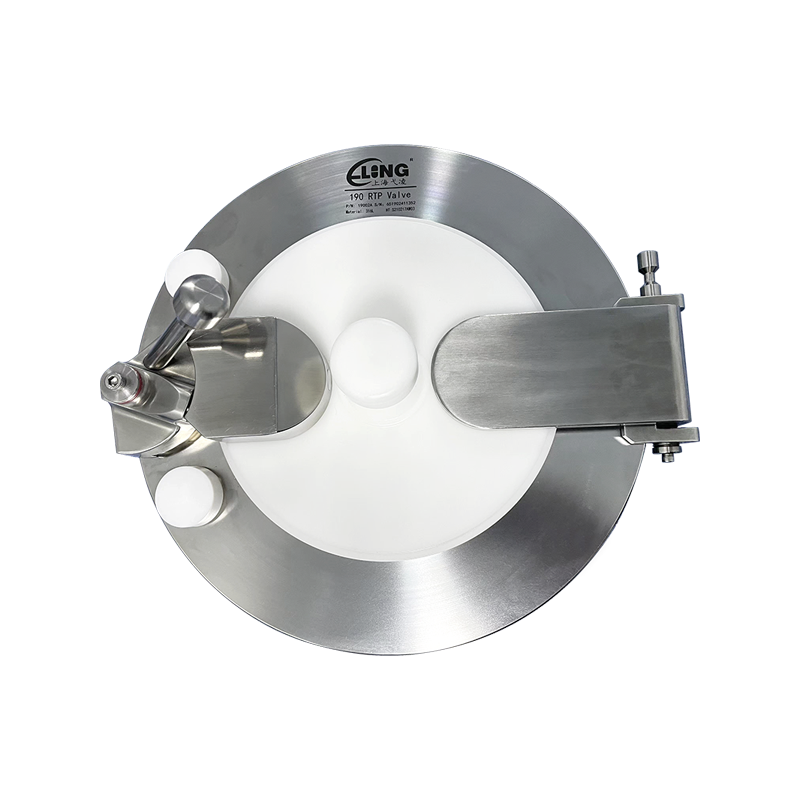
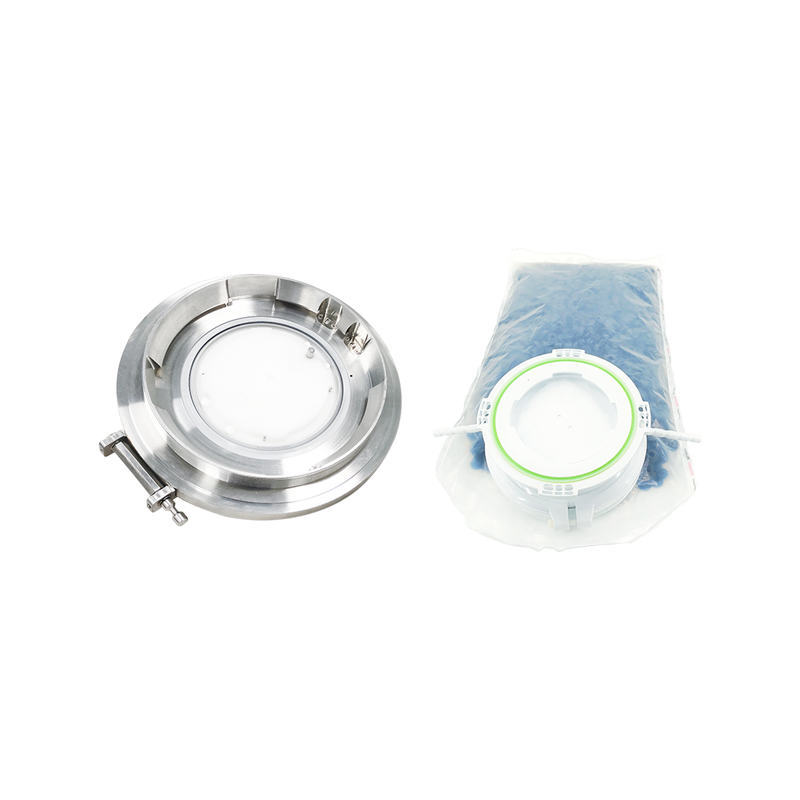
An RTP consists of an alpha port permanently mounted on the isolator wall and a beta part, often a single-use bag, a rigid container, or a process vessel, that docks onto it. Before the alpha door opens, the beta lid has already been sealed into the alpha assembly, so the two contaminated surfaces are locked away from both the room and the chamber. This makes RTP systems the standard for transferring pre-sterilised components, liquids, and spent materials into and out of isolators. ELING's rapid transfer port valve range includes the fixed alpha side, single-use beta bags, and beta sterilization containers, so the two halves can be purchased to match each other on the same interface.
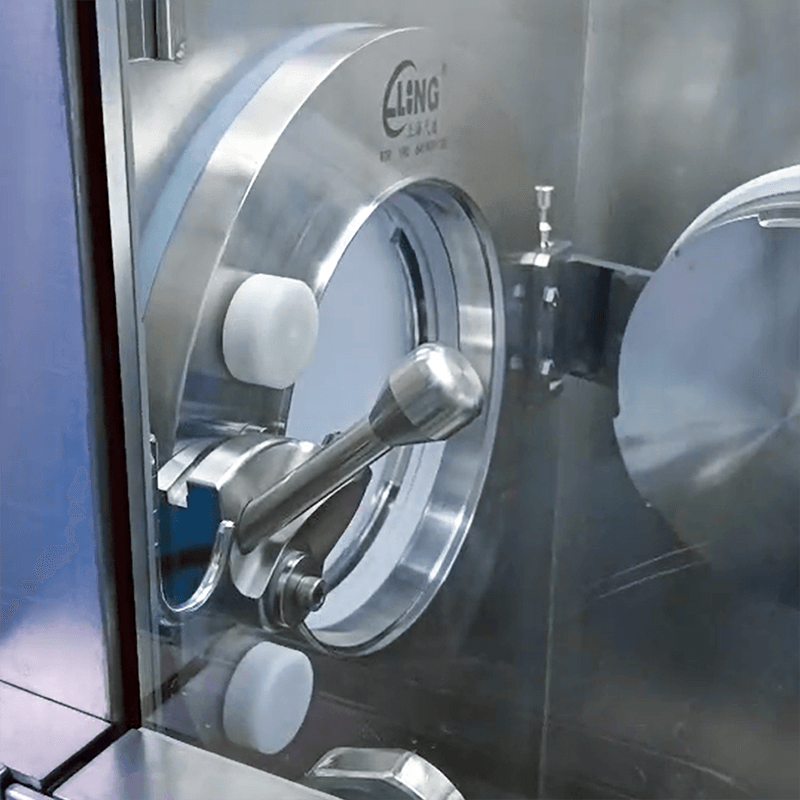 Aseptic Transfer RTP Pressure Valve Suppliers, CompanyShanghai Yiling Fluid Machinery Equipment Co., Ltd is China Custom Aseptic Transfer RTP Pressure Valve Suppliers and Aseptic Transfer RTP...View Product →
Split butterfly valves for powder transfer
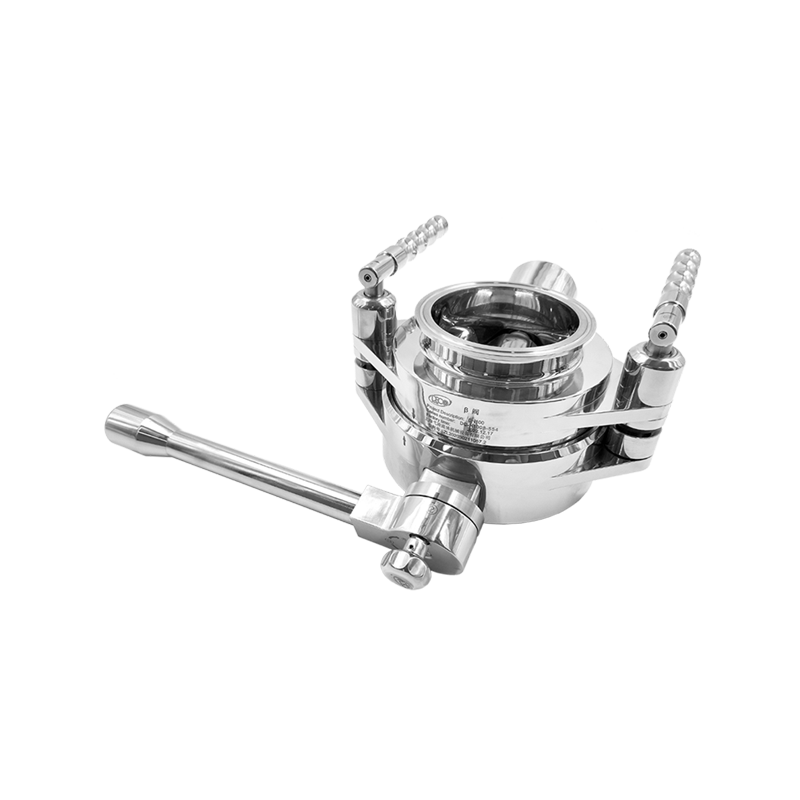
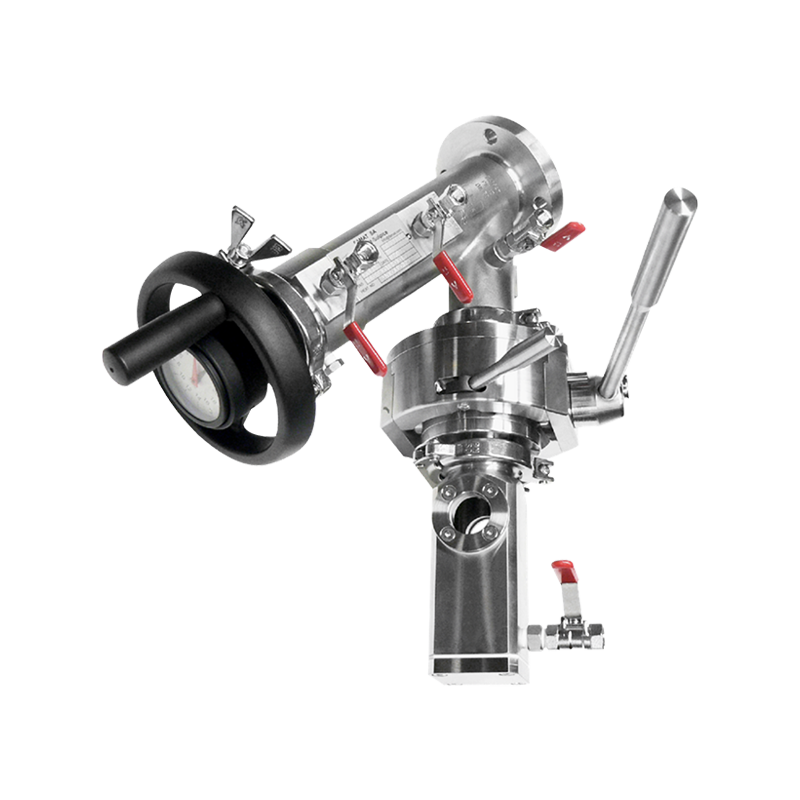
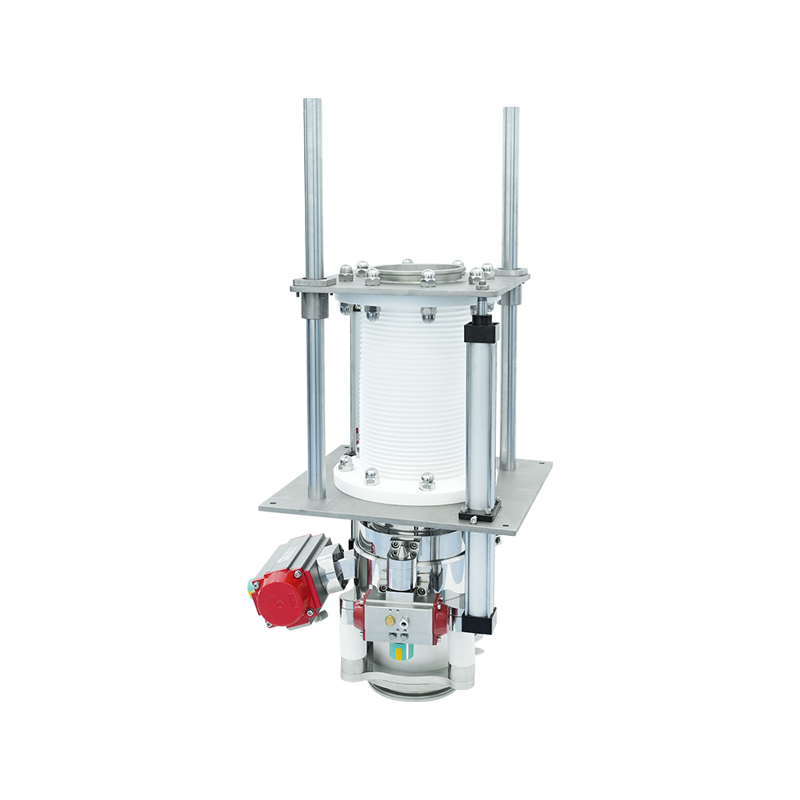
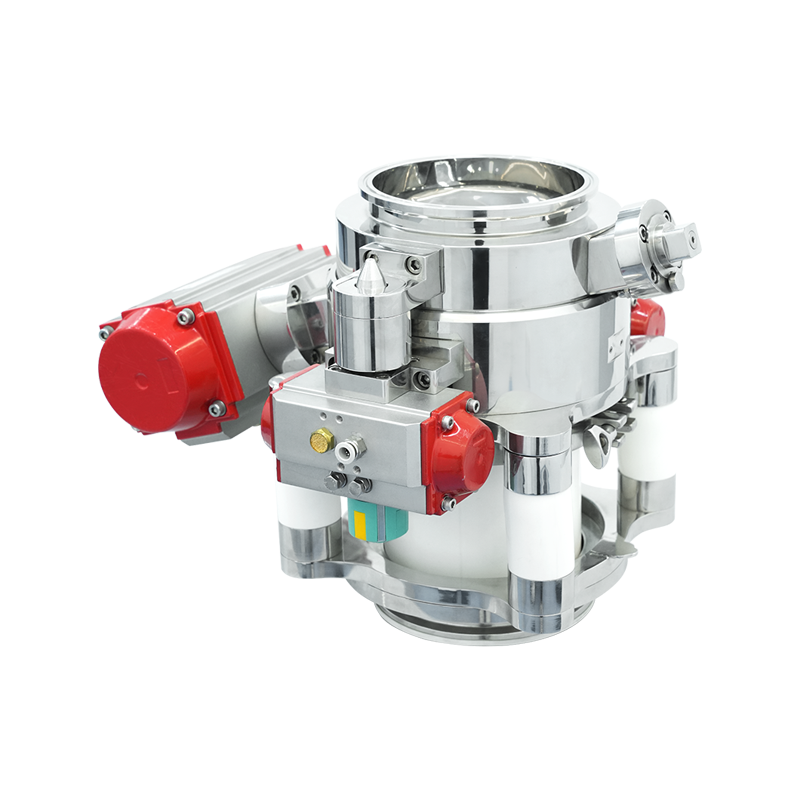
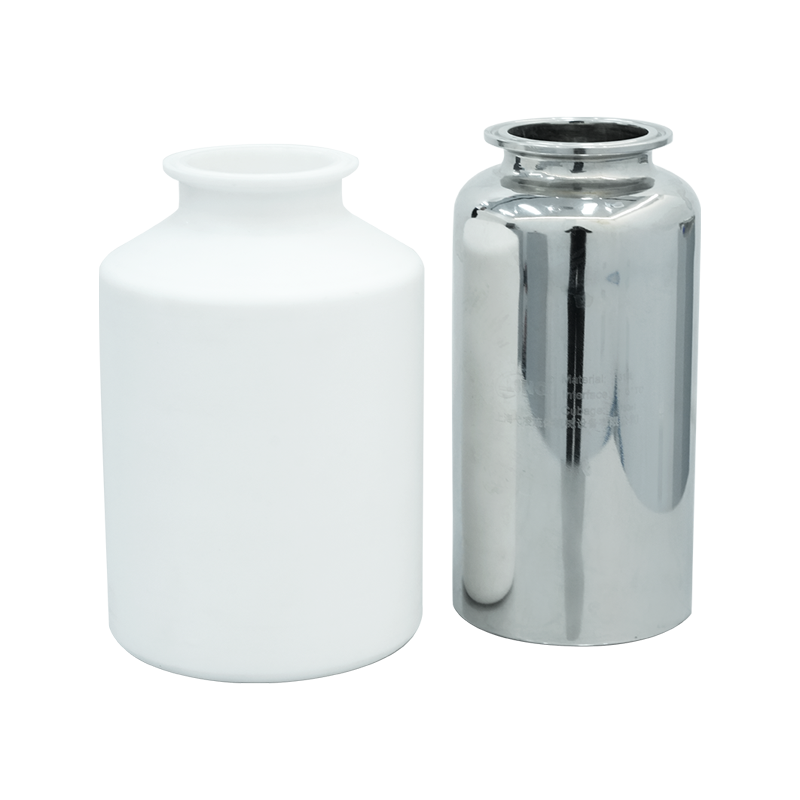
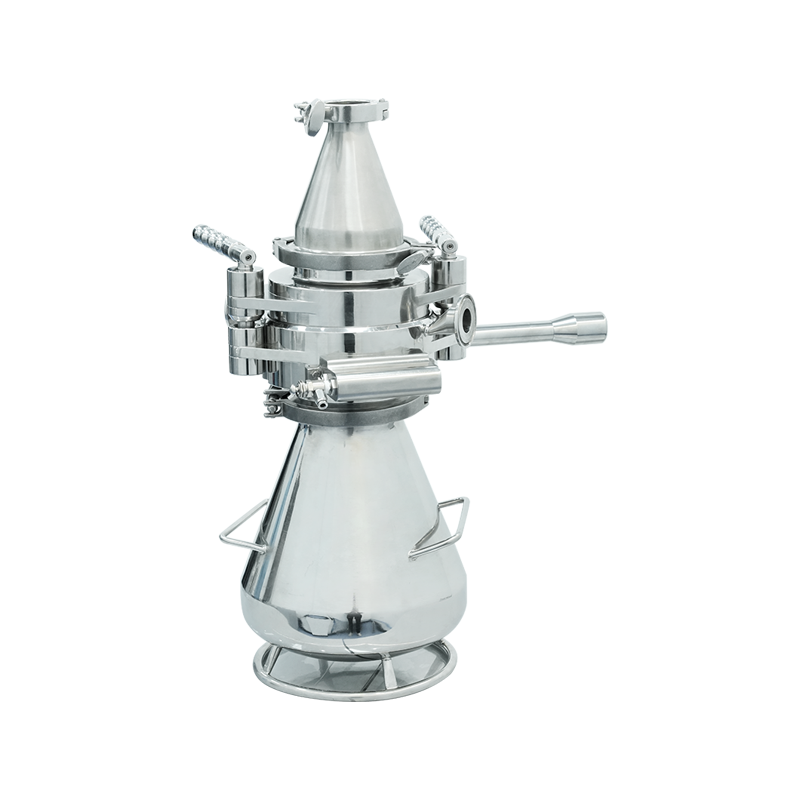
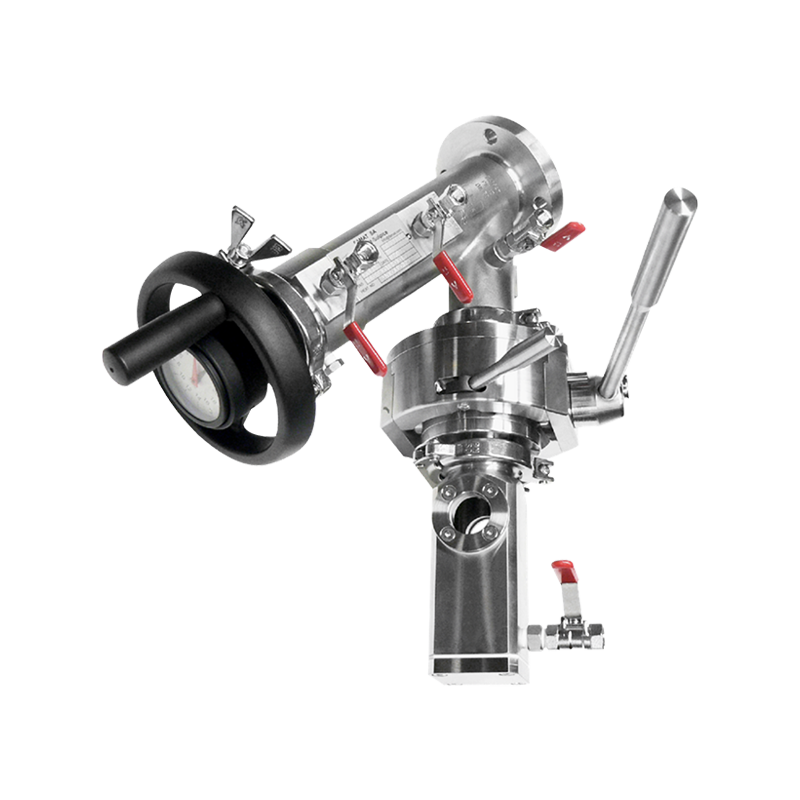
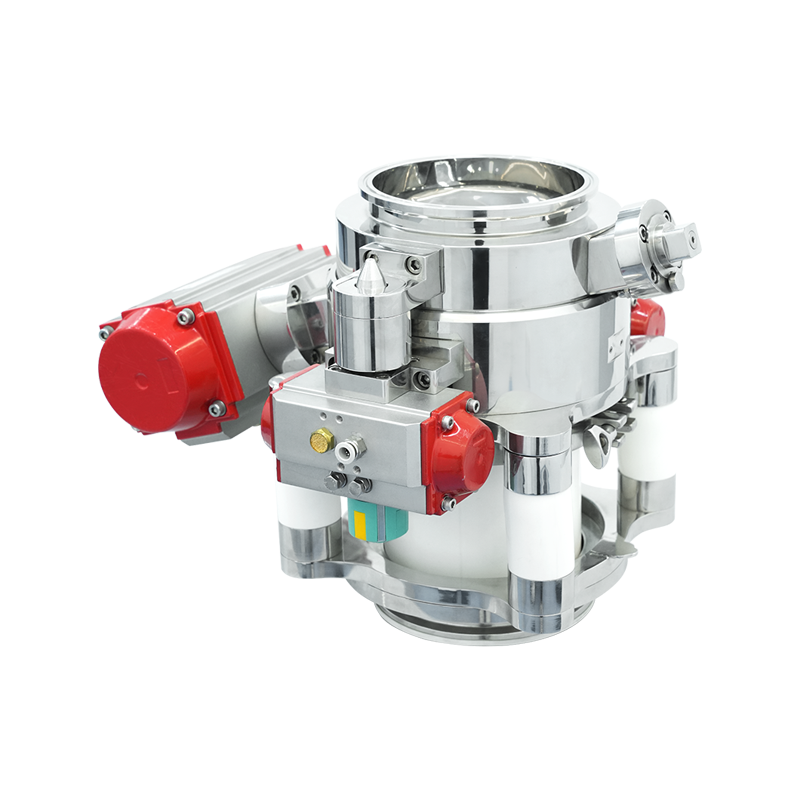
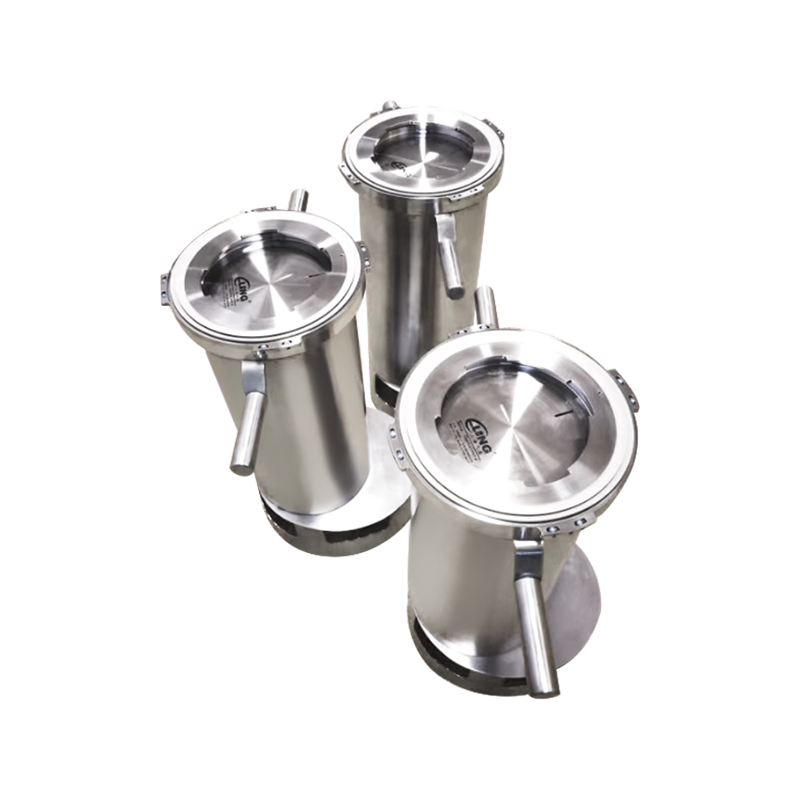
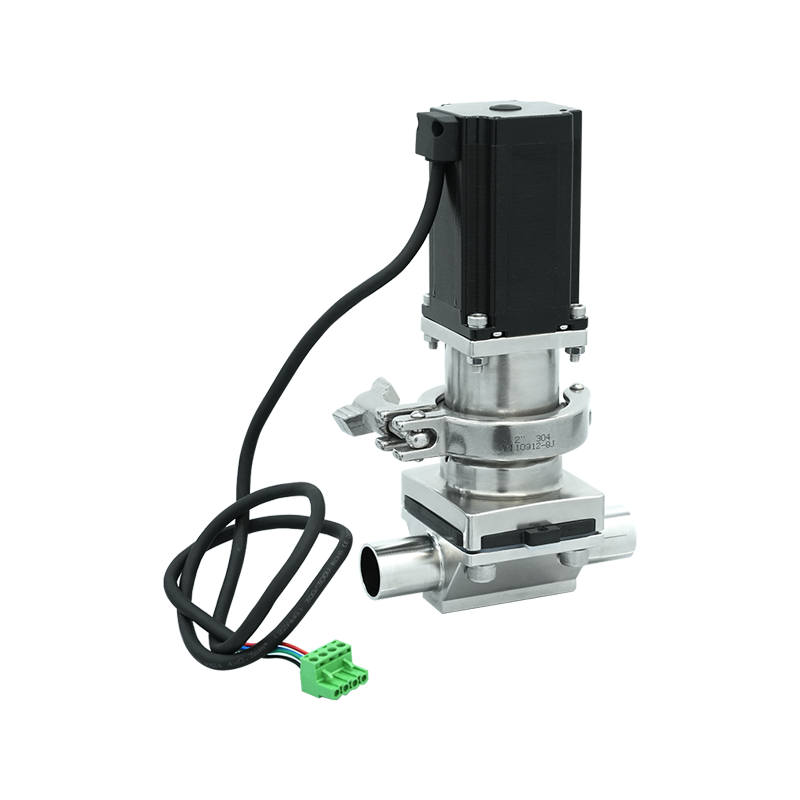
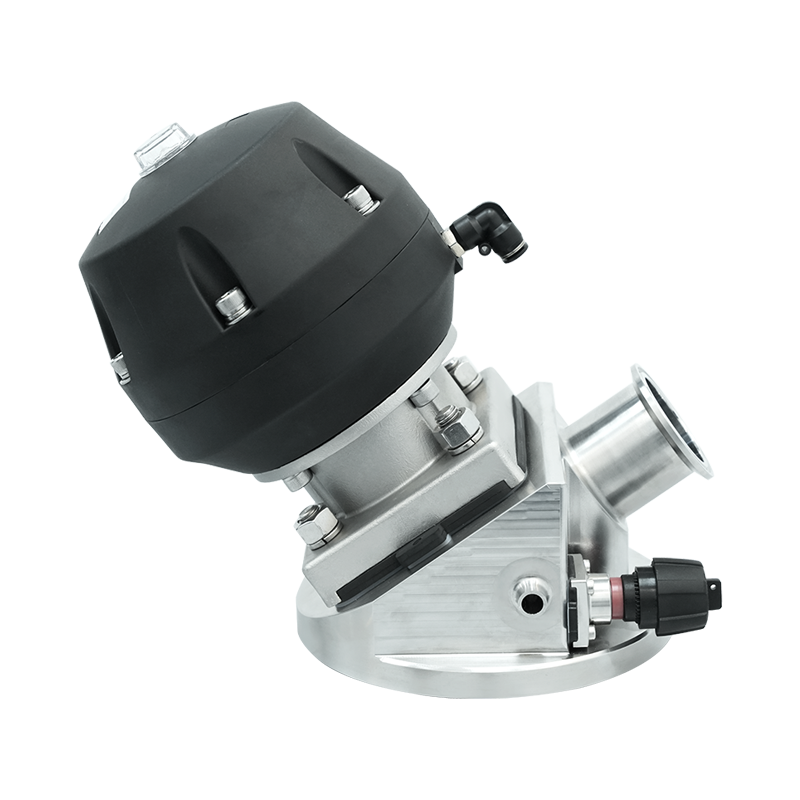
For dry powders and larger lots, an aseptic split butterfly valve offers a different approach. The valve has two halves that each close with their own dust-tight seal while separated. When the halves are docked, a single drive shaft opens both discs, allowing material to flow through a fully sealed channel. Because both halves remain closed until that moment, neither the operator nor the isolator environment is exposed during connection or disconnection. The mechanics of that seal are explained in ELING's technical note on how an aseptic split butterfly valve maintains sterility during material transfer. In practice, manufacturers integrate aseptic split butterfly valves with isolator wall plates, lifting chassis, and stainless steel containers to move powder between a dispensing isolator and downstream process equipment without breaking the barrier.
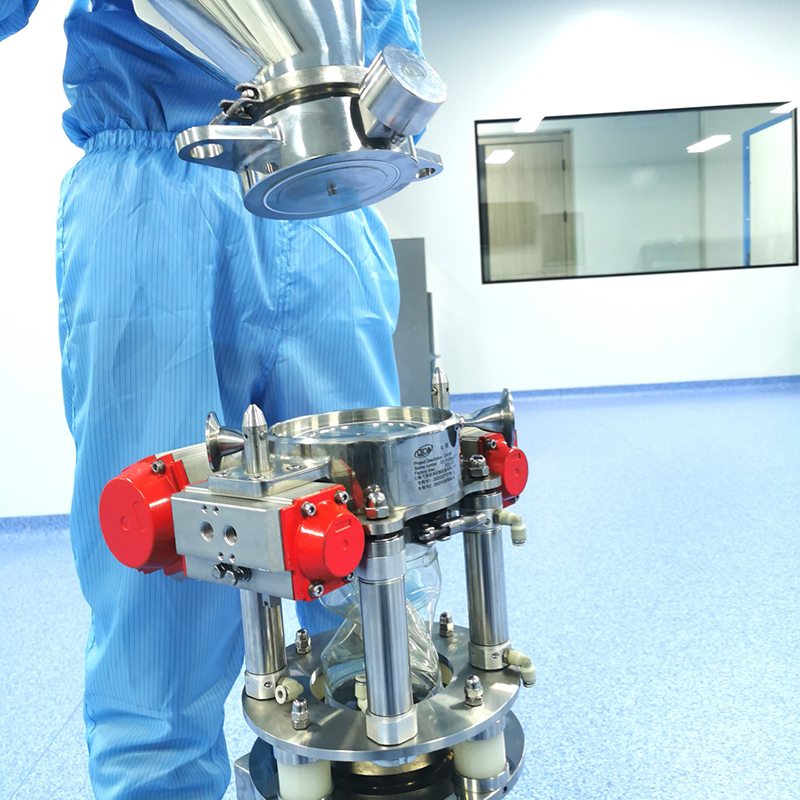 Powder Containment Transfer Aseptic Split Butterfly Valve Suppliers, CompanyShanghai Yiling Fluid Machinery Equipment Co., Ltd is China Custom Powder Containment Transfer Aseptic Split Butterfly Valve Suppliers an...View Product →
Single-use transfer bags
Where volume is small and the product is a fine powder, disposable sterile bags provide the simplest route. A pre-sterilised bag connects to the isolator's alpha port, receives the material, is heat-sealed or capped, and is then removed for transport. Because the bag is single-use, cleaning validation is eliminated, but operator training and bag integrity testing become part of the routine.
Qualification and Validation of Containment Isolators
An isolator cannot be treated as a black box. Regulatory expectations in GMP environments follow the familiar sequence of design qualification, installation qualification, operational qualification, and performance qualification. In each stage, the equipment's ability to maintain both sterility and containment has to be proven with documented evidence.
Operational qualification typically includes pressure-decay leak tests, HEPA filter integrity scanning with a photometer or particle counter, airflow velocity readings, and particle count testing at rest. Performance qualification then simulates the real process, such as loading vials, transferring powder, or changing gloves, while monitoring the same parameters. For a CACI, operator exposure testing with a surrogate compound, such as a fluorescent tracer or a sodium fluorescein aerosol, is often part of the acceptance package.
Many of these challenges are not specific to the isolator alone but to the entire sterile processing line around it. Facilities that systematically address utilities, cleaning, and human factors tend to reach consistent isolator performance faster; ELING's discussion of taking the strain out of sterile pharmaceutical and biotech production looks at how equipment selection across the line reduces the burden on operators and quality teams.
What to Check Before Specifying an Isolator
Choosing an aseptic containment isolator comes down to a short list of decisions that lock in cost and compliance for the life of the equipment:
- Product versus operator protection comes first. If the product is non-hazardous and the goal is sterility, a CAI under positive pressure is sufficient. If the material is potent, sensitising, or cytotoxic, a CACI with negative pressure and filtered exhaust is required.
- Consider transfer frequency and type. Count the daily number of transfers and the physical form of the material. Frequent small transfers favour RTP bags; large powder lots favour split butterfly valves; high-volume sterile liquids may need a dedicated port and container system.
- Verify the decontamination method. Vaporised hydrogen peroxide is the dominant approach for aseptic isolators. Check that chamber materials, glove types, and filter housings tolerate the required number of cycles without degradation.
- Demand clear pressure control and alarms. The isolator should maintain its design pressure differential during operator intervention, including glove manipulation and pass-through loads, and should generate alarms before the differential falls below the safety limit.
For multi-step processes, the isolator rarely stands alone. It works together with transfer devices, valve systems, and cleaning equipment that must share the same sterility philosophy. Planning the transfer route before finalising the isolator specification is the most effective way to avoid rework, and it is the reason most experienced project teams evaluate the containment system, not just the box.