

Content
- 1 Defining Your Application Requirements
- 2 Selecting the Correct Valve Body Material
- 3 Choosing the Right Diaphragm Material
- 4 Understanding Valve Actuation and Control Type
- 5 Evaluating Pressure and Temperature Limits
- 6 Considering Media Characteristics and Cleanliness
- 7 Installation Environment and Mounting Conditions
- 8 Maintenance Requirements and Service Life
- 9 Balancing Cost with Long-Term Performance
- 10 Making an Informed Valve Selection
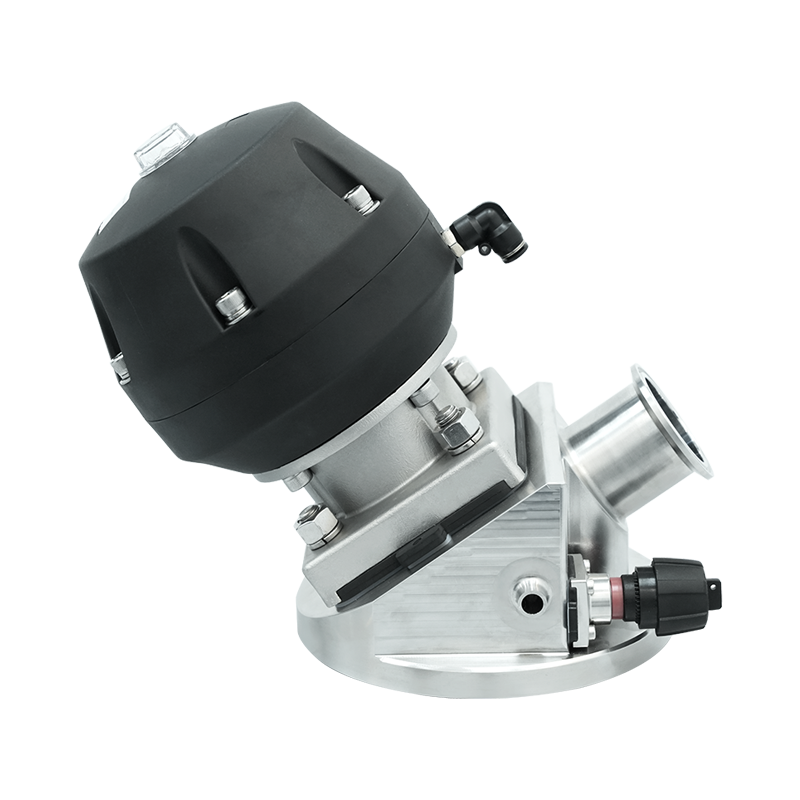
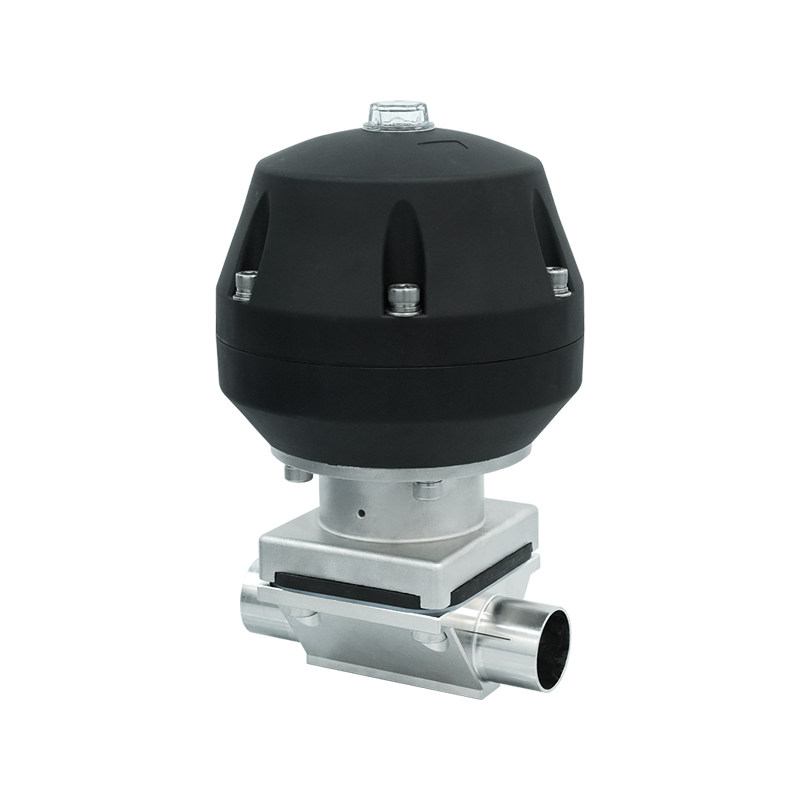
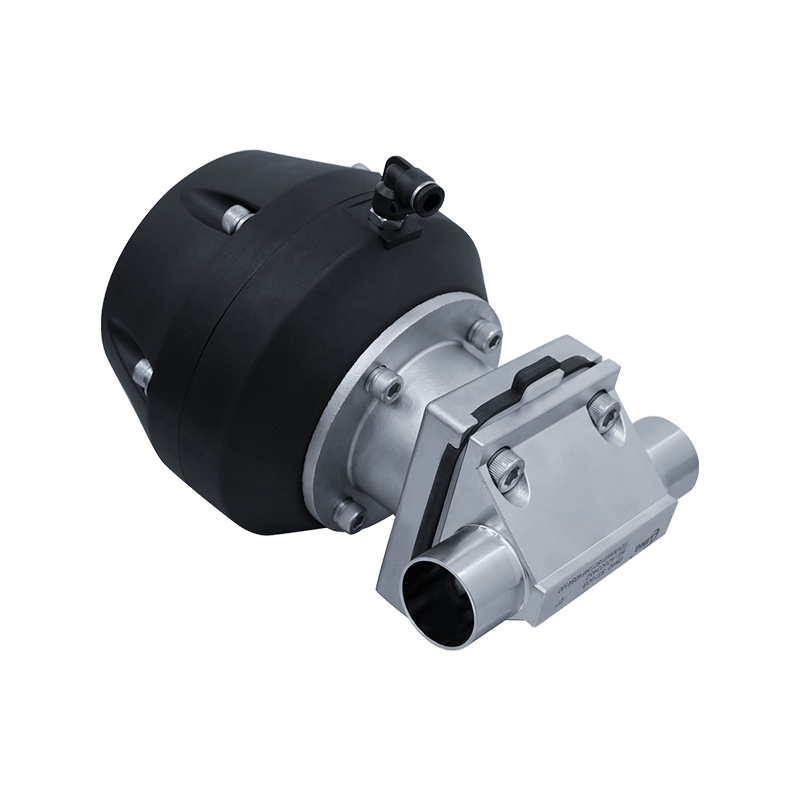
A pneumatic diaphragm valve is a flow control device that uses compressed air to actuate a flexible diaphragm, opening or closing the valve body. The diaphragm isolates the process media from the valve’s moving components, making this valve type particularly suitable for corrosive, abrasive, or hygienic applications. Because actuation is pneumatic, these valves are widely used in automated and safety-critical systems.
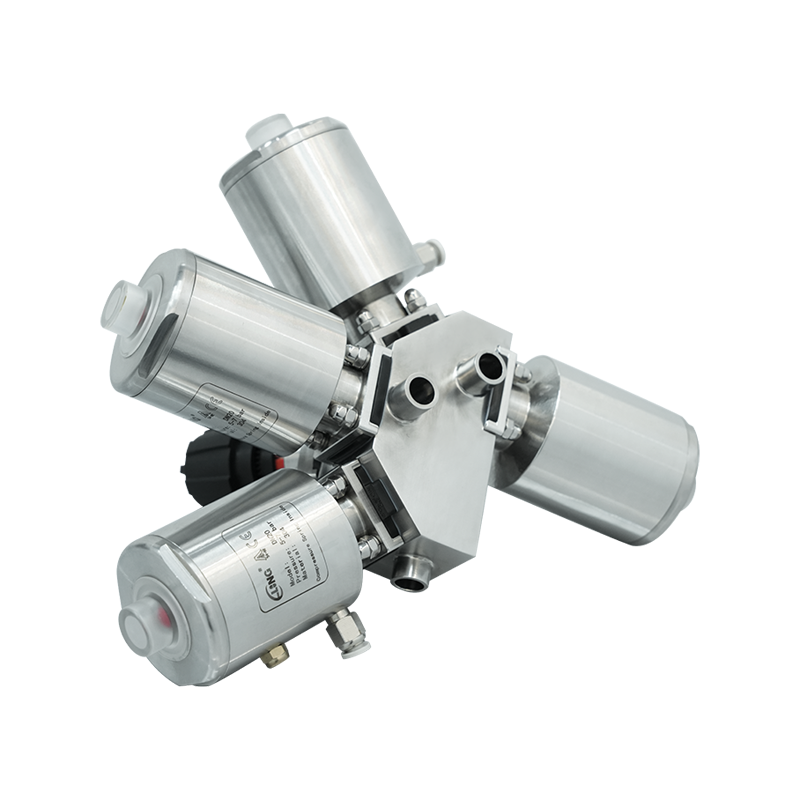
Pneumatic diaphragm valves are commonly found in chemical processing, water treatment, pharmaceuticals, food and beverage production, mining, and power generation. Choosing the right valve requires understanding both the process conditions and the valve’s construction features.
Defining Your Application Requirements
The first step in selecting a pneumatic diaphragm valve is clearly defining the operating conditions. Every process has unique demands related to pressure, temperature, flow rate, and chemical compatibility. Overlooking these factors can lead to premature failure or inefficient operation.
Understanding whether the valve will be used for on-off control, throttling, or isolation helps narrow down suitable valve designs and actuator configurations.
Key Operating Parameters to Identify
- Operating pressure and maximum pressure spikes
- Process temperature range
- Required flow rate and valve size
- Media characteristics such as abrasiveness or viscosity
Selecting the Correct Valve Body Material
Valve body material must be compatible with the process media and environmental conditions. Pneumatic diaphragm valves are available in a wide range of materials, each offering different levels of chemical resistance, strength, and cost efficiency.
Choosing the wrong body material can result in corrosion, contamination, or mechanical failure, especially in aggressive chemical or outdoor environments.
| Body Material | Typical Applications | Key Benefits |
| Cast Iron | Water, slurry systems | Cost-effective, durable |
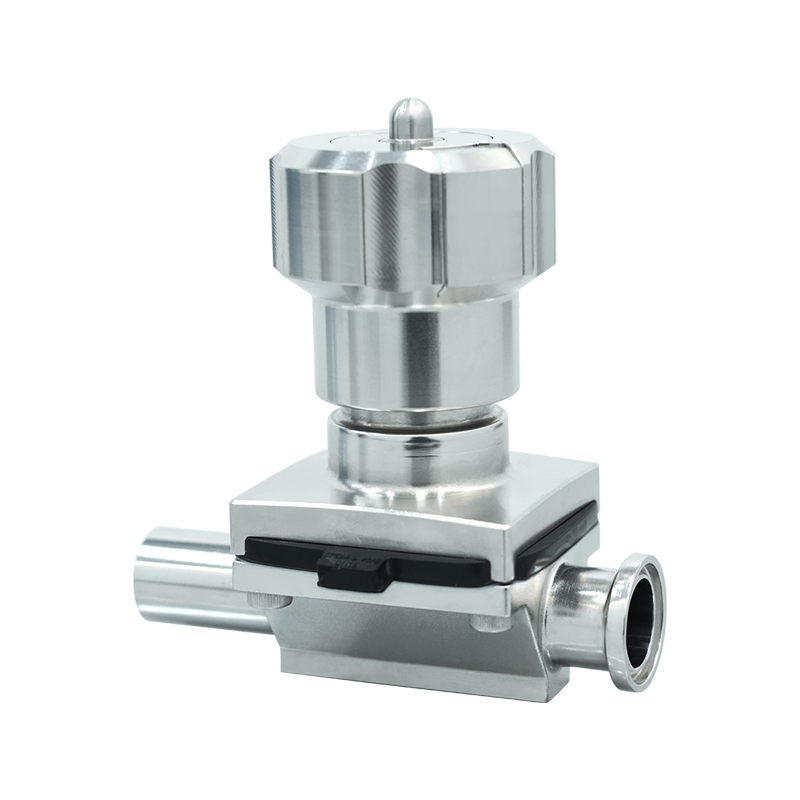
| Stainless Steel | Food, pharma, chemicals | Corrosion-resistant, hygienic |
| Plastic (PVC, PP) | Chemical dosing, water treatment | Lightweight, chemical resistant |
Choosing the Right Diaphragm Material
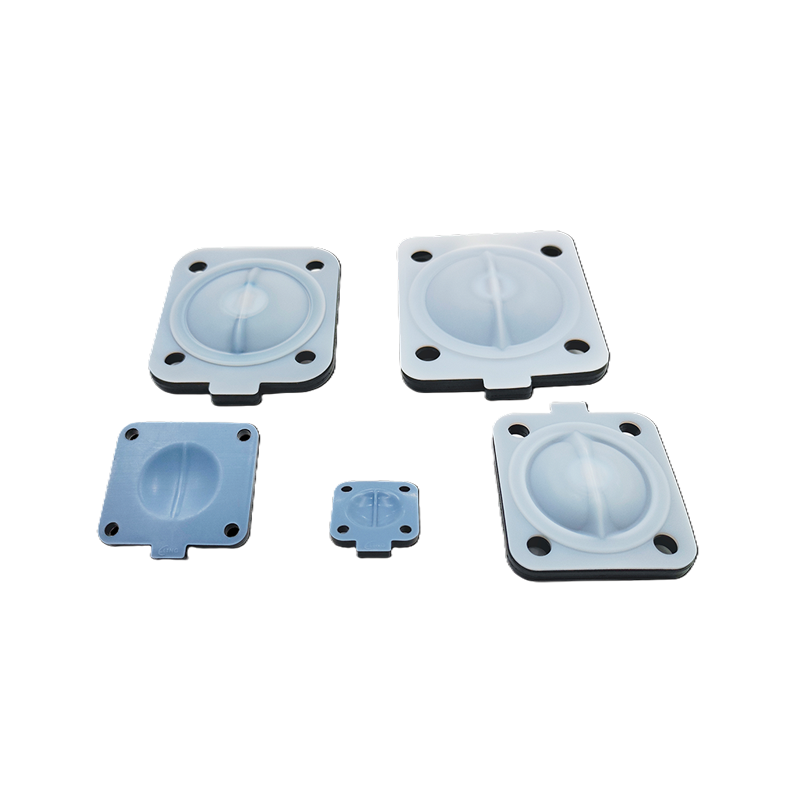
The diaphragm is the most critical component of a pneumatic diaphragm valve. It directly contacts the process media and must withstand pressure, temperature, and chemical exposure. Selecting the appropriate diaphragm material ensures reliable sealing and long service life.
Common diaphragm materials include EPDM, PTFE, NBR, and natural rubber. Each offers different performance characteristics depending on the application.
Common Diaphragm Material Considerations
- EPDM for water, steam, and mild chemicals
- PTFE for aggressive chemicals and high purity processes
- NBR for oils and hydrocarbons
Understanding Valve Actuation and Control Type
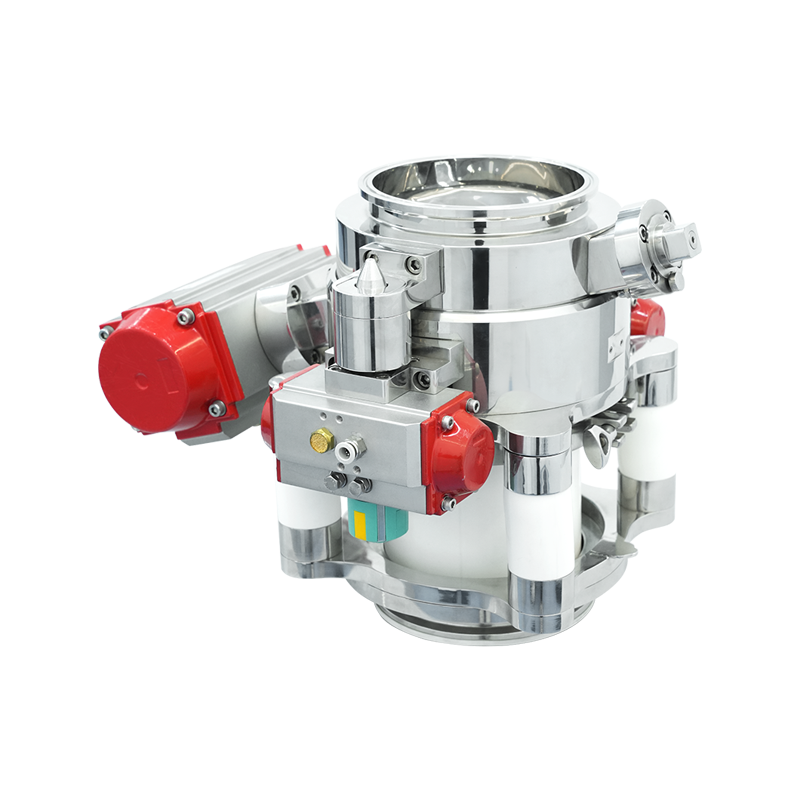
Pneumatic diaphragm valves can be configured as normally closed, normally open, or double-acting. The choice depends on safety requirements and system behavior during air supply failure. In many industrial applications, a fail-safe position is mandatory.
Control requirements also influence actuator selection. Simple on-off valves require basic pneumatic actuators, while modulating control applications may need positioners and feedback systems.
Evaluating Pressure and Temperature Limits
Every pneumatic diaphragm valve has defined pressure and temperature limits based on its body and diaphragm materials. Exceeding these limits can cause deformation, leakage, or diaphragm rupture.
When selecting a valve, it is important to consider not only normal operating conditions but also abnormal events such as pressure surges, temperature spikes, or cleaning cycles.
Considering Media Characteristics and Cleanliness
The nature of the process media plays a major role in valve selection. Slurries, abrasive fluids, and viscous media require diaphragm valves with reinforced designs and smooth internal contours to prevent buildup and erosion.
In hygienic applications, such as food and pharmaceutical processing, valves must meet strict cleanliness standards. Smooth surfaces, minimal dead zones, and easy cleaning features are essential.
Installation Environment and Mounting Conditions
Environmental factors such as humidity, outdoor exposure, and ambient temperature should not be overlooked. Pneumatic diaphragm valves installed outdoors or in corrosive atmospheres may require protective coatings or enclosures.
Mounting orientation and available space also influence valve selection. Compact designs may be necessary in crowded installations, while large-diameter valves require adequate structural support.
Maintenance Requirements and Service Life
One of the advantages of pneumatic diaphragm valves is their relatively low maintenance requirement. However, diaphragm replacement intervals vary depending on operating conditions and material selection.
Choosing a valve with readily available spare parts and a simple diaphragm replacement process reduces downtime and maintenance costs over the valve’s lifecycle.
Balancing Cost with Long-Term Performance
Initial purchase price is only one aspect of valve selection. A lower-cost valve may result in higher operating expenses due to frequent maintenance or early failure. Evaluating total cost of ownership provides a more accurate picture of value.
Investing in the right pneumatic diaphragm valve for your application improves process reliability, reduces unplanned shutdowns, and supports long-term operational efficiency.
Making an Informed Valve Selection
Choosing the right pneumatic diaphragm valve requires a systematic evaluation of process conditions, material compatibility, control requirements, and maintenance expectations. By matching valve design to real operating needs, engineers and operators can achieve safe, efficient, and reliable process control.
A well-selected pneumatic diaphragm valve not only performs its function effectively but also contributes to overall system stability and long-term cost savings.