

Content
Electric diaphragm valves represent sophisticated fluid control solutions that have revolutionized process automation, enabling precise regulation of fluid flow with minimal maintenance requirements and exceptional reliability across diverse industrial applications. These innovative valves combine reliable mechanical design with electric actuation, eliminating the need for manual operation while enabling seamless integration with automated control systems and remote monitoring capabilities. Understanding the design principles, operational characteristics, advantages, and application considerations of electric diaphragm valves enables engineers, system designers, and procurement professionals to specify solutions optimally suited for specific process requirements, environmental conditions, and reliability demands. This comprehensive guide explores every dimension of electric diaphragm valves, from fundamental operating principles through advanced features, performance advantages, industrial applications, and strategic selection criteria enabling businesses to optimize process control, enhance system reliability, and reduce operational costs.
Understanding Electric Diaphragm Valve Design and Operating Principles
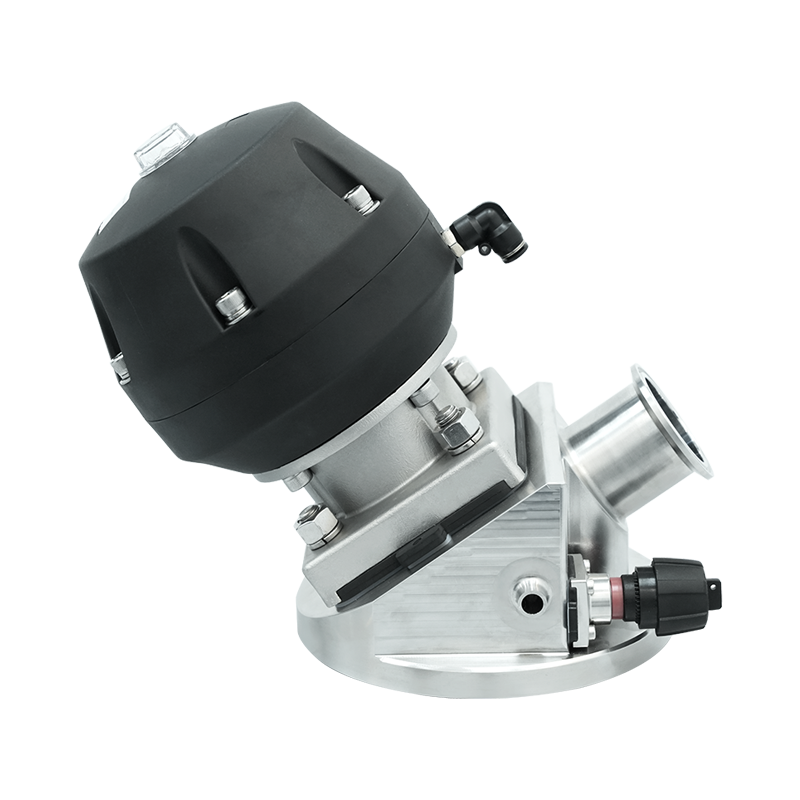
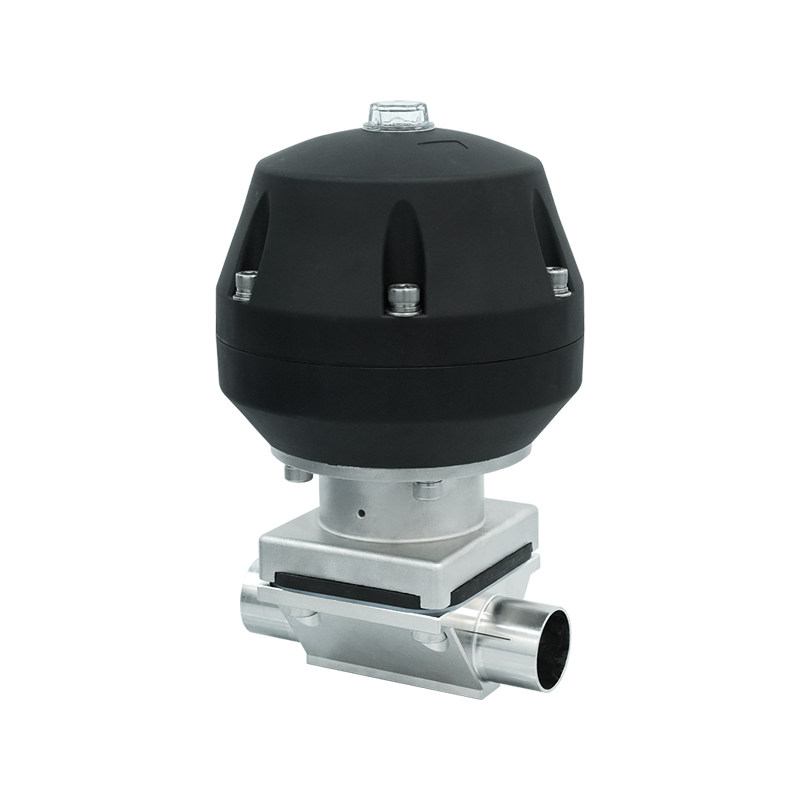
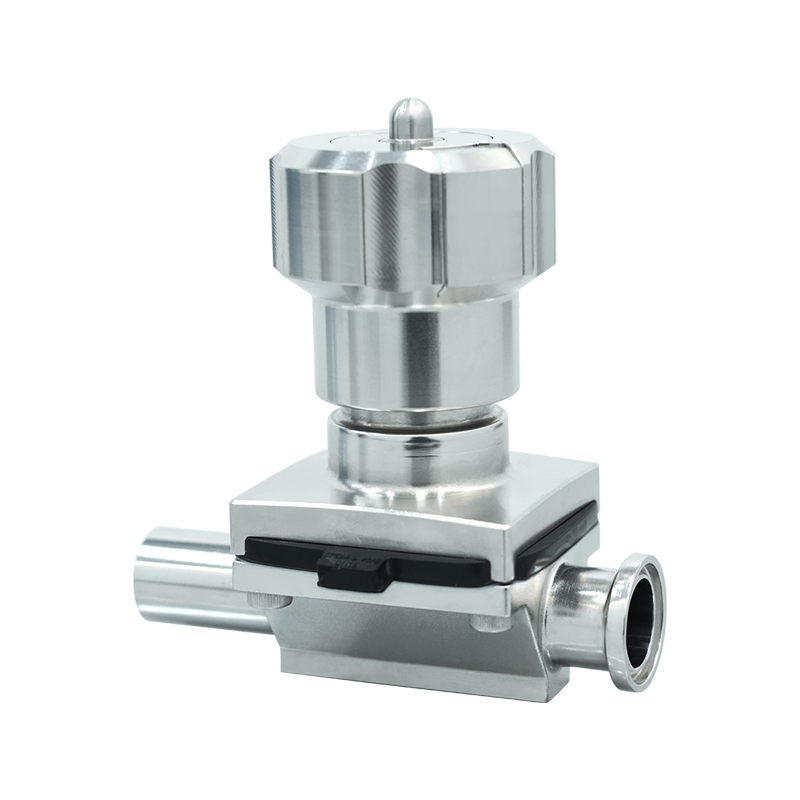
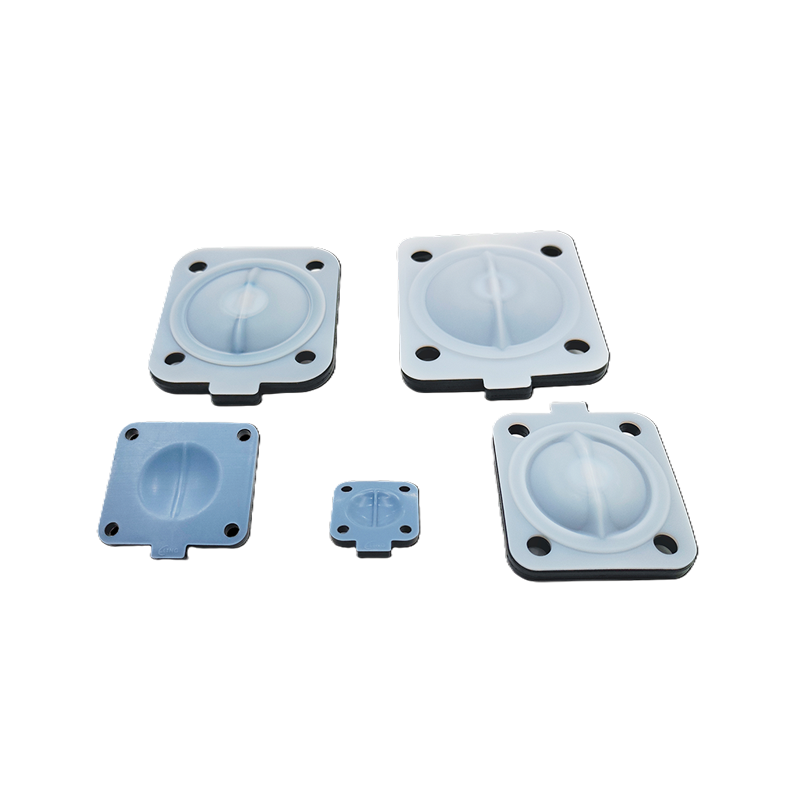
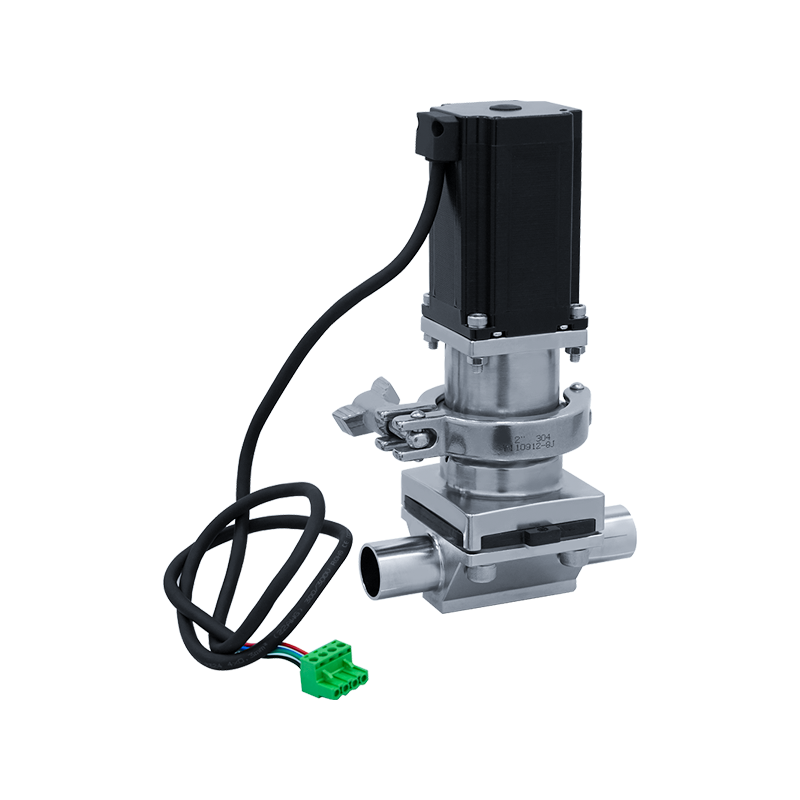
Electric diaphragm valves employ a flexible diaphragm as the primary flow control element, with electric actuation driving diaphragm flexing to regulate fluid passage through the valve body. The diaphragm, typically constructed from resilient elastomer materials like EPDM, Viton, or specialized compounds, separates the valve body into upper and lower chambers. The upper chamber connects to the electric actuator, while the lower chamber remains in contact with process fluid. When the electric actuator energizes, it flexes the diaphragm, closing the valve by pressing against the outlet port, or releases the diaphragm enabling flow when de-energized. This straightforward mechanical principle creates robust, reliable valve operation requiring minimal moving parts and maintenance intervention.
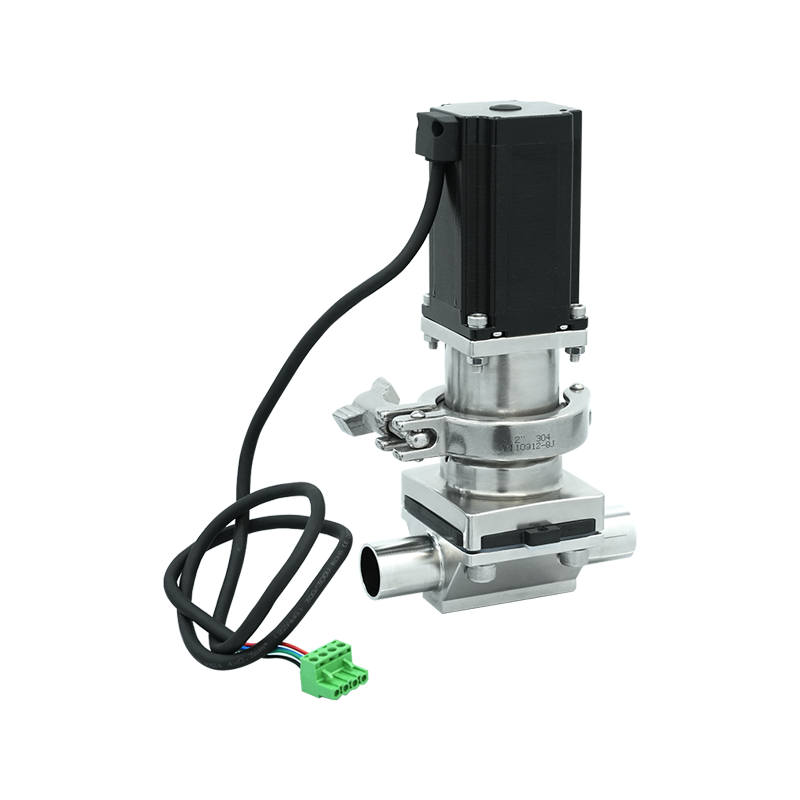
The electric actuator driving diaphragm movement typically incorporates a solenoid or motorized mechanism enabling rapid, precise actuation controlled through electrical signals. Solenoid-actuated diaphragm valves provide rapid on-off switching ideal for discrete process control, while motorized variants enable proportional flow control through variable diaphragm positioning. Modern electric actuators incorporate advanced control electronics enabling proportional output, flow feedback integration, and remote monitoring capabilities impossible with manual or pneumatic alternatives. The electric integration enables seamless connectivity with industrial control systems, enabling automated operation optimized for specific process parameters and real-time adjustment responding to changing conditions.
The diaphragm material selection represents critical design consideration, as elastomer properties determine valve performance characteristics including pressure rating, chemical compatibility, temperature tolerance, and operational lifespan. EPDM diaphragms provide excellent resistance to water-based fluids and temperature stability across moderate ranges. Viton offers superior chemical resistance essential for aggressive media applications. Specialized compounds enable performance in extreme temperature or chemical environments exceeding standard material capabilities. The valve body construction typically employs cast iron, stainless steel, or thermoplastic materials selected for specific applications requiring particular corrosion resistance or weight characteristics.
Performance Advantages and Operational Benefits
Electric diaphragm valves deliver exceptional reliability through simple mechanical design requiring minimal maintenance intervention. The diaphragm design eliminates complex internal passages prone to clogging or deposits, enabling the valves to handle fluids containing suspended solids without performance degradation. Manual operation eliminates wear from repeated friction contact characteristic of traditional spool-type valves, extending operational lifespan and reducing maintenance costs. The straightforward design enables rapid repair or diaphragm replacement without specialized tools or extended downtime, minimizing operational disruption when maintenance becomes necessary.
Electric actuation enables precise flow control and automated operation impossible with manual valves, eliminating operator error and enabling optimization for specific process conditions. The response time of electric actuators typically ranges from milliseconds to seconds depending on valve type and solenoid strength, providing control precision matching most industrial process requirements. Integration with automated control systems enables closed-loop feedback control where valve positioning automatically adjusts responding to real-time process measurements, optimizing system performance and resource efficiency. Remote operation enables operators to control valve positions from centralized control stations, improving operational efficiency and enabling rapid response to changing conditions.
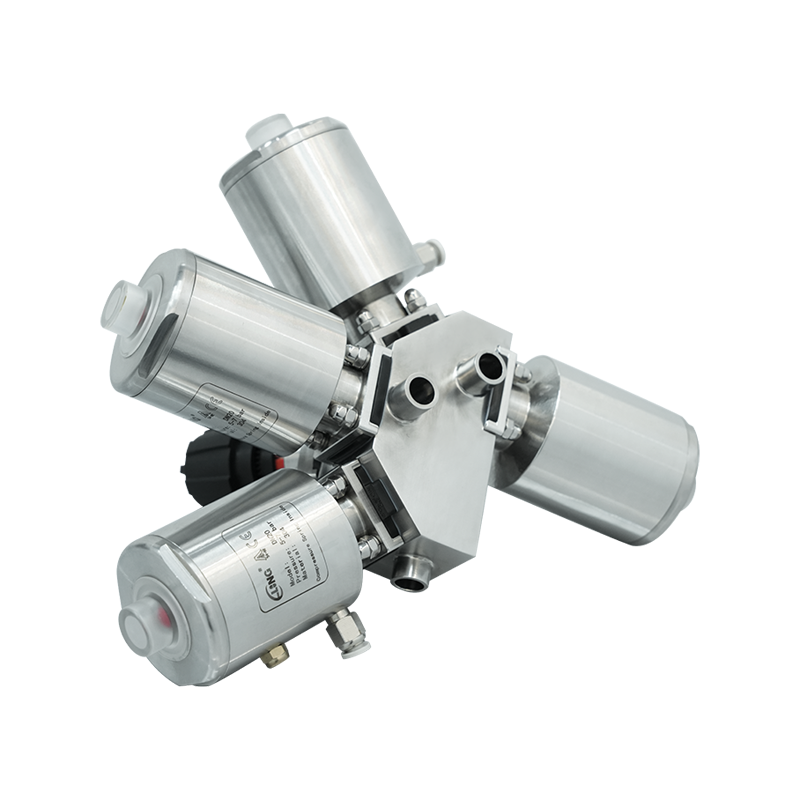
Energy efficiency advantages emerge from electric actuation eliminating continuous compressed air consumption required by pneumatic alternatives. The electric motor or solenoid consumes energy only during actuation, reducing ongoing operational costs compared to pneumatic systems requiring continuous compressor operation. Proportional electric diaphragm valves enable flow adjustment without requiring separate proportional control valves, simplifying system architecture while reducing component count and associated costs. The elimination of compressed air infrastructure reduces capital investment in compressors, air lines, and filtration equipment.
| Feature | Electric Diaphragm | Pneumatic Alternative | Advantage |
| Control Precision | High | Moderate | Electric advantage |
| Maintenance | Minimal | Regular | Electric advantage |
| Operating Cost | Lower | Higher | Electric advantage |
| Integration Capability | Excellent | Good | Electric advantage |
| Intrinsic Safety | Good | Superior | Pneumatic advantage |
Applications Across Industrial Sectors
Water treatment and wastewater management applications extensively employ electric diaphragm valves for their ability to handle suspended solids, chemicals, and corrosive media without performance degradation. The diaphragm design prevents clogging common in traditional valves when controlling flows containing sediment or biological solids. Automated control enabled by electric actuation optimizes chemical dosing, enabling precise adjustment responding to real-time water quality measurements. Municipal water systems, industrial wastewater treatment plants, and specialized purification facilities benefit from the reliability and precision that electric diaphragm valves provide.
Chemical processing industries rely on electric diaphragm valves for precise flow control of aggressive media, corrosive liquids, and hazardous substances demanding exceptional reliability and safety. The elastomer diaphragm selection enables compatibility with virtually any chemical, while electric control enables process optimization and safety automation. Pharmaceutical manufacturing applications benefit from the valve design's compatibility with ultra-pure fluid requirements and easy cleaning enabling rapid product changeovers. Food and beverage industries employ electric diaphragm valves for precise ingredient dosing, sterilizable valve designs meeting hygiene requirements, and automation enabling consistent product quality.
HVAC systems, industrial cooling loops, and building climate control applications employ electric diaphragm valves for thermal management requiring precise flow regulation responding to real-time temperature monitoring. The modulating capabilities enable energy optimization by adjusting flow rates matching actual cooling or heating demands, reducing energy consumption compared to fixed valve positioning. Automation enables coordinated control across multiple zones, optimizing comfort while minimizing operational costs.
Primary Industrial Applications
- Water treatment and wastewater management systems
- Chemical processing and hazardous media control
- Pharmaceutical manufacturing and sterile processing
- Food and beverage production and packaging
- HVAC and building climate control systems
- Industrial cooling and thermal management loops
- Irrigation and agricultural water distribution
Selection Criteria and Technical Specifications
Valve sizing represents critical selection consideration, as inadequate sizing results in poor flow control and pressure drop losses reducing system efficiency, while oversized valves provide minimal control precision. The valve size should enable the designed flow rate with the diaphragm in a mid-range position, providing control margin in both directions. Pressure differential ratings must accommodate maximum system pressure differentials, with safety margins preventing overstress and premature diaphragm failure. Flow coefficients (Cv values) indicate relative flow capacity enabling comparison across different valve sizes and designs.
Material selection must account for fluid compatibility, temperature exposure, and environmental conditions. Chemical compatibility assessment ensures that diaphragm elastomers and valve body materials resist degradation from specific fluids and temperatures. Pressure ratings define maximum operating pressures, with different valve designs rated for different pressure ranges. Temperature ratings specify operating temperature limits, with low-temperature rating establishing minimum operating temperatures and high-temperature ratings defining maximum exposure without material degradation or performance compromise.
Actuation selection balances response time requirements, proportional control capability, and fail-safe operation needs. Solenoid-actuated valves provide rapid on-off switching ideal for discrete control, while motor-driven designs enable proportional operation. Fail-safe considerations determine whether valves should remain open or closed upon power loss, with specific applications requiring either behavior. Control system compatibility assessment ensures that valve actuation integrates seamlessly with existing automation infrastructure and control protocols.
Installation and Maintenance Considerations
Electric diaphragm valve installation requires attention to system pressure stabilization, with proper draining and system purging preventing air pockets that could interfere with operation. Inline installation following manufacturer orientation guidelines ensures proper flow direction and diaphragm operation. Electrical connections must employ proper wiring methods meeting code requirements and providing adequate power for specified actuator operation. Pressure gauge installation downstream of the valve enables monitoring of system pressures, providing early warning of developing problems requiring maintenance intervention.
Maintenance requirements remain minimal compared to traditional valves, with periodic inspection confirming proper operation and absence of leakage. Diaphragm replacement, when eventually required after years of service, requires straightforward disassembly accessible without specialized tools or training. Routine maintenance including system flushing prevents sediment accumulation that could interfere with valve performance. Actuator maintenance typically requires only verification of proper electrical function and occasional lubrication depending on design specifications.
Electric diaphragm valves represent advanced flow control solutions delivering exceptional reliability, precise control, and low maintenance requirements that justify their adoption across diverse industrial applications. The combination of robust mechanical design with modern electric actuation enables automation and precision impossible with traditional manual or pneumatic alternatives. For businesses seeking to enhance process control, improve system reliability, and reduce operational costs, electric diaphragm valves provide proven solutions delivering superior performance across demanding industrial applications.