

Content
- 1 Why Sampling High-Potency Materials Requires Specialized Equipment
- 2 How a Sealed Sampling Valve Works
- 3 Containment Performance and Industry Standards
- 4 Key Applications Across Industries
- 5 Selecting the Right Sealed Sampling Valve for Your Process
- 6 Maintenance Practices to Preserve Containment Integrity
- 7 Integrating Sealed Sampling Valves Into Existing Systems
Why Sampling High-Potency Materials Requires Specialized Equipment
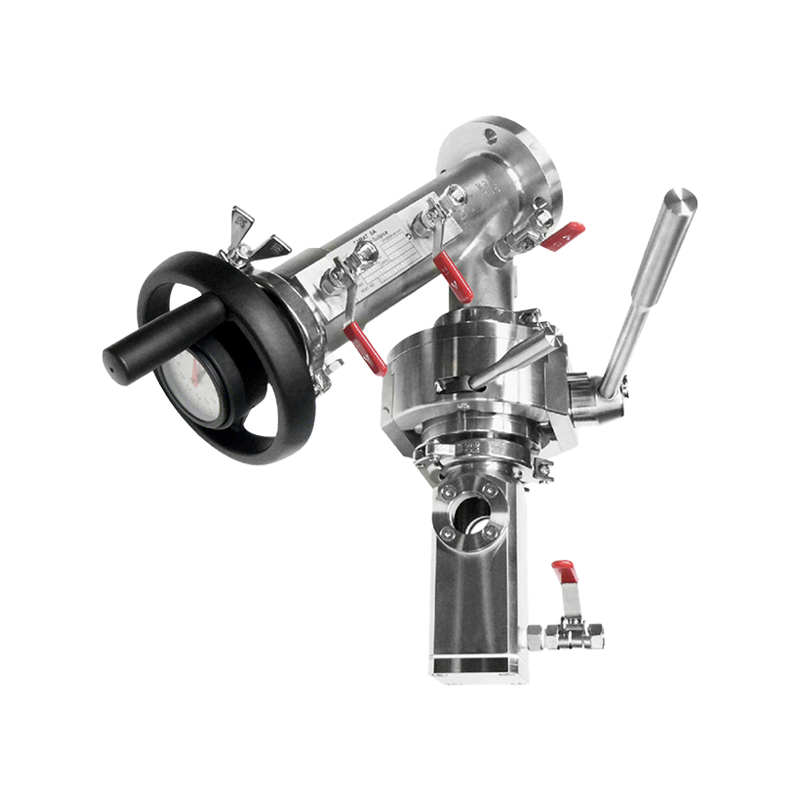
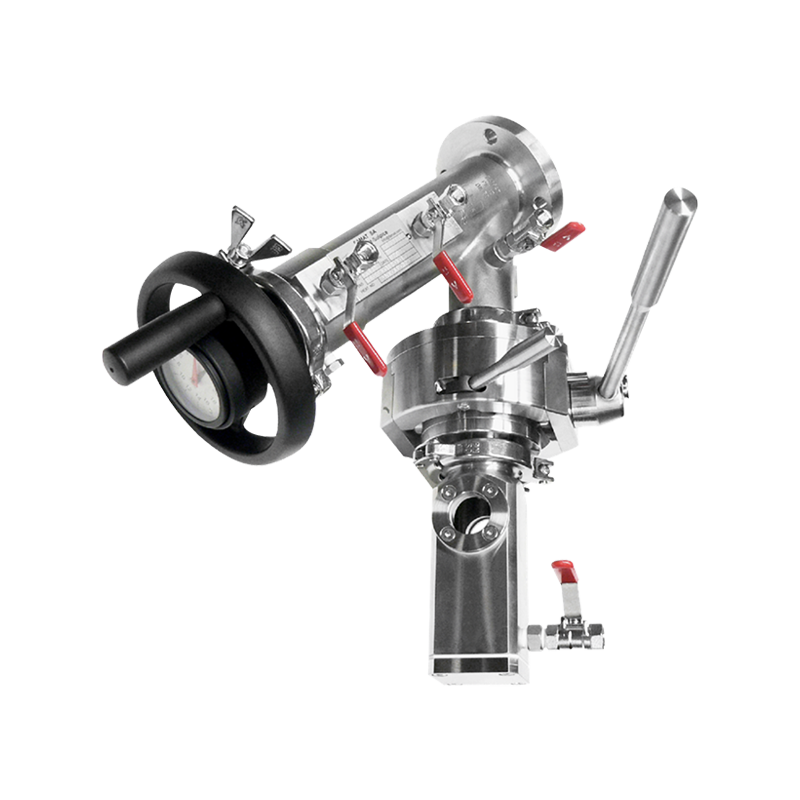
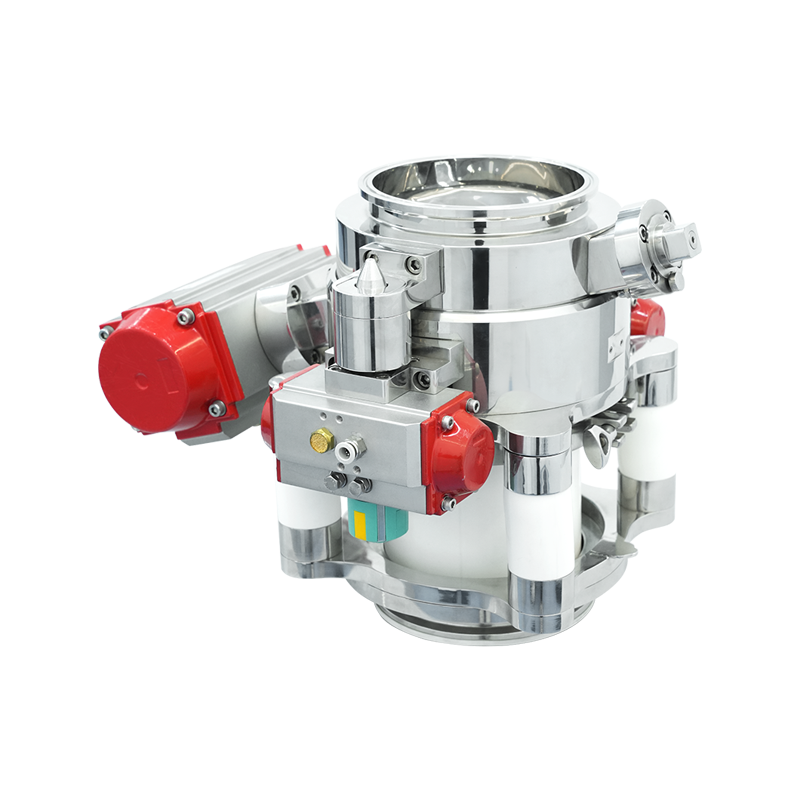
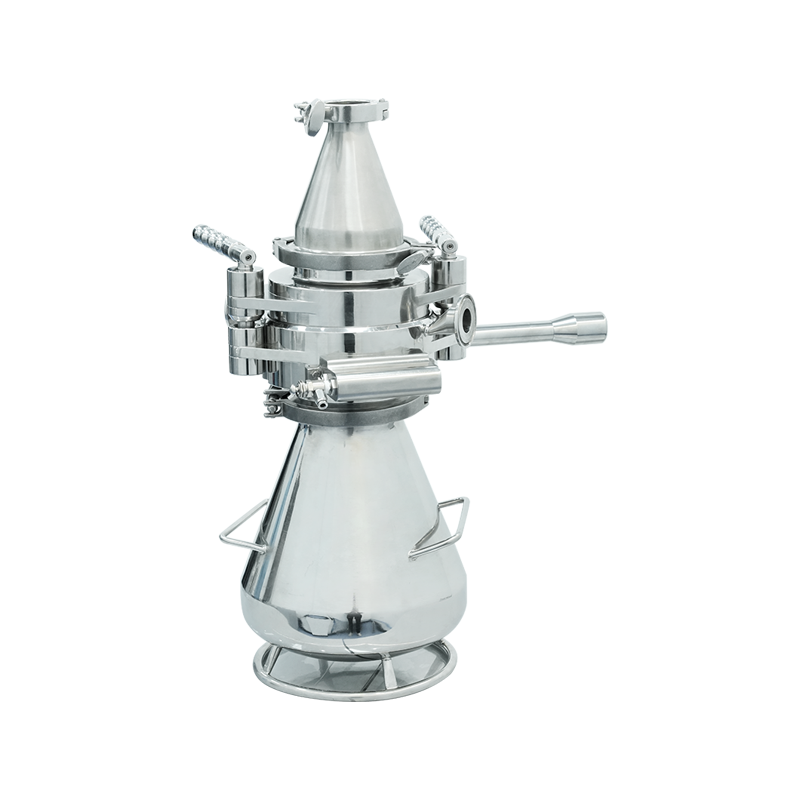
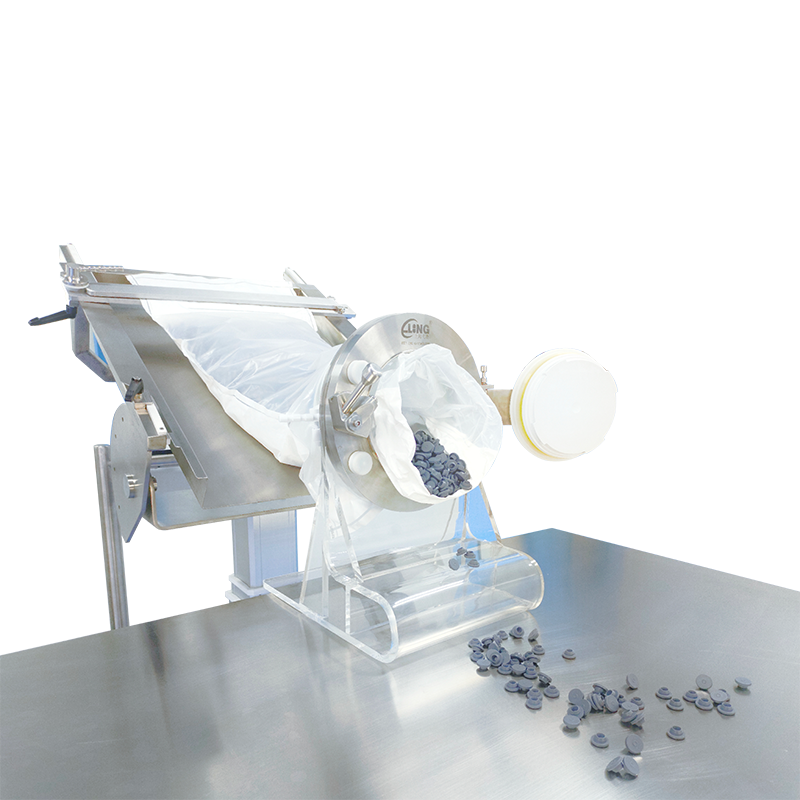
Taking a sample from a process vessel or storage container is a routine quality control step, but when the material involved is a highly potent active pharmaceutical ingredient, toxic chemical, or other hazardous substance, that routine step becomes a significant safety concern. Even microgram-level exposure to certain HPAPIs can pose health risks to operators, and traditional open sampling methods, such as scoops or open-port valves, create opportunities for airborne particulate release, cross-contamination, and direct operator contact with the material. A sealed sampling valve is engineered specifically to address these risks by allowing a sample to be withdrawn from a closed system without breaking containment at any point in the process.
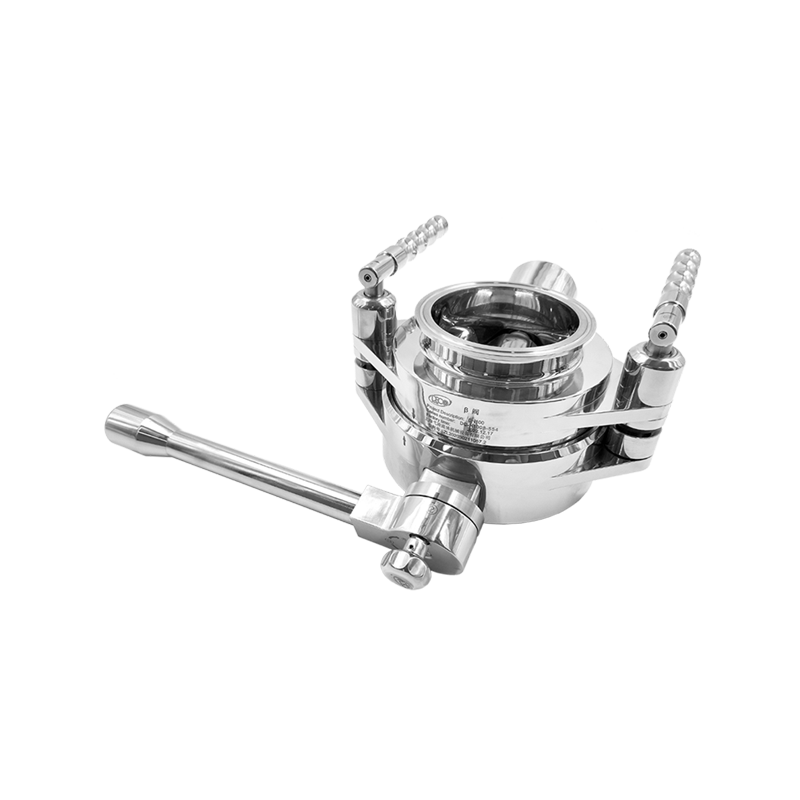
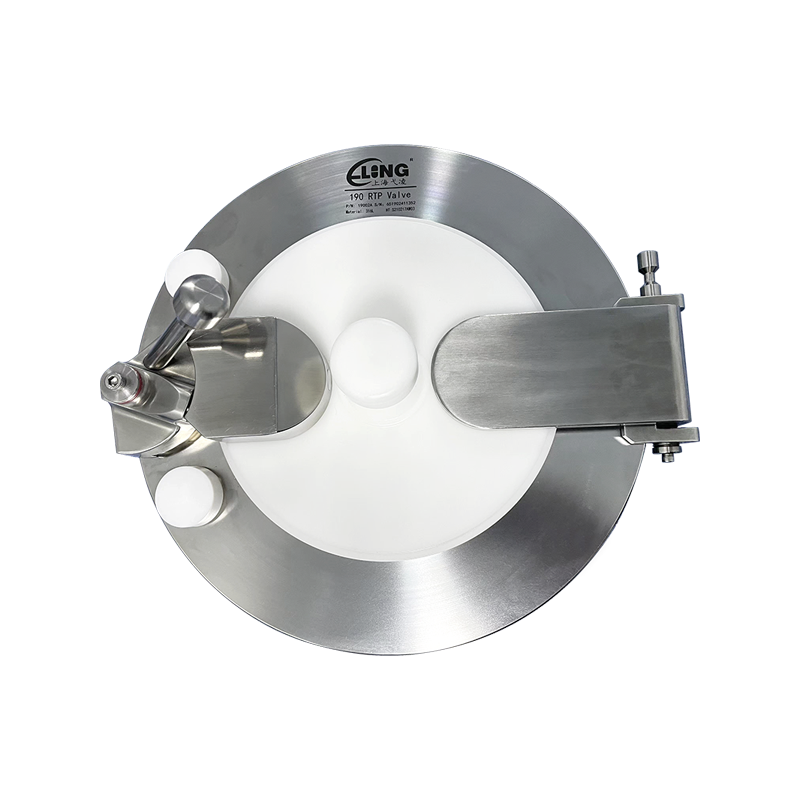
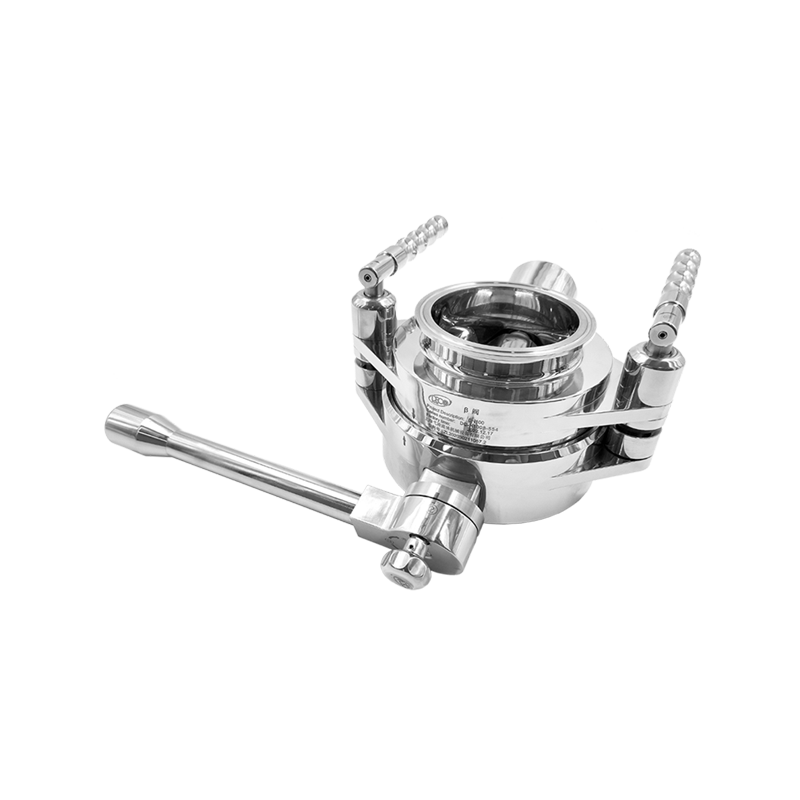
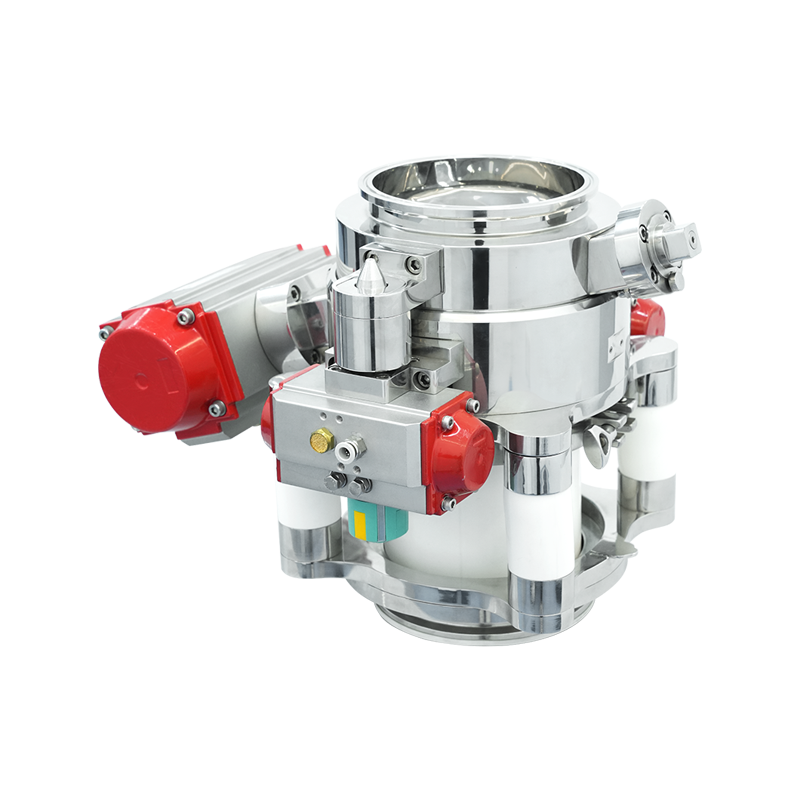
Unlike standard valves that simply control flow, a sealed sampling valve incorporates a double-seal or split-butterfly design that physically separates the operator environment from the process environment until a secure connection is established. This design ensures that the only point of material transfer occurs within a fully enclosed interface, minimizing the chance of exposure even during routine, repeated sampling operations.
How a Sealed Sampling Valve Works
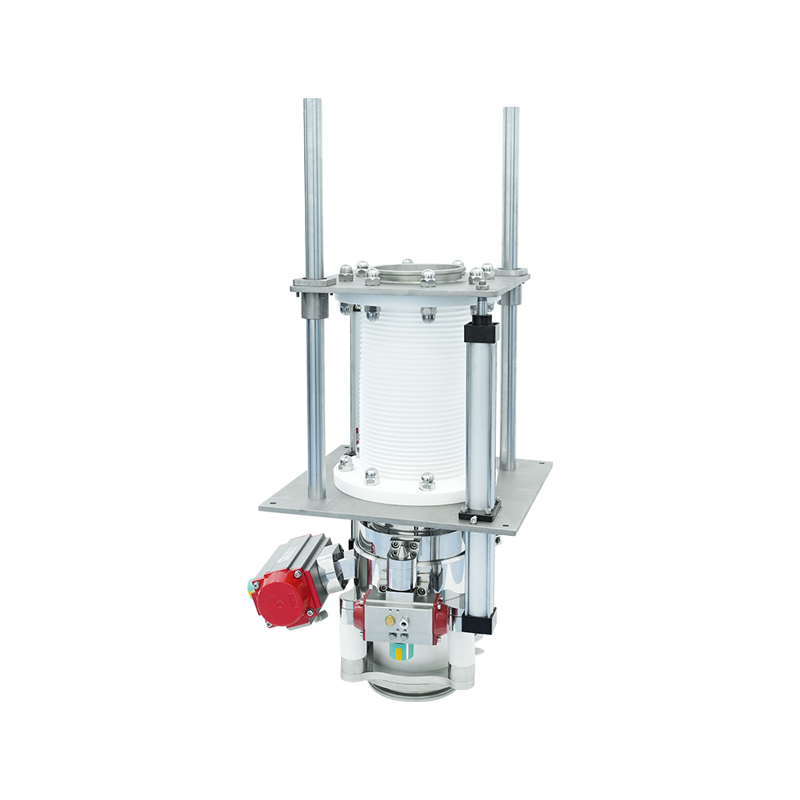
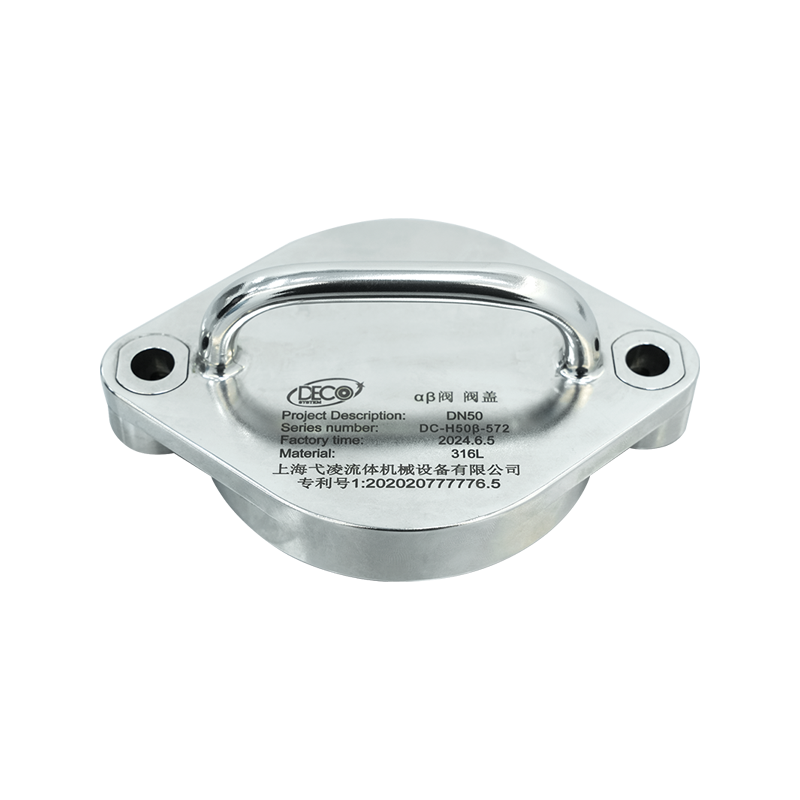
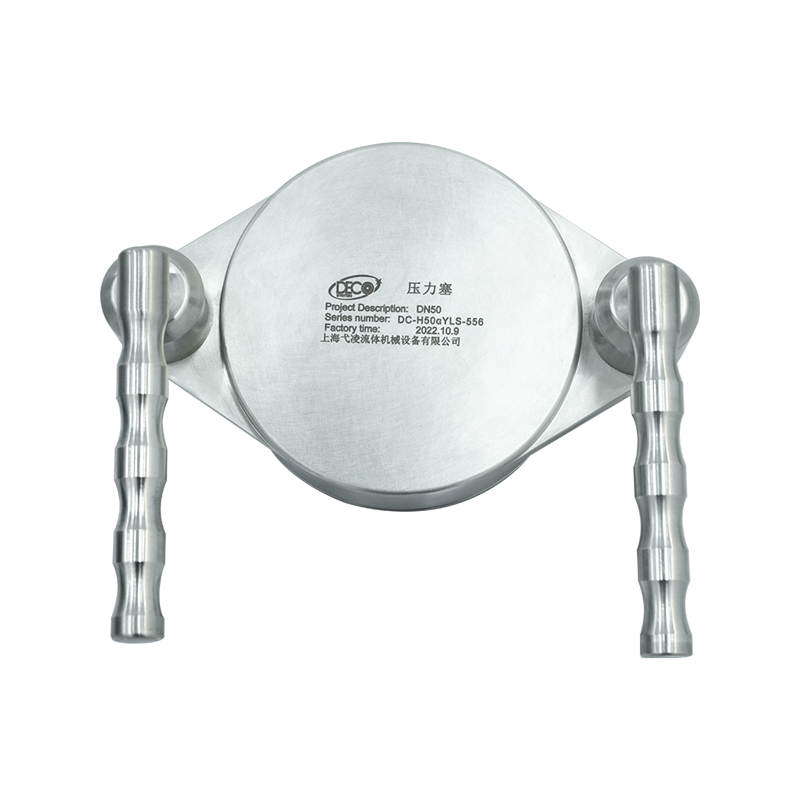
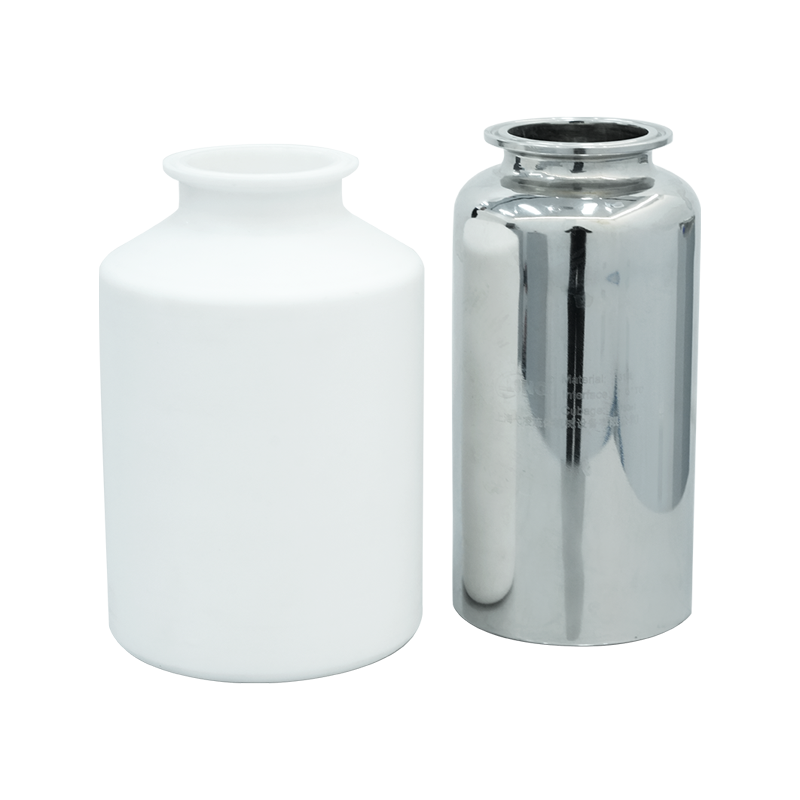
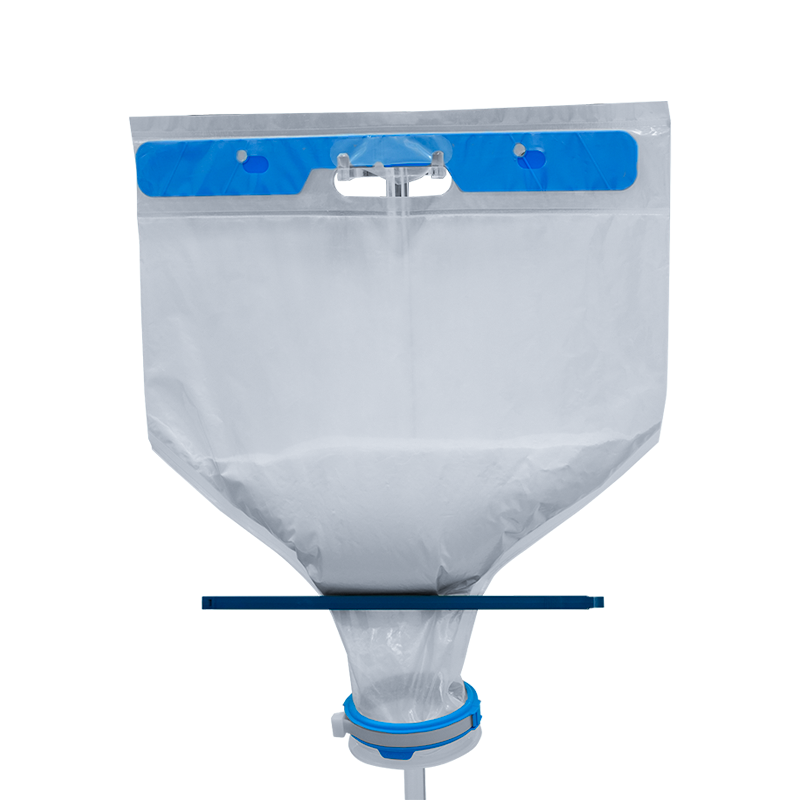
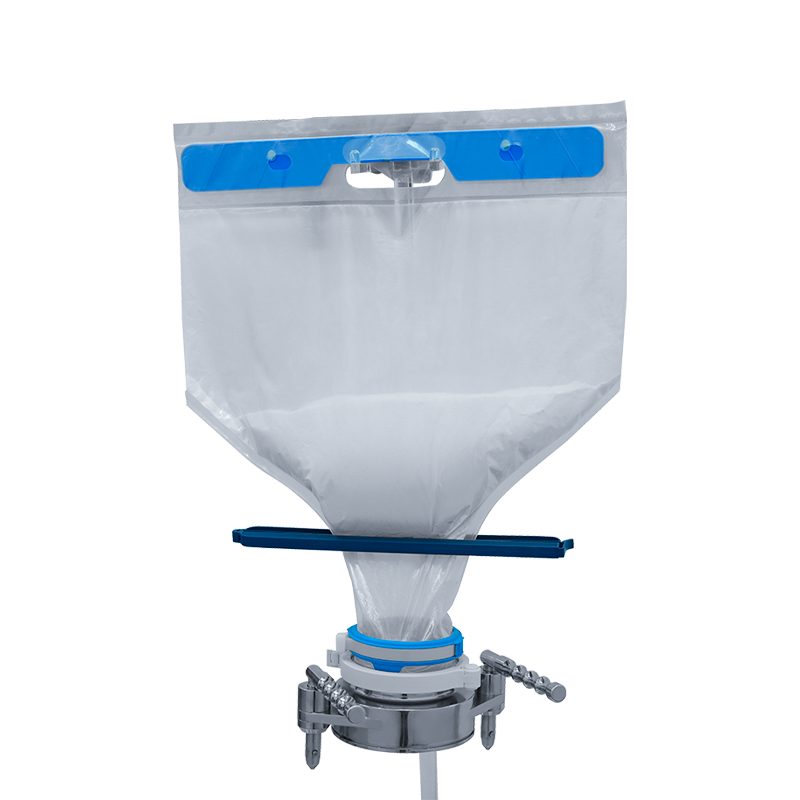
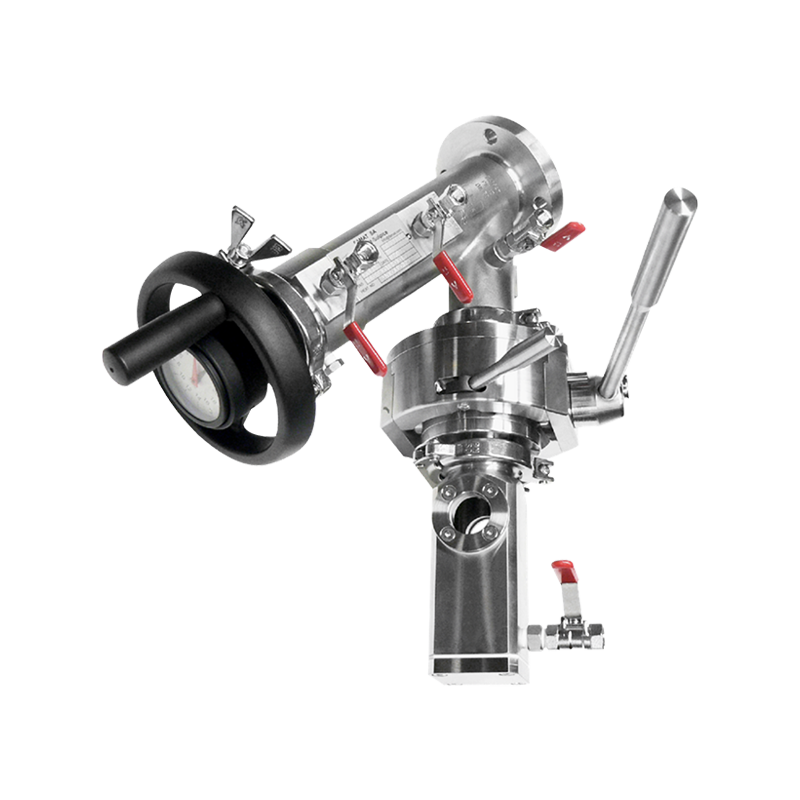
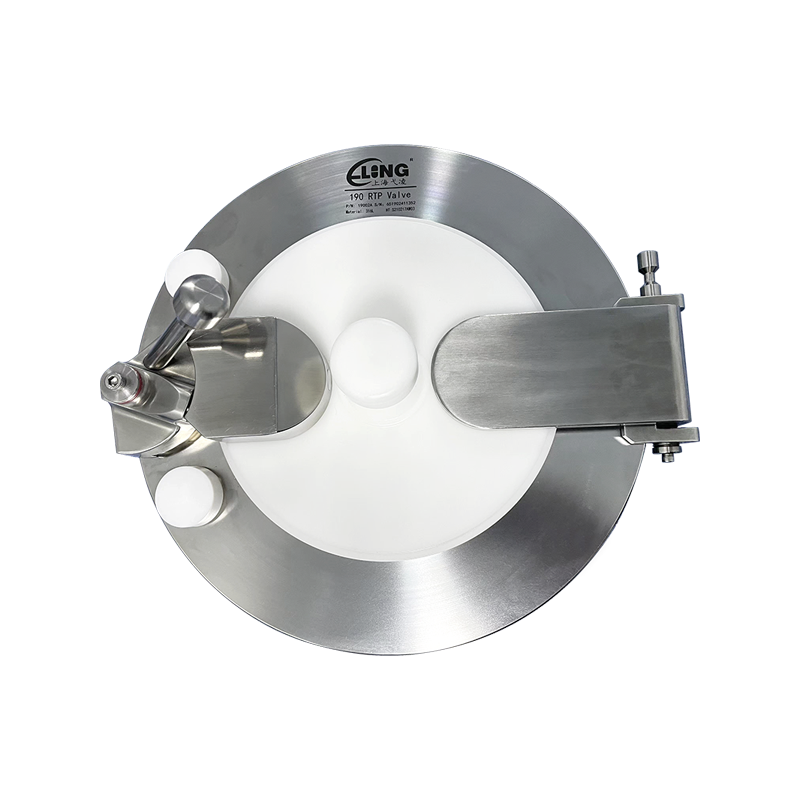
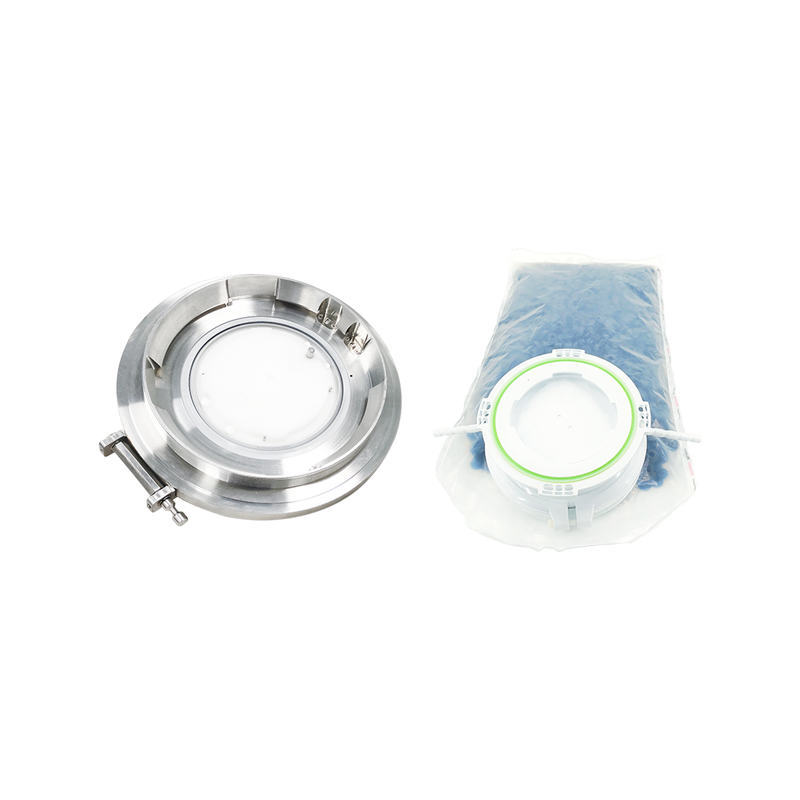
Most sealed sampling valves operate using a split-valve or double-disc mechanism, where one half of the valve is permanently mounted on the process vessel and the other half is attached to a sample container or collection device. When the two halves are docked together, they form a temporary sealed chamber. Only after this seal is confirmed does the internal mechanism open, allowing material to pass directly from the process side into the sample container without ever being exposed to the surrounding room air.
Once the desired sample volume has been collected, the mechanism closes again before the two valve halves are separated, ensuring that any residual material remaining on the contact surfaces stays contained within the valve body rather than being released into the environment. This sequence of events, often referred to as a contained transfer cycle, is the defining feature that separates sealed sampling valves from conventional sampling ports.
Containment Performance and Industry Standards
Containment performance for sampling valves is typically benchmarked against occupational exposure band classifications used in the pharmaceutical industry, which categorize substances based on how much airborne exposure is considered acceptable over a working shift. The table below illustrates how containment requirements generally align with these exposure bands.
| Occupational Exposure Band | Typical Exposure Limit | Containment Requirement |
| OEB 1 to OEB 2 | Above 100 micrograms per cubic meter | Standard sealing measures |
| OEB 3 to OEB 4 | 1 to 100 micrograms per cubic meter | High-integrity sealed valve systems |
| OEB 5 | Below 1 microgram per cubic meter | Validated containment below detection limits |
For materials in the higher exposure bands, sealed sampling valves are often validated using surrogate powder testing methods to demonstrate that airborne concentration during transfer remains below a specified threshold, providing documented evidence of performance for regulatory and internal safety compliance purposes.
Key Applications Across Industries
Sealed sampling valves are used wherever the risk of operator exposure or product contamination must be minimized during sample collection.
- Pharmaceutical manufacturing, particularly for HPAPIs used in oncology treatments and hormone-based products, where even trace exposure carries significant health risk.
- Fine chemical and specialty chemical production, where toxic intermediates or reactive substances require closed handling throughout the process.
- Biotechnology and cell and gene therapy production, where preventing cross-contamination between batches is as critical as protecting operator safety.
- Nuclear and radioactive material handling, where sealed sampling reduces the risk of radioactive particulate release during quality checks.
Selecting the Right Sealed Sampling Valve for Your Process
Choosing an appropriate sealed sampling valve requires evaluating both the material properties and the operational context of the sampling task.
Material Compatibility and Construction
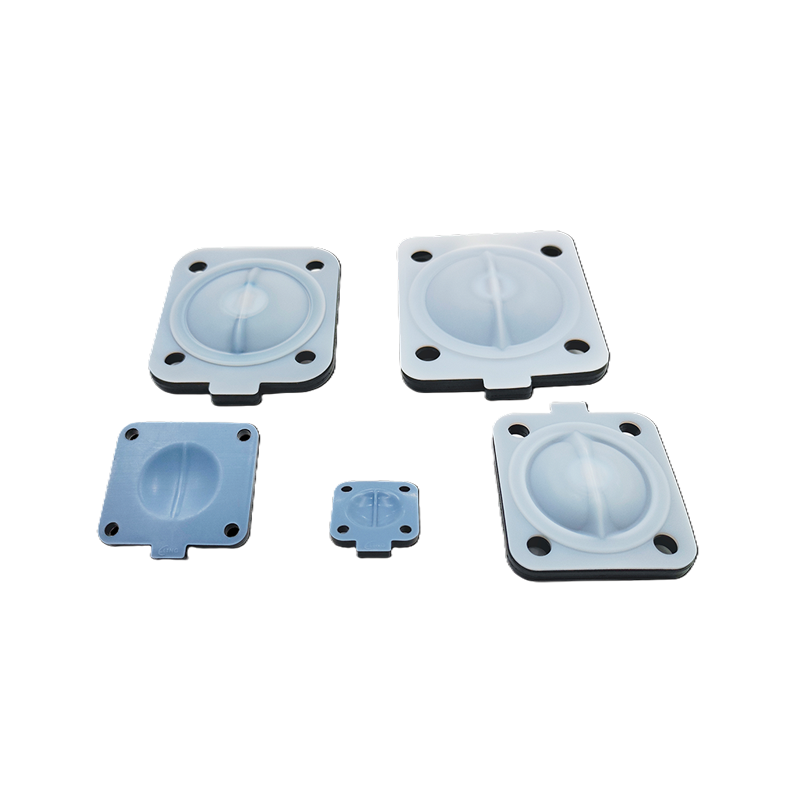
The valve body, seals, and gaskets must be compatible with the chemical and physical properties of the substance being sampled, including its corrosiveness, particle size, and flow characteristics. Stainless steel construction with elastomer or PTFE seals is common, though specific seal materials should be selected based on chemical resistance data for the substance in question.
Sample Volume and Frequency Needs
Processes requiring frequent, small-volume sampling for in-process quality checks may prioritize valve designs optimized for quick docking and undocking cycles, while applications requiring larger sample volumes for batch release testing may need valves engineered for higher flow capacity during the transfer phase.
Maintenance Practices to Preserve Containment Integrity
Containment performance depends on consistent maintenance, since worn seals or damaged components can compromise the valve's ability to maintain isolation during the docking and transfer sequence.
- Inspect seals and gaskets regularly for wear, deformation, or chemical degradation, replacing them according to manufacturer-recommended intervals.
- Clean valve surfaces thoroughly between uses, particularly when sampling different materials, to prevent cross-contamination at the docking interface.
- Verify proper alignment and docking mechanism function before each use to confirm the seal forms correctly prior to opening the internal valve mechanism.
- Periodically retest containment performance, especially after maintenance or seal replacement, to confirm the valve continues to meet its required exposure limit classification.
Integrating Sealed Sampling Valves Into Existing Systems
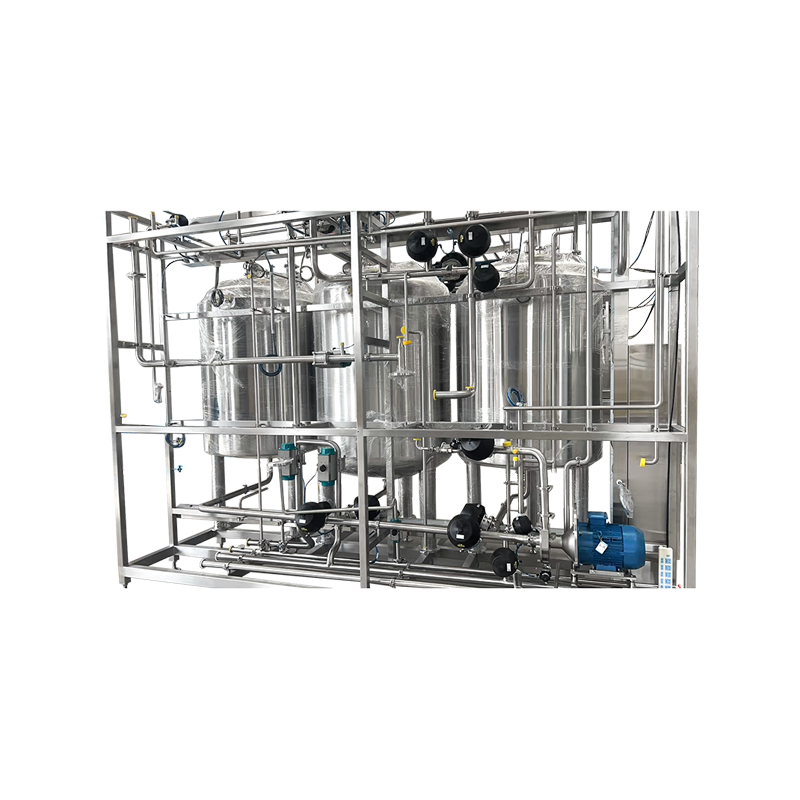
For facilities upgrading from open or partially contained sampling methods, integrating a sealed sampling valve typically involves evaluating vessel nozzle compatibility, available installation space, and whether the existing process control system needs modification to accommodate the valve's operating sequence. Working closely with the equipment manufacturer during installation planning helps ensure the valve is positioned correctly for operator ergonomics while maintaining the containment performance the system is designed to deliver.