

Content
- 1 The Challenge of Aseptic Powder Transfer in Pharmaceutical Manufacturing
- 2 How Split Butterfly Valves Work: The Core Operating Principle
- 3 Key Design Variants and Construction Features
- 4 Material Specifications and Surface Finish Requirements
- 5 Containment Performance and Regulatory Compliance
- 6 Cleaning, Sterilization, and Maintenance Considerations
- 7 Selecting the Right Split Butterfly Valve for Your Application
The Challenge of Aseptic Powder Transfer in Pharmaceutical Manufacturing
Transferring pharmaceutical powders — active pharmaceutical ingredients (APIs), excipients, lyophilized biologics, and sterile bulk drug substances — between process vessels, isolators, and packaging lines presents one of the most demanding containment challenges in the industry. Every connection point between two pieces of equipment is a potential contamination pathway: airborne particulates, microbial ingress, cross-contamination between batches, and operator exposure to potent compounds are all risks that must be engineered out of the process rather than managed through procedural controls alone. In sterile manufacturing environments governed by GMP regulations, this is not a discretionary engineering choice — it is a regulatory requirement with direct product quality and patient safety implications.
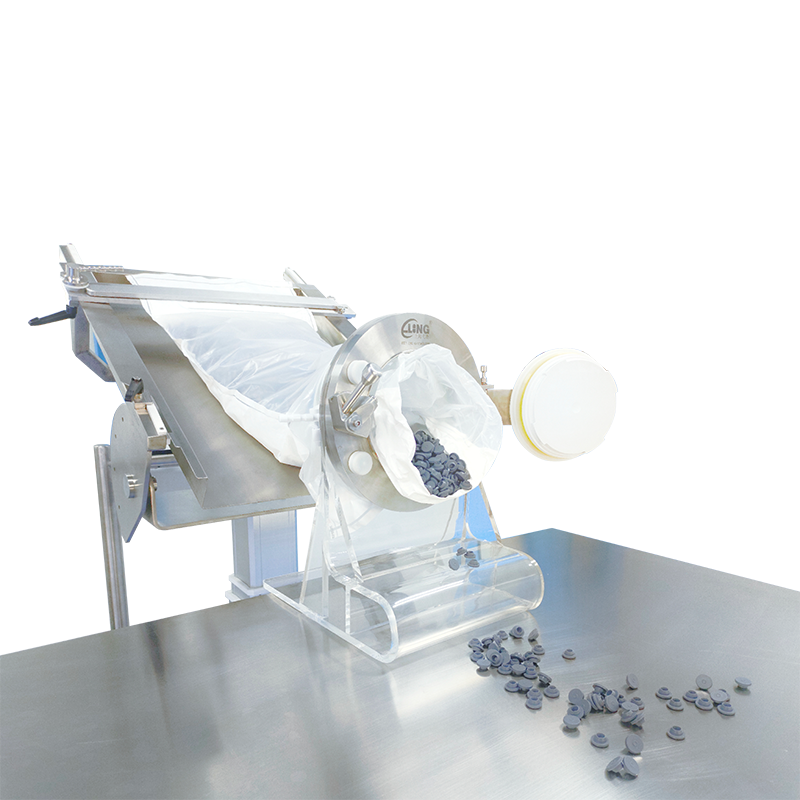
Traditional powder transfer methods — open scooping, gravity chutes with manual connections, or standard butterfly valves with exposed sealing surfaces — create unacceptable contamination risk in aseptic processing. The split butterfly valve (SBV), also referred to as a split valve, contained transfer valve, or aseptic transfer valve, was developed specifically to address this problem. By splitting the valve into two mating halves — one fixed to the sending vessel and one to the receiving vessel — the SBV allows connection and disconnection to occur without any product-contacting surface ever being exposed to the surrounding environment.
How Split Butterfly Valves Work: The Core Operating Principle
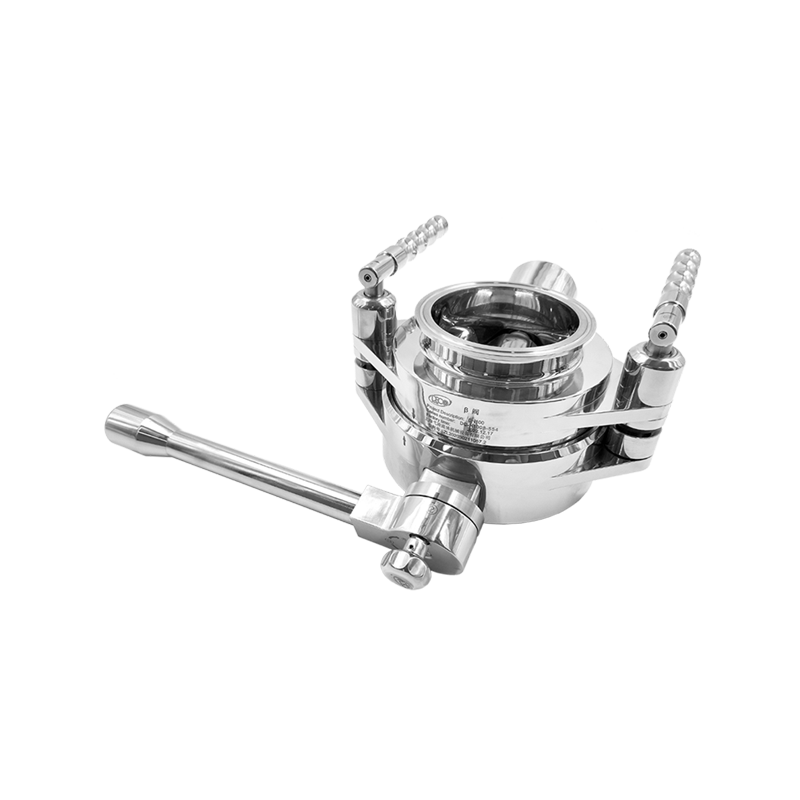
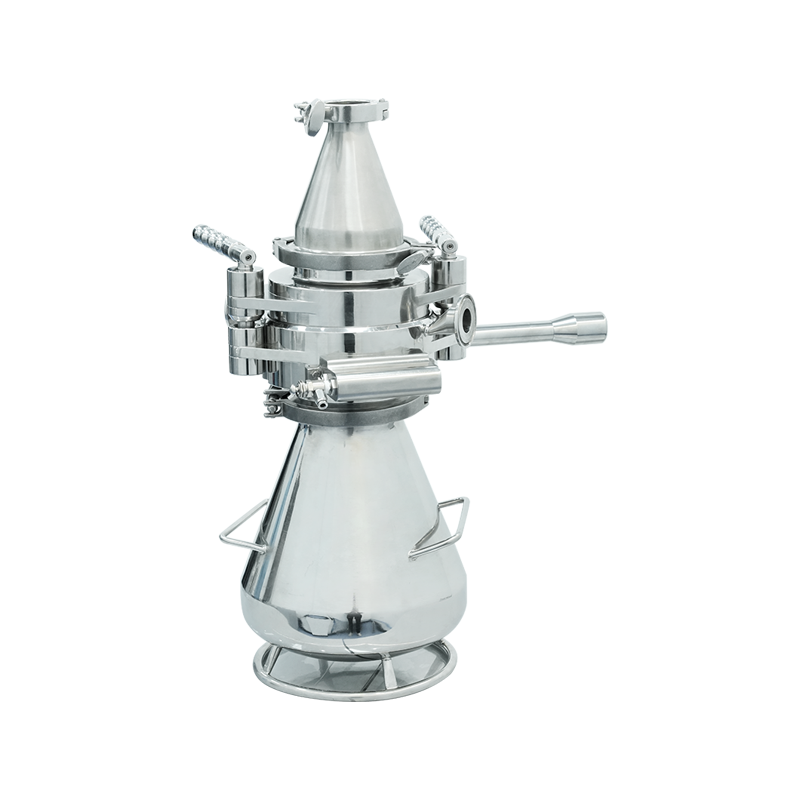
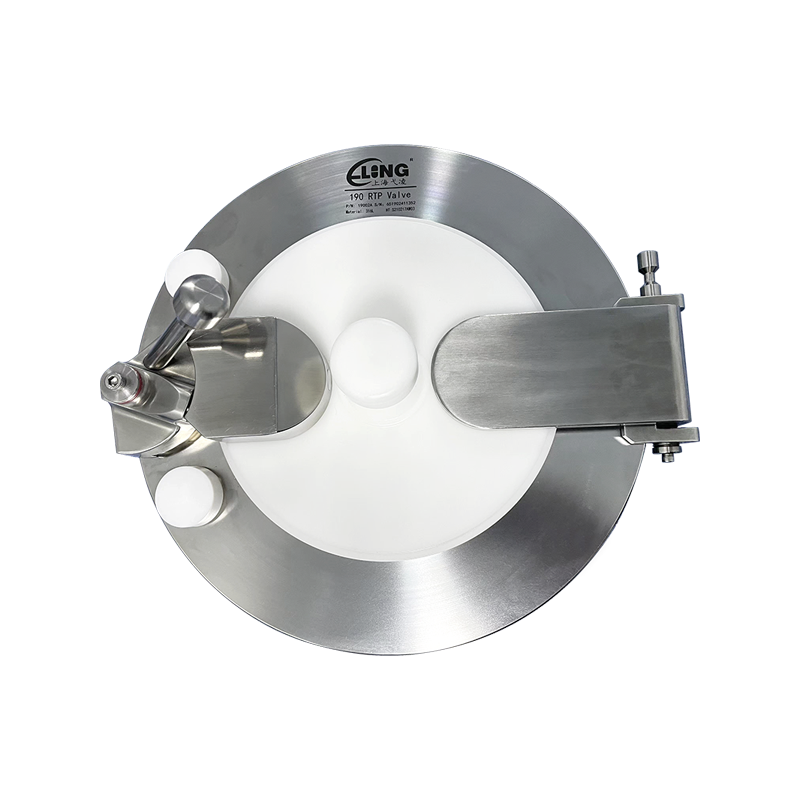
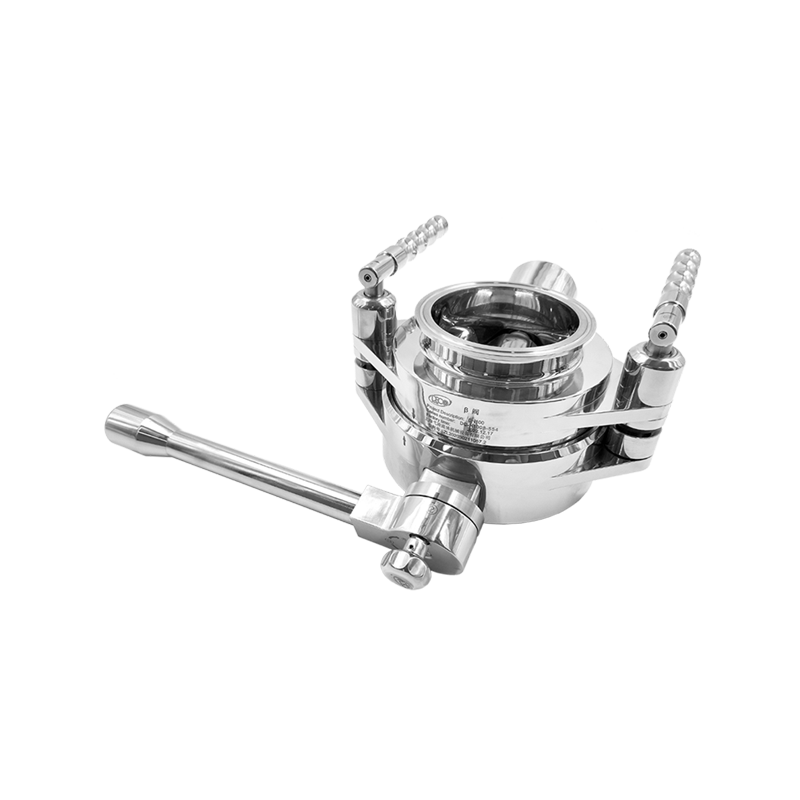
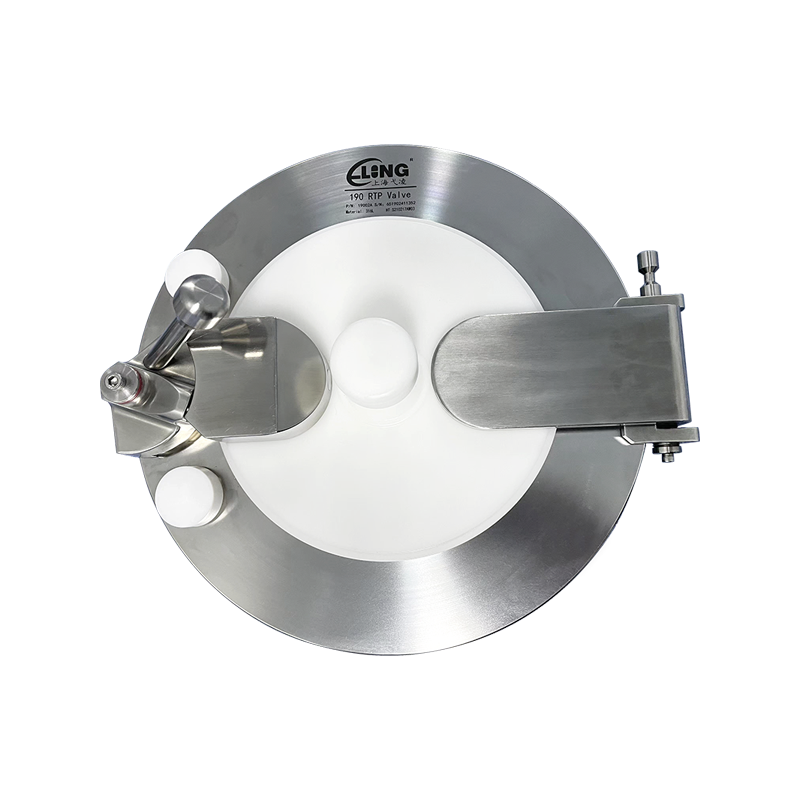
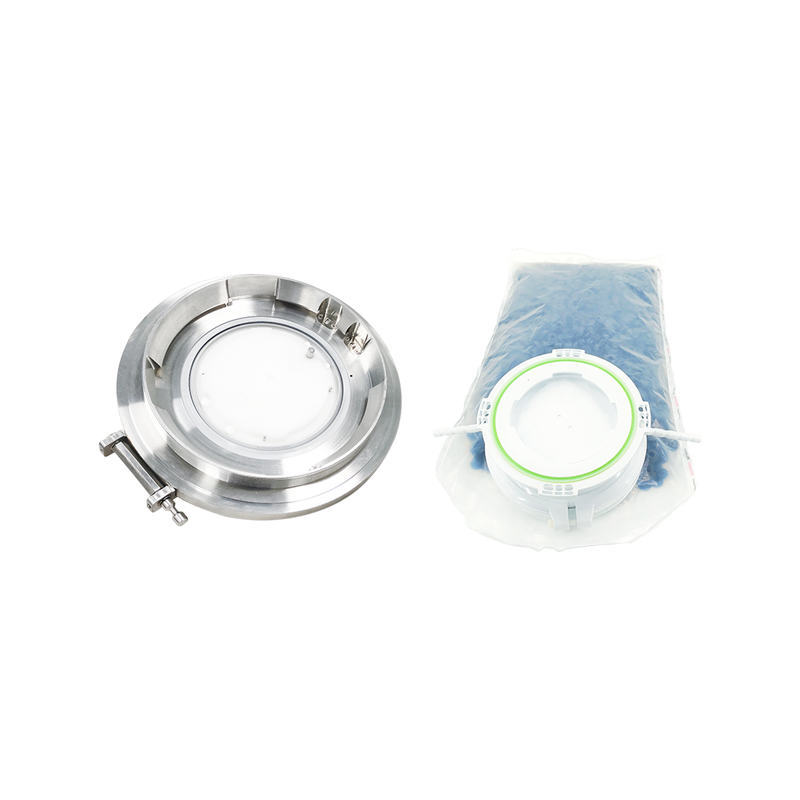
A split butterfly valve consists of two disc-and-body assemblies: the active half (typically mounted on the upstream vessel or container) and the passive half (mounted on the downstream receiver or process equipment). Each half contains a disc that, when the valve is in the closed position, seals against the corresponding disc of the other half. The two discs mate face-to-face at the connection interface, and critically, the surfaces that will be exposed when the valve is opened are the inner faces of the two discs — surfaces that have been in sealed contact with each other throughout the docking, opening, and closing cycle, never exposed to the external environment.
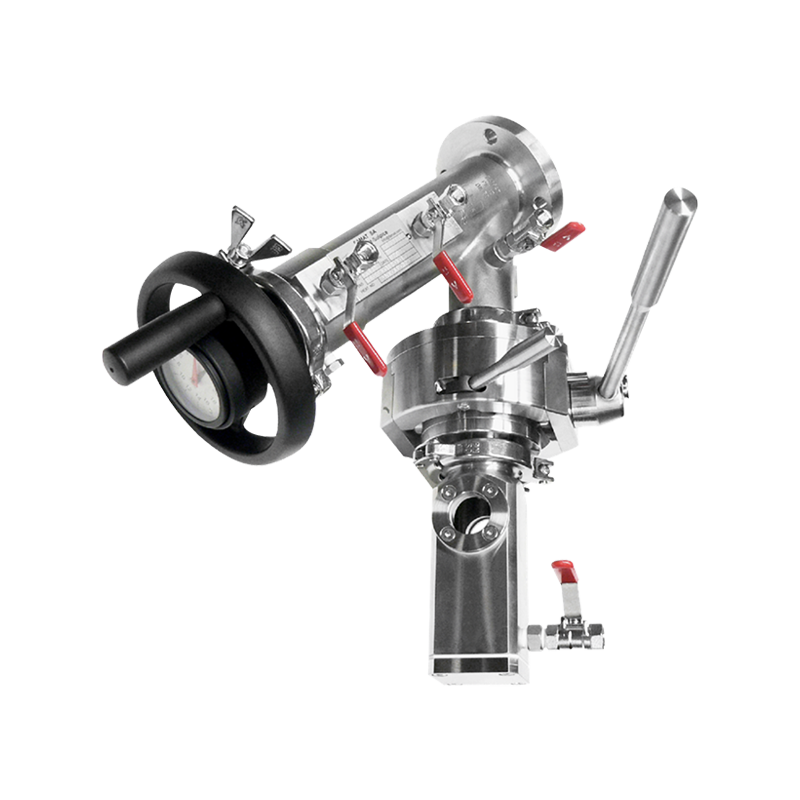
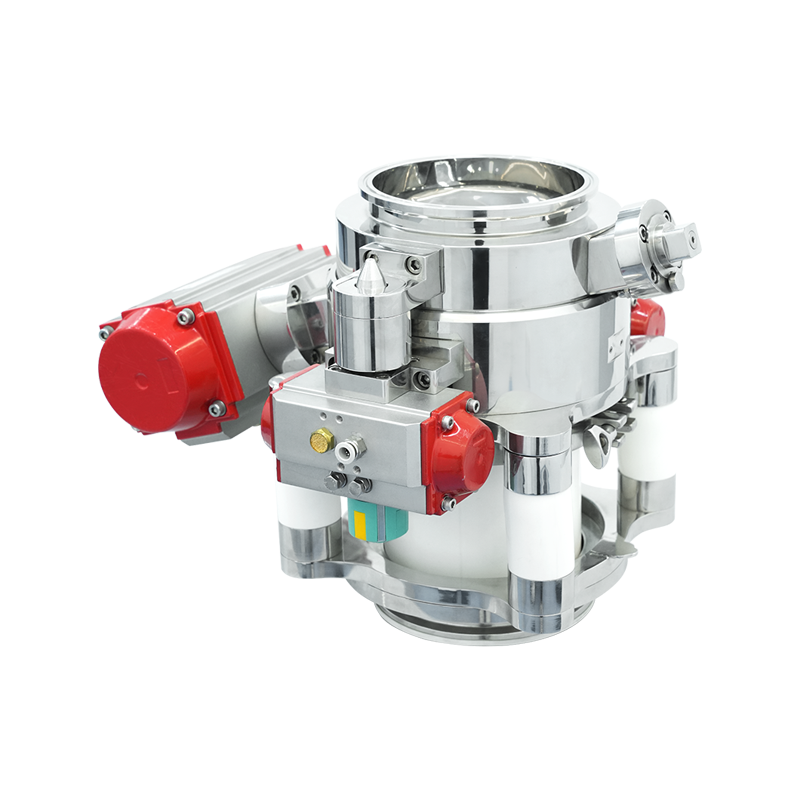
The docking sequence is the operational heart of the SBV system. The active half is brought into contact with the passive half and locked using a bayonet, clamp, or tri-clamp mechanism depending on the valve design. Once locked, the two discs are mechanically coupled and rotate together as a single unit when the actuator is operated, opening the full bore of the valve for powder flow. During this entire sequence — docking, opening, transfer, closing, and undocking — no product-contacting surface is ever exposed to the external atmosphere. This is the defining performance characteristic that distinguishes the SBV from all conventional valve types and makes it the standard solution for aseptic and high-containment powder transfer.
Key Design Variants and Construction Features
Alpha-Beta Configuration
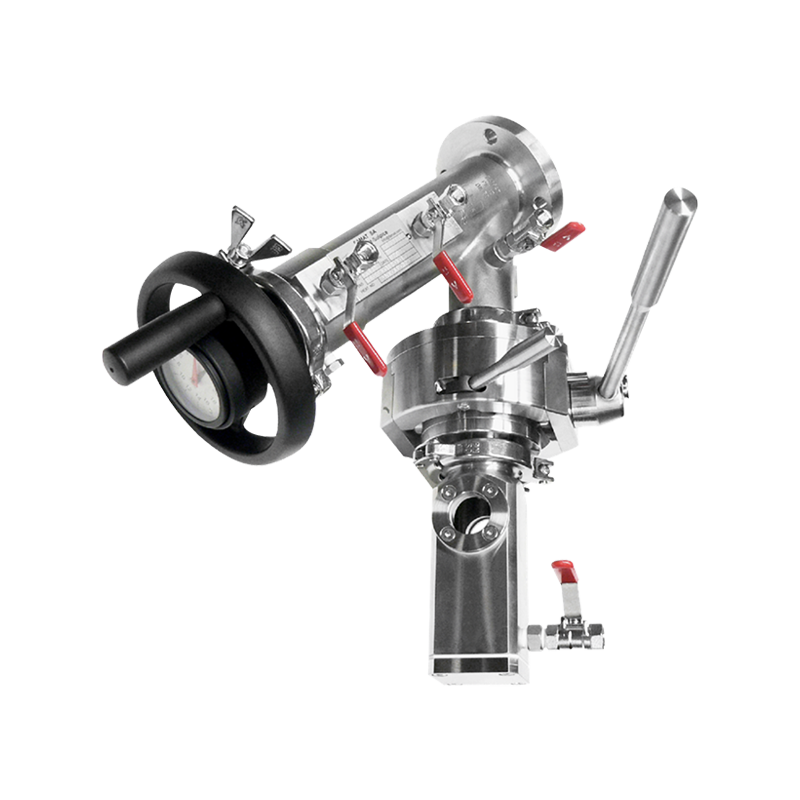
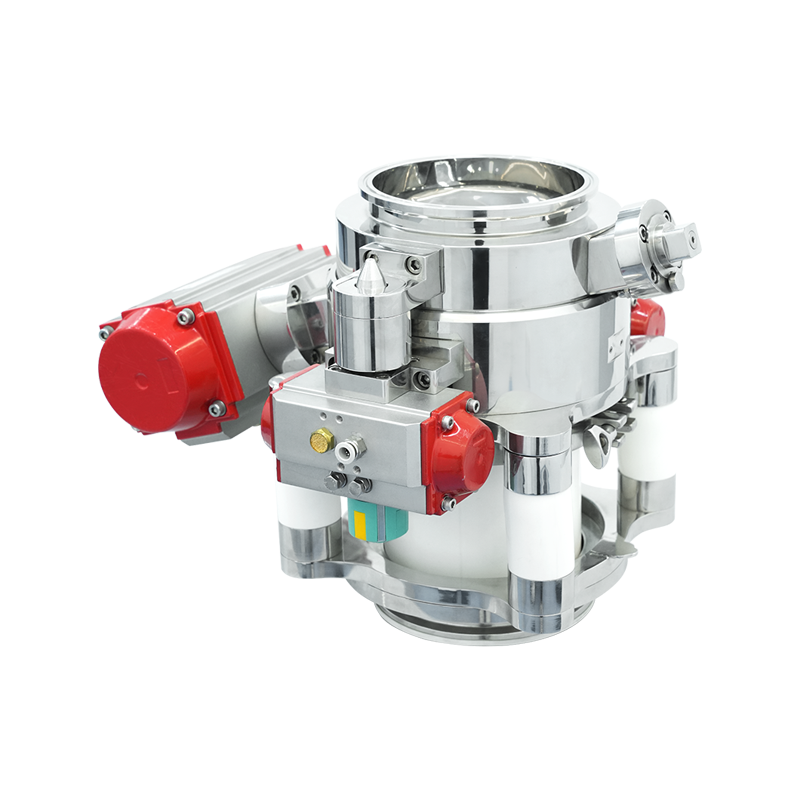
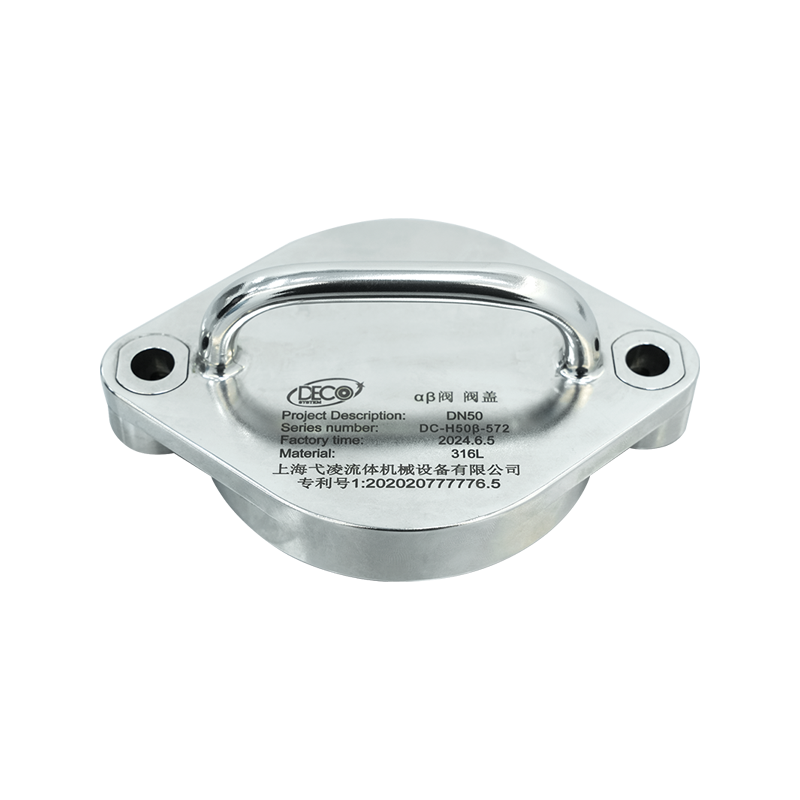
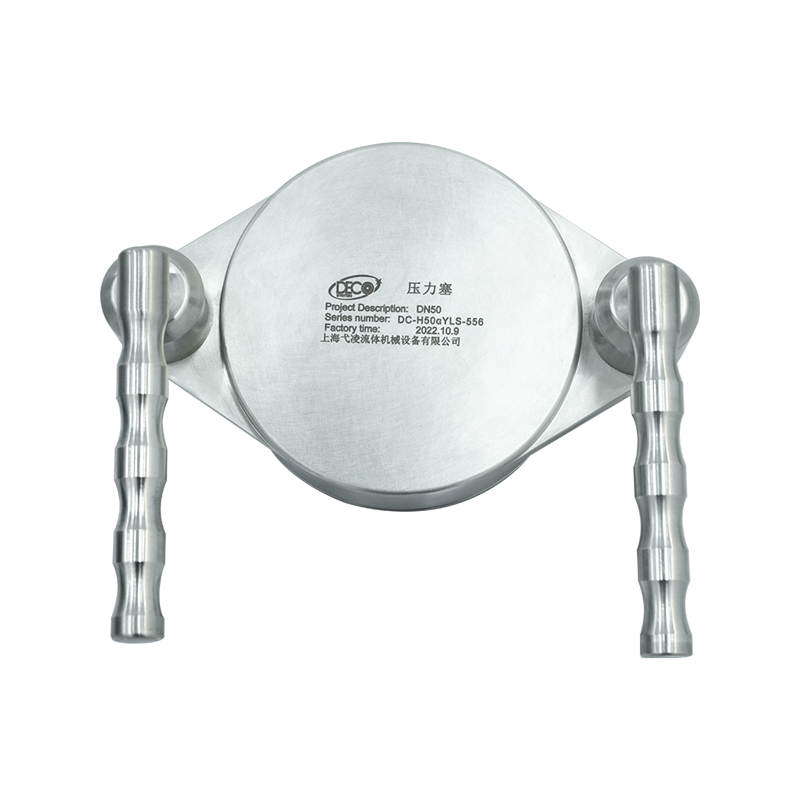
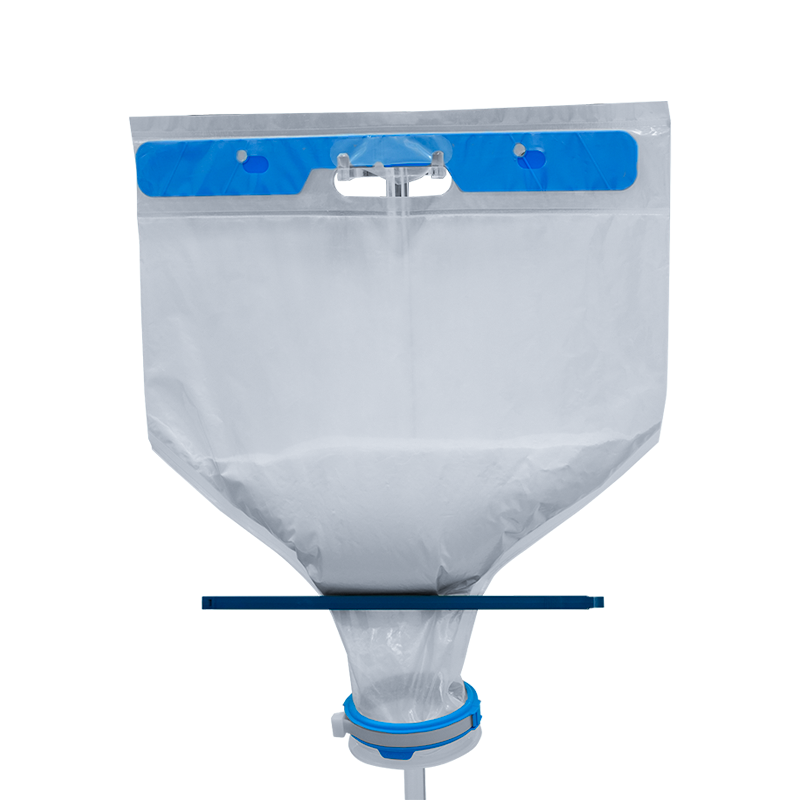
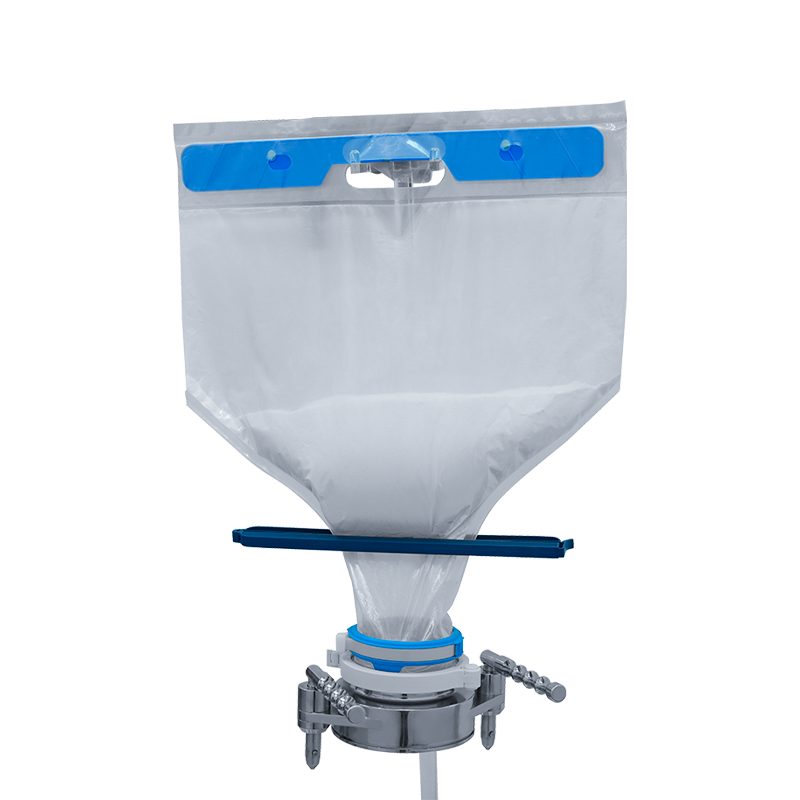
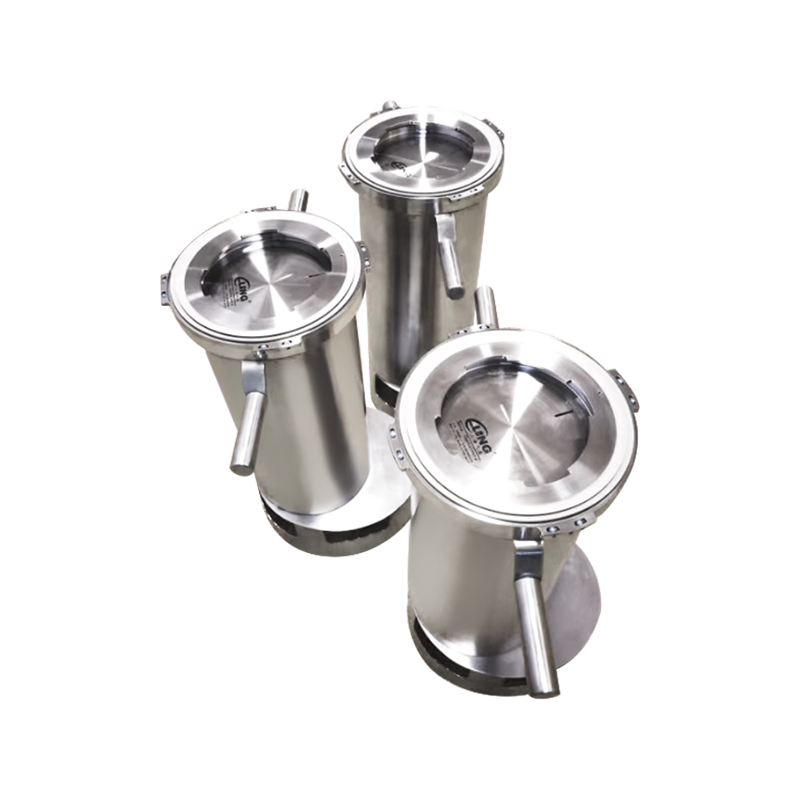
The most widely used split butterfly valve configuration in the pharmaceutical industry is the alpha-beta (or active-passive) system, commercialized by manufacturers including Chargepoint Technology, GEA, and Powder Systems Limited under various trade names. The alpha unit is the active half, which drives the disc rotation and is typically mounted permanently on process equipment such as blenders, mills, or isolator ports. The beta unit is the passive half, mounted on the removable container — a drum, bin, or flexible intermediate bulk container (FIBC) liner. This asymmetry allows the more complex alpha drive unit to remain on the fixed process equipment while the simpler, lower-cost beta unit travels with the product container through the supply chain.
Symmetrical Split Valves
Some SBV designs use identical halves on both sides of the connection — a symmetrical configuration where either half can act as the active driver. This approach simplifies inventory management since a single valve component type serves both fixed and mobile positions, but it requires each half to carry the full actuation mechanism, increasing cost per unit. Symmetrical designs are used in applications where the fixed/mobile distinction between equipment is not clearly defined, such as mobile process skid connections or between two equally impermanent pieces of equipment.
Valve Size and Bore Options
Split butterfly valves for pharmaceutical applications are available in bore sizes ranging from 100 mm (4 inches) to 500 mm (20 inches) in standard product lines, with custom sizes available for specific process requirements. Bore size selection is driven by the required powder transfer rate, the bulk density and flow characteristics of the product, and the geometry of the equipment the valve interfaces with. A coarse, free-flowing granule transfers satisfactorily through a smaller bore at a given time than a fine, cohesive powder of the same bulk volume, which may require a larger bore and additional process aids such as vibration or nitrogen purging to achieve reliable gravity flow.

Material Specifications and Surface Finish Requirements
All product-contacting components of a pharmaceutical-grade split butterfly valve must meet materials standards that ensure chemical compatibility, cleanability, and absence of extractables or leachables that could contaminate the drug product. The standard material specification for product-contact parts is 316L stainless steel, selected over 304 stainless for its lower carbon content — which reduces susceptibility to sensitization during welding and improves corrosion resistance in chloride-containing cleaning and sterilization media. In applications involving highly corrosive APIs or aggressive cleaning agents, higher alloy materials such as Hastelloy C-22 or titanium may be specified.
Internal surface finish is equally critical. GMP guidelines and customer specifications for pharmaceutical process equipment typically require Ra ≤ 0.8 µm (32 µin) for product-contacting surfaces, with electropolished finishes specified where maximum cleanability and minimum product adhesion are required. Electropolishing removes the outermost metal layer through electrochemical action, eliminating surface asperities where powder particles could lodge and creating a passive oxide layer that improves corrosion resistance. Some SBV designs achieve Ra values of 0.4 µm or better on the disc faces, which is particularly important in aseptic processing where residual powder between cleaning cycles is not acceptable.
Seal materials in the disc-to-disc interface require careful selection. The sealing element must provide a reliable gas-tight and particle-tight seal under the differential pressures encountered during transfer (including any pneumatic pressure differentials used to aid powder flow), while remaining chemically resistant to the product and to the sterilants used in clean-in-place (CIP) and steam-in-place (SIP) cycles. Silicone elastomers are the most common seal material for pharmaceutical SBVs due to their broad chemical compatibility, USP Class VI certification, and suitability for steam sterilization up to 135°C. EPDM and PTFE-encapsulated seals are used where specific chemical resistance requirements or lower extractable profiles are needed.
Containment Performance and Regulatory Compliance
The containment performance of a split butterfly valve is quantified by occupational exposure band (OEB) classification — a system that maps the potency or toxicity of a compound to the required airborne containment level during handling. SBV systems are tested by manufacturers using surrogate powders under standardized test protocols to demonstrate the containment levels they can achieve. Leading pharmaceutical SBV products typically achieve OEB 4 or OEB 5 performance, corresponding to occupational exposure limits (OELs) in the 1–10 µg/m³ range (OEB 4) and below 1 µg/m³ (OEB 5), making them suitable for handling highly potent APIs including oncology compounds, hormones, and immunosuppressants.
| OEB Level | OEL Range | Compound Examples | SBV Suitability |
| OEB 1–2 | >1,000 µg/m³ | Standard excipients, low-potency APIs | Standard butterfly valve sufficient |
| OEB 3 | 10–1,000 µg/m³ | Mid-potency APIs, some steroids | SBV recommended |
| OEB 4 | 1–10 µg/m³ | Cytotoxics, potent hormones | SBV required |
| OEB 5 | <1 µg/m³ | Highly potent oncology APIs, biologics | SBV with isolator integration required |
From a regulatory compliance perspective, split butterfly valves used in GMP-regulated pharmaceutical manufacturing must be qualified as part of the equipment qualification program. This encompasses installation qualification (IQ), verifying the valve is installed per design specifications; operational qualification (OQ), verifying the valve operates correctly across its specified operating range; and performance qualification (PQ), demonstrating the valve delivers the required containment and transfer performance under actual production conditions. Documentation packages from reputable SBV manufacturers include material certificates, surface finish reports, pressure test certificates, and change control procedures to support the qualification process.
Cleaning, Sterilization, and Maintenance Considerations
The ability to clean and sterilize a split butterfly valve without disassembly is a significant operational advantage in pharmaceutical manufacturing. CIP-compatible SBV designs allow cleaning solutions to contact all product-wetted surfaces when the valve is in the open position, with flow directed through the valve bore and across the disc faces. Validated CIP protocols for SBVs typically involve alkaline detergent washes, rinse cycles, and where required, acid rinse steps to remove protein residues or mineral deposits. The critical cleaning validation challenge for SBVs is the disc-to-disc interface — the sealing surfaces that are in contact during transfer must be demonstrably accessible to cleaning solution and verified clean by swab or rinse sampling before the next batch.
Steam-in-place sterilization of SBVs is standard practice in sterile API and biologic manufacturing. The valve body and disc assembly must be designed with no dead legs, crevices, or flow shadows where steam penetration and condensate drainage could be impeded. Validation of SIP cycles requires temperature mapping with thermocouples at critical points within the valve geometry to confirm that all product-contacting surfaces reach and maintain the required sterilization temperature — typically 121°C for a minimum of 15 minutes in saturated steam — throughout the cycle.
Selecting the Right Split Butterfly Valve for Your Application
- Define the containment requirement first: Establish the OEB classification of the compound being handled before evaluating any valve product. This determines whether an SBV is necessary and what containment performance specification the selected valve must meet and demonstrate through test data.
- Match bore size to powder flow characteristics: Consult with the valve manufacturer and conduct flow trials with the actual product if possible. Cohesive fine powders behave very differently from free-flowing granules, and bore size alone does not guarantee satisfactory transfer rates.
- Confirm material and seal compatibility: Obtain the complete bill of materials for all product-contact components and verify compatibility against the product formulation and the cleaning and sterilization agents to be used. Request extractables and leachables data where the compound is a drug product or drug substance.
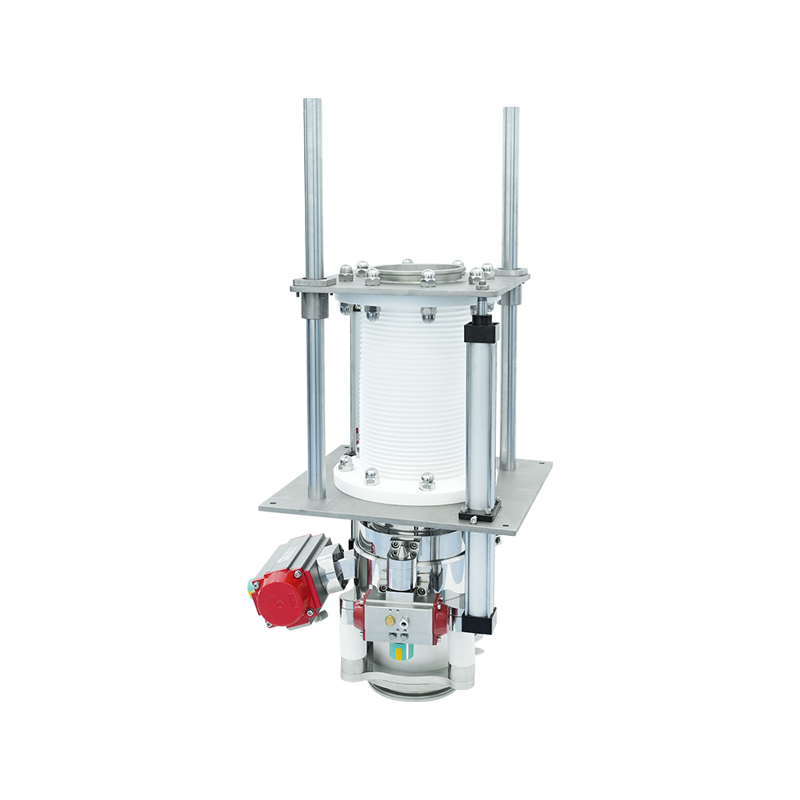
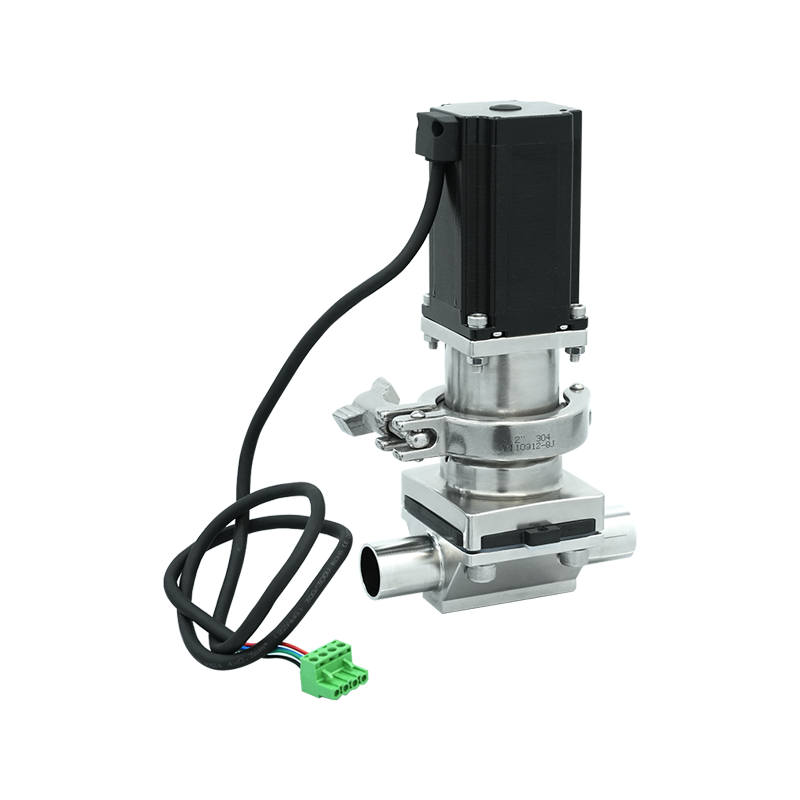
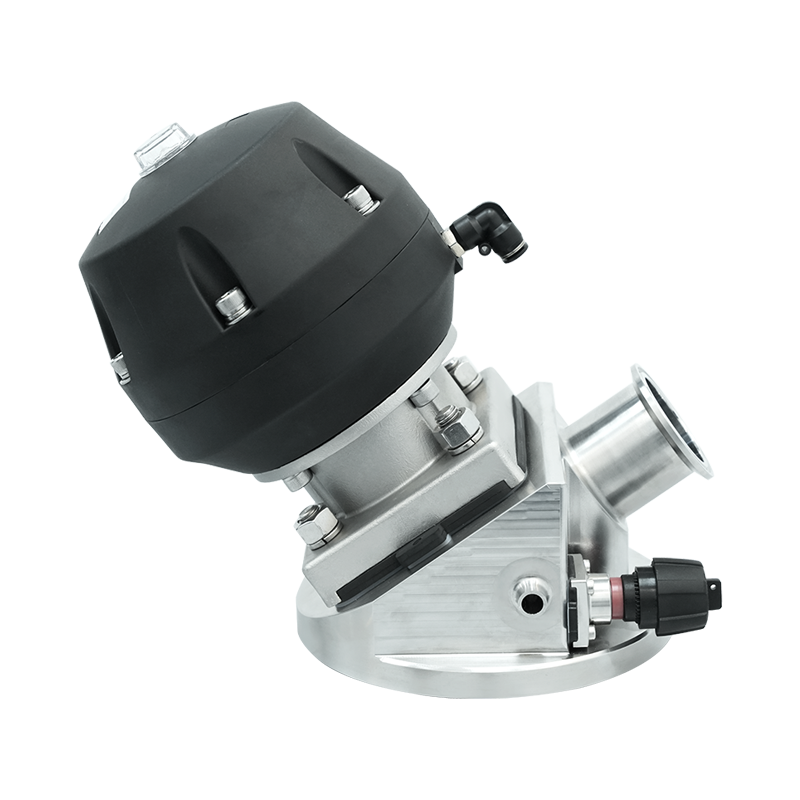
- Evaluate actuator and control options: SBVs are available with manual, pneumatic, and electric actuators. Pneumatic actuation with position feedback is standard in automated manufacturing lines; manual actuation may be acceptable for low-frequency transfers in development or clinical manufacturing. Ensure the actuator control system is compatible with the facility's process automation platform.
- Assess qualification documentation support: A reputable SBV supplier provides a full documentation package including design specifications, material certificates, factory acceptance test records, and a validation master plan template. Inadequate supplier documentation significantly increases the time and cost of equipment qualification in a GMP facility.
- Consider total cost of ownership: The initial purchase price of a pharmaceutical-grade SBV is substantially higher than a standard butterfly valve, but this must be evaluated against the cost of contamination events, batch failures, regulatory findings, and operator health risks that a non-contained transfer system creates over the equipment's operational life.