

Content
- 1 What Is a Manual Diaphragm Valve — and Why It Matters in Regulated Industries
- 2 How a Manual Diaphragm Valve Works: Operating Principle
- 3 Aseptic Diaphragm Valves: Design Features That Define Sterile Performance
- 4 Materials of Construction: Body, Diaphragm, and Surface Finish
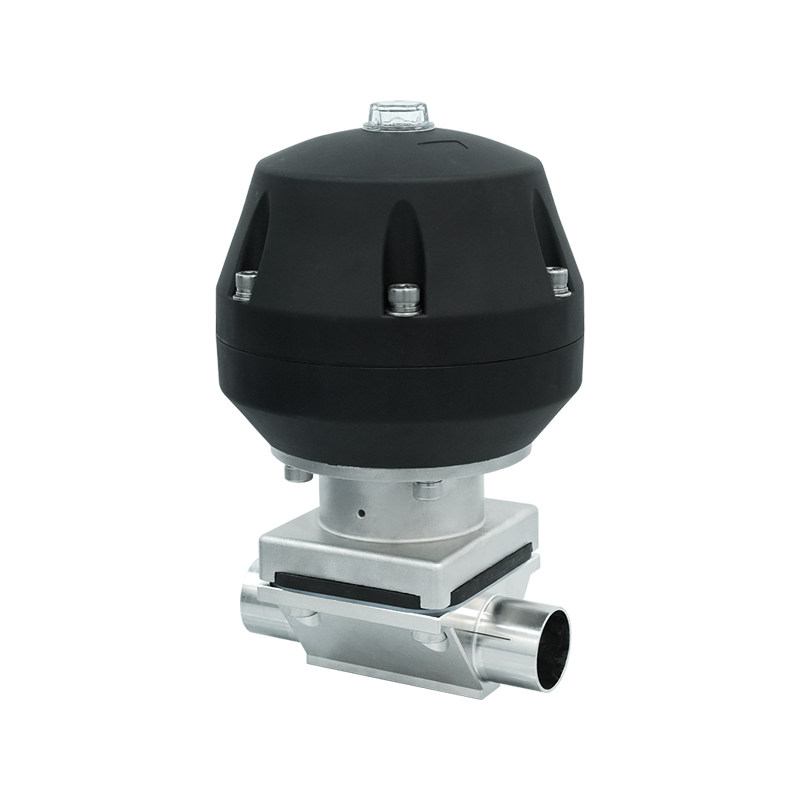
- 5 Manual vs. Automated Diaphragm Valves: When to Specify Each
- 6 Aseptic Diaphragm Valve Applications in Pharmaceutical and Biotech Manufacturing
- 7 Regulatory Standards and Certifications for Aseptic Diaphragm Valves
- 8 Diaphragm Service Life, Maintenance, and Replacement Intervals
- 9 Specification Checklist: Selecting the Right Manual Aseptic Diaphragm Valve
What Is a Manual Diaphragm Valve — and Why It Matters in Regulated Industries
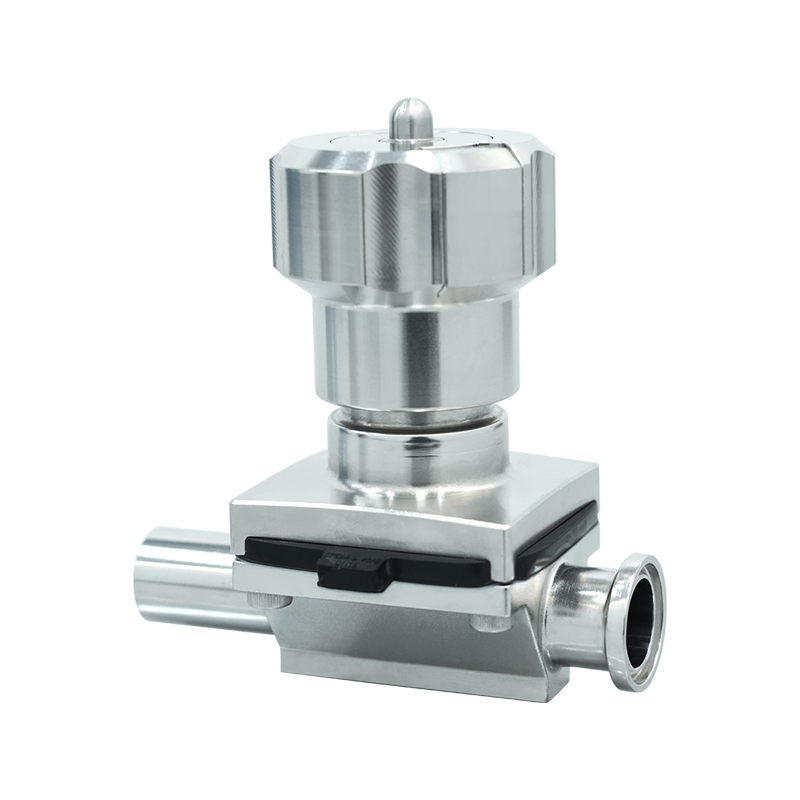
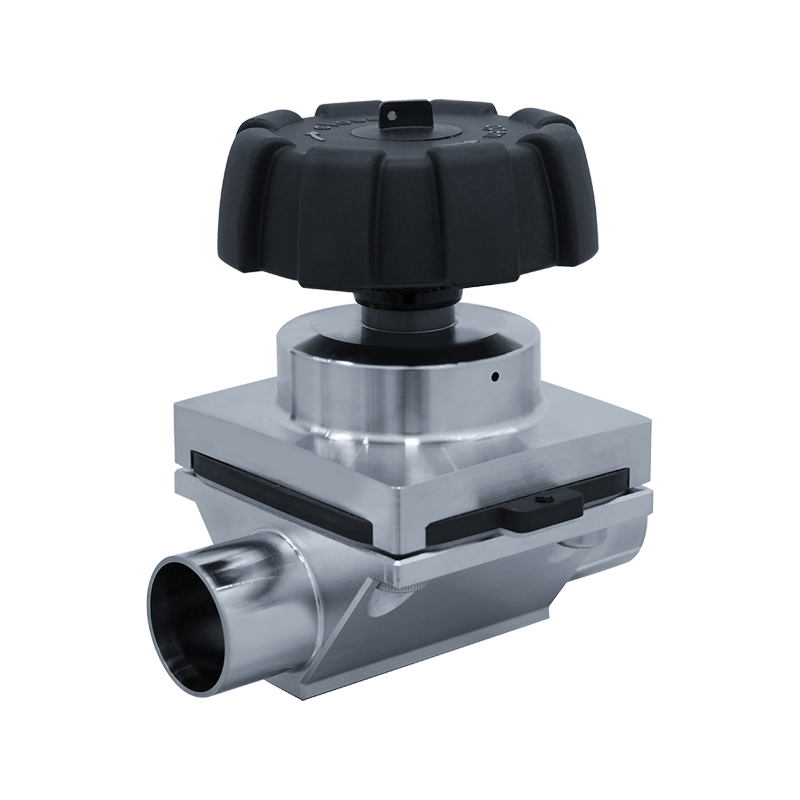
A manual diaphragm valve is a bidirectional shut-off and flow control valve that uses a flexible membrane — the diaphragm — as the primary sealing element. Unlike ball valves, gate valves, or globe valves, the diaphragm valve has no stem packing exposed to the process fluid and no internal crevices or dead legs where product can accumulate. The fluid contacts only the diaphragm and the valve body interior — a design that makes diaphragm valves inherently cleanable, drainable, and biocompatible.
These characteristics place manual diaphragm valves — and particularly aseptic diaphragm valves — at the center of process piping design in the pharmaceutical, biotechnology, and food and beverage industries. Where a contaminated valve can mean a failed batch, a product recall, or a patient safety event, the diaphragm valve's clean-in-place (CIP) and steam-in-place (SIP) compatibility, combined with its simple manual operation, make it the default choice for sterile fluid handling worldwide. The global diaphragm valve market was valued at approximately USD 4.2 billion in 2023, with the largest growth segment driven by biopharmaceutical manufacturing capacity expansion.
How a Manual Diaphragm Valve Works: Operating Principle
The operating mechanism of a manual diaphragm valve is elegant in its simplicity. A handwheel or T-handle rotates a threaded spindle that drives a compressor — a rigid plate — downward against the diaphragm. As the compressor presses the diaphragm onto the valve body's weir or saddle, it creates a seal that blocks fluid flow. Turning the handwheel in the opposite direction lifts the compressor, allowing the diaphragm to flex away from the weir and reopening the flow passage.
The two principal body designs are:
- Weir-type (saddle) body — The most common design for aseptic and pharmaceutical service. A raised weir across the flow path acts as the seating surface for the diaphragm. The weir design allows the valve to seal with minimum diaphragm travel and stress, extending diaphragm service life. It also ensures complete drainage of the valve body — critical for preventing pooling of product or cleaning agents. The slight flow restriction created by the weir is an acceptable trade-off for superior cleanliness and diaphragm longevity.
- Straight-through (full-bore) body — The flow path runs straight through the body with no weir, offering lower pressure drop and higher flow coefficients. Used for slurries, viscous fluids, and applications where flow restriction is critical. Less common in aseptic pharmaceutical service because the diaphragm must travel further to achieve closure, increasing diaphragm stress and reducing service intervals.
In manual operation, the handwheel provides direct tactile feedback of valve position. Most manual diaphragm valves include a position indicator — a visible stem travel scale — that allows operators to set repeatable partial-open positions for flow throttling applications. Unlike automated valves, manual diaphragm valves require no power supply, instrument air, or control signals — making them the reliable default for non-critical isolation points, sampling stations, and drain locations throughout a process plant.
Aseptic Diaphragm Valves: Design Features That Define Sterile Performance
Aseptic diaphragm valves are a specialized sub-category engineered specifically for sterile fluid handling in pharmaceutical, biopharmaceutical, food, and beverage processing. While sharing the same operating principle as standard diaphragm valves, aseptic variants incorporate a set of design features that together enable cleaning, sterilization, and product containment to the standards required by regulatory agencies — FDA, EMA, EHEDG, and others.
Zero Dead Leg Design
Dead legs — sections of piping where fluid stagnates and cannot be effectively cleaned or sterilized — are a primary contamination risk in aseptic process systems. Aseptic diaphragm valves are designed to eliminate dead legs by positioning the valve body at the pipe centerline, ensuring that all internal fluid-contact surfaces are swept by flow during normal operation and fully drainable during cleaning cycles. ASME BPE (Bioprocessing Equipment) standards specify that the maximum allowable dead leg length in a sterile system is three times the pipe diameter (3D rule) — a requirement that diaphragm valve configurations are designed to satisfy.
CIP and SIP Compatibility
Clean-in-place (CIP) cycles use hot caustic, acid, and water rinses at temperatures up to 90°C to remove biofilm and product residue from internal surfaces without disassembly. Steam-in-place (SIP) cycles use saturated steam at 121–134°C under pressure to achieve sterility assurance levels (SAL) of 10⁻⁶ or better. Aseptic diaphragm valve diaphragms — typically made from EPDM or PTFE-lined EPDM — must withstand these thermal and chemical cycles repeatedly over their service life without delamination, cracking, or loss of sealing integrity.
The valve body and bonnet must be designed with no crevices, threads, or overlapping surfaces in fluid-contact areas that could trap soil or prevent steam penetration. ASME BPE and EN 12756 standards specify surface finish requirements (Ra ≤ 0.8 µm or better for pharmaceutical grade) and weld quality standards that prevent corrosion initiation sites from forming on internal surfaces.
Hygienic Body and Connection Design
Aseptic diaphragm valves connect to process piping via hygienic connections — typically clamp-type tri-clamp (TC) connections per ISO 2852 or equivalent standards, butt-weld ends for permanent installations, or sanitary flange connections. These connection types are designed for easy disassembly, inspection, and gasket replacement, and their smooth internal bore profiles prevent turbulence and deposit formation at the pipe-to-valve interface. Threaded connections, standard flanges, and other industrial connection types are not used in aseptic service because their crevices cannot be reliably cleaned.
Diaphragm Overpressure Protection
A critical safety feature of pharmaceutical-grade aseptic diaphragm valves is the diaphragm overpressure protection mechanism. If the diaphragm fails — developing a crack or perforation — process fluid must not be allowed to enter the bonnet cavity and contaminate the stem or actuator. Most aseptic designs incorporate a weep hole or drain port in the bonnet that provides visual indication of diaphragm failure before leakage can travel further into the valve body. Some designs use a second-stage seal (double diaphragm design) for containment of highly potent or toxic compounds.
Materials of Construction: Body, Diaphragm, and Surface Finish
Material selection for aseptic diaphragm valves is governed by biocompatibility requirements, chemical resistance to process fluids and cleaning agents, and mechanical performance under CIP/SIP thermal cycling. Every material in contact with the process fluid must be validated.
Body Materials
316L stainless steel is the universal standard for aseptic diaphragm valve bodies in pharmaceutical and biotechnology service. Its low carbon content (L grade) prevents chromium carbide precipitation at weld heat-affected zones, maintaining corrosion resistance across the entire body including welds. The passive chromium oxide layer on 316L provides excellent resistance to the caustic and acid solutions used in CIP cycles, as well as to the process fluids — buffers, media, APIs, and WFI (water for injection) — used in biopharmaceutical manufacturing. For highly aggressive process chemistries (strong oxidizers, halides at elevated temperature), alloy 904L, duplex stainless, or Hastelloy C-22 bodies may be specified.
Plastic body materials — particularly PVDF (polyvinylidene fluoride) — are used in applications requiring high purity with no metallic ion leaching, such as ultrapure water systems, semiconductor chemical distribution, and certain single-use bioreactor support circuits. PVDF diaphragm valves offer excellent chemical resistance and are inherently non-contaminating for ultra-high-purity water applications.
Diaphragm Materials
The diaphragm is the most critical material selection in an aseptic valve — it is the only moving component in direct contact with the process fluid and must maintain its integrity through thousands of open-close cycles and repeated CIP/SIP exposures.
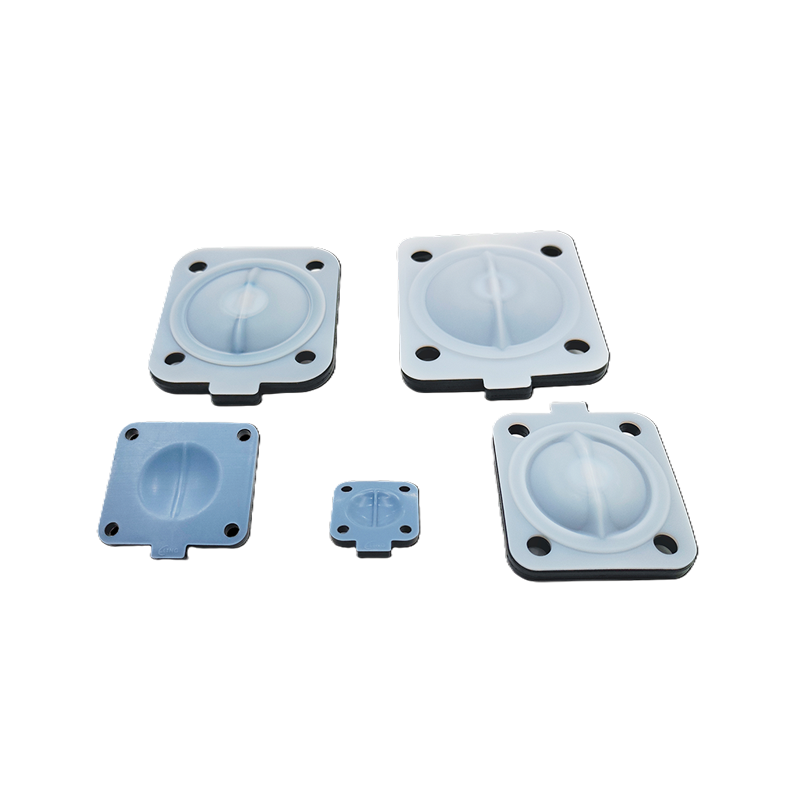
- EPDM (ethylene propylene diene monomer) — The standard pharmaceutical diaphragm material. Excellent resistance to steam, hot water, caustic soda, and most cleaning agents. Good flexibility at SIP temperatures. FDA 21 CFR 177.2600 compliant formulations are available. Not suitable for hydrocarbon-based solvents or oils.
- PTFE-lined EPDM (composite diaphragm) — A PTFE film bonded to the process-contact face of an EPDM backing. The PTFE surface provides near-universal chemical resistance and a non-stick, easily cleanable surface; the EPDM backing provides the flexibility and compressibility needed for reliable sealing. This is the preferred diaphragm for API contact, solvent exposure, and applications where extractable levels must be minimized for regulatory compliance.
- PTFE solid — Pure PTFE diaphragms offer the highest chemical resistance but lower flexibility, resulting in higher operating torques and shorter service life in high-cycle applications. Used where chemical compatibility is paramount and cycle frequency is low.
- Silicone — Used in food and beverage applications where its USP Class VI and FDA compliance, low extractables, and excellent steam resistance are valued. Not recommended for caustic cleaning agents above 2% concentration.
Internal Surface Finish
Surface roughness directly affects cleanability — rougher surfaces have larger surface areas and deeper valleys where biofilm and product residue can shelter from cleaning agents. ASME BPE and EHEDG specifications define surface finish requirements as:
- Ra ≤ 0.8 µm — Standard pharmaceutical grade, covering the majority of biopharmaceutical process applications
- Ra ≤ 0.4 µm — High-purity grade for WFI systems, bulk sterile drug substance, and fill-finish operations
- Ra ≤ 0.25 µm (electropolished) — Specified for the most demanding sterile applications, providing a passive, corrosion-resistant surface with minimal surface area and maximum cleanability
Surface finish certificates with measurement data and electropolishing certification are standard documentation requirements for aseptic valves supplied to validated pharmaceutical facilities.
Manual vs. Automated Diaphragm Valves: When to Specify Each
| Criterion | Manual Diaphragm Valve | Automated (Pneumatic) Diaphragm Valve |
|---|---|---|
| Operation frequency | Infrequent; operator-initiated | Frequent; automated sequences |
| Control system integration | Not required | Required (DCS / PLC / SCADA) |
| Typical applications | Isolation, sampling, drain, vent, maintenance bypass | CIP/SIP sequencing, batch transfers, flow control loops |
| Position feedback | Visual stem indicator only | Limit switches, proximity sensors, positioner feedback |
| Power / utilities required | None | Instrument air (typically 4–6 bar) + electrical signal |
| Cost | Lower (no actuator, positioner, or wiring) | Higher (actuator + accessories) |
| 21 CFR Part 11 / data integrity | Manual logbook entry | Electronic audit trail via DCS/SCADA |
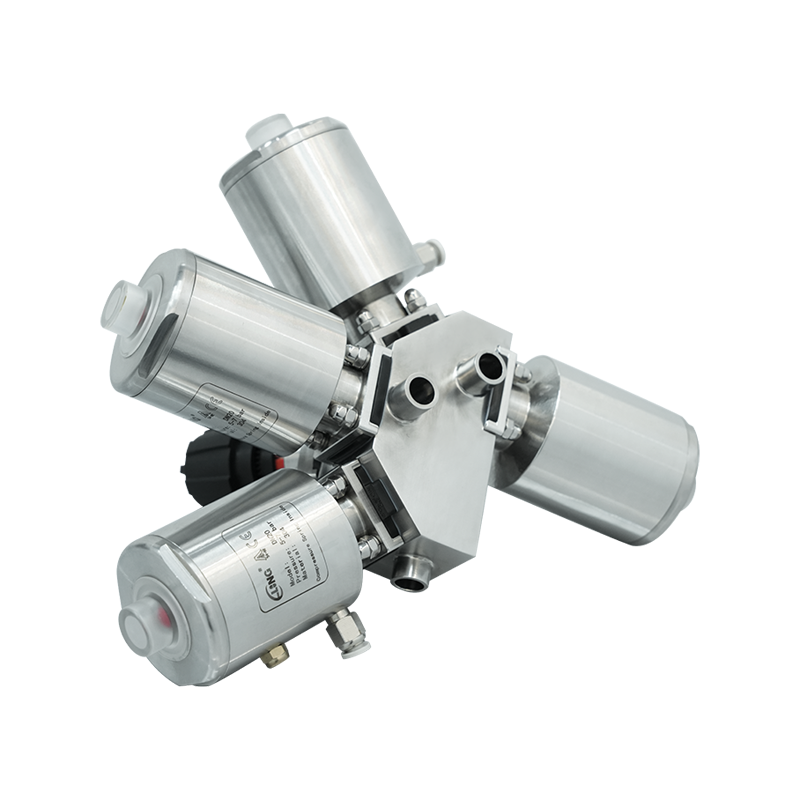
In practice, most pharmaceutical and biotech facilities use a combination of both — automated diaphragm valves for process-critical, frequently cycled positions such as tank inlet/outlet, CIP/SIP manifolds, and product transfer lines, and manual diaphragm valves for isolation, sampling, maintenance bypass, and utility connections where automated operation is not operationally justified. A well-designed P&ID for a bioreactor skid will typically include four to eight manual valves for every automated valve in the system.
Aseptic Diaphragm Valve Applications in Pharmaceutical and Biotech Manufacturing
Aseptic diaphragm valves are the dominant valve technology across every fluid handling stage in regulated biological and pharmaceutical manufacturing — from upstream fermentation through downstream purification to final fill-finish.
Upstream Bioprocessing (Fermentation and Cell Culture)
Bioreactor systems for monoclonal antibody production, vaccine manufacturing, and recombinant protein expression require valves on every media inlet, gas sparger, sample port, harvest line, and CIP/SIP connection. Manual aseptic diaphragm valves provide the sterile boundary at each of these connection points — particularly at sample valves, where operators physically interact with the system during live fermentation runs. The valve's steam sterilizability allows each sample port to be re-sterilized before and after sampling without breaking the sterile envelope of the bioreactor.
Downstream Purification (Chromatography and Filtration)
Downstream processing systems — including protein A chromatography, ion exchange, viral inactivation, and ultrafiltration/diafiltration (UF/DF) — handle increasingly purified product that is progressively more susceptible to contamination. Manual diaphragm valves on column inlet and outlet lines, buffer preparation hold tanks, and inter-step transfer panels provide the sterile isolation points needed to maintain product quality across multi-step purification trains. Their resistance to the high-salt buffers, pH extremes, and sanitization agents (sodium hydroxide, peracetic acid) used in chromatography systems is a key selection criterion.
WFI and Purified Water Systems
Water for Injection (WFI) and purified water (PW) distribution loops are among the most stringently controlled systems in a pharmaceutical facility. All valves in WFI loops must be capable of withstanding continuous circulation at 80°C (hot loop) and periodic SIP at 121°C without generating biofilm, corrosion products, or extractable contamination. Aseptic diaphragm valves — with their electropolished 316L bodies and EPDM or PTFE-lined diaphragms — are the only valve type that fully satisfies these requirements for use in WFI point-of-use outlets and distribution loop takeoffs.
Fill-Finish Operations
Sterile drug product filling — vials, syringes, cartridges — takes place in Grade A/ISO 5 environments where any contamination directly reaches the final patient-use product. Aseptic diaphragm valves on the formulated bulk transfer line, filling needle assemblies, and pressure hold vessels in the filling suite must meet the most demanding specification in the entire manufacturing chain: extractables and leachables at the lowest possible levels, validated to USP <87> and <88> biocompatibility standards, surface finishes ≤ Ra 0.4 µm, and full material traceability with certificates of conformance.
Food and Beverage Processing
In the food and beverage industry, aseptic diaphragm valves are used in aseptic packaging lines, dairy processing (UHT milk, cream), brewing and fermentation, and beverage carbonation systems. EHEDG (European Hygienic Engineering and Design Group) Type EL Aseptic certification is the key quality mark for food-grade aseptic valves in European markets, verifying that the valve design allows complete cleaning and sterilization without disassembly. 3-A Sanitary Standards certification performs an equivalent function for the North American food and dairy industry.
Regulatory Standards and Certifications for Aseptic Diaphragm Valves
Aseptic diaphragm valves used in regulated industries must comply with a layered framework of international standards governing design, materials, surface finish, and documentation. Understanding which standards apply to each application is essential for valve selection and validation activities.
- ASME BPE (Bioprocessing Equipment Standard) — The definitive standard for bioprocessing equipment in North American pharmaceutical and biotech facilities. Covers surface finish (SF grades), dimensional standards for hygienic connections, material requirements, and documentation. ASME BPE compliance is increasingly required by global biopharmaceutical manufacturers regardless of geography.
- EHEDG (European Hygienic Engineering and Design Group) — European standard for hygienic equipment design, with specific guidelines for valves (Document 11: Hygienic Design of Valves). EHEDG Type EL Aseptic certification — issued only after third-party cleanability testing — is the highest certification level for aseptic valves in European food, dairy, and pharmaceutical markets.
- 3-A Sanitary Standards (3-A SSI) — North American standard for sanitary equipment in dairy and food processing. 3-A authorized use symbol certifies that the valve design meets dimensional and material requirements for hygienic food contact.
- USP Class VI / ISO 10993 Biocompatibility — All elastomeric components in fluid contact must pass biocompatibility testing. USP Class VI testing (systemic toxicity, intracutaneous reactivity, implantation) is the minimum standard for pharmaceutical diaphragm materials. ISO 10993 series testing is required for medical device manufacturing applications.
- FDA 21 CFR Parts 177 / 178 — US FDA regulations governing food-contact elastomers and polymers. EPDM and PTFE diaphragm formulations for food and pharmaceutical use must comply with applicable sections of 21 CFR to be used in FDA-regulated manufacturing.
- EN 12756 / ISO 14783 — European and international dimensional standards for diaphragm valve connections and interchangeability, ensuring that valves from different manufacturers can be interchanged within existing piping systems.
Diaphragm Service Life, Maintenance, and Replacement Intervals
The diaphragm is the only consumable component in a manual diaphragm valve. All other components — body, bonnet, spindle, handwheel — are designed for indefinite service life under normal operating conditions. Diaphragm replacement intervals must be established as part of the facility's preventive maintenance program and validated as part of the equipment qualification activities required under GMP.
Factors Affecting Diaphragm Life
- Cycle count — The primary determinant for manually operated valves used for isolation service. Most pharmaceutical-grade EPDM diaphragms are rated for 10,000–25,000 open-close cycles under standard pharmaceutical service conditions. Cycle counters or time-based replacement intervals should be established based on manufacturer data and operational experience.
- CIP/SIP frequency and conditions — Each CIP/SIP cycle imposes thermal and chemical stress on the diaphragm. Facilities with aggressive cleaning protocols (high NaOH concentration, extended hold times, high SIP temperatures) should use shorter replacement intervals than standard recommendations.
- Process fluid chemistry — Organic solvents, strong oxidizers, and high-purity acids can degrade EPDM more rapidly than aqueous process streams. PTFE-lined or pure PTFE diaphragms are specified for these applications, accepting the higher cost and reduced flexibility in exchange for chemical resistance.
- Operating pressure and temperature — Higher operating pressures increase diaphragm stress at closure. Sustained high-temperature service between SIP cycles (e.g., hot WFI loop at 80°C) accelerates elastomer aging. Maximum pressure and temperature ratings vary by diaphragm material and should never be exceeded.
Inspection and Replacement Procedure
Manual diaphragm valve diaphragm replacement does not require specialized tools and can typically be completed in under five minutes: close the valve, isolate the line, remove the bonnet bolts, lift off the bonnet and compressor assembly, inspect the weir and diaphragm seat surface for corrosion or damage, install the new diaphragm (ensuring correct orientation — the diaphragm must be centered on the weir), reassemble, and torque bonnet bolts to specification in a cross pattern. Post-replacement integrity testing — pressure hold test or bubble leak test — should be performed before returning the valve to service in sterile applications.
Specification Checklist: Selecting the Right Manual Aseptic Diaphragm Valve
Procurement engineers and process designers specifying manual aseptic diaphragm valves for pharmaceutical, biotech, or food processing applications should work through the following specification parameters to ensure the selected valve meets all process and regulatory requirements.
- Body material — 316L SS (standard pharmaceutical), PVDF (ultra-pure water/high purity), or specialty alloy. Specify material certificates (mill certificates, PMI test reports).
- Diaphragm material — EPDM (standard CIP/SIP), PTFE-lined EPDM (API contact, solvent exposure), silicone (food/beverage SIP), or pure PTFE (aggressive chemicals). Specify biocompatibility certification required (USP Class VI, FDA 21 CFR compliance).
- Internal surface finish — Ra ≤ 0.8 µm (standard pharma), Ra ≤ 0.4 µm (high purity), or Ra ≤ 0.25 µm electropolished (critical sterile). Specify surface finish measurement certificates.
- End connections — Tri-clamp (ISO 2852), butt-weld (ASME BPE), DIN 11851 threaded, or flanged. Specify pipe size and schedule.
- Pressure and temperature rating — Confirm valve rating exceeds maximum operating conditions including SIP pressure (typically 3 bar g at 134°C). Check rating with specific diaphragm material — PTFE ratings typically lower than EPDM.
- Body style — Weir type (standard aseptic) or straight-through (high-flow, slurry). Specify valve size (DN15 through DN100 for typical pharmaceutical service).
- Regulatory certifications required — ASME BPE compliance, EHEDG Type EL Aseptic certification, 3-A authorization, or combinations thereof depending on industry and geography.
- Documentation package — Material test reports (EN 10204 3.1 or 3.2), surface finish certificates, diaphragm biocompatibility certificates, pressure test certificates, and ASME BPE compliance declarations as required by the facility's validation master plan.
Thorough upfront specification eliminates the risk of receiving non-compliant equipment that requires costly replacement or re-qualification during facility startup. For major pharmaceutical and biotech projects, maintaining a preferred vendor list of pre-qualified aseptic valve suppliers — with standardized documentation packages aligned to the facility's qualification templates — significantly reduces specification and procurement cycle time across the full bill of materials.