

Content
- 1 Why Do Pharmaceutical Ingredients Require Sealed Sampling Valves?
- 2 How Does a Sealed Sampling Valve Work in Practice?
- 3 What Types of Sealed Sampling Valves Are Used for Pharmaceutical Ingredients?
- 4 What Materials and Surface Finishes Are Required for Pharmaceutical Ingredient Sampling Valves?
- 5 How Do Sealed Sampling Valves Support GMP Compliance and Containment?
- 6 What Practical Factors Determine Which Sealed Sampling Valve to Specify?
- 7 How Should Sealed Sampling Valves Be Validated and Maintained Over Time?
Why Do Pharmaceutical Ingredients Require Sealed Sampling Valves?
Sampling pharmaceutical ingredients during manufacturing is a routine but technically demanding task. Every time a sample is drawn from a process line, vessel, or storage system, there is a window of risk — contamination can enter the process stream, active material can escape into the environment, and the sample itself can be compromised before it ever reaches the laboratory. Sealed sampling valves are engineered specifically to close all of these risk windows simultaneously. They allow a precisely measured volume of material to be withdrawn from a closed system without breaking containment, without exposing operators to potent compounds, and without introducing external contaminants into the batch.
The pharmaceutical industry operates under strict regulatory frameworks including GMP (Good Manufacturing Practice) guidelines enforced by the FDA, EMA, and other national authorities. These regulations require that sampling procedures do not alter the quality of the batch being sampled and that the sampling environment is controlled to prevent adulteration. Conventional tap valves, open scooping, and improvised sampling ports fail these requirements categorically. Sealed sampling valves, by contrast, are designed from the ground up to satisfy regulatory expectations while remaining practical enough for routine production use across solid, liquid, and slurry pharmaceutical ingredient streams.
How Does a Sealed Sampling Valve Work in Practice?
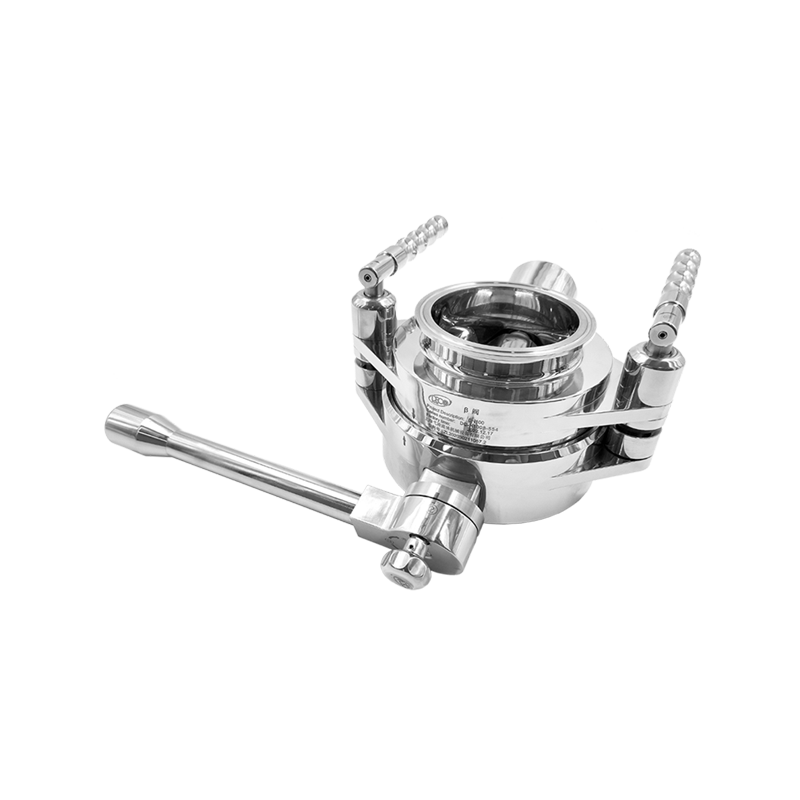
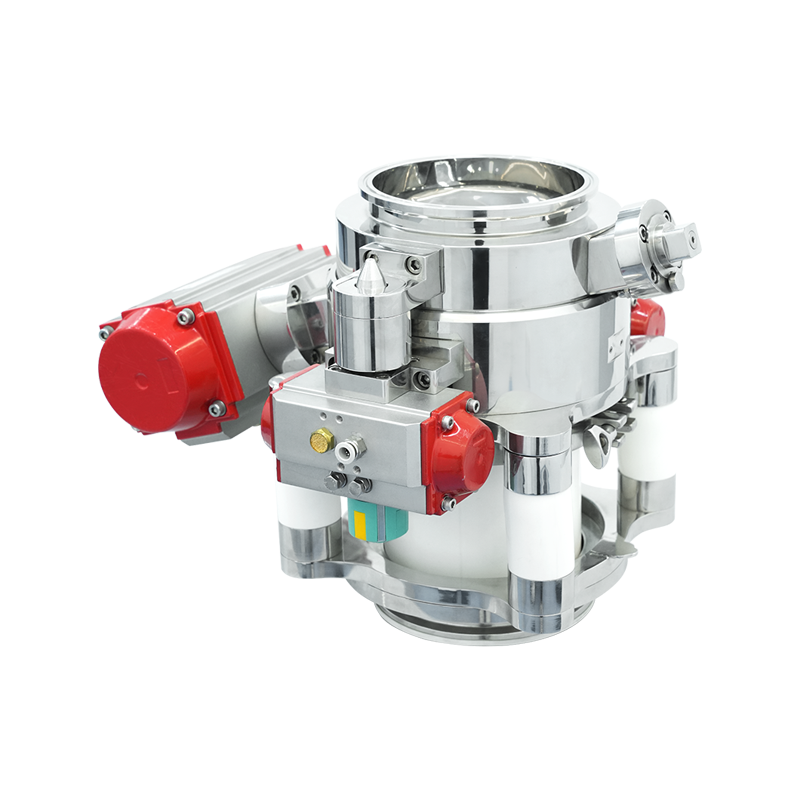
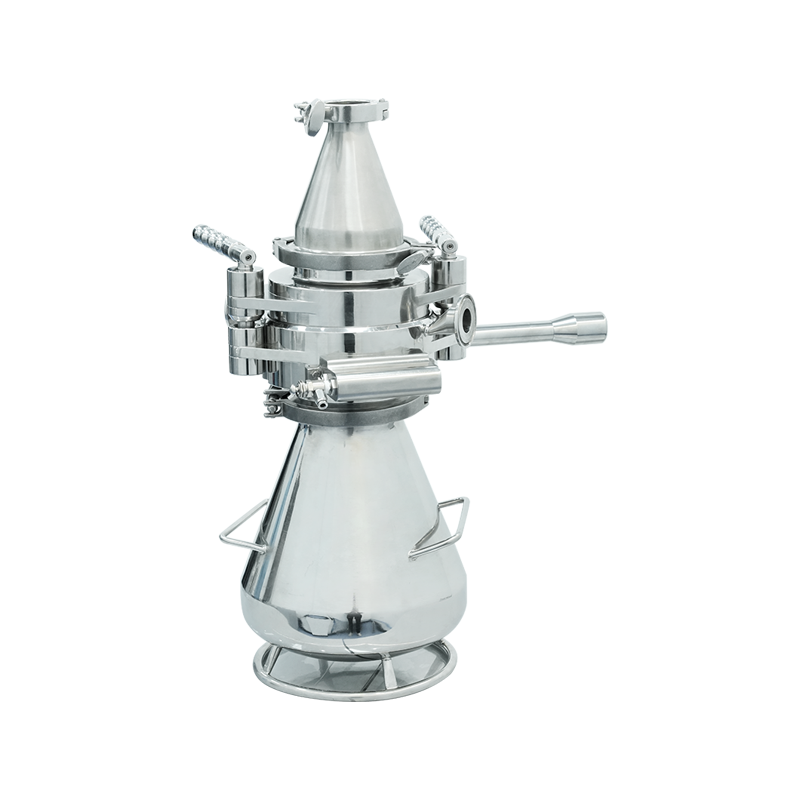
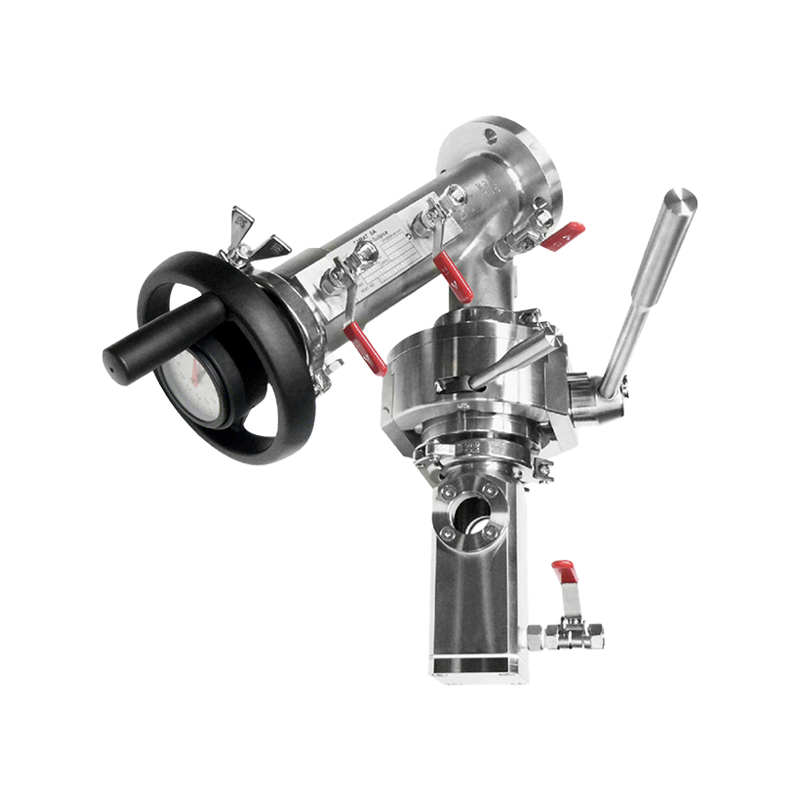
The operating principle of a sealed sampling valve centres on a chamber-based design that captures a defined volume of material while keeping the process line sealed at all times. The valve body is installed inline within a pipe, vessel outlet, or reactor nozzle. When a sample is required, the operator actuates the valve — either manually or via a pneumatic or electric actuator — causing the internal sampling chamber to rotate or slide into the process stream. The chamber fills with product under the existing process pressure or by gravity. The valve then returns to its closed position, isolating the filled chamber from the main process while simultaneously presenting a sealed sample port on the external face of the valve.
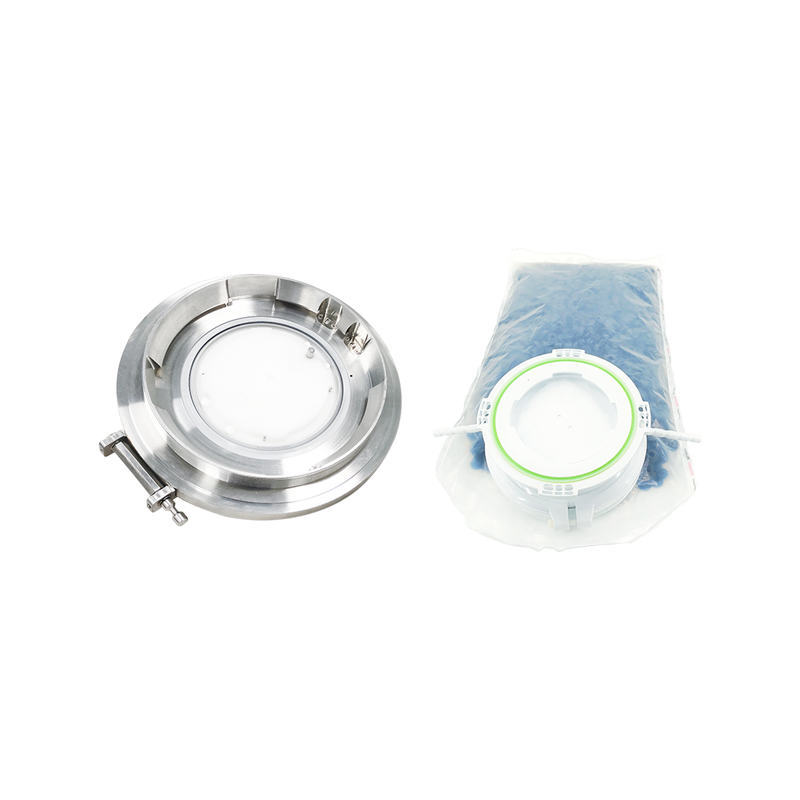
The sample is then withdrawn from the external port using a sample container, bag, or vial that can itself be pre-attached before the cycle begins, ensuring that even the transfer step occurs within a closed loop. After the sample is removed, the chamber cycles back through a cleaning or purging sequence — depending on whether the valve is a single-use or clean-in-place (CIP) compatible design — before it is ready for the next sampling event. This entire sequence occurs without the process line ever being open to the atmosphere, which is the fundamental distinction between a sealed sampling valve and a simple isolation valve with a drain port.
What Types of Sealed Sampling Valves Are Used for Pharmaceutical Ingredients?
Several distinct valve architectures are used across pharmaceutical ingredient processing, and the appropriate choice depends on the physical state of the material, the required sample volume, the process pressure and temperature, and the cleaning validation strategy in place at the facility.
Rotary Drum Sampling Valves
Rotary drum valves contain a cylindrical drum with one or more precisely machined cavities. When the drum rotates, the cavity aligns with the process inlet, fills with material, then rotates to align with the discharge port while the inlet is sealed. This design is particularly well suited to dry powder and granule pharmaceutical ingredients, including active pharmaceutical ingredients (APIs) in bulk powder form. The cavity volume is fixed by machining, which provides excellent dose-to-dose consistency — a critical factor when sample results must be statistically representative of the batch. Rotary drum valves can be equipped with PTFE or PEEK seals to handle mildly corrosive ingredients and are available in configurations that allow CIP and sterilisation-in-place (SIP) for high-containment applications.
Diaphragm-Sealed Sampling Valves
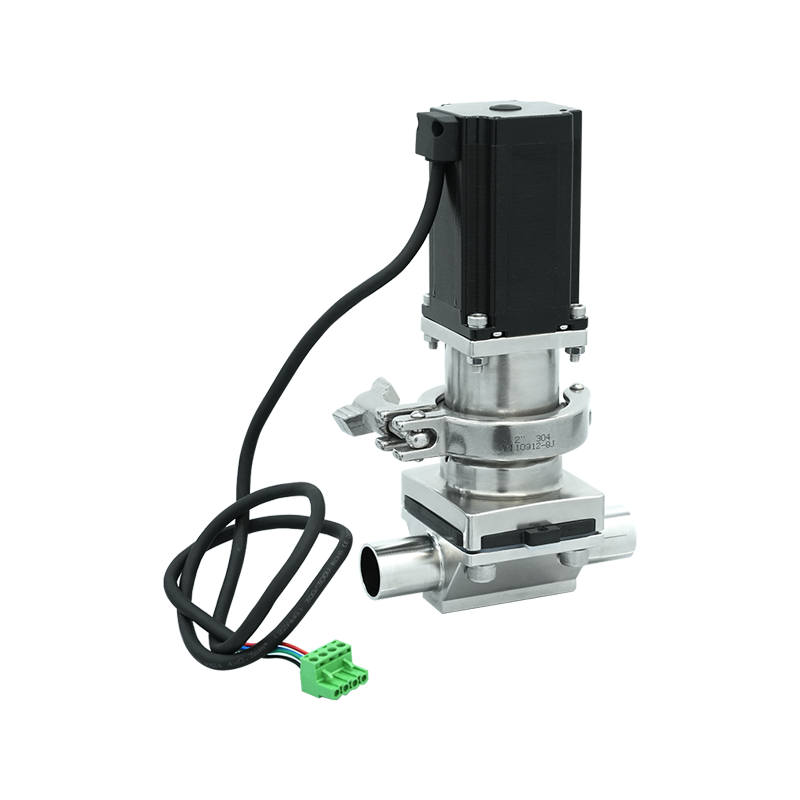
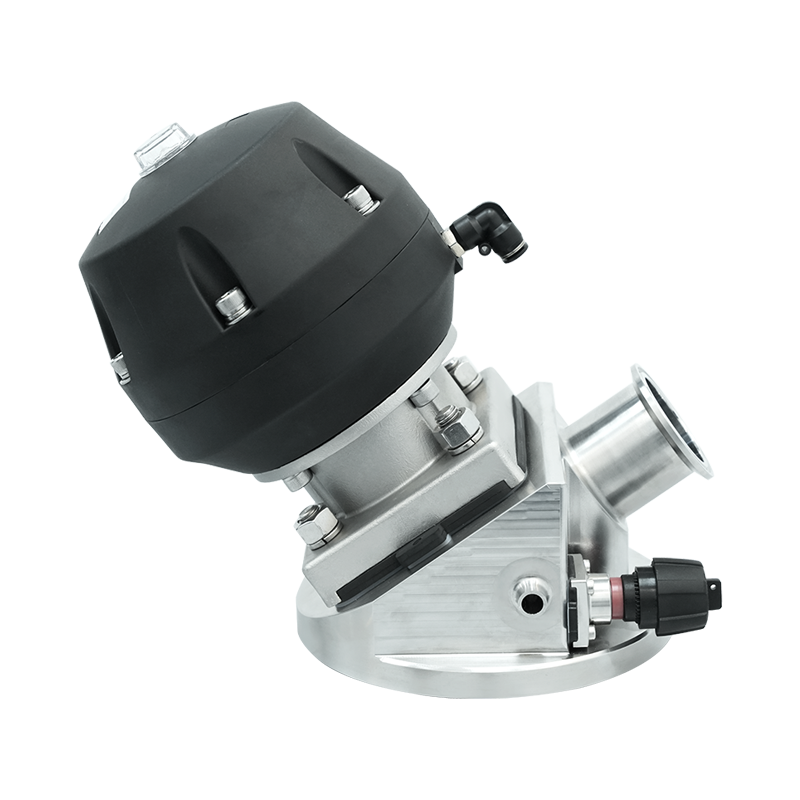
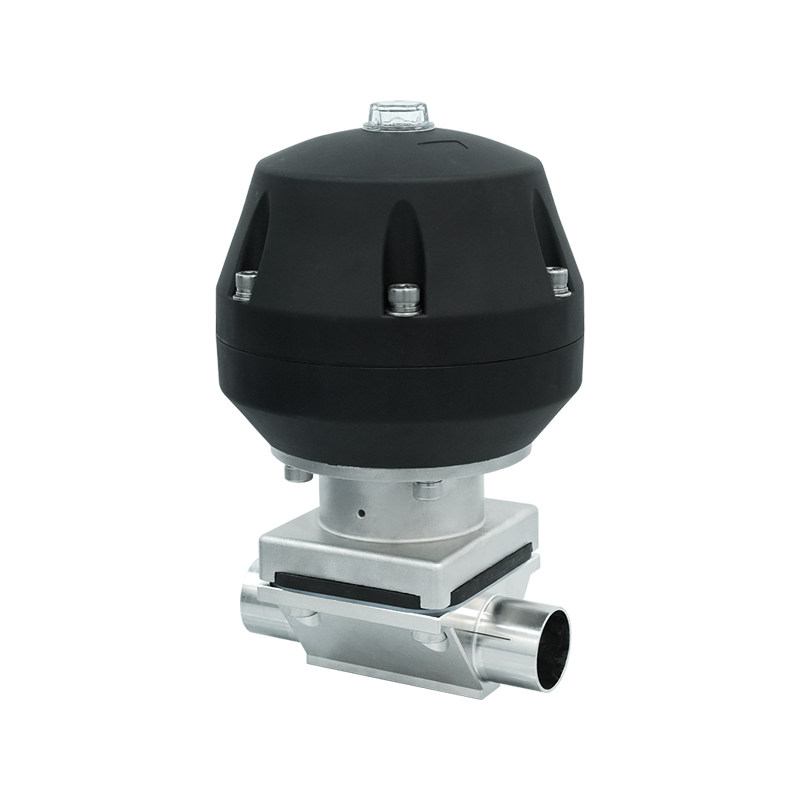
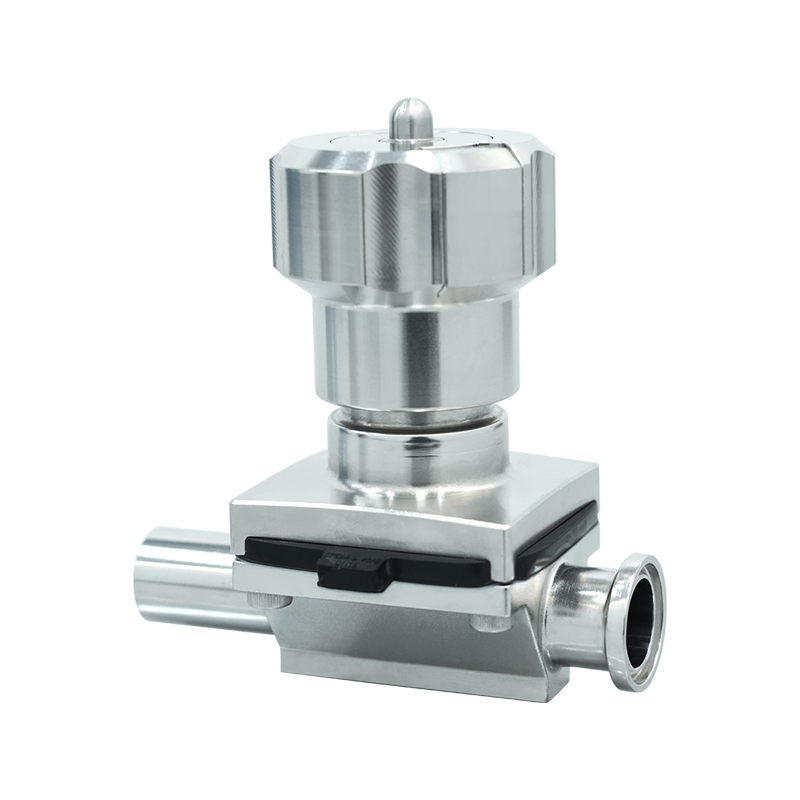
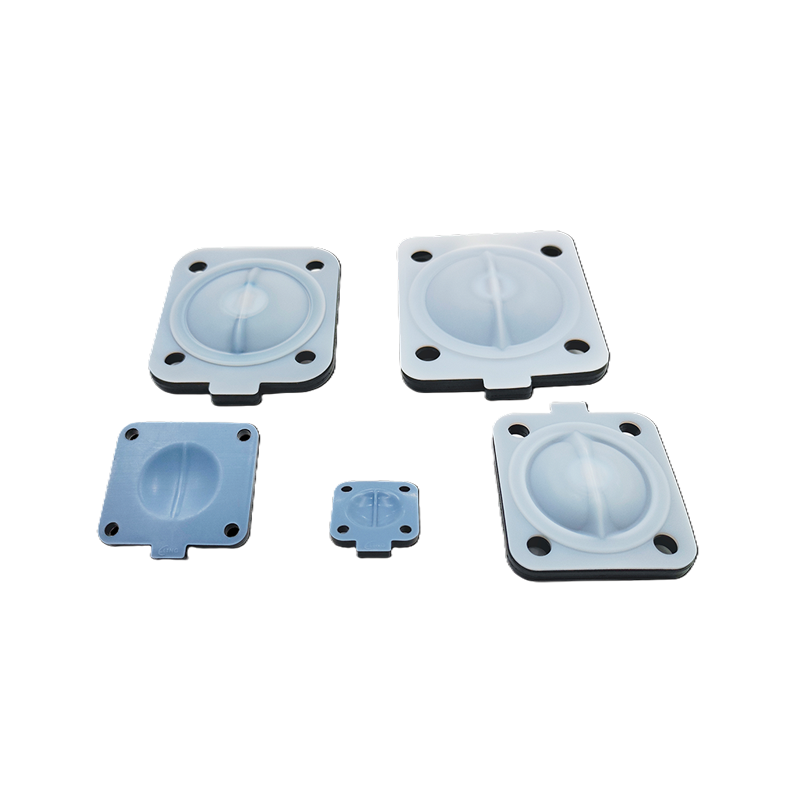
Diaphragm-sealed valves use a flexible membrane to isolate the process fluid from the valve actuator mechanism. When the diaphragm deflects, it opens a flow path into the sample collection point; when it returns to its resting position, it seals the process completely. These valves excel in liquid pharmaceutical ingredient applications, including solvent-based APIs, buffer solutions, and liquid excipient streams. The diaphragm eliminates any mechanical seal that contacts the product, which dramatically reduces the risk of particulate generation and simplifies cleaning validation. Diaphragm materials include EPDM, PTFE-lined, and silicone formulations to match the chemical compatibility requirements of different ingredient streams.
Piston and Plunger Sampling Valves
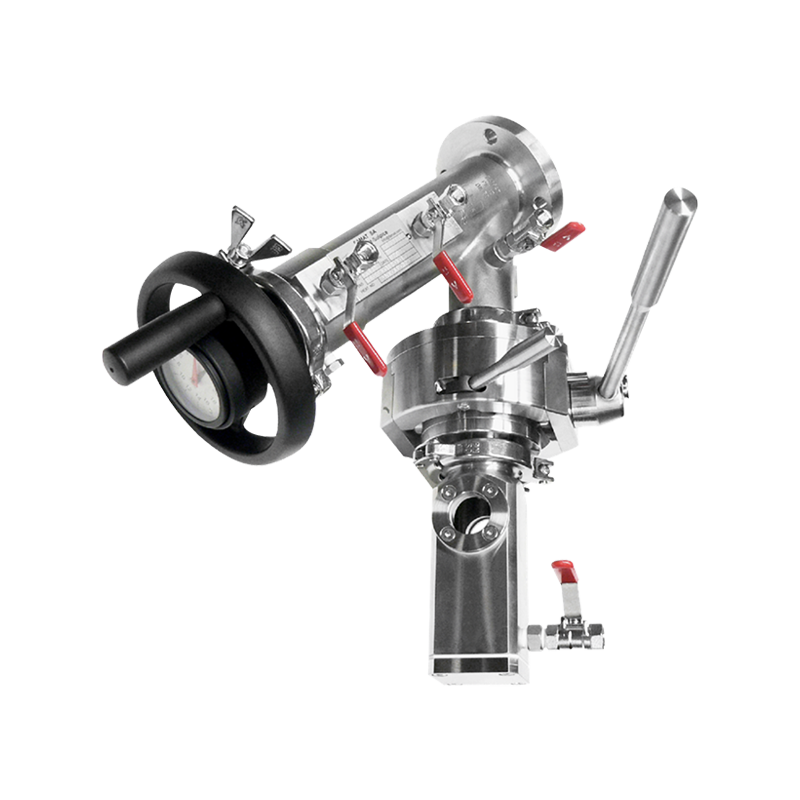
Piston-type sampling valves use a sliding plunger to displace a defined volume of material into a sample chamber. They are used extensively for viscous liquids, slurries, and semi-solid pharmaceutical intermediates where diaphragm valves would require excessive actuation force and rotary valves might experience bridging. The plunger mechanism provides a positive displacement action that draws material into the sample cavity even when the process pressure is low or the product flow is slow. High-quality pharmaceutical-grade piston valves are manufactured with zero dead-leg geometries — meaning there are no internal recesses where product can accumulate between sample events — to prevent cross-contamination between consecutive batch samples.
What Materials and Surface Finishes Are Required for Pharmaceutical Ingredient Sampling Valves?
Material selection for sealed sampling valves in pharmaceutical ingredient processing is not a cosmetic decision — it directly affects regulatory compliance, cleaning validation, and product safety. The following table summarises the most commonly specified materials and their applications:
| Material | Typical Application | Key Advantage |
| 316L Stainless Steel | APIs, excipients, buffer solutions | Corrosion resistance, CIP/SIP compatible |
| PTFE (body or lining) | Aggressive solvents, highly potent APIs | Chemical inertness, non-stick surface |
| Hastelloy C-22 | Halogenated solvents, acidic streams | Superior corrosion resistance |
| PEEK | High-temperature, high-pressure streams | Thermal stability, low extractables |
Surface finish is equally important. Product-contact surfaces in pharmaceutical ingredient valves are typically specified at Ra ≤ 0.8 µm (32 µin) electropolished finish, which reduces surface roughness to a level that prevents microbial adhesion and facilitates complete cleaning. Some highly potent API applications require Ra ≤ 0.4 µm. Electropolishing also removes embedded iron particles from the stainless steel surface, creating a passive chromium oxide layer that dramatically improves corrosion resistance compared to mechanically polished surfaces.
How Do Sealed Sampling Valves Support GMP Compliance and Containment?
GMP compliance in pharmaceutical ingredient manufacturing demands that every step of the process — including sampling — is documented, reproducible, and incapable of adulterating the product. Sealed sampling valves contribute to GMP compliance across several dimensions simultaneously, making them one of the most regulatory-relevant components in an ingredient processing line.
- Closed-system operation eliminates operator exposure to the process stream and prevents environmental contamination from entering the batch, satisfying both product protection and occupational health requirements in a single design.
- Fixed sample volumes produced by chamber-based valve designs ensure that sample representativeness can be validated and documented, which is a prerequisite for statistical process control and batch release testing.
- CIP and SIP compatibility allows sampling valves to be cleaned and sterilised in place as part of the standard cleaning validation protocol, eliminating the need to disassemble and manually clean valves between products or batches.
- Full material traceability documentation — including material certificates (EN 10204 3.1 or 3.2), surface finish reports, and pressure test certificates — supports the equipment qualification requirements of IQ/OQ/PQ validation programmes.
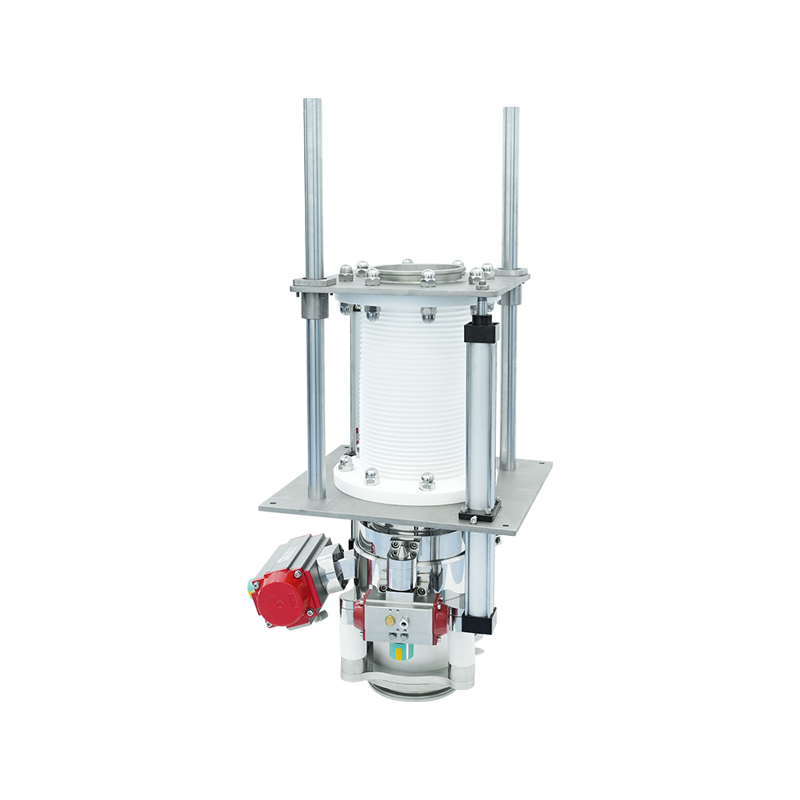
- For highly potent APIs (OEB4 and OEB5 compounds), sealed sampling valves with integrated contained transfer systems can achieve operator exposure limits below 1 µg/m³, satisfying the most stringent containment performance requirements without relying on personal protective equipment as the primary control measure.
What Practical Factors Determine Which Sealed Sampling Valve to Specify?
Specifying the correct sealed sampling valve for a pharmaceutical ingredient application requires a structured evaluation of process conditions, regulatory requirements, and operational constraints. Rushing this decision or defaulting to the lowest-cost option frequently results in cleaning validation failures, regulatory observations during inspections, or valve failures under process conditions. The following factors should be assessed systematically before finalising a specification:
- Physical state of the ingredient: dry powder, granule, suspension, viscous liquid, and low-viscosity liquid streams each favour different valve mechanisms, and selecting the wrong type risks bridging, sampling errors, or seal damage.
- Process temperature and pressure: valves must be rated beyond the maximum operating conditions of the process, including any pressure surges or thermal excursions that occur during cleaning cycles.
- Required sample volume: laboratory testing requirements determine the minimum and maximum acceptable sample volume, which in turn dictates the chamber size specification — oversized chambers waste product; undersized chambers force repeat sampling events.
- Cleaning strategy: facilities using CIP should specify valves with full CIP coverage documentation from the manufacturer, while facilities using manual cleaning or disposable components require valve designs that allow rapid disassembly without tools.
- Containment classification: the OEB or OEL of the API being sampled determines whether a standard closed valve is sufficient or whether an additional isolator, glove bag, or rapid transfer port interface is required at the sample discharge point.
- Connection standard compatibility: valve inlet and outlet connections must match the process piping standard (typically DIN, SMS, or ASME BPE tri-clamp in pharmaceutical applications) to avoid non-hygienic adapter fittings that create dead legs and cleaning blind spots.
How Should Sealed Sampling Valves Be Validated and Maintained Over Time?
Installation of a sealed sampling valve is the beginning of a lifecycle that must be managed through qualification, periodic revalidation, and preventive maintenance. The valve should be included in the facility's equipment qualification programme with an Installation Qualification (IQ) verifying that it was installed per the manufacturer's specification, an Operational Qualification (OQ) confirming that it operates correctly across its full actuation range and pressure conditions, and a Performance Qualification (PQ) demonstrating that it consistently delivers representative, uncontaminated samples of the target pharmaceutical ingredient under actual production conditions.
Preventive maintenance schedules for sealed sampling valves in pharmaceutical ingredient processing typically include seal and diaphragm replacement at defined intervals — commonly every six to twelve months depending on the chemical aggressiveness of the product and the frequency of CIP cycles. Seals are the most vulnerable component in any sampling valve and should never be run to failure in a GMP environment, as a seal breach during production sampling can contaminate a batch or expose operators to hazardous material. Spare seal kits should be held in inventory at all times, and seal replacement should be documented in the maintenance record system as a formal GMP event with before-and-after inspection records.