

Content
Aseptic connectors are one of those details that rarely get attention until something goes wrong. In a sterile transfer, the connector is the point where the process boundary is opened, aligned, locked and opened again. If that sequence is not controlled, contamination risk rises, operators can be exposed, and valuable batches may be lost. In our work with pharmaceutical manufacturers, we have learned that the best aseptic connector is not simply the one with the highest specification; it is the one that fits the material, the environment and the people who use it.
What Aseptic Connectors Do in Sterile Production
An aseptic connector is a device or system that allows two sterile pathways to be joined or separated without breaking the sterile barrier. In practice, the term covers several technologies: reusable mechanical connectors such as split butterfly valves and rapid transfer ports, and single-use connectors or bags that arrive pre-sterilized. The common purpose is to move powder, liquid or components into or out of a controlled zone while keeping the product, the environment and the operator protected. The connector is often a small part of the line, but it sits at a high-risk interface. It must align correctly, seal reliably and support a repeatable connection sequence. It also has to be cleanable, compatible with the material being transferred and practical for operators wearing gloves in an isolator or cleanroom.
Common Types of Aseptic Connectors
There is no single aseptic connector that suits every process. The right choice depends on whether you are transferring powder or liquid, whether the connection is made in an isolator or on a process line, and whether the system is reusable or single-use.
Split Butterfly Valves
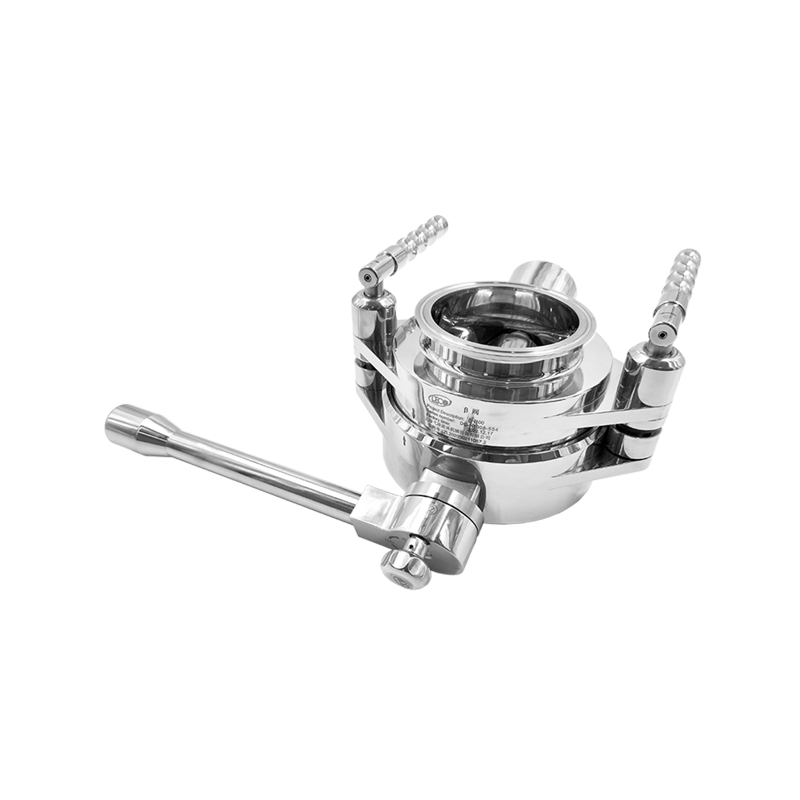
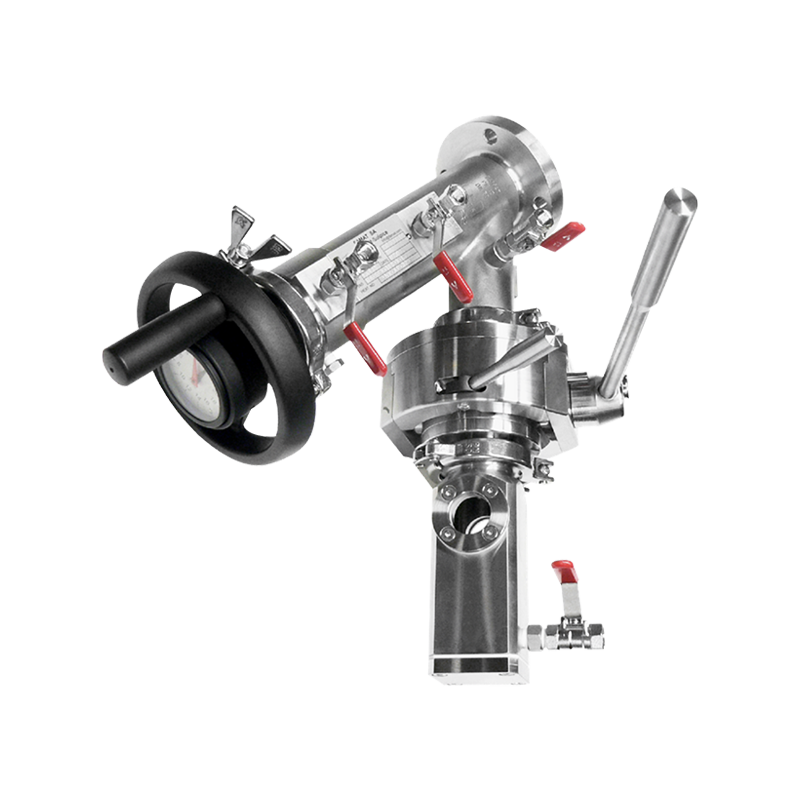
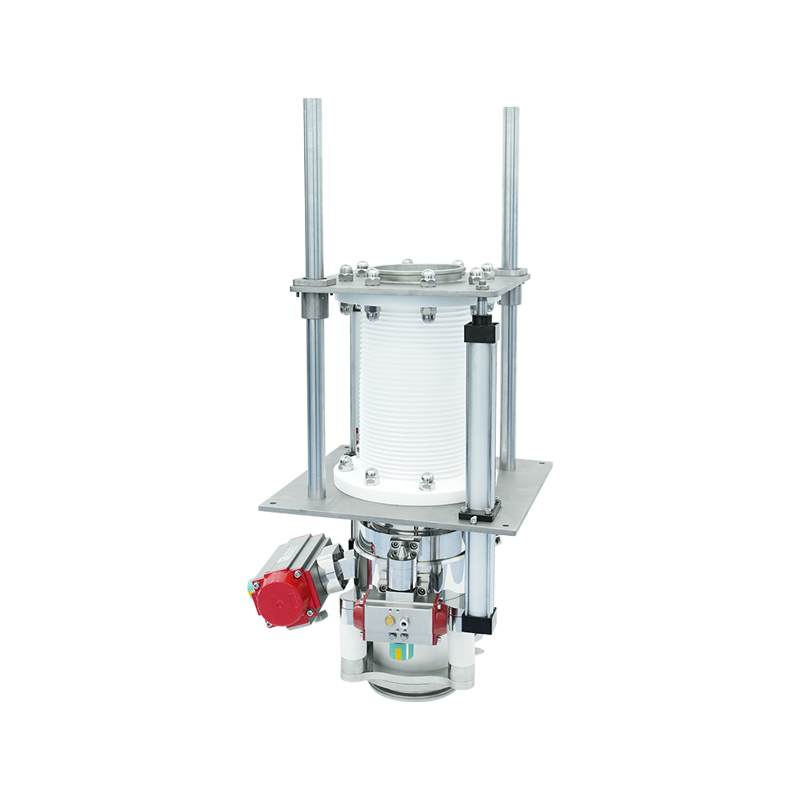
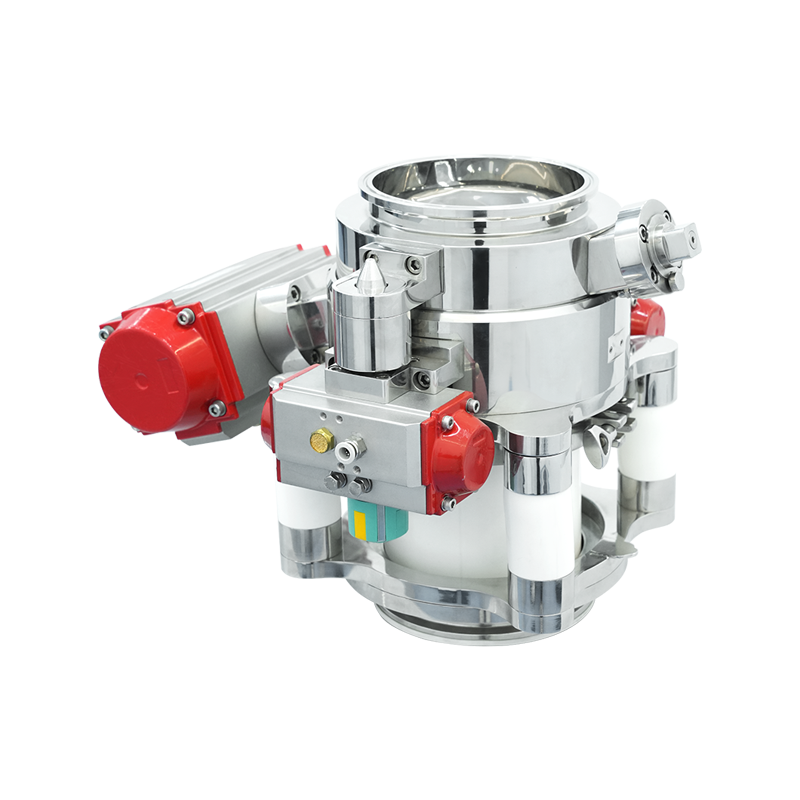
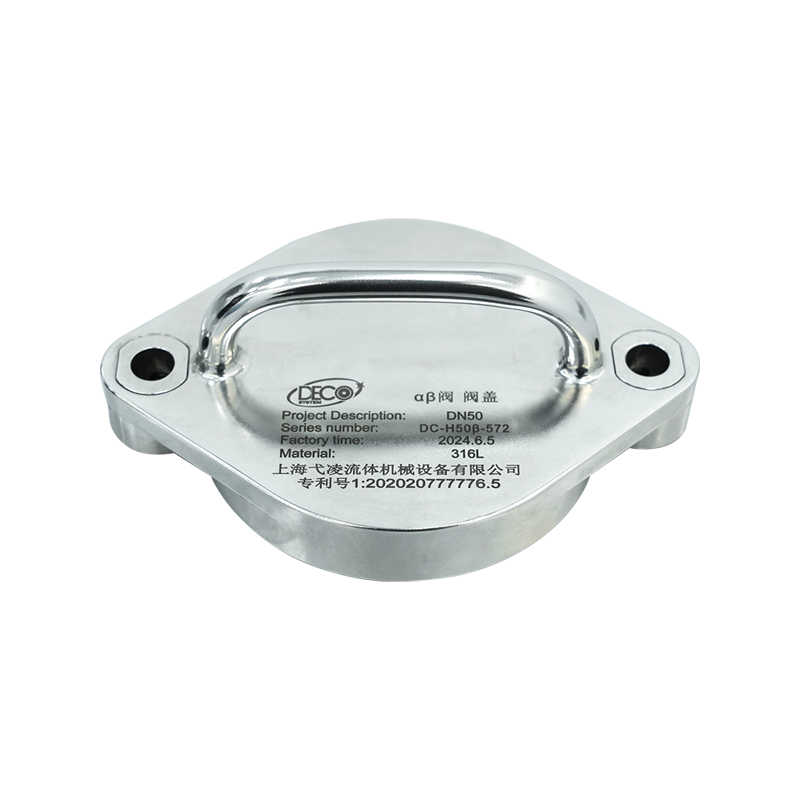
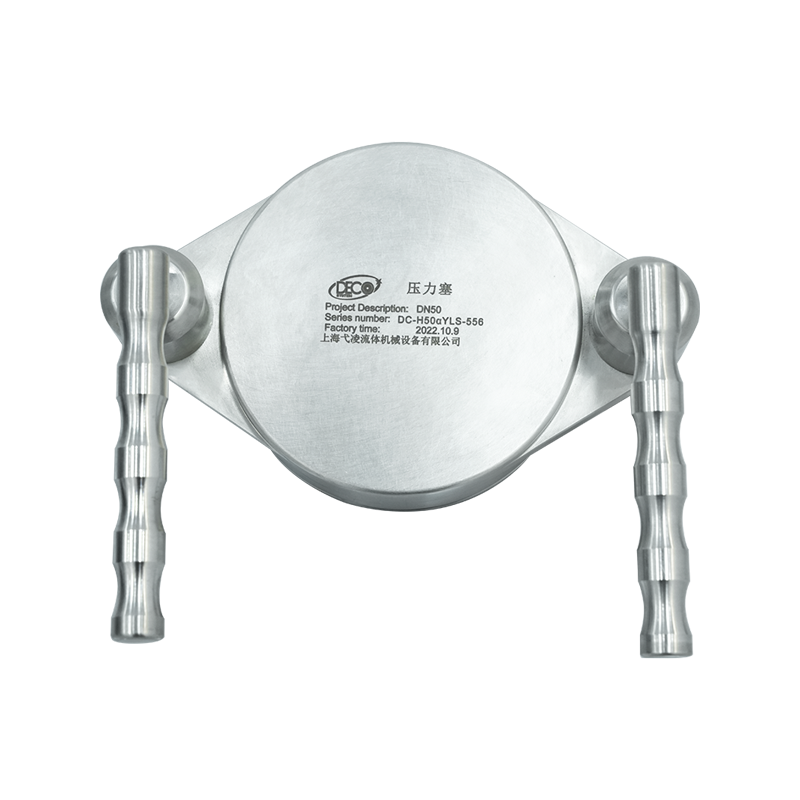
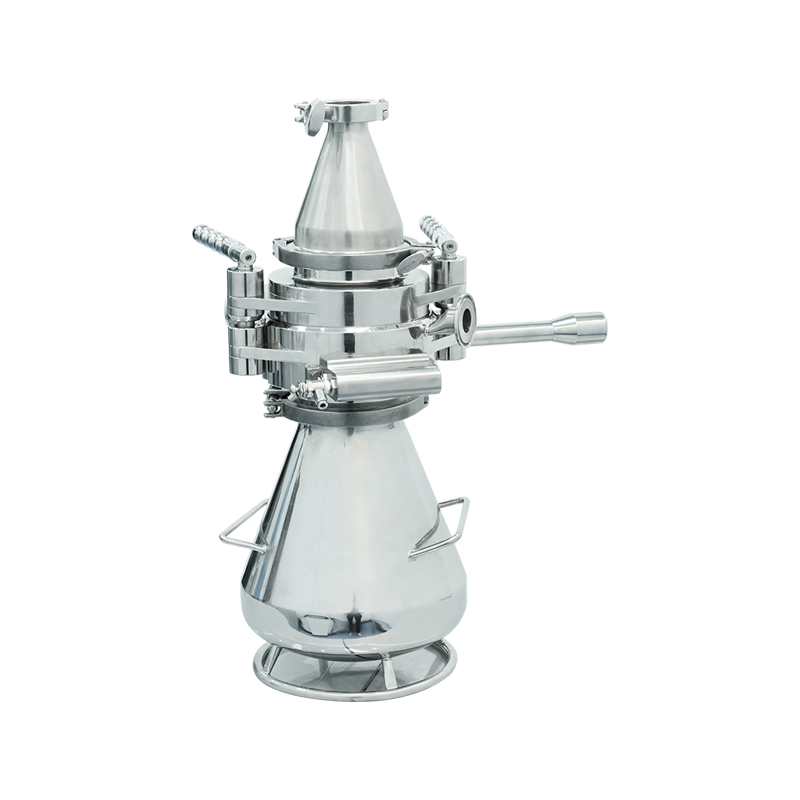
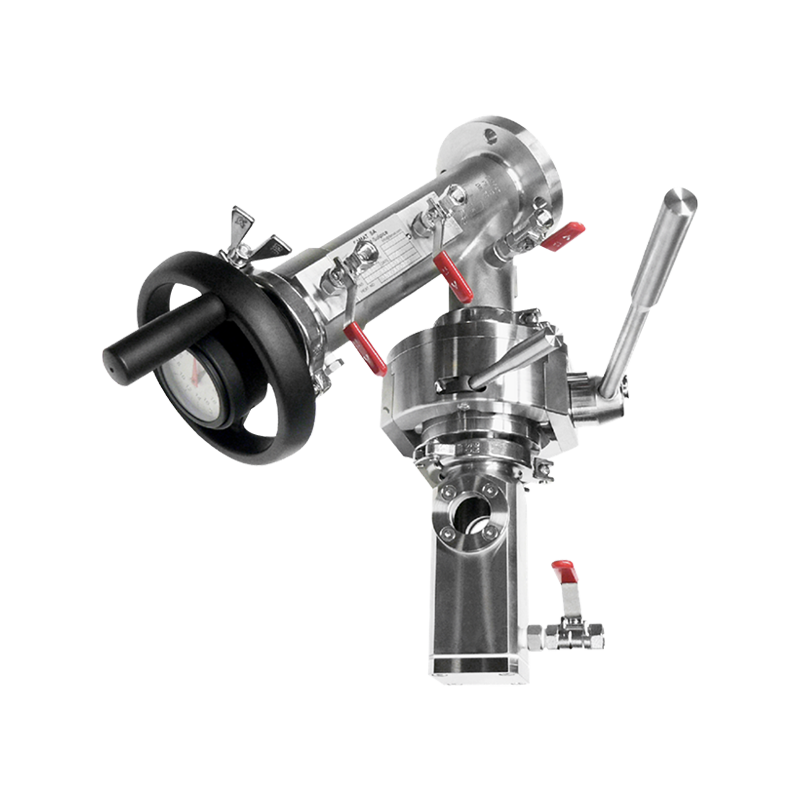
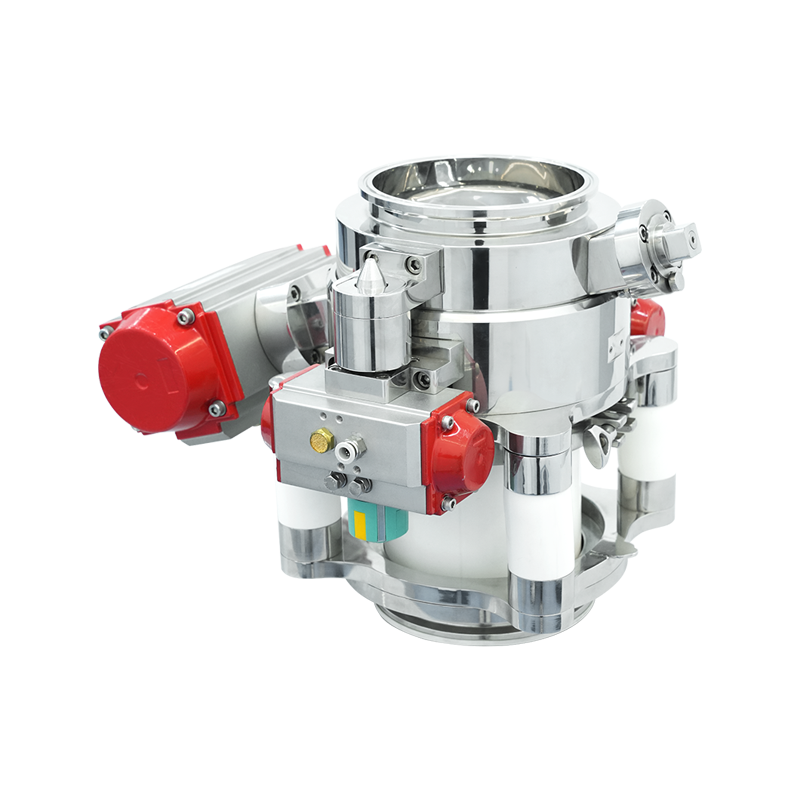
Split butterfly valves are widely used for contained powder transfer and sterile connections between containers, isolators and process equipment. The valve is usually made of two halves: an active half mounted on the production equipment and a passive half on the container or transfer bag. When the two halves engage, the valve opens only after a sealed connection is established. This helps maintain the sterile or contained boundary during transfer. The connection sequence matters as much as the valve itself; a well-designed split butterfly valve should guide the operator into correct alignment and make the locked position obvious. For a closer look at how the sterile boundary is maintained, see this explanation of how an aseptic split butterfly valve supports sterile material transfer.
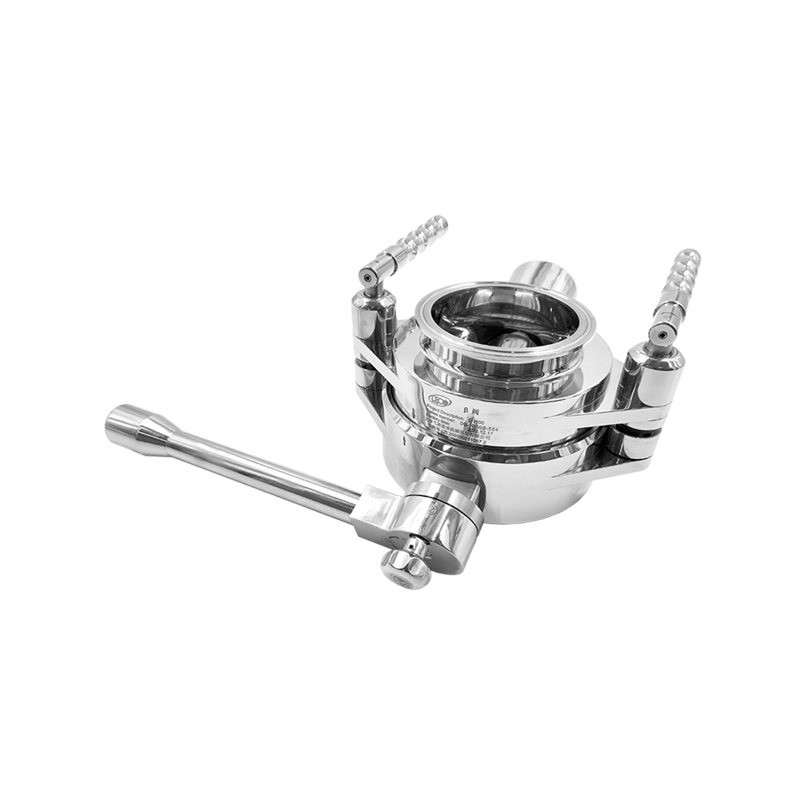 Split Butterfly Valves for Contained and Aseptic TransferExplore split butterfly valve products for sealed powder transfer, sterile connections and alpha-beta containment between equipment, isolators and containers.View Product →
RTP Ports and Transfer Systems
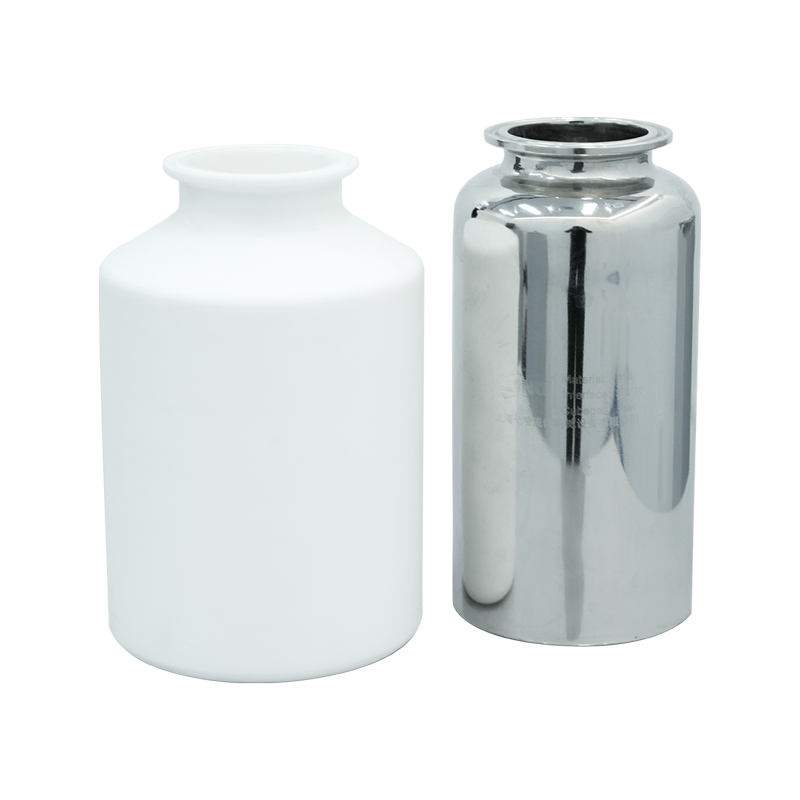
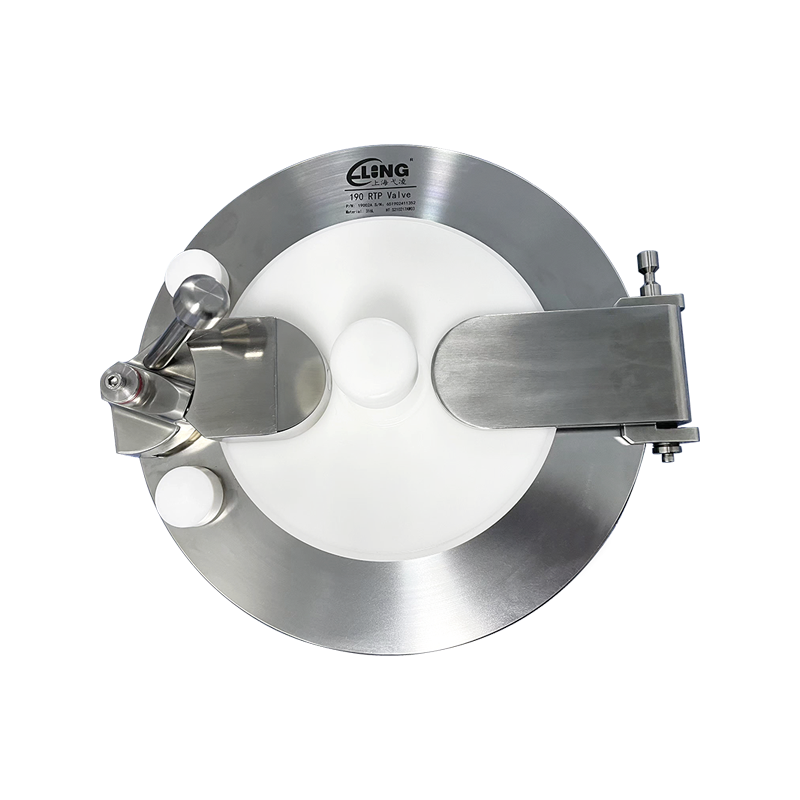
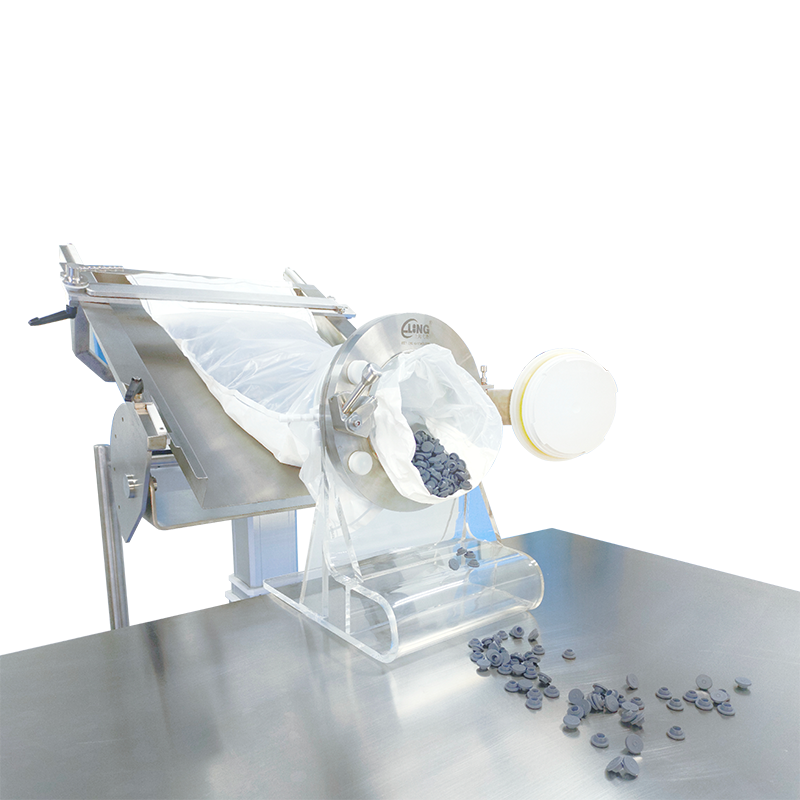
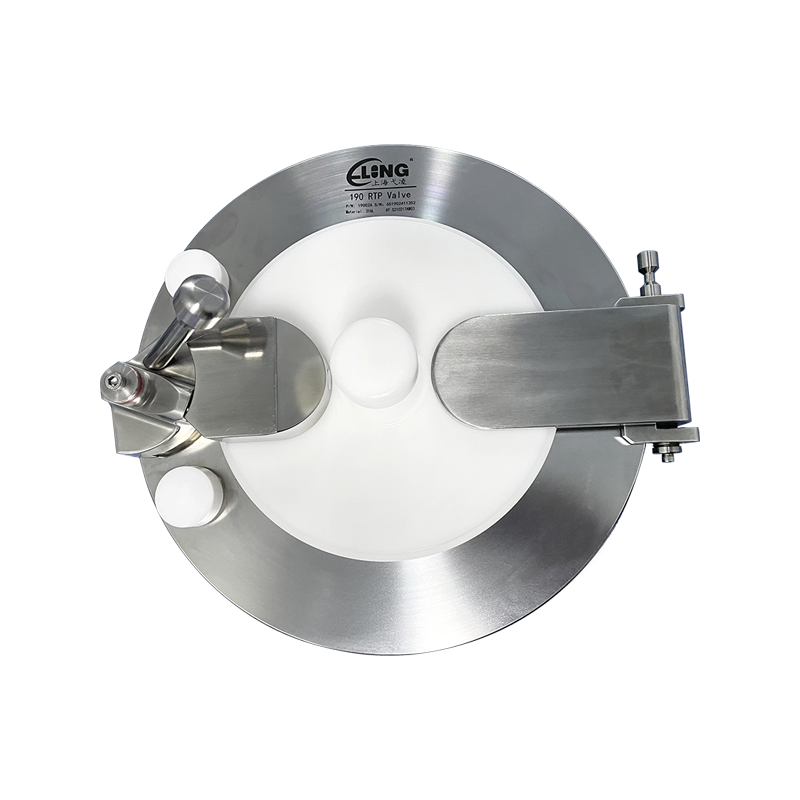
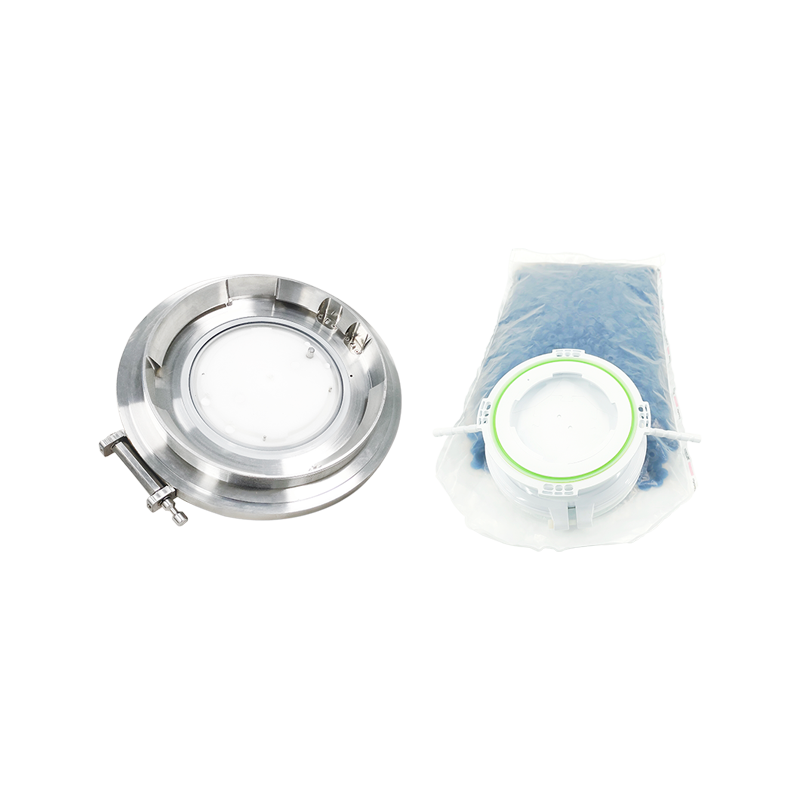
Rapid transfer ports, often called RTP valves, are another established aseptic connector family. They are typically installed in the wall of an isolator, glovebox or containment enclosure. A beta bag or beta container is docked to the port, and the transfer takes place without exposing the sterile interior to the surrounding area. RTP systems are useful when materials must enter or leave a high-containment zone, when a container is too large for a simple pass-through, or when the process needs a repeatable interface between a single-use bag and a stainless-steel enclosure. The port, bag and container should be treated as one system; a mismatch in dimensions or locking features can undermine an otherwise sound design.
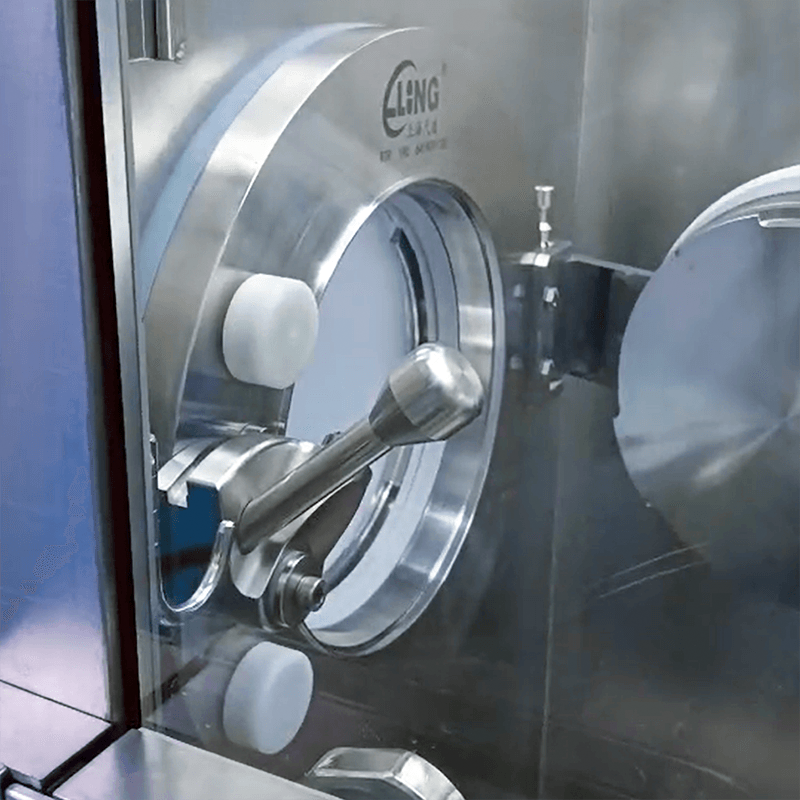 RTP Valve for Rapid Transfer Port SystemsReview an RTP valve option for sealed alpha-beta transfer into isolators, gloveboxes and containment enclosures, with beta bags and containers.View Product →
Single-Use Aseptic Connectors and Transfer Bags
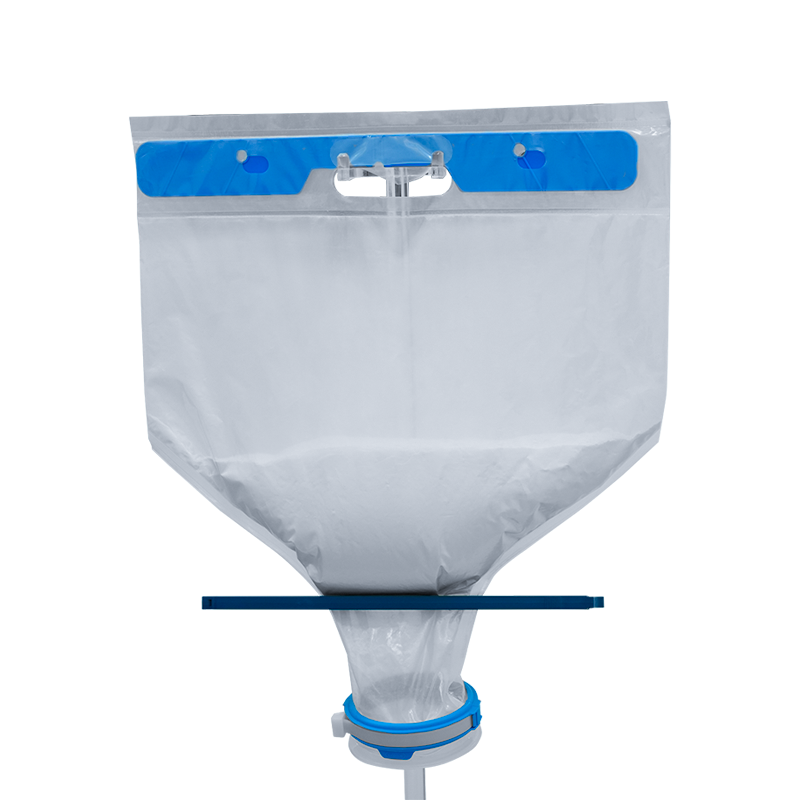
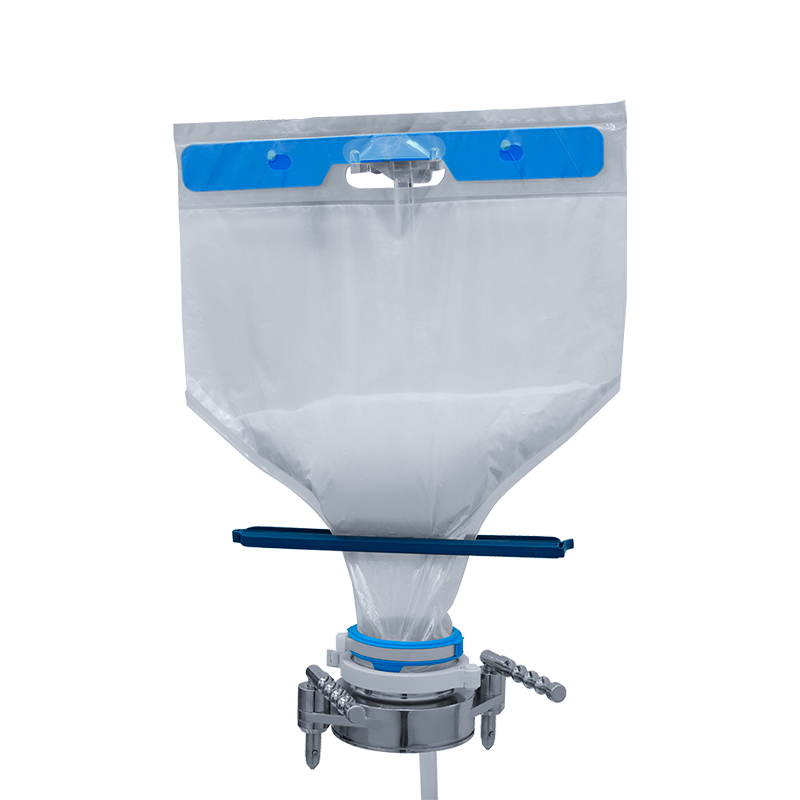
Single-use systems have changed the way many manufacturers handle sterile powders and liquids. A pre-sterilized transfer bag or single-use connector can be supplied ready to use, then connected to the process and discarded after transfer. This reduces cleaning demand and can shorten changeover time. For powder applications, the bag must be strong enough for the load, compatible with the powder, and designed for reliable filling, sealing and discharge. It also needs to connect cleanly to the chosen valve or port. In our experience, the most successful single-use projects are the ones where the bag, connector and filling line are reviewed together rather than purchased separately.
 Disposable Sterile Powder Transfer BagsCheck single-use powder bags from 3 L to 100 L for aseptic transport, storage and feeding, with cleanroom production and irradiation options.View Product →
How to Compare Aseptic Connector Options
The table below is a practical starting point, not a final specification. Use it to frame the conversation between process engineering, quality and operations before drawing up a purchase requisition.
| Connector type | Typical use | Best fit | Key question |
|---|---|---|---|
| Split butterfly valve | Powder and contained transfer | Container-to-isolator or equipment-to-container transfer | Does the docking sequence protect the sterile boundary? |
| RTP port and beta bag | Transfer into or out of an isolator | Sterile or high-containment enclosures | Are port, bag and container compatible as a system? |
| Single-use transfer bag | Powder or liquid transfer and storage | Flexible, pre-sterilized material handling | Is the bag compatible with the product and the filling process? |
Design and Validation Considerations
Aseptic connectors are often selected on the basis of a drawing and a material certificate, but real performance is proved during use. Before a connector is released to production, the team should agree on how it will be cleaned, how it will be sterilized, how operators will connect it, and how the connection will be verified.
- Material compatibility. Product-contact surfaces must suit the powder or liquid being transferred, including its moisture, pH and solvent content. For powders, consider particle size, flow behaviour and whether the bag or valve can be emptied cleanly.
- Cleanability and sterilization route. Reusable connectors need a defined cleaning and sterilization cycle. Single-use systems need evidence that the pre-sterilized package remains intact until use, and a clear procedure for opening and connecting it without introducing contamination.
- Operator ergonomics. A connector that is difficult to align with gloved hands will eventually be forced. Look for clear locking indicators, sensible handle positions and a sequence that can be taught and audited.
- Interface control. The connector is only one part of the transfer. The valve, bag, container and enclosure should be reviewed as a system, especially where alpha/beta interfaces or RTP dimensions are involved.
- Validation support. Ask what documentation is available for installation, operation and performance qualification. The level of support should match the criticality of the transfer.
It also helps to run a trial with the actual material rather than a placebo. Powders can behave very differently from liquids, and a connector that performs well in a cleanroom demonstration may need a different handling technique when the bag is full and the operator is working through a glove port.
Common Pitfalls with Aseptic Connectors
Most aseptic connector problems are not caused by a single defective part. They come from small mismatches that only appear when the system is assembled. One common issue is buying the connector before reviewing the container interface. Another is assuming that a sterile connector removes the need for good transfer practice; it does not.
- Treating the connector as a stand-alone item. A split butterfly valve, RTP port or transfer bag is part of a chain. The chain should be tested as a chain.
- Ignoring the full range of materials. A connector that works for one powder may bridge or retain another. Review the worst-case material, not only the easiest one.
- Underestimating cleaning. Reusable connectors need access for cleaning and inspection. If the cleaning method is unclear, the design should be questioned early.
- Poor spare-part planning. Seals, protective covers and docking components wear or get damaged. A spare-part list should be agreed before startup.
- Assuming training is enough. Training matters, but the equipment should also make the correct action the natural one. Good design reduces reliance on memory.
How ELING Approaches Aseptic Connector Projects
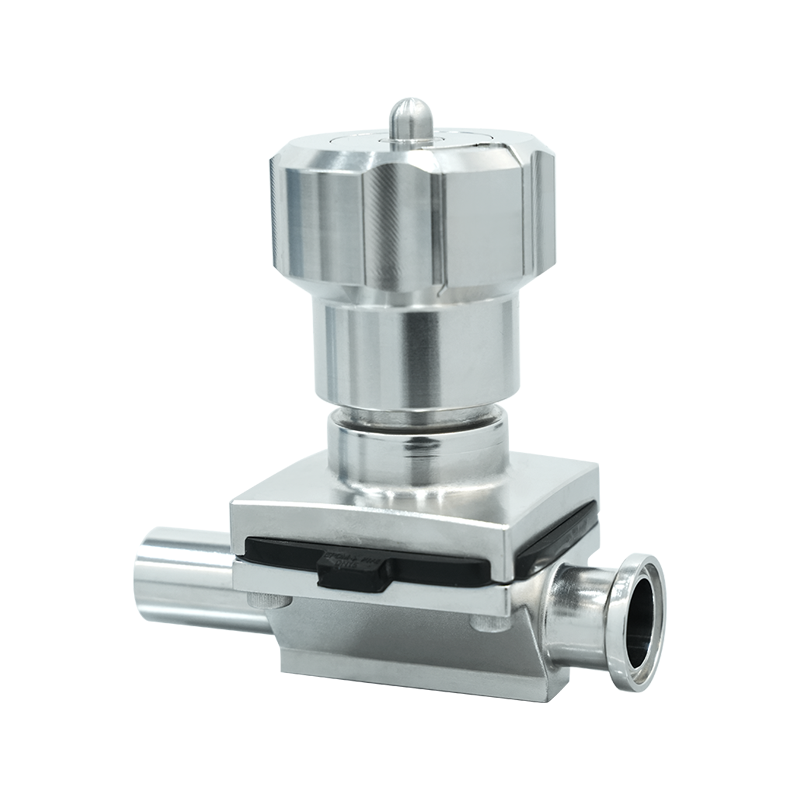
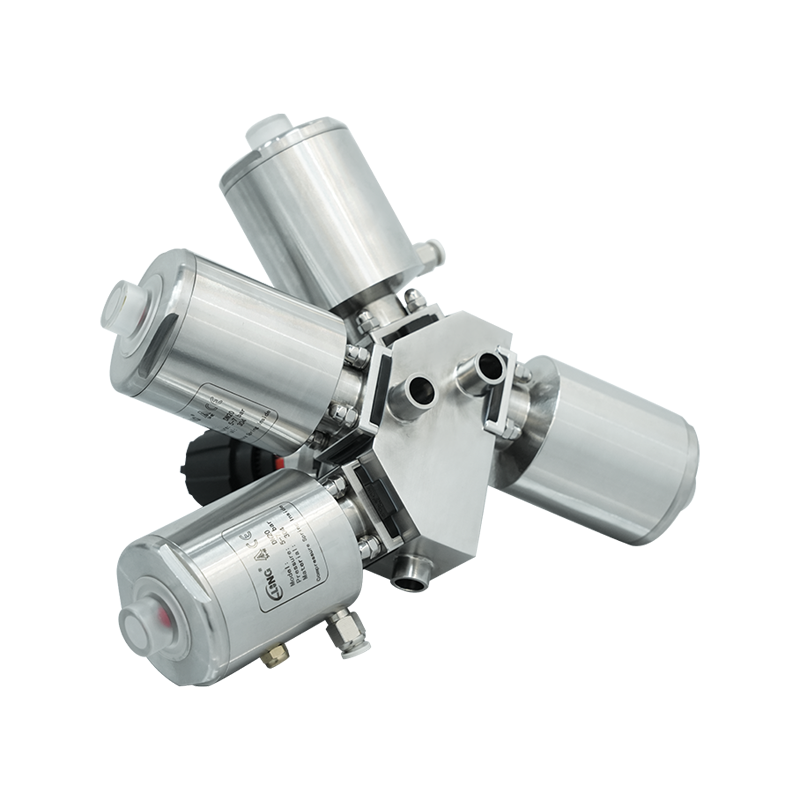
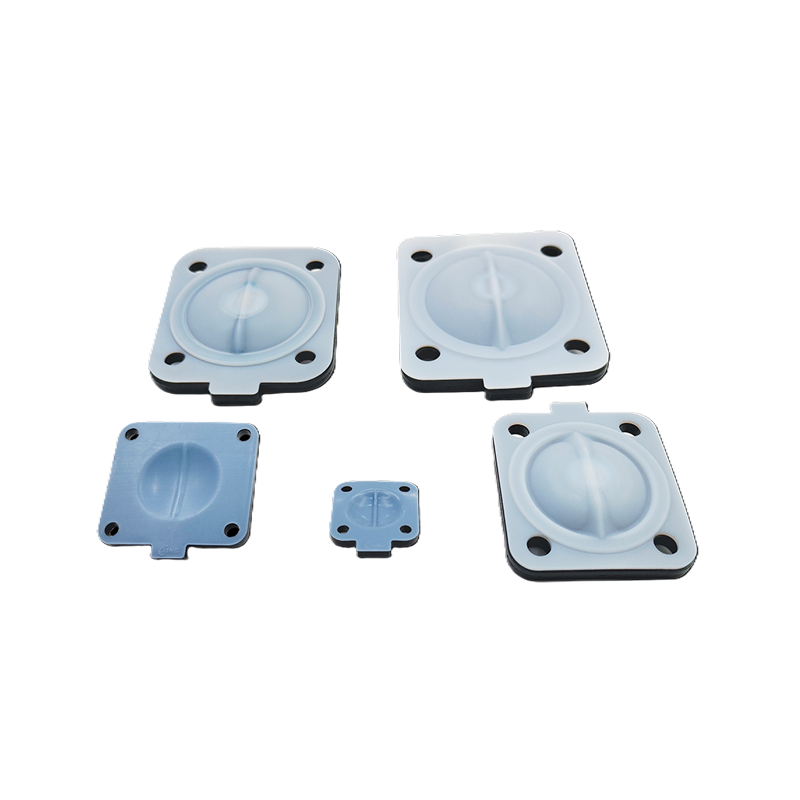
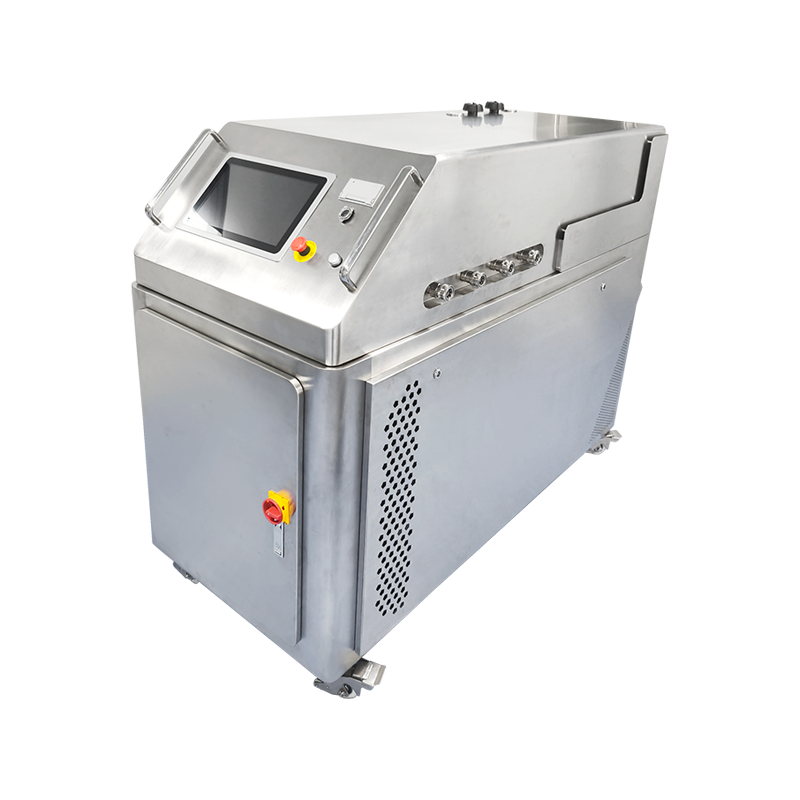
ELING has been working in pharmaceutical equipment since 2010, and our product range has grown around the practical interfaces where sterile and contained transfers happen. We manufacture split butterfly valves and related components, RTP valves and transfer accessories, single-use powder transfer bags, containment systems, diaphragm valves, cleaning equipment and heat exchangers. Because these products sit in the same process environment, we tend to look at a connector project as a transfer problem rather than a catalogue order.
Our manufacturing base includes a 5,000 square metre workshop, more than 50 machining and inspection units, and a technical team of over 60 people. We have supplied pharmaceutical manufacturers in a range of markets, and our products are used in applications where GMP compliance, sterile protection and operator safety are part of the daily routine. That experience has taught us to ask simple questions early: What is being transferred? Where does the connection happen? Who will operate it? How will it be cleaned? The answers usually point to a more reliable specification.
For projects that combine several transfer steps, it can help to review the wider containment and aseptic transfer process range before choosing individual components. A connector that works well on its own may need a different bag, port or valve when it becomes part of an isolator workflow.
Final Thoughts
Aseptic connectors are not glamorous, but they carry a disproportionate share of the risk in sterile production. The right system is not necessarily the most complex one. It is the one that matches the material, fits the enclosure, supports a repeatable connection sequence, and can be cleaned and validated without creating new problems. Whether the project uses a split butterfly valve, an RTP port or a single-use transfer bag, the goal is the same: keep the sterile boundary intact from the first connection to the final disconnection.