

Content
Walk into almost any sterile filling suite and you will find a small component doing a very large job: the aseptic connector. It is the point where two pre-sterilized parts of a process meet — a bag and a filling line, a reactor and a transfer container, an isolator and the room around it — and it is the point where the sterile boundary either holds or fails. When it works, nobody notices it. When it does not, the deviation report writes itself.
What follows is written from the perspective of people who design and build these interfaces for pharmaceutical production. We will look at what an aseptic connector actually does, the main families available today, how to choose between them, and the everyday habits that keep them working campaign after campaign.
What Is an Aseptic Connector?
An aseptic connector is a mating interface that allows two independently sterilized components to be joined, and later separated, without ever exposing the product contact surfaces to the surrounding environment. The idea sounds simple. The engineering behind it is not.
Before the two halves touch, each side is protected. A valve face, a plug, a protective cover or a peel-away film keeps the critical surface covered while the parts are handled. Once the halves are locked together, the barrier is opened inside a sealed volume, so microorganisms sitting on the outside of the hardware never reach the fluid or powder path. The connection is made by the geometry of the device rather than by the skill of the person standing in front of it.
That last point is what separates an aseptic connector from an ordinary sanitary fitting. A tri-clamp or a hose barb can certainly be sterilized in place, but it cannot be broken and remade in a Grade C or D environment without real risk. An aseptic connector exists precisely for that moment: the transfer, the docking, the sample, the container change.
Where Aseptic Connectors Are Used
In practice, these interfaces show up wherever sterile material has to cross a boundary:
- Sterile powder handling — discharging a drum, feeding a hopper, or moving an API into a reactor.
- Liquid and media transfer — buffers, media, intermediates and process fluids moving between vessels and single-use assemblies.
- Isolator and glovebox docking — bringing components, tools or consumables into a contained environment.
- Sampling — pulling a representative sample without breaking the sterile or containment barrier.
- High-potency operations — protecting the operator as carefully as the product.
- Single-use assemblies — pre-sterilized bags, tubing and connectors supplied as one validated unit.
The Main Types of Aseptic Connector
Three families cover most pharmaceutical applications. They differ in how the sterile barrier is created, how often they are reused, and how they behave in an operator's hands.
Split Butterfly Valves: The Reusable Workhorse
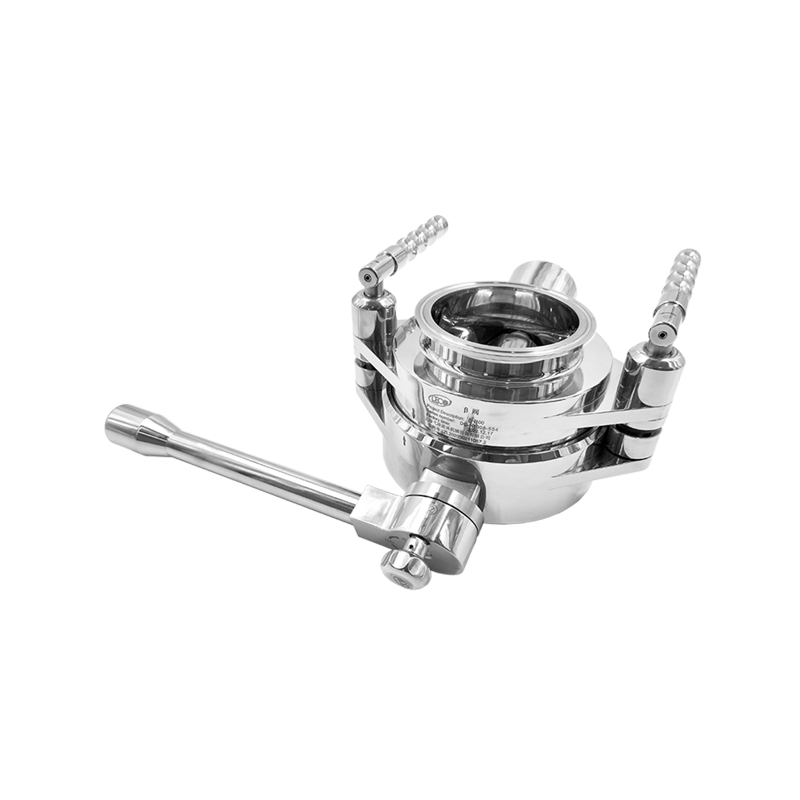
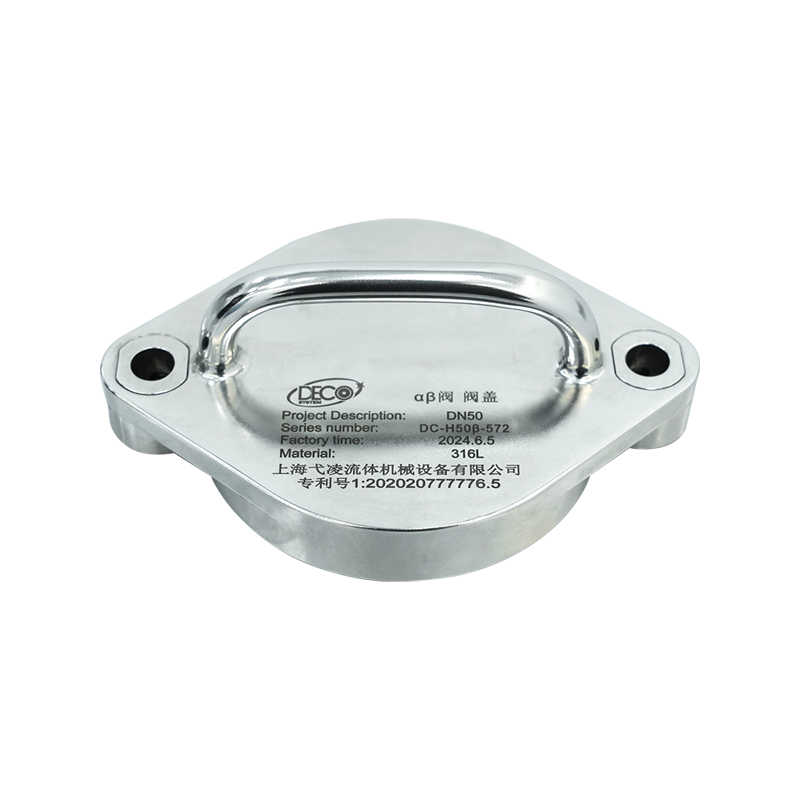
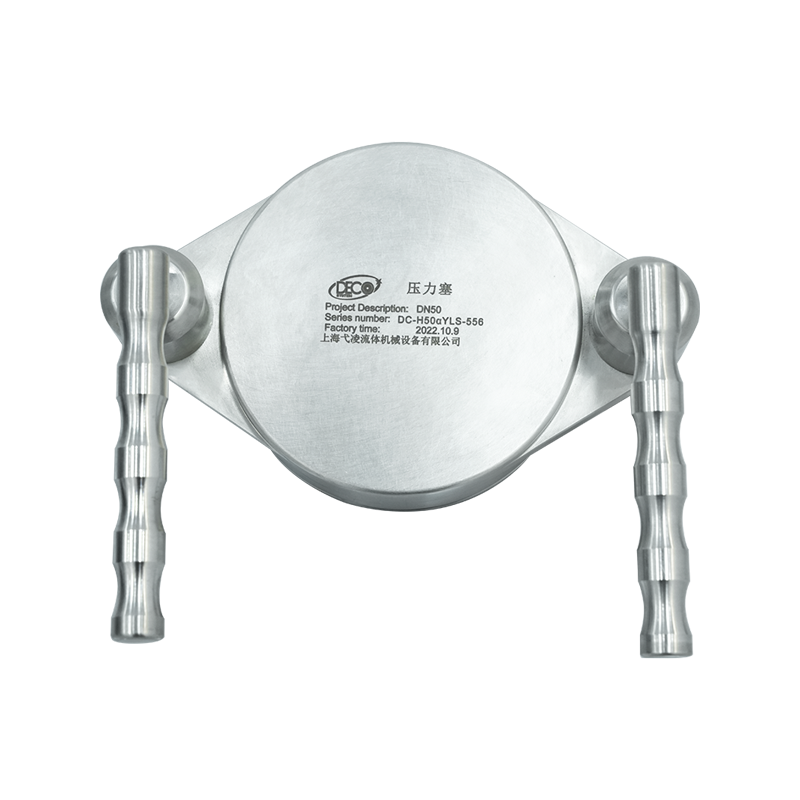
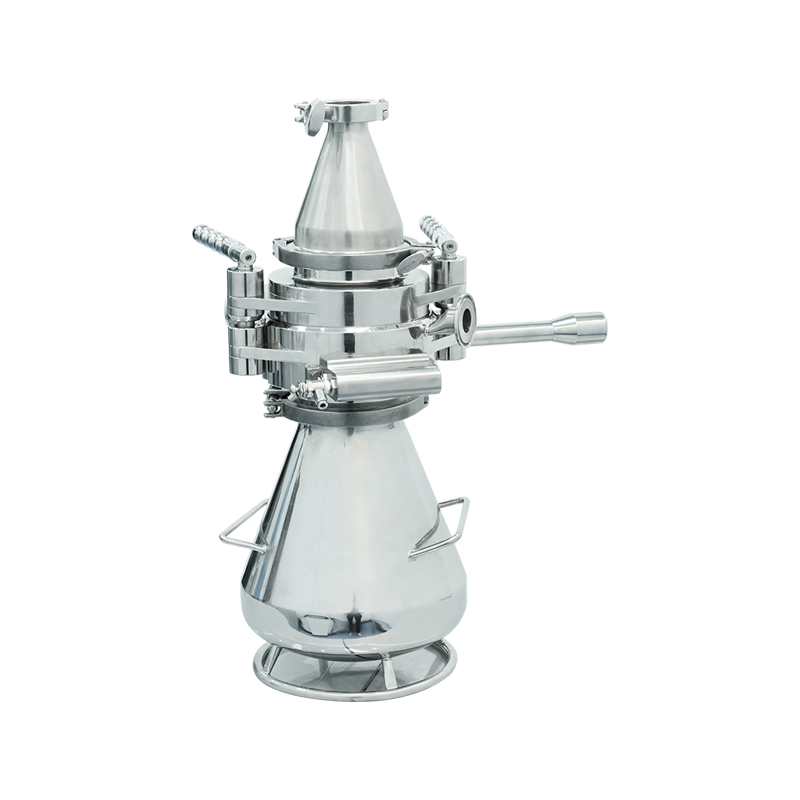
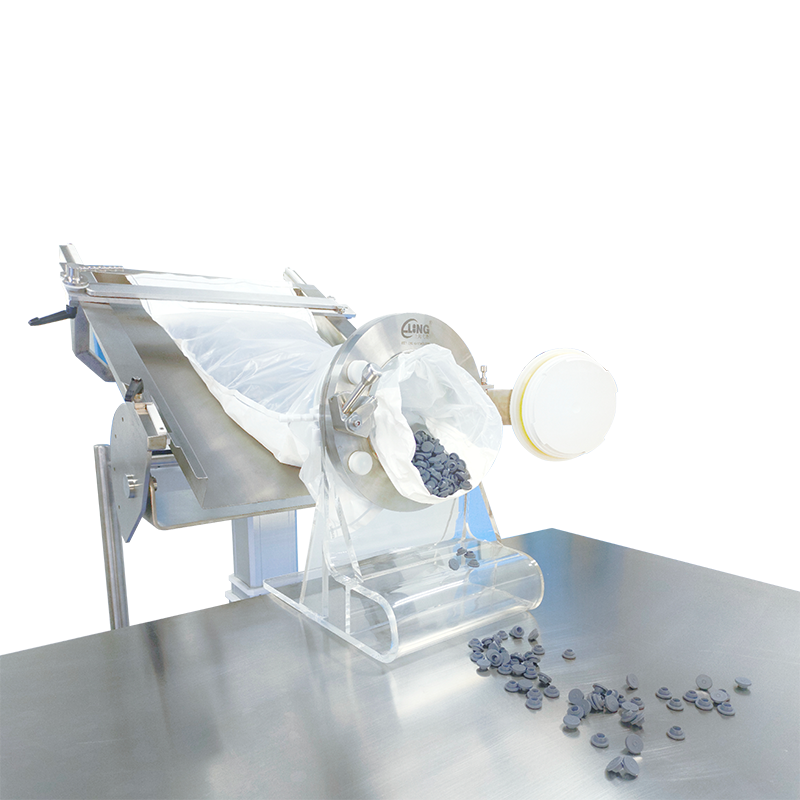
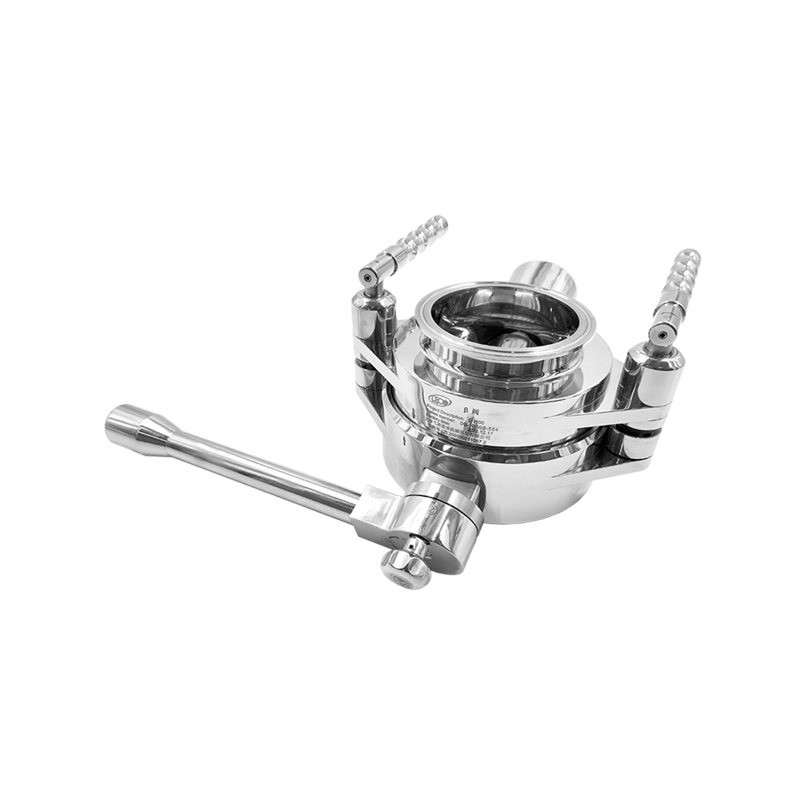
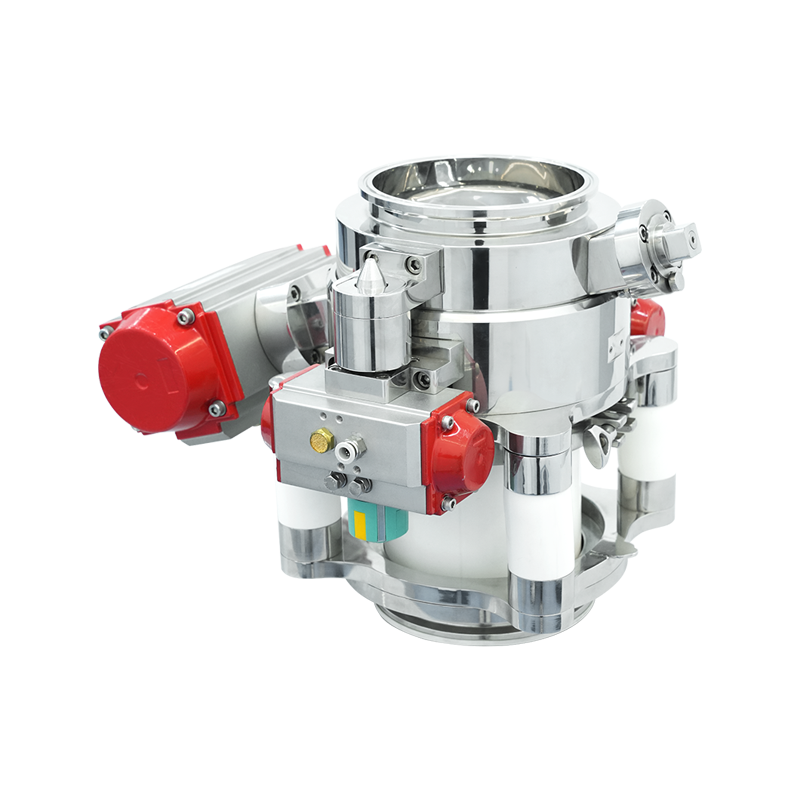
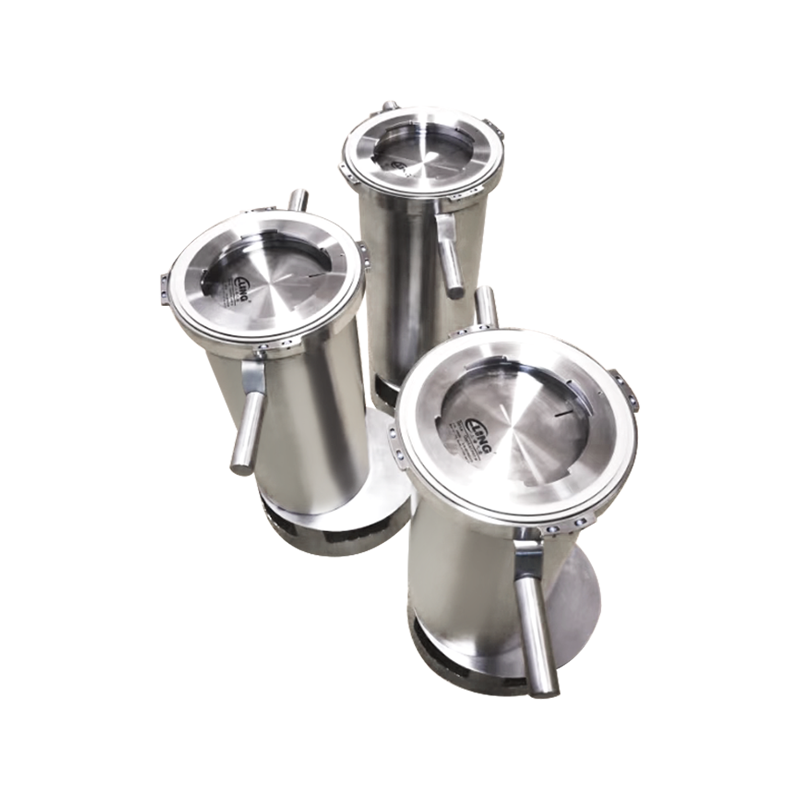
A split butterfly valve separates into two halves. The active half, often called Alpha, stays mounted on the process equipment, while the passive half, Beta, travels with the container, bag or drum. When the halves dock, their discs lock together and rotate as one, so the sealed faces slide past each other and only the outer, non-product surfaces are ever exposed to the room.
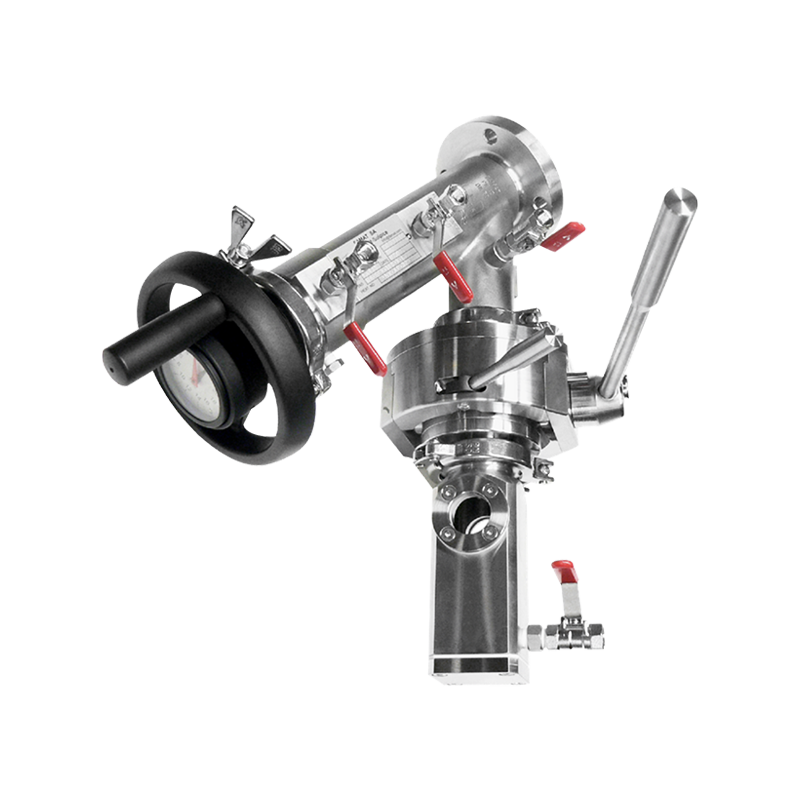
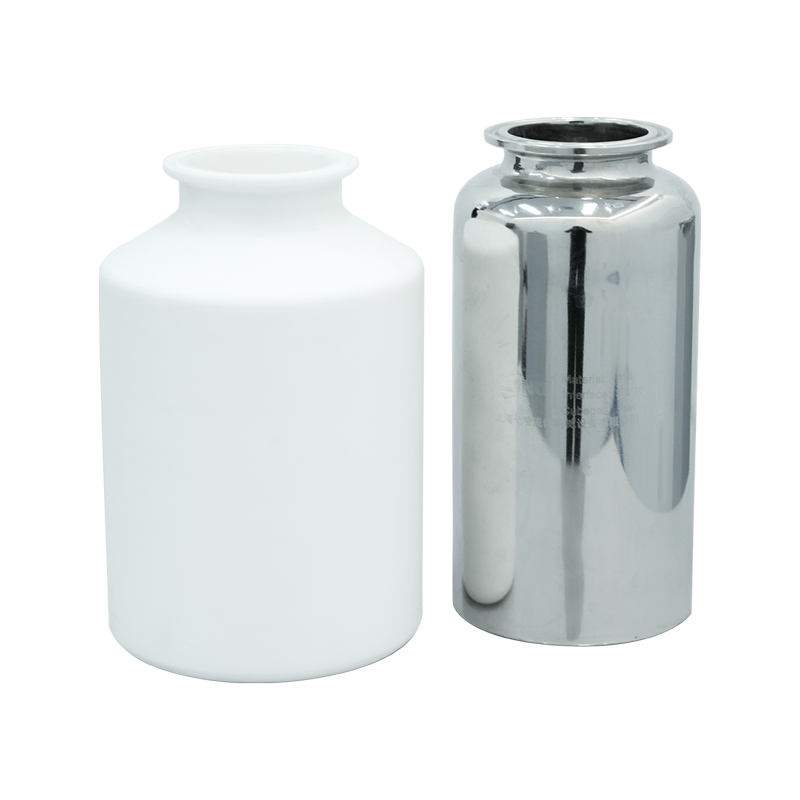
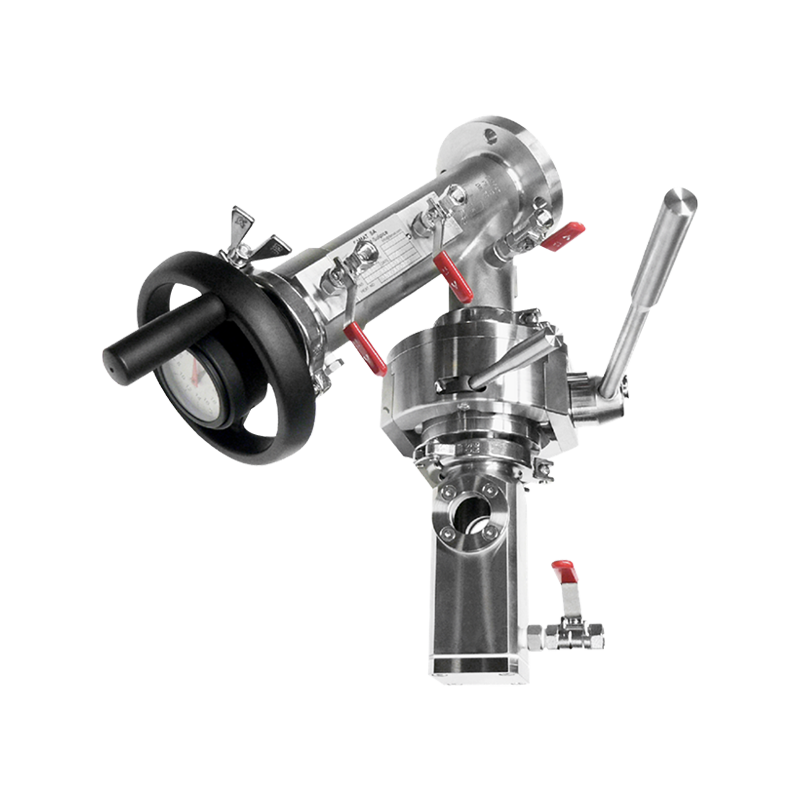
The result is a transfer that can be opened and closed repeatedly — powder charging, drum discharge, connecting a container to a filling hopper — without a laminar flow hood. The hardware is cleaned and re-sterilized between campaigns, and the accessories around it matter as much as the valve itself: protective plugs and covers for the undocked halves, cleaning devices, lifting chassis for heavy containers, and sealed sampling valves for in-process checks. If you would like to follow the sterility argument in more detail, our engineers wrote a closer look at how a split butterfly valve maintains sterility during material transfer.
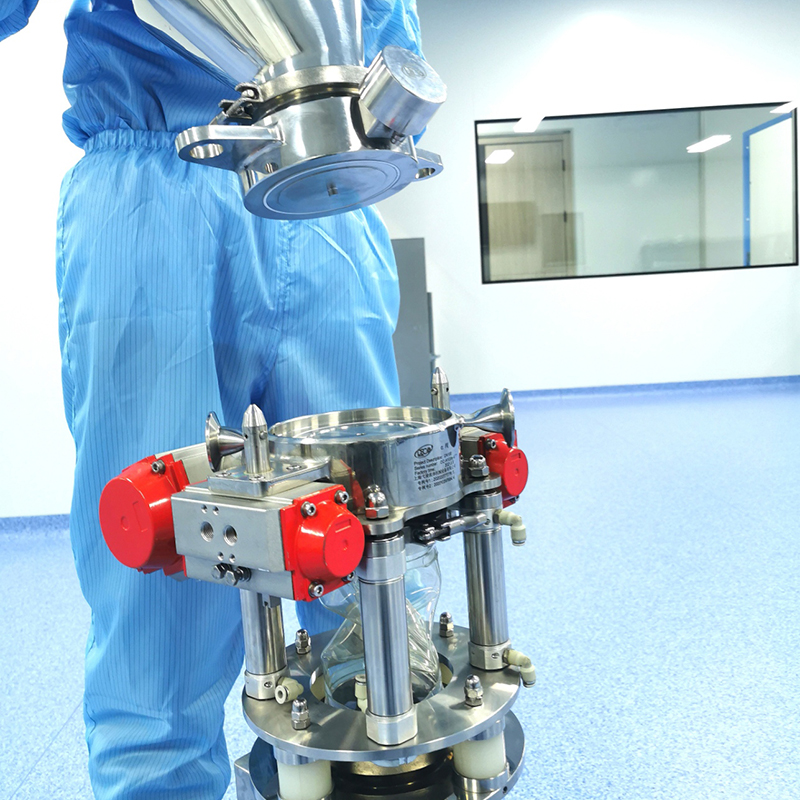 Aseptic Split Butterfly Valve for Contained Powder TransferAlpha-beta valve for contained transfer of potent, toxic, or sterile powders, offering OEB5 sealing, GMP-compliant design, and low operating torque.View Product →
RTP Ports and Beta Bags
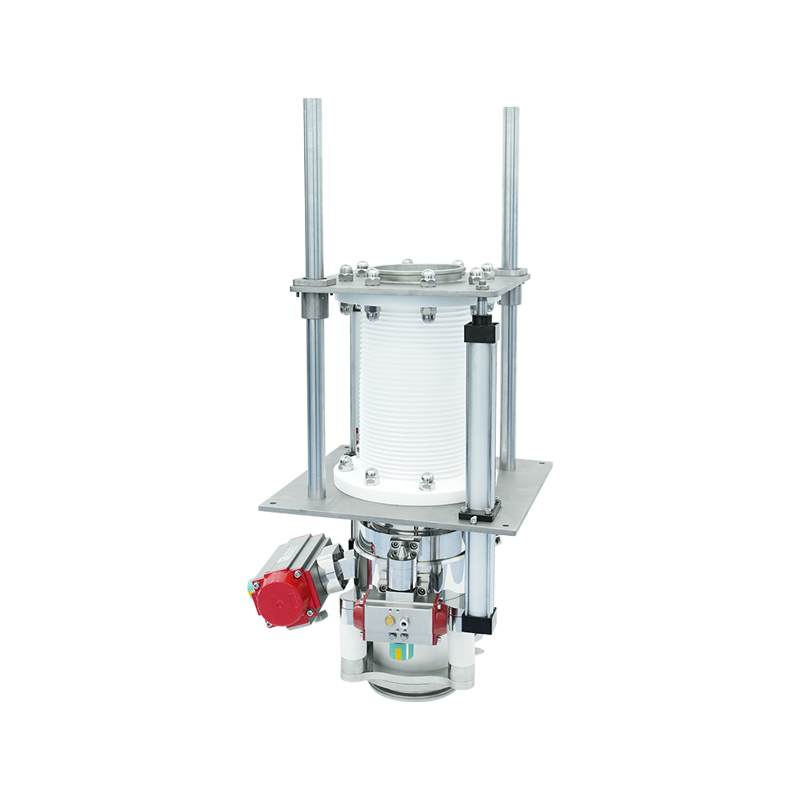
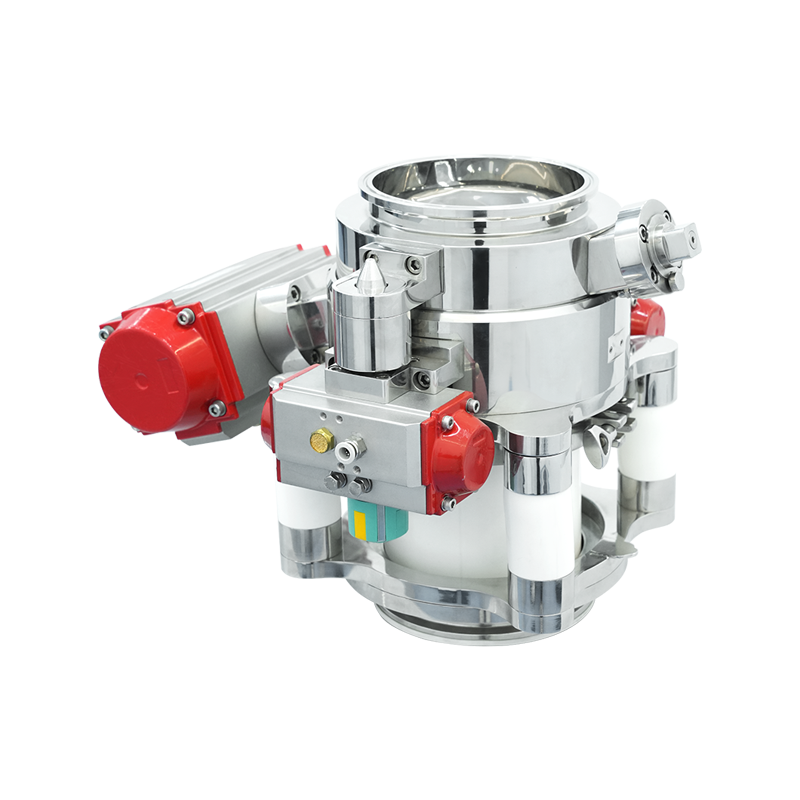
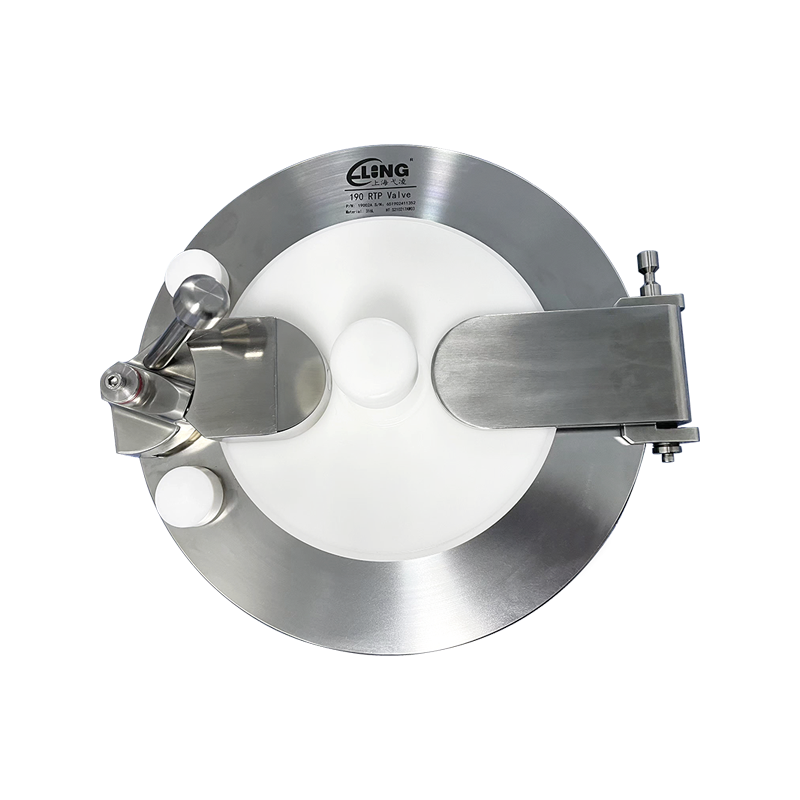
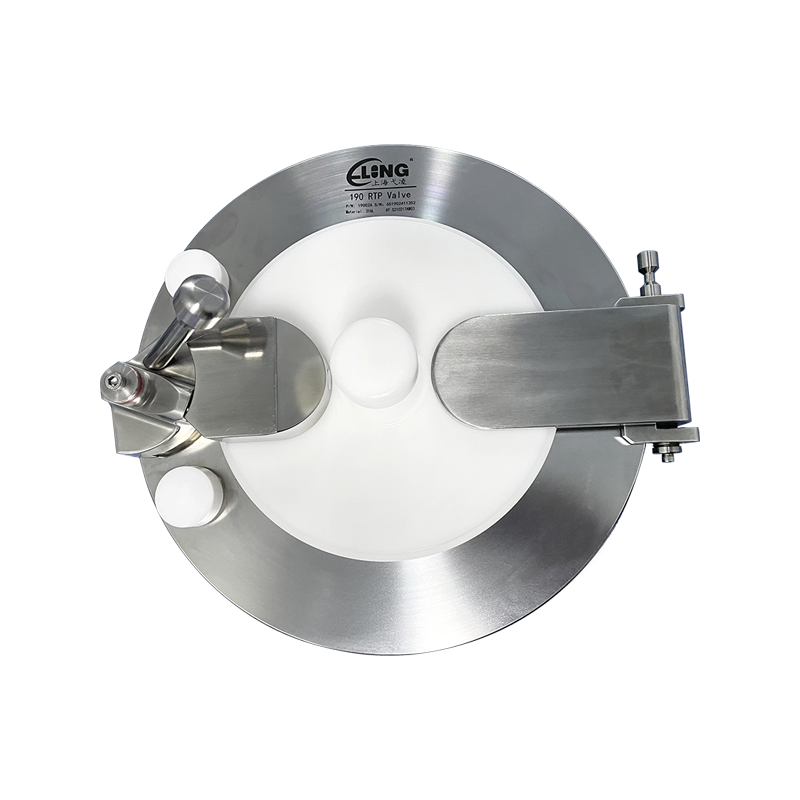
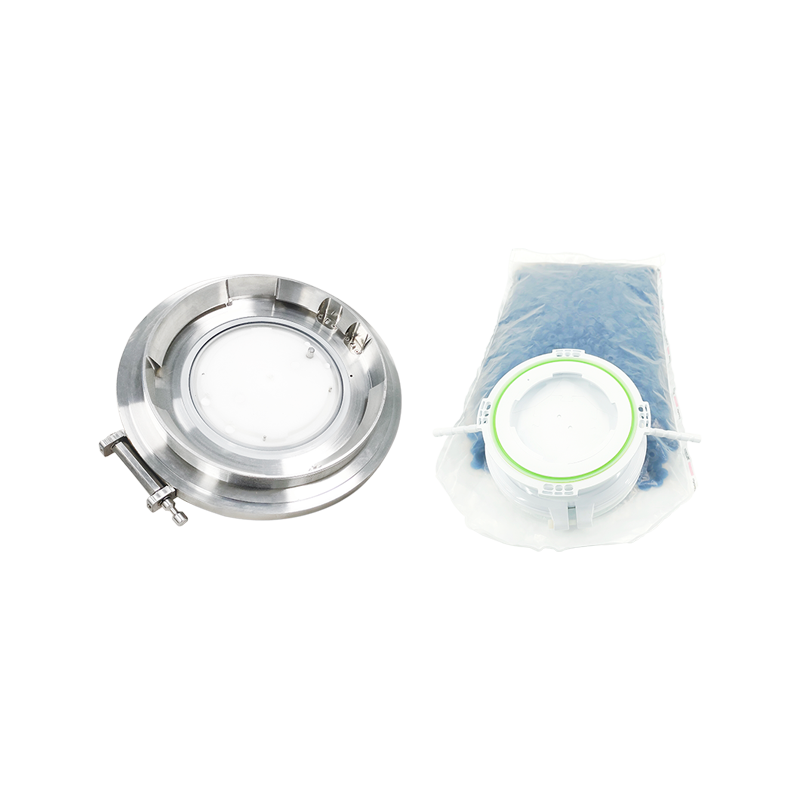
A rapid transfer port works like a miniature airlock built into the wall of an isolator, glovebox or process vessel. The alpha port is fixed to the wall, while the beta half — a bag, a container or a dedicated transfer sleeve — carries the sterile side of the interface. The two doors are interlocked so neither can open until the connection is complete, which means the sterile volume inside the isolator is never directly exposed to the surrounding room.
RTP systems are the usual choice when materials must enter or leave a contained environment: components for an aseptic filling line, culture media and buffers, tools, or samples. A complete set typically includes the port itself, disposable beta bags, a sterilization container for preparing the beta half, and a lifting trolley for positioning heavy loads accurately.
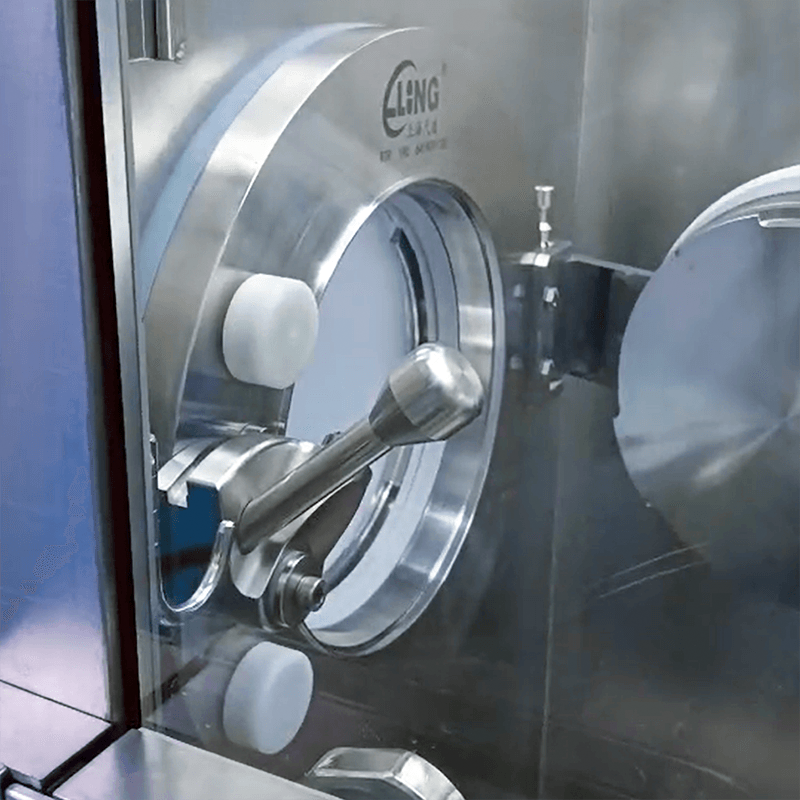 RTP Valve for Aseptic Alpha-Beta TransferAlpha-beta transfer system connects isolators or filling lines to beta containers for contained aseptic material handling, with modular sealing and sterilization options.View Product →
Single-Use Aseptic Connectors and Transfer Bags
Single-use connectors arrive gamma-sterilized and are mated once, then discarded. Most designs protect both halves with a film or sleeve that is peeled or folded away as the halves are pushed together, so the connection is made inside a closed envelope. They are common in media and buffer preparation, sampling lines, and any process where cleaning validation for a reusable part would cost more than the disposable alternative.
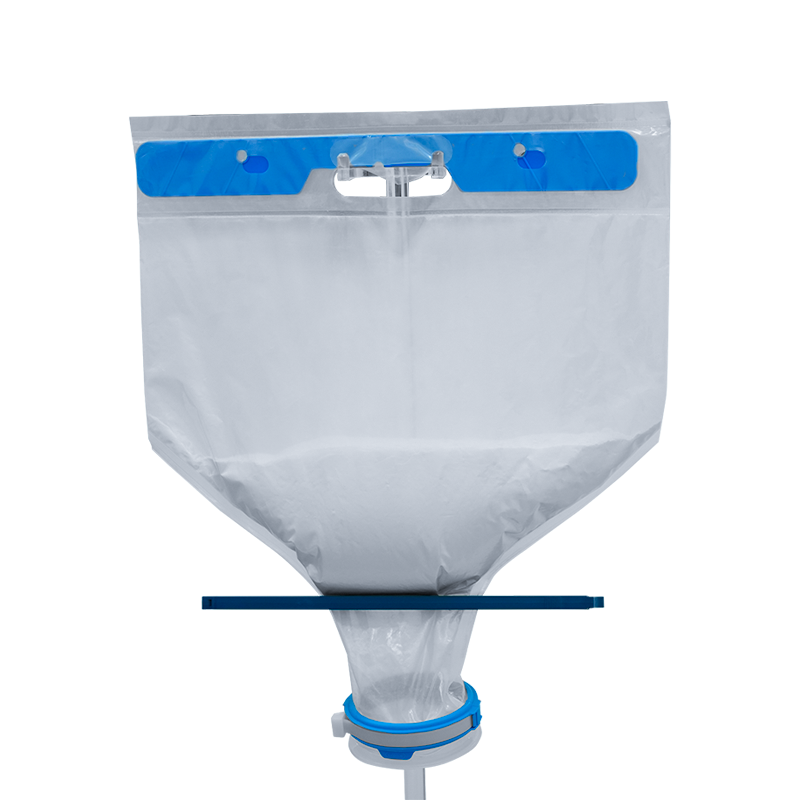
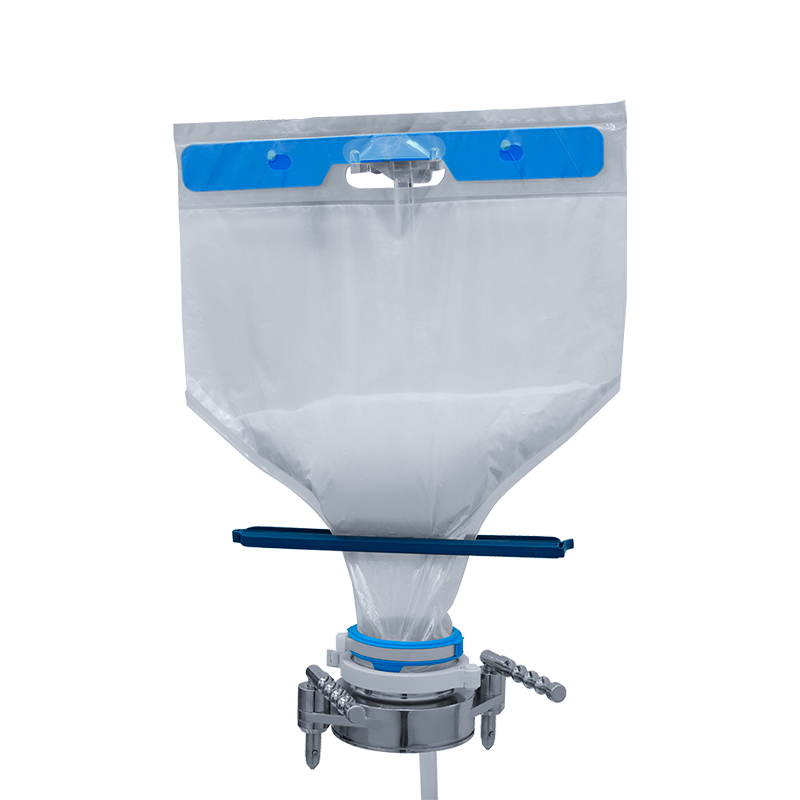
The same logic extends to the container itself. A disposable sterile powder transport, storage and feeding bag, for instance, arrives with its connector already integrated and sterilized, so powder can be charged, moved and discharged through a single sealed path.
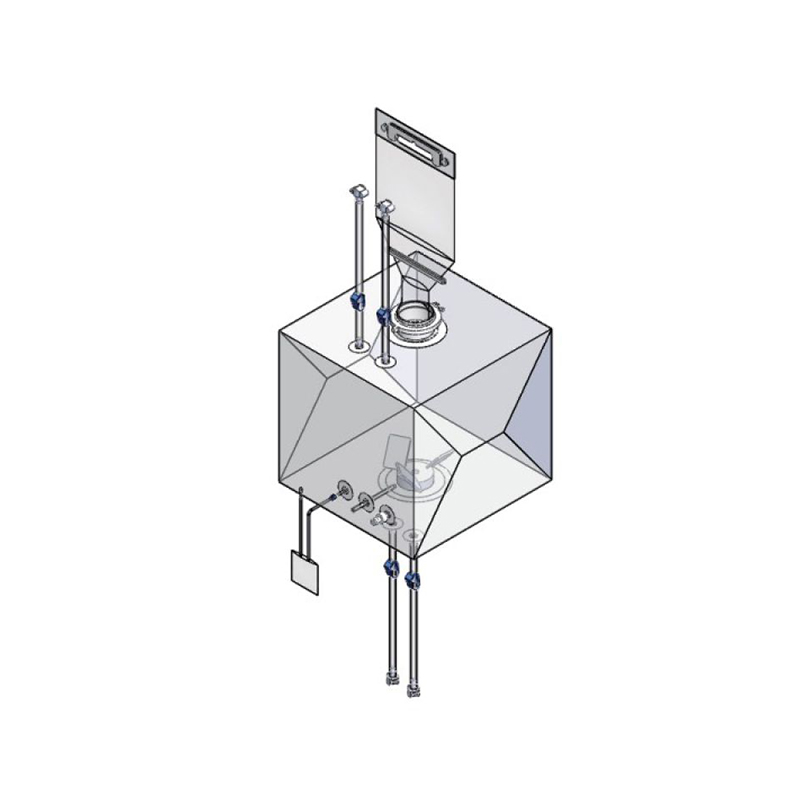 Disposable Sterile Powder Transfer and Feeding BagSingle-use sterile bag for contained powder charging, storage, and discharge, available in 3–100 L with integrated connectors and irradiation sterilization.View Product →
| Type | How the sterile barrier is maintained | Typical applications | Reuse |
|---|---|---|---|
| Split butterfly valve | Two valve discs lock and rotate together; only outer surfaces face the room | Powder and liquid transfer between equipment and containers; drum discharge | Reusable; cleaned and re-sterilized |
| RTP port with beta bag or container | Interlocked doors; the beta half carries the sterile side of the interface | Introducing components and materials into isolators and gloveboxes | Reusable port, single-use beta parts |
| Single-use connector | Both halves protected by film or sleeve; mated inside a closed envelope | Media, buffer and sample lines; single-use assemblies | Single use |
| Single-use transfer bag with connector | Bag and connector supplied and gamma-sterilized as one sealed unit | Sterile powder transport, storage and feeding | Single use |
How to Choose the Right Aseptic Connector
Selection usually comes down to a handful of questions, and it pays to answer them in order rather than jumping straight to a part number.
- What is moving? Powder and liquid behave very differently. Particle size, flow rate and the risk of bridging all shape the bore and the geometry you need.
- What containment level applies? For highly active compounds, operator protection can drive the design more than sterility does.
- How will it be cleaned and sterilized? Steam-in-place, autoclave, CIP and gamma irradiation each rule out certain materials and seal designs.
- What documentation is expected? Material certificates, extractables information and sterilization dose records are often requested by quality teams before a trial even starts.
- How heavy and how awkward is the load? A large valve on a full drum needs a lifting aid, not a stronger operator.
- Will the two halves always come from the same system? Alpha and Beta parts are engineered as a pair. Mixing suppliers is a shortcut to a leak.
Installation, Operation and Everyday Care
Most sterility problems we see are not design failures. They are habits. A few routines make a disproportionate difference:
- Treat protective covers and plugs as part of the sterile barrier, never as packaging to be set down on a bench.
- Inspect seals and gaskets before every mating, and replace them on a defined schedule rather than when they look tired.
- Confirm full engagement of the two halves before opening the barrier, every single time.
- Follow the validated cleaning procedure, and check that the cleaning agents you use are compatible with the elastomers in the seals.
- Train operators on the specific device, not on aseptic connectors in general, and re-train after any line change.
- Record every connection. A simple log turns a future investigation into a short conversation.
Common Pitfalls Worth Avoiding
A few patterns repeat across projects. Assuming that one connector type can serve every duty is the most frequent: a design that is excellent for drum discharge may be awkward for a sampling line. Buying halves from different sources is another, since the interlock geometry and the sealing faces are matched as a set. Under-documenting a single-use assembly is a third — the connector may be sterile, but the bag, tubing and connections around it all need to be qualified together.
It is also worth remembering the human factor. A connector that is difficult to align, heavy to lift or unclear about whether it is locked will eventually be used incorrectly, no matter how good the drawing looks.
Working with a Partner Who Knows Sterile Transfer
Shanghai Yiling Fluid Machinery Equipment Co., Ltd., which builds its equipment under the ELING brand, has been developing and manufacturing pharmaceutical process hardware since 2010. The company works from a 5,000 square metre production facility equipped with more than 50 machining centres, CNC lathes, welding equipment and inspection instruments, supported by a technical team of over 60 people. Its products are reported to be running in more than 1,000 pharmaceutical companies at home and abroad.
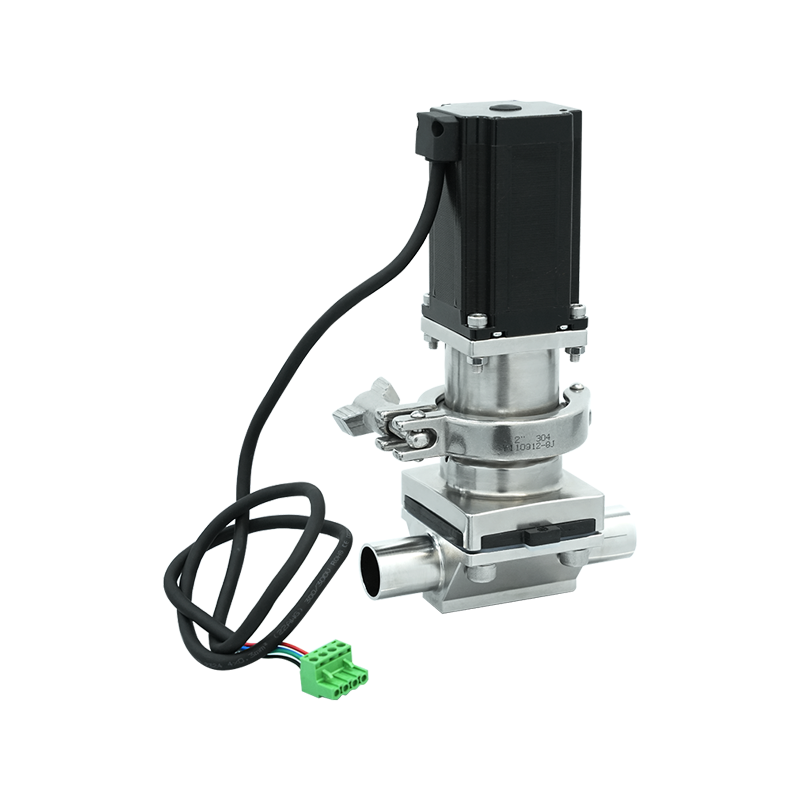
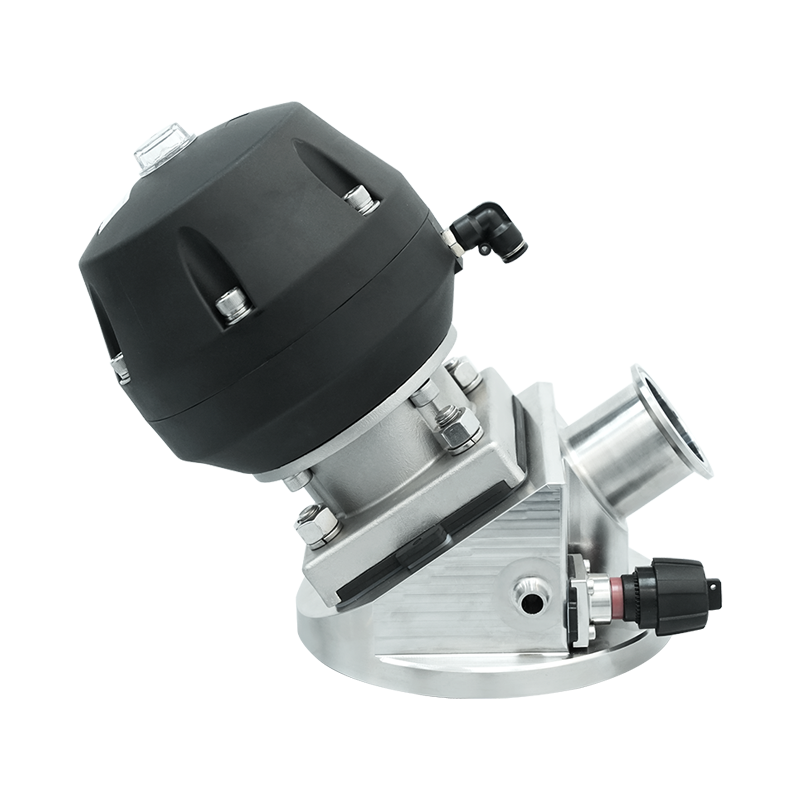
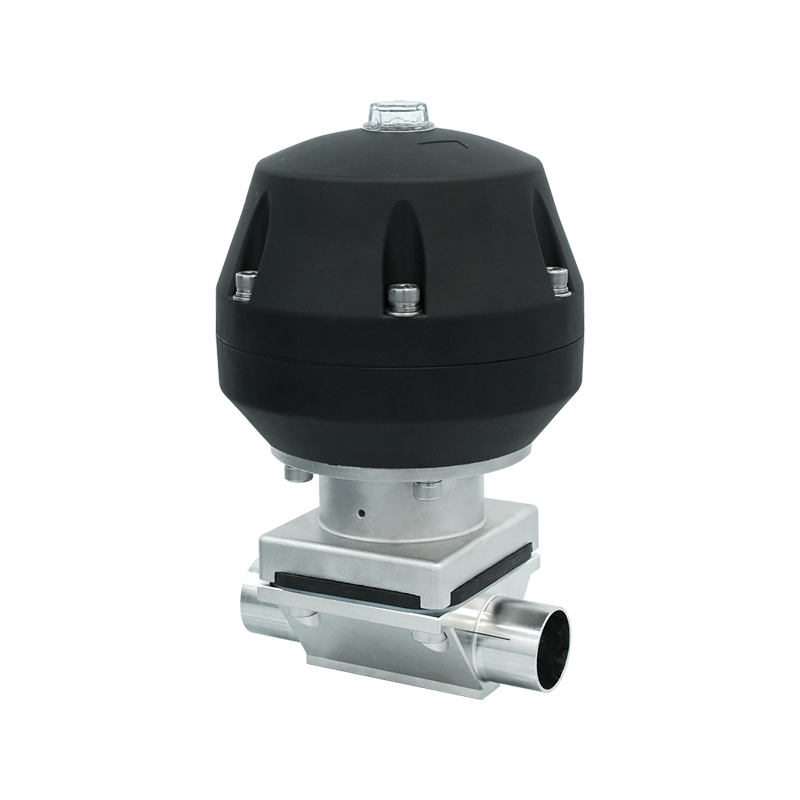
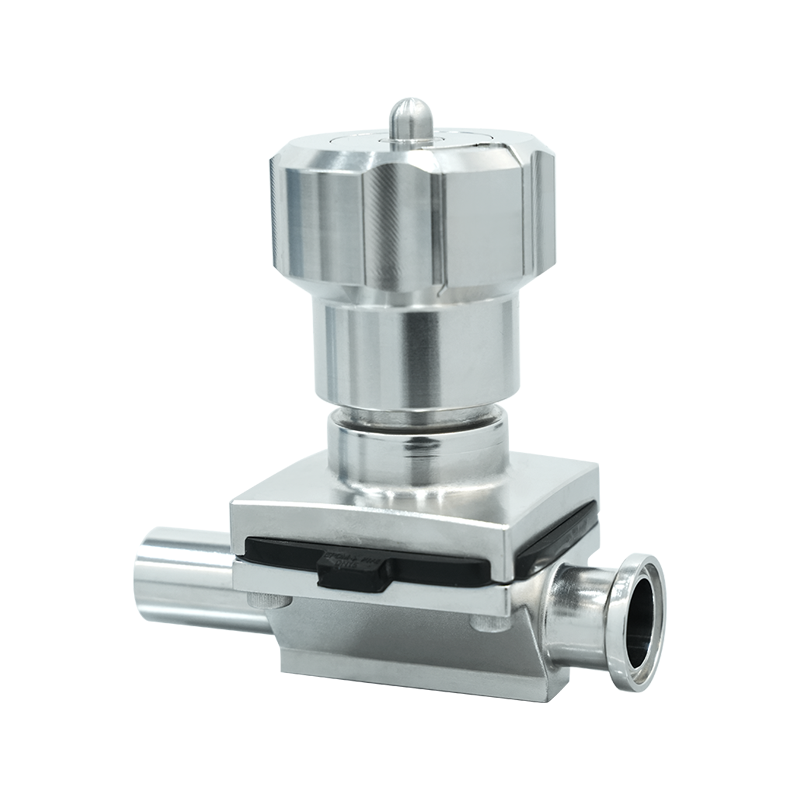
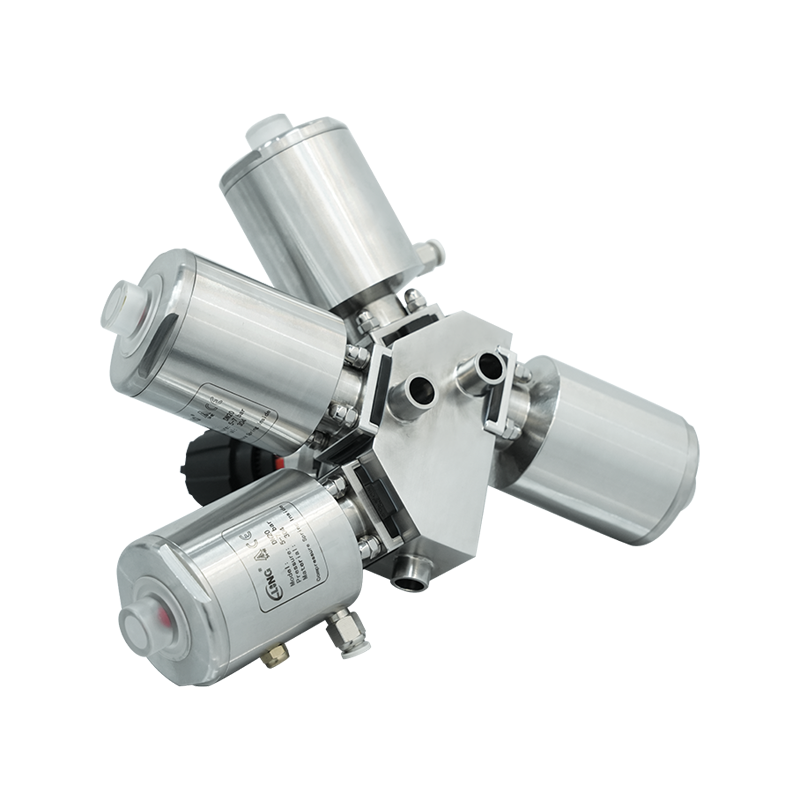
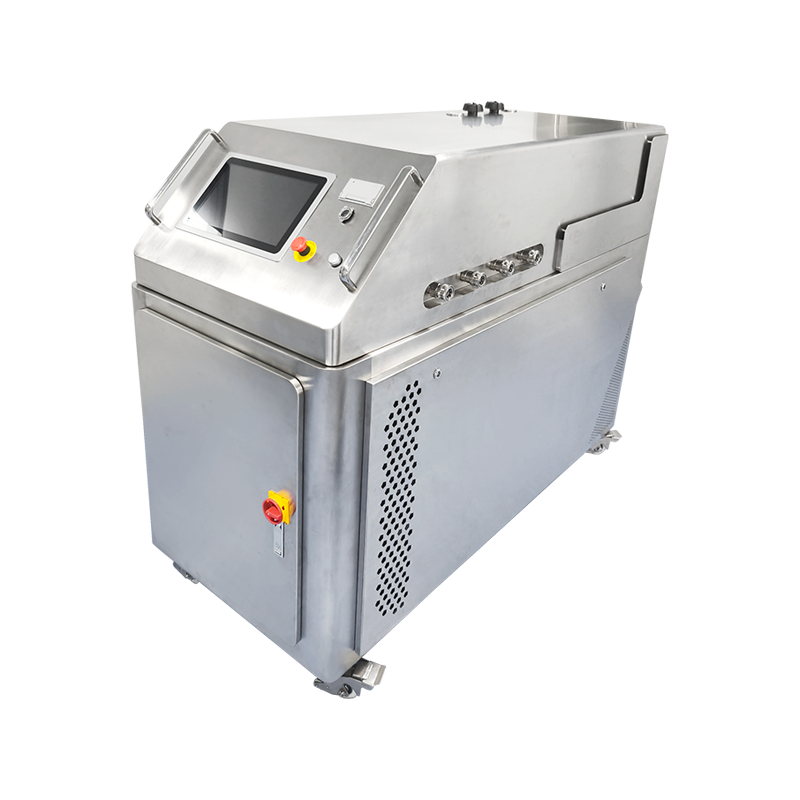
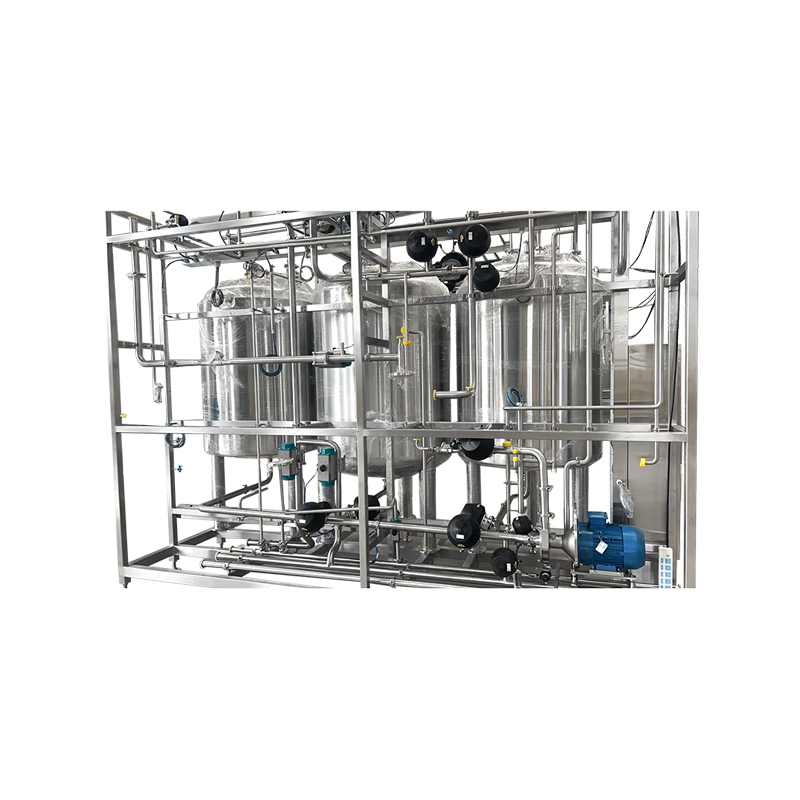
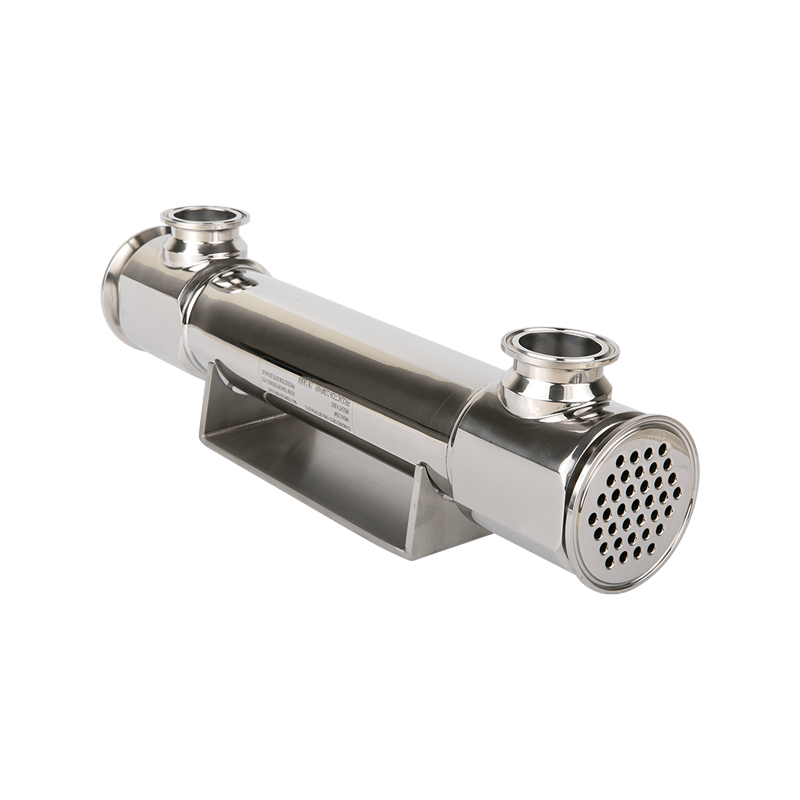
The product range covers the whole sterile transfer chain rather than isolated parts: split butterfly valves with Alpha plugs, Beta covers, cleaning devices, lifting chassis, sealed sampling valves and stainless steel containers; RTP valves with beta bags, sterilization containers and lifting trolleys; single-use powder transfer bags; manual, pneumatic, electric and tank bottom diaphragm valves; sanitary heat exchangers; and mobile GMP cleaning equipment with CIP and drying systems. Much of this hardware is grouped under a single framework for containment systems and aseptic transfer processes, which is a useful place to start if you are mapping a new line.
If you are working through a transfer problem — a new powder feed, an isolator entry point, a sampling routine that keeps interrupting production — a conversation with an engineer who has seen the same question before is usually faster than reading another datasheet.
Final Thoughts
An aseptic connector is a small piece of hardware carrying a large responsibility. Choosing the right family, matching it to the material and the containment level, and then supporting it with disciplined handling and cleaning is what keeps a sterile process sterile. The technology is well established and the options are broad — which is good news, because it means most transfer challenges already have a proven answer. The work is in picking the right one and using it consistently.