

Content
A 3D single-use bag is more than a large plastic container. In sterile processing, it works as a temporary, pre-sterilized process vessel that must hold its shape, protect its contents, connect safely to surrounding equipment, and empty cleanly. The “3D” part refers to the bag’s three-dimensional form. Instead of lying flat like a pillow, it is built to fit a support frame or bin and to use height as well as length and width.
That geometry changes what the bag can do. It supports larger working volumes, reduces the floor footprint, and can improve liquid recovery when the bag is drained. It also changes how the bag is handled, filled, transported, and qualified. Teams that treat a 3D bag like a scaled-up 2D bag often discover the difference during commissioning rather than during design.
What Makes a Bag Truly 3D?
A true 3D single-use bag is designed around a defined support structure. The bag may sit inside a stainless-steel bin, a rigid frame, or a purpose-built container. When filled, the flexible film presses against the support, and the bag takes on a box-like or contoured shape. This is different from a 2D bag, which is essentially two flat film panels sealed together and supported from the top or placed in a shallow tray.
The practical result is volume. Common 3D formats span roughly 50 L to 3,000 L, although the exact range depends on the supplier and application. A 2D bag is often the better choice for laboratory work, small pilot batches, and sampling. A 3D bag becomes relevant when a team needs to store, transfer, or process a larger volume without adding several smaller containers and the associated connections.
Geometry also affects mixing, drainage, and handling. A well-designed 3D bag avoids sharp folds that can trap liquid or create unnecessary stress on the film. Its outlet port should sit at the lowest practical point when the bag is in its support. The bag should be easy to lift, position, and empty without straining seams or putting weight on the ports.
Where 3D Single-Use Bags Fit in Sterile Processing
In bioprocessing, 3D single-use bags are commonly used for sterile media and buffer preparation, intermediate holding, bulk transfer, formulation, and cell culture support where large volumes are involved. They can reduce cleaning validation and turnaround time compared with reusable vessels, provided the bag is integrated properly into the process and the supply chain is reliable.
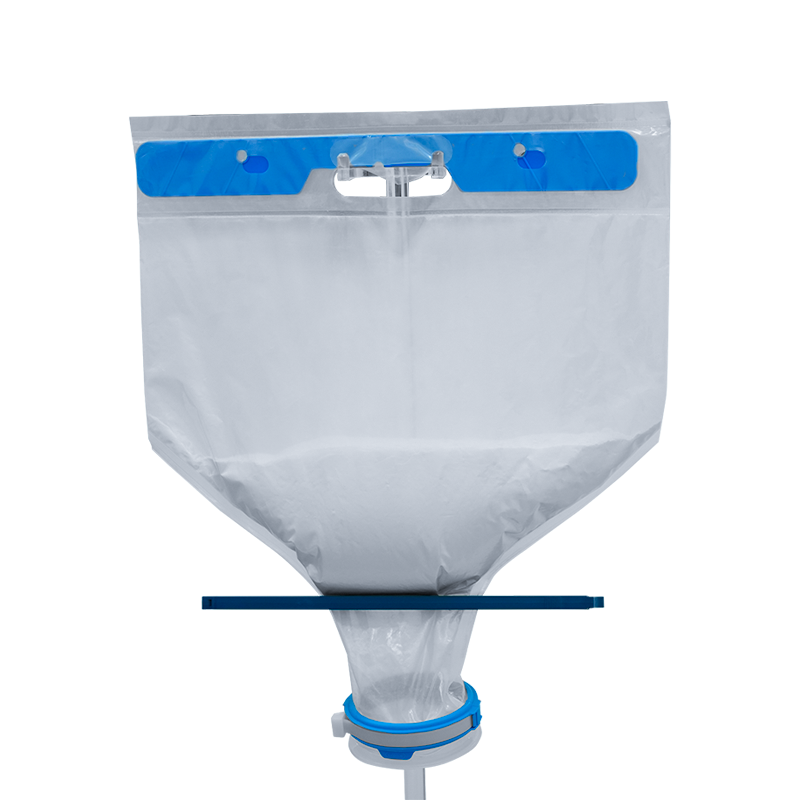
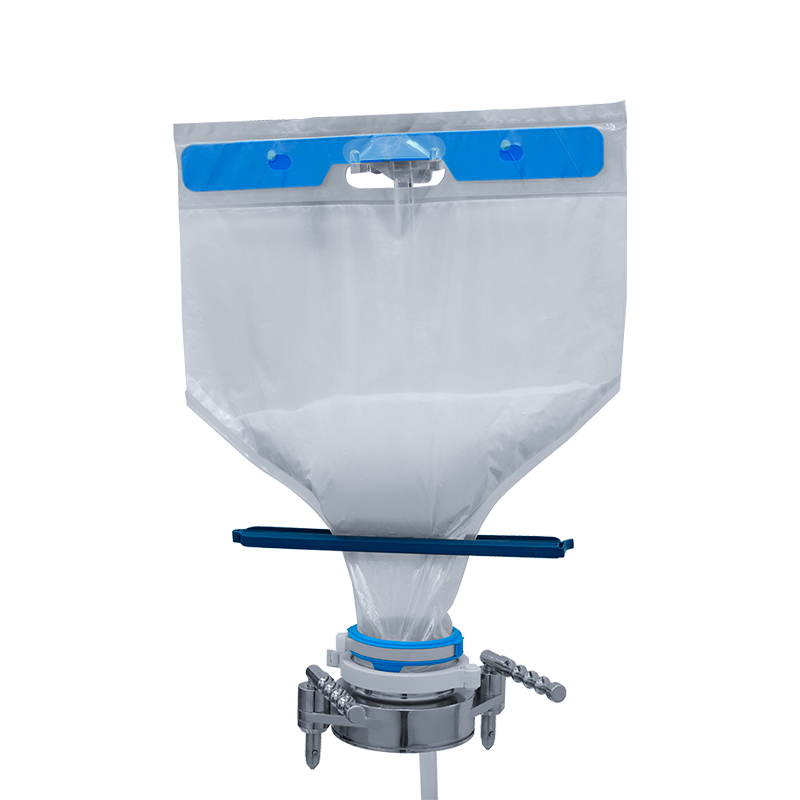
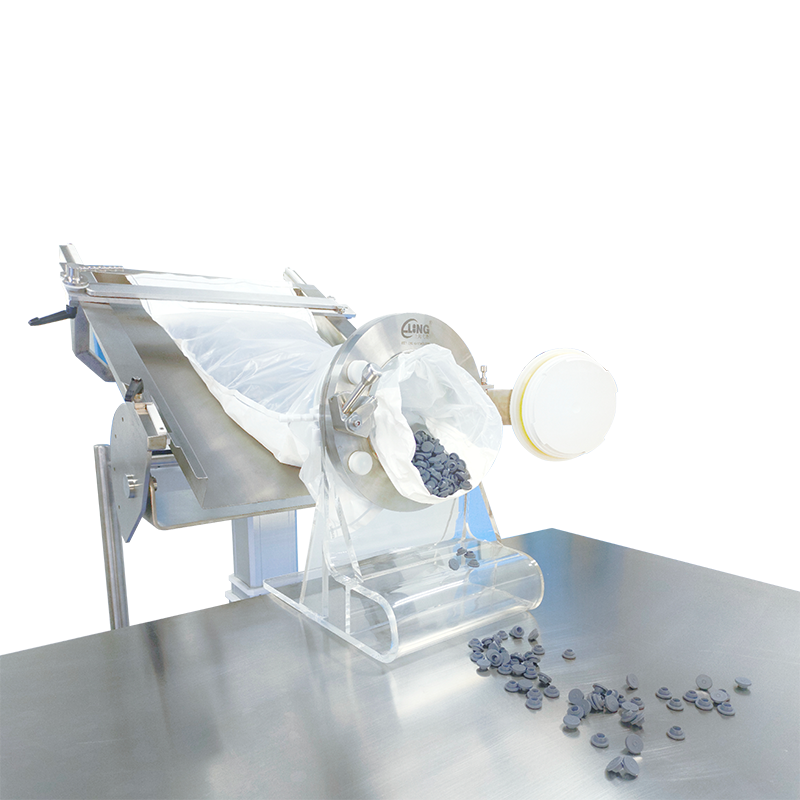
They are not limited to liquids. Powder handling also benefits from single-use containment, especially where dust control, cross-contamination prevention, and operator protection matter. A powder transfer bag may be flat or three-dimensional depending on the volume and the discharge method. In either case, the same questions apply: how does the bag connect, how is it supported, and how is the contents protected during transfer?
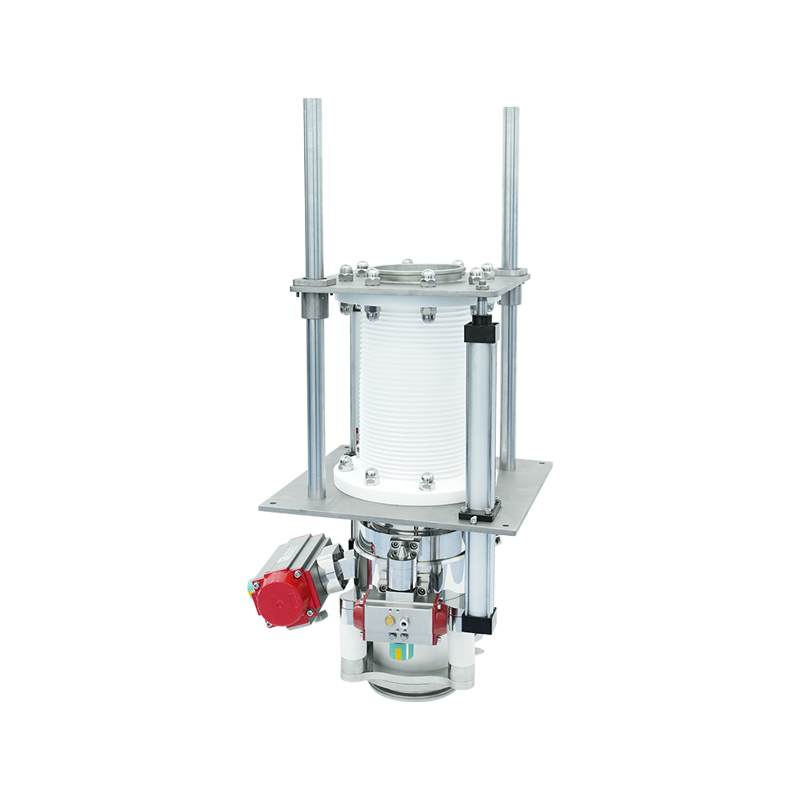
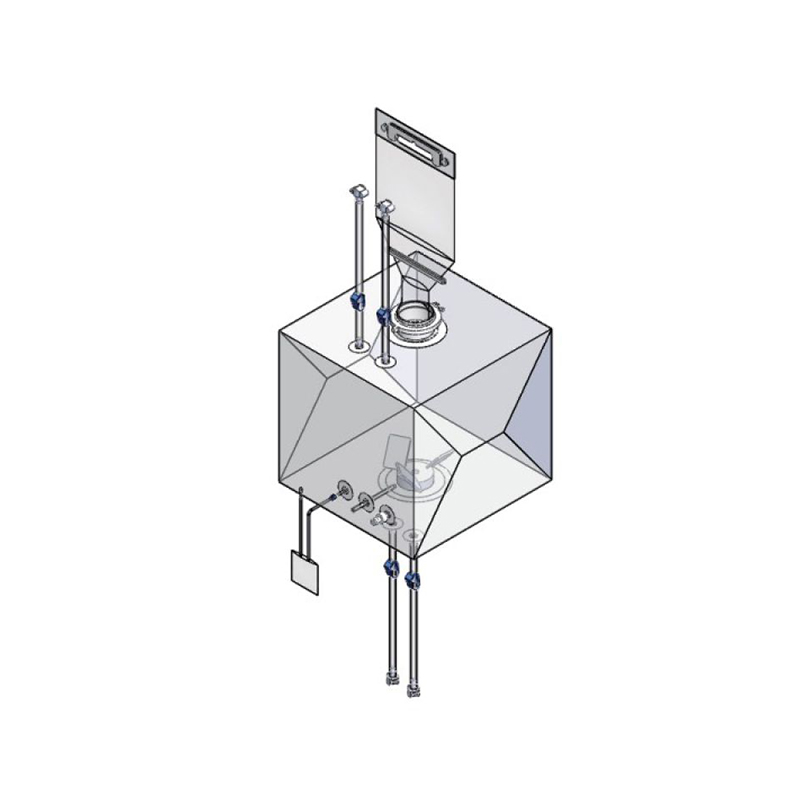 Disposable Sterile Powder Transport/Storage/Feeding BagDisposable sterile powder transfer/storage/feeding bagsView Product →
For powder-side operations, ELING offers a disposable sterile powder transport, storage, and feeding bag designed for contained handling. It is a practical reminder that “single-use” is not only about convenience. It is about creating a controlled, clean contact surface and a defined transfer path.
2D vs 3D: A Simple Comparison
The choice between 2D and 3D is usually driven by volume, footprint, drainage, and the handling equipment available. The table below keeps the comparison practical rather than theoretical.
| Consideration | 2D Single-Use Bag | 3D Single-Use Bag |
|---|---|---|
| Typical form | Flat, pillow-like film assembly | Box-like or contoured bag fitted to a support |
| Typical volume | Small to medium | Medium to large |
| Floor footprint | Low, but may need more units for large volumes | Uses vertical space and can reduce unit count |
| Handling | Simple to lift and position when small | Requires a support bin, frame, or lifting plan |
| Best fit | Lab work, sampling, pilot batches | Large-volume holding, transfer, and processing |
Material, Film, and Port Choices
Most 3D single-use bags use a multilayer film. The product-contact layer must be compatible with the process fluid, while the outer layers provide strength, flexibility, and sometimes gas barrier performance. The film must tolerate filling, shipping, handling, and drainage without pinholes or seam failure. Extractables and leachables data, particulate cleanliness, and sterilization compatibility should be reviewed before the bag is used in a regulated process.
Ports deserve equal attention. A large bag may need separate connections for filling, venting, sampling, transfer, and drainage. Tubing, aseptic connectors, filters, and sensors should be arranged so that the bag remains balanced when filled and so that operators can make connections without unnecessary strain. The port layout should also support complete drainage and avoid dead legs.
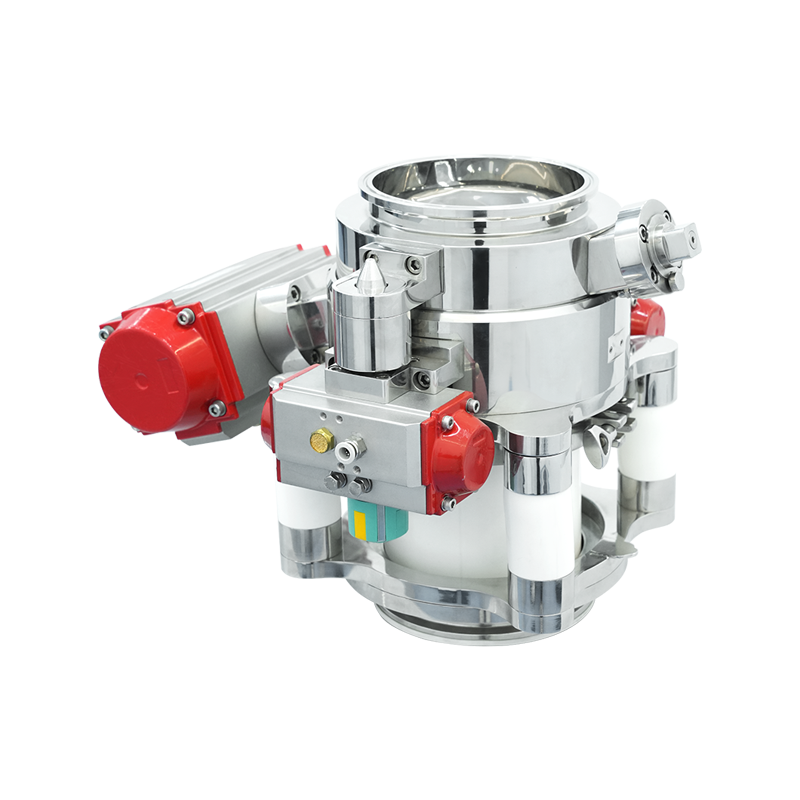
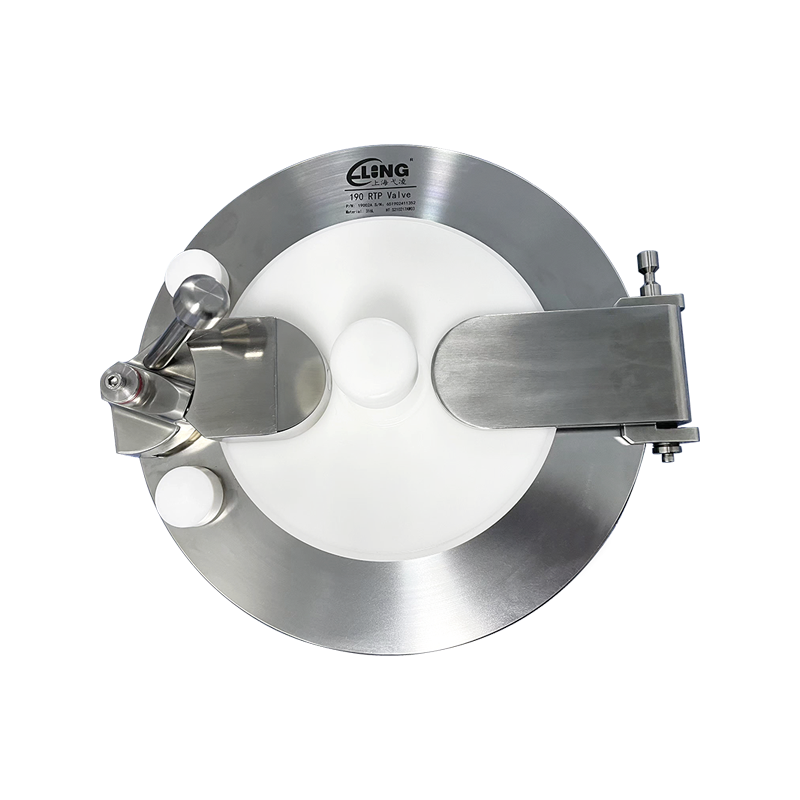
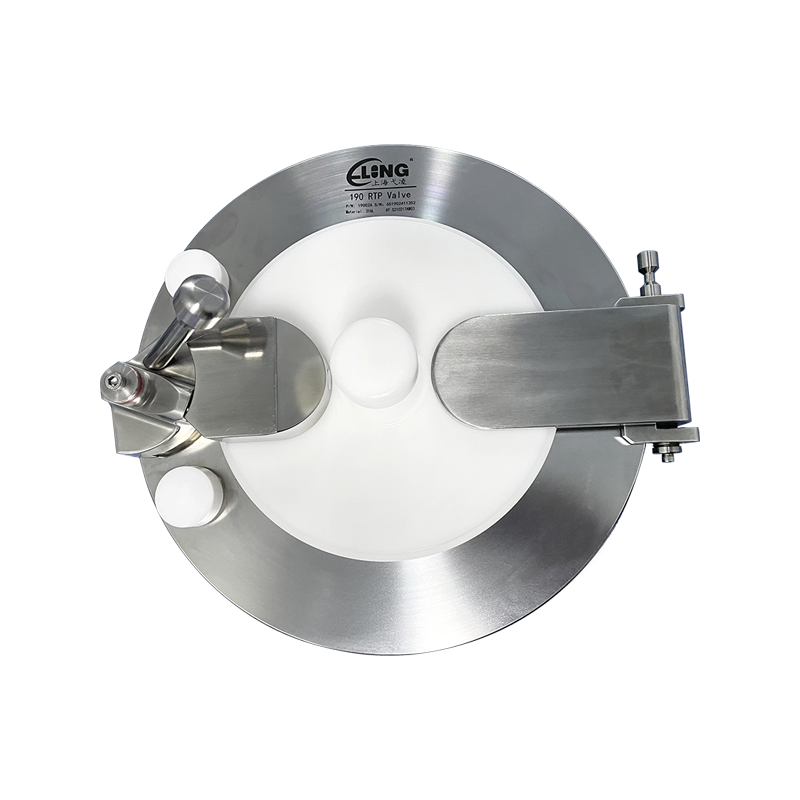
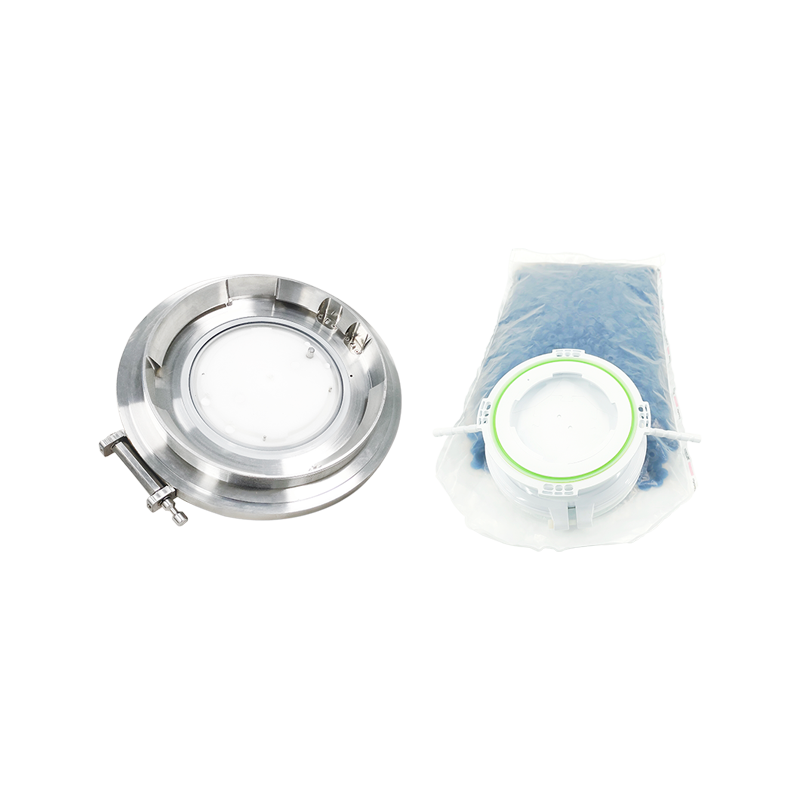
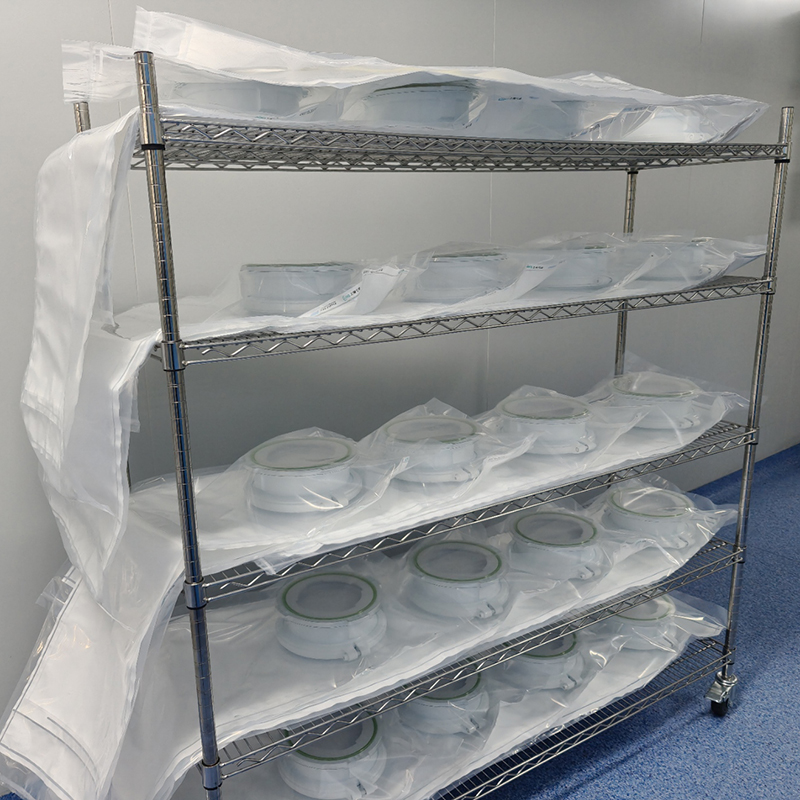 RTP Beta Bag for Closed Aseptic TransferSingle-use Tyvek/HDPE transfer bag with Beta valve, designed to dock with Alpha valves and maintain containment in rapid transfer workflows.View Product →
Where a bag must dock into a closed transfer system, the interface is part of the design. ELING’s RTP beta bag is used within rapid transfer system workflows, where a single-use container connects to a valve or port without breaking the containment barrier. The principle is simple: the bag and the hardware should be designed as one transfer sequence, not as separate purchases.
Handling and Operational Discipline
A 3D bag is only as reliable as the support system around it. Operators need a clear procedure for unpacking, inspection, inflation or pre-forming, placement in the bin, connection, filling, sampling, and discharge. Overfilling can stress seams. Poor lifting can put load on ports. Incomplete drainage can leave valuable product behind or create cleaning and disposal issues.
Traceability matters too. Bag lot numbers, film lots, port configurations, sterilization records, and any tubing assemblies should be documented. If the bag is used in a GMP environment, the supplier’s quality agreement, change control process, and irradiation or sterilization evidence should be part of the qualification package.
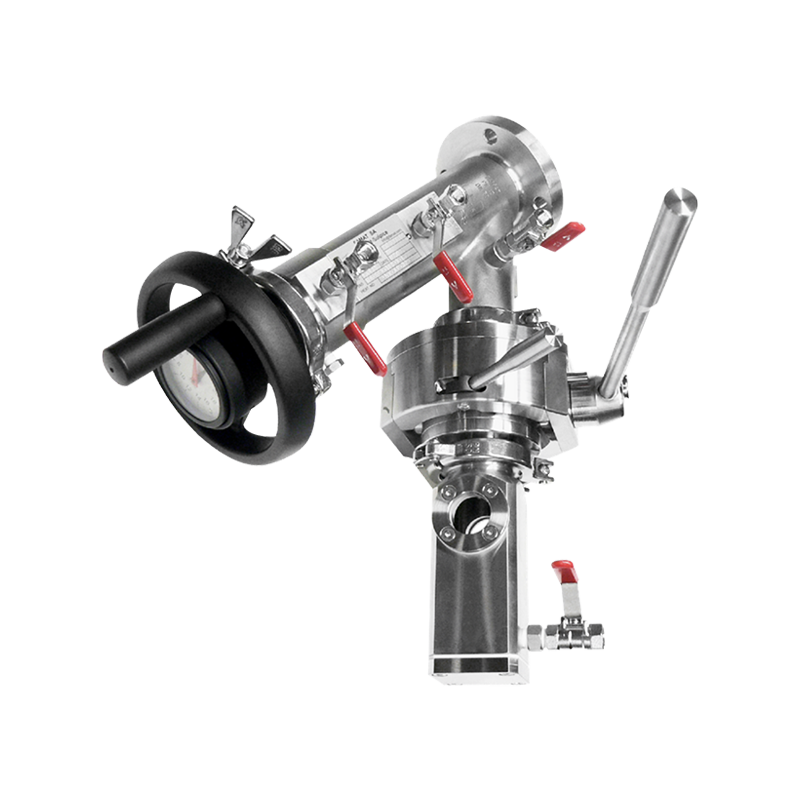
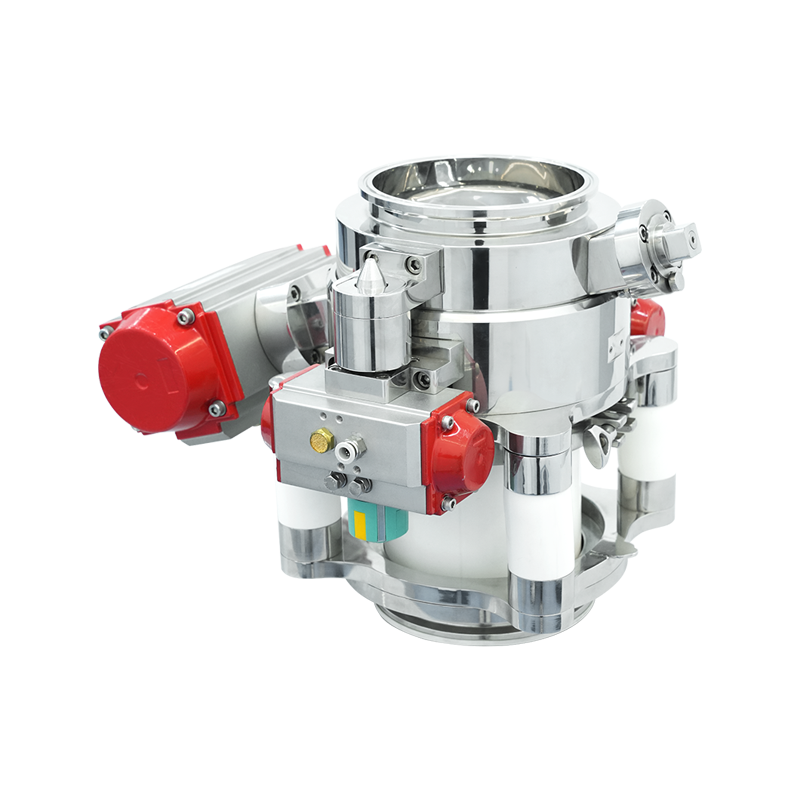
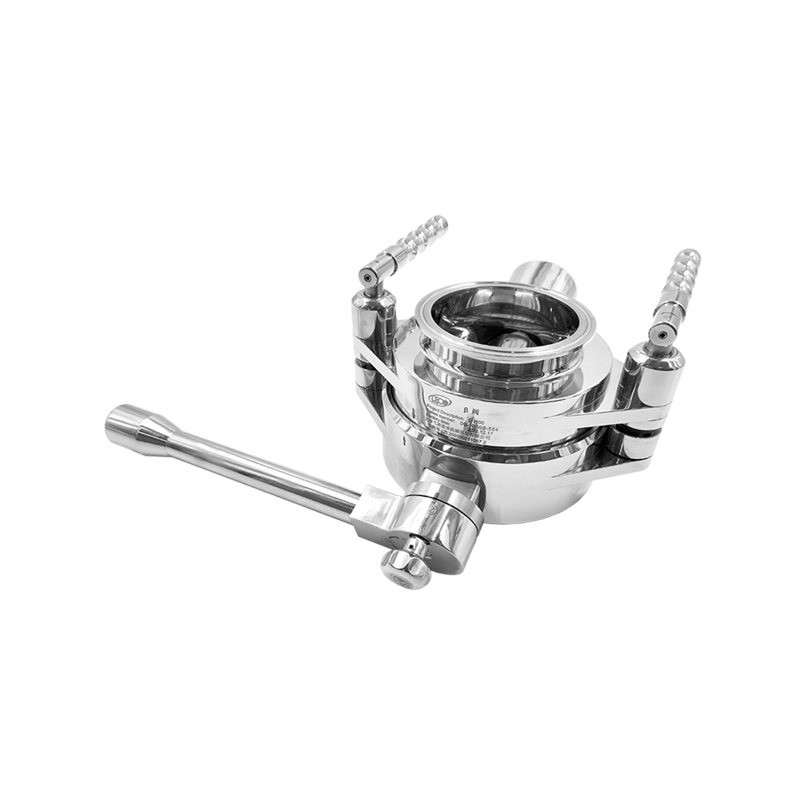 Containment Systems and Aseptic Transfer ProcessesCategory covering containment isolators, split butterfly valves, RTP ports and transfer bags for safe, compliant handling of potent powders and sterile materials.View Product →
For operations that combine bags with isolators, RTP ports, split butterfly valves, or contained transfer hardware, ELING’s containment systems and aseptic transfer processes provide a useful reference point. The aim is not to add complexity, but to make the path from container to process predictable and repeatable.
A Practical Selection Checklist
- Define the working volume, minimum and maximum fill, and the available support structure.
- Confirm the film and contact materials are compatible with the process fluid and sterilization method.
- Map every port: fill, vent, sample, transfer, drain, sensor, and any spare connection.
- Check drainage performance at the intended working angle and support position.
- Review handling weight, lifting points, and operator training needs.
- Obtain extractables, leachables, particulate, and sterilization documentation.
- Confirm the bag fits the transfer interface, not just the process vessel.
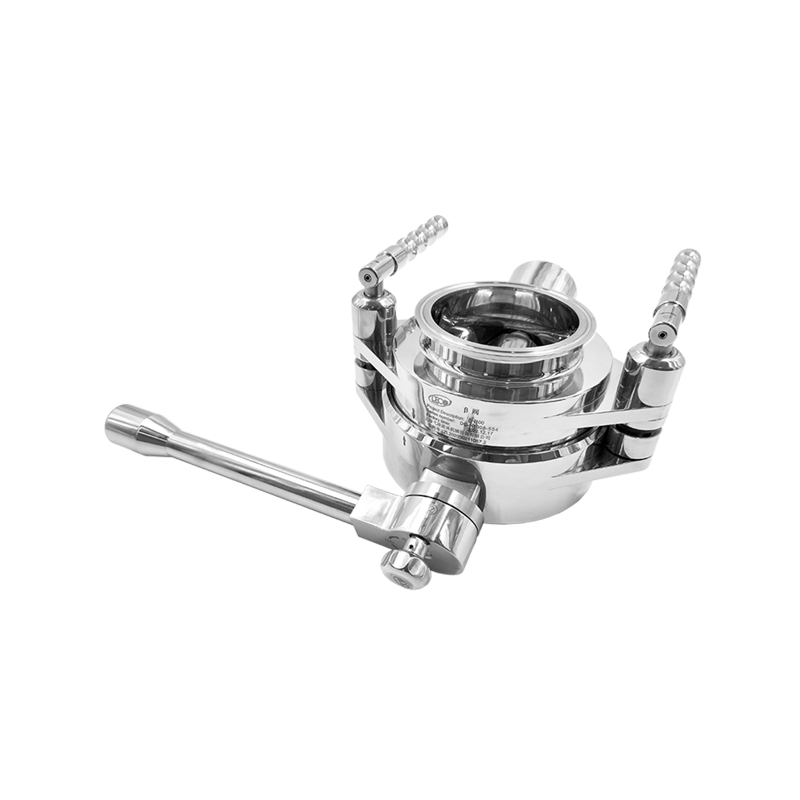
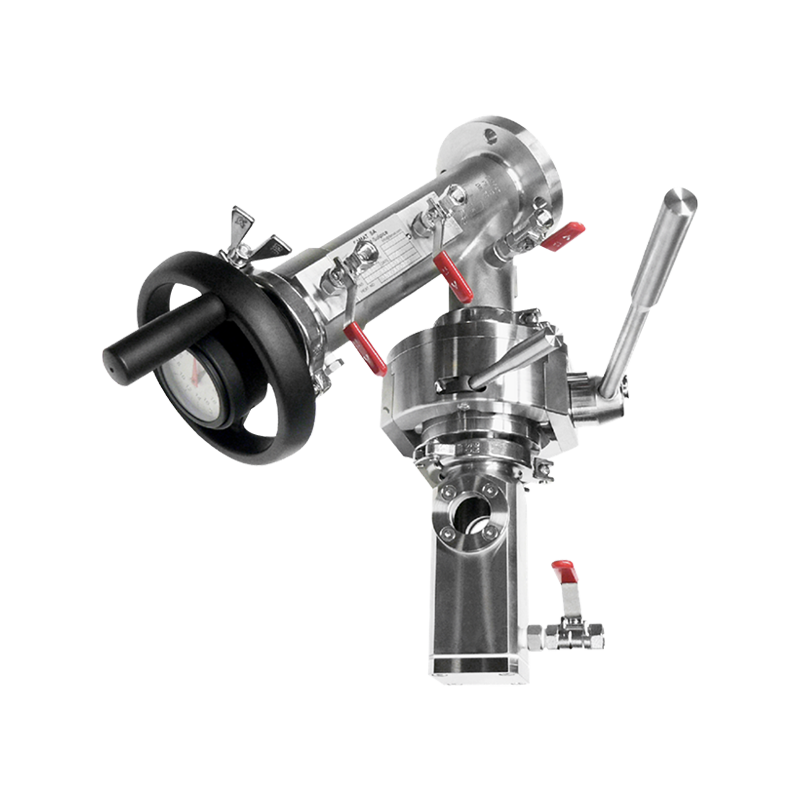
When a bag connects through a split butterfly valve, it is worth reviewing how the aseptic split butterfly valve maintains sterility during material transfer. The interface often determines whether the single-use bag delivers its full benefit or becomes an awkward add-on.
Where ELING Fits
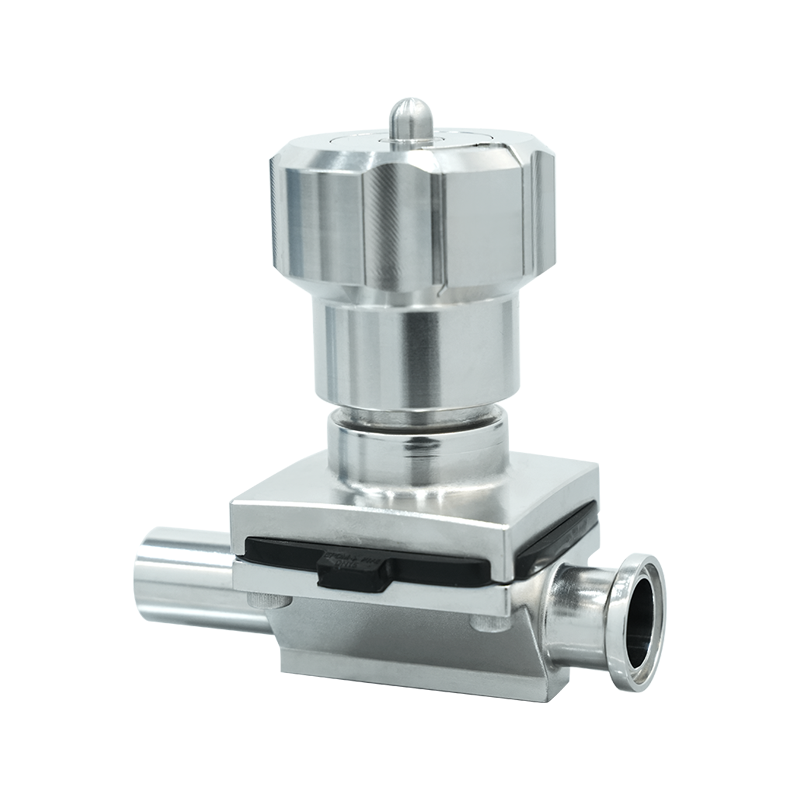
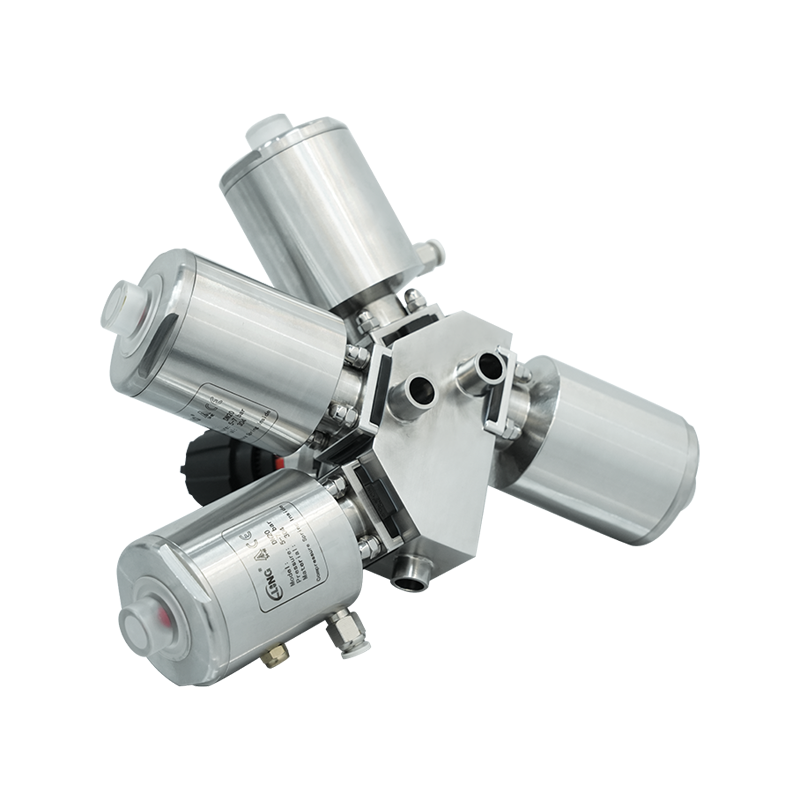
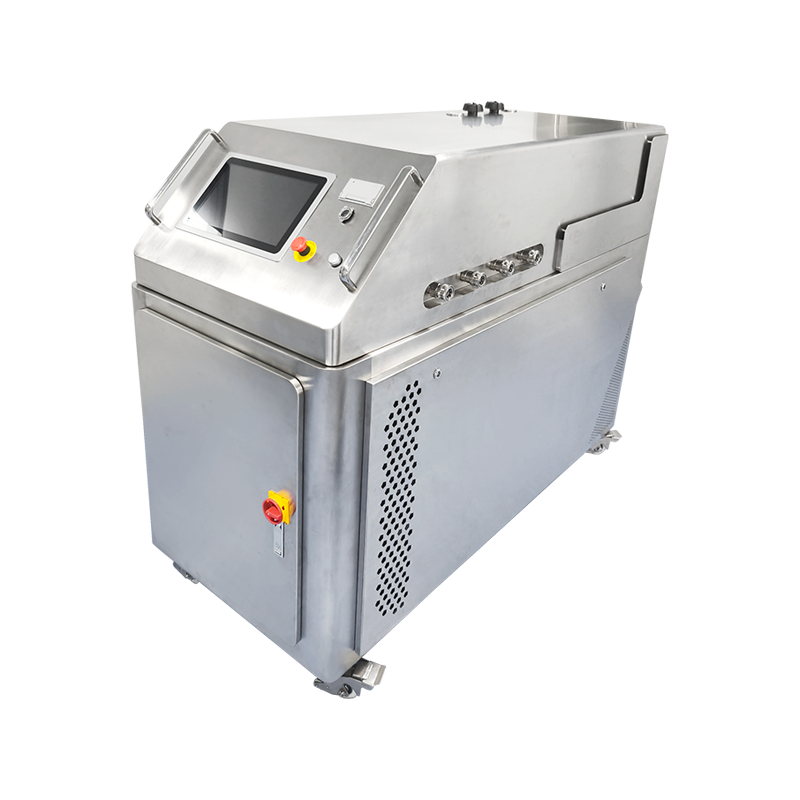
Since 2010, ELING has worked on pharmaceutical equipment and components for aseptic and contained processes. Our product range includes single-use powder transfer bags, RTP valves and beta bags, split butterfly valves, diaphragm valves, heat exchangers, and mobile cleaning systems. That mix reflects a practical view of sterile manufacturing: no single disposable item works alone. It sits within a chain of connections, supports, and operating procedures.
If you are evaluating a 3D single-use bag, start with the process step rather than the bag catalogue. Clarify the volume, the material, the transfer route, and the containment level. Then select the bag and the interface together. That approach usually leads to fewer surprises, cleaner operation, and a system that is easier to validate.
A 3D single-use bag is a useful process tool when its geometry, film, ports, and support are treated as one design. Used well, it can simplify large-volume handling and strengthen contamination control. Used casually, it can create handling problems that no amount of documentation will solve.