

Content
- 1 What Aseptic Really Means at a Connection Point
- 2 Where Aseptic Connections Appear in a Production Line
- 3 Four Practical Ways to Close the Gap
- 4 Design Details That Decide Whether a Connection Holds
- 5 Common Failure Modes and How to Counter Them
- 6 A Working Checklist for Connection Projects
- 7 How ELING Approaches Aseptic Connection Hardware
- 8 Questions We Hear From Production Teams
In a sterile drug manufacturing facility, the moment two pieces of process equipment meet is often the moment of greatest risk. Aseptic connections exist to manage that risk: they join two separate fluid or powder paths in a way that keeps contamination out, without exposing the product to the surrounding environment.
For engineers and production teams, the practical question is rarely whether aseptic connections matter. It is which method suits a given transfer, what the hardware around it must do, and how to prove that the connection held. This article looks at the connection points we see most often in pharmaceutical and biotech plants, the techniques used to close them, and the design details that separate a routine transfer from a batch investigation.
What Aseptic Really Means at a Connection Point
An aseptic connection is the controlled joining of two sterile or sanitized process paths, such as tubing to tubing, bag to bag, or container to isolator, performed in a way that minimizes the potential for microbial and particulate contamination. The wording deserves precision. The objective is not to create sterility from a non-sterile starting point; it is to protect the sterility that already exists on both sides of the interface.
That distinction explains why the industry treats aseptic and sterile as different claims. A sterile connection describes an absolute outcome, while an aseptic connection describes a process with a defined, validated and monitored contamination risk. Quality teams therefore judge a connection by its design, its handling procedure, and the evidence that both were followed, rather than by the label printed on the packaging.
Where Aseptic Connections Appear in a Production Line
Aseptic connections are not a single component that can be specified once and then forgotten. They are a recurring requirement from media preparation through to final formulation, and each point brings its own hardware, its own operator routine and its own failure modes.
| Connection point | Typical application | Primary protection |
|---|---|---|
| Buffer and media preparation | Transferring formulated liquid into a bioreactor or mixing vessel | Pre-sterilized connector or tube welding |
| Bioreactor harvest | Moving cell culture fluid toward purification | Sterile connector on a single-use assembly |
| Powder addition | Charging sterile powder into a mixing tank | Split butterfly valve with an Alpha and Beta interface |
| In-process sampling | Pulling a sample without breaking containment | Sealed sampling valve |
| Isolator charging | Introducing components into a barrier system | Rapid transfer port with a Beta container |
| Equipment and drain lines | Docking a mobile cleaning unit to a vessel | Sanitary clamped connection with an integrity check |
Four Practical Ways to Close the Gap
1. Tube welding
Thermal fusion welders join two thermoplastic tubes by melting and merging their ends. The method is well established for flexible fluid paths, and the weld itself can be inspected and pressure tested. The trade-off is that tubing is consumed with every weld, and the operation demands a trained hand plus a validated welder that is maintained and requalified on schedule.
2. Pre-sterilized single-use connectors
Genderless disposable connectors arrive irradiated and ready to mate, which makes them attractive for single-use assemblies where speed matters. It is worth remembering that a connector is a device, not a guarantee. Its performance depends on correct storage, undamaged packaging, a clean connection sequence and a realistic assessment of the surrounding environment during the open phase.
3. Mechanical transfer interfaces
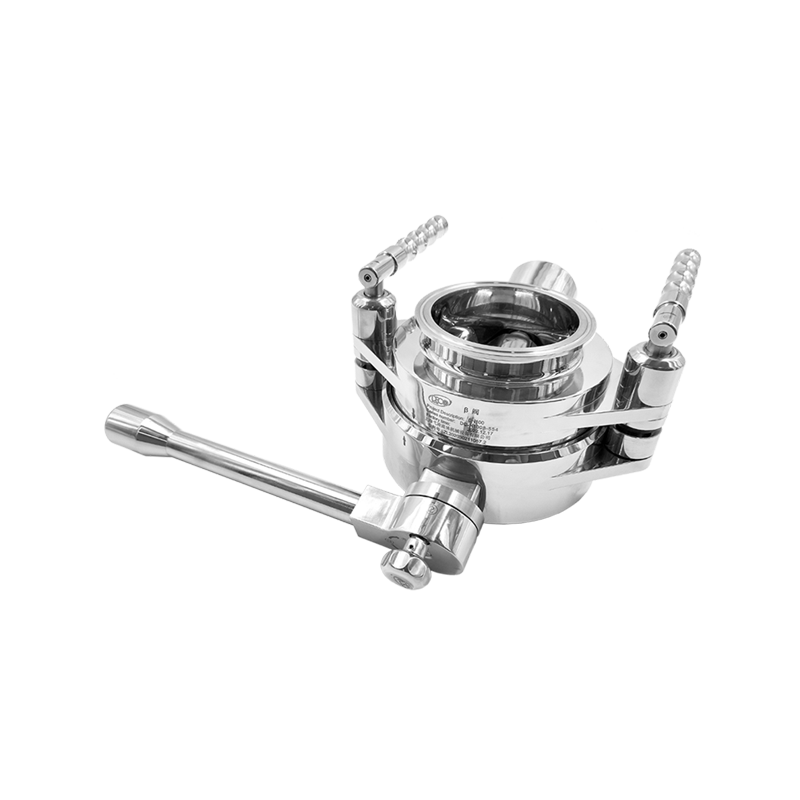
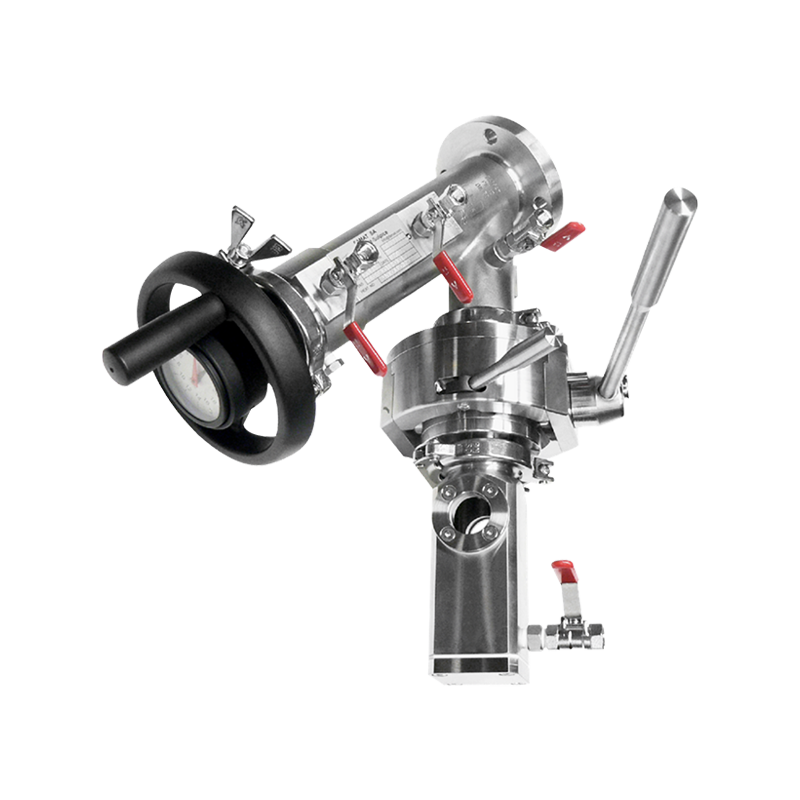
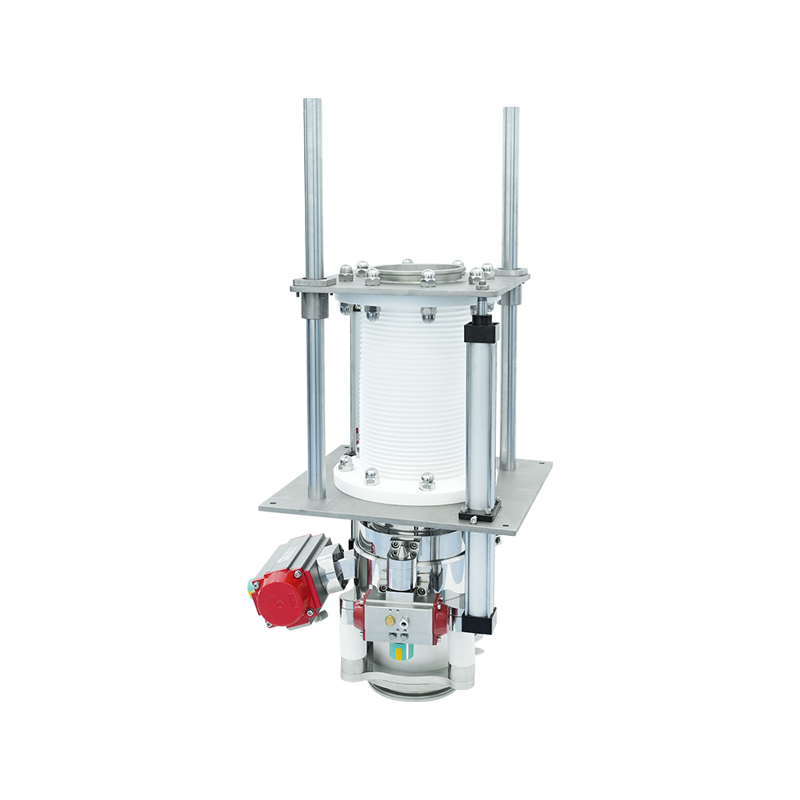
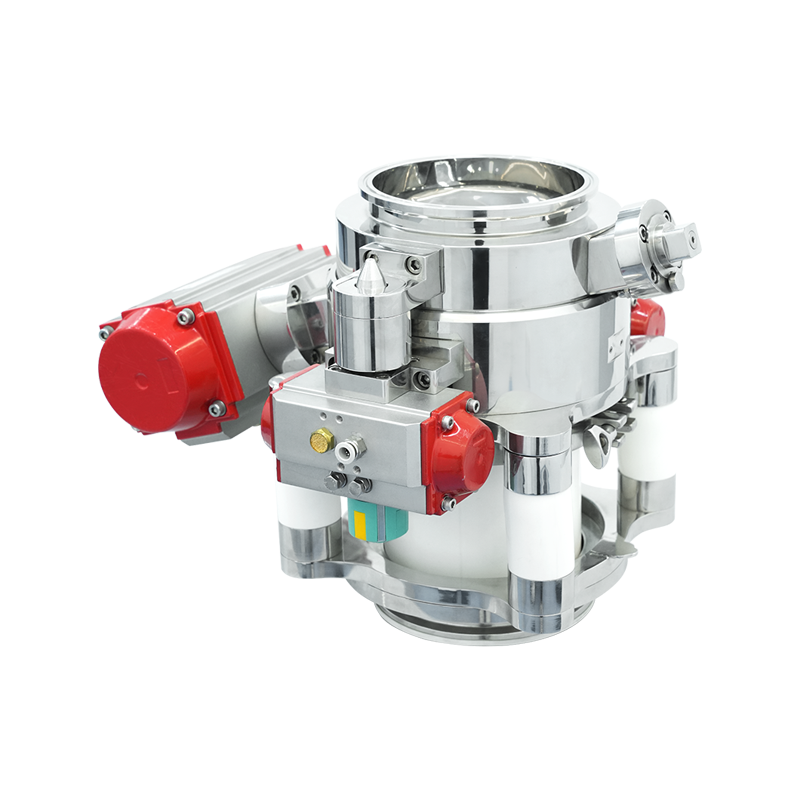
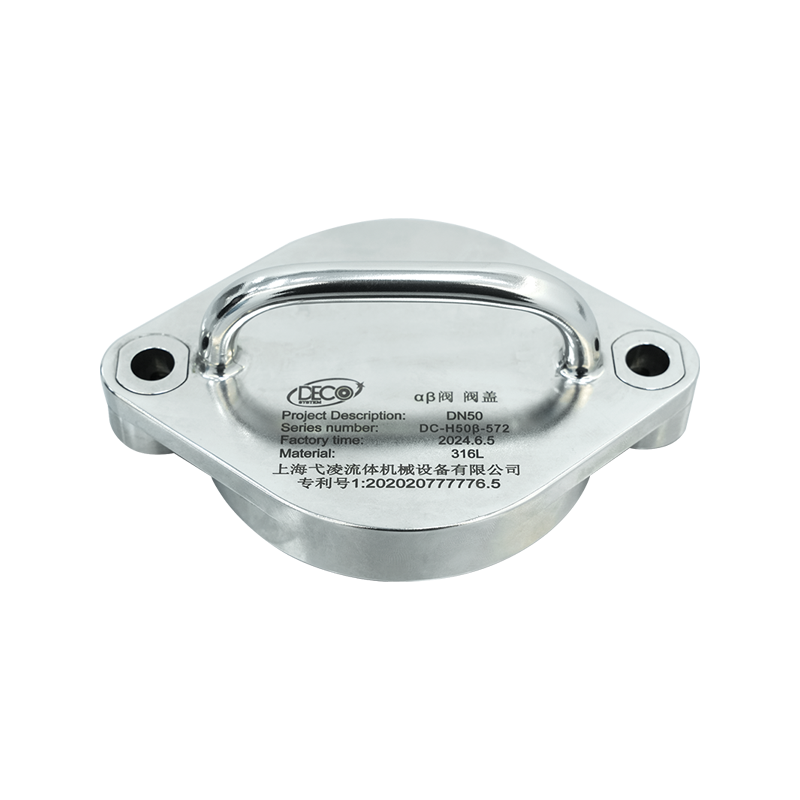
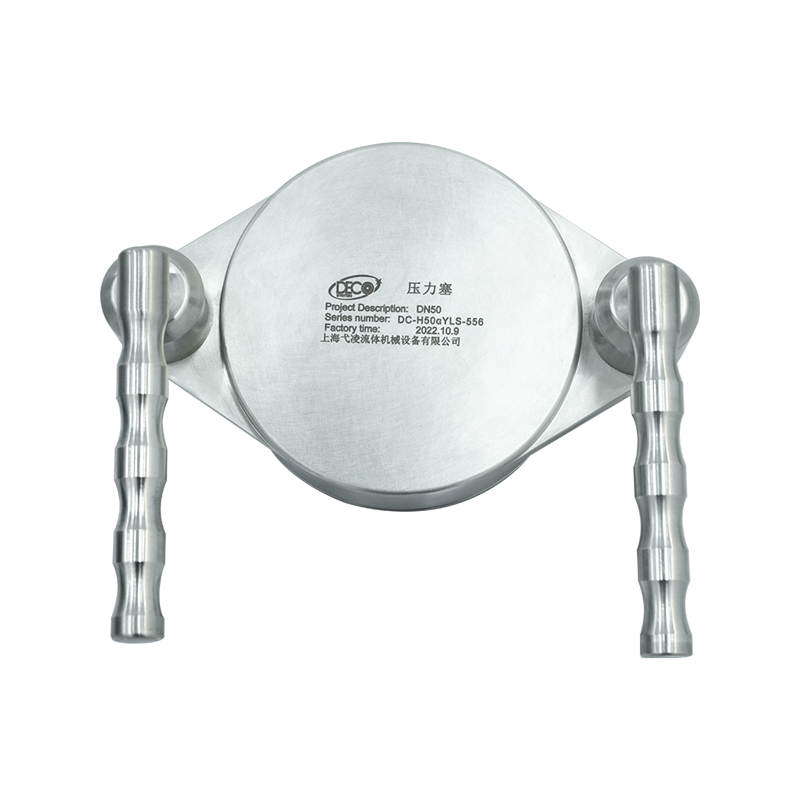
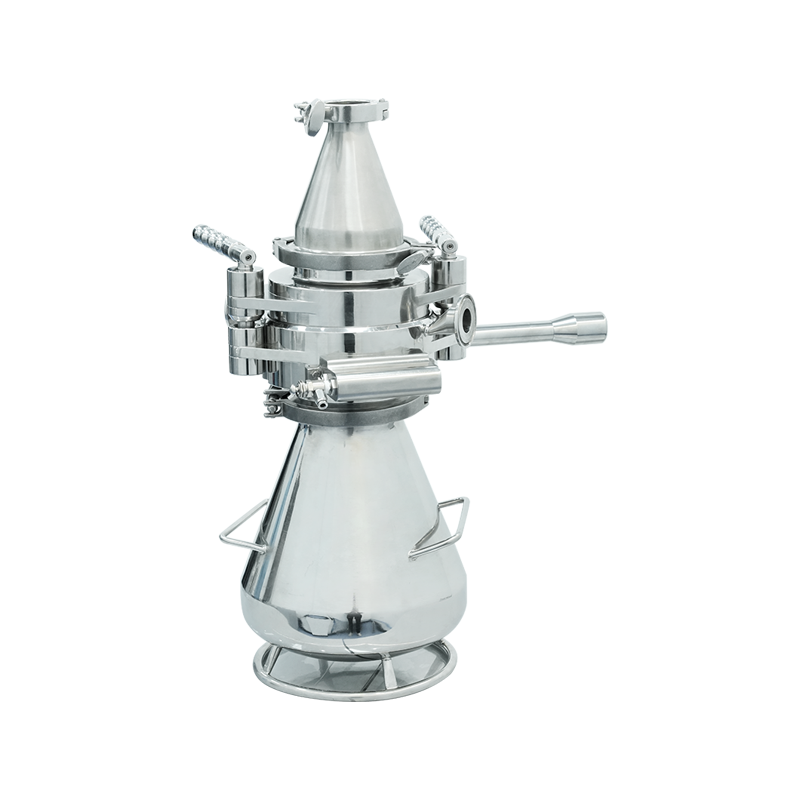
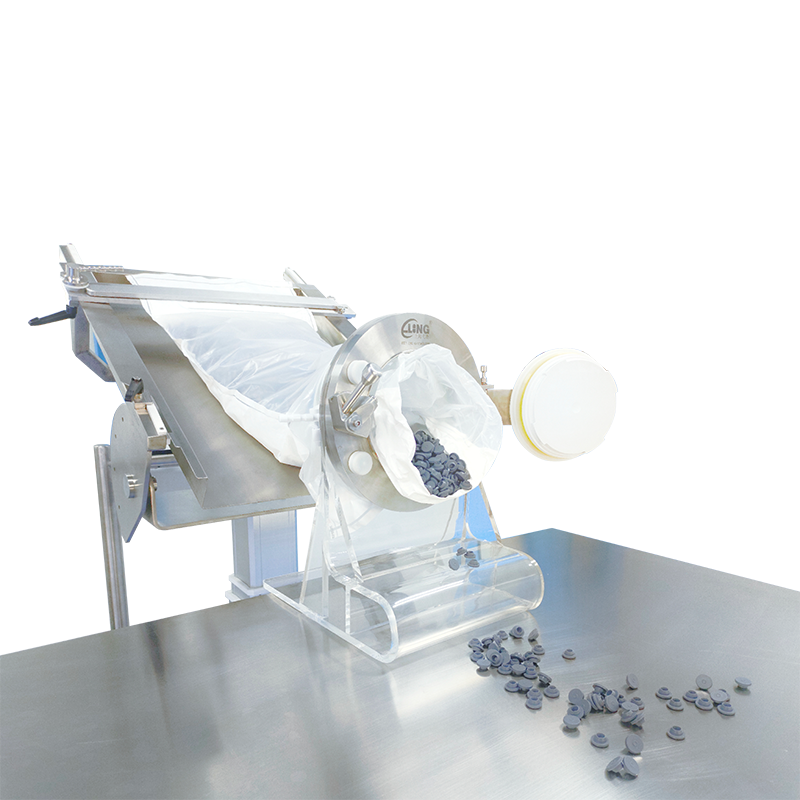
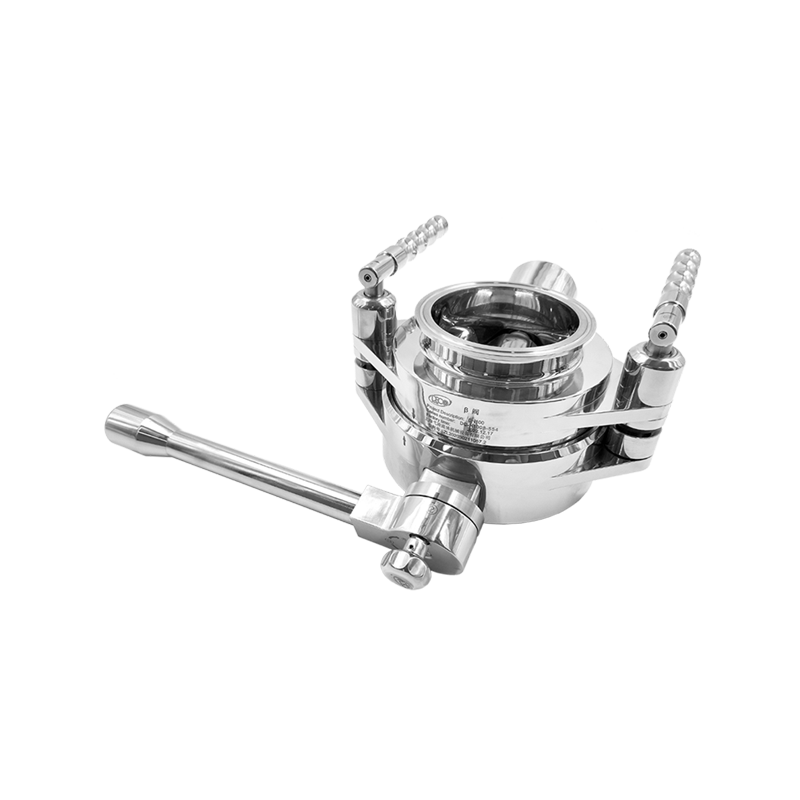
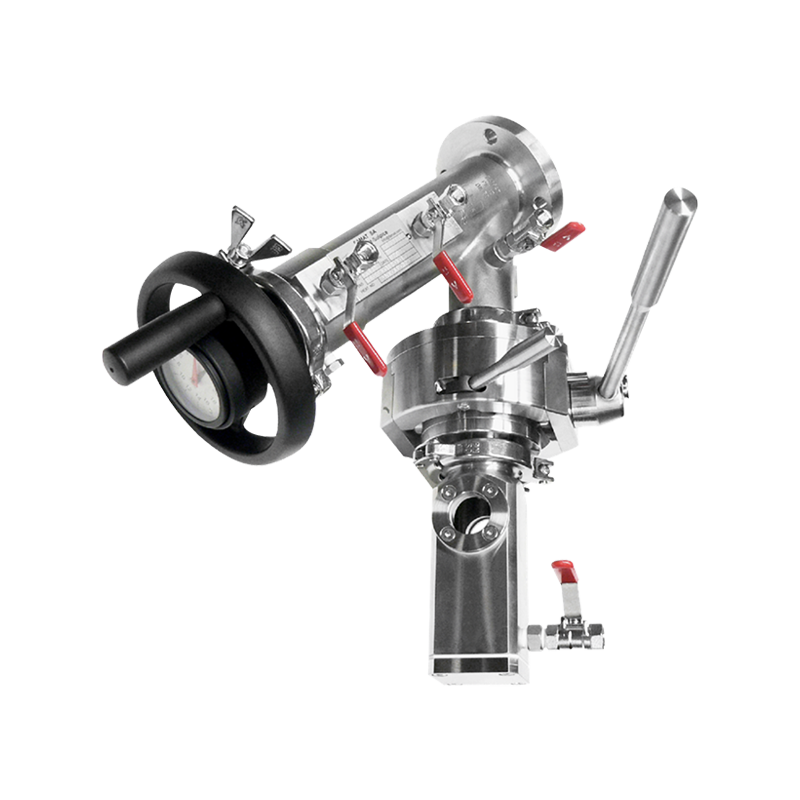
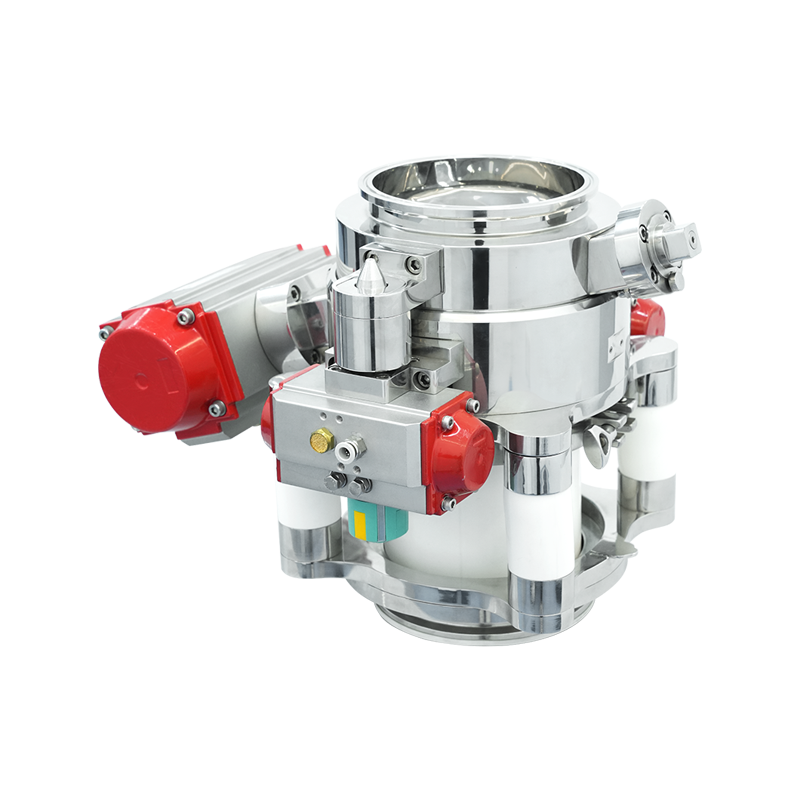
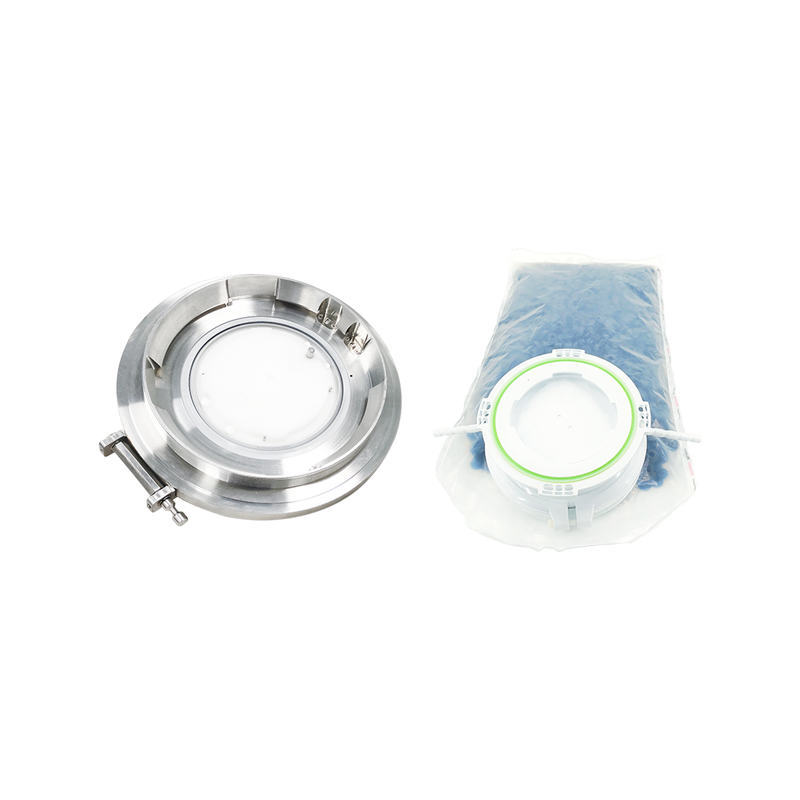
Split butterfly valves divide a connection into two halves: an Alpha unit mounted on the equipment or vessel and a Beta unit carried by the container. When the two halves dock, the product only ever contacts the sterile interior surfaces, and the external faces never enter the product path. The same principle underpins rapid transfer ports, which allow materials to move into an isolator while the barrier stays intact. Understanding how an aseptic split butterfly valve maintains sterility during material transfer helps teams specify the right configuration before the first batch rather than after the first deviation.
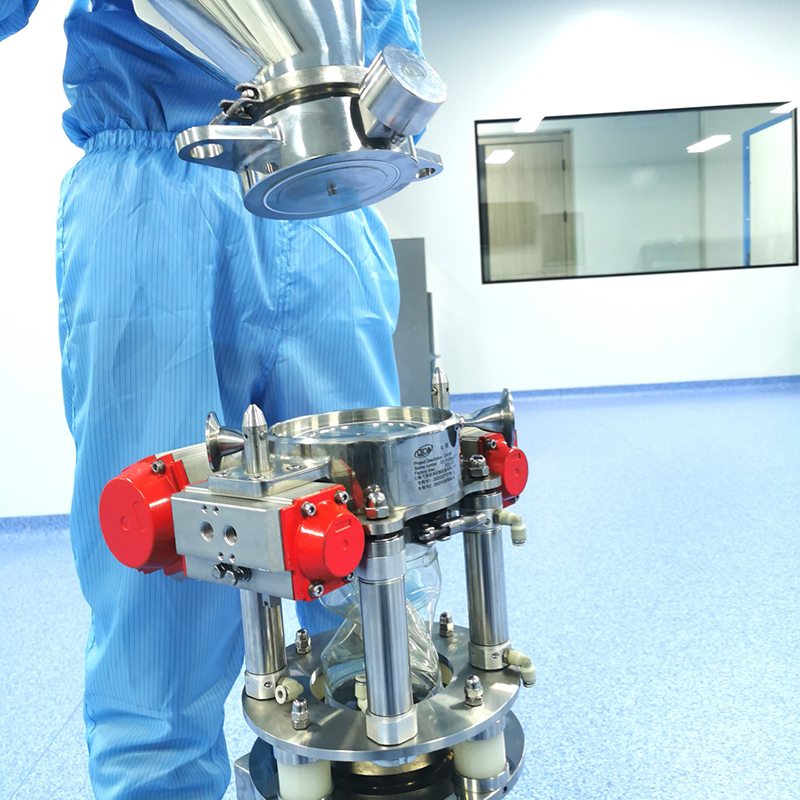 Aseptic Split Butterfly ValveIn the pharmaceutical field, various active pharmaceutical ingredients (API) and isolated pharmaceutical intermediates (IPI) are involved in the entire production proc...View Product →
4. Powder transfer and bag docking
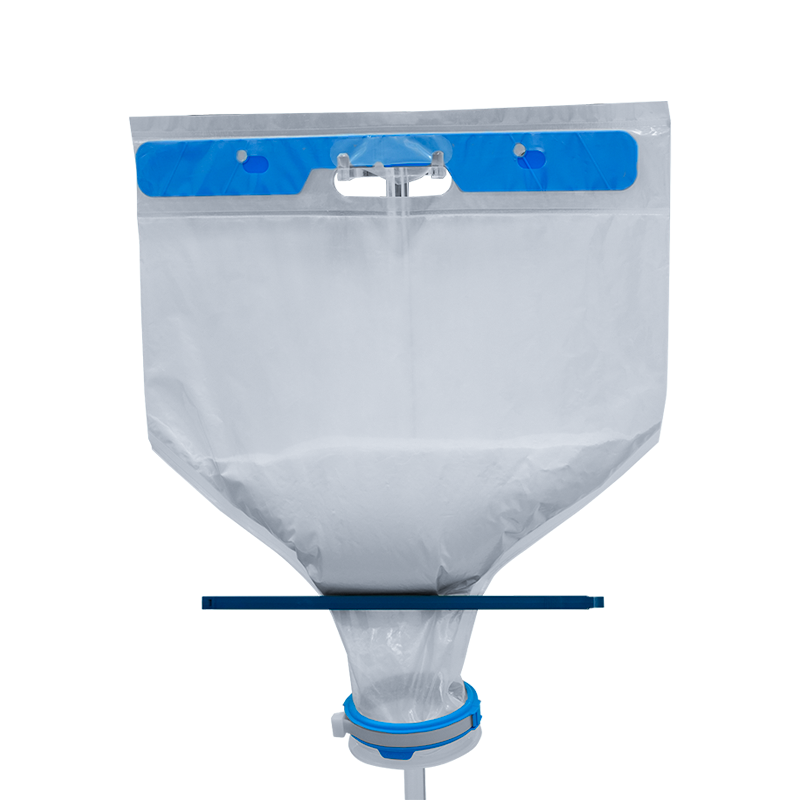
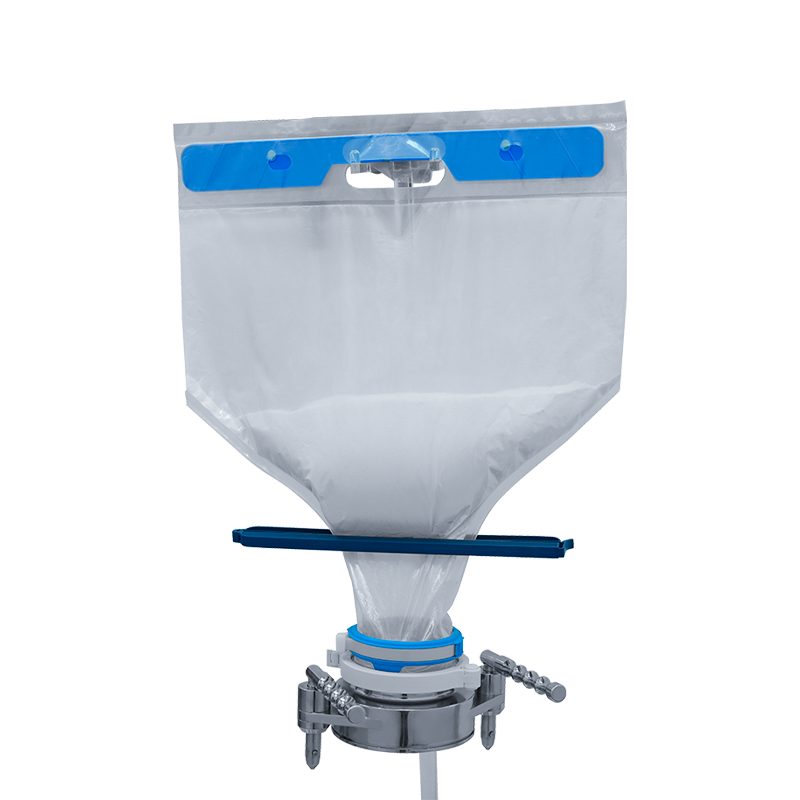
Powders are harder to move than liquids because they do not flush, they generate dust, and they tend to hold static charge. A single-use transfer bag docked to a split butterfly valve or a transfer port keeps the powder sealed from filling through to discharge at the point of use, so the operator never opens a container in a classified area.
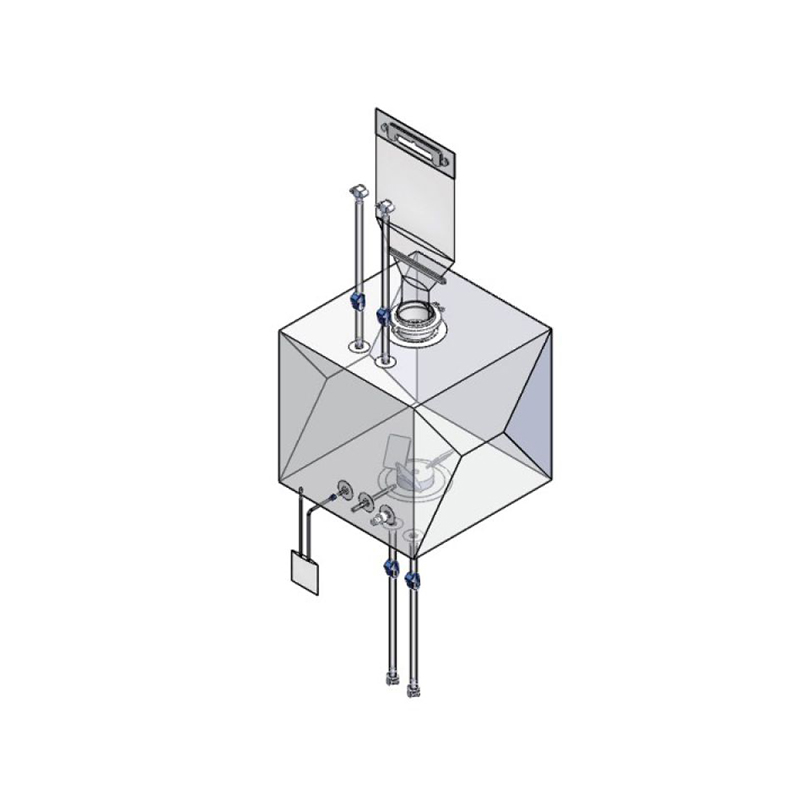 Disposable Sterile Powder Transport/Storage/Feeding BagDisposable sterile powder transfer/storage/feeding bagsView Product →
Design Details That Decide Whether a Connection Holds
Two plants can use identical hardware and still obtain very different results. The difference usually sits in the details around the connection rather than in the connector itself.
- Contact surface geometry. Flat, drainable surfaces that can be flushed and dried are easier to keep clean than hidden crevices where residual product collects.
- Elastomer selection. Silicone, EPDM and PTFE-faced seals behave differently after gamma irradiation or repeated steam cycles, so material choice should follow the sterilization route.
- Operator ergonomics. A connection that requires an awkward reach or a two-handed twist will eventually be performed incorrectly. Design the access before writing the procedure.
- Background environment. The cleaner the surrounding area, the lower the risk during the open phase of a manual connection. Where a Grade A or B background is unavailable, closing the connection mechanically becomes far more valuable.
- Verification evidence. Media fills, pressure hold tests and integrity checks turn a procedure into a claim that can be defended during an audit.
Common Failure Modes and How to Counter Them
| Failure mode | What you may observe | Practical countermeasure |
|---|---|---|
| Incomplete engagement | A visible gap or misalignment before the path is opened | Require a tactile or audible lock and record it in the batch record |
| Damaged sealing surface | Scratches, particulate or discoloration on the disc or gasket | Inspect before every docking and replace worn seals on a fixed interval |
| Residue in a wet interface | Recurring positive environmental samples near the point of use | Dry the interface after cleaning or apply a validated cleaning regime |
| Technique drift | Inconsistent results from the same equipment across shifts | Retrain and requalify operators on a documented schedule |
A Working Checklist for Connection Projects
- Mark every connection point on the process flow diagram, including manual ones that nobody likes to discuss.
- Select the least complex technology that meets the required contamination risk level.
- Assess each manual step formally and document the outcome.
- Confirm that tubing, seals and connectors are qualified for the intended sterilization method.
- Train operators on the exact hardware they will use, then requalify them periodically.
- Build a verification step into the batch record so the connection leaves a trace.
- Review every connection deviation as a data point, not only as a corrective action.
How ELING Approaches Aseptic Connection Hardware
Aseptic connections are the place where hardware and procedure meet, and that is where our work sits. ELING, the brand of Shanghai Yiling Fluid Machinery Equipment, has been developing and manufacturing pharmaceutical equipment since 2010, and our product families are organized around the same process actions described above.
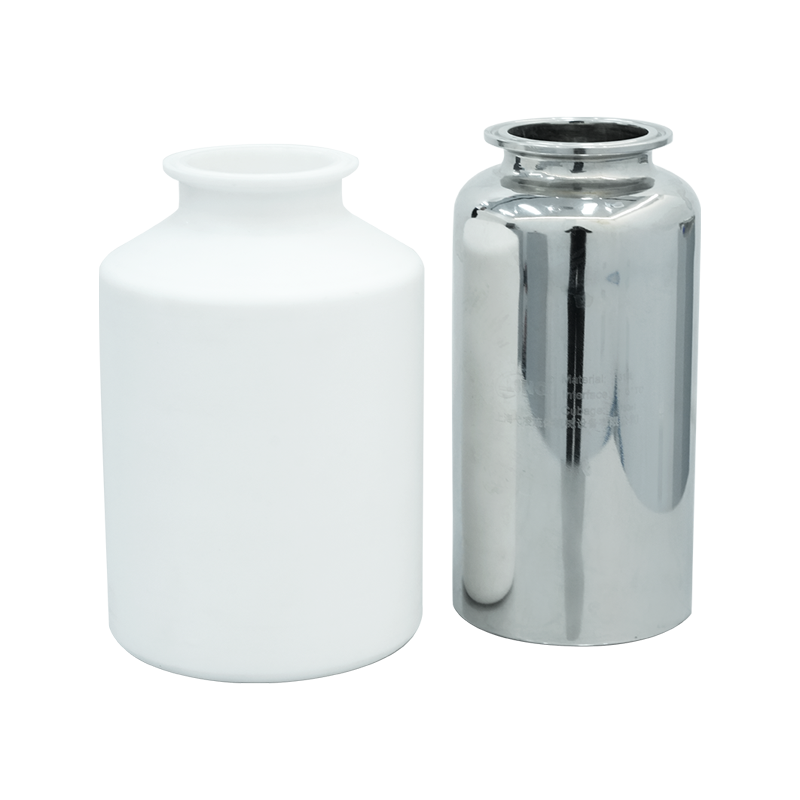
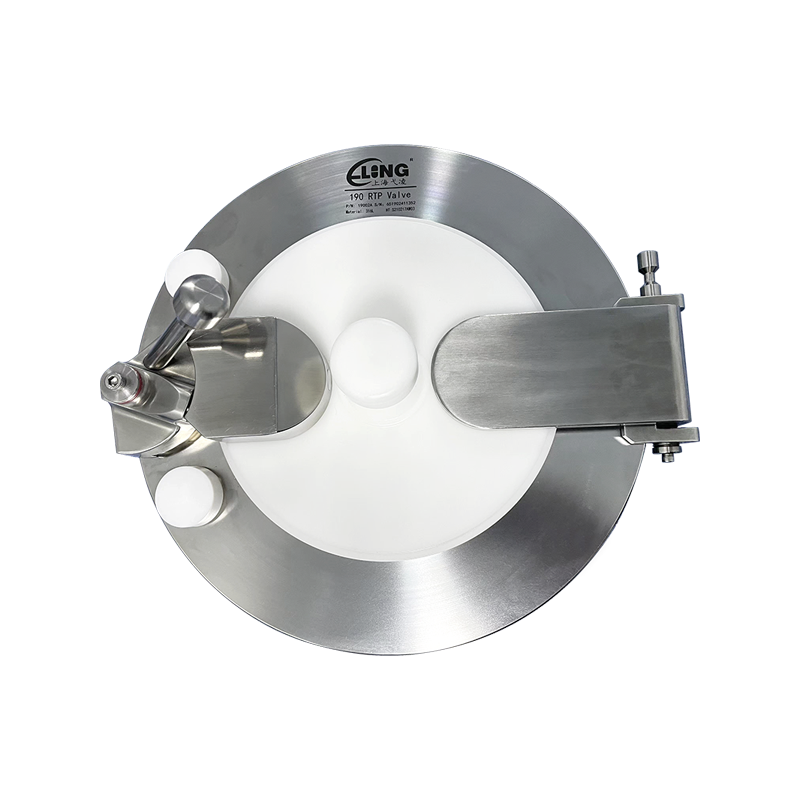
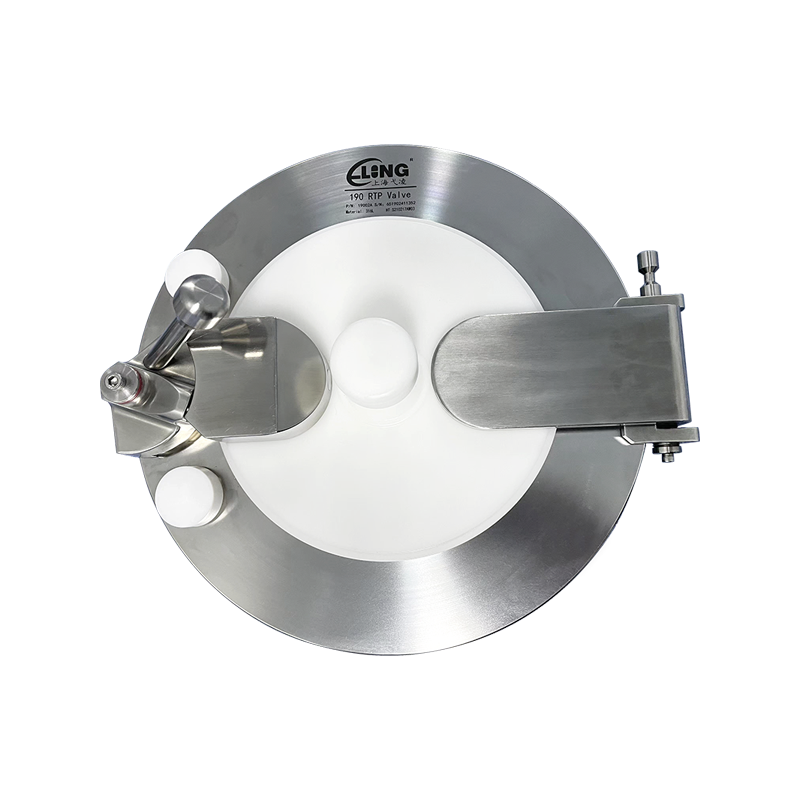
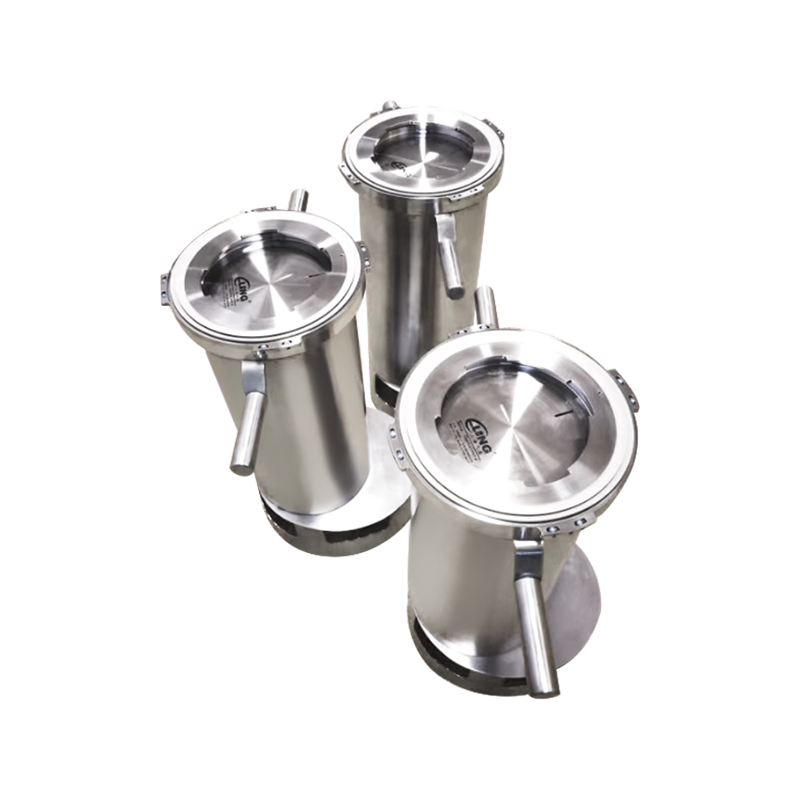
The containment and aseptic transfer range covers split butterfly valves with Alpha protective plugs, Beta protective covers, cleaning devices, lifting chassis, sealed sampling valves and stainless steel containers, along with rapid transfer system ports that pair a valve with Beta bags, sterilization containers and lifting transfer trolleys. Where a connection is made into an isolator or a rigid barrier, the port is often the component that decides how repeatable the whole operation becomes.
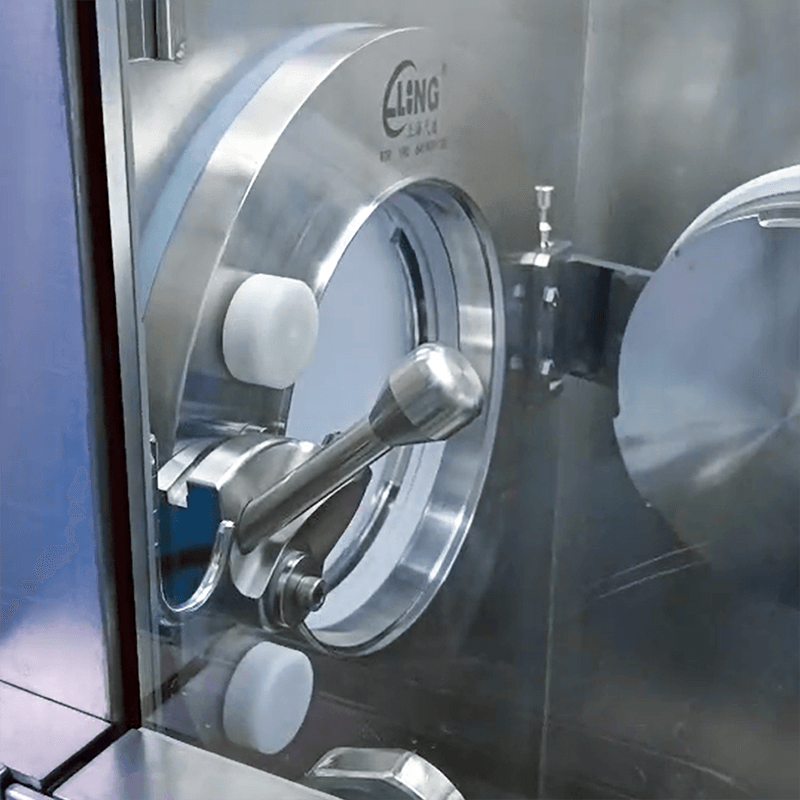 RTP ValveRTP valve (Return-to-Position Valve or Resilient-seated Tight-sealing Pressure valve, depending on the context) is a type of industrial control valve widely used in fl...View Product →
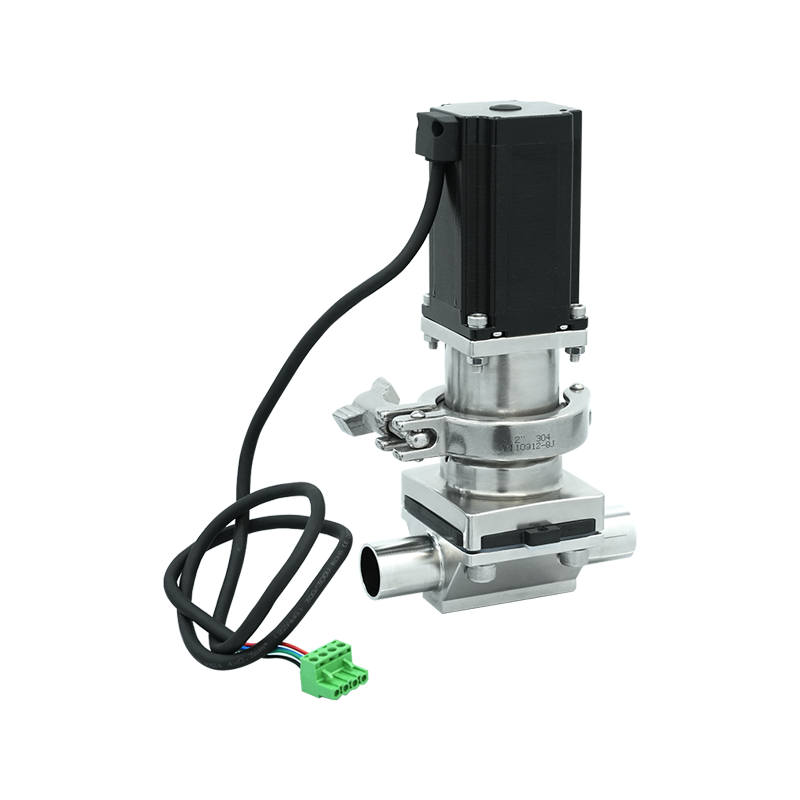
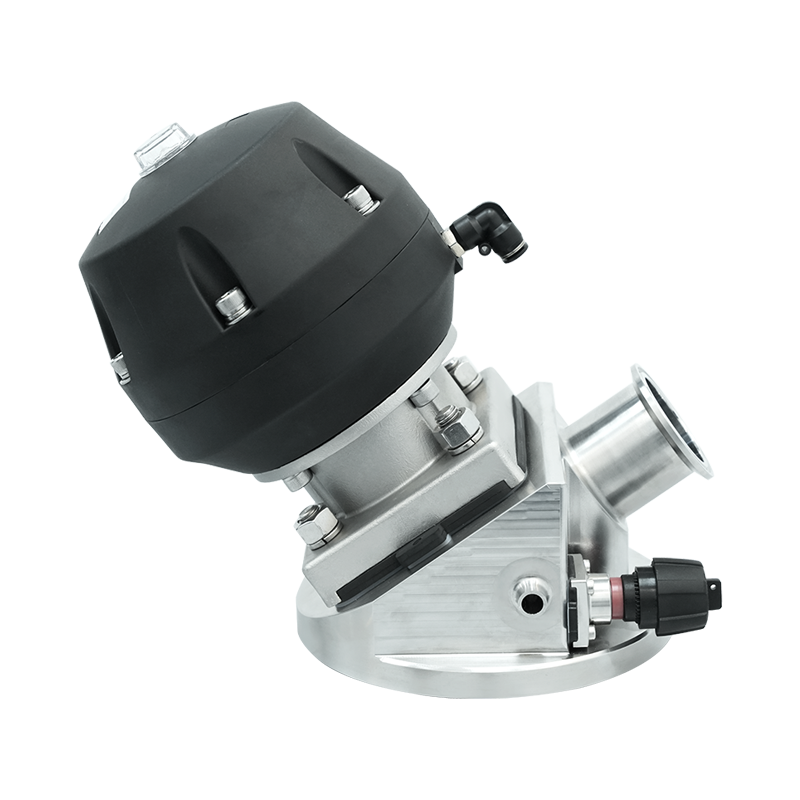
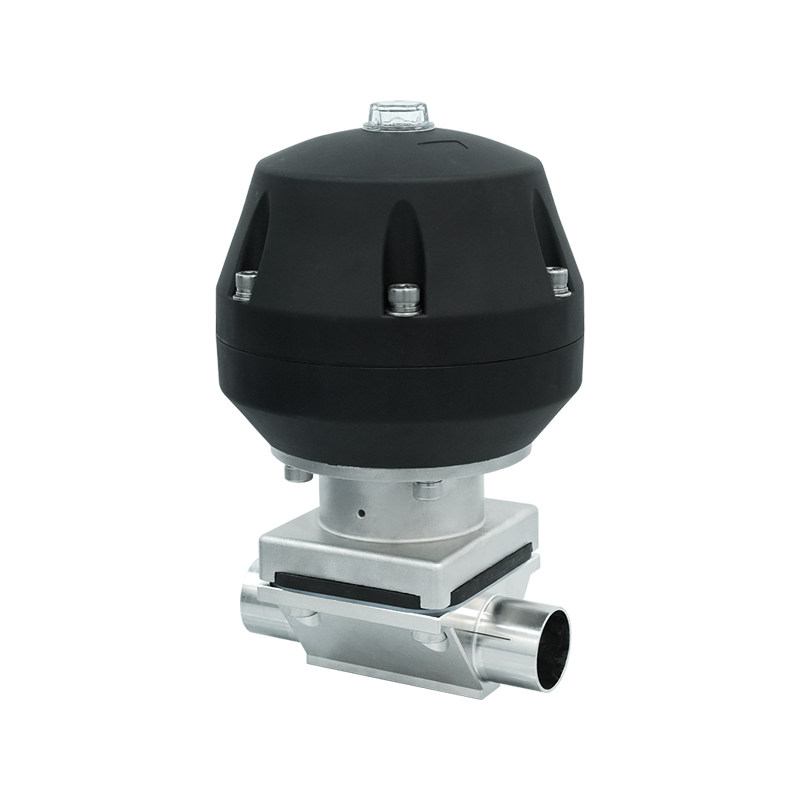
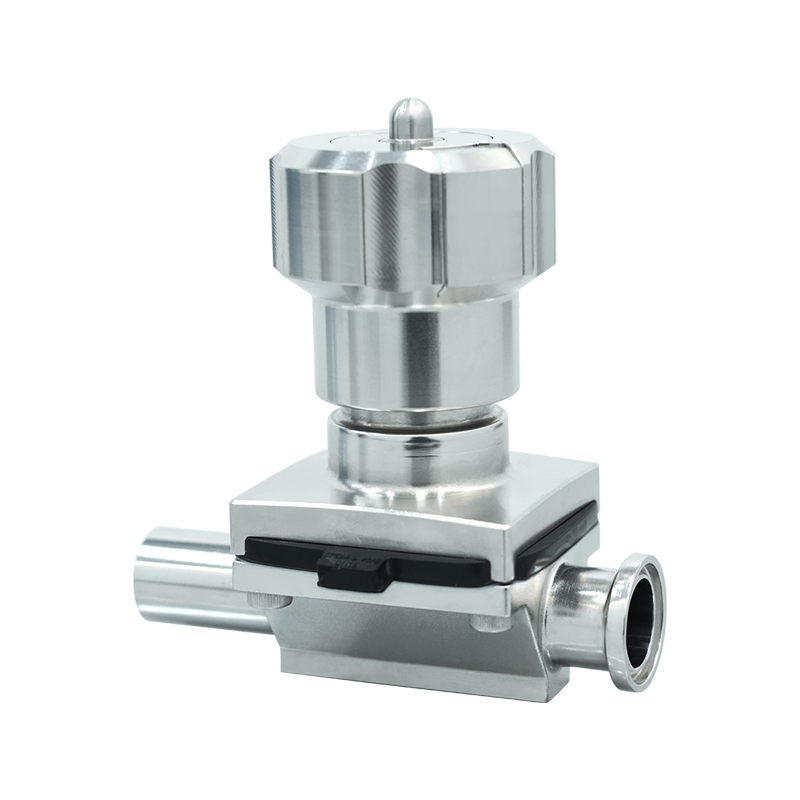
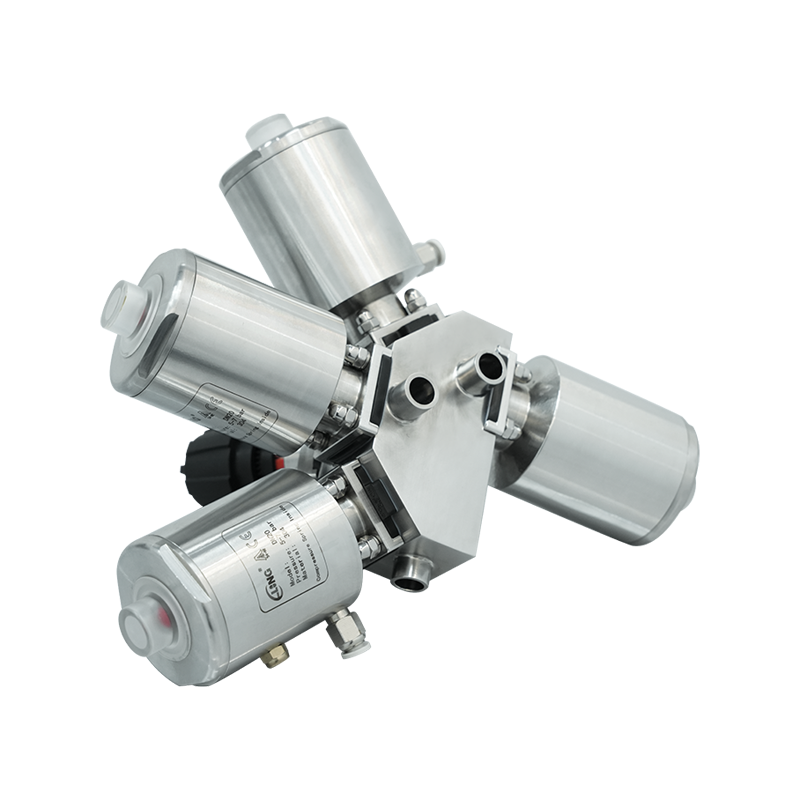
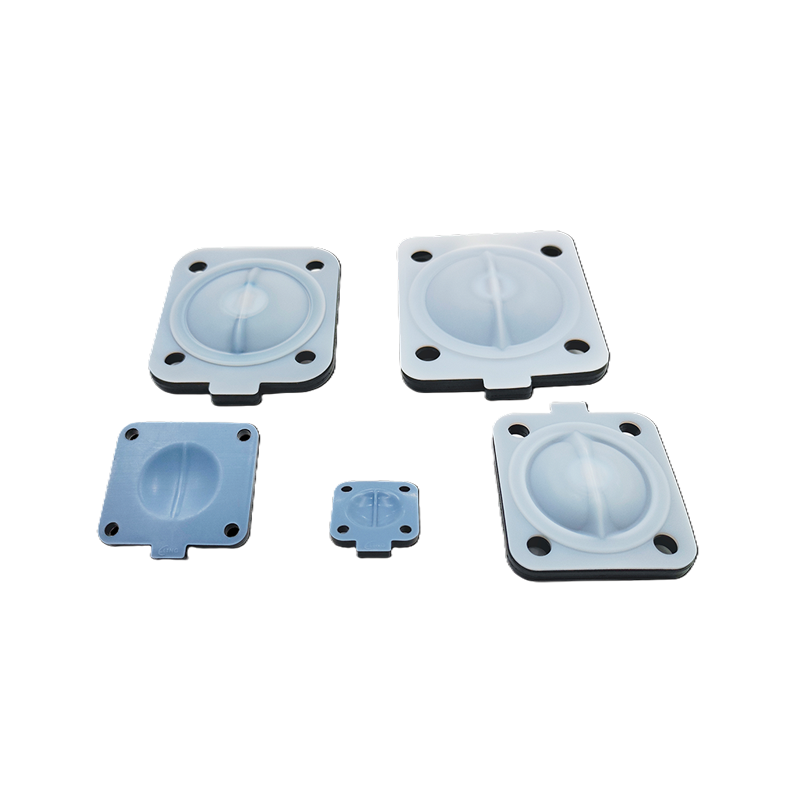
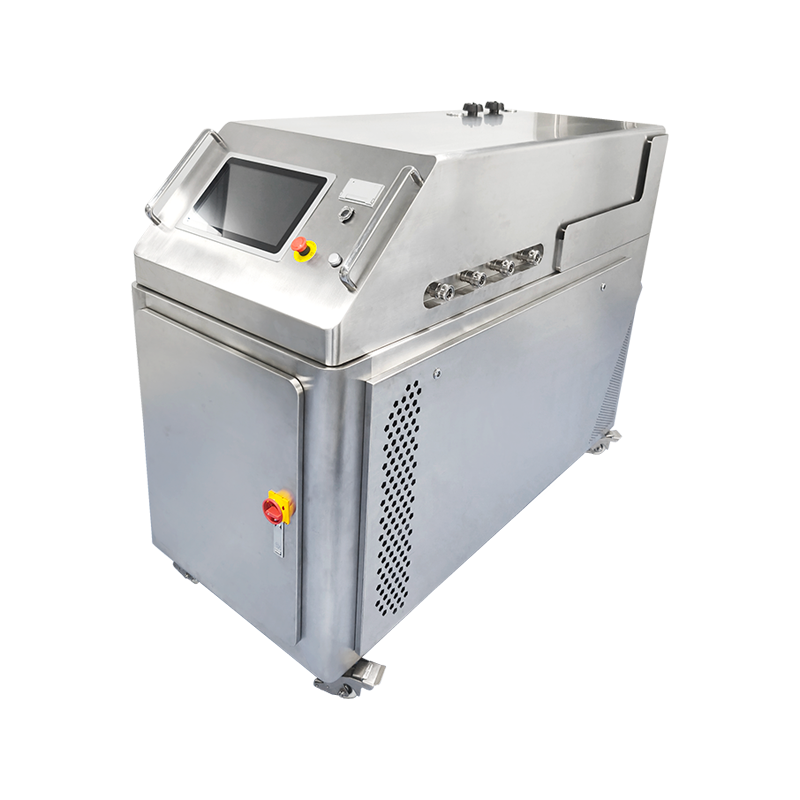
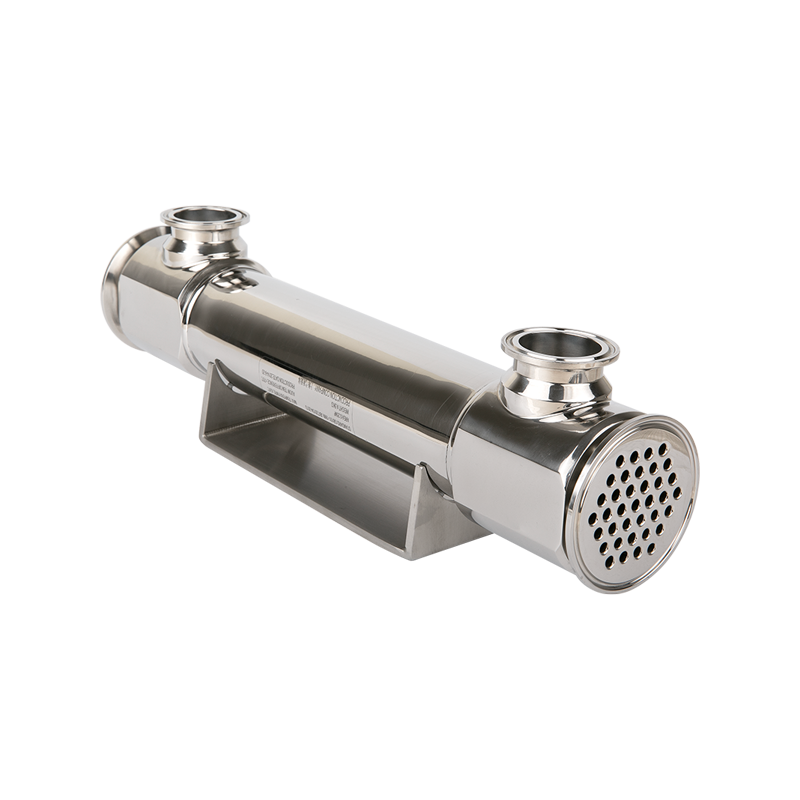
Around those transfer interfaces, we also supply single-use powder transfer bags, manual, pneumatic, electric, tank bottom and fermentation process diaphragm valves, mobile high pressure GMP cleaning machines with CIP and drying units, and sanitary heat exchangers. The intent is straightforward: a customer should be able to source the whole connection, not just one half of it. If a connection point in your process keeps producing deviations, our engineers are glad to review the application with your team and propose a configuration that fits the real operating conditions, not the ideal ones.
Questions We Hear From Production Teams
Is an aseptic connection the same as a sterile connection?
They are different claims. An aseptic connection manages a defined contamination risk through design, procedure and validation, while a sterile connection asserts an absolute result. Any device that promises sterility is worth verifying inside your own process first.
Can aseptic connections only be made in the cleanest classified areas?
Manual connections are safest in the cleanest background available. Mechanical interfaces such as split butterfly valves and rapid transfer ports exist precisely to reduce that dependence on the surrounding environment.
How do I choose between welding and a mechanical interface?
Welding suits flexible fluid paths where sacrificing tubing is acceptable. Mechanical interfaces suit repeated, high value transfers, powder handling, and connections to isolators or fixed vessels.
Every aseptic connection is a small decision that repeats hundreds of times a year. Get the hardware, the procedure and the training aligned, and those decisions stop being a source of investigations and start being a quiet part of a reliable process.