

Content
- 1 Understanding Single-Use Beta Bag Technology
- 2 RTP System Integration and Docking Mechanisms
- 3 Material Transfer Procedures and Best Practices
- 4 Validation and Quality Assurance Requirements
- 5 Applications Across Pharmaceutical Manufacturing
- 6 Selection Criteria and Customization Options
- 7 Troubleshooting Common Challenges
In pharmaceutical manufacturing and biotechnology production, maintaining sterility during material transfer represents one of the most critical challenges. Single-use beta bags, also known as Rapid Transfer Port (RTP) beta bags, have emerged as essential tools for safely introducing components, raw materials, and equipment into controlled sterile environments without compromising aseptic conditions. These specialized containment systems provide a validated method for material transfer that eliminates traditional risks associated with airlocks and manual transfer procedures. Understanding the principles, applications, and proper implementation of single-use beta bags is fundamental for any organization committed to maintaining the highest standards of contamination control.
Understanding Single-Use Beta Bag Technology
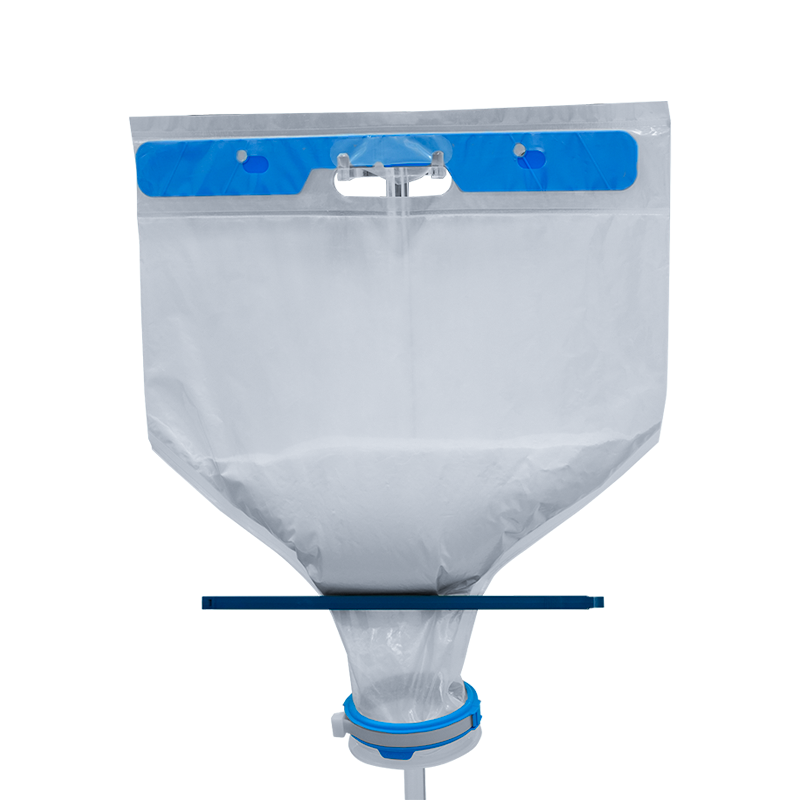
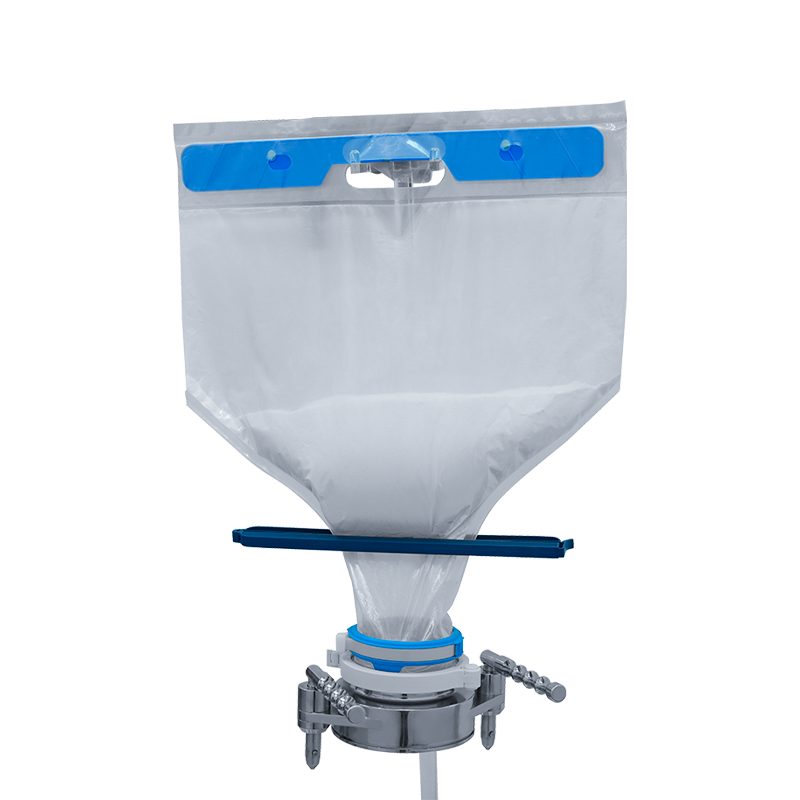
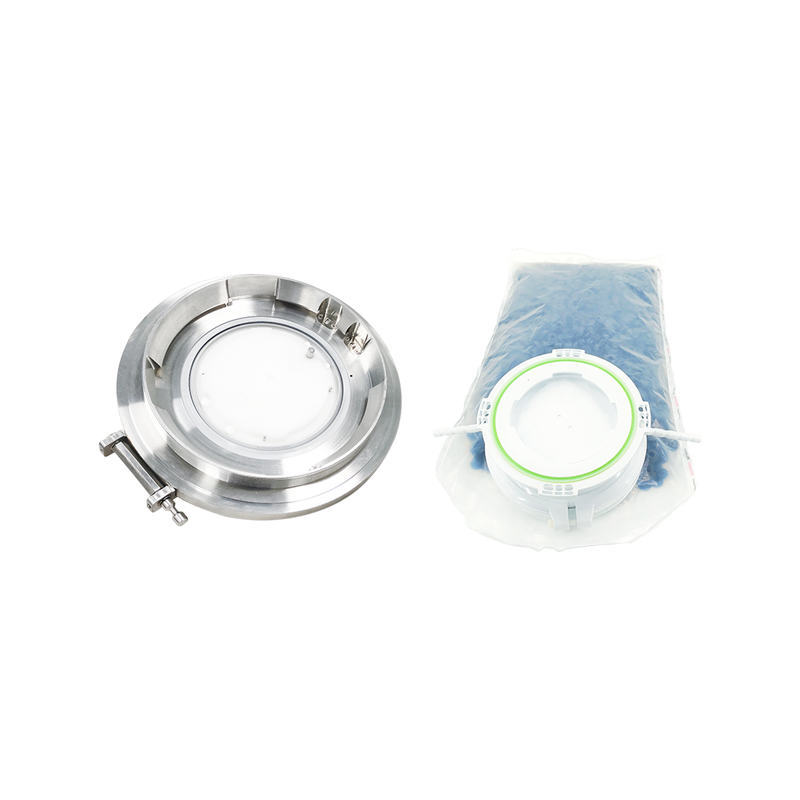
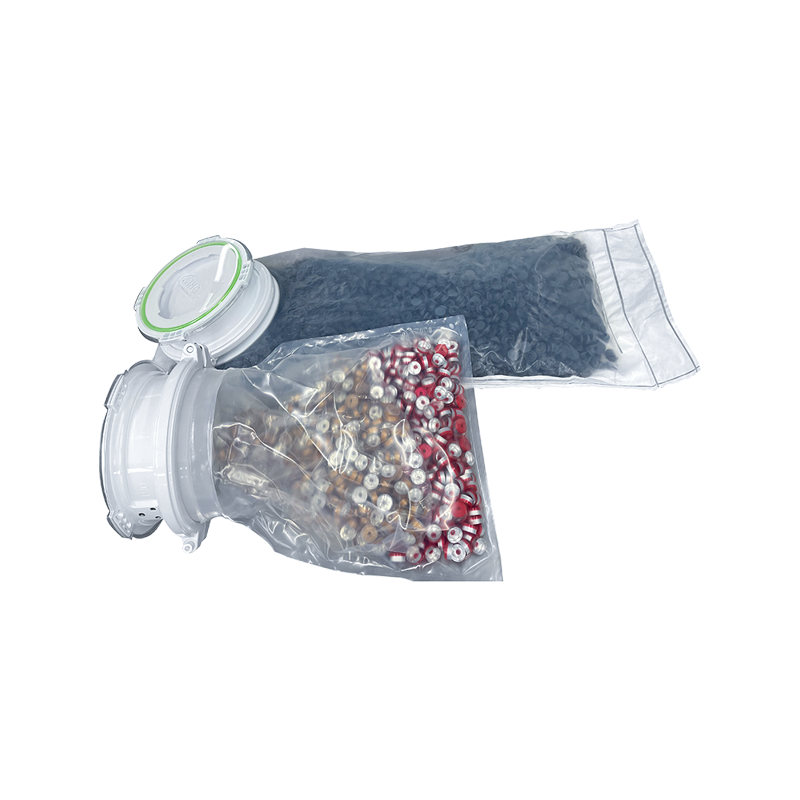
Single-use beta bags represent a specialized class of flexible containment systems designed specifically for aseptic transfer applications in controlled environments. Unlike traditional double-bag systems that require manual manipulation and present contamination risks, beta bags integrate directly with rapid transfer port technology to create a completely enclosed transfer pathway. The system consists of a flexible bag constructed from pharmaceutical-grade films, a rigid alpha ring that interfaces with the RTP system, and a gamma-irradiated outer overwrap that maintains sterility until the point of use.
The fundamental principle behind beta bag operation involves creating a continuous sterile boundary during the entire transfer process. The alpha-beta-gamma nomenclature refers to the three-layer containment strategy: the alpha component remains permanently fixed to the cleanroom or isolator wall, the beta bag (with its rigid ring) docks to the alpha port, and the gamma overwrap provides sterile protection during transport and storage. When the beta bag docks with the alpha port, mechanical coupling creates a leak-tight seal, and the transfer can proceed without any direct opening to the surrounding environment.
Modern single-use beta bags utilize multi-layer film constructions that balance flexibility, strength, and barrier properties. The inner layers typically consist of ultra-low particulating materials like polyethylene or polypropylene that minimize particle generation during handling. Middle layers may incorporate barrier films that resist moisture vapor transmission and protect contents from environmental factors. Outer layers provide mechanical strength and puncture resistance necessary for handling during transport and docking procedures. The entire assembly undergoes gamma irradiation sterilization, typically at doses of 25-45 kGy, ensuring sterility without requiring heat or chemical treatments that might damage sensitive contents or the bag materials themselves.
RTP System Integration and Docking Mechanisms
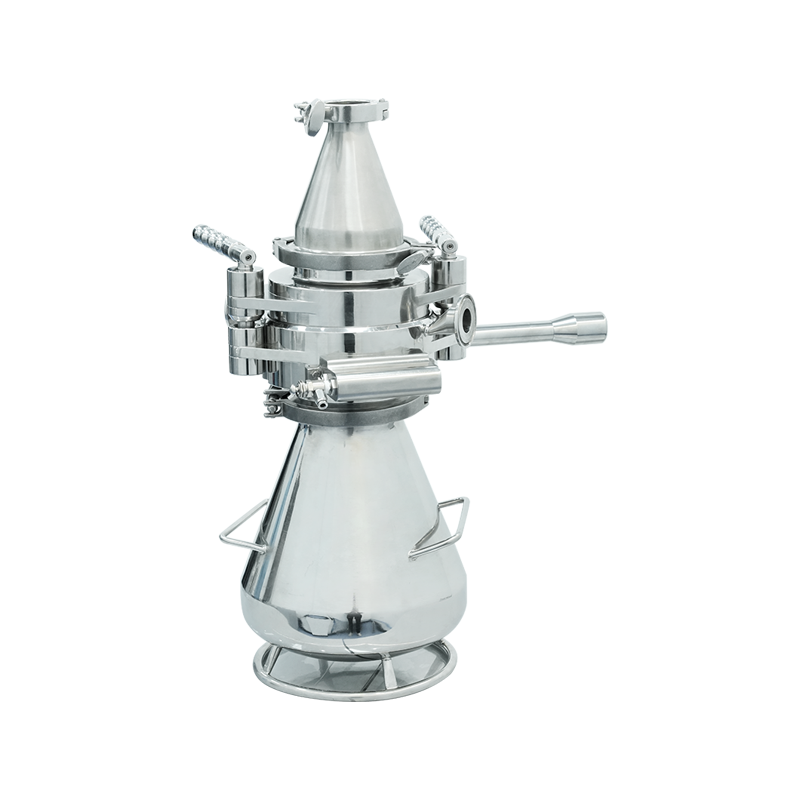
Rapid Transfer Port systems provide the mechanical foundation that enables safe beta bag docking and material transfer. These precision-engineered ports create a validated sterile connection between classified and unclassified environments, allowing materials to cross the boundary without exposing the cleanroom interior to contamination. Understanding the integration between beta bags and RTP systems is essential for successful implementation and operation.
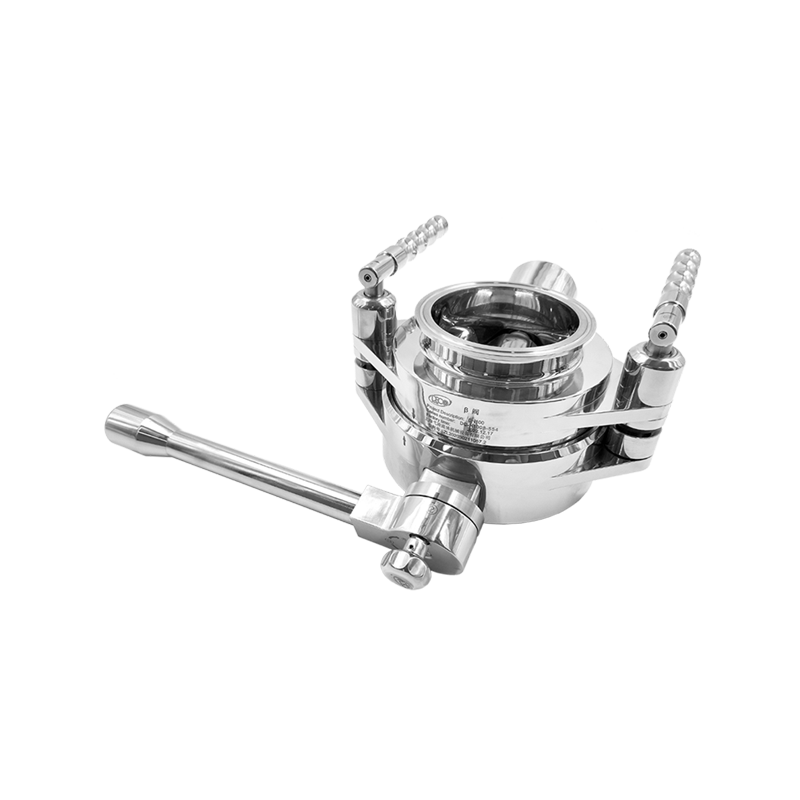
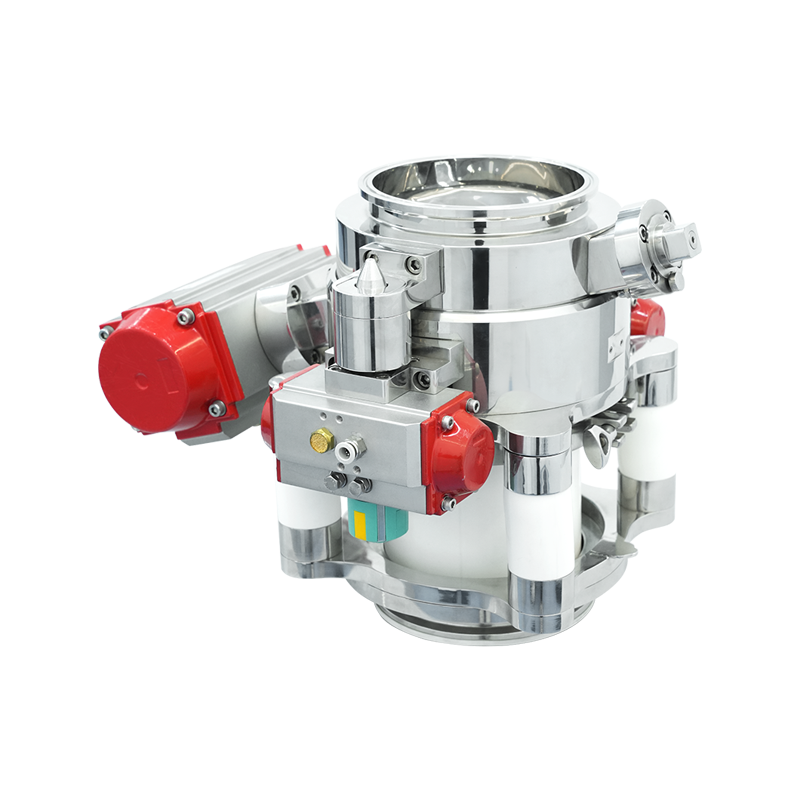
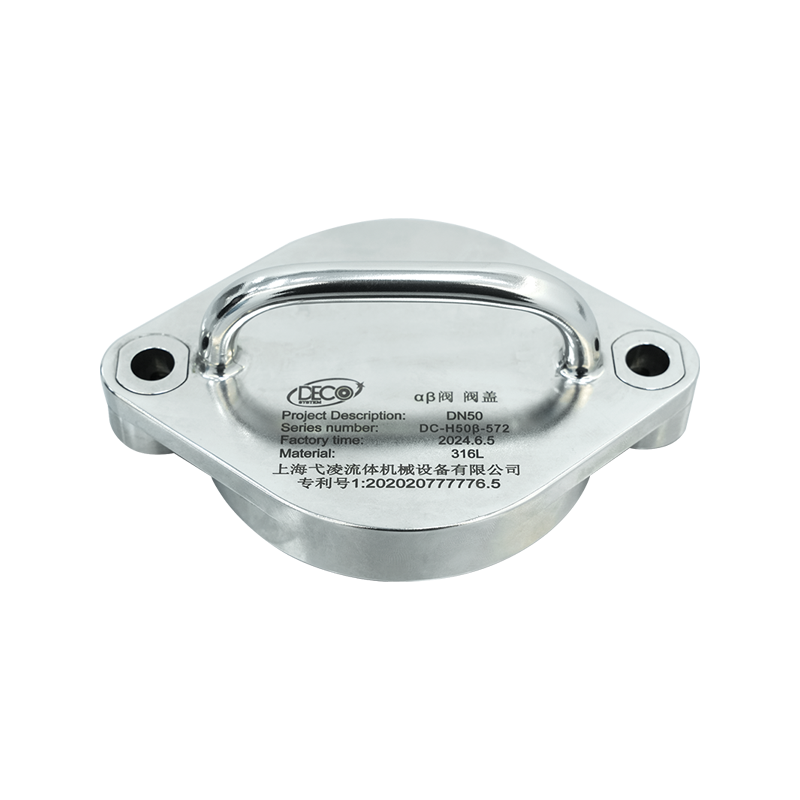
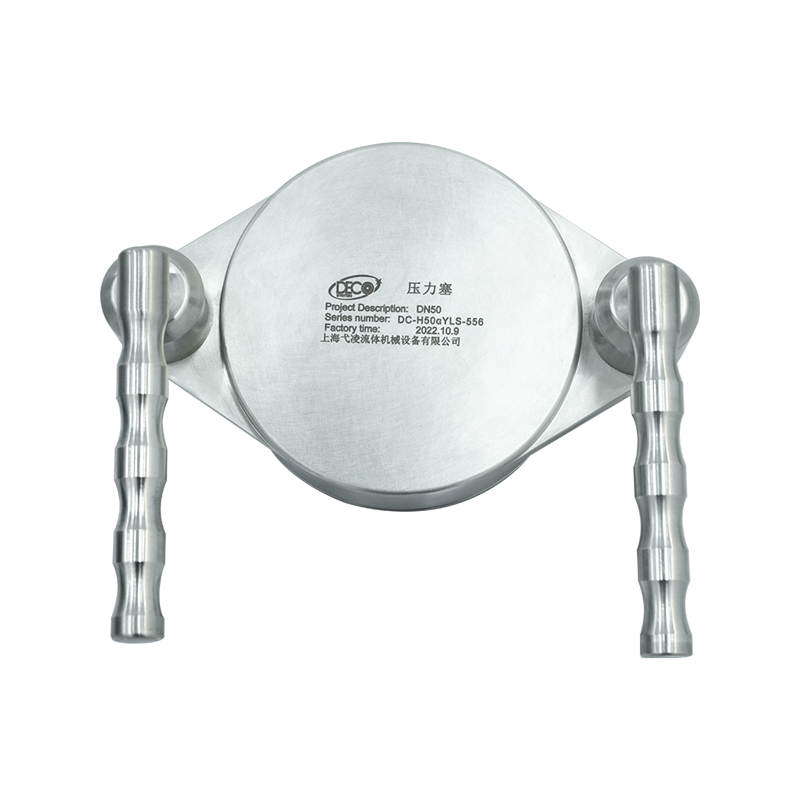
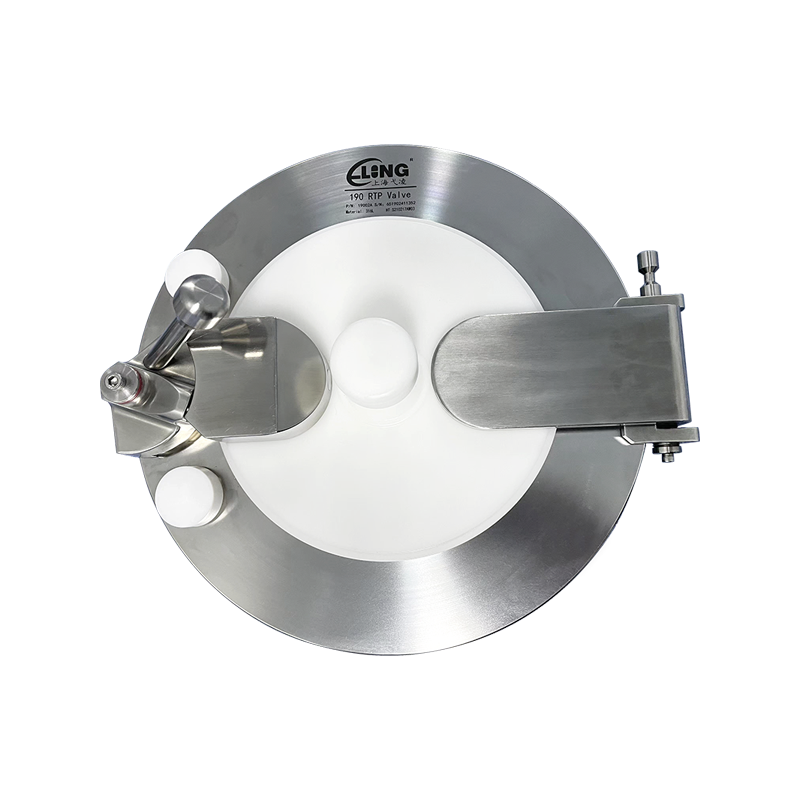
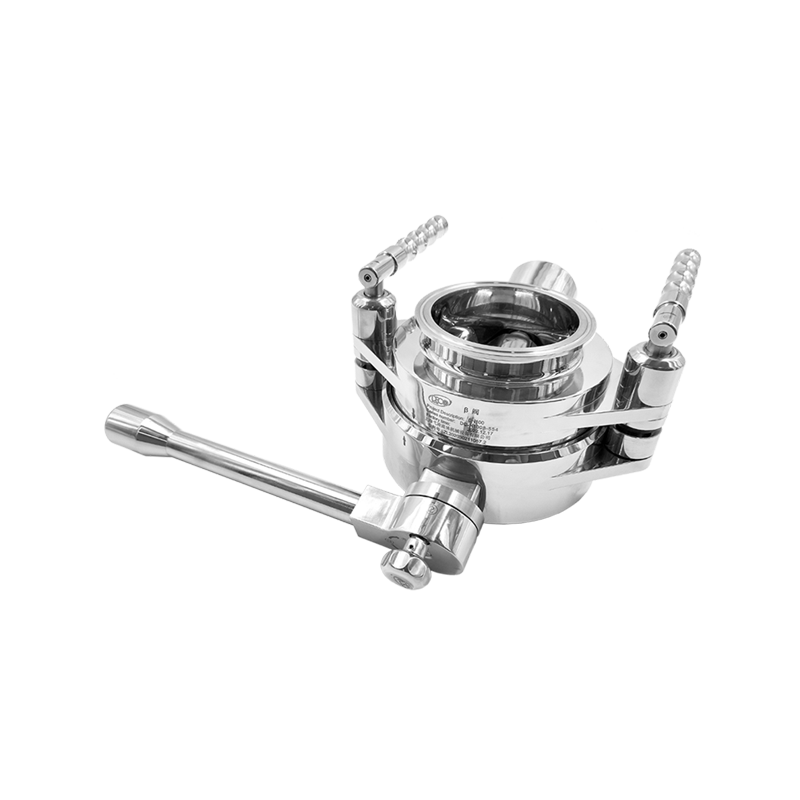
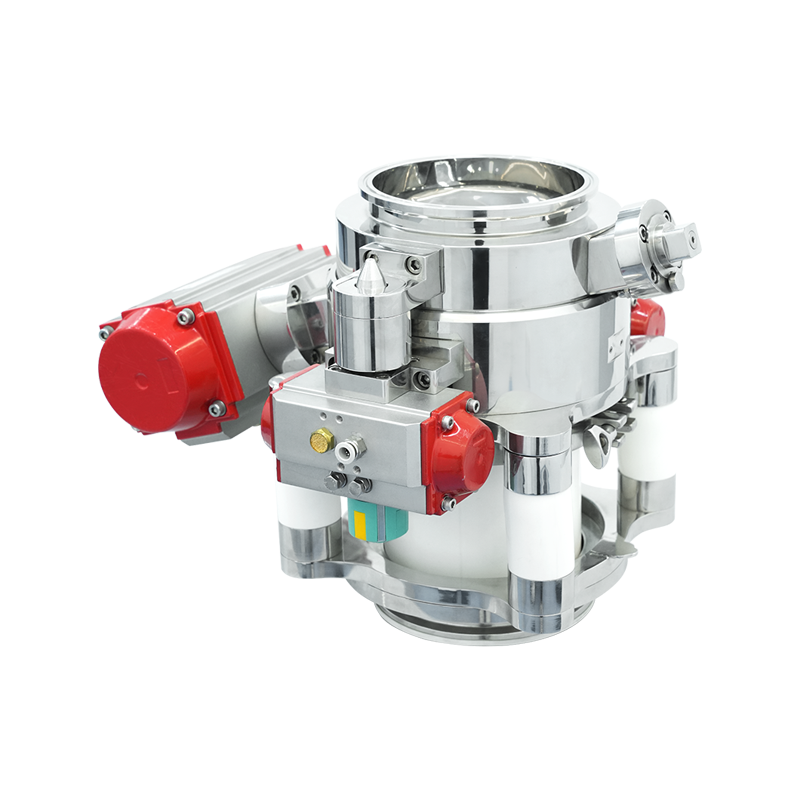
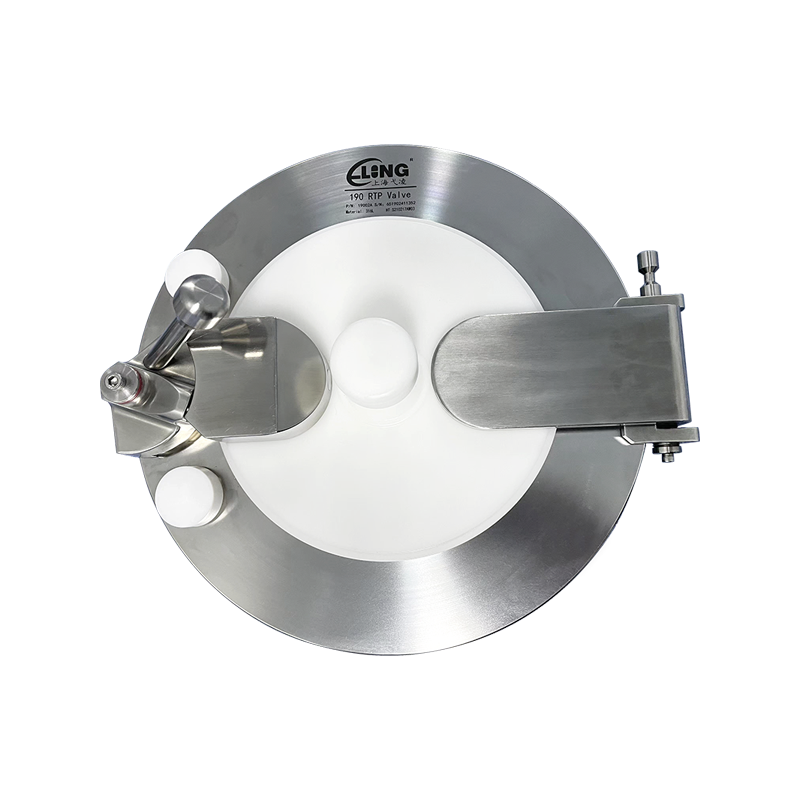
The alpha port, permanently mounted in the cleanroom wall or isolator barrier, features a rigid housing with a circular opening covered by a flexible door or membrane. This door remains closed and sealed until a beta bag docks to the port, maintaining continuous barrier integrity. The docking mechanism employs either magnetic coupling, mechanical latching, or hybrid systems that ensure positive engagement between the alpha and beta components. Most systems incorporate visual and tactile indicators that confirm proper docking has occurred, preventing premature opening or incomplete seals that could compromise sterility.
During the docking sequence, the beta bag's rigid ring aligns with the alpha port and engages the coupling mechanism. Once fully seated, the system allows the operator to open the port by rotating or actuating the alpha door mechanism. This opening procedure occurs within the sealed envelope created by the docked beta bag, ensuring no direct path exists between the uncontrolled external environment and the sterile interior. Materials can then transfer through the opened port into the cleanroom or isolator. After transfer completion, the port closes, the beta bag disconnects, and the system returns to its sealed state with the alpha door protecting the cleanroom environment.
| RTP System Type | Coupling Method | Typical Applications | Key Benefits |
| Magnetic Coupling | Permanent magnets | Small component transfer | Tool-free operation, simple docking |
| Mechanical Latch | Quarter-turn latches | Heavy equipment, large materials | High load capacity, positive lock |
| Hybrid Systems | Magnetic plus mechanical | Critical high-value transfers | Maximum security, redundant locking |
| Active Door Systems | Automated actuation | High-throughput operations | Reduced operator variability |
Material Transfer Procedures and Best Practices
Successful material transfer using single-use beta bags requires adherence to carefully designed procedures that maintain sterility throughout the entire process. These procedures encompass preparation, docking, transfer, and disconnection phases, each with specific requirements and quality controls. Proper training and consistent execution of these procedures form the foundation of contamination control in pharmaceutical manufacturing operations.
Pre-transfer preparation begins with verification that the beta bag and its contents meet all specified requirements. Operators must inspect the gamma overwrap for any damage, confirm the sterilization indicator shows successful processing, and verify that the contents match transfer documentation. The receiving cleanroom or isolator must be operating within specified environmental parameters, with appropriate air classification and pressure differentials maintained. The alpha port surface requires cleaning and disinfection according to facility protocols, typically using sterile 70% isopropyl alcohol or other validated disinfectants.
The docking procedure demands careful attention to alignment and proper engagement. Operators remove the gamma overwrap only immediately before docking, minimizing the time the sterile beta bag surface remains exposed to the uncontrolled environment. The beta ring aligns with the alpha port, and the coupling mechanism engages according to the specific system design. Visual confirmation of proper docking precedes any attempt to open the port. Many facilities implement a buddy system where a second operator verifies critical steps, adding an additional layer of quality assurance to the transfer process.
During the actual transfer phase, operators work through the opened port to move materials from the beta bag into the cleanroom or isolator. Techniques vary based on the material type and size, but general principles include minimizing turbulence, avoiding contact between materials and the port edges, and maintaining proper orientation to prevent spills or damage. For liquid transfers, special considerations include temperature equilibration to prevent condensation and controlled pour rates to avoid splashing. Solid materials require secure grip and controlled movement through the port opening. Throughout the transfer, operators monitor for any signs of system compromise, including unexpected resistance, visual gaps in seals, or unusual air flows.
Critical Transfer Procedure Steps
- Verify cleanroom environmental conditions meet specifications before initiating transfer
- Inspect beta bag gamma overwrap for integrity and confirm sterilization validation
- Clean and disinfect alpha port surface using validated procedures and materials
- Remove gamma overwrap immediately before docking to minimize sterile surface exposure
- Ensure complete beta ring engagement with alpha port before opening transfer pathway
- Execute material transfer with controlled movements minimizing air disturbance
- Close alpha port completely before disconnecting beta bag from docking position
- Document transfer completion including any deviations or observations
Validation and Quality Assurance Requirements
Regulatory agencies require comprehensive validation of material transfer systems used in pharmaceutical manufacturing, and single-use beta bag systems must demonstrate consistent performance under a range of operating conditions. Validation programs establish confidence that the transfer process maintains sterility and does not introduce contamination that could compromise product quality or patient safety. These validation activities span design qualification, installation qualification, operational qualification, and performance qualification phases.
Design qualification verifies that the beta bag and RTP system specifications align with user requirements and regulatory expectations. This phase includes material compatibility studies confirming that bag films do not interact with or leach into the materials being transferred. Particulate generation testing quantifies the particle burden introduced by bag handling and manipulation, ensuring it remains within acceptable limits for the application. Sterilization validation demonstrates that the gamma irradiation process achieves the required sterility assurance level, typically 10^-6, throughout the entire beta bag assembly including the rigid ring and all sealed interfaces.
Operational qualification focuses on demonstrating that operators can consistently perform transfer procedures according to established protocols. This includes docking integrity testing using physical challenge methods or tracer gases to confirm no leakage occurs at the alpha-beta interface. Transfer simulation studies evaluate the actual movement of materials through the system, identifying potential issues with accessibility, visibility, or physical constraints that might affect routine operations. Microbiological challenge testing represents the most critical component, typically employing media fills or microbial contamination studies that demonstrate the transfer process maintains sterile conditions under worst-case scenarios.
Ongoing quality assurance requires regular monitoring and periodic revalidation to ensure continued system performance. Environmental monitoring programs include air and surface sampling around RTP systems during and after transfers, trending data to detect any degradation in contamination control performance. Beta bag supplier qualification and change control procedures ensure that any modifications to materials, manufacturing processes, or sterilization parameters undergo appropriate evaluation before implementation. Annual or biennial system revalidation confirms that mechanical components, sealing surfaces, and operational procedures continue meeting original performance specifications.
Applications Across Pharmaceutical Manufacturing
Single-use beta bags find application throughout pharmaceutical and biotechnology manufacturing wherever sterile material transfer is required. The versatility of the technology enables use across diverse processes, from early-stage development through commercial-scale production. Understanding the breadth of applications helps organizations identify opportunities to improve contamination control and operational efficiency in their own facilities.
Raw material introduction represents one of the most common applications for beta bag systems. Active pharmaceutical ingredients, excipients, and other formulation components require transfer into cleanroom compounding areas while maintaining their identity, purity, and sterility. Beta bags allow these materials to move directly from receiving and testing areas into Grade A or B cleanrooms without exposure to lower-classified environments. The single-use nature eliminates concerns about cross-contamination between different materials or batches that might occur with reusable containers requiring cleaning validation.
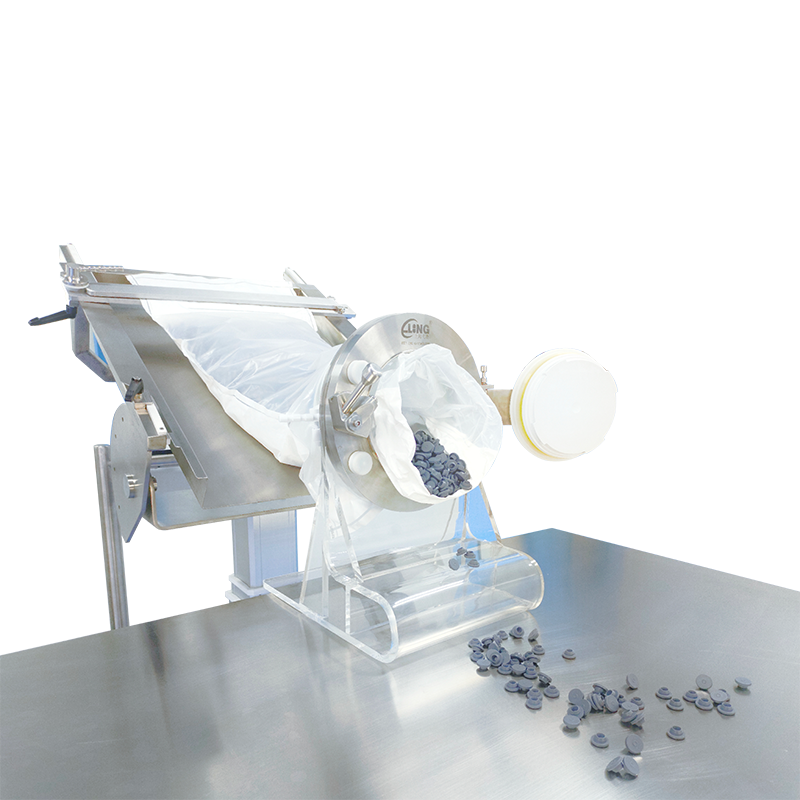
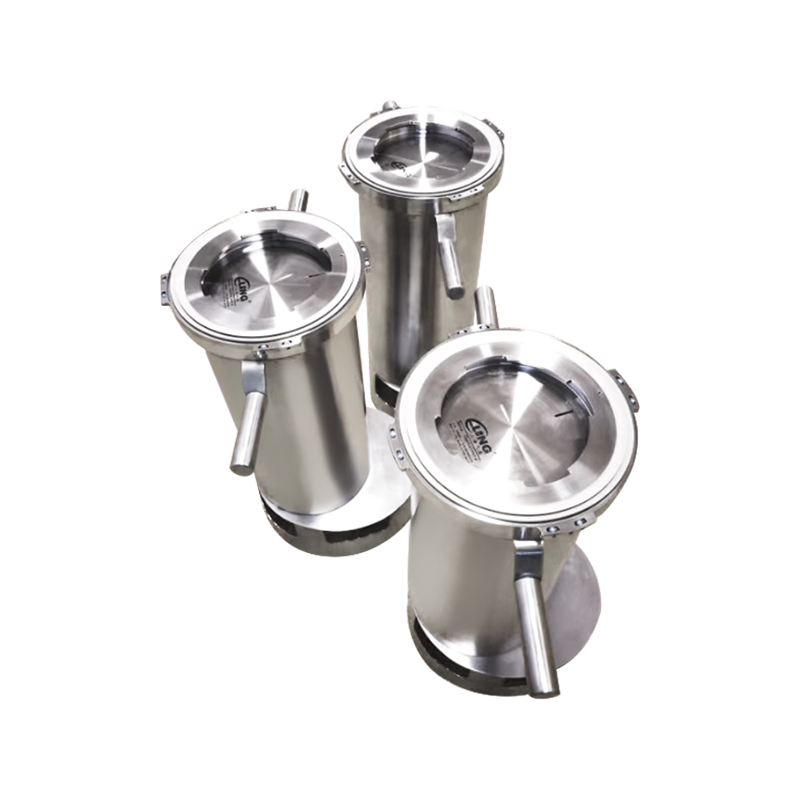
Equipment and component transfer into isolators for aseptic processing relies heavily on beta bag technology. Stoppers, syringes, vials, filters, and tubing assemblies must enter the isolator in a sterile state, and beta bags provide a validated method for this introduction. The bags can accommodate pre-sterilized components in their original packaging or hold multiple items in organized configurations that facilitate efficient loading into processing equipment. This application proves particularly valuable in fill-finish operations where numerous components must transfer into the isolator throughout production campaigns.
Cell therapy and advanced therapy medicinal product (ATMP) manufacturing presents unique challenges that single-use beta bags effectively address. These processes often involve transferring patient-derived cellular materials between processing steps performed in different isolators or cleanrooms. Beta bags enable these transfers while maintaining closed system integrity and protecting sensitive cellular products from environmental stresses. The flexibility to customize bag sizes and configurations accommodates the varied container types and volumes characteristic of personalized medicine manufacturing.
Waste removal from sterile environments also benefits from beta bag technology, though this application requires careful consideration of directionality and contamination control strategies. Some RTP systems support bi-directional use, allowing materials to exit cleanrooms or isolators in beta bags for subsequent processing or disposal. This capability enables removal of process waste, spent materials, or rejected components without opening direct pathways from the cleanroom to the external environment. However, facilities must implement rigorous protocols to prevent accidental reverse contamination and ensure proper segregation of waste removal systems from material introduction systems.
Selection Criteria and Customization Options
Choosing the appropriate beta bag configuration for specific applications requires evaluation of multiple factors including material compatibility, size requirements, port interface specifications, and regulatory considerations. Manufacturers offer extensive customization options that enable optimization for particular use cases, but this flexibility also demands careful specification to ensure the final product meets all operational and quality requirements.
Film selection represents a fundamental decision affecting bag performance across multiple dimensions. Standard polyethylene films provide economical solutions for non-critical applications with good general chemical resistance and low particulate generation. High-barrier films incorporating EVOH or other specialty polymers offer superior protection for moisture-sensitive or oxygen-sensitive materials but command premium pricing. Antistatic films reduce particle attraction and adhesion, benefiting applications involving dry powders or friable materials prone to static charging. The film thickness balances puncture resistance and flexibility, with typical ranges from 4 to 10 mils depending on the anticipated handling severity and load requirements.
Size and configuration options span from small bags holding a few liters to large formats exceeding 100 liters capacity. The physical dimensions must accommodate the materials being transferred while remaining compatible with the RTP port size and the available space in both the preparation and receiving areas. Specialized configurations include bags with internal shelving or compartments for organizing multiple small items, bags with integrated handles or lifting points for heavy loads, and bags with transparent windows allowing visual verification of contents without opening. Some applications benefit from bags with multiple access points or connection ports for filling, sampling, or drainage operations.
Interface compatibility between the beta bag ring and the facility's installed alpha ports requires careful verification. Multiple proprietary RTP systems exist in the market, and beta bags must match the specific alpha port design used in the facility. Ring materials range from rigid plastics to metallic alloys, selected based on strength requirements, sterilization compatibility, and cost considerations. The attachment method between the bag film and the rigid ring employs heat sealing, adhesive bonding, or mechanical clamping, each offering different performance characteristics regarding seal integrity, particle generation, and ease of manufacturing.
Troubleshooting Common Challenges
Despite the proven reliability of single-use beta bag systems, operational challenges occasionally arise that require systematic troubleshooting and corrective action. Understanding common failure modes and their root causes enables rapid response that minimizes production disruptions and maintains quality standards. Many issues trace to operator technique, equipment maintenance, or specification mismatches rather than fundamental technology limitations.
Docking difficulties represent one of the most frequent challenges, manifesting as incomplete engagement, misalignment, or failure of the coupling mechanism to actuate properly. These problems often stem from contamination or damage to the alpha port sealing surfaces, which may accumulate residues from repeated cleaning or develop scratches that prevent proper seal formation. Regular inspection and preventive maintenance of alpha ports, including replacement of worn gaskets or sealing membranes, prevents most docking issues. Operator training emphasizing proper alignment techniques and recognition of correct engagement indicators reduces human-factor-related docking failures.
Film integrity concerns, including punctures, tears, or seal failures, compromise the fundamental protective function of beta bags. These failures may occur during filling, transport, handling, or the transfer process itself. Root cause investigation should examine the entire lifecycle from bag manufacturing through final use. Sharp edges on transferred materials, improper handling techniques, or inadequate packaging during shipping may all contribute to film damage. Implementation of protective measures such as additional cushioning for sharp objects, improved handling protocols, and rigorous incoming inspection of bags can significantly reduce integrity failures.
Sterilization-related issues occasionally surface, typically discovered through routine sterility testing or investigation of contamination events. These problems may indicate inadequate gamma dose delivery, shielding effects from dense materials within the bag, or post-sterilization contamination during storage or handling. Sterilization dose mapping studies verify uniform dose distribution throughout loaded beta bags, while dose audit programs confirm sterilization service providers deliver specified doses consistently. Proper storage in controlled environments and adherence to expiration dating based on validated sterility maintenance periods ensure bags remain sterile until use.
Single-use beta bags have transformed material transfer practices in pharmaceutical manufacturing by providing a validated, reliable method for maintaining sterility during critical operations. As manufacturing paradigms continue evolving toward single-use technologies and flexible production systems, beta bag applications will likely expand into new areas. Success with these systems depends on thorough understanding of the technology, rigorous validation, consistent operational execution, and ongoing quality monitoring. Organizations that master these elements position themselves to meet the highest standards of product quality and patient safety while maintaining the operational efficiency necessary for sustainable pharmaceutical manufacturing.