

Content
- 1 How An Electric Diaphragm Valve Works
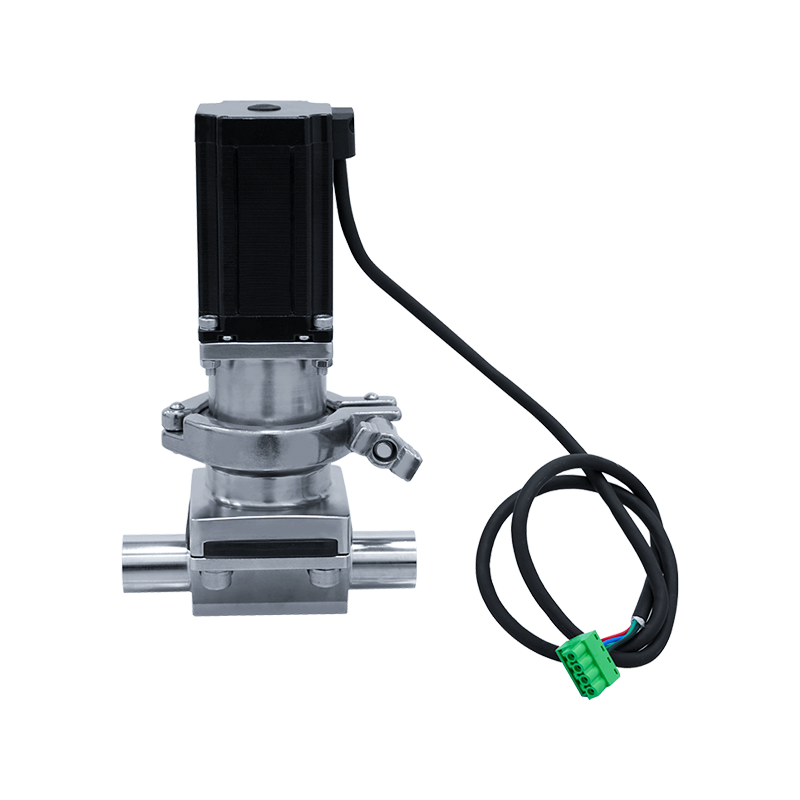
- 2 Key Components Of An Electric Diaphragm Valve
- 3 Weir-Type Versus Straight-Through Diaphragm Valves
- 4 Top Applications For Electric Diaphragm Valves
- 5 Selecting The Right Electric Diaphragm Valve
- 6 Installation Best Practices
- 7 Maintenance Tips For Long-Term Reliability
How An Electric Diaphragm Valve Works
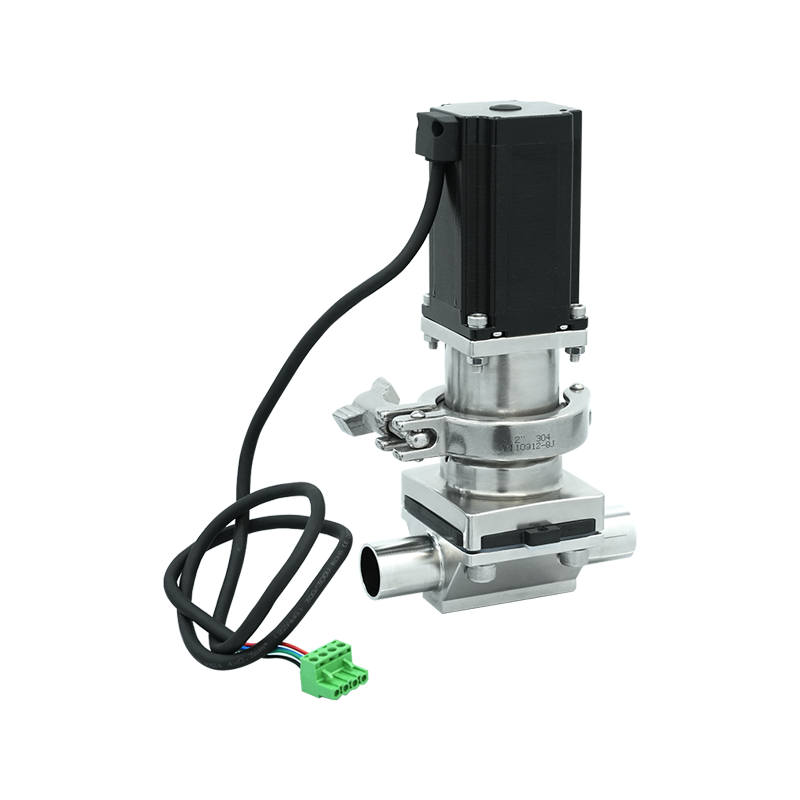
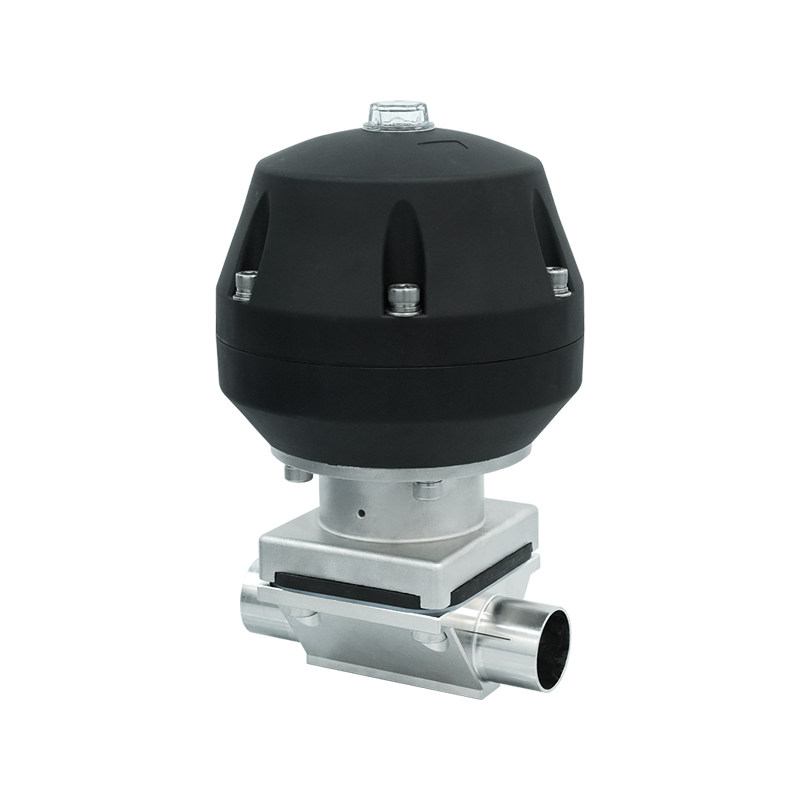
An electric diaphragm valve controls fluid flow using a flexible diaphragm that presses against a weir or seat within the valve body, and it is opened or closed by an electric actuator rather than manual operation or pneumatic pressure. When the actuator drives the diaphragm downward, it seals against the valve body, stopping flow completely. When the actuator retracts, the diaphragm lifts away from the seat, allowing fluid to pass through the valve body and continue along the pipeline.
The key advantage of this design lies in the diaphragm itself, which completely separates the fluid path from the valve's mechanical components, including the stem and actuator housing. This isolation prevents fluid from contacting moving parts, reducing the risk of leakage, contamination, and mechanical wear that can occur in other valve types where the flow media interacts more directly with internal components. Pairing this diaphragm design with an electric actuator allows for precise, repeatable, and remotely controllable valve operation, which is particularly valuable in automated process systems.
Key Components Of An Electric Diaphragm Valve
Understanding the main components of an electric diaphragm valve helps clarify both how it functions and what factors influence its performance and service life.
The Diaphragm
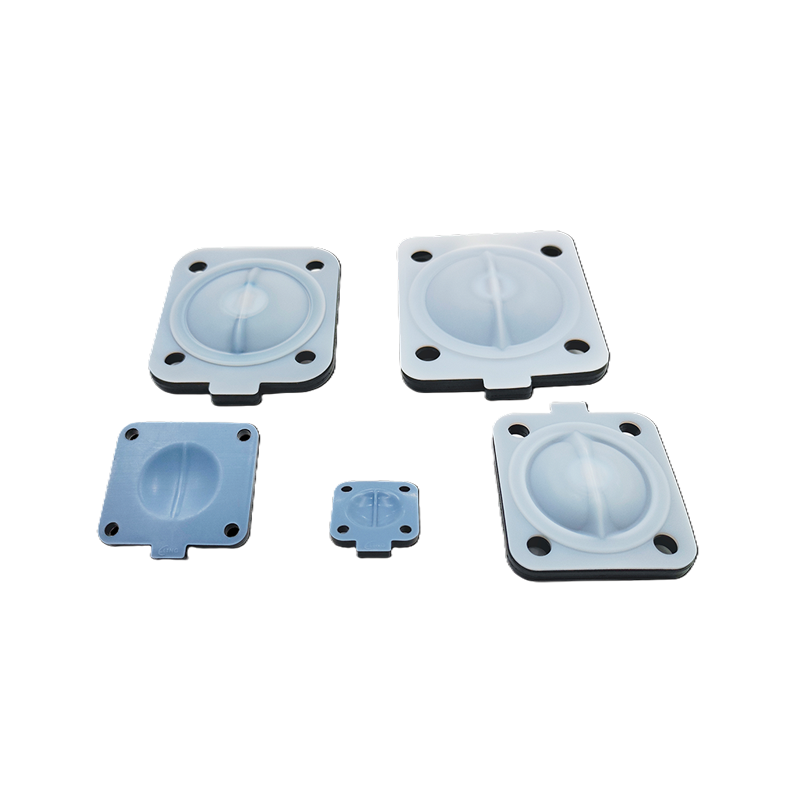
The diaphragm is the central sealing element of the valve, typically manufactured from an elastomer such as EPDM, PTFE, or natural rubber, depending on the fluid being handled and the operating temperature range. Diaphragm material selection is one of the most important decisions in specifying a diaphragm valve, since chemical compatibility and temperature resistance directly affect both performance and expected service life.
The Valve Body And Weir
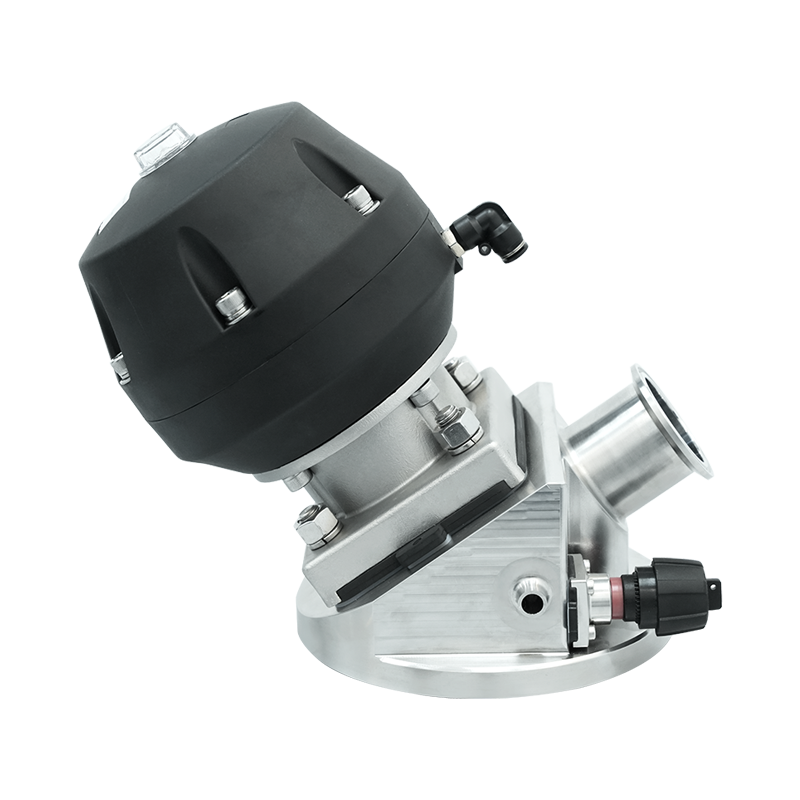
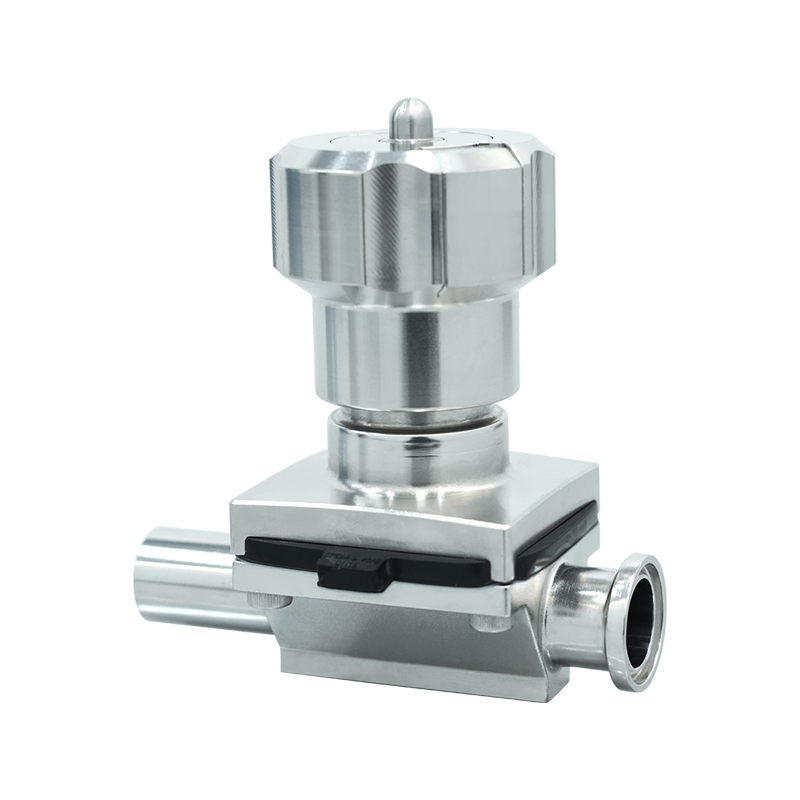
The valve body houses the flow path and, in weir-type diaphragm valves, includes a raised internal ridge against which the diaphragm presses to create a seal. Straight-through diaphragm valves, by contrast, use a flatter internal geometry, which allows for less flow restriction but generally requires a thicker or more robust diaphragm to achieve a reliable seal.
The Electric Actuator
The electric actuator converts electrical signals into mechanical motion, driving the valve stem and diaphragm between open and closed positions. Actuators can be configured for simple on-off control or for modulating control, which allows the valve to hold intermediate positions for more precise flow regulation based on process feedback.
| Component | Primary Function | Common Materials |
| Diaphragm | Seals flow path | EPDM, PTFE, rubber |
| Valve Body | Contains flow, provides sealing surface | Cast iron, stainless steel, PVC |
| Electric Actuator | Drives valve open/closed | Aluminum, steel housing |
Weir-Type Versus Straight-Through Diaphragm Valves
Electric diaphragm valves are generally available in two body configurations, each suited to different flow and media handling requirements. Weir-type valves feature a raised internal ridge that the diaphragm presses against, which allows for tighter shutoff and better control at lower pressure differentials, making this configuration common in chemical processing and water treatment applications.
Straight-through valves eliminate the internal weir, providing a smoother, more direct flow path that reduces pressure drop and makes the valve better suited for handling fluids containing solids, slurries, or fibrous materials that could otherwise catch on a raised weir. This configuration is frequently chosen in applications such as pulp and paper processing or wastewater handling, where minimizing flow obstruction is a priority.
Top Applications For Electric Diaphragm Valves
The combination of reliable sealing, contamination resistance, and precise electric actuation makes diaphragm valves a practical choice across a wide range of industries.
- Water and wastewater treatment, where diaphragm valves regulate chemical dosing and process flow with minimal risk of leakage into the surrounding environment.
- Pharmaceutical and biotechnology manufacturing, where the isolation of fluid from mechanical components supports the high purity standards required in these industries.
- Food and beverage processing, where sanitary diaphragm valve designs allow for thorough cleaning and reduce the risk of product contamination.
- Chemical processing, where corrosion-resistant diaphragm materials handle a wide range of aggressive fluids safely and reliably.
- Semiconductor manufacturing, where precise, contamination-free flow control supports the tight tolerances required in chip fabrication processes.
Selecting The Right Electric Diaphragm Valve
Choosing the correct electric diaphragm valve for a specific application requires evaluating several technical factors beyond basic pipe size compatibility.
- Diaphragm material compatibility with the specific fluid being handled, including chemical resistance and temperature tolerance under actual operating conditions.
- Valve body material, which should match both the fluid's chemical properties and the mechanical demands of the installation environment.
- Actuator control type, whether simple on-off switching or modulating control, based on the level of process precision required.
- Electrical supply requirements and control system compatibility, ensuring the actuator can integrate smoothly with existing automation infrastructure.
- Required flow rate and pressure rating, confirmed against manufacturer specifications to avoid undersizing or oversizing the valve for the application.
Installation Best Practices
Proper installation significantly affects the long-term reliability of an electric diaphragm valve. Valves should be installed with adequate clearance for maintenance access, since diaphragm replacement typically requires removing the valve bonnet or actuator assembly, and insufficient clearance can complicate future service work.
Electrical connections to the actuator should be made according to manufacturer wiring diagrams, with particular attention paid to proper grounding and moisture protection, especially in outdoor or wash-down environments common in food processing and water treatment facilities. Confirming that the actuator's voltage and control signal type match the facility's control system before installation helps avoid compatibility issues that could delay commissioning.
Maintenance Tips For Long-Term Reliability
Routine maintenance helps electric diaphragm valves maintain consistent sealing performance and extends their operational lifespan. The diaphragm itself is generally considered a wear component and should be inspected periodically for signs of cracking, stiffness, or chemical degradation, with replacement intervals depending on the specific fluid handled and frequency of valve cycling.
Actuator components should be checked for smooth operation, unusual noise, or delayed response, which can indicate developing mechanical or electrical issues within the actuator assembly. For valves used in sanitary or high-purity applications, following manufacturer-recommended cleaning and sterilization procedures helps maintain both valve performance and compliance with relevant industry hygiene standards.
By selecting the appropriate diaphragm material, body configuration, and actuator type for the specific application, and by following consistent installation and maintenance practices, electric diaphragm valves can provide precise, contamination-resistant flow control that performs reliably across demanding industrial and process environments for many years.