

Content
- 1 Why Valve Selection Is Critical in Fermentation Process Systems
- 2 The Most Common Valve Types Used in Fermentation
- 3 Material Selection for Valve Bodies and Wetted Components
- 4 Hygienic Standards and Surface Finish Requirements
- 5 Comparing Valve Types by Fermentation Application
- 6 Actuation Options and Automation in Fermentation Valve Systems
Why Valve Selection Is Critical in Fermentation Process Systems
In any fermentation process — whether brewing beer, producing pharmaceuticals, cultivating probiotics, or manufacturing industrial enzymes — valves are among the most consequential components in the system. They regulate the flow of media, culture broth, cleaning agents, steam, and gases through bioreactors, transfer lines, and processing equipment. A valve that leaks, harbors microbial contamination, introduces foreign materials, or fails to seal reliably can compromise an entire fermentation batch worth thousands or even hundreds of thousands of dollars. Beyond batch loss, improper valve selection in pharmaceutical or food-grade fermentation can trigger regulatory non-compliance events that result in facility shutdowns or product recalls.
The challenge of selecting the correct fermentation process valve lies in the unique combination of demands placed on these components. They must maintain a hermetic seal against internal pressures during active fermentation, withstand aggressive sterilization cycles using steam or caustic chemicals, resist corrosion from acidic or alkaline process media, and present interior surfaces that can be completely cleaned without dead legs or crevices where microorganisms can accumulate. No single valve type satisfies all of these requirements equally across every application, which is why experienced process engineers select different valve designs for different points in the fermentation process train.
The Most Common Valve Types Used in Fermentation
Several distinct valve designs are employed across fermentation systems, each with specific functional strengths that make it appropriate for particular service conditions. Understanding the operating principle and limitations of each type is the foundation of effective valve selection.
Diaphragm Valves
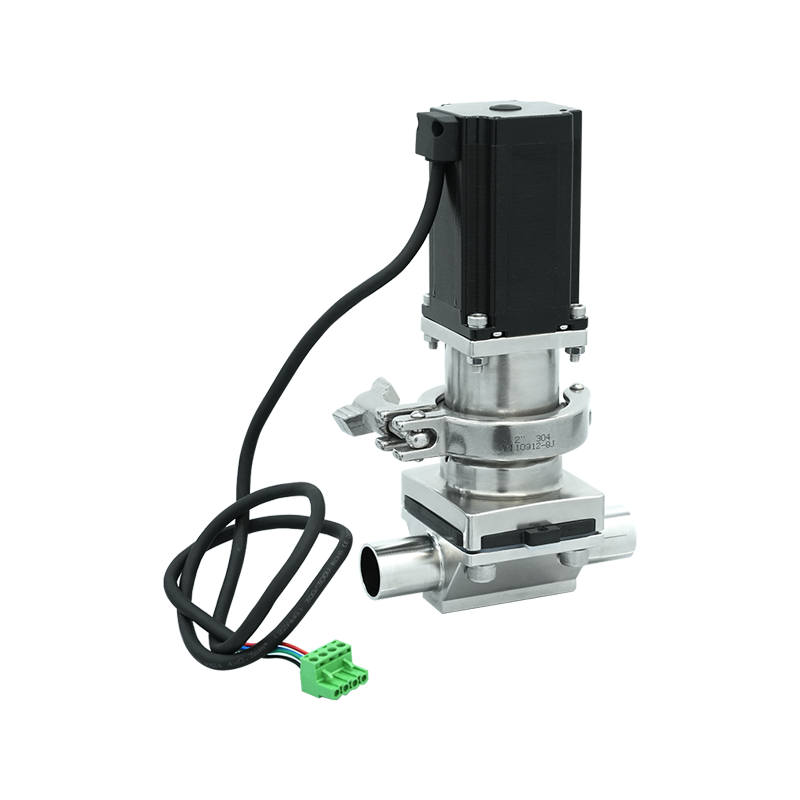
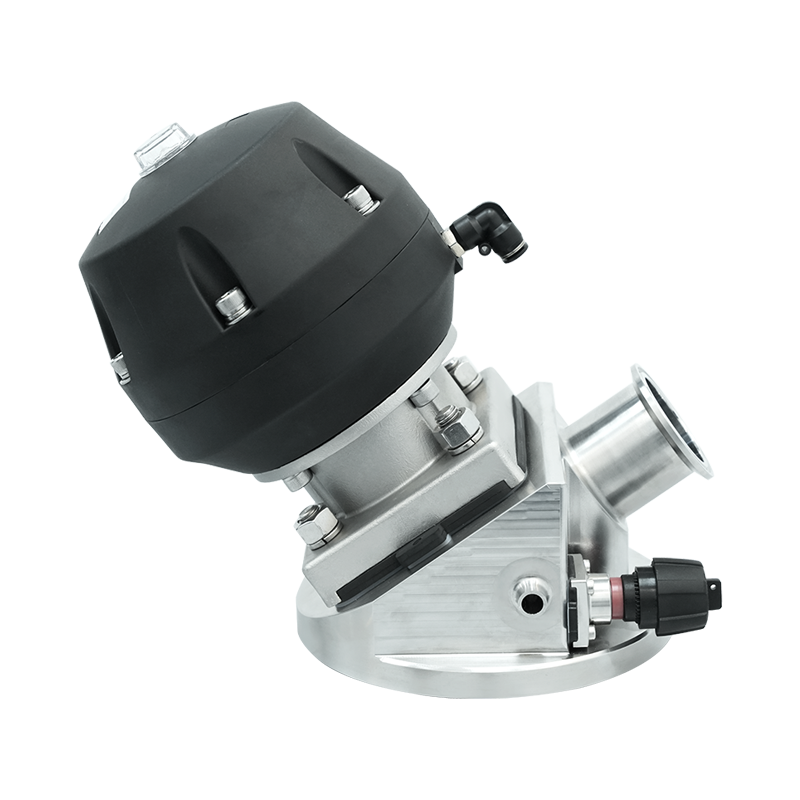
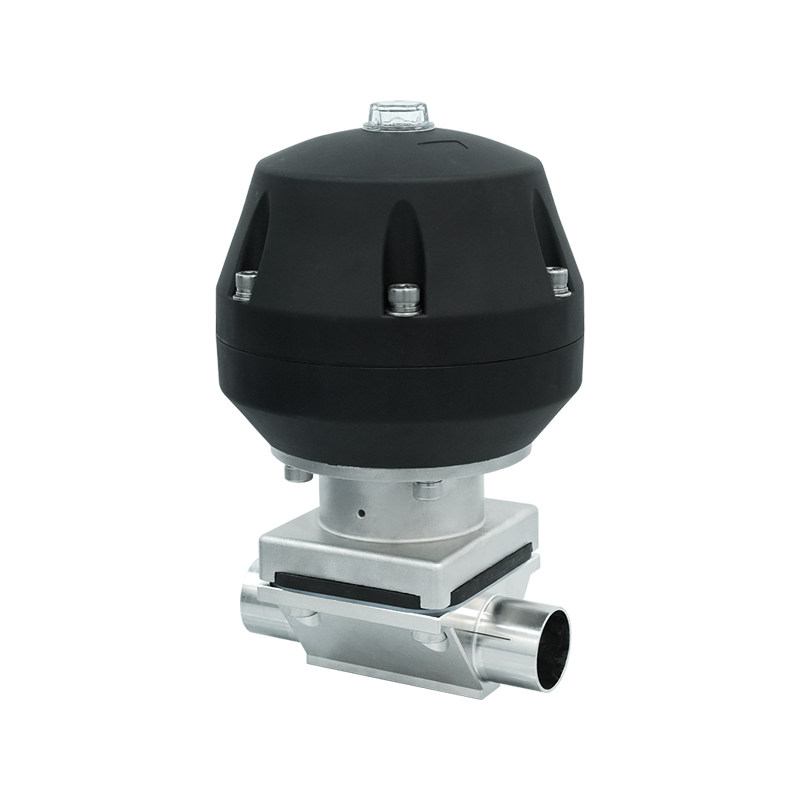
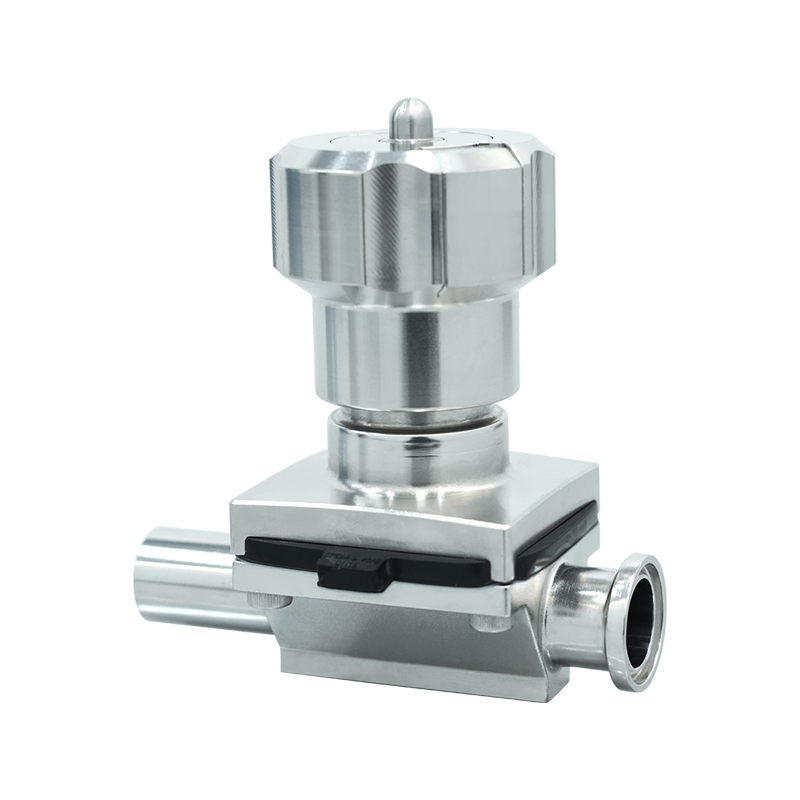
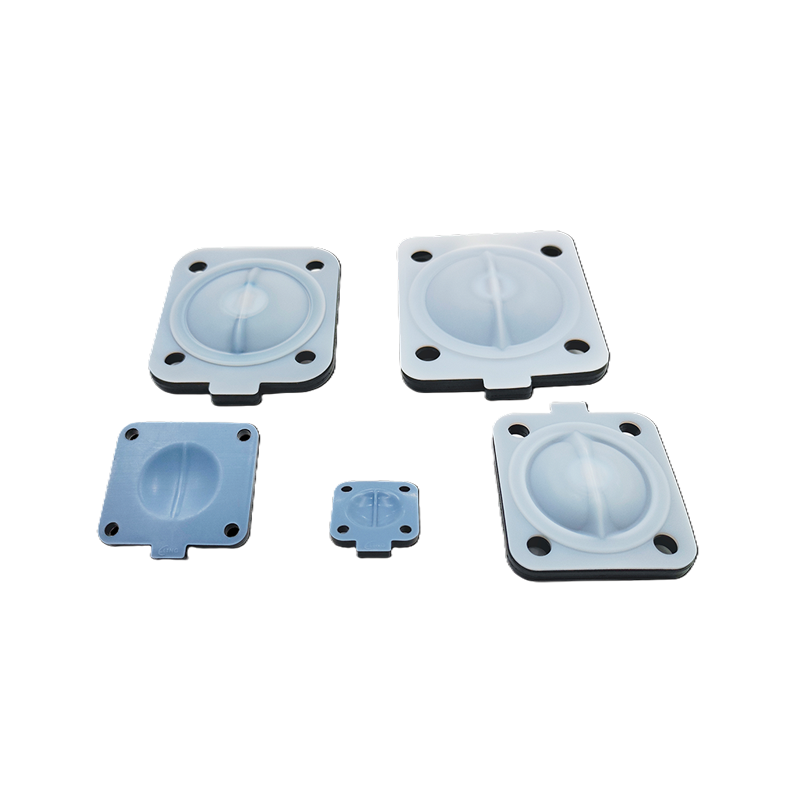
The diaphragm valve is the most widely used valve type in hygienic fermentation and bioprocessing applications. Its operating principle is elegant in its simplicity: a flexible diaphragm made from elastomeric material is pressed against a weir or saddle in the valve body to achieve closure, and retracted to allow flow. The critical advantage of this design is that the actuation mechanism — the handwheel, pneumatic actuator, and bonnet assembly — is entirely separated from the process fluid by the diaphragm. This eliminates the risk of lubricants, metal particles, or external contaminants entering the process stream, and means there are no stem seals or packing glands that can leak process media to the atmosphere. Diaphragm valves are available in both weir-body and full-bore straight-through configurations, with the weir type offering superior shut-off performance and the straight-through type providing better drainage and lower pressure drop for viscous media.
Butterfly Valves
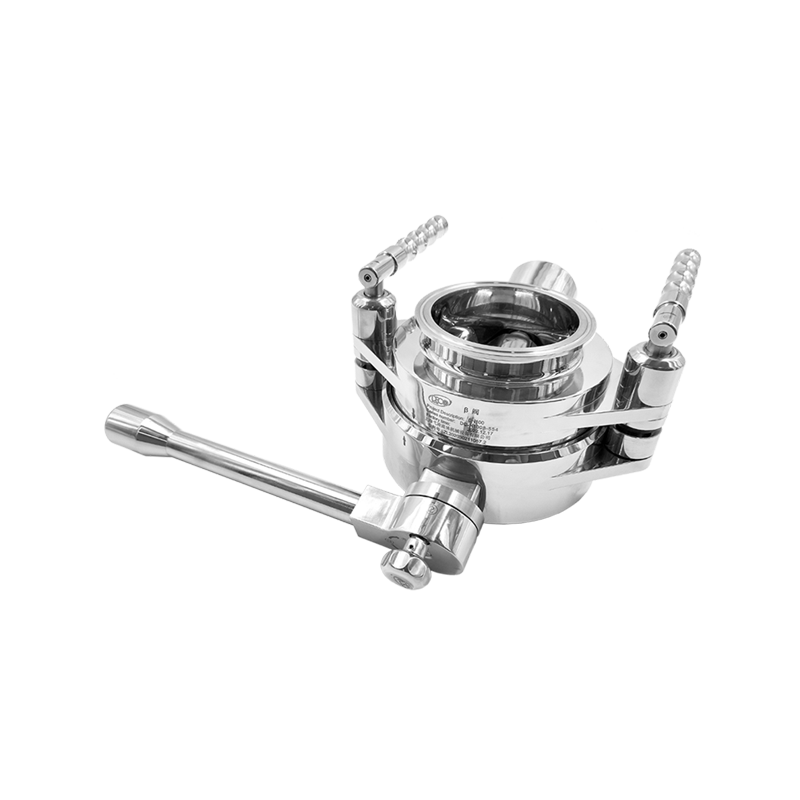
Sanitary butterfly valves are used extensively in fermentation transfer lines and tank bottom outlets where large-diameter flow control is needed at low cost. A circular disc mounted on a central shaft rotates within the valve body to modulate or shut off flow. In the sanitary configuration, the disc and body interior are polished to Ra ≤ 0.8 µm and the shaft seal uses a replaceable elastomeric liner that provides both the seat seal and the shaft seal in a single component. Butterfly valves offer fast quarter-turn operation, compact face-to-face dimensions, and low pressure drop in the fully open position, making them well suited to tank discharge, CIP return lines, and large transfer headers. Their limitation is that the central disc always remains in the flow path even when fully open, which creates a minor obstruction and makes them less suitable for highly viscous fermentation broths or slurries with high solids content.
Ball Valves
Sanitary ball valves feature a drilled sphere that rotates to align with or block the flow path, providing full-bore flow in the open position with virtually zero pressure drop. In hygienic designs, the ball and body are manufactured from 316L stainless steel with an electropolished or mechanically polished interior surface, and the seat rings are made from PTFE or PTFE composites that provide chemical resistance across a very wide pH range. Ball valves are preferred for on/off isolation service in fermentation gas supply lines, sampling ports, and sterilization circuits because their full-bore construction allows complete drainage and their simple geometry is easy to clean in place. However, they are generally not recommended for throttling service as partial opening causes turbulence and erosion of the PTFE seats over time.
Seat Valves (Mixproof and Single-Seat)
Single-seat and mixproof double-seat valves are used in more complex fermentation facilities where multiple product streams must be handled within the same pipework without risk of cross-contamination. A single-seat valve uses a conical or flat plug pressed against a machined seat in the valve body, providing excellent shut-off performance and a self-draining geometry when installed in the recommended orientation. Mixproof double-seat valves feature two independent closing elements with a leakage cavity between them that is vented to atmosphere — even if one seat leaks, the second seat prevents any product from reaching the opposite side of the valve, and any leakage is safely discharged to a drain. This double-barrier design is mandatory in dairy and pharmaceutical fermentation facilities where simultaneous processing of different product streams in shared pipework is required by the process design.
Material Selection for Valve Bodies and Wetted Components
The materials used in the wetted parts of a fermentation process valve — the body, closure element, seats, and seals — must withstand the specific chemical, thermal, and biological conditions of the process while maintaining surface integrity over repeated sterilization cycles. Incorrect material selection is a leading cause of premature valve failure and process contamination in fermentation facilities.
- 316L Stainless Steel: The standard material for sanitary valve bodies and internals across food, beverage, and pharmaceutical fermentation. The low carbon content of 316L (maximum 0.03% carbon) minimizes sensitization and intergranular corrosion during repeated steam sterilization cycles. Its molybdenum content provides superior resistance to chloride-induced pitting compared to 304 stainless, which is important in CIP systems using sodium hypochlorite or other chlorinated sanitizers.
- EPDM (Ethylene Propylene Diene Monomer): The most widely used elastomer for diaphragms and seat seals in fermentation valves. EPDM offers excellent resistance to steam sterilization, alkaline CIP chemicals, and aqueous media across a broad temperature range. It is not compatible with oils or hydrocarbon-based solvents, but this is rarely a concern in aqueous fermentation environments.
- PTFE (Polytetrafluoroethylene): Used for seat rings in ball valves and as a liner material in diaphragm valves exposed to aggressive chemical conditions. PTFE is chemically inert to virtually all process media encountered in fermentation, including strong acids, strong bases, and oxidizing sanitizers, but it has limited elasticity and must be carefully torqued during assembly to maintain seat integrity.
- Silicone Elastomers: Preferred in pharmaceutical and biotechnology fermentation for diaphragms and seals where FDA compliance and extractables minimization are mandatory. Silicone is inherently low in extractable compounds, steam-autoclavable, and compatible with the gamma irradiation sterilization methods used in single-use bioprocessing systems.
- Duplex and High-Alloy Stainless Steels: Used in aggressive fermentation environments involving high chloride concentrations, low pH media, or elevated temperatures that exceed the corrosion resistance of standard 316L. Duplex grades such as 2205 or super-austenitic grades like 904L provide significantly higher pitting resistance indices (PREN) for these demanding service conditions.
Hygienic Standards and Surface Finish Requirements
Fermentation process valves used in food, beverage, dairy, and pharmaceutical production must comply with recognized hygienic design standards that govern surface finish, dead leg dimensions, drainability, and material traceability. Compliance with these standards is not merely a regulatory formality — it directly determines whether the valve can be reliably cleaned and sterilized in service without harboring residual contamination between batches.
The two principal standards governing hygienic valve design are the 3-A Sanitary Standards (used primarily in North America) and the EHEDG (European Hygienic Engineering and Design Group) guidelines (used primarily in Europe and internationally for pharmaceutical applications). Both standards mandate that wetted surface roughness must not exceed Ra 0.8 µm for most applications, with Ra 0.4 µm or better required for aseptic pharmaceutical service. Surface finish is achieved through mechanical polishing, electropolishing, or a combination of both — electropolishing not only reduces surface roughness but also removes embedded iron and other surface contaminants, creating a passivated chromium oxide layer that enhances corrosion resistance.
Dead leg control is another critical hygienic design requirement. A dead leg is any section of pipework or valve cavity that is not swept by the main process flow or CIP cleaning stream, creating a stagnant zone where microorganisms can accumulate and multiply between cleaning cycles. The accepted industry rule limits dead legs to no more than 1.5 times the pipe diameter in length. Valve designs that incorporate recessed cavities, blind ports, or stem packing chambers that communicate with the process fluid violate this requirement and are not acceptable in hygienic fermentation service.
Comparing Valve Types by Fermentation Application
Different positions in the fermentation process train demand different valve characteristics. The following table maps the most common valve types to their optimal application points within a typical fermentation facility.
| Application Point | Recommended Valve Type | Key Reason |
| Bioreactor inoculation port | Diaphragm valve | No dead legs, steamable, sterile barrier |
| Harvest and transfer lines | Mixproof seat valve | Prevents cross-contamination between streams |
| Tank bottom outlet | Butterfly valve | Large bore, fast actuation, self-draining |
| Gas supply (air, CO₂, N₂) | Ball valve | Full-bore, zero pressure drop, reliable shut-off |
| Steam sterilization circuit | Diaphragm or bellows valve | High-temp tolerance, no external leakage path |
| CIP supply and return | Butterfly or single-seat valve | Chemical resistance, high flow capacity |
| Sampling port | Aseptic sampling valve | Sterile sample extraction without contamination |
Actuation Options and Automation in Fermentation Valve Systems
Modern fermentation facilities operate with high levels of automation, and valve actuation is a core component of the process control architecture. Manual valves are appropriate for infrequent operations such as maintenance isolation or manual sampling, but the majority of valves in a continuous or fed-batch fermentation system will be pneumatically or electrically actuated and controlled by the facility's distributed control system (DCS) or programmable logic controller (PLC).
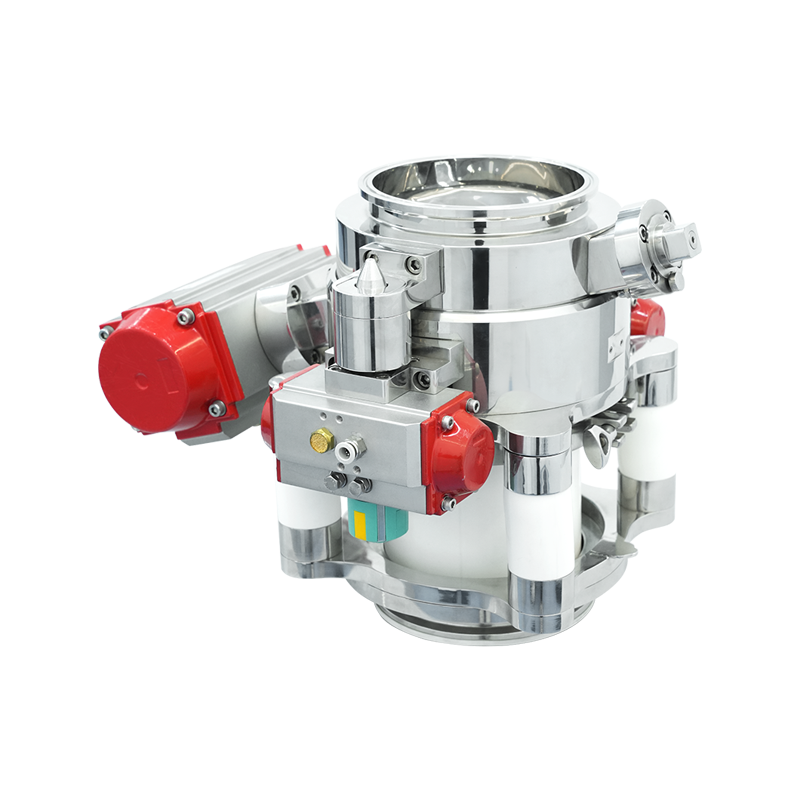
Pneumatic actuators are by far the most common actuation technology in fermentation valve systems because they are simple, fast, reliable, and inherently safe in environments where electrical spark risk exists due to flammable solvents or gases. Single-acting spring-return actuators are the standard choice for on/off service because they fail to a defined safe position — either fully open or fully closed — upon loss of instrument air pressure. This fail-safe behavior is essential in fermentation systems where valve position at the point of power or air failure can determine whether a batch is saved or lost. Double-acting actuators, which require air pressure to both open and close, are used where very high actuation forces are needed or where the fail-safe position is not critical to process safety.
Valve position feedback is provided by limit switches or position transmitters mounted on the actuator assembly, which confirm to the control system whether the valve is fully open, fully closed, or at an intermediate position. In aseptic pharmaceutical fermentation, the control system must receive confirmed position feedback before proceeding to the next step in an automated sequence — a valve that fails to confirm its commanded position within a defined timeout period will trigger an alarm and halt the sequence, preventing the process from proceeding in an undefined or unsafe state. Positioners with HART or fieldbus communication capability allow continuous valve position monitoring and diagnostic data collection, enabling predictive maintenance programs that identify valve degradation before failure occurs.